
Affiliate disclosure: this page contains affiliate links. Purchases made through them may earn us a commission at no extra cost to you. See our affiliate disclosure.
In plain English
Think of this as two walks that start from the same busy neighborhood. Emerald Lake is the short one, a steady climb past a few small lakes. Sky Pond is the long one, and near the top it asks you to climb a short, wet rock step beside a waterfall using your hands. The park has a road ticket system in summer called timed entry: you book a time slot to drive in, a bit like booking a table at a restaurant.1
The air up here is thinner than most people are used to, so you may feel out of breath sooner than on a hill at home. Summer afternoons often bring thunderstorms, which is why locals start at dawn and head down before lunch.3
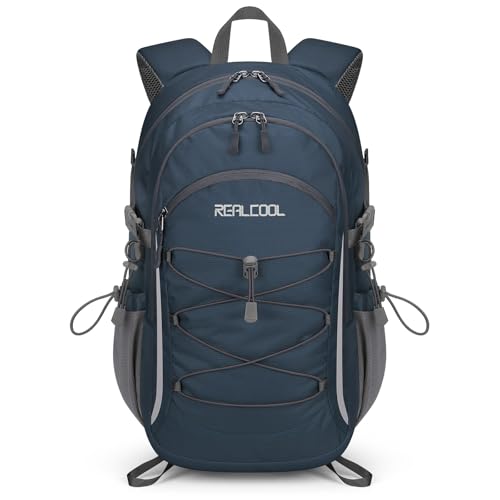
You only need a daypack, the kind of backpack you might take on a long day out. Pack water, snacks, a warm jacket and a rain jacket even if the morning is sunny. Getting wet and cold in the mountains can make you dangerously chilled even when it is not freezing.6
What the hike is like
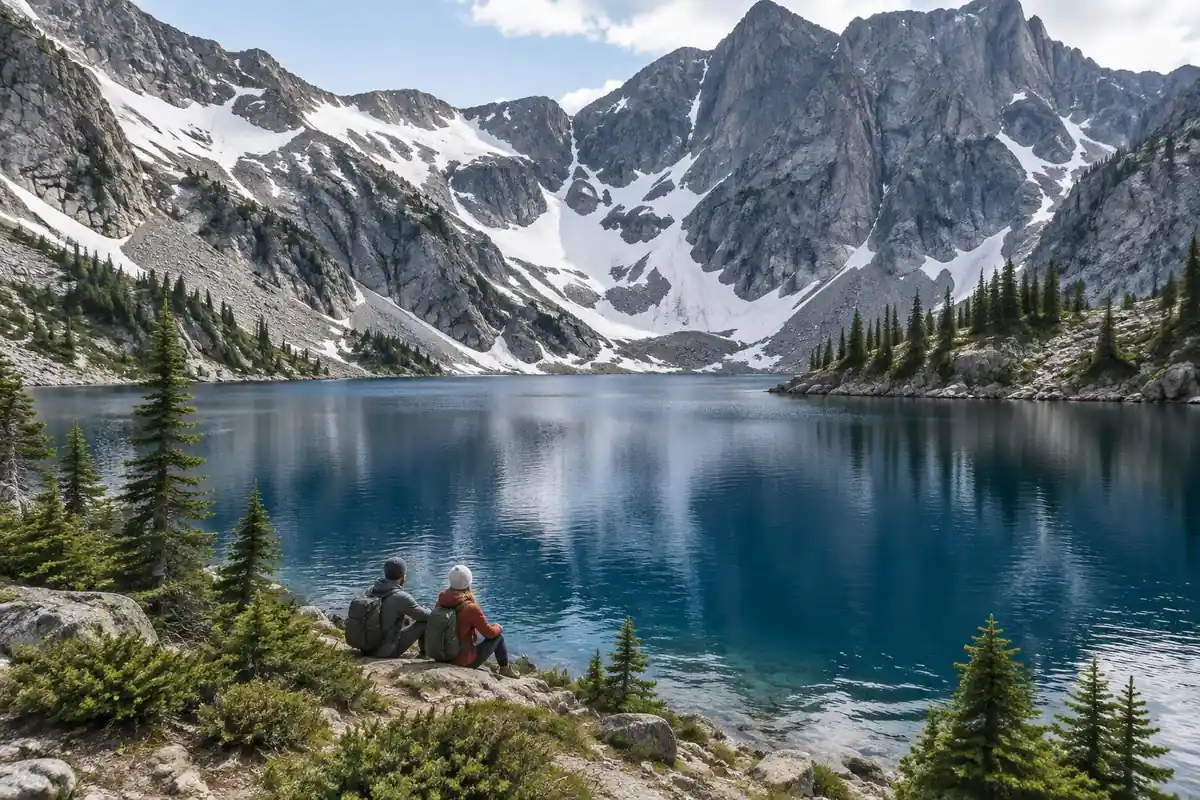
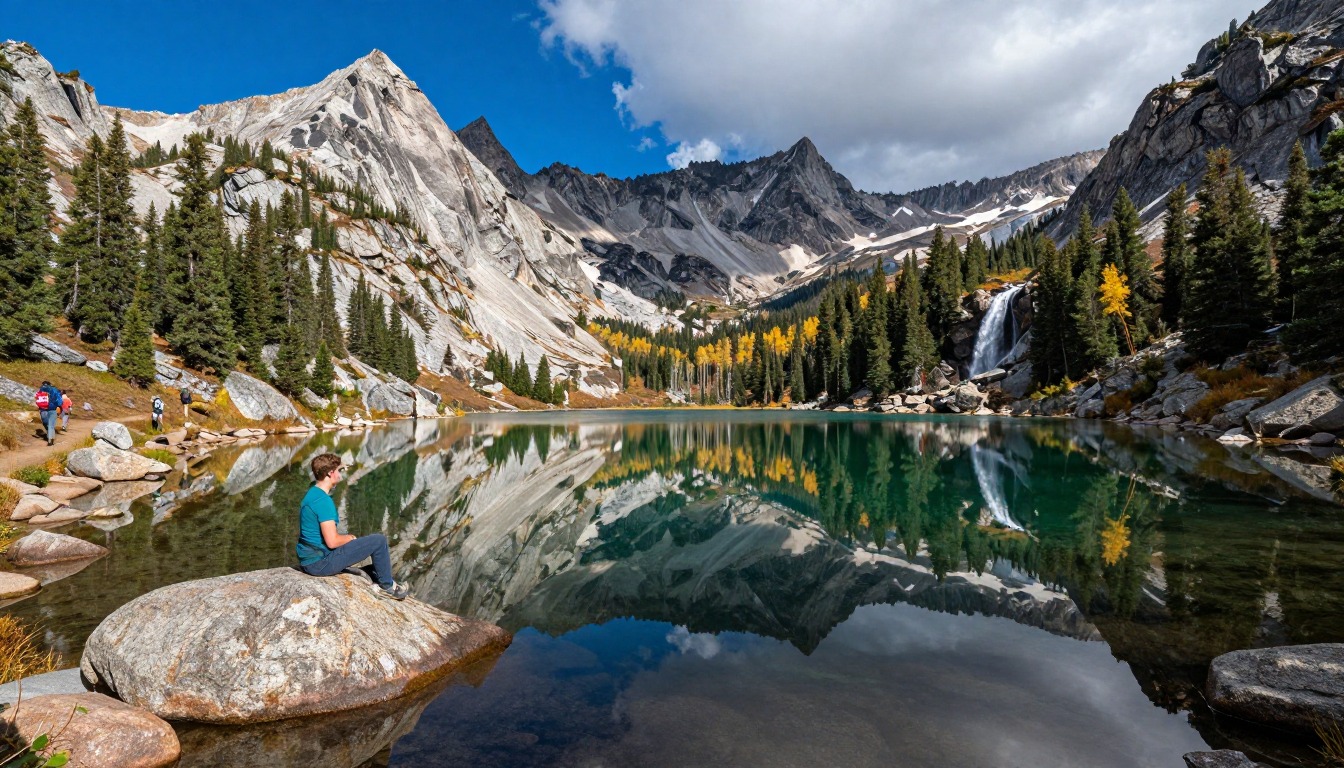
Both routes share the same opening character: wide, hard-worn tread climbing through spruce and fir on stone-set steps and short switchbacks that carry more boot traffic than almost anything else in the park. Emerald Lake stays gentle throughout, stepping up from one lake basin to the next on rooty pitches with level stretches between, and finishing on a boulder shelf under the cirque walls. The Sky Pond side branches toward Glacier Gorge and keeps working upward past a run of waterfalls, the trail turning rockier and less groomed as the forest thins. Its crux is the section everyone remembers: a short, hands-on scramble up damp rock beside a falls, using ledges and cracks rather than any fixed cable or rung. Above it the route eases out across open granite and tundra, past an upper lake, before a final short push to Sky Pond itself.
How to plan the itinerary
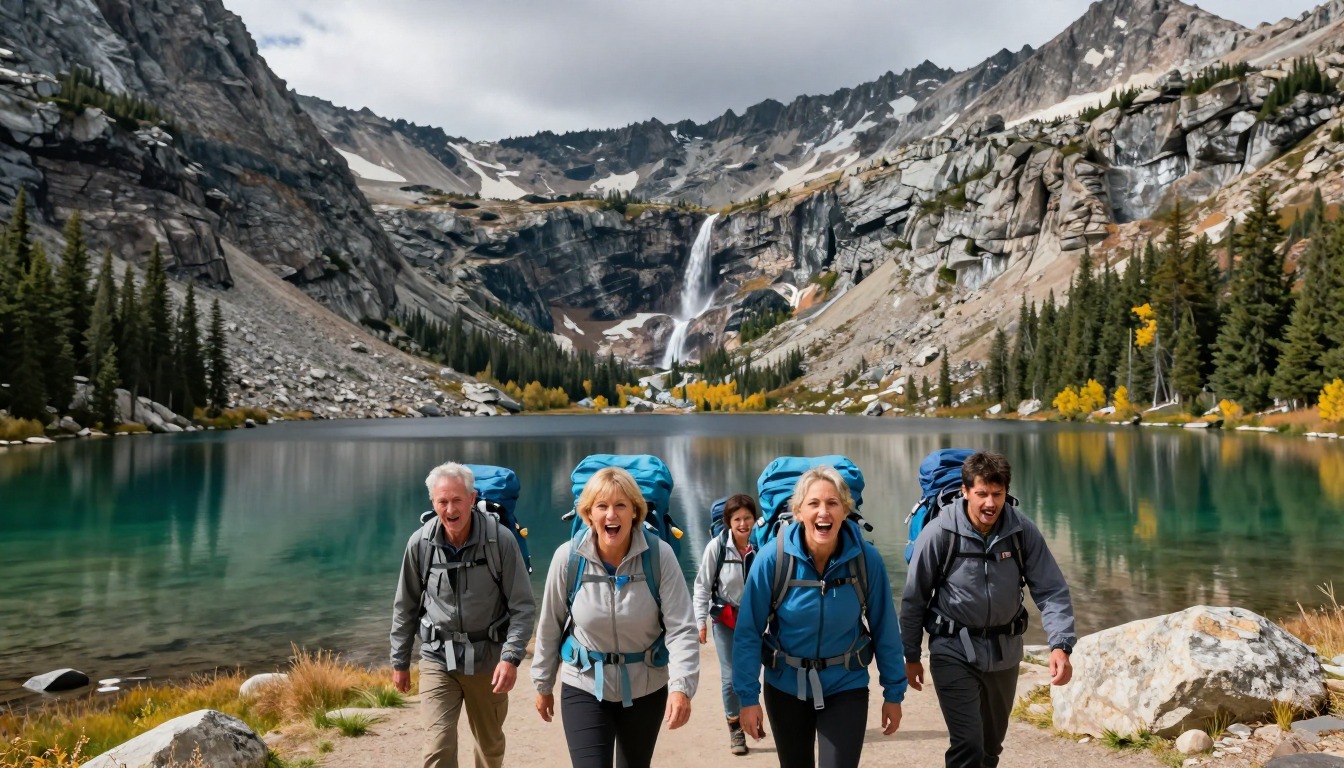
Both are day hikes, and most people do one or the other rather than both in an outing. Emerald Lake suits a half day: an early start, time to sit at the top, and back down before the parking lots turn over. Sky Pond is a full day's commitment, and the standard approach is to be walking by first light, partly for parking and partly to be off the high open ground before afternoon storms build. Hikers with several days often take Emerald Lake as a shakeout walk on an arrival day, letting the altitude settle, then give Sky Pond a fresh morning with rested legs. Because the two trails share a trailhead area and the same shuttle stops, you can keep the decision open until you see what the sky is doing.
Plan this trip in 5 steps
-
Pick the right pack
Match a pack to your trip, fit and priorities.
-
Book a place to stay
Campgrounds, huts and lodges near Rocky Mountain NP — Sky Pond & Emerald Lake.
-
Plan food & water
Calories, food weight and water for your days on trail.
-
Estimate your time
Pre-filled with this trail’s distance and climb — adjust for your pace.
Trail-specific tips
Treat the scramble beside the falls as the deciding section rather than a formality. Look at it before you commit, and remember that wet rock feels very different coming down in the afternoon than it did going up. Poles help below it and get in the way on it, so stow them first. The common mistake here is underestimating the altitude: people fly in from sea level, hike hard on day one, and pay for it. Give yourself an easy first outing. For storm timing, layering and general mountain safety, see /trail-smarts/.
Permits & rules
Sky Pond and Emerald Lake are day hikes and need no hiking permit, but the park requires a timed-entry reservation for the Bear Lake Road corridor in summer. Overnights need a separate wilderness permit.
Gear suited to this hike
Matched to the terrain and conditions here. Real products — check current price on Amazon.


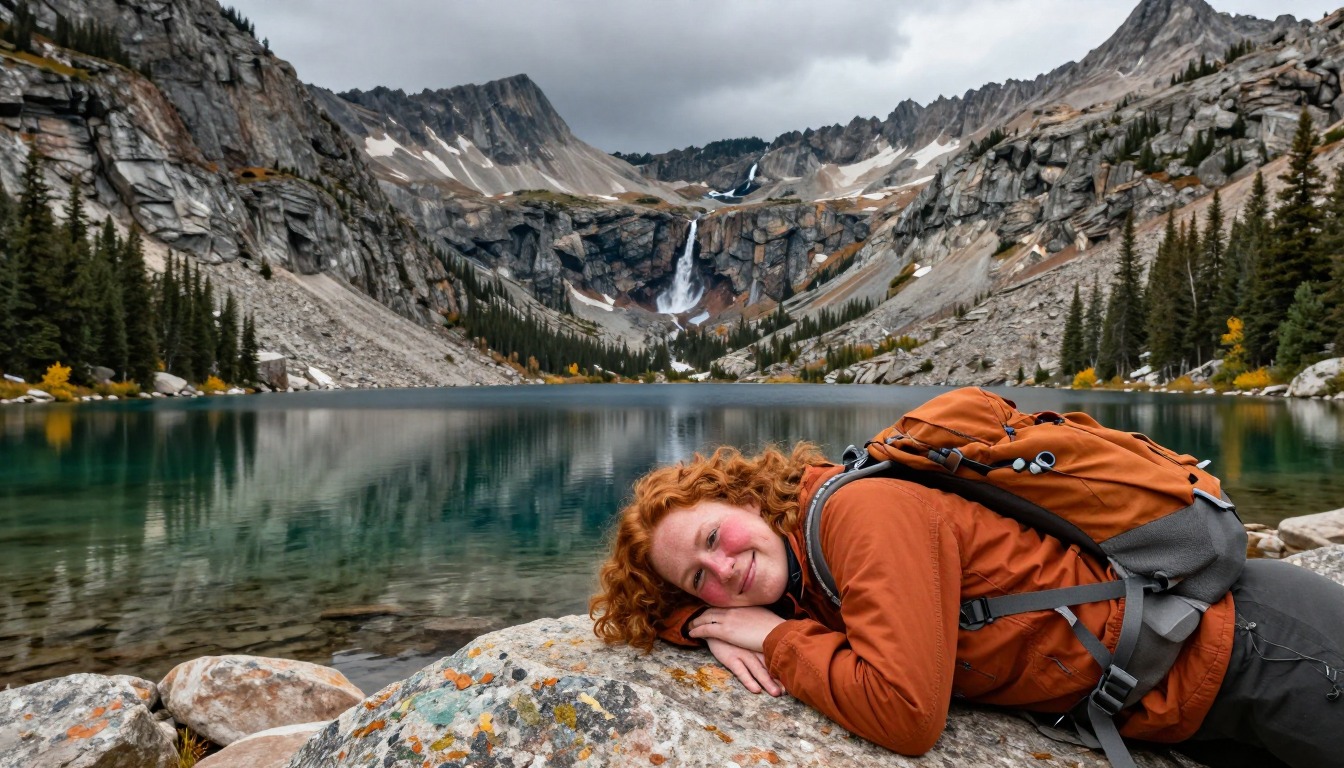
Timed entry, shuttles and how the clock shapes the day
The park's official site says a timed entry reservation is required during certain hours for visits from May 22 to mid-October, and it notes a shuttle bus picking up passengers at Bear Lake.1 In practice that means your hiking plan starts with a booking window and a shuttle timetable, not with the trail. The page above already covers parking pressure; the planning consequence is that a pack you can grab and go with, already loaded the night before, saves the minutes that decide whether you get the early slot you booked.
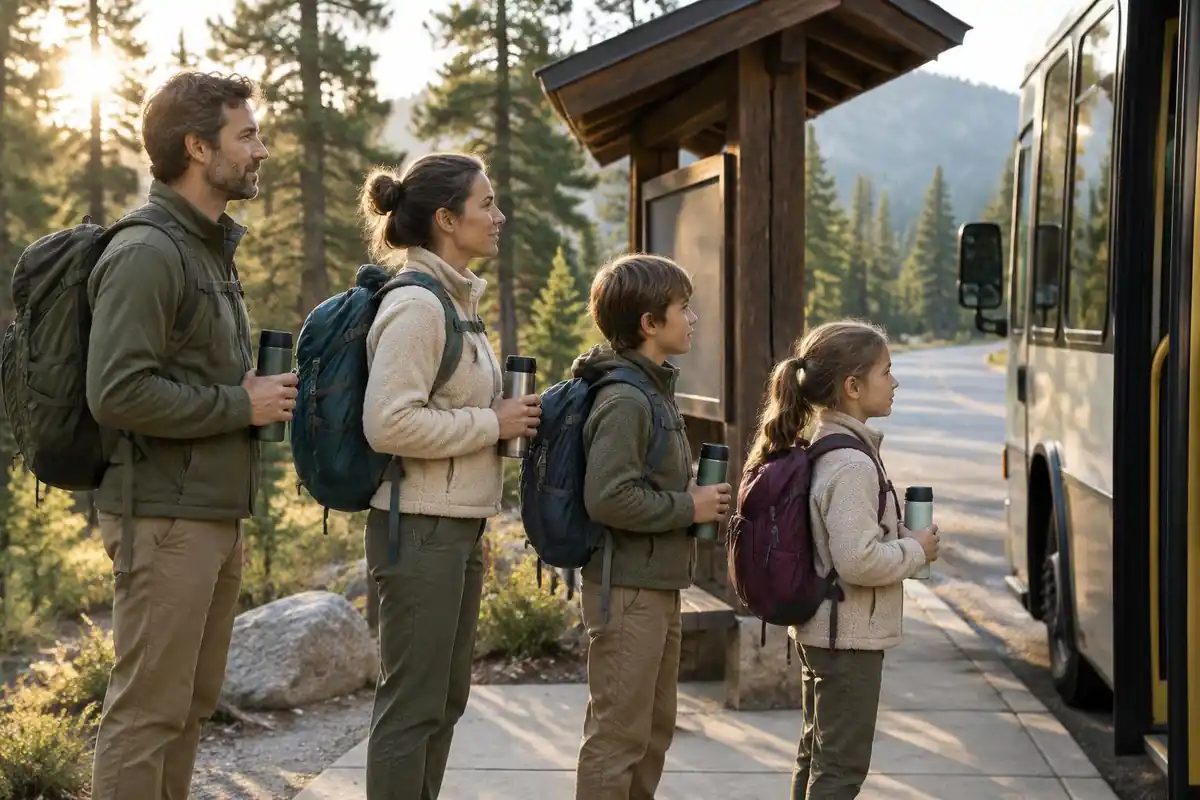
For timing, Naismith's rule allows one hour per three miles plus one hour per 2,000 feet of climbing.7 Using the page's figures, Sky Pond (about 9.4 miles, 1,800 feet) works out to roughly four hours of moving time, and Emerald Lake (about 3.6 miles, 700 feet) to about an hour and a half. Those are moving times only. The University of Utah's analysis of nearly 30,000 people's GPS tracks found a slow walker takes about 33 minutes on a flat mile but about 97 minutes on a 30-degree slope, which is why the scramble section eats more time than its length suggests.7 The NPS advises setting a turnaround time and sticking to it.8
Altitude, storms and the season question
The CDC's Yellow Book says any unacclimatized person sleeping at 8,000 feet or higher is at risk of altitude illness, and that physical fitness does not protect against it; headache is the main symptom, usually starting 2 to 12 hours after arrival.9 That is the reasoning behind the page's advice to walk Emerald Lake on arrival day and save Sky Pond for later. If symptoms appear, the Yellow Book says never go higher to sleep while you have them.
Above the scramble the route crosses open granite and tundra. The National Weather Service advises hiking early and being off the mountain by noon, avoiding ridge tops, and waiting 30 minutes after the last thunder before returning to exposed ground.3 UV is also stronger here: the EPA puts the increase at about 6% per kilometer of elevation.10
On season, the page suggests June to September, while the park's own site calls September to early November a great time to visit.1 Both can be true: autumn brings quieter trails, but snow and ice linger on the shaded upper Sky Pond route, so check the park's conditions pages and carry traction when in doubt.
Packing for a wet scramble and a cold lake
The scramble beside the falls is where pack choice matters most. A slim load kept close to your back is easier to balance; load-carriage research finds the lowest energy cost comes from keeping the pack's center of mass close to your own.11 Stow poles on the pack before the rock step so both hands are free, and avoid dangling bottles that swing when you lean in.
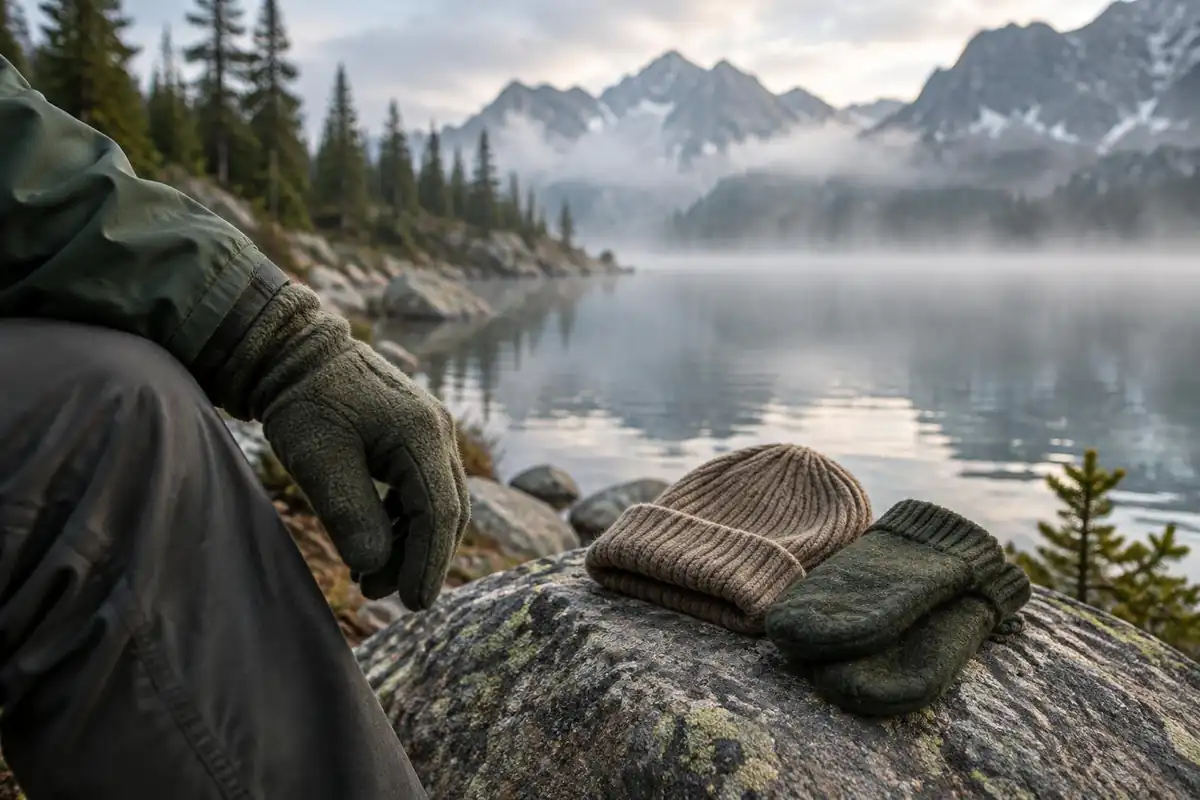
Spray from the falls and afternoon rain can soak you, and the CDC notes hypothermia can develop above 40°F when you are chilled by rain, sweat or cold water; it lists hikers among people at higher risk.6 A wool or synthetic layer is the right choice, since cotton absorbs moisture and will not keep you warm when wet.12 Water is the heaviest thing in the pack: each liter weighs about a kilogram, so two liters adds over four pounds.13
If you extend into an overnight elsewhere in the park, the rules change the pack. The NPS requires a bear canister for all wilderness overnights, you must show it to get a permit, and it must stay 200 feet from your campsite.5 A canister takes a rigid block of space, which usually pushes a hiker from a daypack into a 45–50 L overnight pack.4
Common questions
Is the scramble on the Sky Pond route as bad as it looks in photos?
It is a short, steep step of rock beside a waterfall where you will use your hands, not a technical climb, and most reasonably fit hikers get up it without drama. The rock does stay wet, though, and a slip there matters. If it is iced, running hard with snowmelt, or you are uneasy on wet rock, the lake below is a perfectly good turnaround.
Which one should I pick if I only have one day?
Emerald Lake if you want a shorter walk with a lot of scenery for the effort, or if you have just arrived and are still adjusting to the elevation. Sky Pond if you want a long, strenuous day and you are comfortable with a hands-on scramble. Both leave from the same trailhead area, so you can decide on the morning based on weather.
Do I need traction devices like microspikes?
Often, and earlier in the season than visitors expect. Snow and ice linger in the shaded upper sections of the Sky Pond route long after the lower lakes trails are dry, and the scramble is the worst possible place to discover you are underequipped. Check current trail conditions with the park before you set out and carry traction if there is any doubt.
How early do I really need to start?
Early enough to park, which on summer weekends means before sunrise. The trailhead lots fill first thing and the park shuttle becomes the fallback rather than the exception. The second reason is weather: afternoon thunderstorms over the high basins are routine in summer, so most hikers aim to be turning around and heading down well before the clouds stack up.
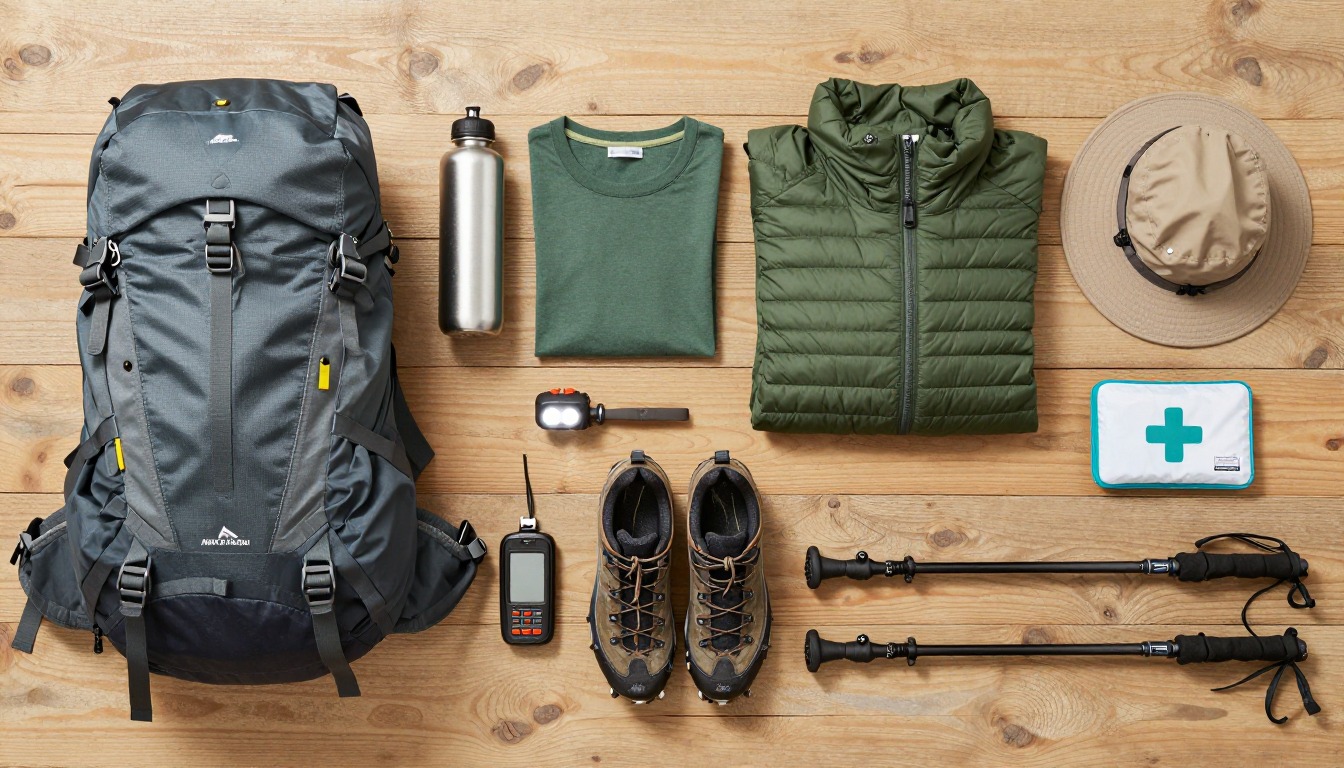
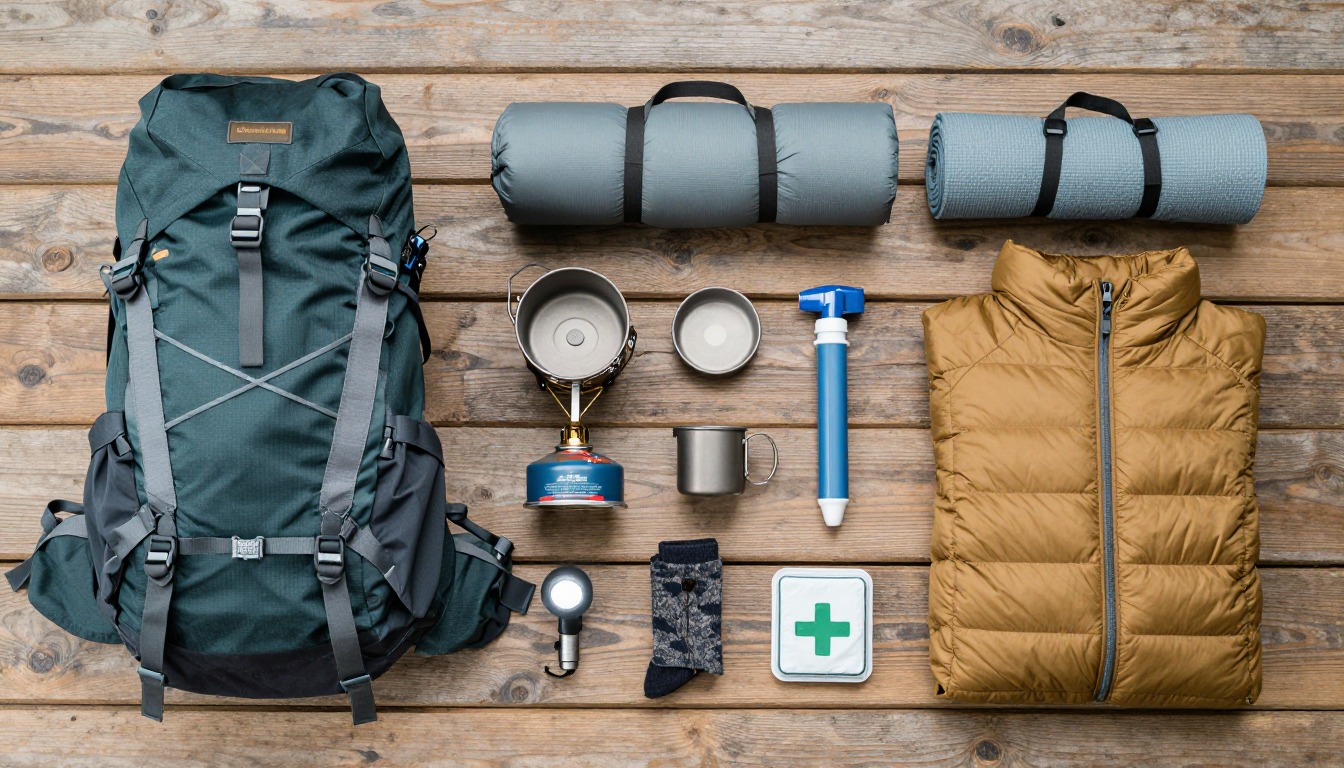
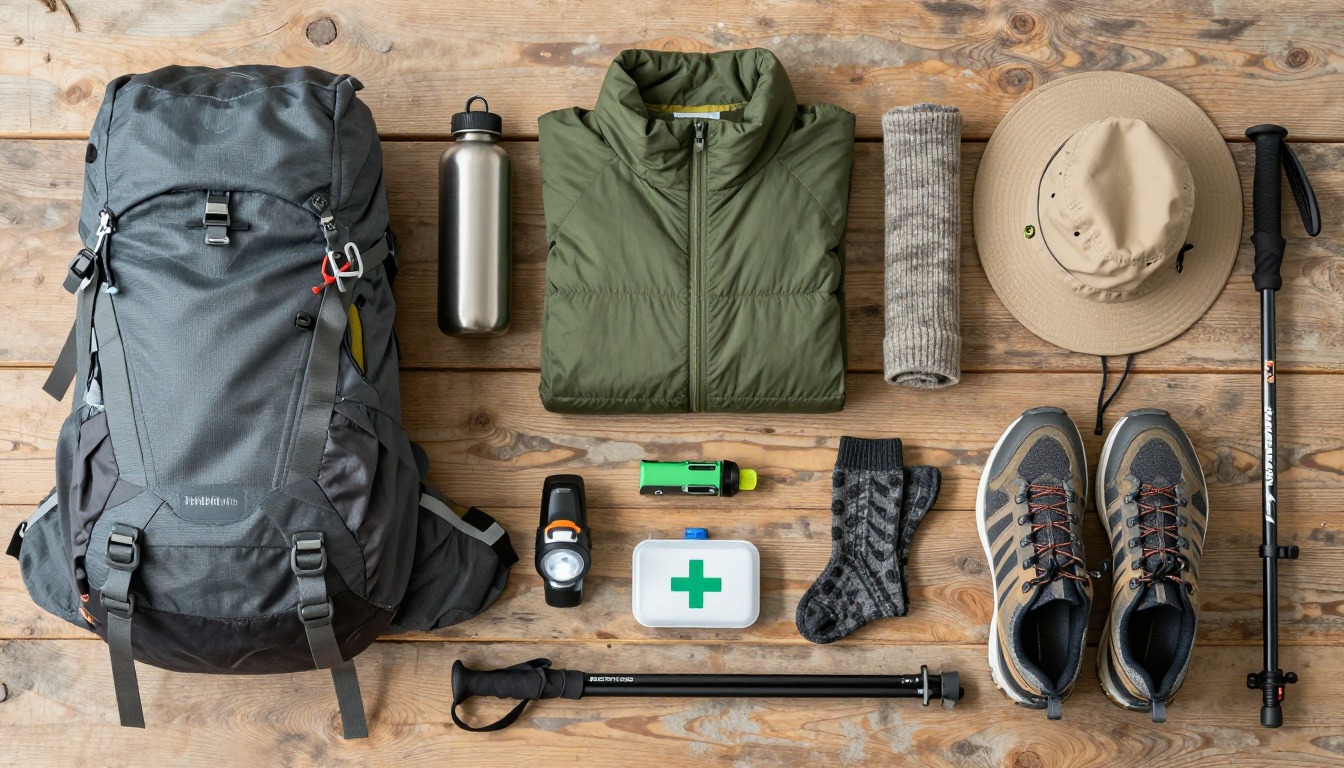
Complete gearsets for this trip
Full curated kits built for exactly this kind of hike.
Trail conditions, permits and access rules change without notice — always confirm current information on the official source above before you go. Some facts on this page are still pending owner verification and are marked accordingly. Product links and the accommodation map are affiliate links: we may earn a commission at no extra cost to you; product prices and availability are shown on Amazon, and accommodation prices on the booking site. See our affiliate disclosure.