
Affiliate disclosure: this page contains affiliate links. Purchases made through them may earn us a commission at no extra cost to you. See our affiliate disclosure.
In plain English
Sky Pond and Emerald Lake are day hikes, so nobody has to sleep on the trail. The real question is where you park your head the night before. You have three choices: a campground you can drive to, a hotel or cabin in the town of Estes Park, or a wilderness campsite you walk into with everything on your back.
Think of the campground as a parking lot with a tent pad. You arrive with a car full of gear, and the pack you carry on the hike can be small. A wilderness campsite is the opposite. Nothing arrives by car, so every ounce of food, shelter and water rides on your shoulders, and the pack has to be bigger and better fitted.
The rules matter as much as the beds. In summer the campgrounds are booked online well ahead, and the park has its own rules for storing food so bears never learn that hikers mean snacks. Knowing those rules first tells you what to buy and what to pack.
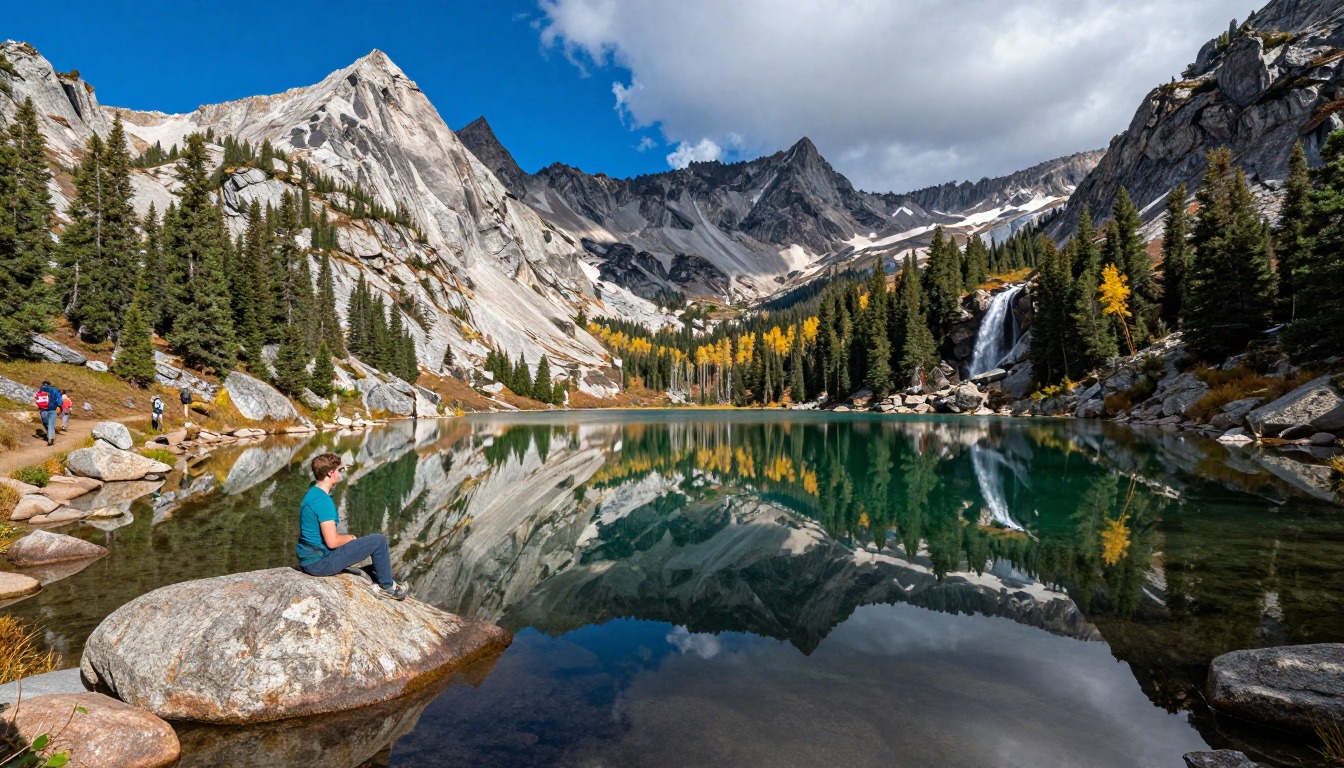
Sky Pond and Emerald Lake are two of Rocky Mountain National Park's best day hikes, both starting from the Bear Lake and Glacier Gorge trailheads. Emerald Lake is the gentler route, climbing past a string of lakes; Sky Pond is longer and steeper, passing waterfalls on its way to a pool beneath the jagged Sharkstooth. Neither hike is hut-based, so where you sleep comes down to basing yourself in the park's campgrounds, the gateway town of Estes Park, or heading into the backcountry on a longer trip.
Why hike here
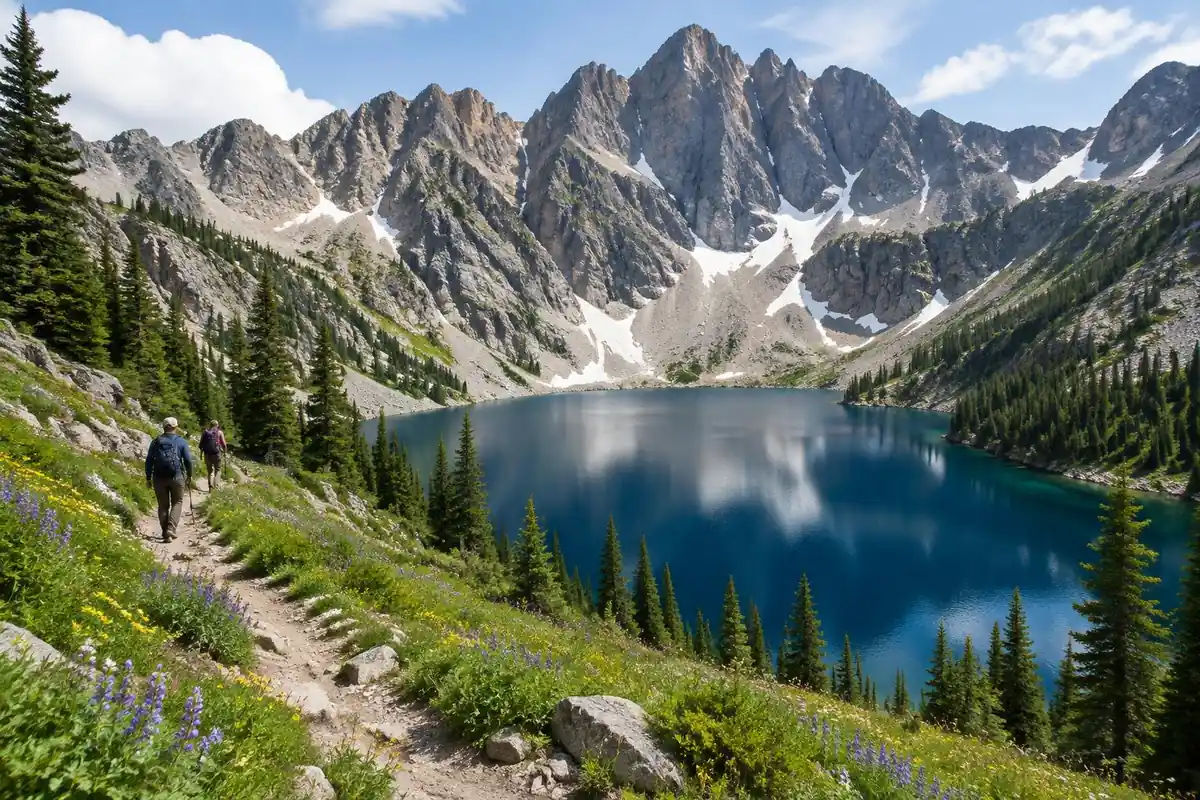
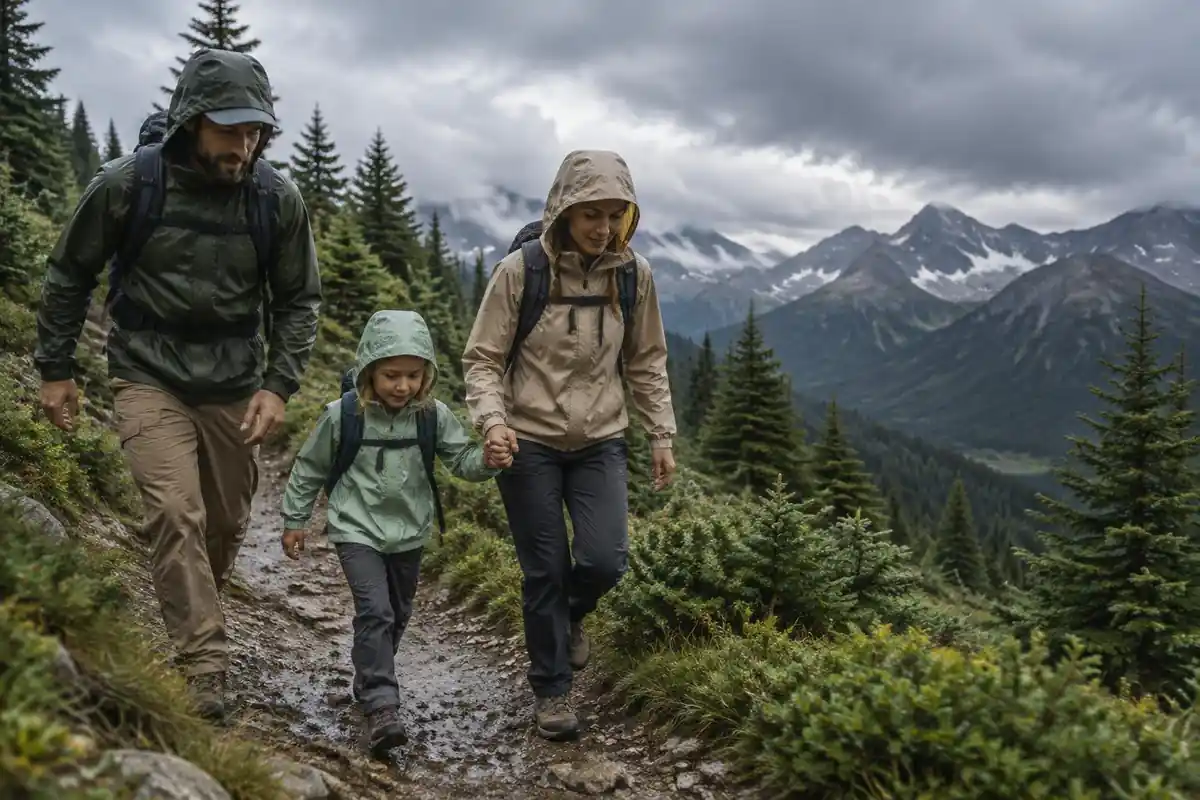
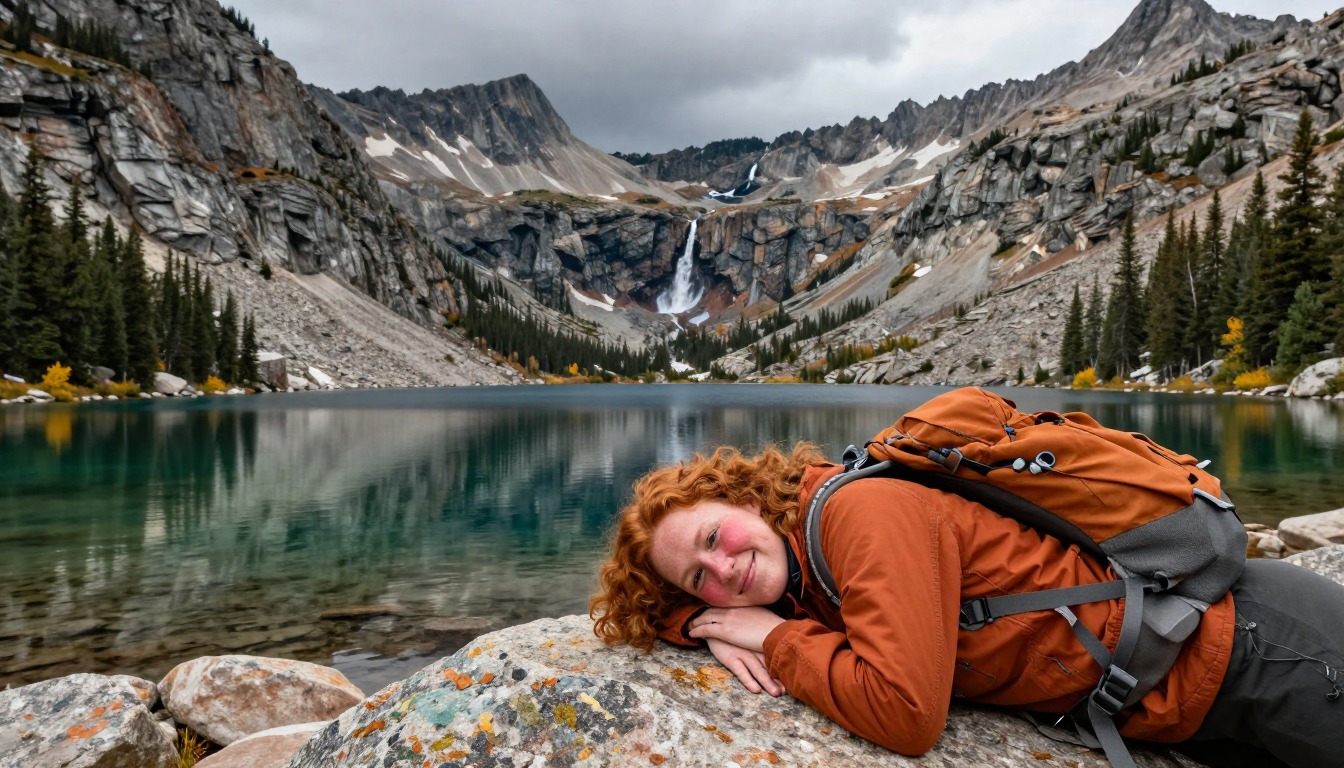
The appeal here is how much changes over a few miles. Both routes leave from the same busy trailhead area and climb through spruce and fir before the forest opens onto water and rock. On the Emerald Lake side, the trail strings together a sequence of lakes, each one a little higher and quieter than the last, with the surrounding peaks reflected on calm mornings. The Sky Pond route earns its reputation the hard way, past waterfalls that mark each stage of the climb before the trail breaks into open granite below the Sharkstooth's jagged skyline. Afternoon thunderstorms build fast above treeline in summer, which pushes most hikers into early starts — meaning the best light on the lakes and peaks often belongs to whoever's on the trail at sunrise.
Getting there
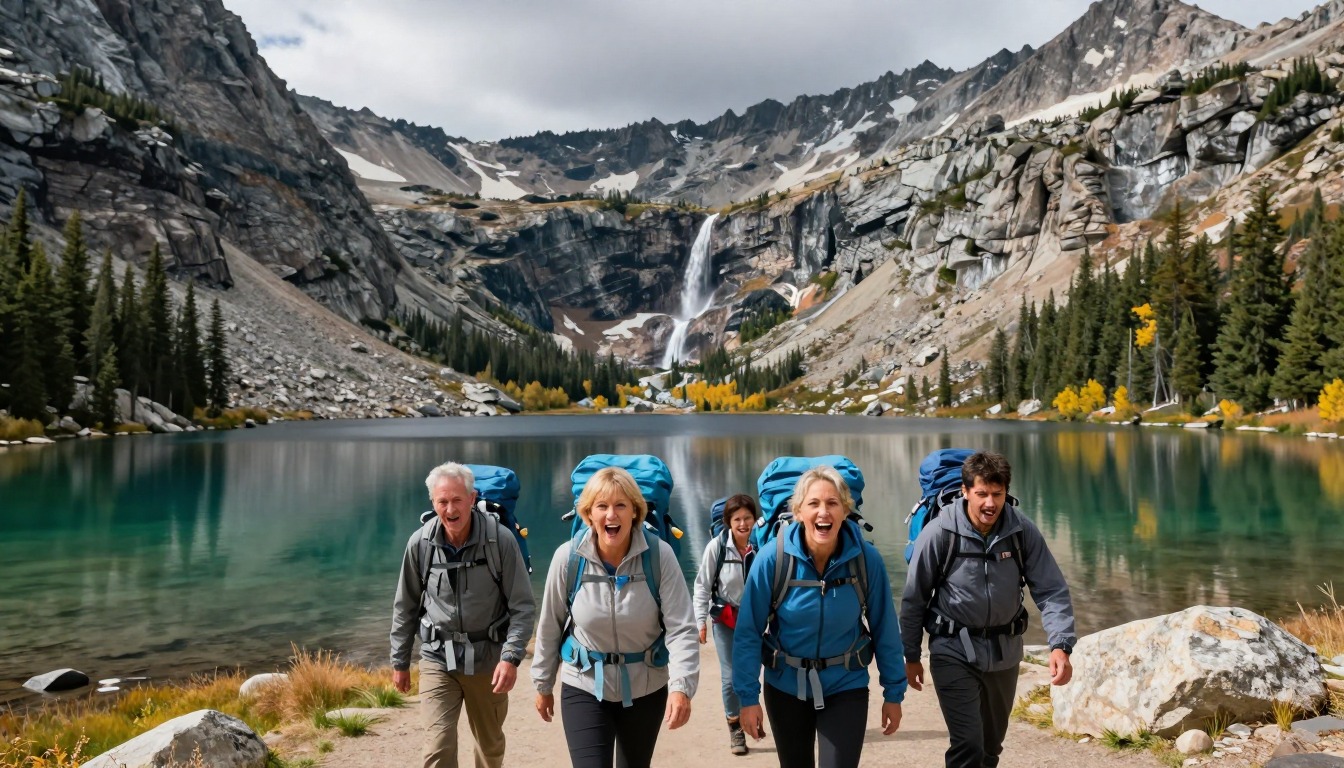
The usual route in is to fly into Denver, then drive roughly one and a half to two hours to Estes Park, the gateway town on the park's east side. In summer, a timed-entry reservation is required to drive the Bear Lake Road corridor, and trailhead parking fills early, so many hikers use the park's shuttle system to reach Bear Lake or Glacier Gorge rather than searching for a space. Afternoon thunderstorms are common above treeline, which is another reason to plan on getting to the trailhead early.
Where to stay
The realistic options, closest-to-the-trail first. Book through the official links — we don't list prices or availability because they change all the time.
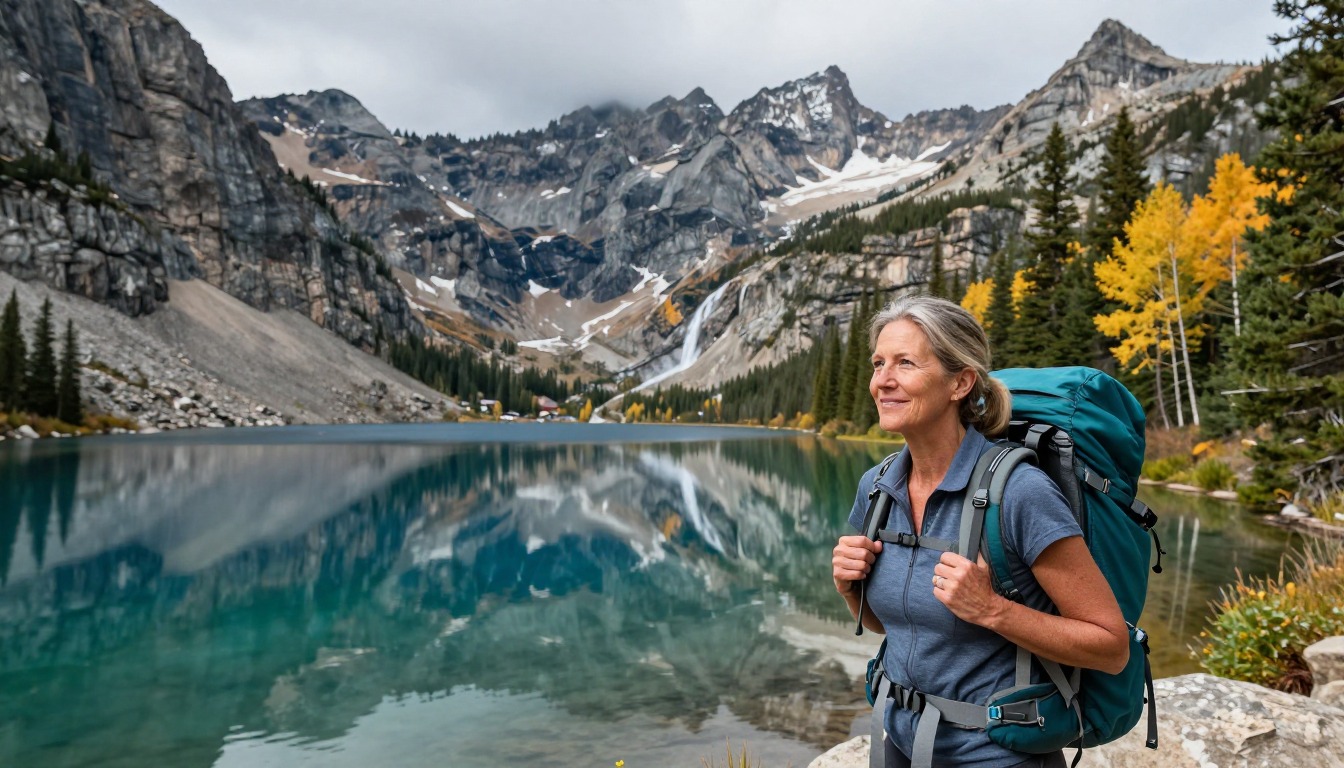
For example: Moraine Park, Glacier Basin and Aspenglen on the east side
Campers who want quick morning access to the Bear Lake trailheads.
Reservable in summer and popular; book as soon as dates open.
Recreation.govFor example: Hotels, cabins, lodges and rentals in and around Estes Park
Anyone wanting a warm base a short drive from the park entrance.
The widest range of rooms; fall color books early.
Search lodging in Estes Park, COFor example: Designated backcountry sites for longer trips into Glacier Gorge and beyond
Backpackers extending beyond the day-hike corridor.
Overnights require a wilderness permit and approved food storage.
RMNP wilderness permit (Recreation.gov)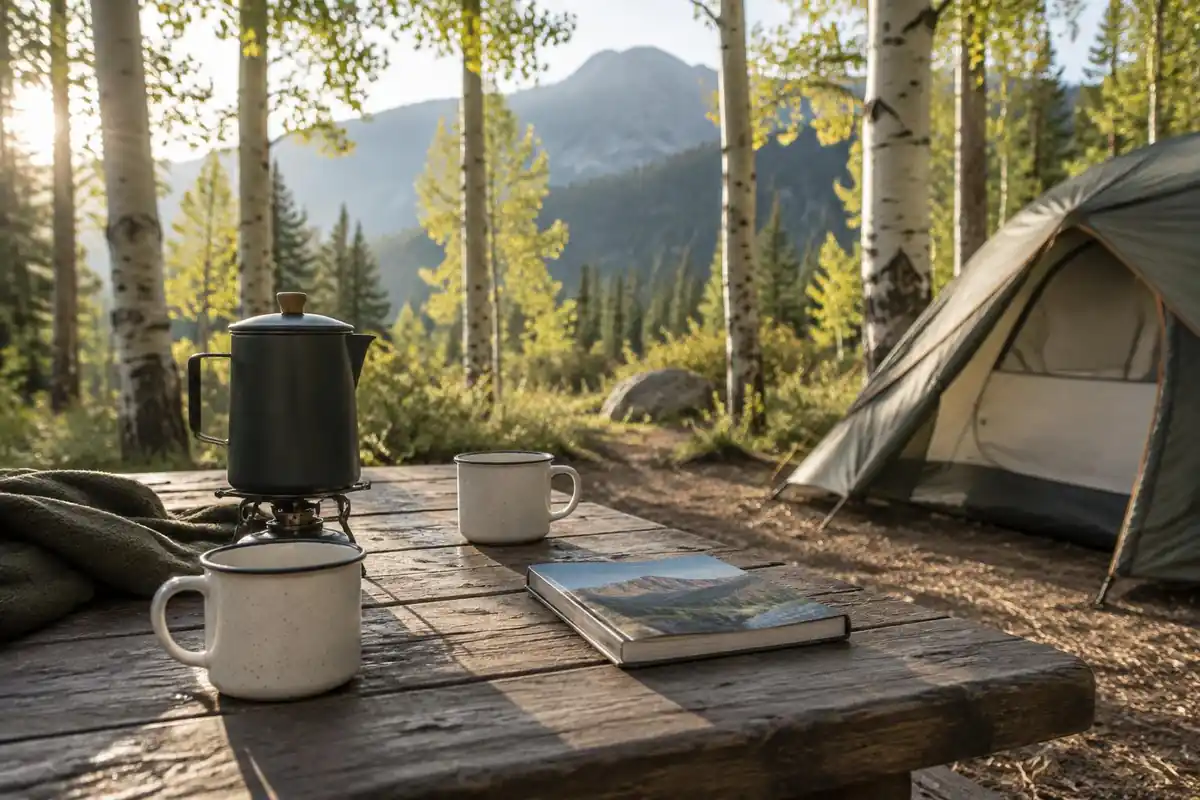
Permits & rules
Sky Pond and Emerald Lake are day hikes and need no hiking permit, but the park requires a timed-entry reservation for the Bear Lake Road corridor in summer. Overnights need a separate wilderness permit.
Gear you'll want for this trip
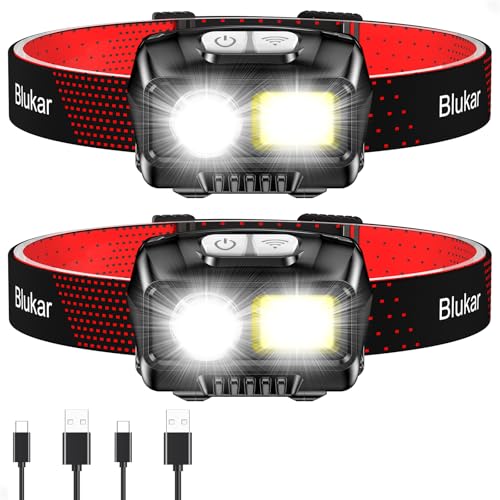
Matched to the terrain and conditions here. Real products — check current price on Amazon.


How the campground booking system shapes your morning
The park says summer campground reservations are required at Moraine Park, Glacier Basin, Aspenglen and Timber Creek, and that they are made on Recreation.gov, by app or by phone, never in person at the campground or a visitor center.1 Some sites can be reserved up to six months ahead, while others appear on a short-term release, which is why the park tells campers that cancelled sites reappear immediately online.1 Check-in begins at 1 p.m. and check-out is at noon, so an early Bear Lake start on your first morning needs a plan.1
That plan is tied to the timed entry system. For three of the campgrounds (Aspenglen, Glacier Basin and Timber Creek) the reservation includes a timed entry permit, and campers can first enter at 1 p.m. on the first day. Anyone who wants in earlier has to arrive outside the hours when timed entry applies, which the park gives as before 9 a.m. for most areas, or book a separate permit.1 Longs Peak Campground works differently: it is tents only, has no water, is first come, first served, and its fee does not include a timed entry permit.1
For pack choice this all points one way. A car-camping base means the pack on the Sky Pond climb is a day pack. The Washington Trails Association suggests 25 to 30 liters for a full day, which is plenty for layers, water, food and a rain shell.5
Wilderness overnights: permit, canister and what they do to your pack
Overnight backpacking is a separate system. The park requires a hard-copy permit and a vehicle dashtag, both picked up in person at a Wilderness Office, and the permit must be carried into the backcountry with no exceptions.2 Rocky is a designated-site wilderness, so there is no dispersed camping, and campfires are prohibited.2 The park suggests planning three or four alternative itineraries with different dates and campsites, since a reservation is not held until you press Book Now, after which you have 15 minutes to finish.2
Food storage sets the load. A hard-sided, lockable, commercially made canister is required for every wilderness overnight and has to be brought to the Wilderness Office to get the permit. The park wants it stored 200 feet from the campsite at all times.3 NPS general bear guidance uses a smaller figure of 100 feet or more from camp and notes that rules vary by park, which is a reminder to follow the park you are in, not a generic rule.4 A typical canister in another region is about 8 by 12 inches and holds up to five days of food for one person, so it takes real volume in the pack.6
Because it is dense and rigid, the canister belongs where the Appalachian Mountain Club puts heavy items, about two-thirds of the way up the main compartment and against the back, with sleeping gear at the bottom.7 For one or two nights the Washington Trails Association suggests 45 to 50 liters.5 Since fires are banned, a stove is not optional, and the park says all water must be purified.2
Common questions
Do I need a reservation to hike to Sky Pond or Emerald Lake?
During the summer season, Rocky Mountain National Park requires a timed-entry reservation to drive the Bear Lake Road corridor, which serves both trailheads. Trailhead parking is limited and fills early, so it's worth checking current park requirements before you go and planning to use the shuttle system if the lots are full when you arrive.
Where can I stay near the Bear Lake trailhead?
Inside the park, front-country campgrounds such as Moraine Park, Glacier Basin, and Aspenglen sit on the east side within reach of Bear Lake Road. Just outside the park, the gateway town of Estes Park has hotels, cabins, and vacation rentals. Longer backcountry trips can use designated wilderness campsites, which require a permit.
When's the best time to hike to Sky Pond or Emerald Lake?
The main hiking season runs roughly June through September, since snow lingers on the higher sections of the Sky Pond route into early summer. Even in peak season, check the forecast before you go — afternoon thunderstorms build quickly above treeline, and an early start is the standard way to avoid getting caught out in one.
Complete gearsets for this trip
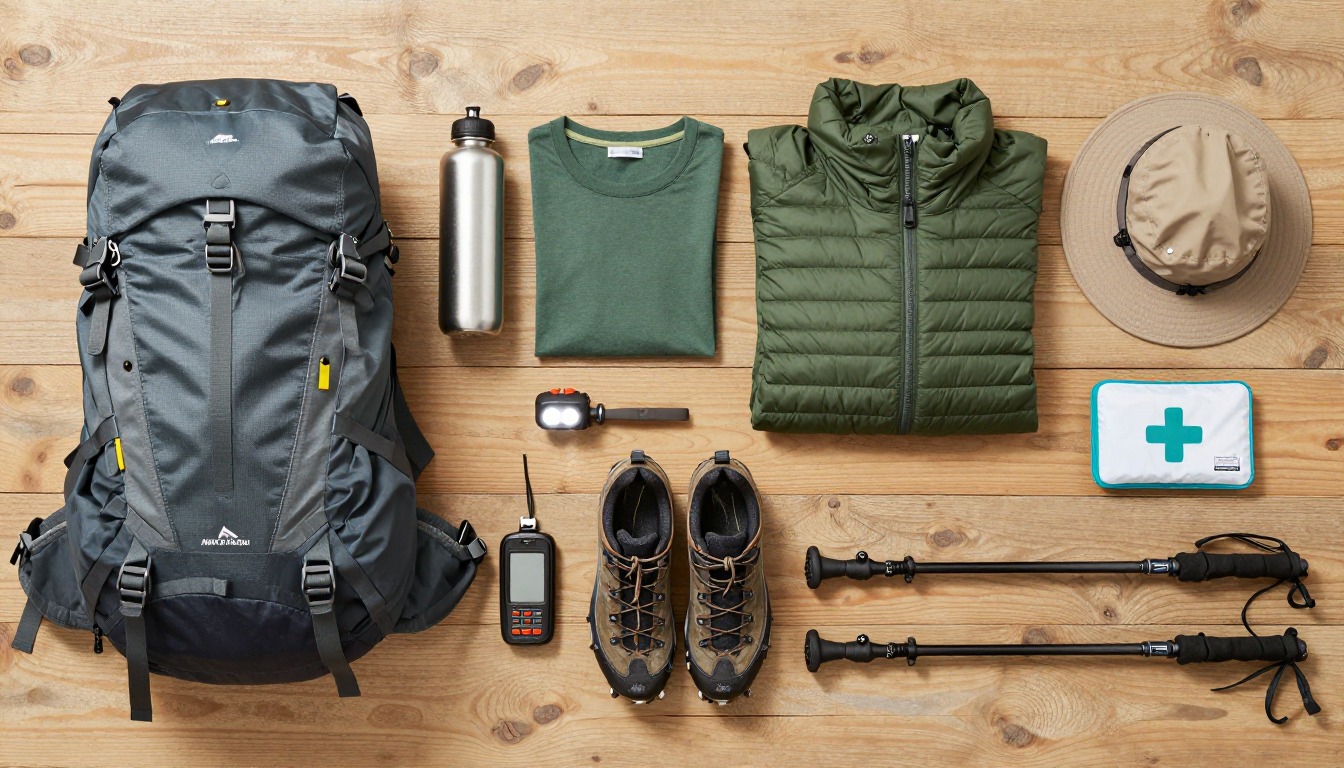
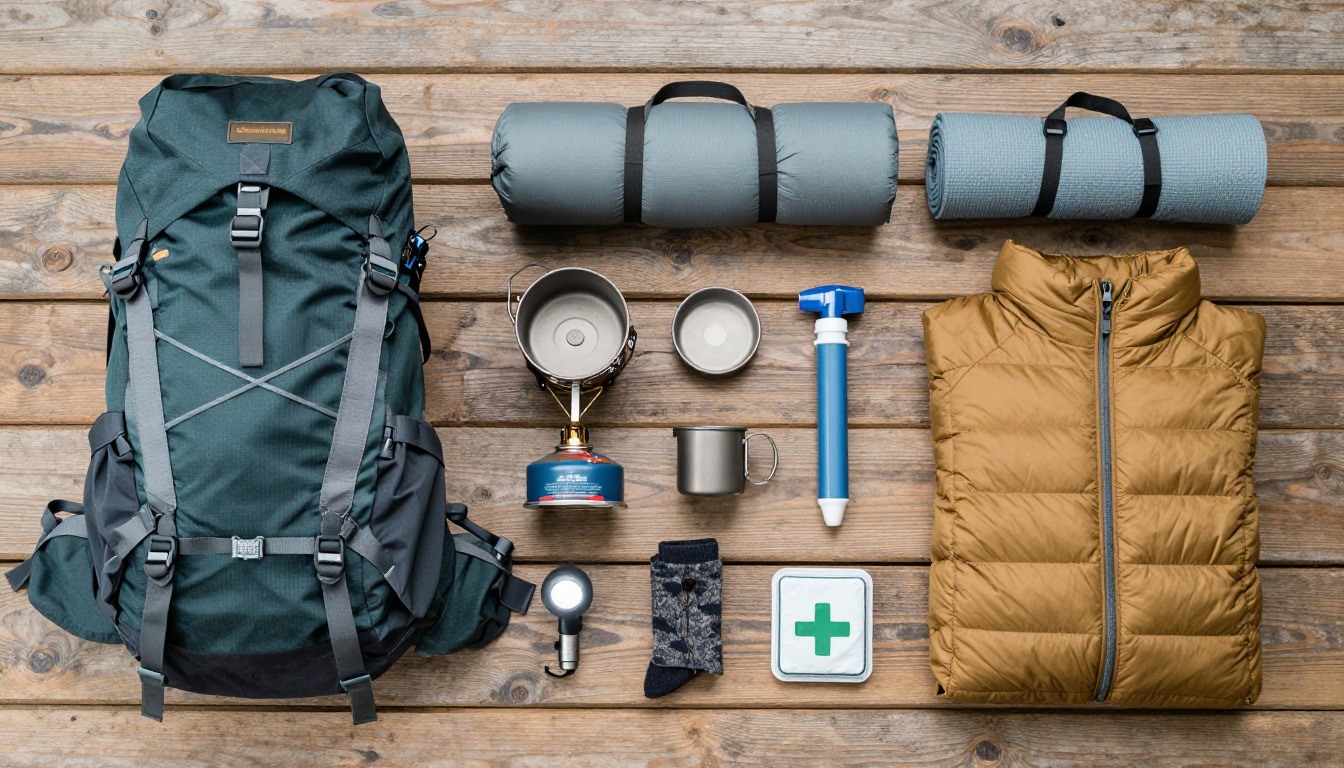
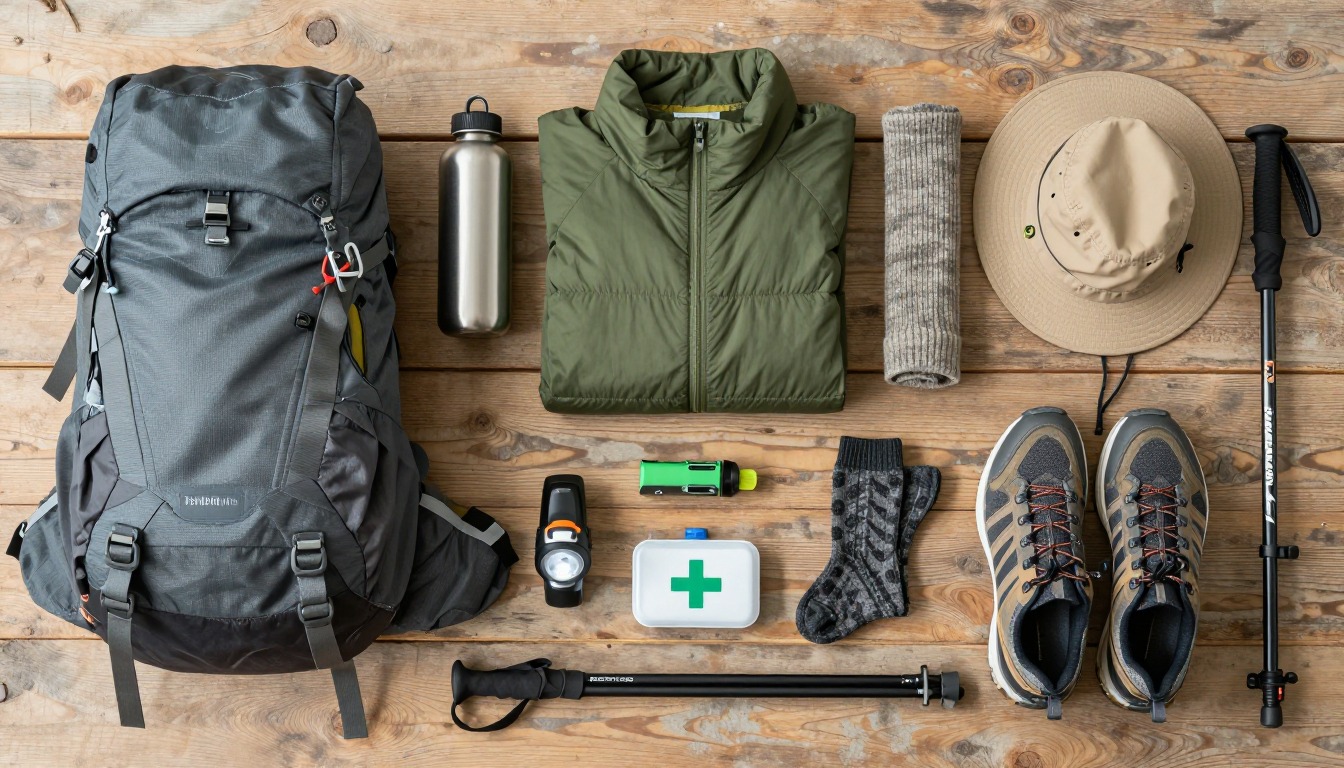
Full curated kits built for exactly this kind of hike — what to bring, why, and links to similar gear.
Lodging details are compiled from official parks, refuge associations and reservation systems and can change without notice. We publish no prices, availability or ratings — always confirm current information on the official site before booking or setting out. Product links and the accommodation map are affiliate links: we may earn a commission at no extra cost to you; product prices and availability are shown on Amazon, and accommodation prices on the booking site. See our affiliate disclosure.