
Affiliate disclosure: this page contains affiliate links. Purchases made through them may earn us a commission at no extra cost to you. See our affiliate disclosure.
In plain English
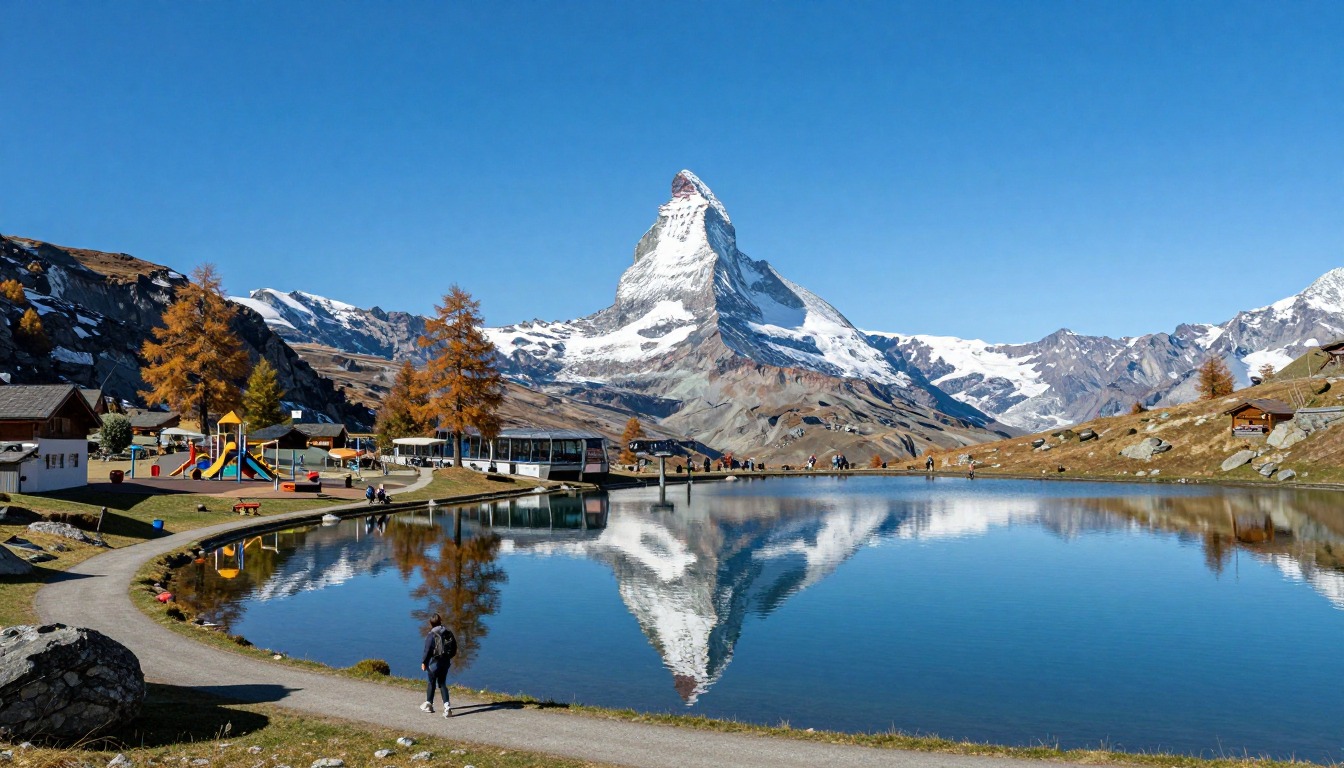
The Five Lakes Walk is a gentle mountain walk above Zermatt in Switzerland. You ride a funicular (a train pulled up a steep slope by a cable) and a cable car up, then walk mostly downhill past five small lakes, with the Matterhorn in view much of the way.
Zermatt's tourism office says the village is reached by train, with a shuttle train or taxi from Täsch, and that mountain railway tickets take you to the scenic spots around the Matterhorn.1 That means you can plan the whole day around trains and lifts rather than a car.
The walk is easy by mountain standards, but you are high up. The sun is strong, the air can turn cold quickly, and the lakes are icy. A small daypack with water, a warm layer, a rain jacket, sunscreen and a snack is all you need.
What the hike is like
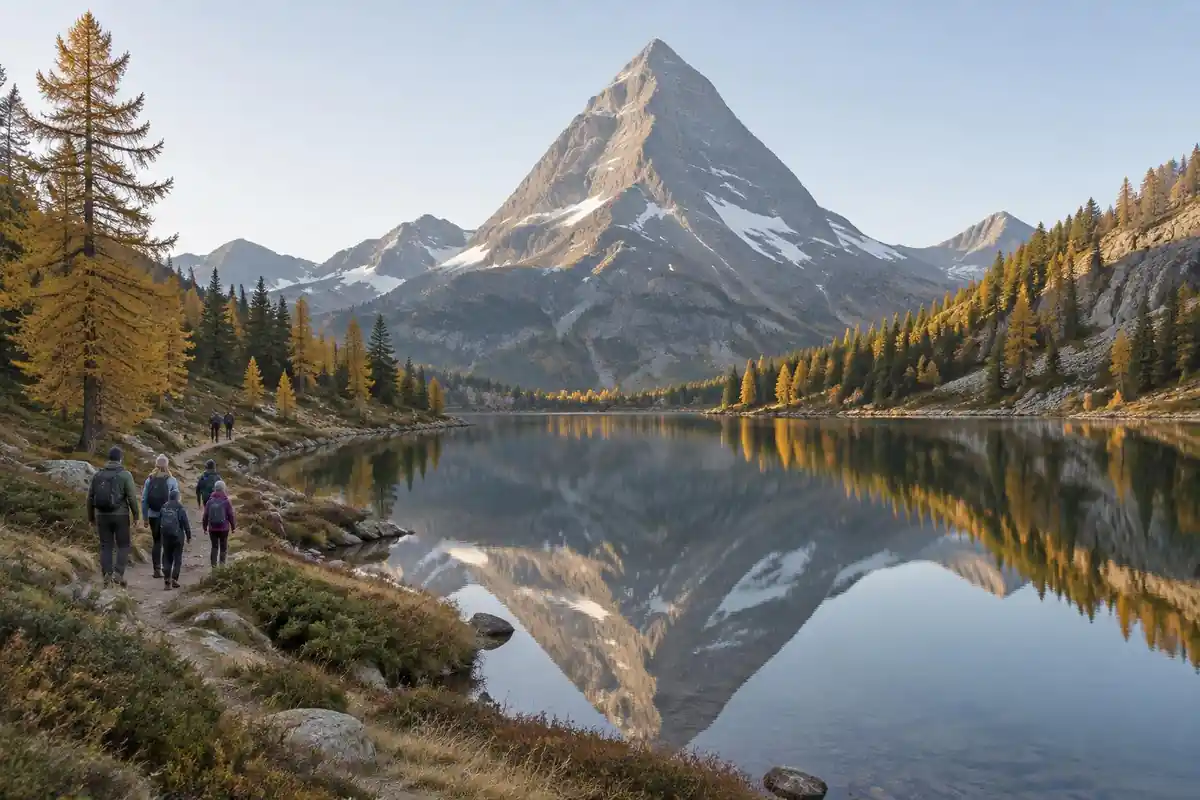
The lifts do the climbing, so the walking itself is mostly a rolling high traverse rather than a grind — but it is not flat. The path links one lake to the next across open alpine terrain, dipping and rising between basins on broad gravel track in places and narrower stony trail in others, with short steep pitches between lakes and long, easy stretches across meadow and scree in between. Signposting is thorough in the Swiss style, with yellow markers and stated walking times at every junction, so navigation is more about choosing your variant than finding the way. Each lake has its own character: one set in rock, another shallow and grassy, another sitting so still in calm conditions that the Matterhorn appears twice. The finish drops toward a lift station rather than all the way to the valley, unless you want it to.
How to plan the itinerary
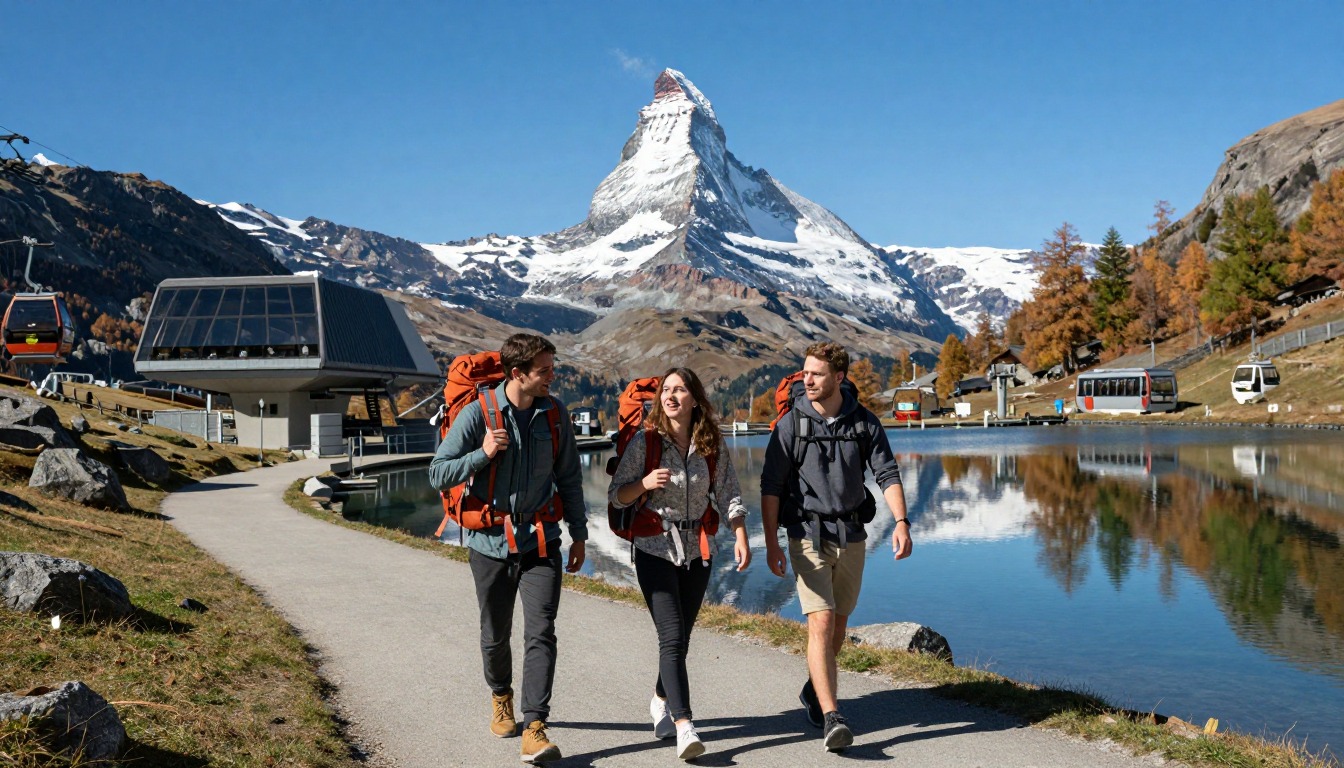
This is a morning or a leisurely half-day rather than a full expedition. The usual approach is to ride the funicular and cable car up, start from the higher point, and work generally downhill past the lakes, finishing at an intermediate station and riding the rest of the way down. Starting early matters more here than on most easy walks: still air in the morning is what produces the reflections that make the route famous, and the trail is noticeably quieter before the mid-morning lifts arrive. Because several stations sit along the way, the walk is easy to shorten — you can cut out at a station if weather closes in, legs tire, or the cloud has swallowed the mountain, without committing to the whole chain.
Plan this trip in 5 steps
-
Pick the right pack
Match a pack to your trip, fit and priorities.
-
Book a place to stay
Campgrounds, huts and lodges near Matterhorn — Five Lakes Walk.
-
Plan food & water
Calories, food weight and water for your days on trail.
Trail-specific tips
Go early and check the wind, because a breeze erases the reflection entirely and no amount of waiting fixes it. You're at real altitude the moment you step off the lift, so expect to breathe harder than the gentle profile suggests and give yourself a slow first stretch. The open slopes offer no shade at all — sun protection matters more than rain gear on a clear day. Take the downhill direction if you'd rather stroll than climb. See /trail-smarts/ for altitude and mountain-weather basics.
Permits & rules
No permit is required. The walk is well-marked and served by lifts, but it is still high alpine terrain — bring layers and sun protection and check the forecast.
Gear suited to this hike
Matched to the terrain and conditions here. Real products — check current price on Amazon.



Getting there and planning around the lifts
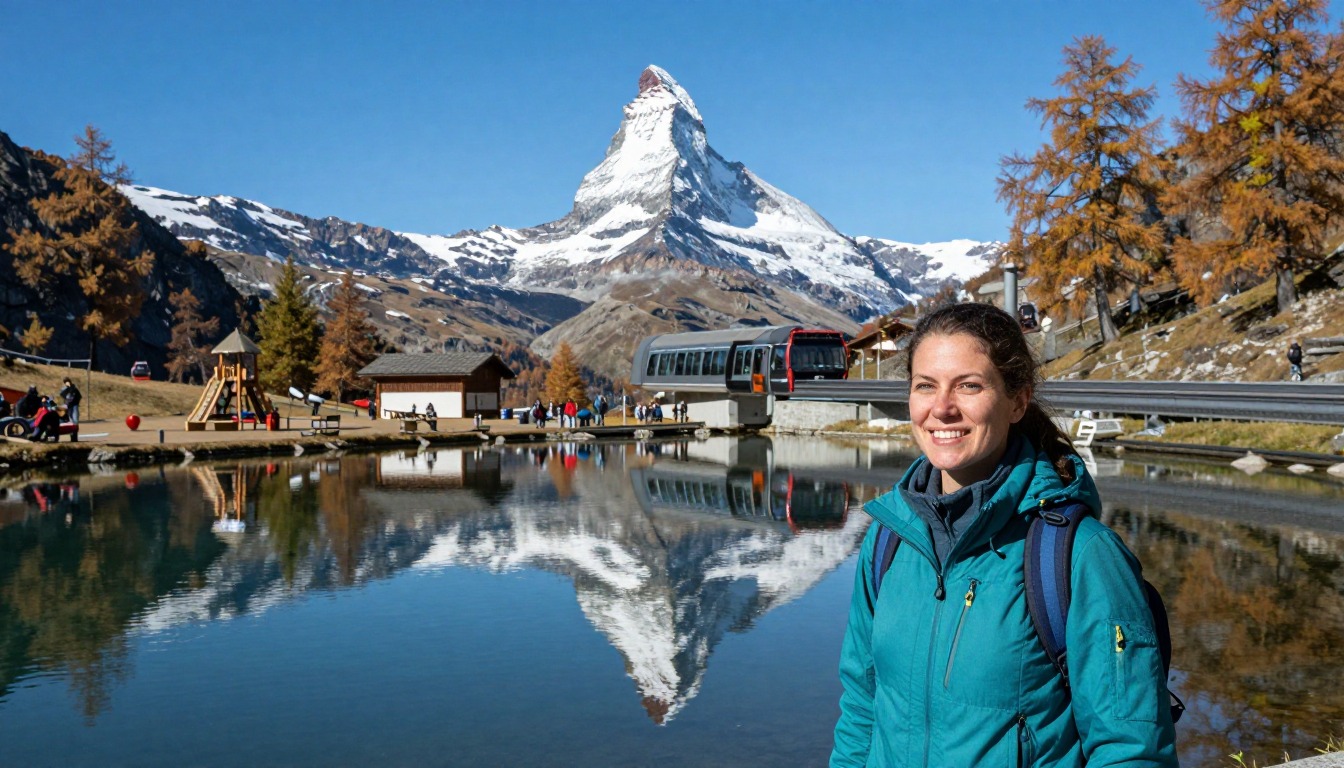
Zermatt Tourism states that travel to Zermatt is by train, continuing from Täsch by shuttle train or taxi, and it sells mountain railway tickets that reach the scenic spots around the Matterhorn.1 Its home page does not describe the Five Lakes route itself, so treat this page's distances and times as planning estimates and check local signposts, which give walking times at each junction.
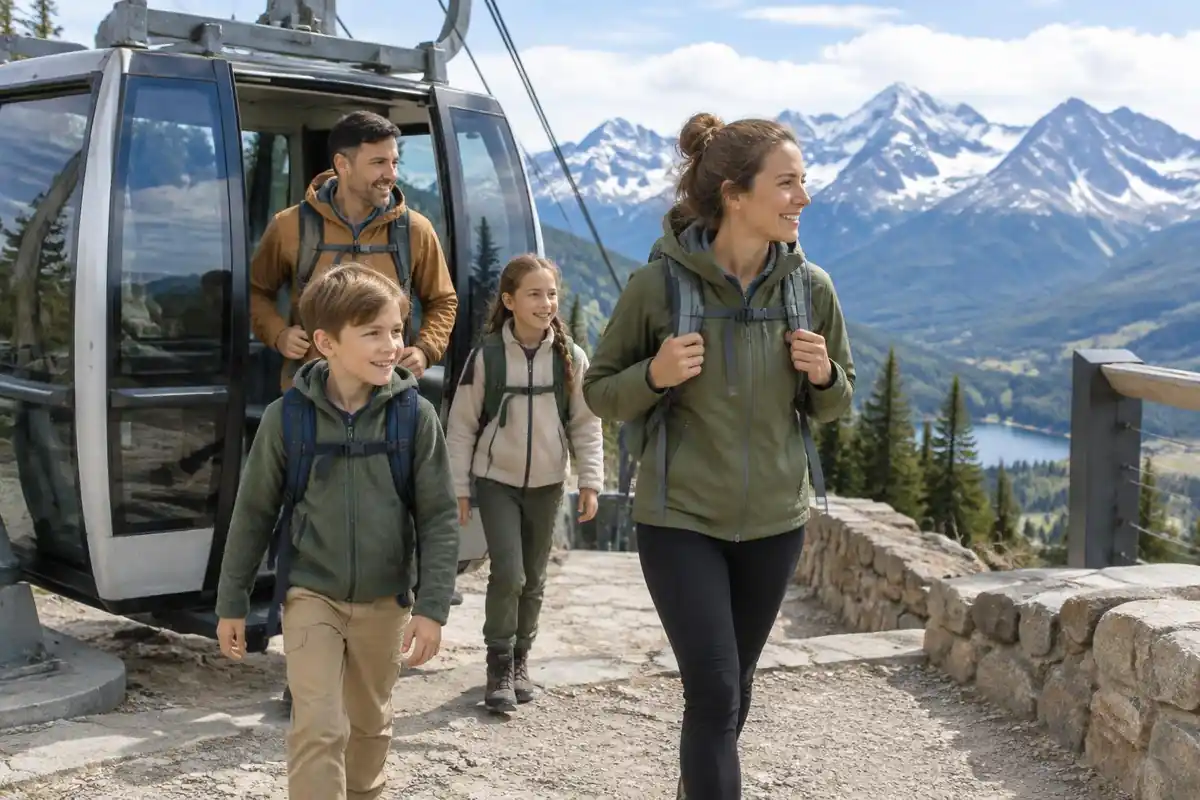
The practical upshot is that lift timetables, not daylight, set your window. Start early for calm water and reflections, and know where the intermediate stations are so you can cut the walk short in bad weather. Mountain thunderstorms often build in the early afternoon, and NWS advises being off exposed ground by noon.5
Sun, altitude and cold water
UV intensity rises about 6% for every kilometer above sea level, and overcast skies still let through about 31% of it.2 Water and snow reflect UV and increase exposure,6 so a lakeside walk at altitude burns faster than a beach at sea level. Sunscreen, sunglasses and a brimmed hat belong in every pack.
The page mentions swimming. NIOSH notes immersion hypothermia develops faster than ordinary hypothermia and can occur in any water below 70°F;3 snowmelt lakes are far colder than that. Keep a swim short, stay near the shore, and have a dry warm layer ready. The same clear water is not safe to drink untreated, according to CDC;4 carry what you need from town or treat it.
If you have just arrived from low elevation, go gently. NPS notes that hikers at 8,000 feet are at risk of altitude illness,7 and CDC says headache is its main symptom and that fitness does not protect against it.8 On a day walk that returns to the valley, the simple fix for feeling unwell is to take the next lift down.
A small pack, done right
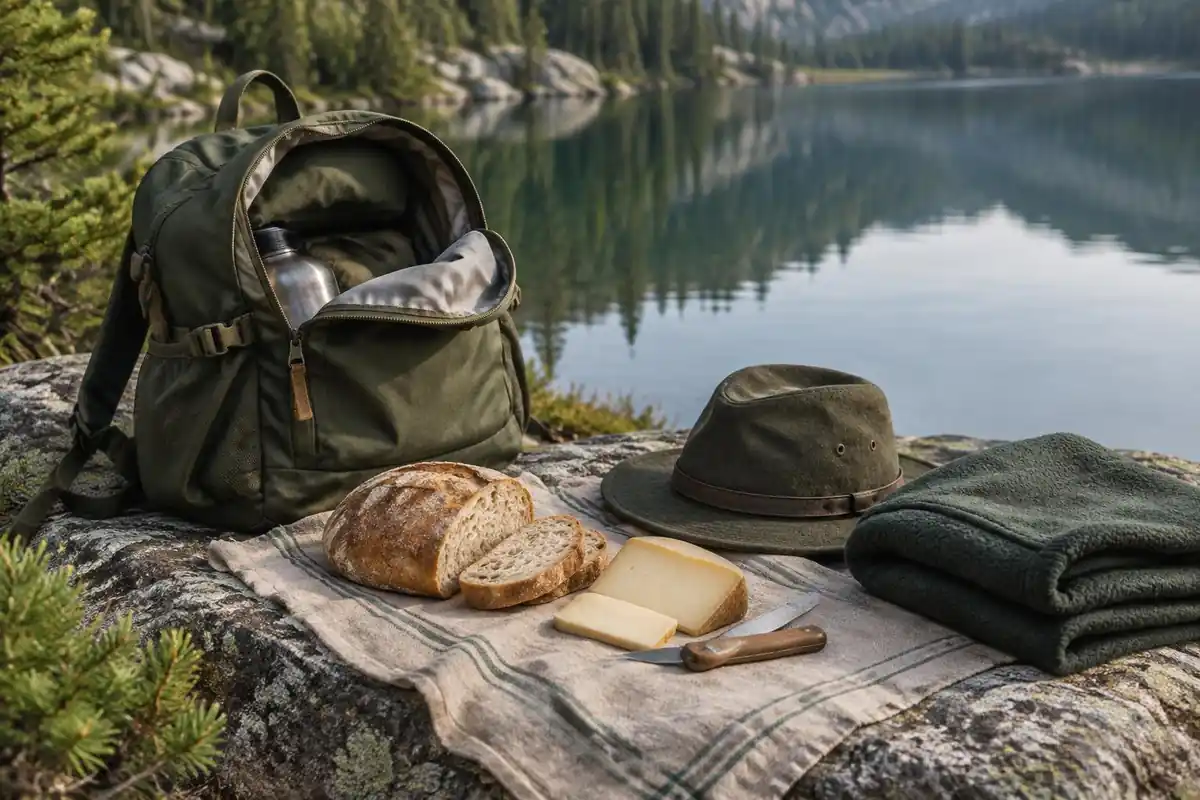
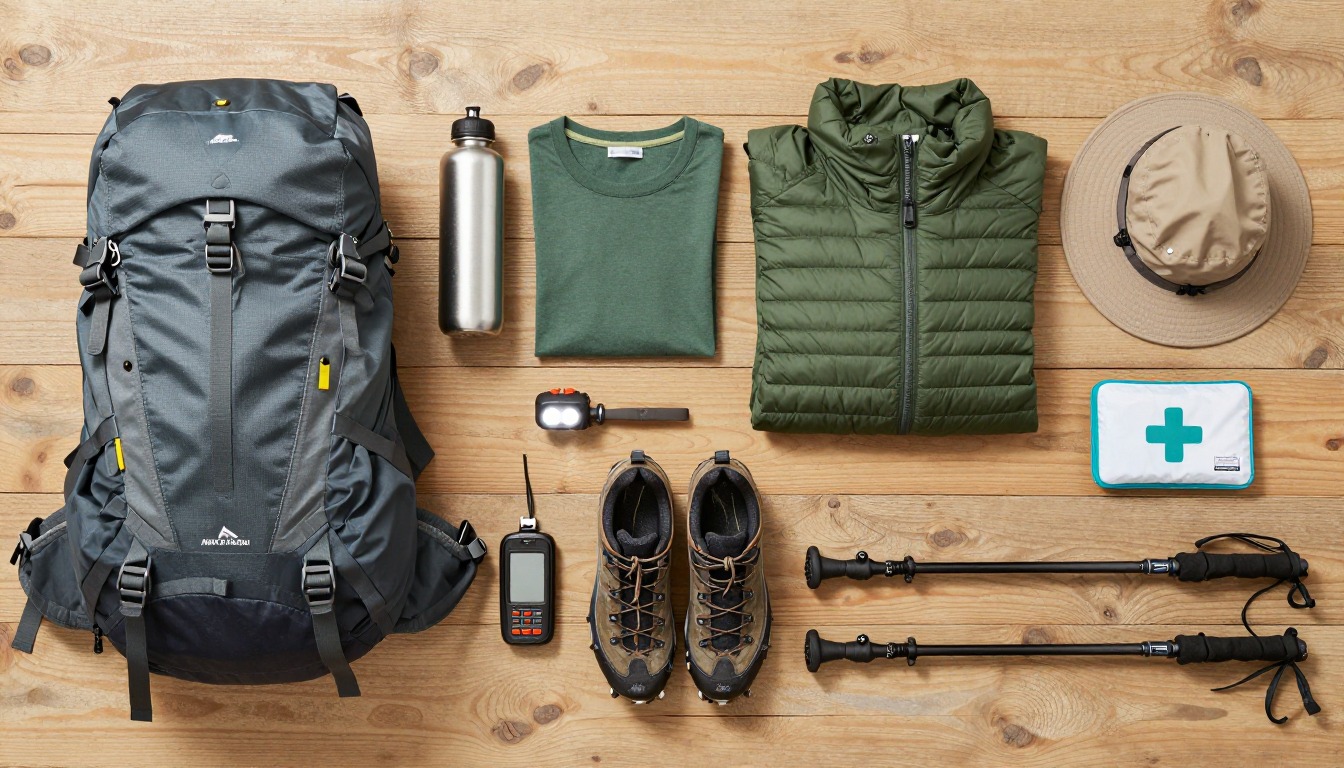
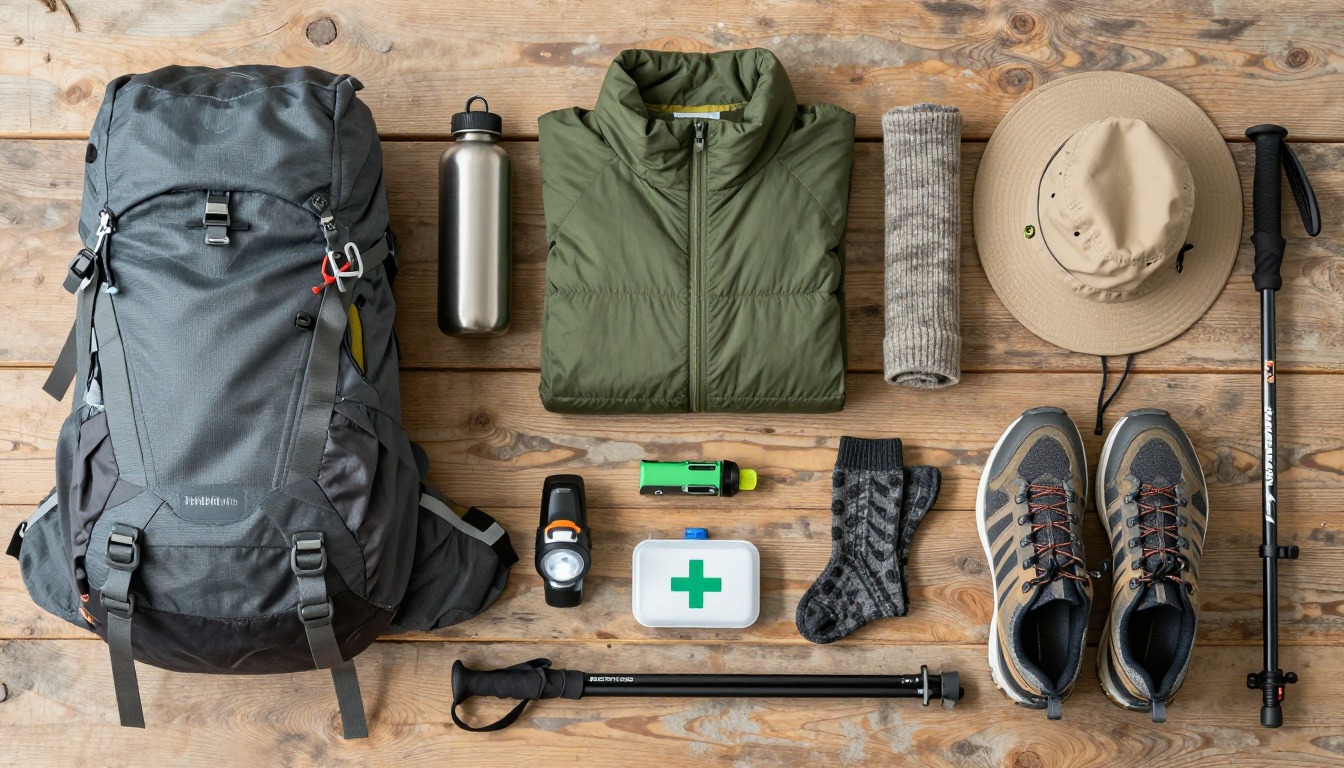
A 10 to 20 liter daypack is plenty. Pack a wind or rain shell, a light insulating layer, water, food, sun protection and a small first-aid kit; NPS's Ten Essentials list exists precisely for sudden weather changes and minor injuries on short outings.9 Families should add spare socks for children who wade in the shallow lakes.
Common questions
How long does the Five Lakes Walk take?
Most walkers spend a good part of a morning on it, though the pace is entirely yours — the route is built for stopping at each lake rather than covering ground. Signposts at junctions give official walking times, which are a reliable guide. Add extra if you're photographing, swimming, or taking the longer variants between lakes.
Is it suitable for kids and casual walkers?
It's one of the friendlier high-alpine walks because the lifts remove the climbing and the trail is well made and well signed throughout. That said, it's still mountain terrain with stony, uneven sections and altitude to contend with, so families usually plan a relaxed pace and keep the option of cutting the route short at a station.
Which direction should I walk it?
Starting from the higher lift station and working generally downhill is the popular choice, since it keeps the climbing to short pitches and finishes near a station you can ride from. Walking the other way is perfectly feasible and quieter, but it's a real ascent rather than a stroll. Morning light on the lakes usually settles the decision.
Can you swim in the lakes?
A couple of them are shallow enough that people do get in, and one in particular is popular with families on hot afternoons. The water is cold, this is snowmelt country, and conditions vary by lake, so check local signage on the day rather than assuming. Bring a towel if swimming is part of your plan.
Complete gearsets for this trip
Full curated kits built for exactly this kind of hike.
Trail conditions, permits and access rules change without notice — always confirm current information on the official source above before you go. Some facts on this page are still pending owner verification and are marked accordingly. Product links and the accommodation map are affiliate links: we may earn a commission at no extra cost to you; product prices and availability are shown on Amazon, and accommodation prices on the booking site. See our affiliate disclosure.