
Affiliate disclosure: this page contains affiliate links. Purchases made through them may earn us a commission at no extra cost to you. See our affiliate disclosure.
In plain English
The Five Lakes Walk is an easy-to-reach day hike. You take a lift up from the village and walk between five small lakes, then return the same day. That means you do not sleep on the trail. You choose a base, and the most common one is Zermatt itself.
Zermatt is a village with no private cars in the middle, so getting there is a bit of a puzzle. The tourism site says to come by train, and from a station called Täsch you continue by shuttle train or taxi. If you pack heavy, you must handle the bags on those last steps yourself, so travel light if you can.
You can also sleep higher, at a small inn near a lift station. That helps for an early start or a sunrise view. But check the elevation of anywhere you sleep, and check lift times before you book. Confirm bookings and closures with the local tourism office.
The Five Lakes Walk, or 5-Seenweg, is a well-marked day hike above Zermatt in Switzerland's Valais region, linking five alpine lakes on trails accessed by the Sunnegga and Rothorn mountain lifts. Because it's a day hike rather than a multi-night trek, the lodging question is really about where you base yourself before and after — and in car-free Zermatt, that means choosing among the village's hotels, guesthouses, and apartments rather than booking huts along the route itself.
Why hike here
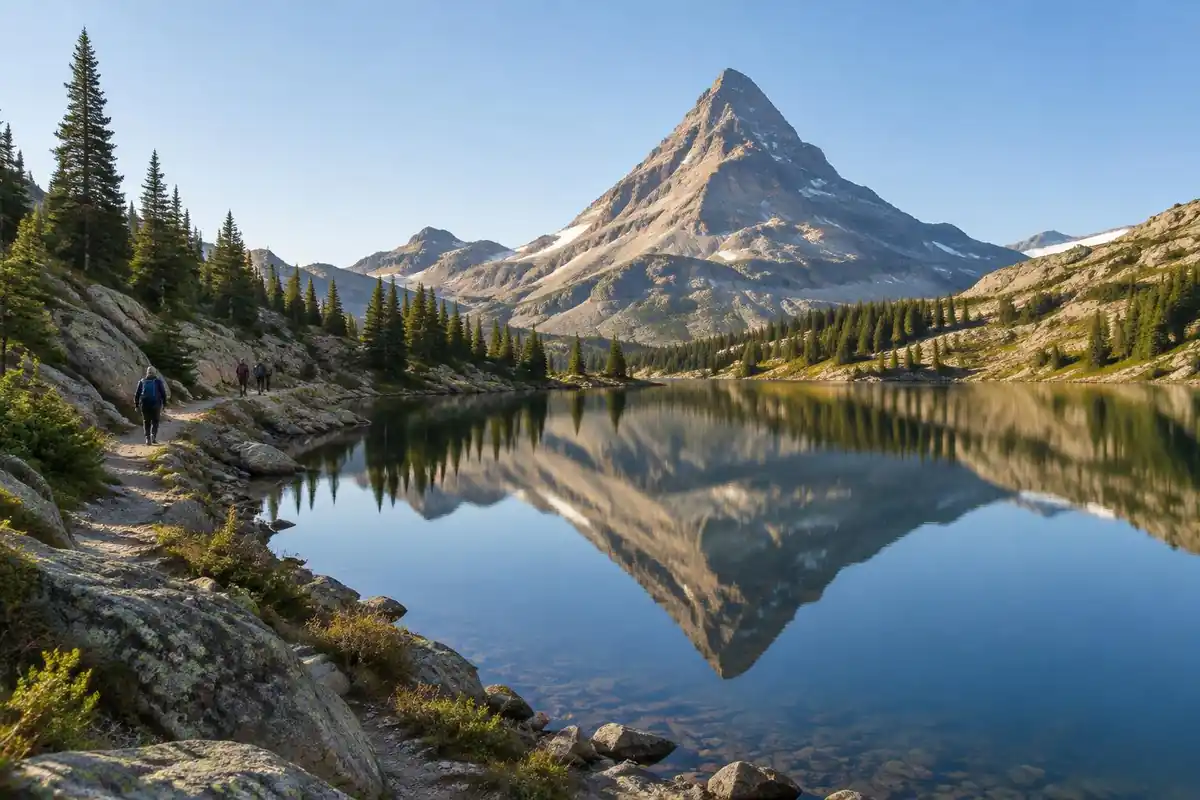
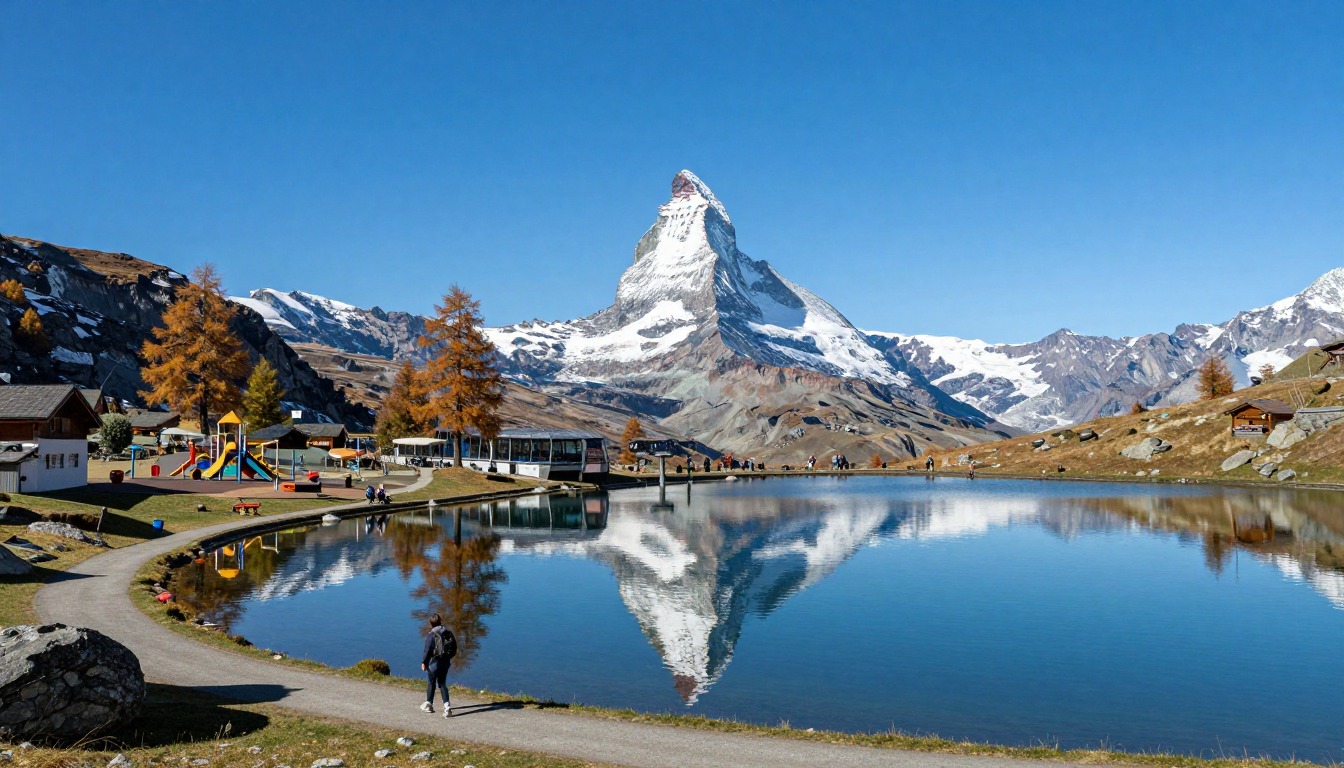
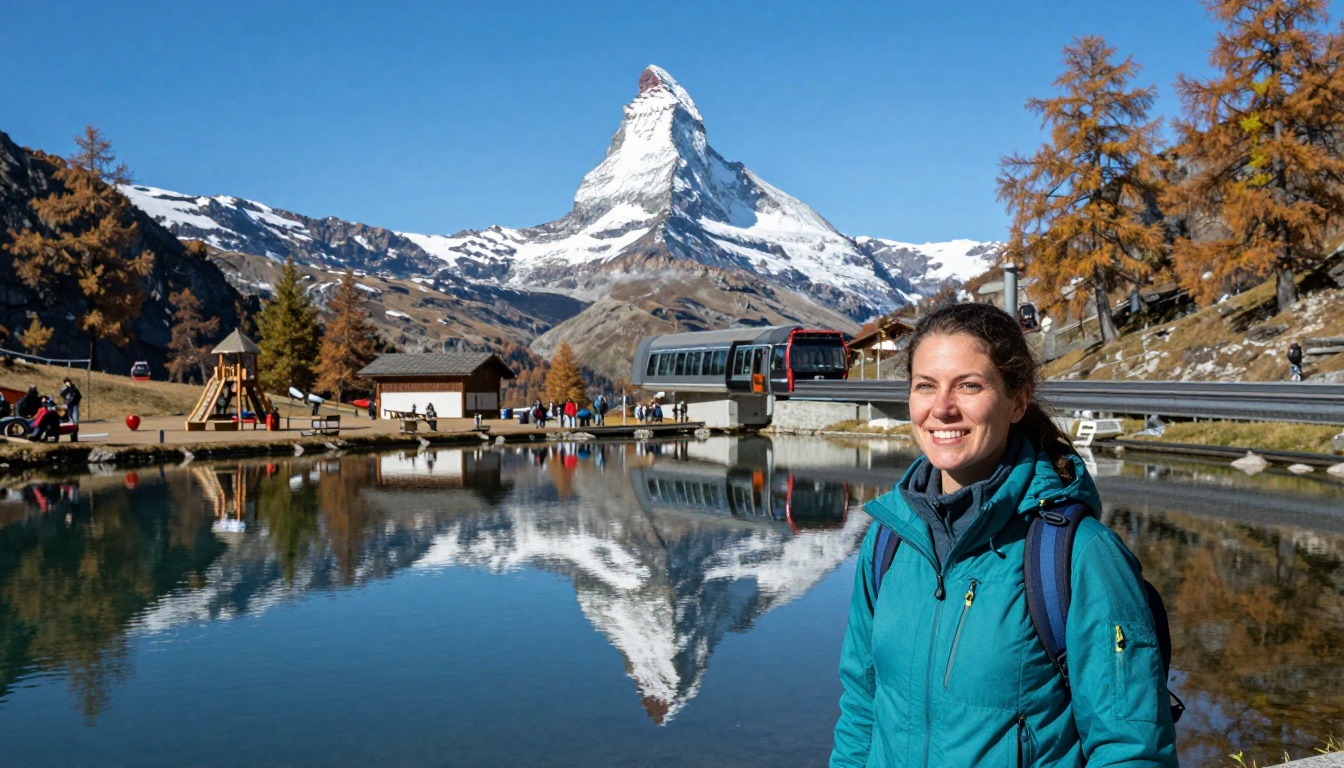
The draw here is the view that gives the walk its reputation: at Stellisee, on a still morning, the Matterhorn's near-perfect pyramid reflects upside-down in the water, a sight that has made this one lake the emblem of the whole route. But the trail is really a chain of these moments — each of the five lakes catches the light and the mountain a little differently, and the path between them rolls across open alpine meadow and rock rather than grinding uphill the whole way, since the lifts do most of the climbing for you. It's a hike built for lingering: pausing at each lakeshore, watching the Matterhorn shift as clouds move, and taking the easier, high-altitude route down rather than the valley floor.
Getting there
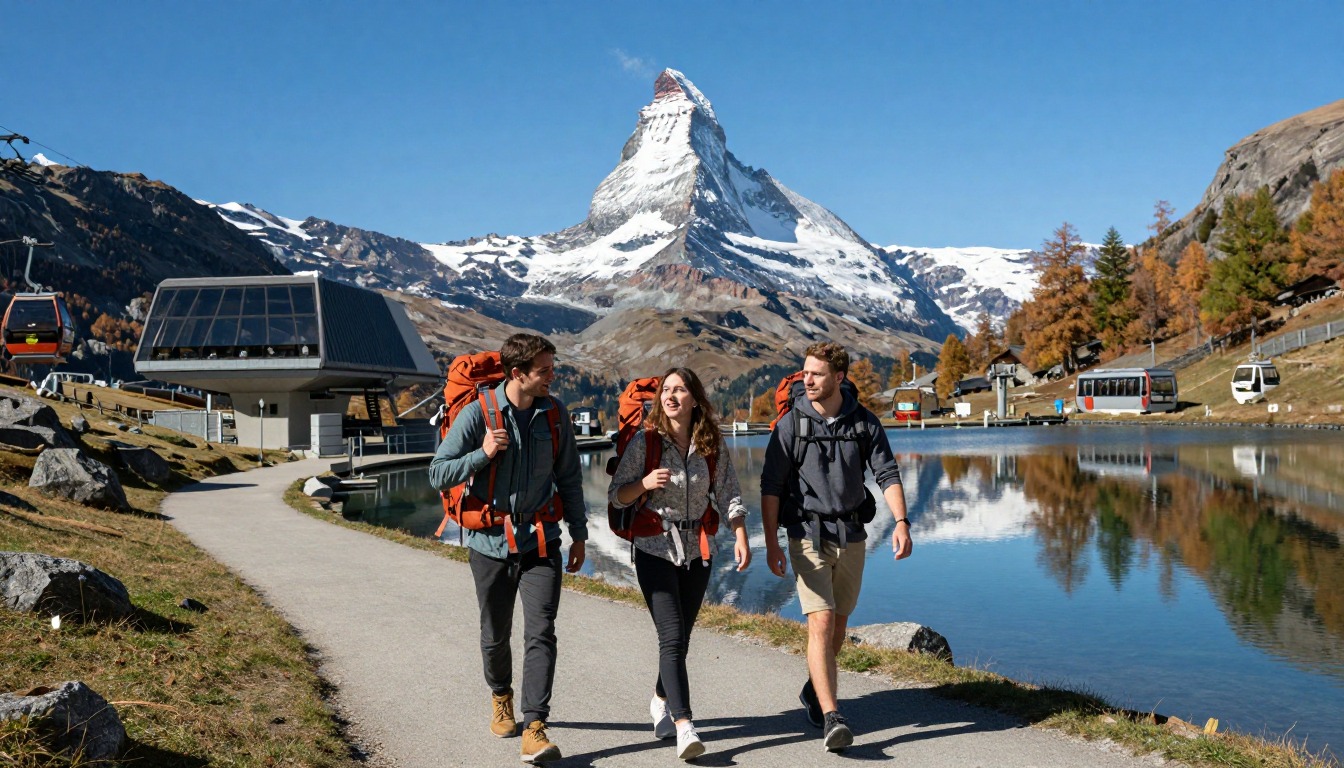
Zermatt is reached by train, with the village itself closed to private cars — visitors park in nearby Täsch and take a short shuttle train the rest of the way in, or arrive directly by rail from further afield. The nearest major airports are Zurich and Geneva, both a train journey from Zermatt with a change or two along the way. Once in the village, the Sunnegga funicular and Rothorn cable car carry hikers up to the trailhead area, which is what makes the Five Lakes Walk workable as a day trip without a long approach hike first.
Where to stay
The realistic options, closest-to-the-trail first. Book through the official links — we don't list prices or availability because they change all the time.
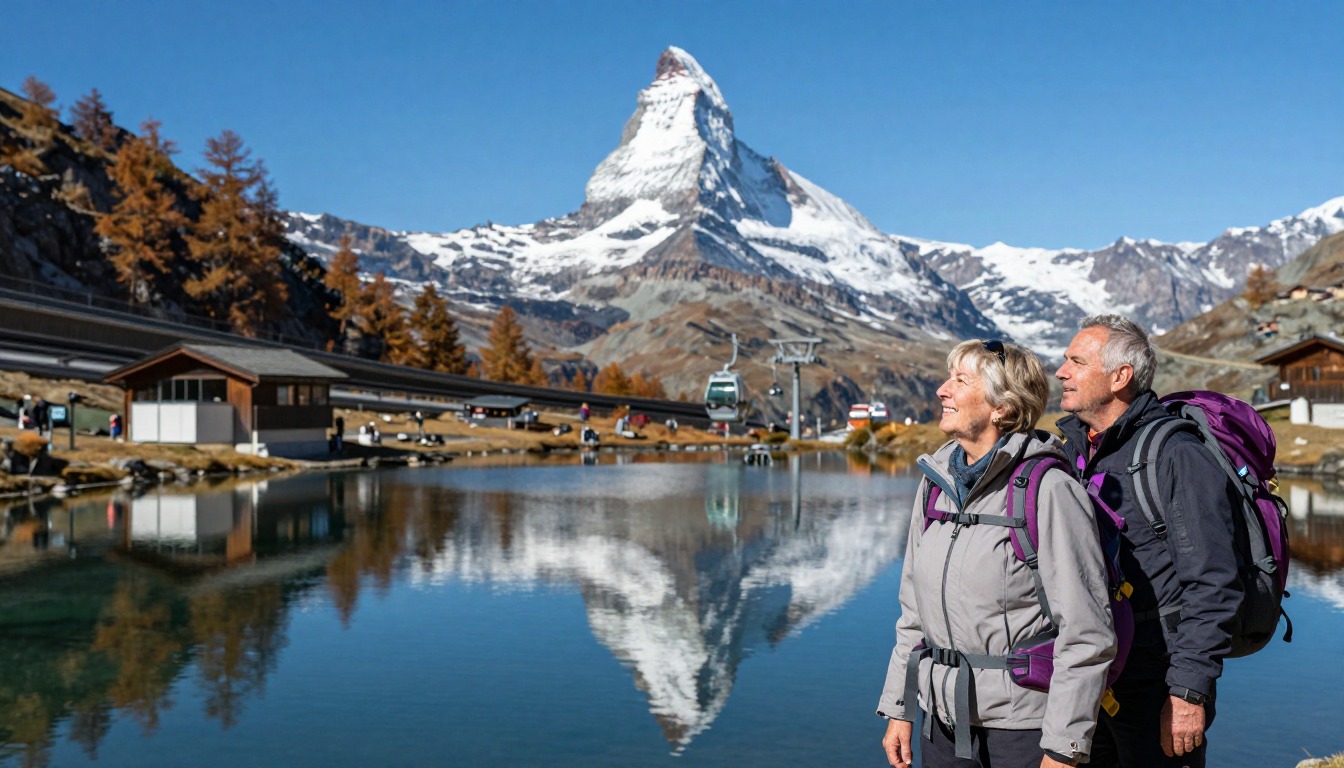
For example: Hotels, guesthouses and apartments in the car-free village of Zermatt
Hikers wanting a comfortable base with lifts up to the trail.
Zermatt is car-free; arrive by train and use the mountain lifts.
Zermatt tourismFor example: Small mountain hotels and restaurants at the lift stations near the trail
Hikers wanting to stay higher for early starts and sunrise on the Matterhorn.
Reached by the Sunnegga/Rothorn lifts; book ahead in summer.
Regional lodging (official info)
Permits & rules
No permit is required. The walk is well-marked and served by lifts, but it is still high alpine terrain — bring layers and sun protection and check the forecast.
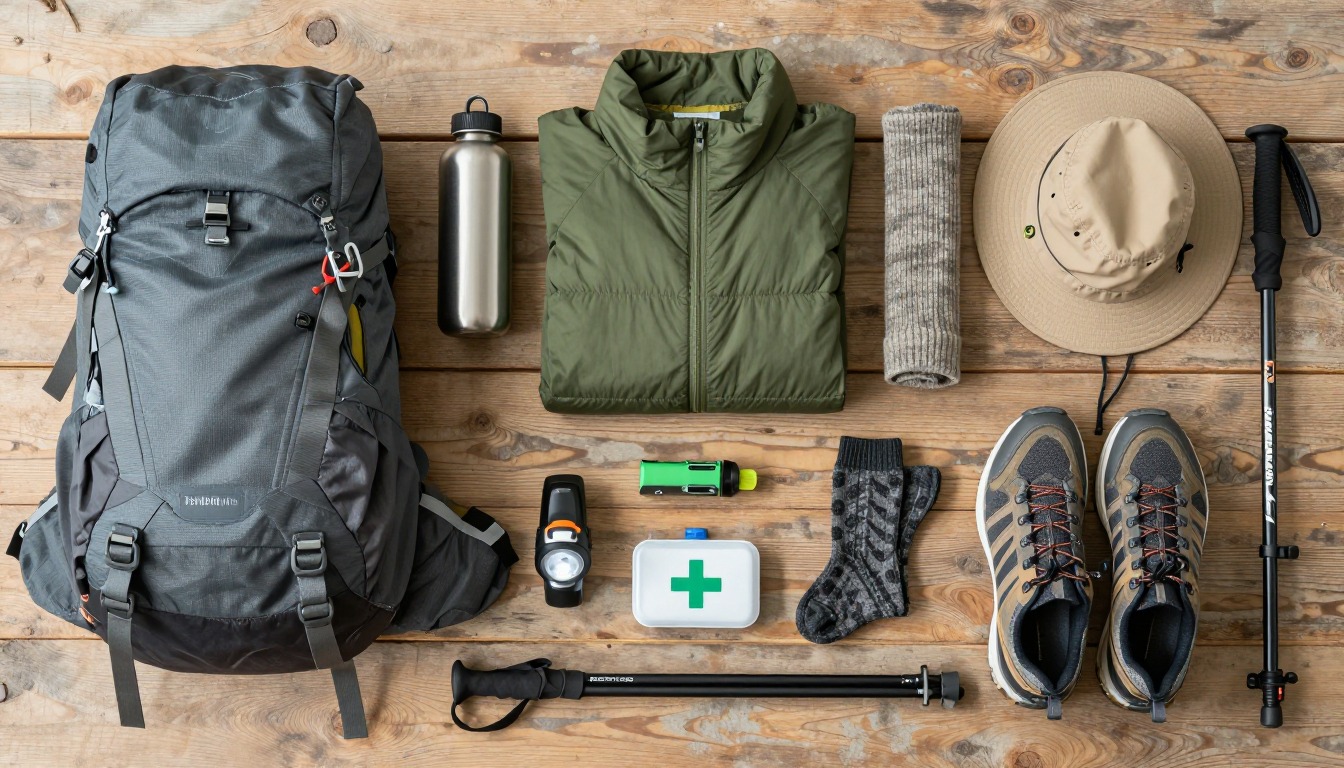
Gear you'll want for this trip
Matched to the terrain and conditions here. Real products — check current price on Amazon.


A car-free base changes the way you pack and arrive
Zermatt's tourism site says travel to the village is by train, and that from Täsch you continue by shuttle train or taxi.1 The existing page adds that private cars stay out of the village and that hikers park in Täsch. That means your bags travel with you on public transport, so a small pack for the walk and a modest bag for the room is a sensible split. A mountain hike does not need a large pack: Washington Trails Association describes a 25 to 30 liter pack as good for a full-day hike.3
The site's accommodation pages list hotels and apartments and its booking area covers packages and mountain railway tickets.1 For a day hike that depends on lifts, it helps to book lodging with a flexible cancellation option and to check operating dates for the lift you plan to use.
Sleeping higher: convenience versus altitude
Staying at a mid-mountain inn shortens the approach but changes your sleeping altitude. The CDC says any unacclimatized person sleeping at 8,000 feet or higher is at risk of altitude illness, and that fitness does not protect against it.4 Check the elevation of any inn against that figure, and if you feel a headache or other symptoms, do not go higher to sleep.
The CDC adds that headache is the main symptom of acute mountain sickness and typically starts 2 to 12 hours after arrival at altitude.4 Those are US-agency figures used here as a planning guide.
Sun, storms and lifts on a high, open trail
The EPA says UV intensity increases about 6% per kilometer of elevation, and that overcast skies still transmit about 31% of UV.2 The CDC says UVB is most intense from 10 a.m. to 4 p.m. and at higher elevations, and recommends broad-spectrum sunscreen of SPF 30 or higher, reapplied every 2 to 4 hours.5 On an open trail beside lakes, water and light rock add to the exposure.
US National Weather Service guidance says that in mountains thunderstorms often build in the early afternoon, so hike early and be off the mountain by noon.6 Because lifts may pause in a storm, an early start also protects your return. Check the live lift and weather pages on the tourism site before you set out.
Common questions
Where should I stay to hike the Five Lakes Walk?
Zermatt itself is the practical base — a car-free village with a range of hotels, guesthouses, and apartments, all within reach of the Sunnegga and Rothorn lifts that access the trailhead. For an earlier start higher up, a handful of small mountain hotels and restaurants near the upper lift stations offer another option, letting you begin the walk before the village crowds arrive.
Do I need a permit for the Five Lakes Walk?
It's an open, well-marked public trail, and the official sources we checked do not describe a permit for it. Even so, it still reaches high alpine terrain, so weather can change quickly even in summer. Bring layers, sun protection, and sturdy footwear, and check conditions before setting out, especially outside the core June-to-October season.
When is the best time to do the Five Lakes Walk?
The walk is generally best from June through October, when the lifts are running and the high trails are clear of snow. Stellisee's calm-morning reflection of the Matterhorn is best chased early in the day, before wind picks up on the ridges and ripples the water's surface.
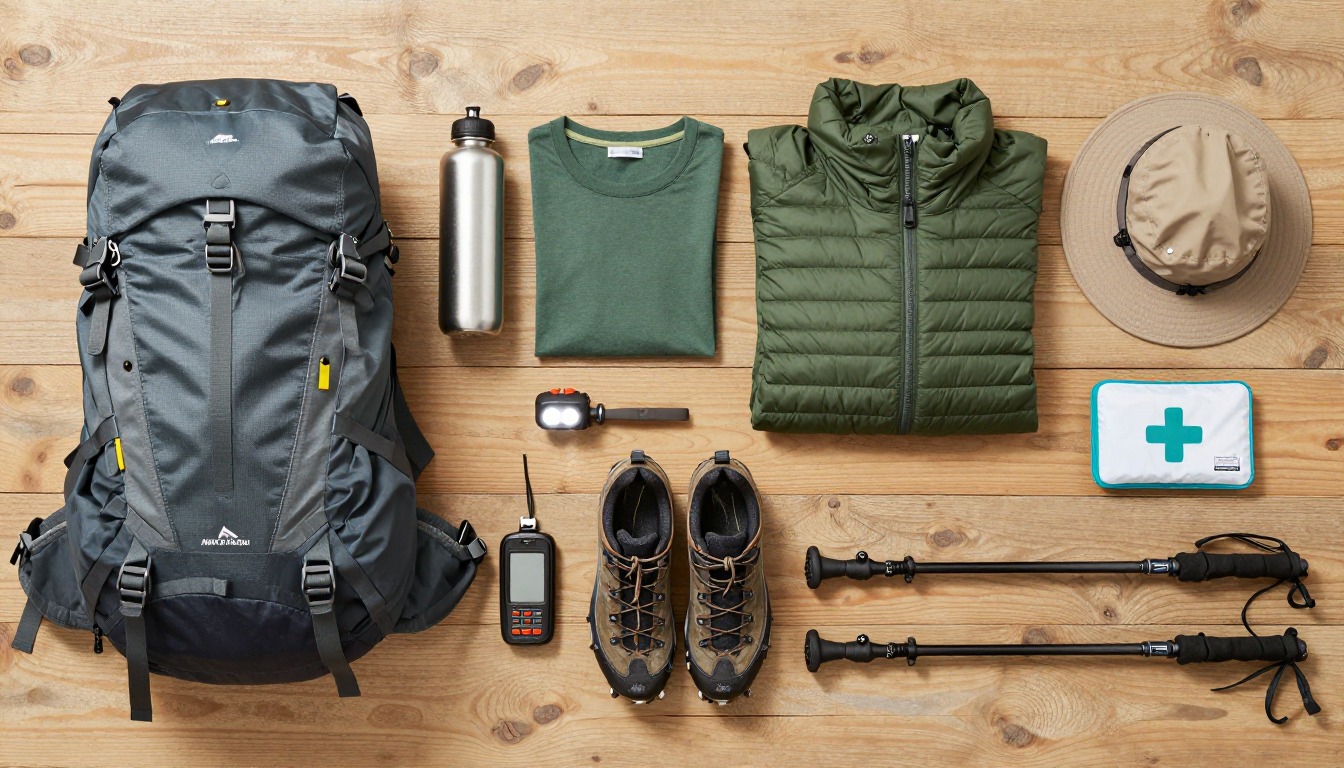
Complete gearsets for this trip
Full curated kits built for exactly this kind of hike — what to bring, why, and links to similar gear.
Lodging details are compiled from official parks, refuge associations and reservation systems and can change without notice. We publish no prices, availability or ratings — always confirm current information on the official site before booking or setting out. Product links and the accommodation map are affiliate links: we may earn a commission at no extra cost to you; product prices and availability are shown on Amazon, and accommodation prices on the booking site. See our affiliate disclosure.