
Affiliate disclosure: this page contains affiliate links. Purchases made through them may earn us a commission at no extra cost to you. See our affiliate disclosure.
In plain English
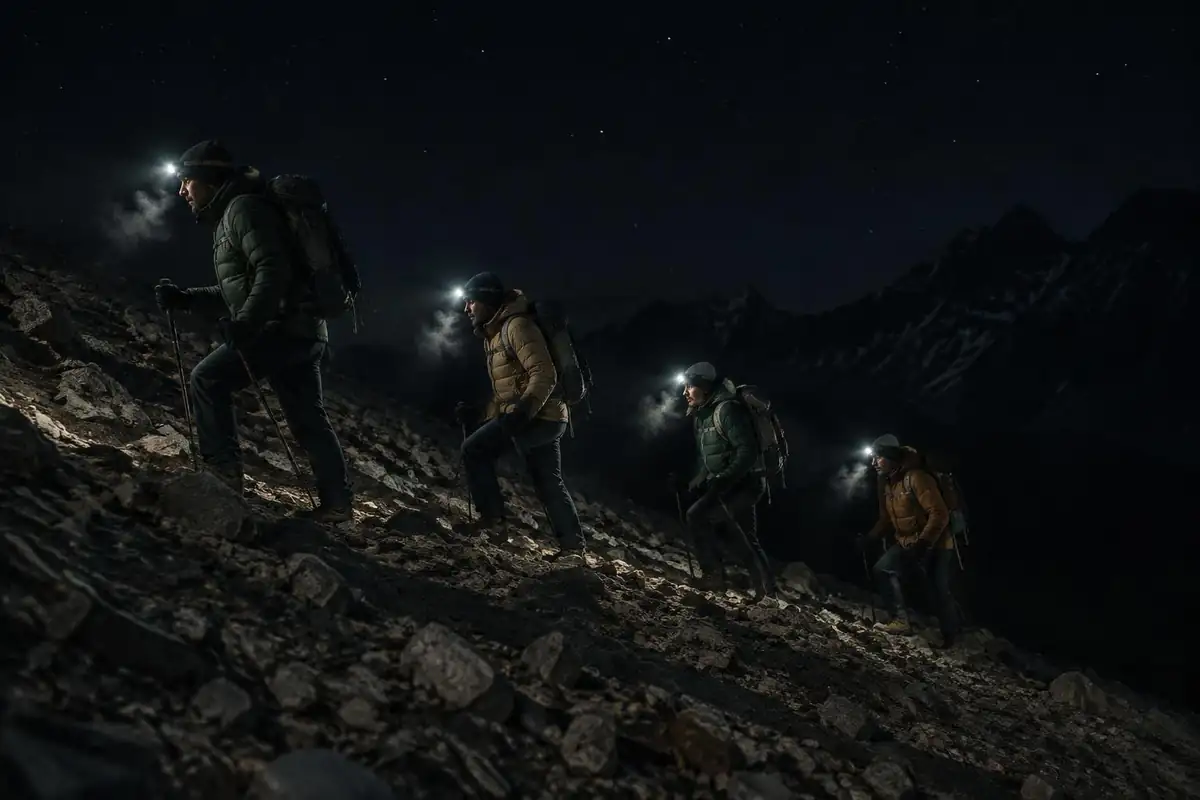
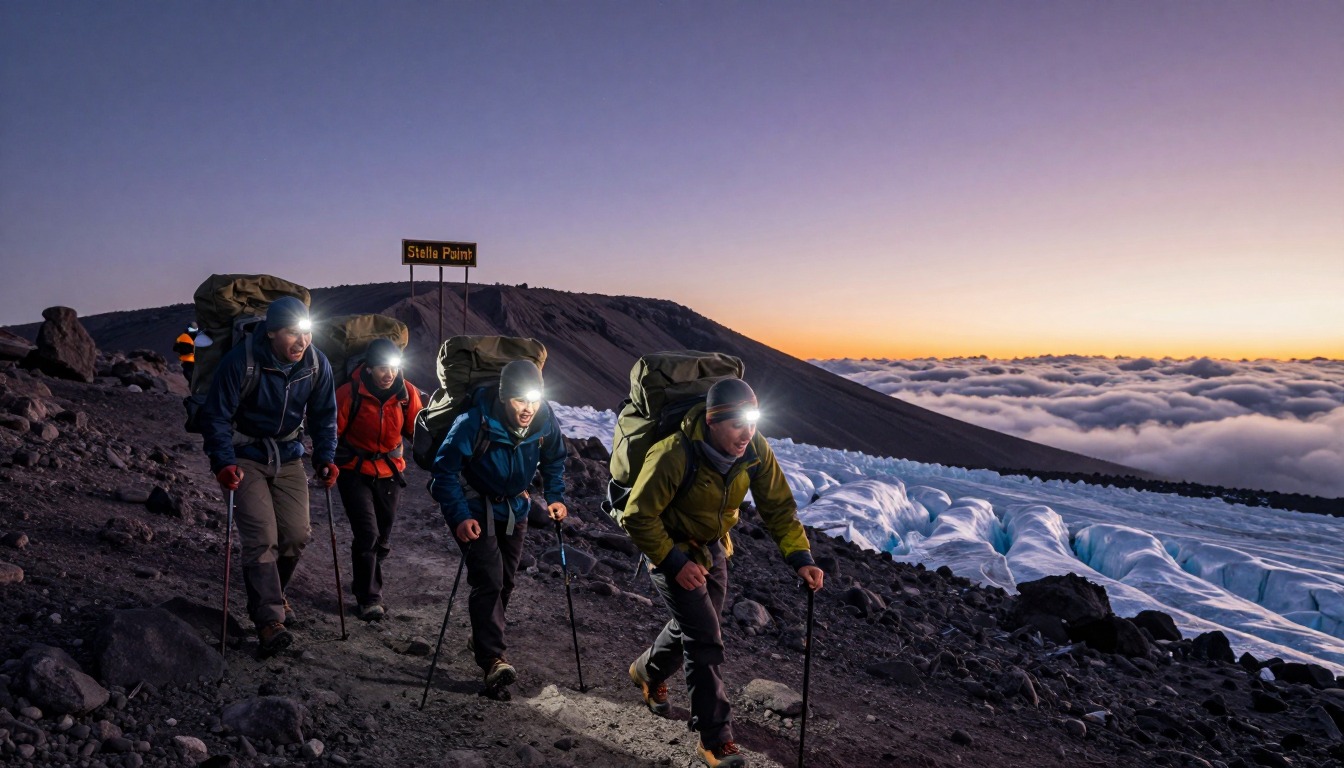
Summit day on Kilimanjaro is the hardest single day of the trip. You wake around midnight, wear nearly everything you packed, and walk up a steep slope of loose stones in the dark. There is nothing technical to climb. The challenge is that you are very high up, it is bitterly cold, and every step feels slow.
Think of altitude like a crowded elevator with less and less air in it. Your body copes by breathing harder and pumping faster, and that tires you out. Cold adds a second problem: your fingers and toes lose heat first, and cold skin can be damaged without you feeling it.
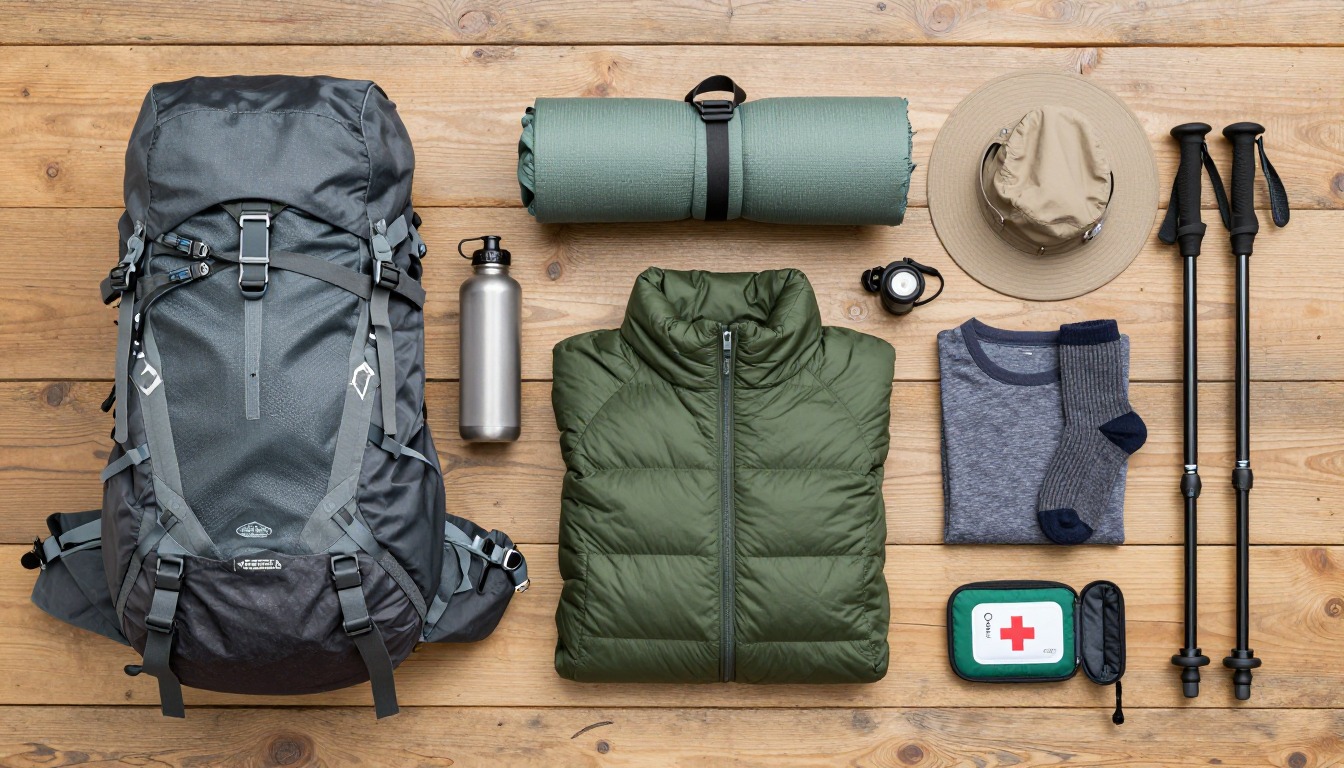
Because you climb in darkness and freezing wind, your small daypack turns into your lifeline. It holds your water, your spare layers, your headlamp and your snacks. The trip back down is long too. Loose ground on a steep slope is hard on your knees, so many people use walking poles for it.
What the hike is like
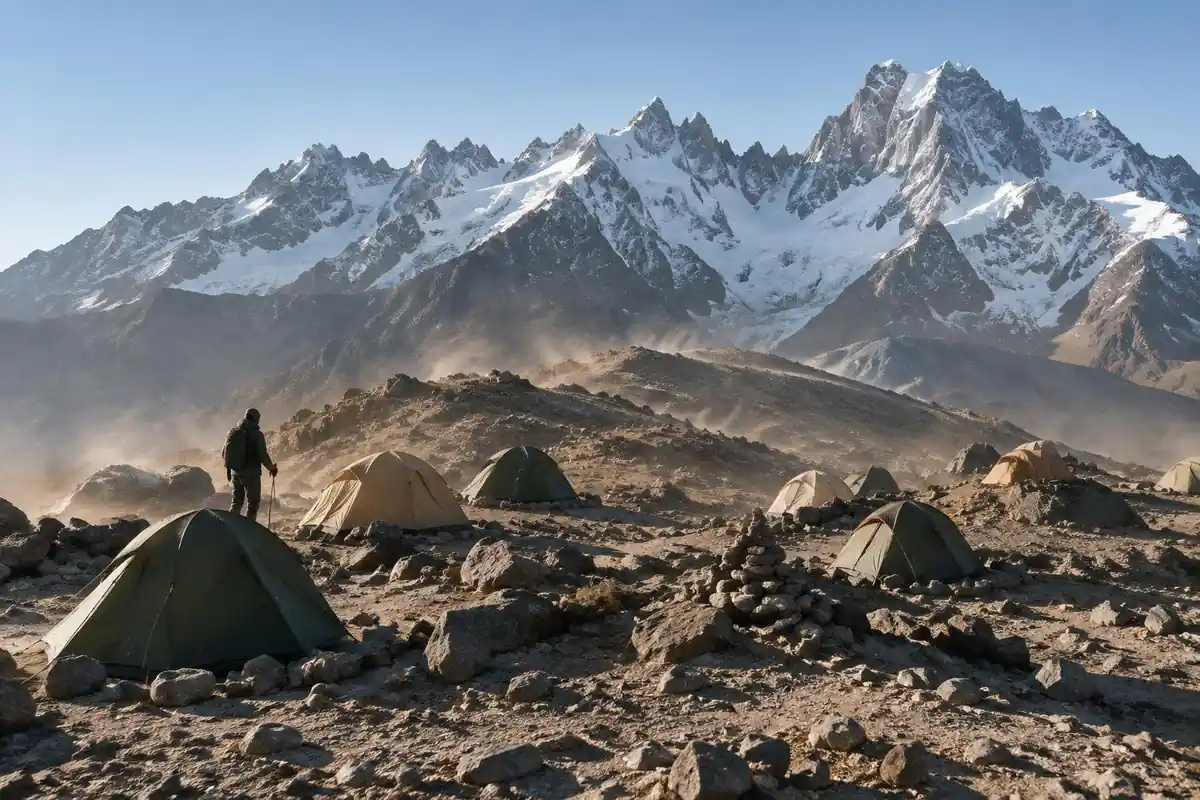
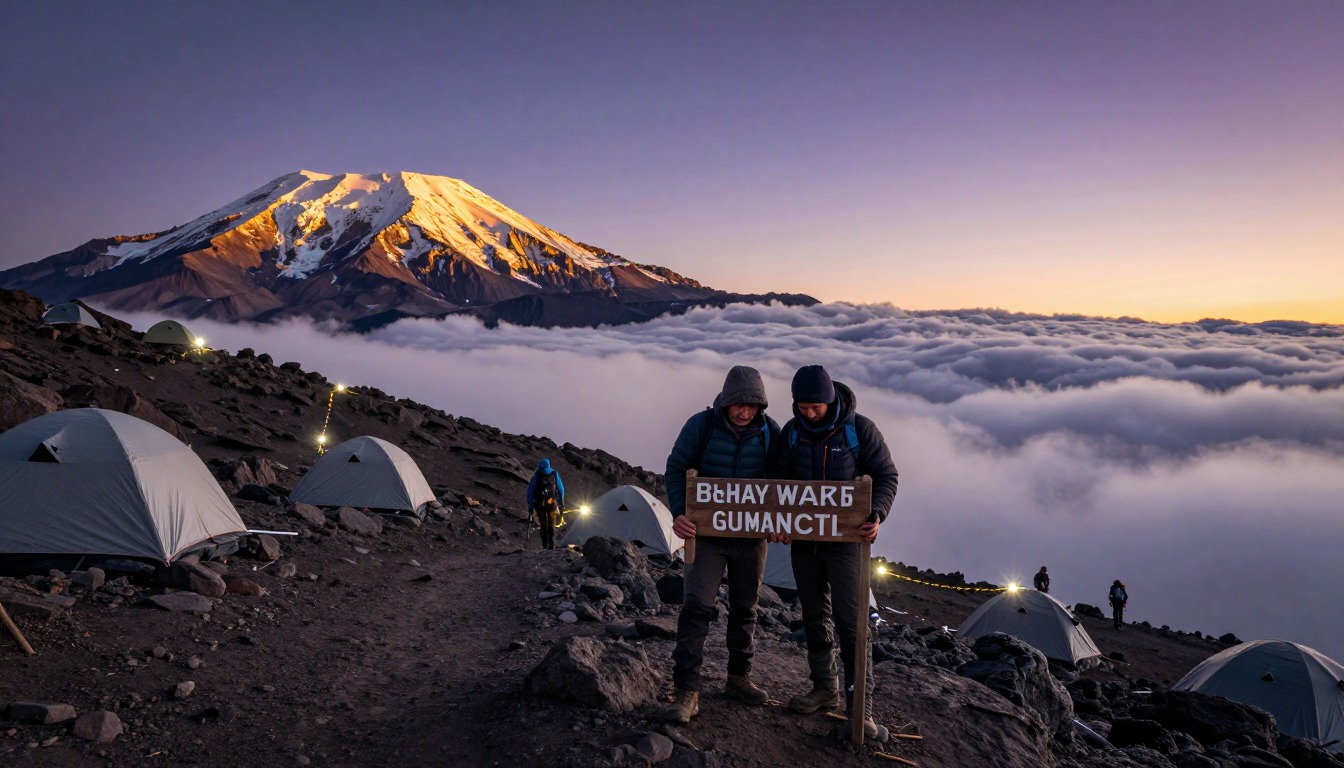
Barafu sits on a bare, rocky shoulder where the mountain has stopped being green — tent platforms wedged between boulders, no shelter from the wind, and the summit cone rising directly above camp. The summit push leaves in darkness and climbs almost immediately onto steep scree and loose volcanic rock, switchbacking up a slope that gives you very little feedback about progress. There's no scrambling and nothing technical; the difficulty is altitude, cold and the relentless sameness of the gradient. The route eventually tops out on the crater rim, and from there the angle eases into a gentler walk around the rim to Uhuru Peak, past glacier walls still sitting on the summit plateau. The descent retraces that same loose scree, which plenty of climbers find harder on the knees than the climb was on the lungs.
How to plan the itinerary
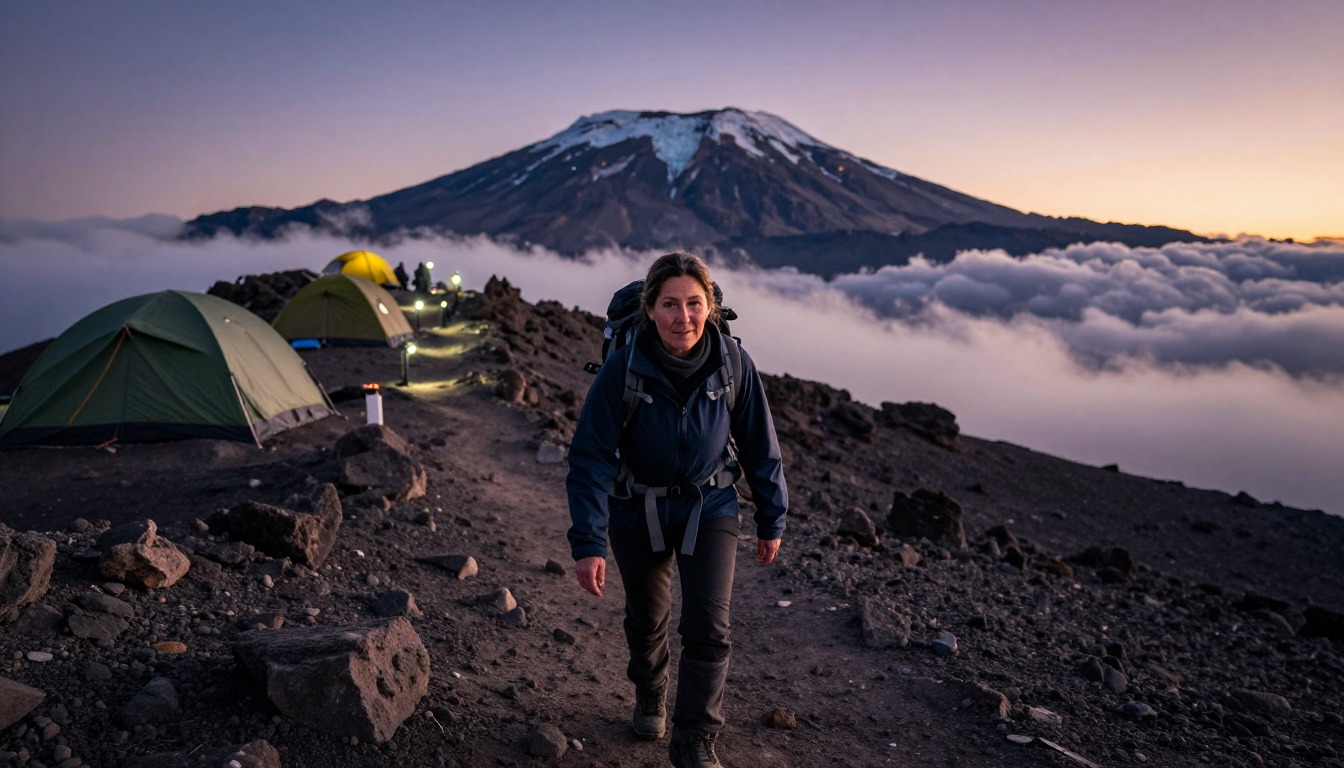
This is the closing act of a longer fixed itinerary rather than a trip you plan on its own. The usual pattern is a short walking day up to Barafu so you arrive in the early afternoon, then an early meal and a few hours lying down fully dressed before a wake-up around midnight. Groups set off in the small hours so the summit lands near sunrise, and nobody lingers long once they're up there. Most itineraries then turn summit day into the longest day of the trek by a wide margin: back down to camp for a short rest and food, then several more hours of descending to a lower camp on a faster route off the mountain. Build a genuine rest day into the far end of the trip before you fly home.
Plan this trip in 5 steps
-
Pick the right pack
Match a pack to your trip, fit and priorities.
-
Book a place to stay
Campgrounds, huts and lodges near Kilimanjaro — Barafu & the Summit.
-
Plan food & water
Calories, food weight and water for your days on trail.
-
Estimate your time
Pre-filled with this trail’s distance and climb — adjust for your pace.
Trail-specific tips
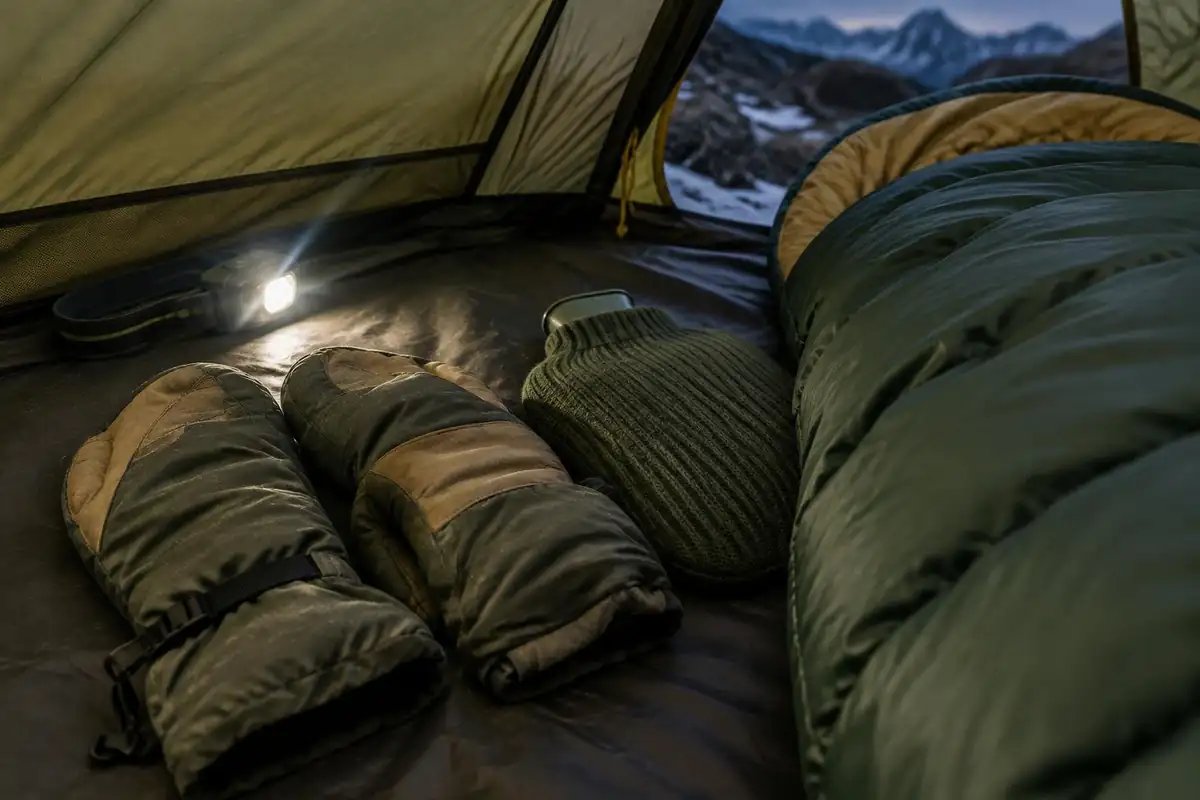
Lay every layer out before you lie down — at that hour, in that cold, fumbling for a glove liner costs you more than it should. Warm your water in an insulated bottle and carry it upside down or inside your jacket so the valve doesn't freeze shut. Spare headlamp batteries matter; cold drains them fast. The classic mistake is pushing the pace early when the cold makes you want to move, then paying for it near the rim. Follow your guide's rhythm and keep eating. Altitude-specific preparation is covered on /trail-smarts/.
Permits & rules
The summit push is the crux of any Kilimanjaro climb — guided, at extreme altitude, and in freezing pre-dawn cold. It must be done with a licensed operator and crew; go slowly (“pole pole”) and be honest about altitude symptoms.
Gear suited to this hike
Matched to the terrain and conditions here. Real products — check current price on Amazon.



Why the summit push is mostly a cold and thin-air test
The page correctly says nothing here is technical. The risks are physiological. The CDC says any unacclimatized person sleeping at 8,000 feet or higher is at risk of altitude illness and that fitness does not protect against it.1 The 2025 review of Wilderness Medical Society guidance likewise puts increased risk above about 2,500 meters.4 Barafu camp and the summit are far above both thresholds, so headache, nausea and unusual exhaustion on summit night are signals to take seriously, not to push through.
The response rule is simple and comes straight from the CDC. Never go higher to sleep while having symptoms, however mild, and acute mountain sickness improves rapidly with a descent of 1,000 feet or more.1 The page already says a guide can descend with you while the rest continue. That is the right structure, and it only works if you speak up early.
Frostbite, mittens and why fingers go first
The National Weather Service says frostbite can develop within minutes on fingers, toes, nose and ears, that mittens are better than gloves, and that skin should be kept dry.2 The CDC adds that frozen tissue is numb, so people often do not notice their own frostbite, and that redness or pain in any skin area is an early warning.5 On a midnight start, that argues for spare mittens or liners kept in the daypack, and for checking each other's faces and hands at rest stops.
The same sources say to warm frostbitten areas gradually with warm, not hot, water or body heat, and not to rub them with snow.2 In practice, leave that to your guide and get medical help once you are down.
Loose scree down, and where poles help
The descent retraces loose volcanic ground, and the page says many climbers find it harder on the knees than the climb was on the lungs. Research supports a specific fix. A study of hikers with no pack, a day pack and a heavy expedition pack found trekking poles significantly reduced joint moments in the lower limbs during downhill walking, at every load tested.3 A separate study on a steep downhill ramp found knee compressive and shear forces fell by 12 to 25 percent with poles.6 The evidence is about descending, not climbing, so poles are most valuable on the way down.
Light matters too. The National Park Service recommends headlamps as the hands-free light source, and you will want both hands free for poles, mittens and balance.7 Sun protection is the last gap: snow and glacier ice reflect UV, and the EPA notes UVB can cause snow blindness.8 Confirm current route rules and any closures with Tanzania National Parks and your operator.
Common questions
Why does the summit push start in the middle of the night?
Two reasons. Guides often say the loose scree above camp is firmer while it's still frozen, which can make for better footing than the same slope in afternoon sun. And starting that early leaves daylight for the long descent all the way down to a lower camp the same day, which is the standard pattern on guided itineraries.
Is the summit climb technical?
No. It's a walk on a very steep, loose slope rather than a climb — no ropes, crampons or technical skills for the standard route in normal conditions. What makes it hard is doing that walking in thin air, in deep cold, on a few hours of broken sleep, for many consecutive hours before you even start down.
What does the cold at Barafu actually feel like?
Hard enough that most climbers wear nearly everything they brought. Water freezes, fingers stop working in thin gloves, and sleeping is difficult even for people who sleep well in tents. Treat the camp as a short rest stop rather than a night's sleep, and plan your clothing system for standing still in wind, not just for walking.
What if I can't continue partway up?
Turning back is common and completely normal, and your guides will make that call with you if your condition warrants it. Guided groups typically have enough staff that someone can descend with you while the rest continue. Descending is the reliable treatment for altitude trouble, so say something early rather than pushing on quietly.
Complete gearsets for this trip
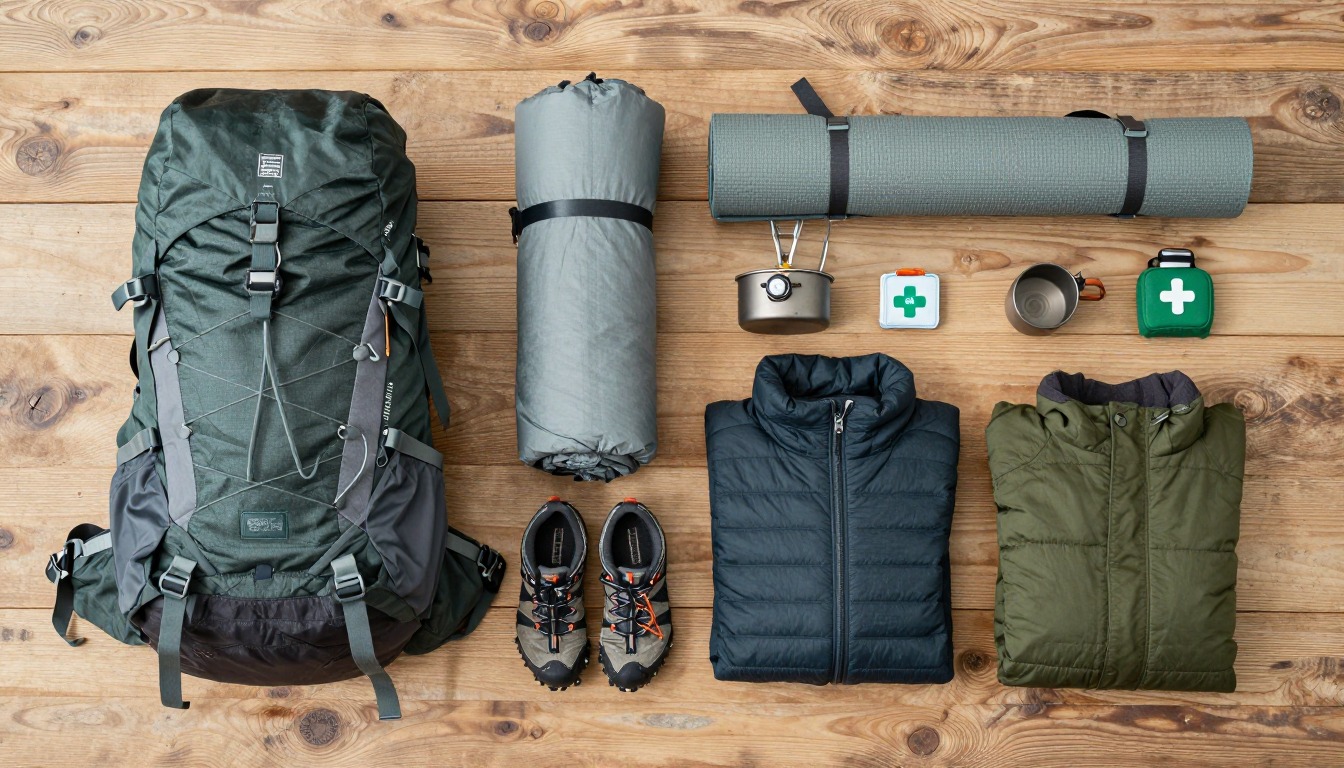
Full curated kits built for exactly this kind of hike.
Trail conditions, permits and access rules change without notice — always confirm current information on the official source above before you go. Some facts on this page are still pending owner verification and are marked accordingly. Product links and the accommodation map are affiliate links: we may earn a commission at no extra cost to you; product prices and availability are shown on Amazon, and accommodation prices on the booking site. See our affiliate disclosure.