
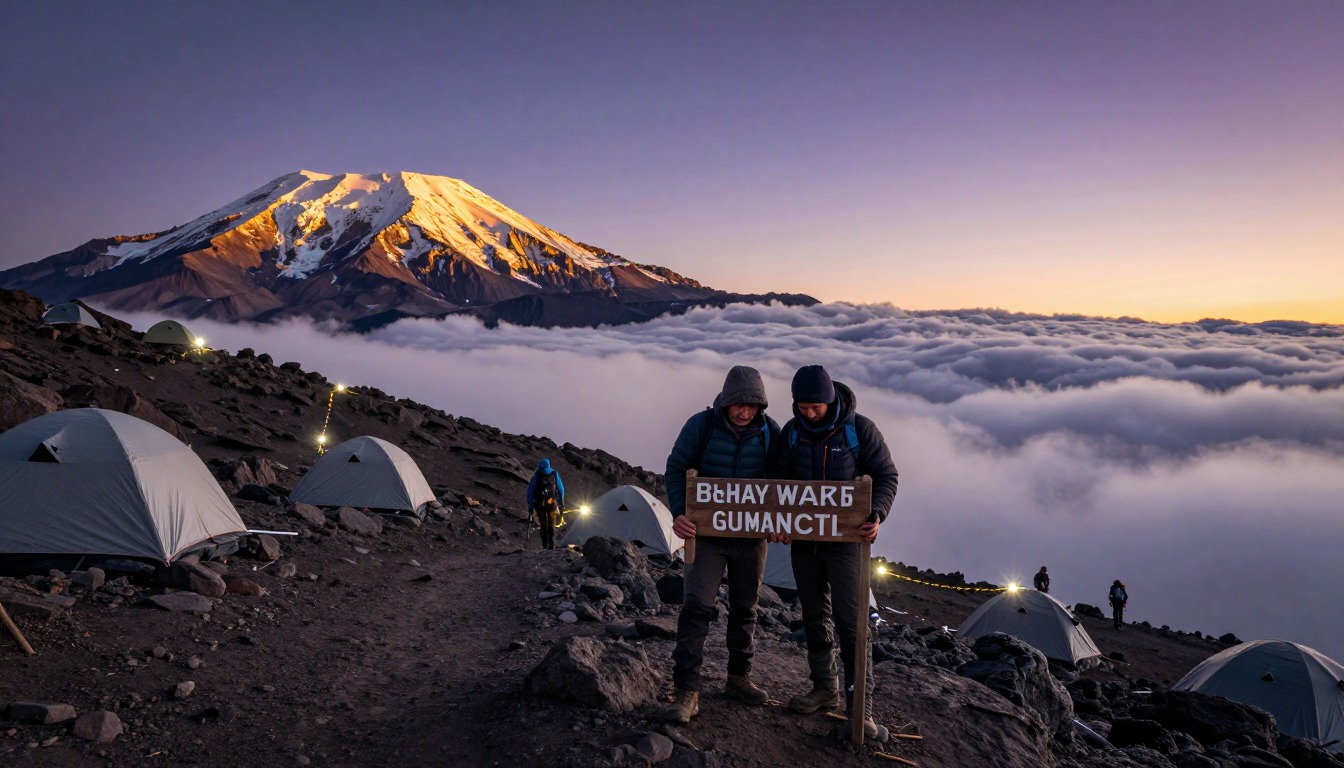
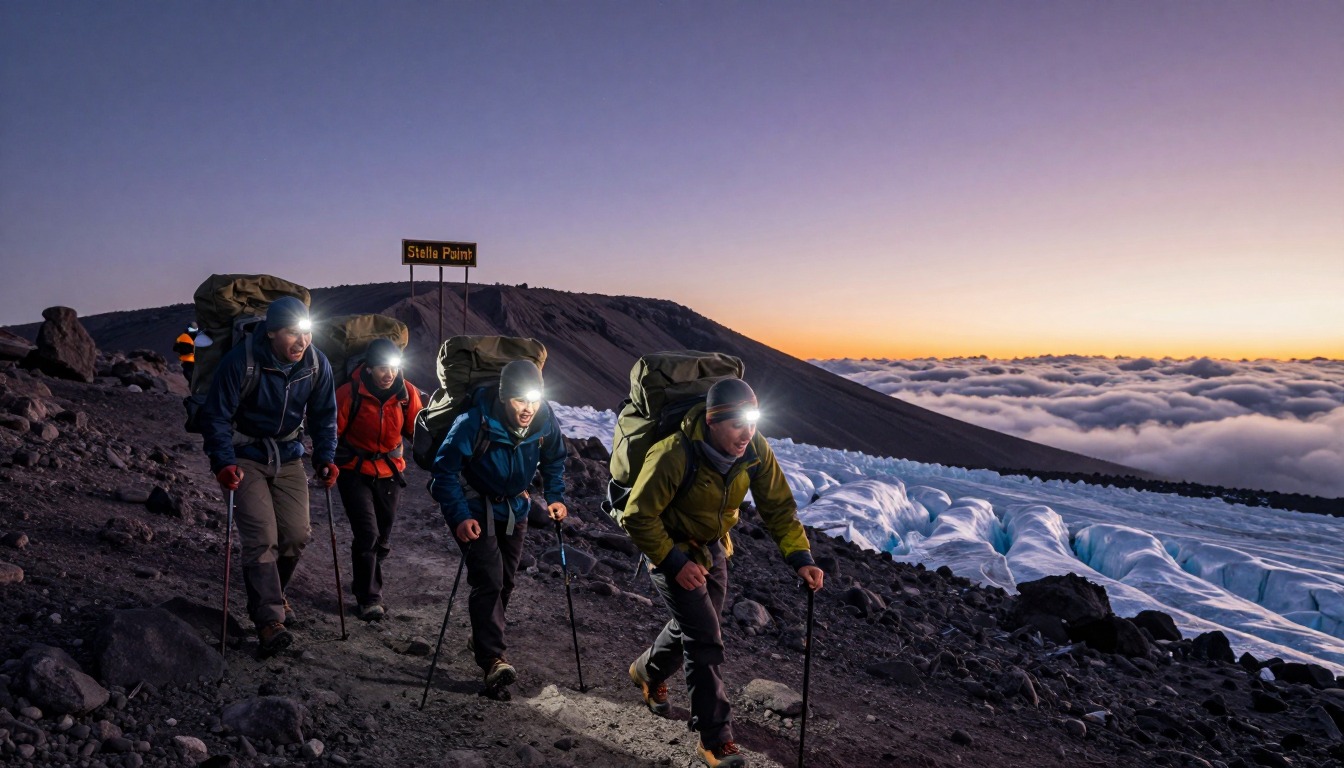
Illustrative artwork — an impression of Kilimanjaro — Barafu & the Summit, not a literal photograph.
Barafu Camp is the last stop before the summit push on Kilimanjaro, the 5,895-meter roof of Africa inside Kilimanjaro National Park, Tanzania — a high tented camp where climbers rest for a few hours before setting out around midnight for Uhuru Peak on the crater rim. Because the mountain is climbed on a fixed, multi-day itinerary with a licensed operator's guide and crew, where you sleep each night, including that final freezing camp, is arranged well before you arrive.
Why hike here
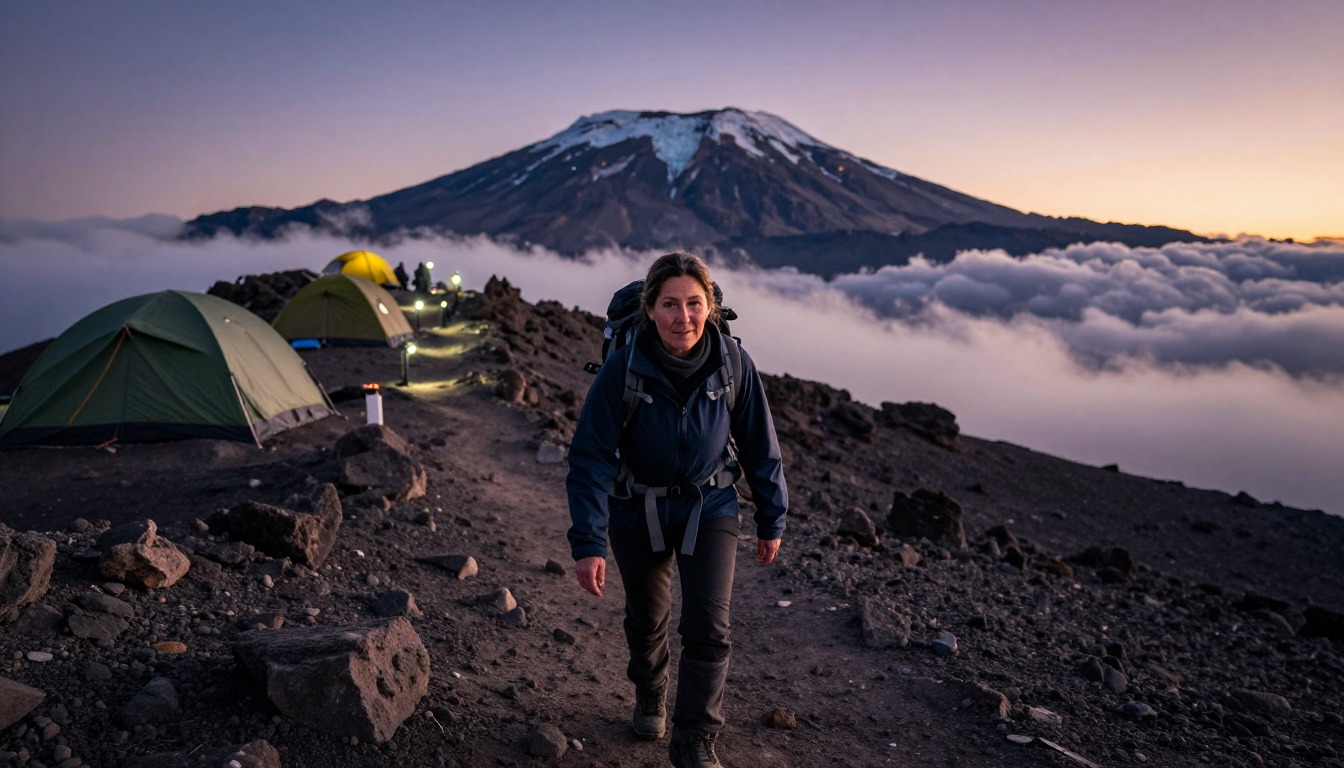
The appeal of Kilimanjaro isn't a technical climb — it's the sheer scale of walking to the highest point in Africa on your own two feet. From Barafu, the route climbs through total darkness, headlamps strung out up the mountain in a long, quiet line, the cold sharp enough that every layer you own goes on before you leave the tent. Guides set a deliberately slow pace, "pole pole," because at that altitude going fast is how the mountain beats you. Then, usually around sunrise, the ground levels out onto the crater rim and Uhuru Peak itself — glaciers still clinging to the summit, the plains of Tanzania spread out far below. The descent afterward is long and hard on tired legs, which is part of why the days in Moshi or Arusha afterward feel so earned.
Getting there
Most climbers fly into Kilimanjaro International Airport, the main gateway for the region, then transfer by road to Moshi or Arusha, the staging towns where operators handle briefings, gear checks, and permits before driving to the trailhead. Because the whole climb runs through a licensed operator, this stage is largely organized for you. Most people time the trip for the drier windows, January to March or June to October, and build in a spare day on each end to recover from travel and absorb any delays.
Where to stay
The realistic options, closest-to-the-trail first. Book through the official links — we don't list prices or availability because they change all the time.
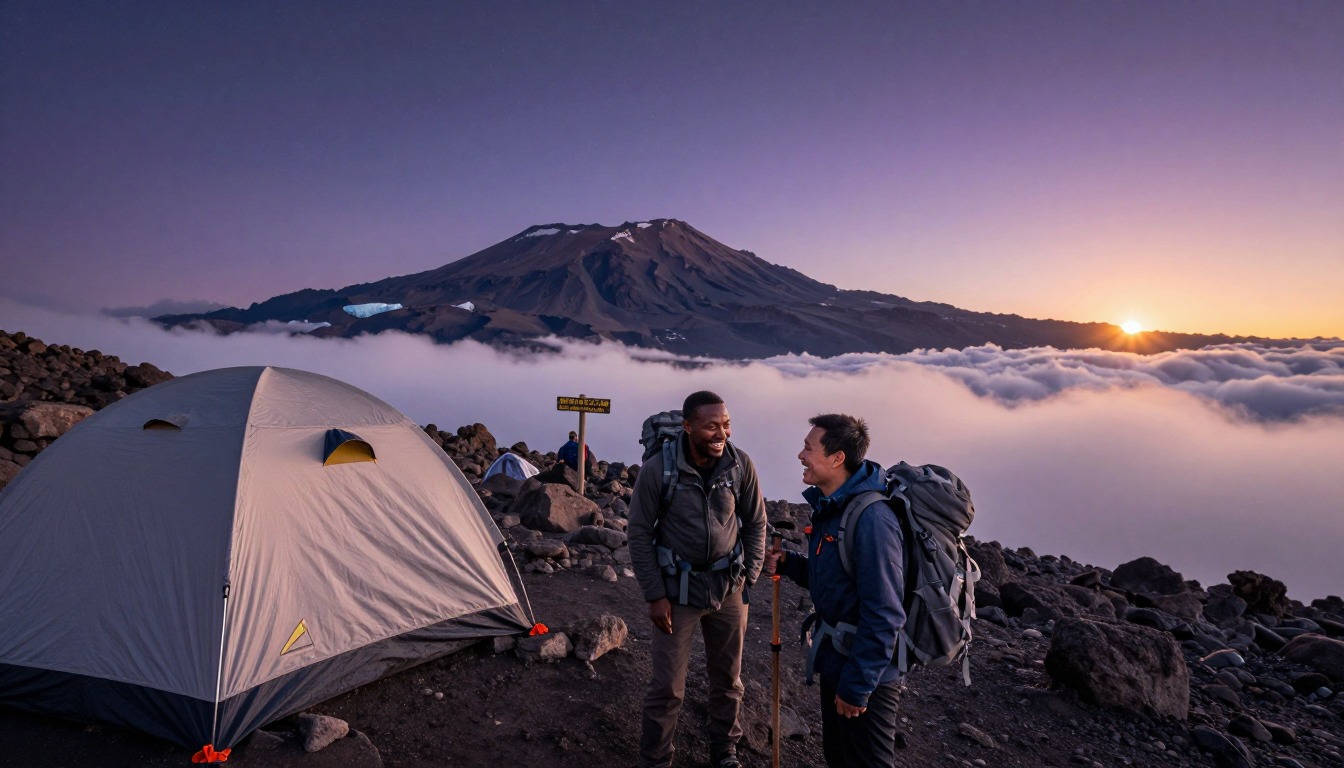 Illustrative — evokes the setting, not a specific property.
 For example: The high tented camp where climbers rest before the midnight start for the crater rim
Every climber on the summit push — a short, cold rest before the dawn ascent.
Nights here are freezing at extreme altitude; you climb through the night.
Booked through a licensed operatorFor example: Hotels and lodges in Moshi and Arusha for recovery after the descent
Everyone — you descend the whole mountain after summiting.
A real bed and a hot shower after the summit day are well earned.
Nearby-town lodgingPermits & rules
The summit push is the crux of any Kilimanjaro climb — guided, at extreme altitude, and in freezing pre-dawn cold. It must be done with a licensed operator and crew; go slowly (“pole pole”) and be honest about altitude symptoms.
Gear you'll want for this trip
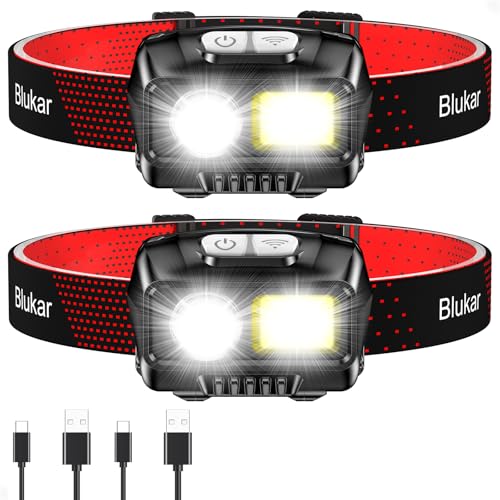
Matched to the terrain and conditions here. Real products — check current price on Amazon.
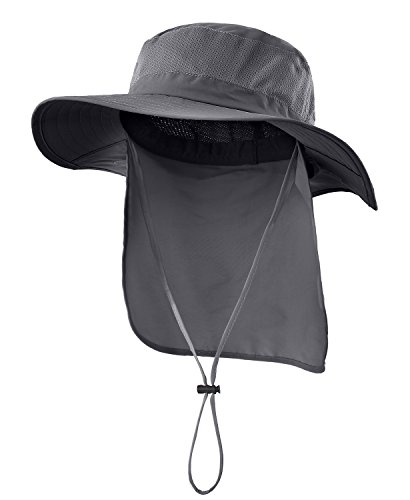

Common questions
What's it actually like sleeping at Barafu Camp?
Barafu is a high tented camp, basic and exposed, set up by your guided crew at extreme altitude. Nights are genuinely freezing, and most climbers barely sleep before the midnight wake-up call. It's treated as a short rest stop rather than a place to settle in — you arrive in the afternoon and leave again a few hours later, well before dawn.
Why does the final push to the summit start at midnight?
The timing gets climbers to Uhuru Peak on the crater rim around sunrise, while the scree and ice underfoot are still frozen firm and easier to climb than in the afternoon sun. It also allows time for the long descent back to camp and further down the mountain the same day, all before darkness returns.
Where do climbers stay before and after the trek?
Before the climb, most people base themselves in Moshi or Arusha for briefings, gear checks, and a final equipment run. Afterward, those same towns are where climbers recover — hot showers, real beds, and a day or two to rest tired legs before flying out of Kilimanjaro International Airport.
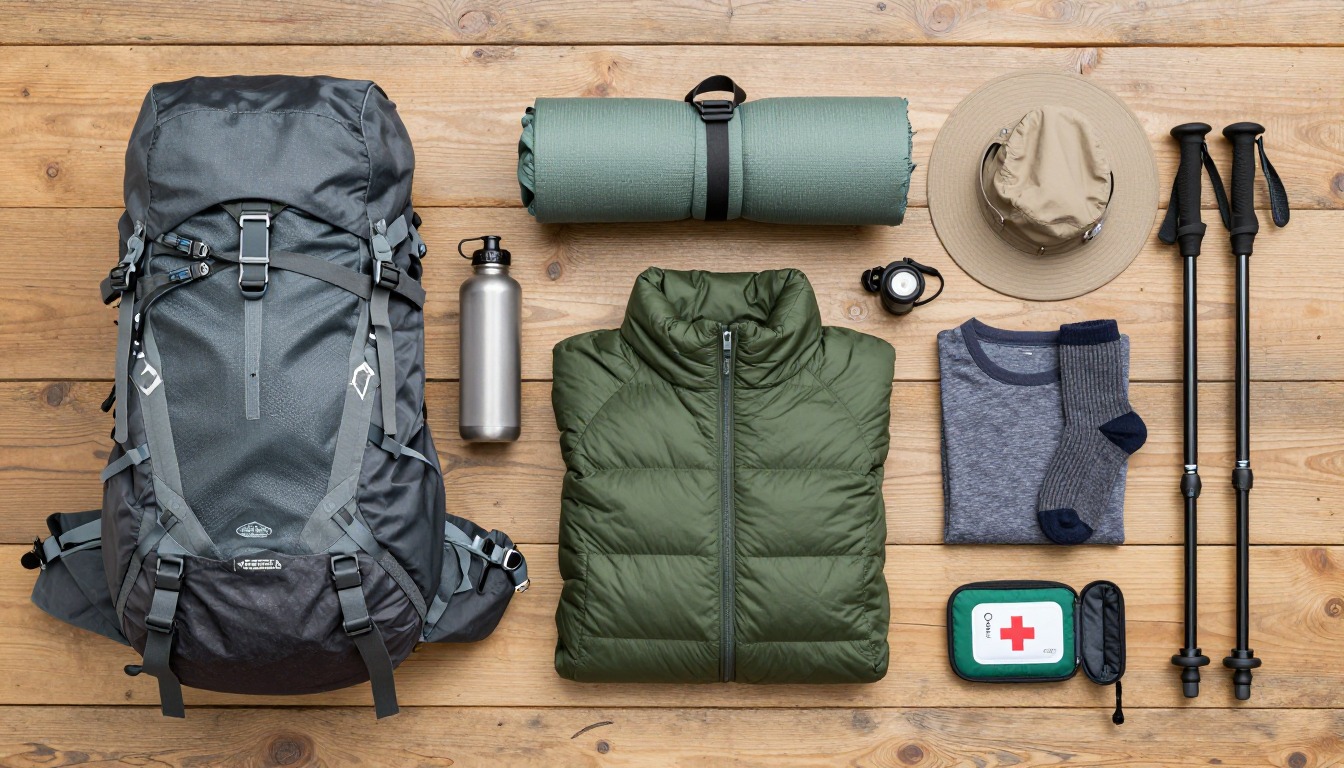
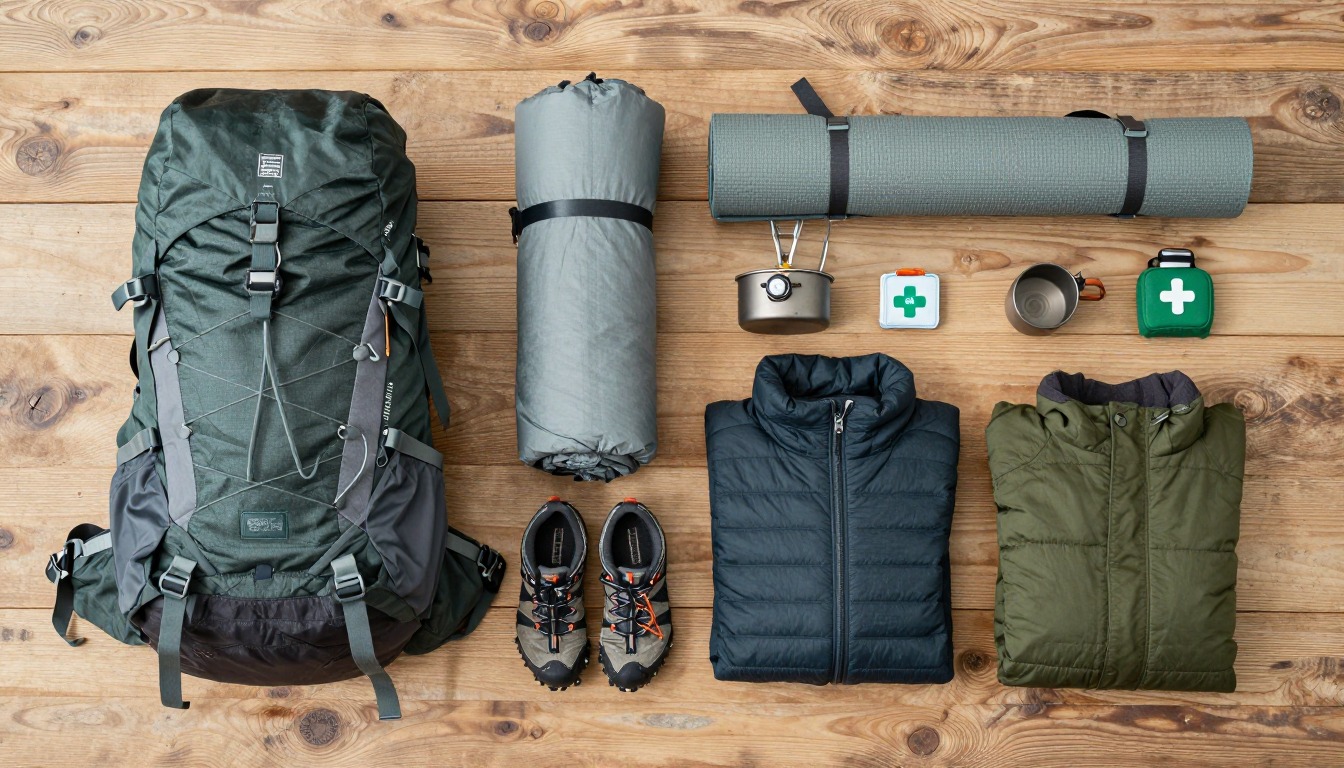
Complete gearsets for this trip
Full curated kits built for exactly this kind of hike — what to bring, why, and links to similar gear.
Lodging details are compiled from official parks, refuge associations and reservation systems and can change without notice. We publish no prices, availability or ratings — always confirm current information on the official site before booking or setting out. Product links are affiliate links: we may earn a commission at no extra cost to you; prices and availability are shown on Amazon. See our affiliate disclosure.