
Affiliate disclosure: this page contains affiliate links. Purchases made through them may earn us a commission at no extra cost to you. See our affiliate disclosure.
In plain English
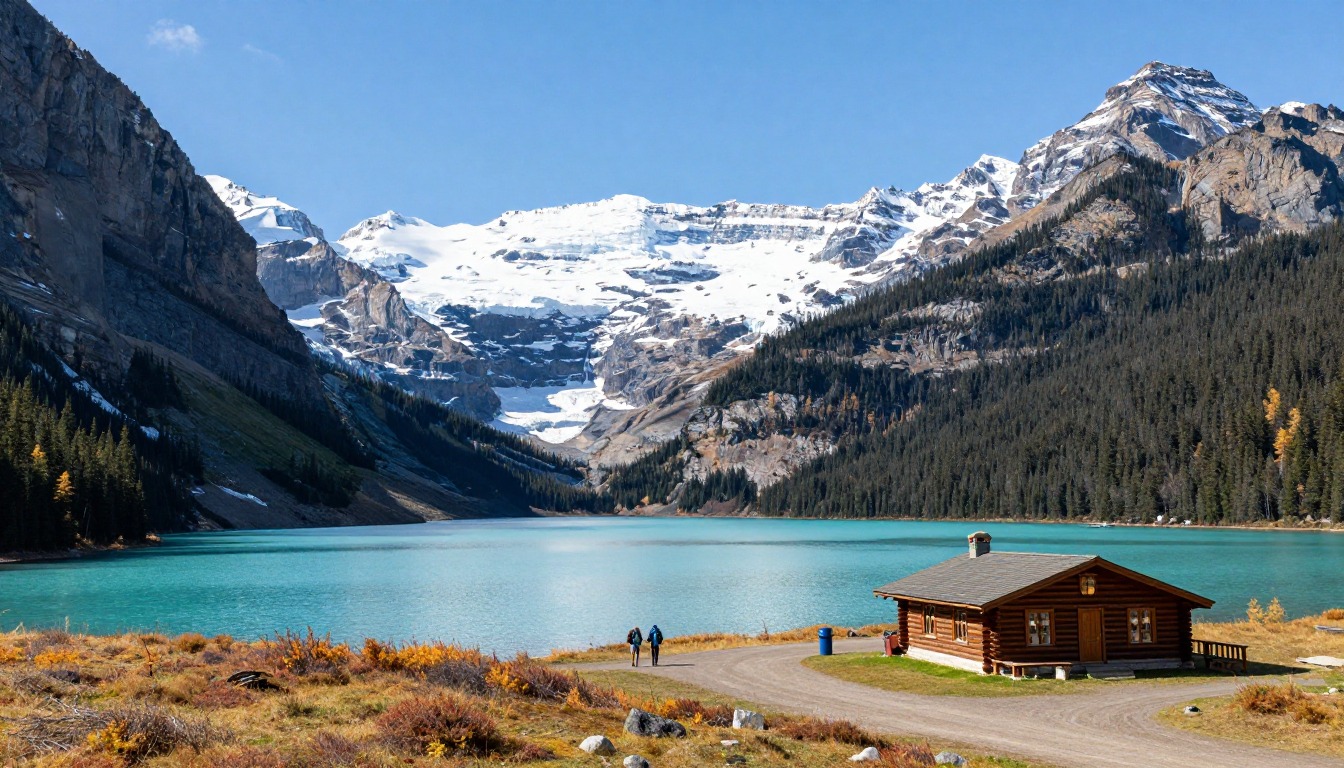
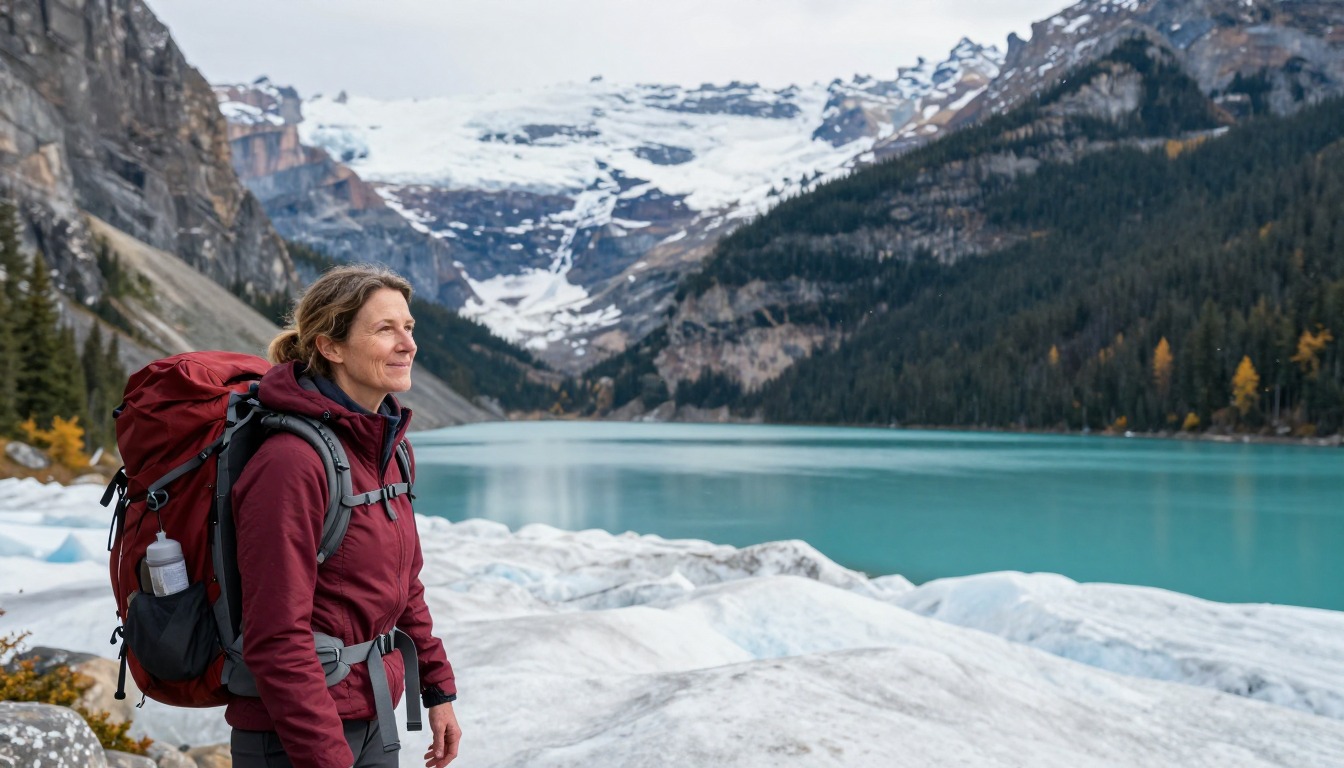
Lake Louise is one of the busiest places in the Canadian Rockies. The two classic walks from its shore, the Plain of Six Glaciers and Lake Agnes, both climb from the flat lakeside path to small tea houses in the mountains.
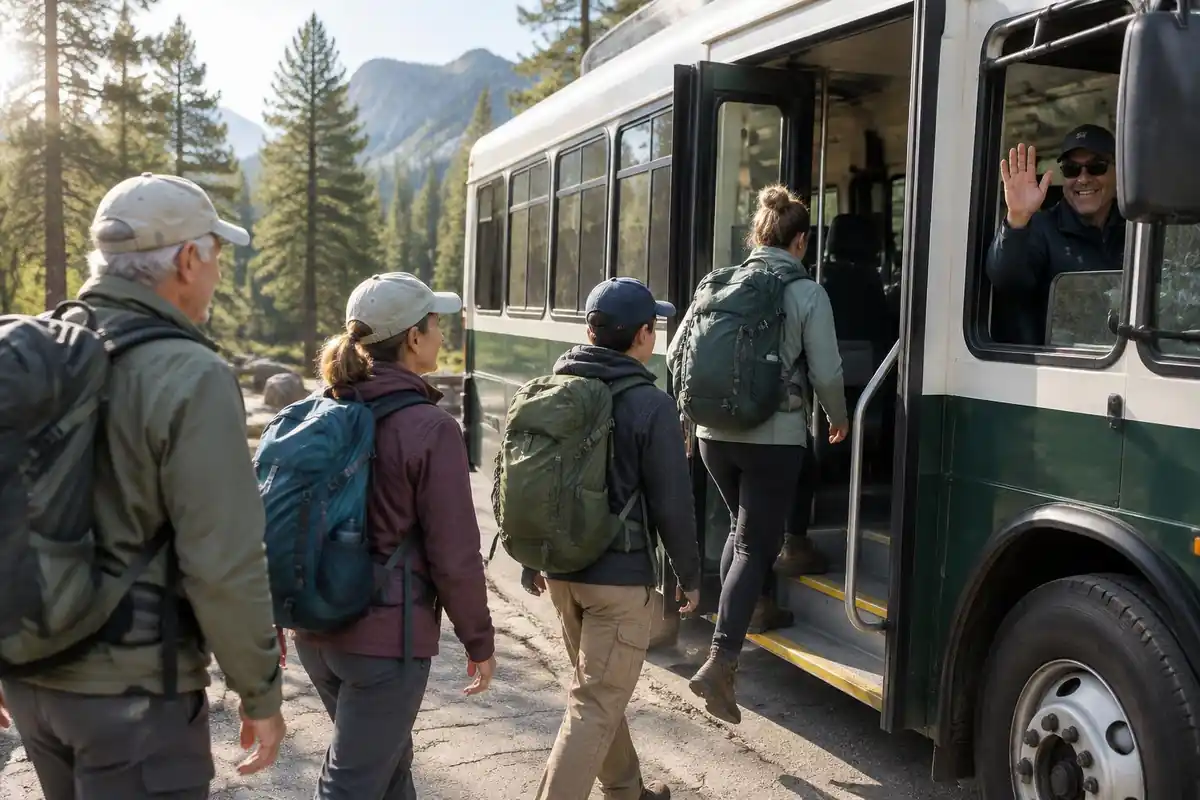
Getting there is often the hardest part. Parks Canada says taking transit is the easy, guaranteed way to visit Lake Louise and Moraine Lake, and that reservations are required.1 Plan your bus or parking before you plan your hike.
Once you are walking, the trails are well built, but the weather and ground change as you climb. Near the end the path turns stony, snow can linger into early summer, and the air is cooler. A small daypack with a warm layer, a rain jacket, water and snacks covers you. Think of the tea house as a bonus, not your only food plan.
What the hike is like
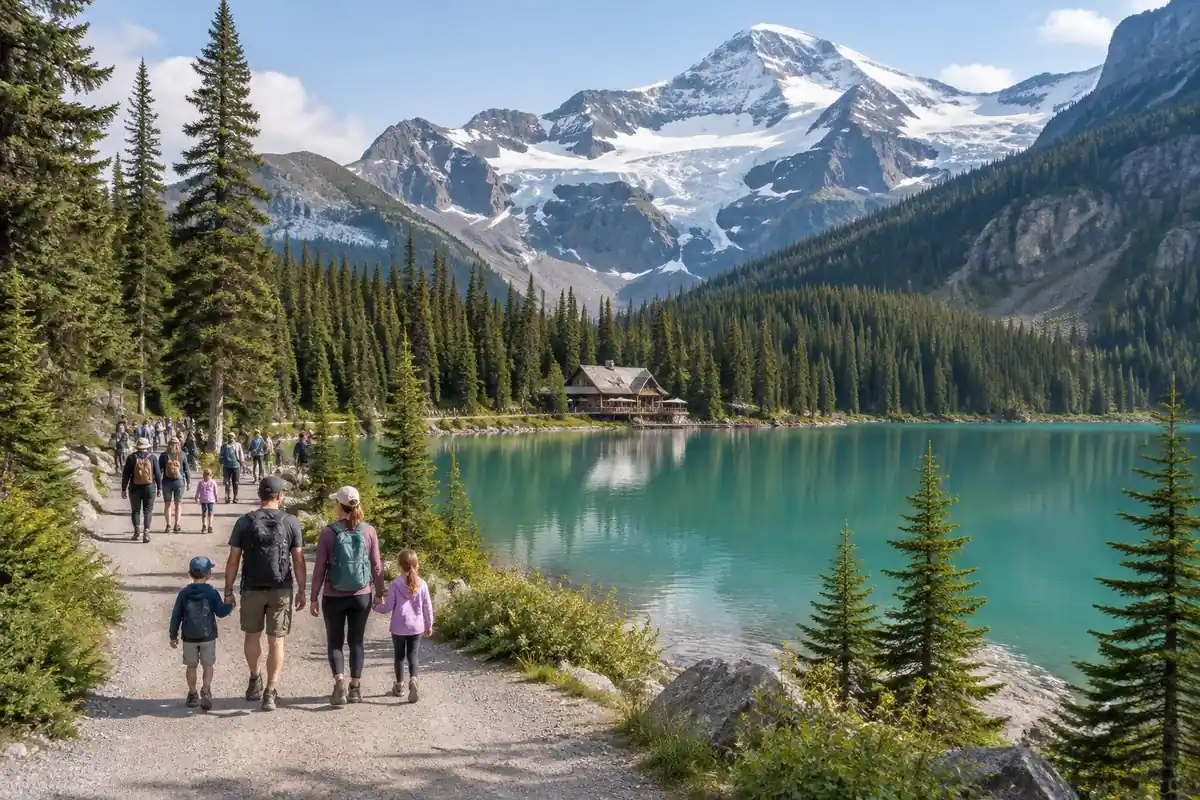
Both classic routes begin the same easy way: a wide, flat promenade along the shore of Lake Louise, busy with visitors who go no further. The Plain of Six Glaciers trail continues past the far end of the lake, narrows into real trail, and climbs gently through forest before switchbacking up onto open ground, where the path becomes a stony traverse along old moraine with glaciated walls ahead and loose slopes below. The tea house sits near the end of the maintained climbing, and a rougher continuation carries on over rubble to a higher viewpoint. The Lake Agnes trail is the steeper of the two and gets its work over quickly — a direct forest climb with steps and a small waterfall, passing a little lake on the way to a second tea house perched at the water's edge. A connecting high traverse lets strong hikers link the two.
How to plan the itinerary
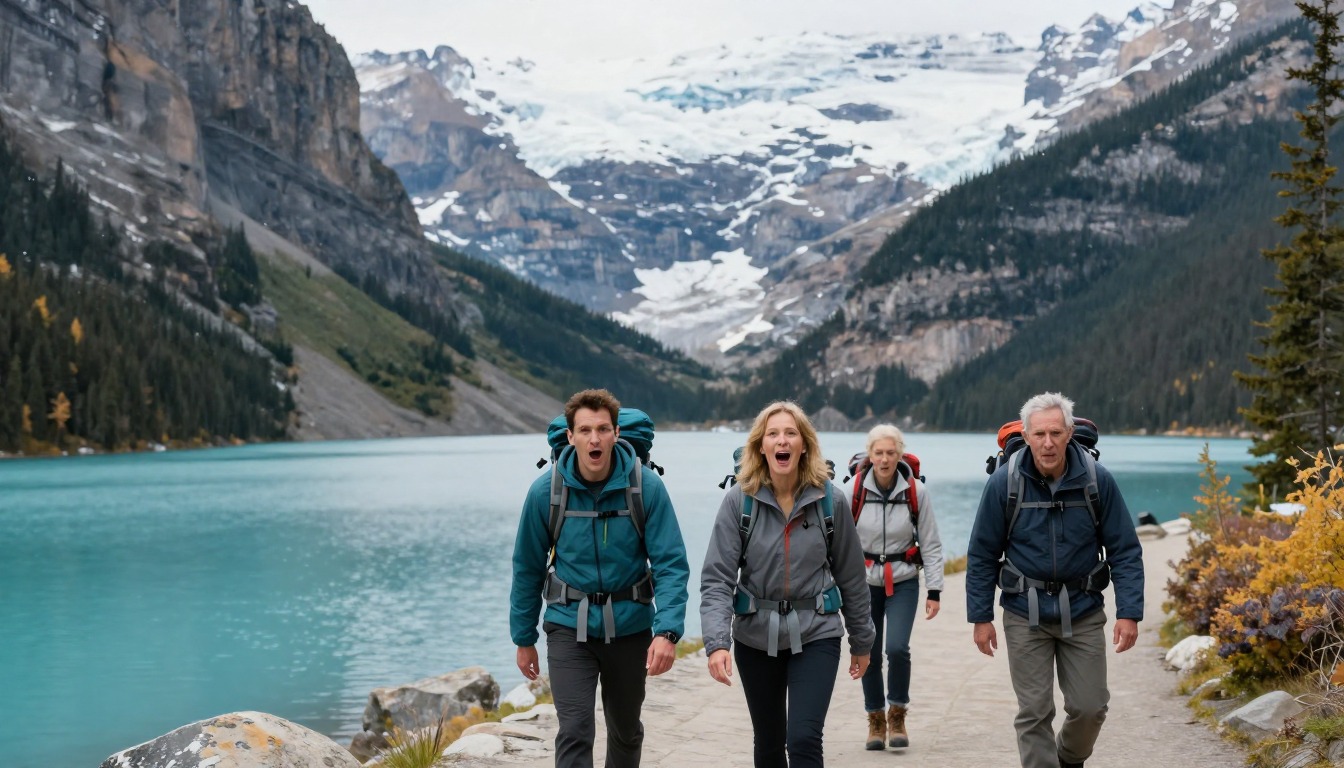
Most visitors pick one and treat it as a half-day: up, a stop at the tea house, and back down by the same path. Hikers with a full day and decent fitness often combine them, climbing one valley and returning over the connecting ridge trail to come down the other — a considerably longer outing that turns two pleasant walks into one proper mountain day. Whichever you choose, the real scheduling constraint is the lakeshore parking, which routinely fills before most people have had breakfast, so plan an early arrival or use the shuttle and work backwards from its timetable. The tea houses are seasonal, and payment options may be limited (cash has traditionally been the safe choice), so carry some and don't build your food plan around them being open on the day you arrive.
Plan this trip in 5 steps
-
Pick the right pack
Match a pack to your trip, fit and priorities.
-
Book a place to stay
Campgrounds, huts and lodges near Banff — Plain of Six Glaciers & Lake Louise.
-
Plan food & water
Calories, food weight and water for your days on trail.
-
Estimate your time
Pre-filled with this trail’s distance and climb — adjust for your pace.
Trail-specific tips
Start earlier than feels necessary — it solves parking, crowds, and afternoon weather in one move. The rough continuation beyond the Plain of Six Glaciers tea house crosses loose moraine where the footing deteriorates and the drop-offs sharpen, so it's a sensible place to stop if you're tired or the rock is wet. Snow lingers on the high connecting traverse well into early summer, which catches out people who committed to the loop on the way up. This is bear country: see /trail-smarts/ for how to carry spray and travel in groups.
Permits & rules
No permit is needed for the day hikes, though a park entry pass is required to be in Banff. Access to Lake Louise and Moraine Lake is by Parks Canada transit or reservation rather than casual parking, so check Parks Canada before you go. This is bear country — carry bear spray, make noise, and check for trail restrictions.
Gear suited to this hike
Matched to the terrain and conditions here. Real products — check current price on Amazon.



Transit, reservations and park rules
Parks Canada states that Banff National Park is open year-round, that entry and service fees support visitor facilities, and that reservations are required for the transit it recommends to Lake Louise and Moraine Lake.1 Fees and shuttle schedules change by season, so check the official page for current details instead of relying on older trip reports.
The same page flags bear safety and its wildlife rules among its most-requested topics and warns that trail conditions can change rapidly.1 If you carry bear spray, the NPS guidance used widely in North America is to spray when a charging bear is within 60 feet;5 keep it in a holster on your hip belt or shoulder strap, not inside the pack.
Timing a busy trail
Naismith's rule allows an hour for each three miles and an hour for each 2,000 ft climbed.2 For the page's round trip of 14.2 km (8.8 mi) and roughly 1,940 ft of gain, that is about 2.9 hours for distance plus 1 hour for climbing, so around four hours on the move. Linking Lake Agnes and the Plain of Six Glaciers via the high connector adds distance and climbing on top of that.
On a crowded trail, etiquette also shapes your pace. NPS guidance says uphill hikers have the right of way,6 which matters on the steep steps toward Lake Agnes. Mountain thunderstorms often build in the early afternoon, and NWS advises hiking early and being off exposed ground by noon.3 The moraine traverse and the rough ground beyond the tea house are open and exposed, so an early start solves parking, crowds and storms at once.
What goes in the daypack
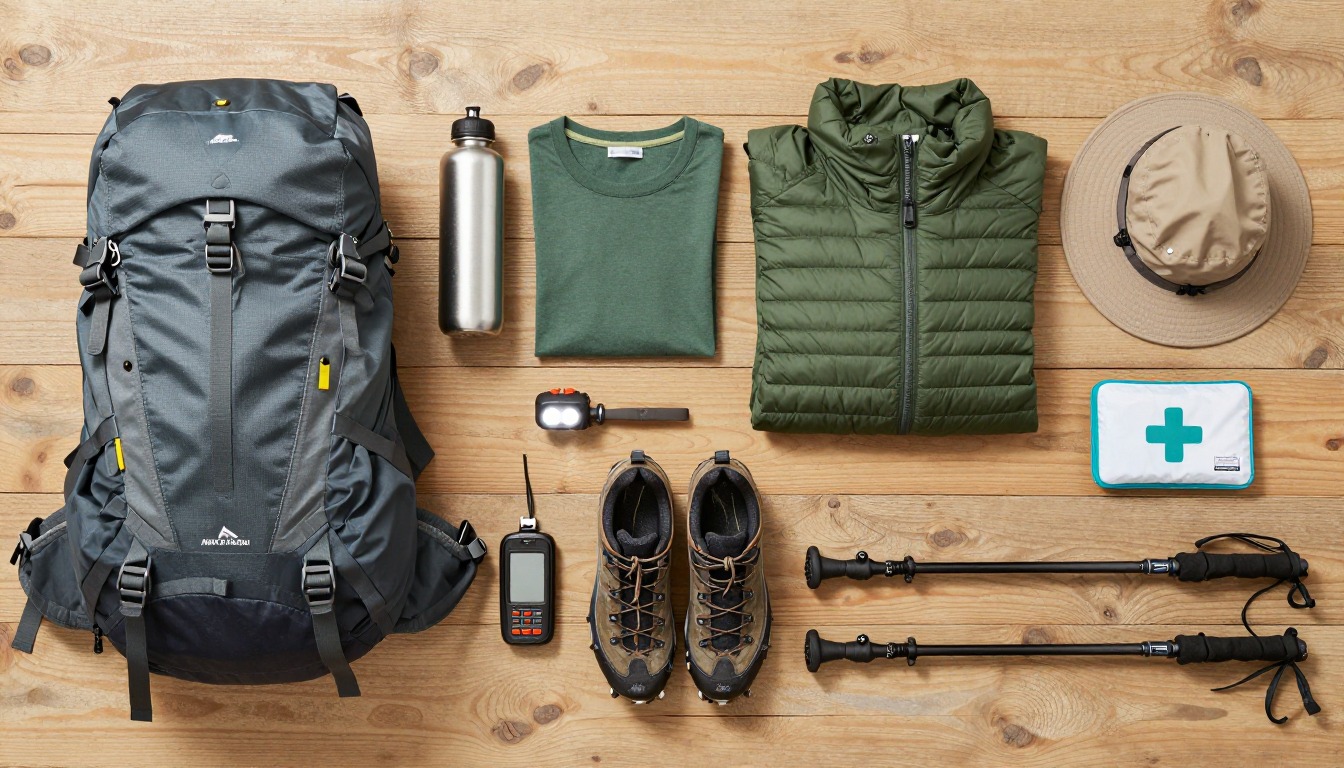
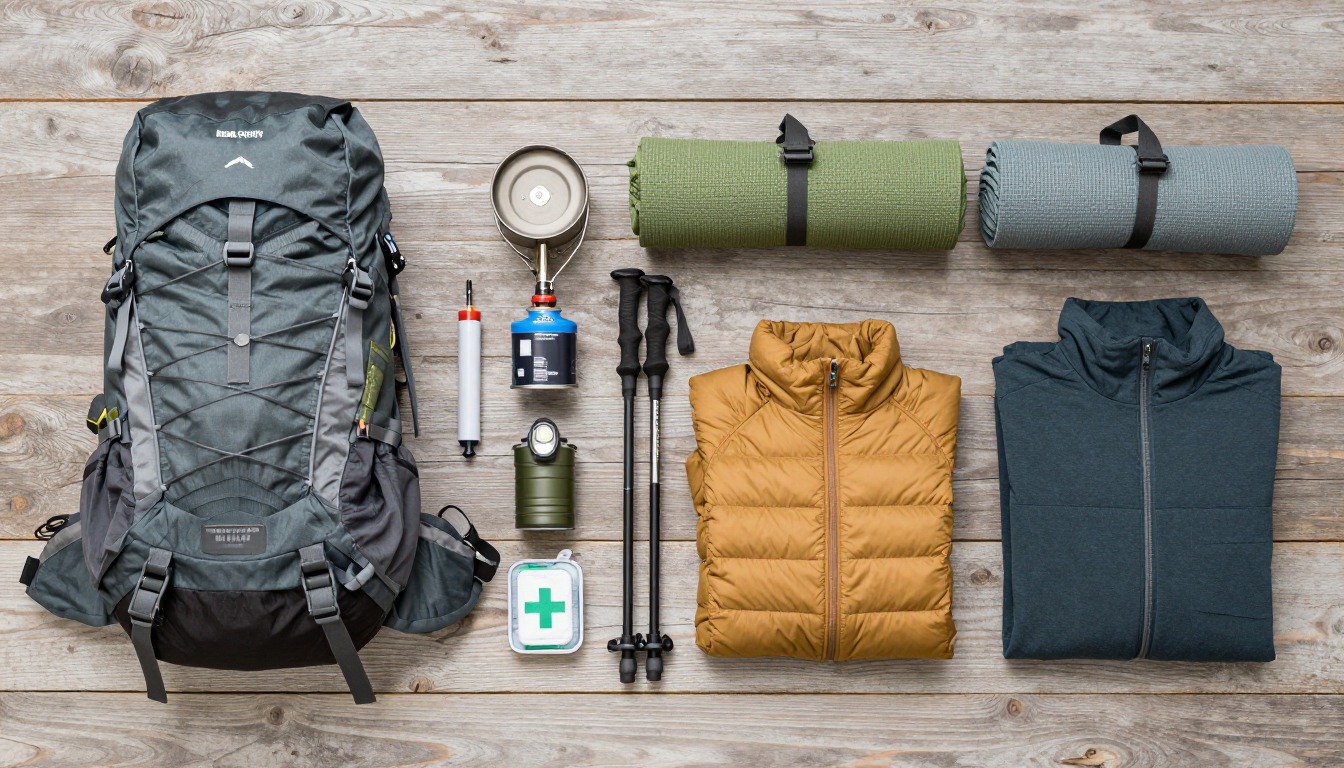
NPS describes the Ten Essentials as items that help with minor injuries, sudden weather changes or unexpected emergencies, and recommends a hands-free headlamp as the light source.4 On a half-day trail it is easy to skip these, but a rolled ankle on the moraine or a late start on the connector can turn a short outing into a long one.
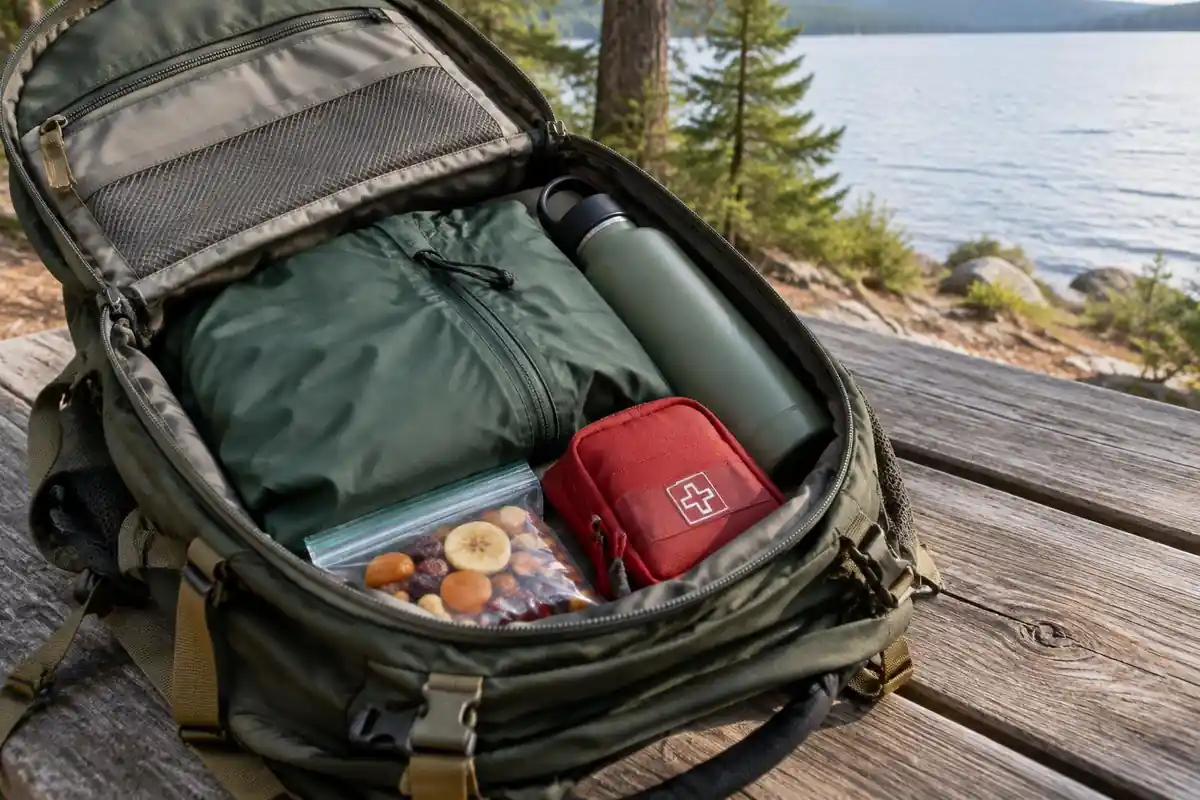
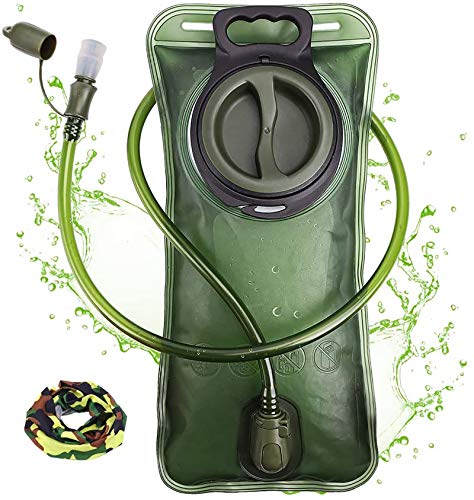
Layering is the main clothing decision. NPS advises wool or synthetic layers over cotton, which absorbs moisture and will not keep you warm when wet.7 A 15 to 25 liter pack with a hip belt, a water bottle or bladder, and one outside pocket for the rain shell handles both routes; if you plan to link them, carry more water and food rather than counting on the seasonal tea houses.
Common questions
If I can only do one, which should I choose?
Plain of Six Glaciers if you want the big alpine amphitheater and a walk that keeps opening up as you climb. Lake Agnes if you want the steeper, shorter option with a lake and tea house as the payoff. Lake Agnes gets busier because it's quicker; Plain of Six Glaciers generally feels more like a mountain hike.
Can I realistically do both in one day?
Yes, if you're reasonably fit and start early. Linking them by the connecting high trail rather than returning to the lakeshore between the two is what makes it work. Expect a long day with a fair amount of climbing, and check whether snow is still sitting on the connector before you commit to the loop.
Is the Plain of Six Glaciers trail exposed or frightening?
The main trail is a walking path throughout, though the upper traverse runs along a moraine slope with drop-offs beside it, which some hikers find airy. The rough extension past the tea house is looser and narrower again. If exposure bothers you, the tea house is a perfectly good turnaround with the view already delivered.
Do I need proper hiking boots?
Trail shoes are fine for most people in dry summer conditions, but the upper sections are stony, uneven, and often damp, so grip matters more than stiffness. Shoes with worn-smooth soles are the common regret here. If there's still snow higher up, boots and poles make the traverse considerably more comfortable.
Complete gearsets for this trip
Full curated kits built for exactly this kind of hike.
Trail conditions, permits and access rules change without notice — always confirm current information on the official source above before you go. Some facts on this page are still pending owner verification and are marked accordingly. Product links and the accommodation map are affiliate links: we may earn a commission at no extra cost to you; product prices and availability are shown on Amazon, and accommodation prices on the booking site. See our affiliate disclosure.