
Affiliate disclosure: this page contains affiliate links. Purchases made through them may earn us a commission at no extra cost to you. See our affiliate disclosure.
In plain English
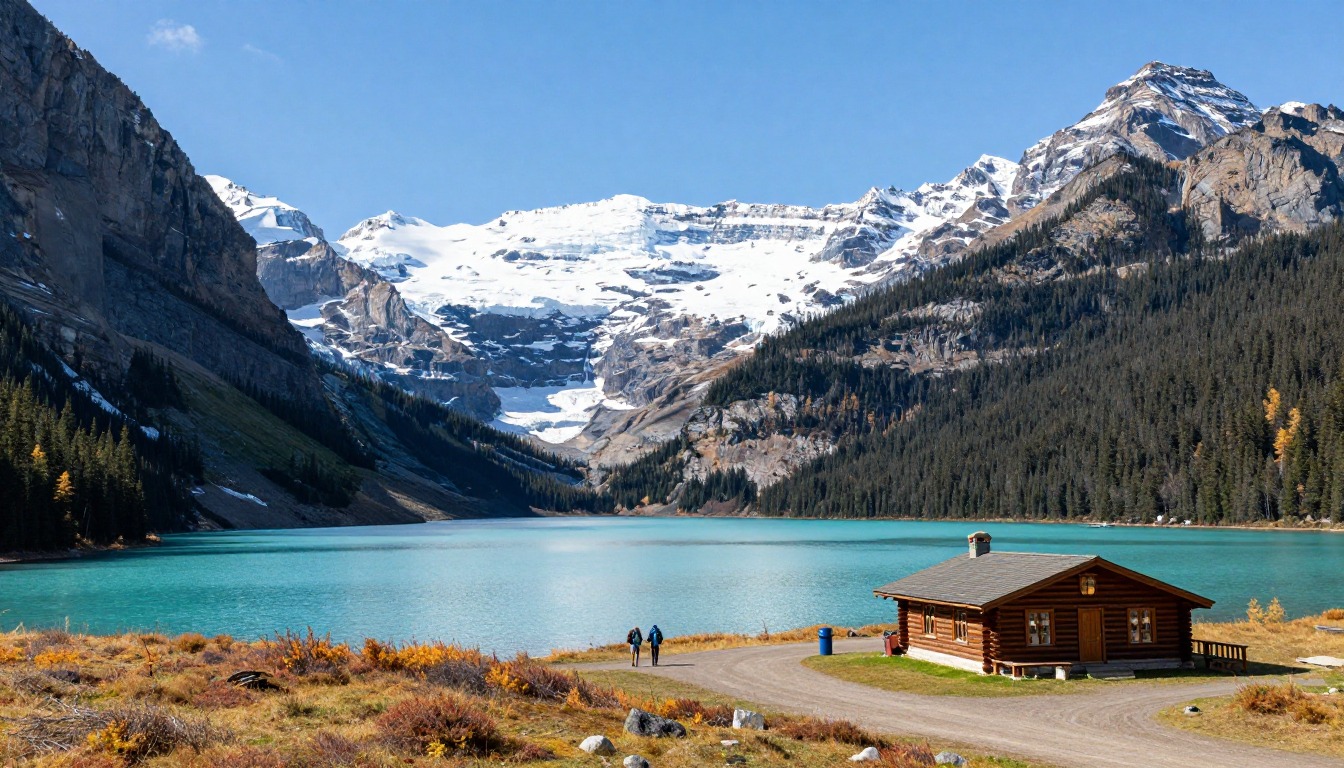
Lake Louise is a place where you can sleep right beside the start of the hike or a short drive away. Both the Plain of Six Glaciers and the Lake Agnes hike leave from the same lakeshore, so it does not matter which one you choose for where you stay. What matters more is how you will get to the lake on the morning you hike.
Parks Canada says that using transit to reach Lake Louise and Moraine Lake is the reliable way to see both, and that reservations are required for that access. That is a bit like a stadium with limited parking and a shuttle: the closer you sleep to where the shuttle starts, the less stress you have. Check the current arrangements directly with Parks Canada when you plan.
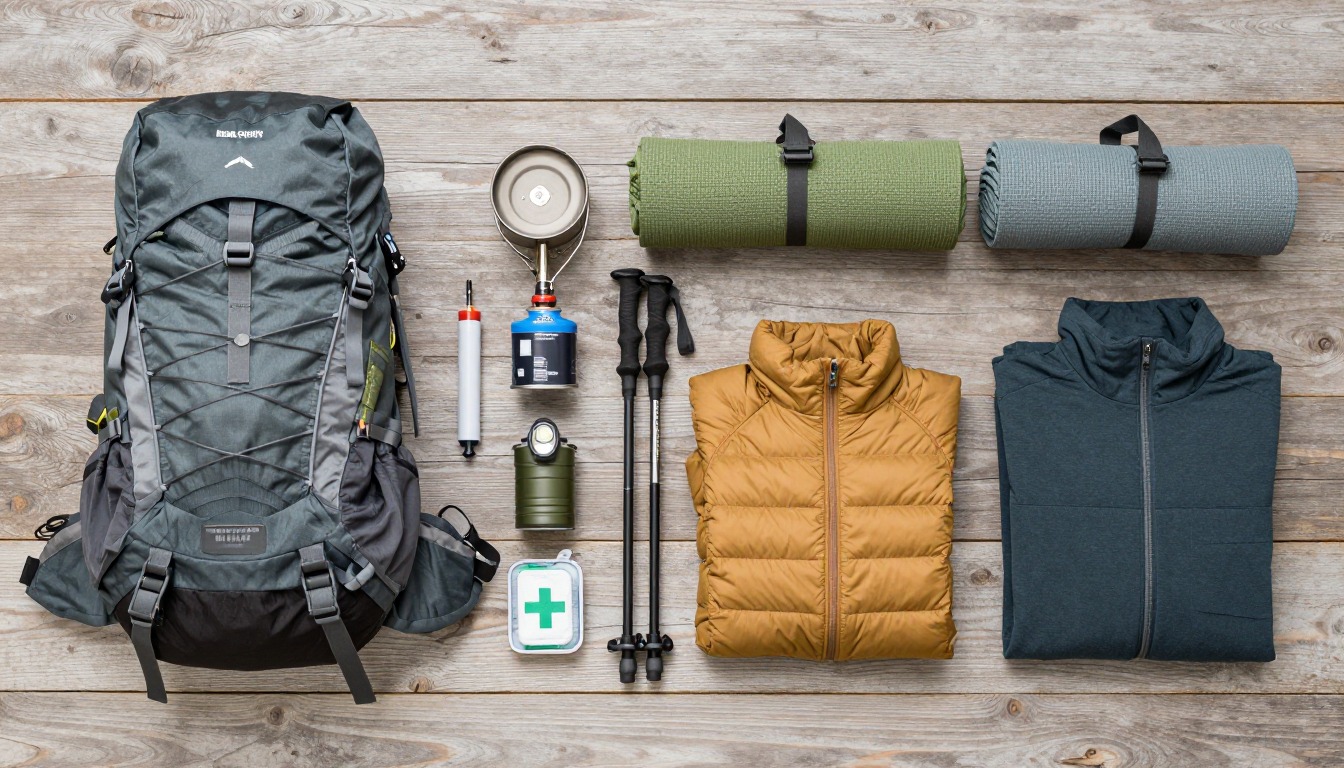
Campgrounds in the park are drive-up sites for tents and camper vans. They are not remote wilderness camps. That means you can bring a cooler, a big tent and a comfortable pillow. What you carry on the hike itself is just a small daypack with water, snacks, layers and bear spray.
The Plain of Six Glaciers is one of two classic day hikes that climb out from the shore of Lake Louise in Banff National Park, Alberta, the other being the trail to Lake Agnes — both switchback into alpine terrain and pass a historic, hike-in tea house along the way. Because both routes start and end at the same lakeside trailhead, the real lodging question is where you base yourself before and after, not where you sleep on the mountain.
Why hike here
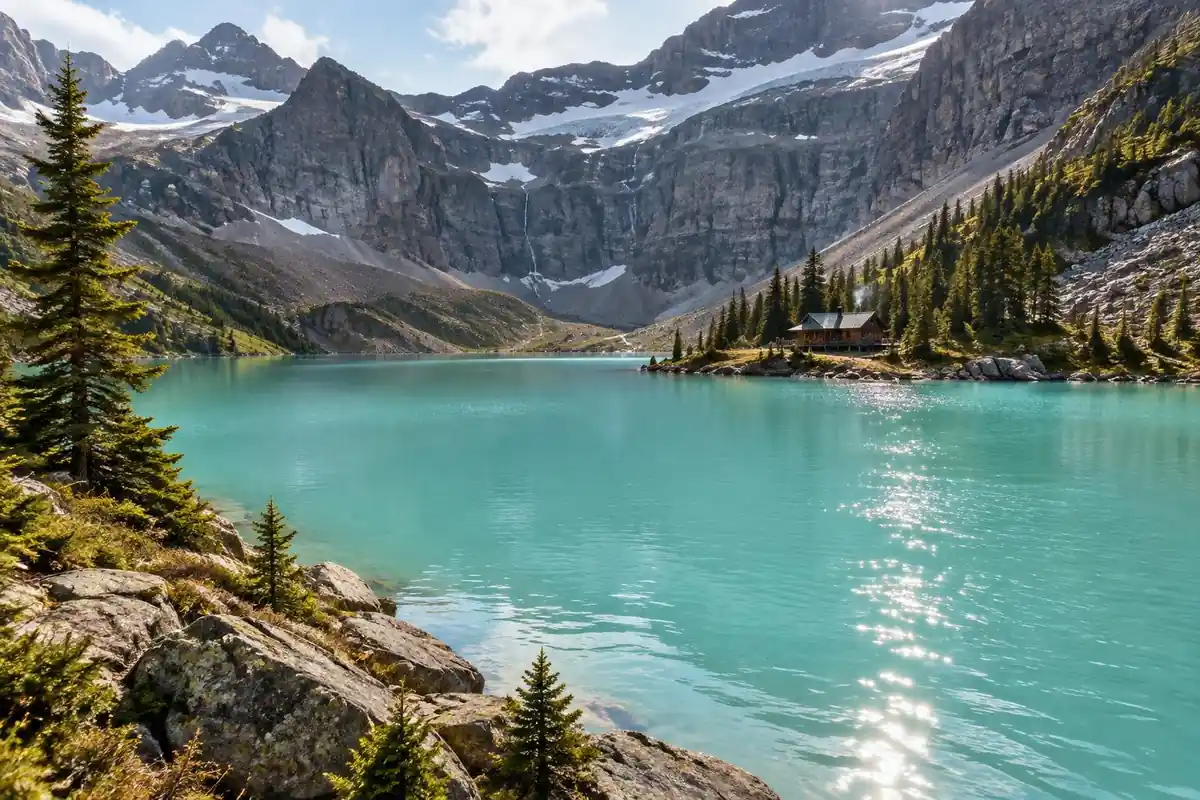
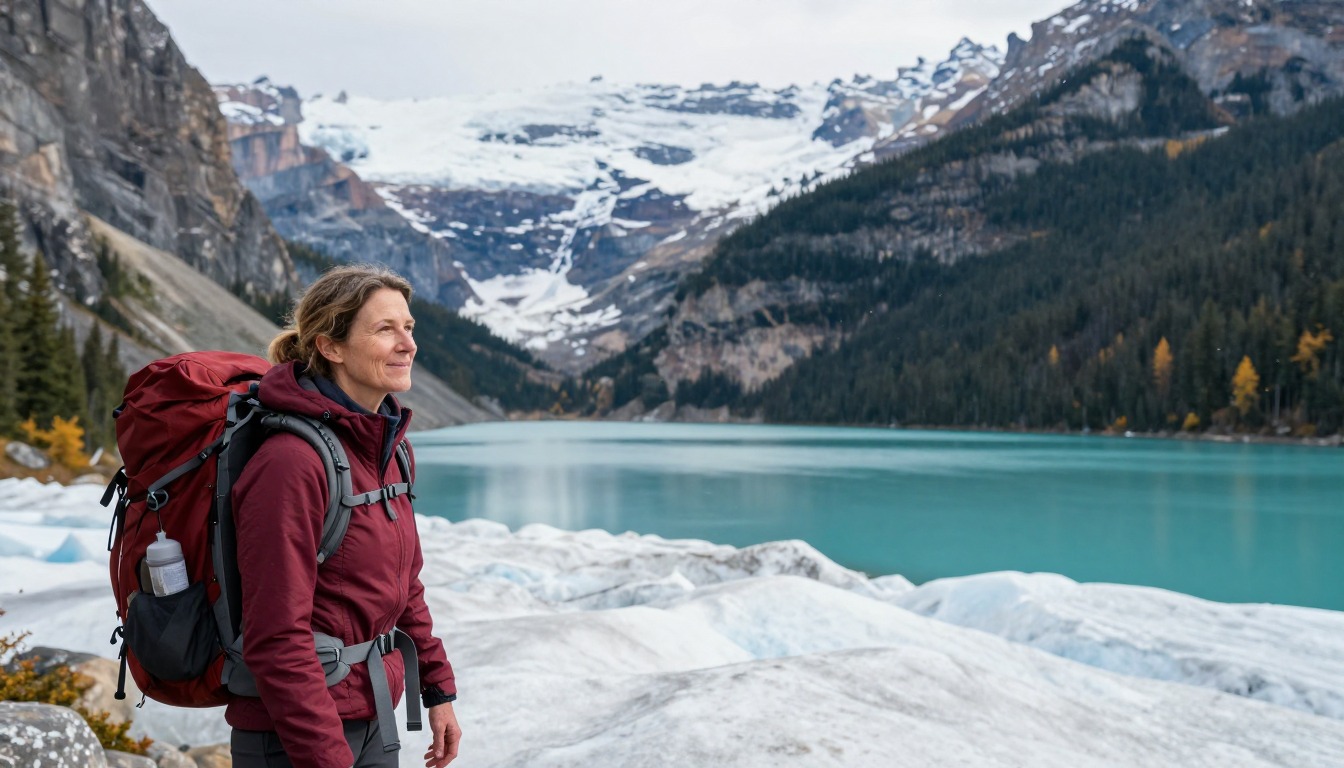
What makes this pair of hikes special starts before you even leave the shore: Lake Louise's turquoise color comes from glacial rock flour suspended in the meltwater. The Plain of Six Glaciers trail climbs through forest before opening onto a rocky viewpoint facing a wall of hanging glaciers — a vantage most visitors to the lake never see past the postcard shoreline. Partway up, a historic tea house offers a seasonal resting point (confirm opening dates and payment options first) before the final push. The Lake Agnes trail, starting from the same shore, climbs instead to a small alpine lake tucked beneath cliffs, with its own tea house on the water. Both routes put you in bear country, so carrying bear spray and making noise matters here too.
Getting there
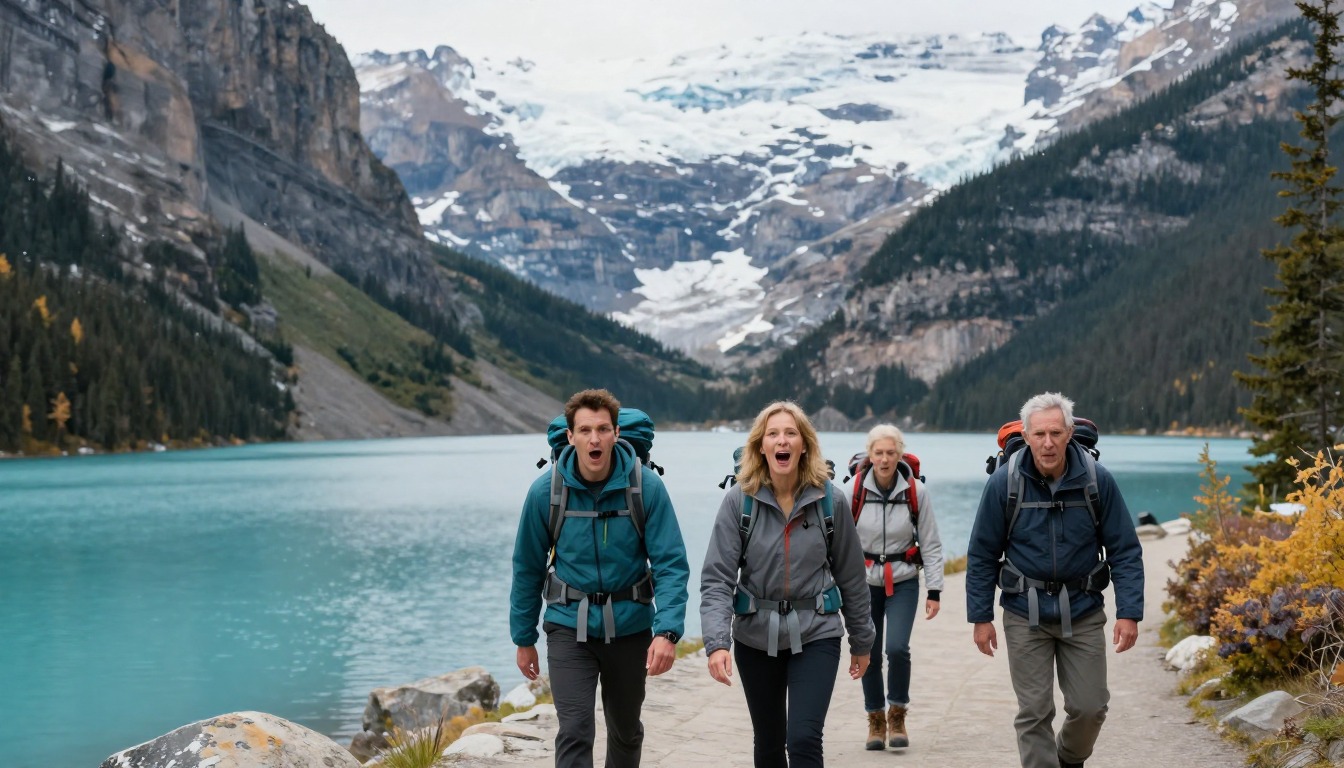
The gateway is Calgary, whose international airport connects hikers to the Banff area; from there, the route runs west along the Trans-Canada Highway into Banff National Park, where a park entry pass is required for every vehicle. The trailhead for both the Plain of Six Glaciers and Lake Agnes hikes sits right at the Lake Louise shoreline. Parks Canada says taking transit is the guaranteed way to see Lake Louise and Moraine Lake and that reservations are required, so check the park's current access arrangements before you choose where to sleep. Parking at the lake is limited and can't be counted on.
Where to stay
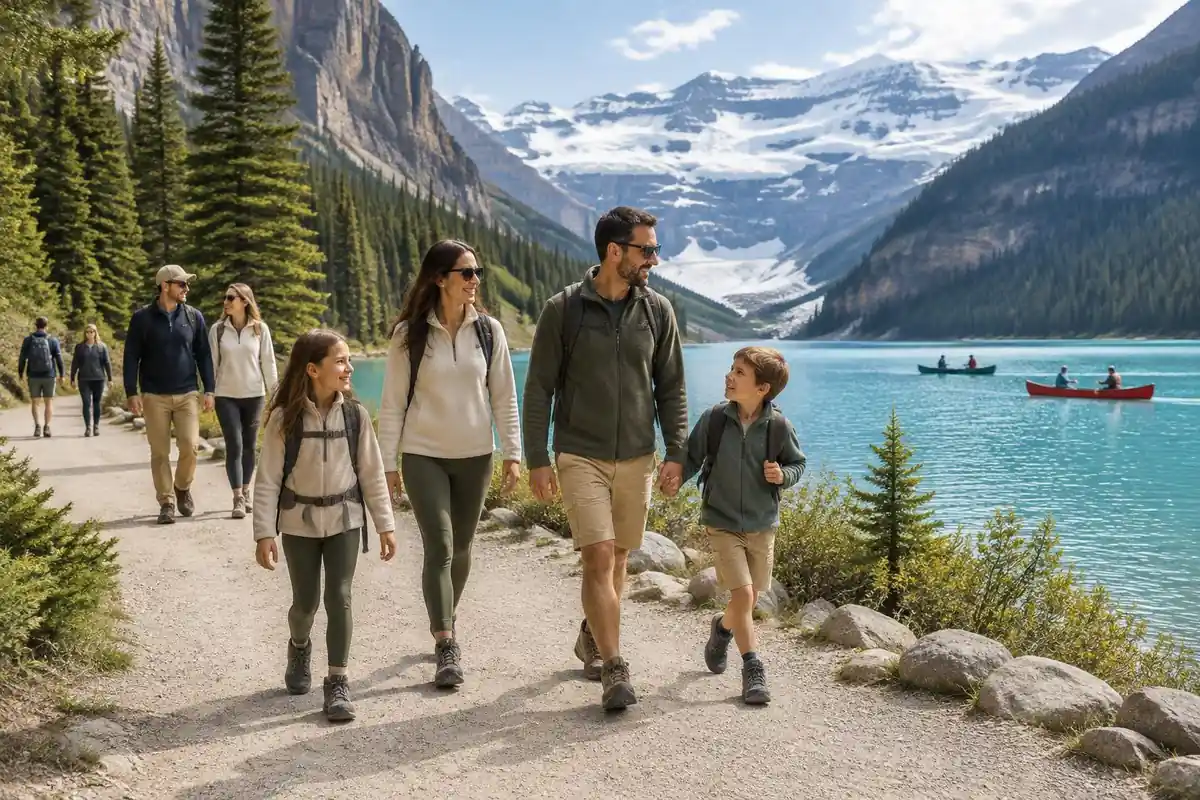
The realistic options, closest-to-the-trail first. Book through the official links — we don't list prices or availability because they change all the time.
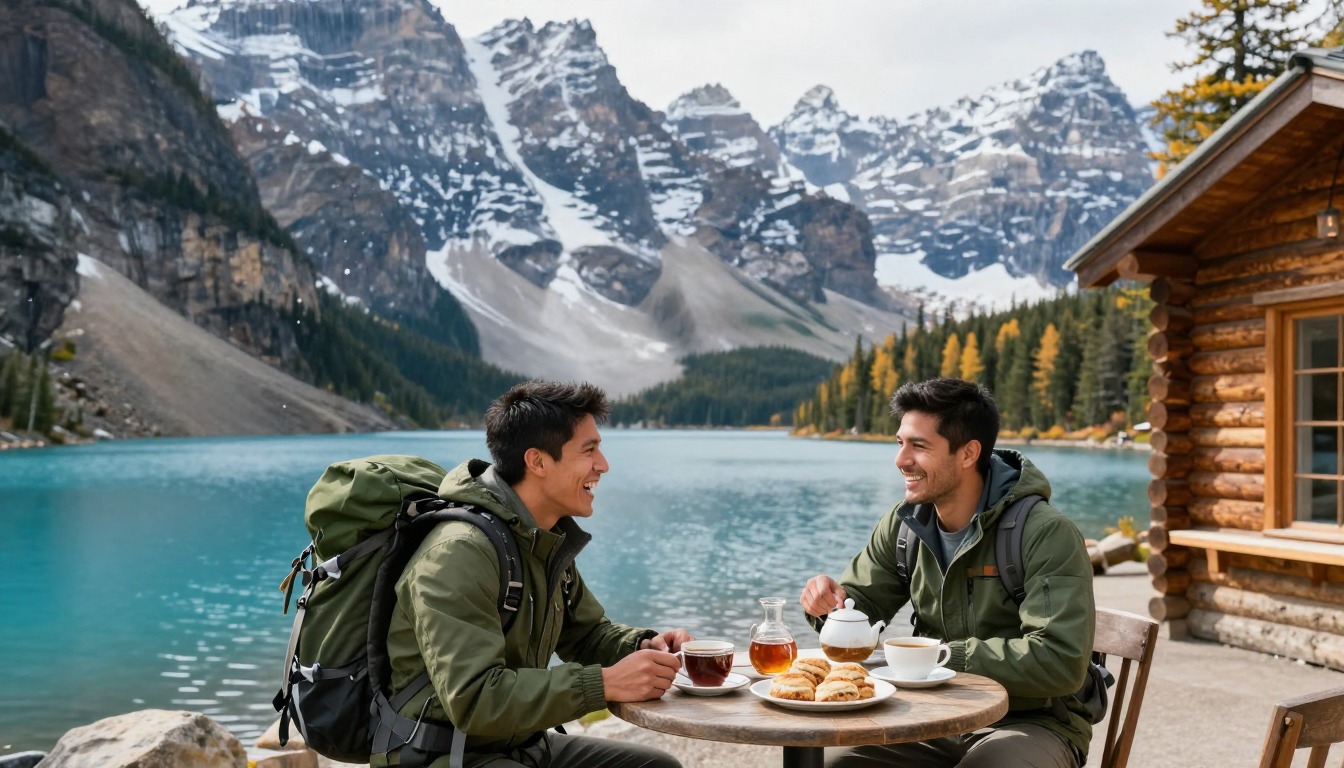
For example: The lakeside château and other hotels in the Lake Louise and Banff areas
Hikers who want to walk to the trailhead from a lakeside room.
The village of Lake Louise and the town of Banff have the most rooms; book far ahead.
Park-area lodging (official visitor info)For example: Parks Canada campgrounds near Lake Louise and along the Bow Valley
Campers basing near the Lake Louise trailheads.
Popular Rockies campgrounds; reserve as soon as dates open.
Parks Canada reservationFor example: Historic hike-in tea houses on the two classic loops (seasonal, no road)
Day hikers wanting a warm drink and snack mid-hike — not overnight lodging.
Reached only on foot; check current opening dates and payment options, and don’t rely on them for meals.
Hike-in only (seasonal)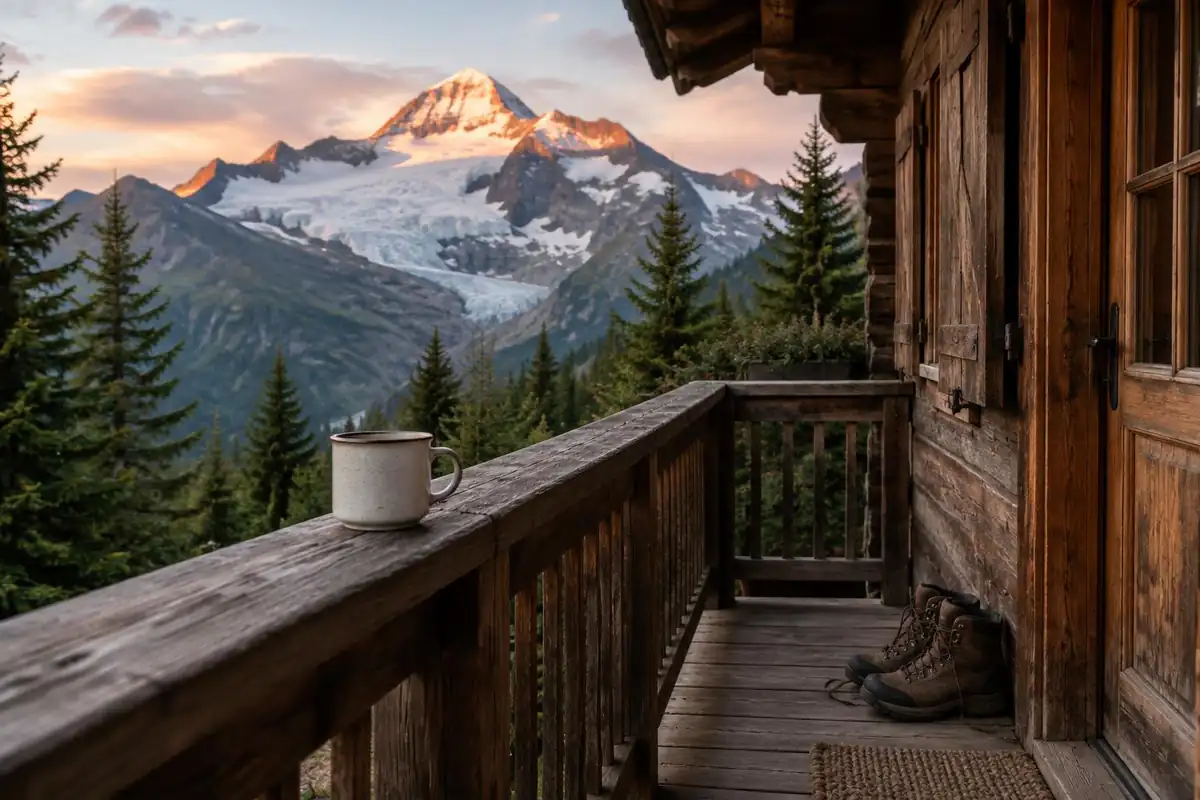
Permits & rules
No permit is needed for the day hikes, though a park entry pass is required to be in Banff. Access to Lake Louise and Moraine Lake is by Parks Canada transit or reservation rather than casual parking, so check Parks Canada before you go. This is bear country — carry bear spray, make noise, and check for trail restrictions.
Gear you'll want for this trip
Matched to the terrain and conditions here. Real products — check current price on Amazon.


Getting to the trailhead is part of the lodging decision
Parks Canada's Banff page highlights Lake Louise and Moraine Lake access, stating that transit is the guaranteed way to see both lakes and that reservations are required.1 The page notes that parking at the lake is limited, and the park's own emphasis on transit fits that picture. Where you sleep therefore affects the last leg of your morning: a room within walking distance avoids a parking gamble, while a base in the town of Banff means using whatever transit option the park currently offers or arriving very early.
Because these arrangements can change from season to season, the best practice is to confirm the current access rules with Parks Canada before booking non-refundable lodging. The park page also notes that trail conditions can change rapidly and points to an important bulletins section, which is where closures and restrictions appear.1
Frontcountry camping versus backcountry camping
Parks Canada's Banff page separates camping and overnight accommodations from trail information, which reflects a real distinction.1 Campgrounds near Lake Louise and along the Bow Valley are frontcountry sites: you drive to them, and the tent, stove and food stay with the vehicle. The trails here, by contrast, are day hikes, so you carry only day gear. That is the reverse of a backcountry trip, where your shelter and food live in your pack.
Frontcountry does not mean bear rules disappear. The National Park Service says bears treat any scented item, including toiletries, sunscreen, trash and fuel, as food, and that food storage rules vary by park.3 Ask Parks Canada what it requires at the campground you book, and keep food out of your tent.
The tea houses are not lodging
The page describes two hike-in tea houses on the trails. They are a mid-hike stop, not somewhere to sleep, so they do not change your lodging plan. Treat them as an extra rather than a plan: carry your own water and snacks, and confirm current operating dates and payment options before counting on them.
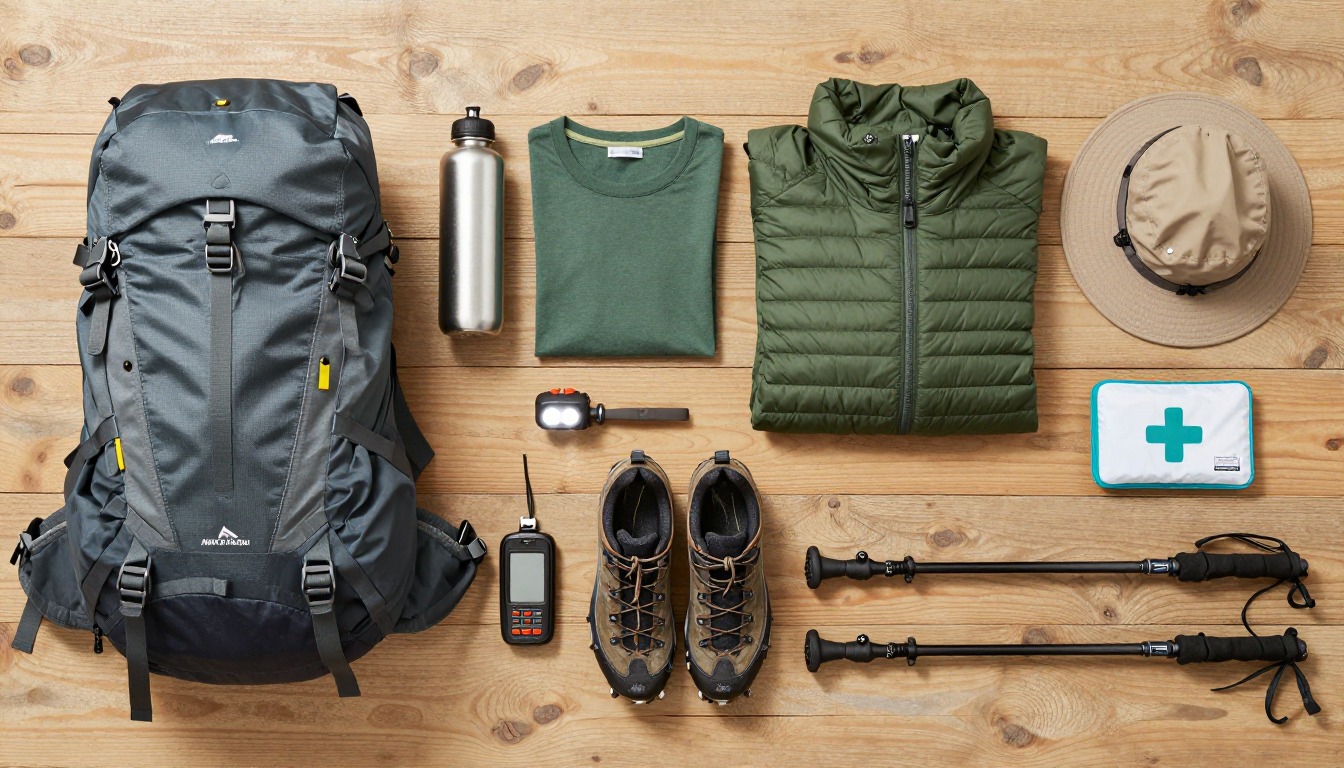
For the trail itself, a 25 to 30 liter pack is what Washington Trails Association describes as good for a full-day hike.4 Pack bear spray where you can reach it quickly, as the National Park Service recommends group members do with a quick-access holster.5 Confirm bookings, rules and closures with Parks Canada before you go.
Common questions
Do I need a permit to hike to the Plain of Six Glaciers or Lake Agnes?
Neither the Plain of Six Glaciers nor the Lake Agnes trail requires a hiking permit — both are day hikes starting from the Lake Louise shoreline. You do need a valid Banff National Park entry pass for your vehicle, checked at the park gates on the drive in. If you plan to camp overnight nearby, Parks Canada campgrounds in the area require their own reservation.
Where can I stay near Lake Louise?
The best-known option is the lakeside Château Lake Louise, right at the trailhead, along with other hotels in the small Lake Louise village nearby. Many hikers instead base themselves in the town of Banff, a short drive away, which has a wider range of hotels. For campers, Parks Canada operates reservable campgrounds near Lake Louise and throughout the Bow Valley.
What's the best time of year to do these hikes?
Both trails are best hiked from June through September, when the route is clear of snow and the tea houses along the way are open for the season. Outside that window, sections at higher elevation can hold snow and ice well into early summer, so check current trail conditions before you go. This is bear country year-round, so carry bear spray and make noise as you hike, regardless of season.
Complete gearsets for this trip
Full curated kits built for exactly this kind of hike — what to bring, why, and links to similar gear.
Lodging details are compiled from official parks, refuge associations and reservation systems and can change without notice. We publish no prices, availability or ratings — always confirm current information on the official site before booking or setting out. Product links and the accommodation map are affiliate links: we may earn a commission at no extra cost to you; product prices and availability are shown on Amazon, and accommodation prices on the booking site. See our affiliate disclosure.