
Affiliate disclosure: this page contains affiliate links. Purchases made through them may earn us a commission at no extra cost to you. See our affiliate disclosure.
In plain English
Forester Pass sits deep in the Sierra Nevada, far from any road. There are no lodges up there, so every night is a tent night. Your permit is not a hotel booking. It is a piece of paper that tells the park who is where, and it is also how the park limits crowds on popular routes.
Sequoia and Kings Canyon National Parks run two permit systems through the year. In the busy season, the number of people who may start each day from each trailhead is limited, and you reserve online. Outside that season, permits are free and self-issued at a kiosk.1 Think of it like a campground that is too popular to let everyone in on the same day: the cap protects the place.
Food is the other big rule. Bears here are very good at finding food, so you store food and anything with a smell in a hard-sided container called a bear canister. That container is bulky and heavy, and it has to fit in your pack. So the way you plan to sleep decides the size of the pack you carry.
The Pacific Crest Trail's push through the High Sierra crosses Forester Pass at more than 13,000 feet, among the highest points on the PCT, deep inside Sequoia & Kings Canyon National Parks and the Inyo National Forest. There are no lodges out here — this is remote, high alpine wilderness shared with the John Muir Trail, and every night is spent at an established backcountry camp near a lake or below a pass. A wilderness permit is required before you reach the trailhead, and food storage rules vary by park and forest, so check them for your exact route.
Why hike here
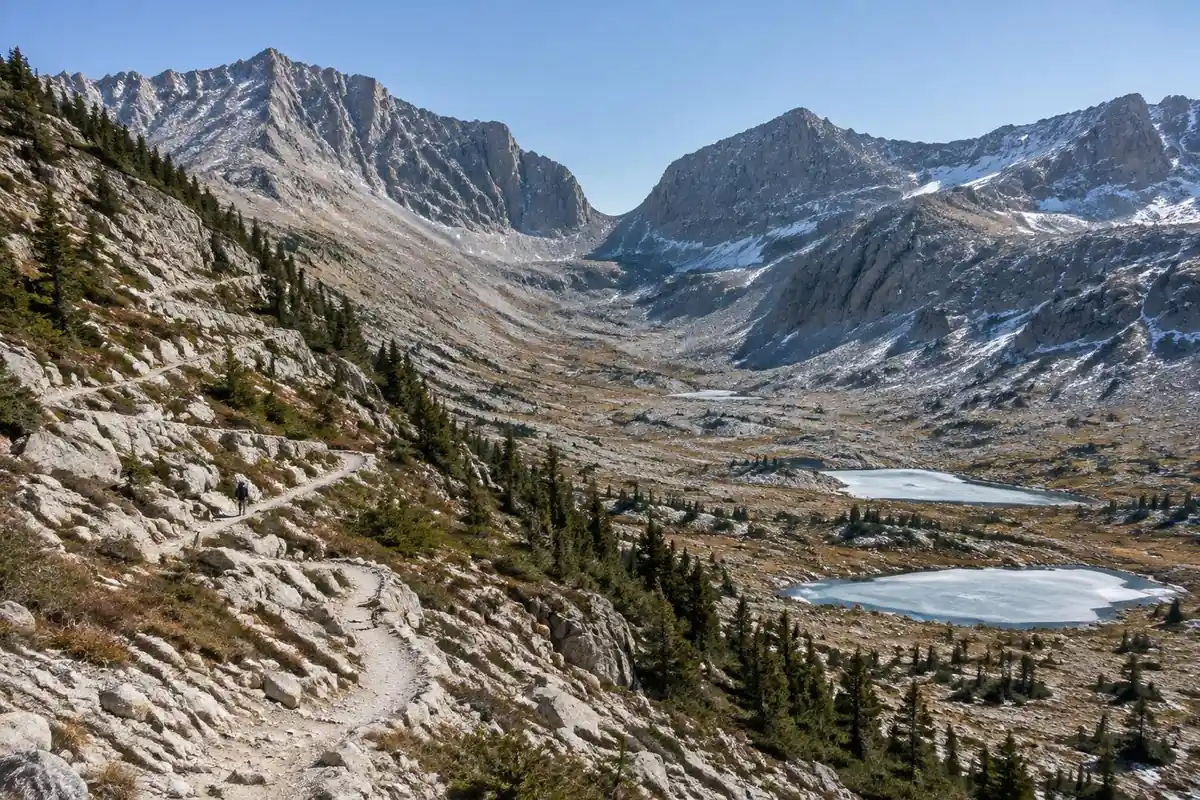
Forester Pass earns its reputation the moment you see the trail itself, a narrow shelf blasted into a near-vertical wall of rock, climbing toward a notch with nothing but sky beyond it. Below, the basins hold a chain of alpine lakes so clear they mirror the granite peaks stacked around them, and camps at their edges put you to sleep at elevation under stars that feel closer than usual. This stretch shares its tread with the John Muir Trail, so you're walking country that has drawn hikers for a century, through terrain scoured bare by glaciers and lit gold at sunrise on the passes. Snow can linger into midsummer here, which only sharpens the sense that you're crossing something genuinely high and genuinely wild.
Getting there
The nearest gateway towns are Lone Pine and Bishop, both in California's Owens Valley on the eastern side of the Sierra, with hotels and motels for hikers coming off the trail to resupply. Because this stretch of the PCT runs through remote wilderness with no road access along the crest, hikers typically exit and re-enter over a side pass, Kearsarge Pass being a common choice, to reach a trailhead and a ride down into the valley. Fly into the nearest regional airport and plan on a road transfer from there.
Where to stay
The realistic options, closest-to-the-trail first. Book through the official links — we don't list prices or availability because they change all the time.
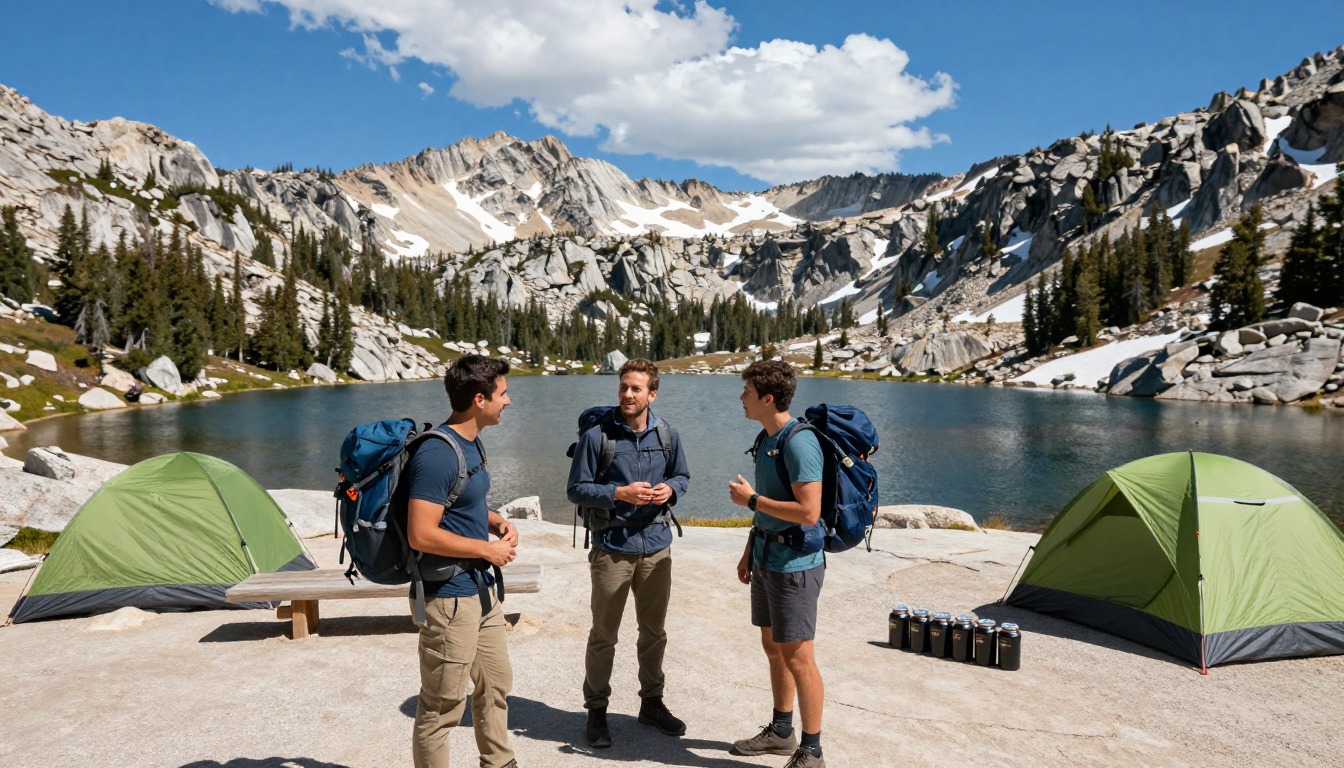
For example: Established backcountry sites near lakes and below the passes
Thru-hikers and JMT/PCT backpackers — it is all wilderness camping.
A wilderness permit is required (quota season via Recreation.gov, free self-issue off-season); bear canisters are required in most of the park.
Wilderness permit (PCT / Recreation.gov)For example: Hotels and motels in the Owens Valley towns used for resupply
Hikers coming off the trail over the side passes to resupply and rest.
Hikers exit over side passes (like Kearsarge) to reach Lone Pine or Bishop.
Nearby-town lodging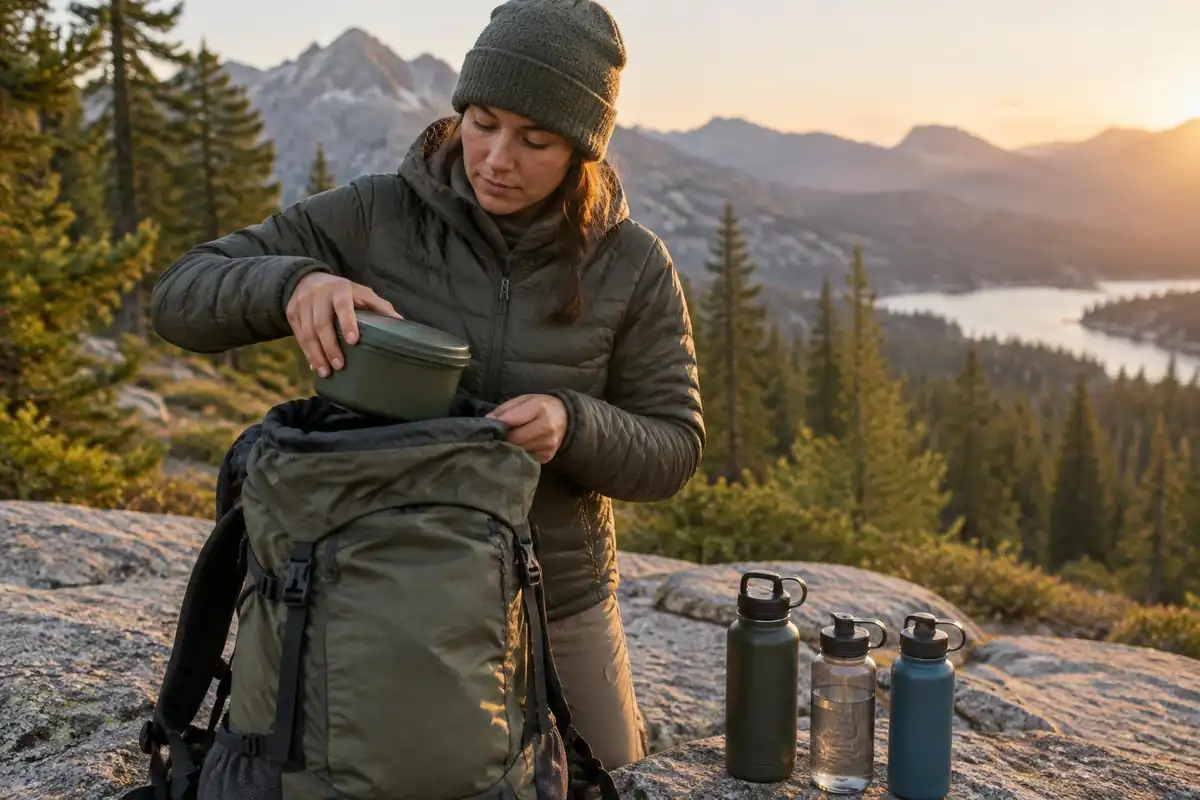
Permits & rules
This is remote, very high wilderness with no lodges — a wilderness permit is required (NPS runs a reservation quota season and free self-issue permits outside it; hikers of 500+ miles use a PCTA long-distance permit), and bear-resistant canisters are required in most of the park. Snow can linger into summer, so check conditions and carry an ice axe when needed.
Gear you'll want for this trip
Matched to the terrain and conditions here. Real products — check current price on Amazon.



Two permit seasons, and where a PCT walker fits in
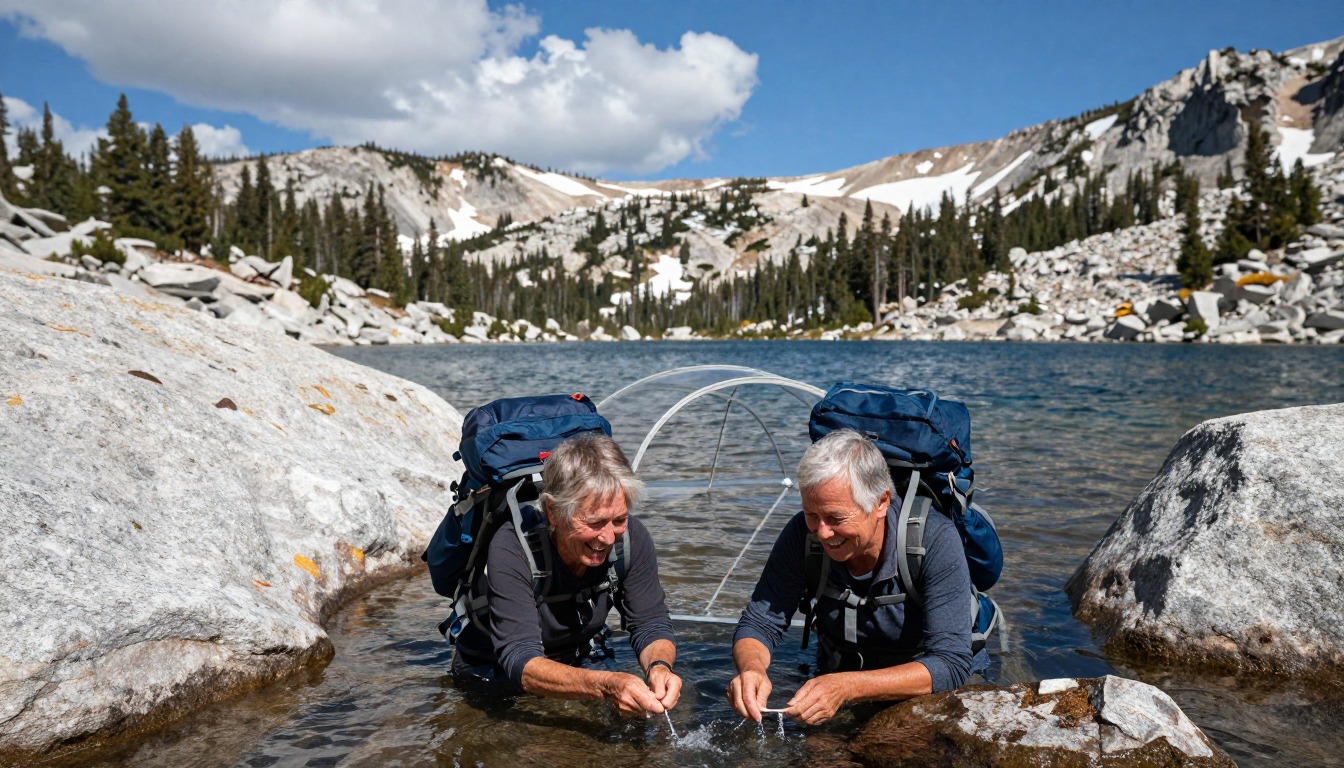
The park's permits page describes two systems. During the quota season, the number of people who can begin trips each day is limited by entry point, a recreation fee applies and reservations are made on Recreation.gov up to six months ahead; outside the quota season, wilderness permits are free, self-issued and not limited by daily entry quotas.1 For a walker on this section, the practical questions are which season you are in and which entry point you use.
The same page says that if you start your trip outside the parks, you can generally obtain a permit for your entire itinerary from the agency where the trip begins, such as the Inyo, Sierra or Sequoia national forests, and that for trips of 500 miles or more along the Pacific Crest Trail you may obtain a permit from the Pacific Crest Trail Association.1 That is why the existing note on this page mentions a long-distance permit or a local permit: which one applies depends on your route length and where you start. Because it is an itinerary document, plan your exit over a side pass and your re-entry as part of the permit conversation with the issuing agency.
A reservation confirmation is not a permit; the park says it must be picked up and validated at a wilderness office.1 Confirm all permit details and dates with the National Park Service and the Forest Service before you travel, since procedures and dates change.
Bear canisters: what the pages actually say
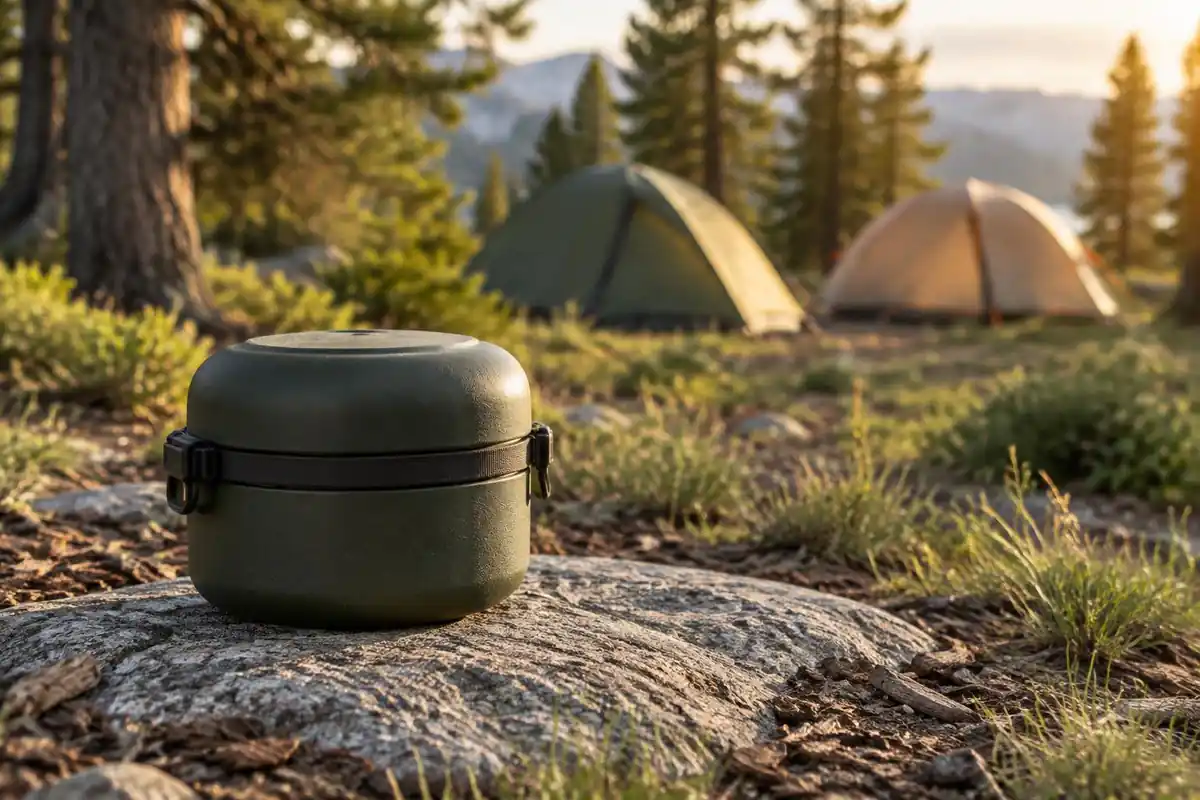
Some guides state that bear canisters are mandatory. The National Park Service sources give a more layered picture. The park's current permits page says animal-resistant food storage containers are still required in most of the park.1 The park's food-storage page, by contrast, lists specific areas where containers are required from May 1 through October 31 (Dusy Basin, Rae Lakes Loop, North Dome, Rock Creek, and Pear and Emerald Lakes) and says containers are highly recommended throughout both parks.2 Rather than trust either summary, check the current rule for your specific route on the park's own page.
The Forest Service adds its own layer on the east side. Inyo National Forest says its food-storage rules apply year-round in all of its wilderness areas, and that where canisters are not mandatory, food may be counterbalance-hung at least 15 feet up and 10 feet from the trunk, otherwise a container is required.3 A hang is not a shortcut above treeline, since there may be no suitable tree, and it is not permitted in areas where canisters are mandatory.
The National Park Service also notes that bear-resistant containers only work when closed and locked, and that bears treat any scented item, such as toiletries, sunscreen, trash or fuel, as food.5 For your pack, that means the canister holds everything with an odor, not just meals. Canisters can be rented at park visitor centers (except Cedar Grove), so you can avoid buying one for a single trip.2
Sleeping high: altitude, cold and what that does to your kit
The CDC says any unacclimatized person sleeping at 8,000 feet or higher is at risk of altitude illness, and that fitness does not protect against it.4 Above about 9,850 feet, it advises that sleeping altitude should rise no more than about 1,600 feet per day, with an extra acclimatization day for every 3,300 feet.4 Headache is the main symptom of acute mountain sickness, and the CDC says never to go higher to sleep while having altitude-illness symptoms, however mild.4 If symptoms appear, see a doctor or get medical help.
This connects directly to lodging. Staying a night or two in an Owens Valley town before you head up is the cheapest way to start acclimatizing, and finishing at an easy exit over a side pass gives you a way down if you feel unwell. The high camps are colder than the valleys, and the CDC notes hypothermia can develop even in cool temperatures above 40 degrees Fahrenheit if a person gets chilled from rain, sweat or cold water.6 That points to a warm sleep system and dry insulating layers as the core of your pack.
Finally, pack for the canister first. A rigid canister does not squash, so choose a pack with enough internal volume and a shape that carries a cylinder against your back without poking you. Confirm conditions, permit rules and closures with the park and forest before you go.
Common questions
Are there any lodges or huts along this stretch of the PCT?
No. This section through the High Sierra has no lodges, huts, or commercial accommodation of any kind — it's protected wilderness inside Sequoia & Kings Canyon National Parks and the Inyo National Forest. Every night on trail is spent at an established backcountry camp, usually near a lake or just below one of the passes.
What permits do I need to hike over Forester Pass?
You'll need a wilderness permit. In Sequoia and Kings Canyon, quota-season permits are limited by entry point and reserved through Recreation.gov up to six months ahead, while outside the quota season permits are free and self-issued; trips of 500 miles or more along the PCT can use a permit from the Pacific Crest Trail Association. Canisters are required in most of the park per its permits page, and in named areas from May 1 to October 31 per its food-storage page, while Inyo National Forest food-storage rules apply year-round, so confirm the rule for your route.
When is the best time to hike this section, and how do I resupply?
Aim for July through September, and expect that window to shift later in heavy snow years, when drifts linger on the passes and an ice axe becomes worth carrying. For resupply and a bed, hikers exit over a side pass such as Kearsarge to reach the Owens Valley towns of Lone Pine or Bishop.
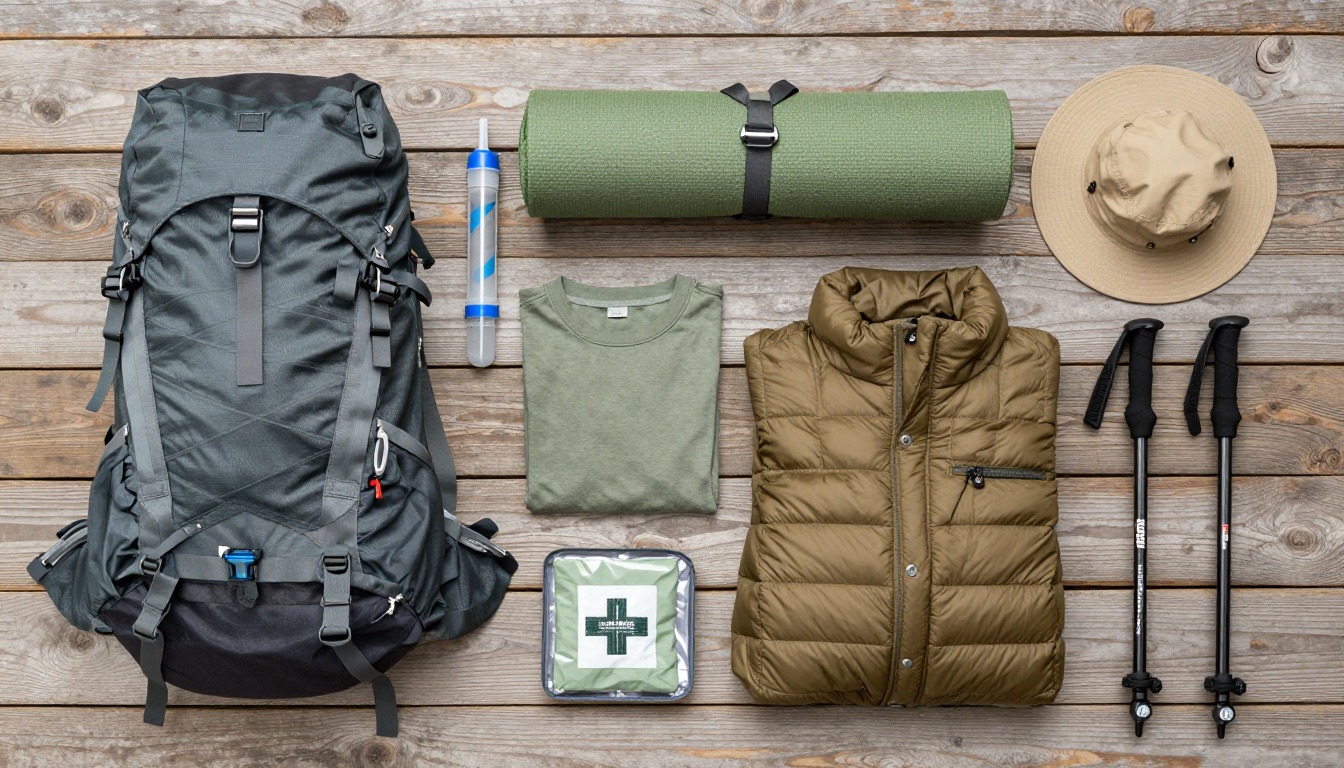
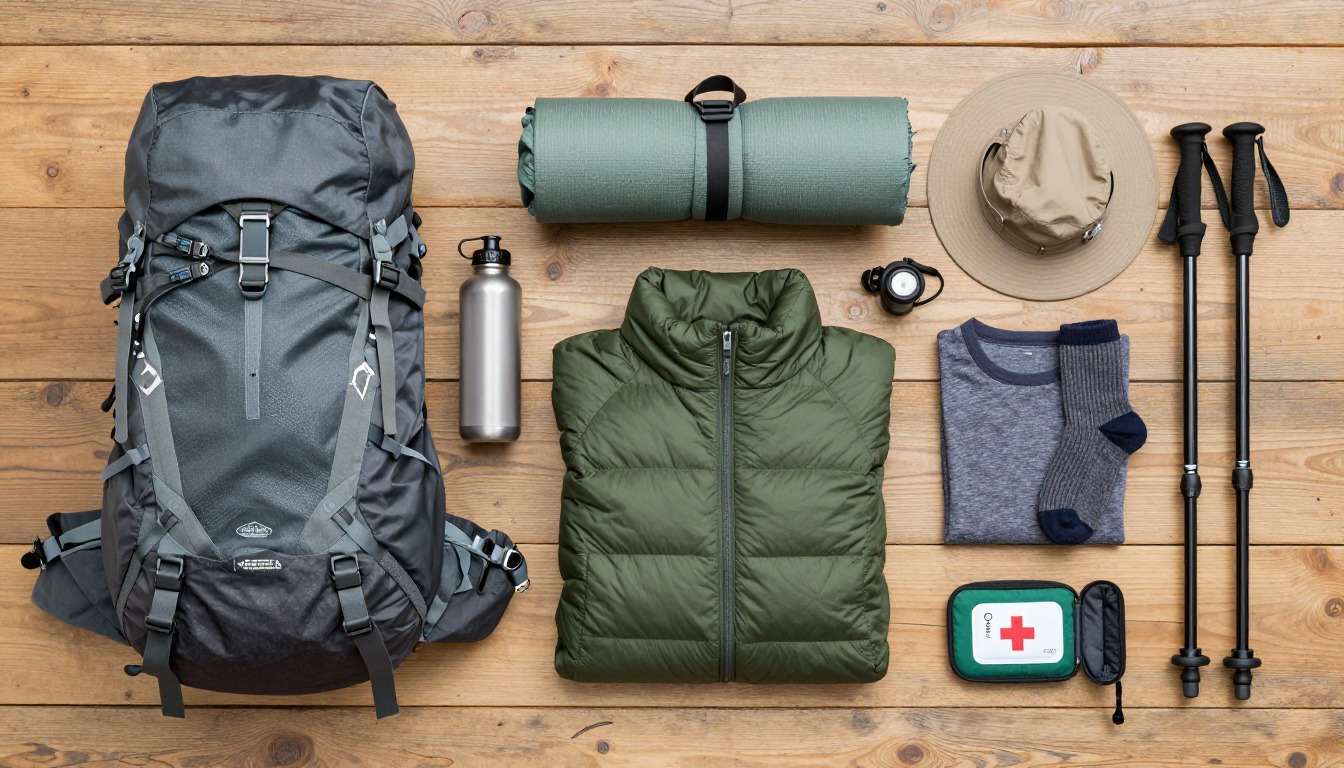
Complete gearsets for this trip
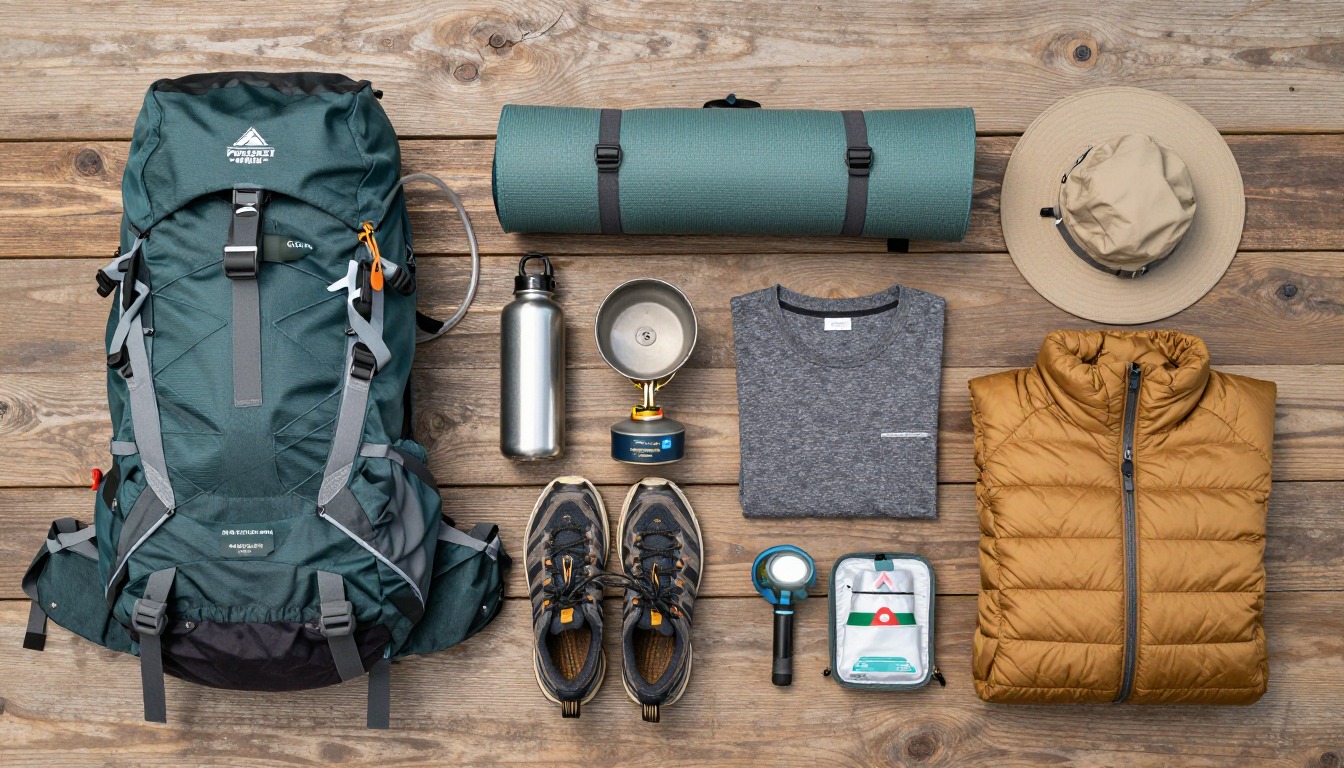
Full curated kits built for exactly this kind of hike — what to bring, why, and links to similar gear.
Lodging details are compiled from official parks, refuge associations and reservation systems and can change without notice. We publish no prices, availability or ratings — always confirm current information on the official site before booking or setting out. Product links and the accommodation map are affiliate links: we may earn a commission at no extra cost to you; product prices and availability are shown on Amazon, and accommodation prices on the booking site. See our affiliate disclosure.