
The Pacific Crest Trail section-hike setup
A Pacific Crest Trail section hike strings together some of the driest, sunniest, and most exposed miles in American long-distance hiking, often with a week or more between towns. This setup leans ultralight where it can, but puts real weight into water capacity, sun protection, and a sleep system that handles the huge swing between a scorching afternoon and a cold, clear night.
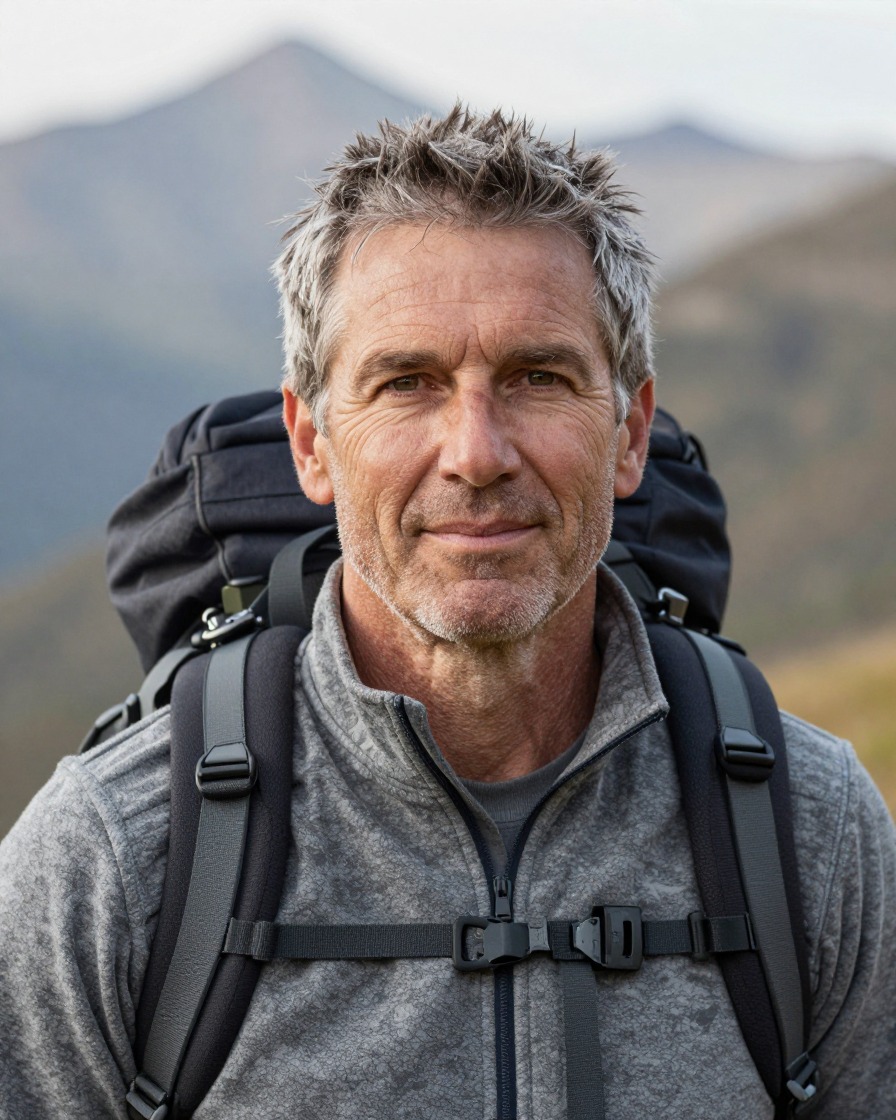
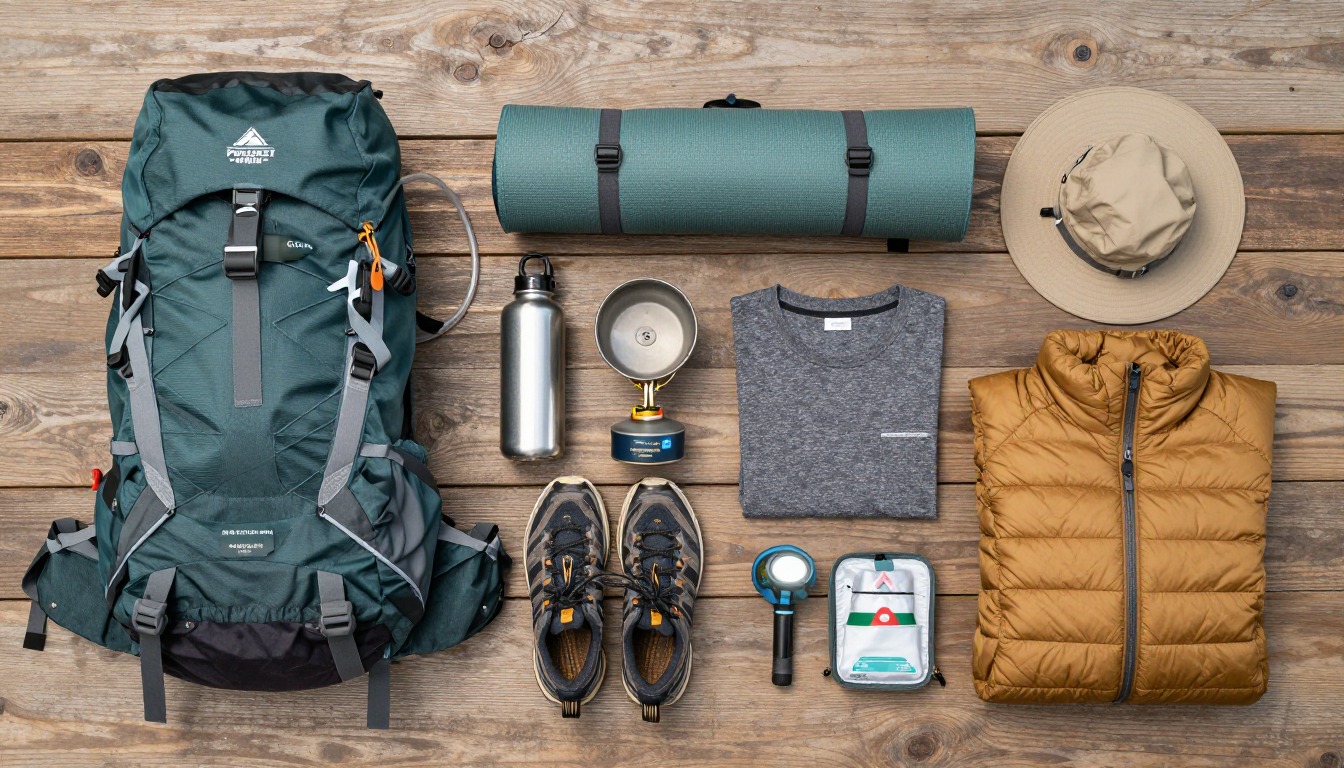
PCT section hikes cover graded, well-engineered trail built to move hikers efficiently over big miles, and that favors an ultralight-leaning kit and light trail shoes over a heavier, boot-based setup. But two things pull the other way. Water sources on parts of the PCT, especially through Southern California, can be twenty miles or more apart and occasionally run dry, so this kit carries real reserve capacity rather than cutting bottles to save a few ounces. And full sun with no real tree cover for long stretches means sun protection, a hoodie, a wide-brim hat, sunglasses, earns its weight just as much as any piece of the sleep system. Every choice here still asks whether you need it, but water and sun are the two places this kit refuses to go minimal.
This setup suits hikers doing a multi-day to multi-week section of the PCT: a week in the desert, a High Sierra crossing, or a stretch through Oregon or Washington, where big daily miles, real dry-water stretches, and days between resupply are the norm. If you're headed out for a weekend on a well-watered local trail, the weekend backpacking setup is a better fit. If you're hiking the entire trail town to town for months, the thru-hike setup weights durability a little more heavily than this kit does.
- Start with a light pack and shelter sized for your section's water and food carries, not the lightest number you can find.
- Build your water plan first: hydration and bottle capacity for your longest realistic dry stretch, checked against the trail's current water report before you go.
- Choose trail runners over boots for the graded trail and big miles, then add a full sun-protection layer for exposed, shadeless stretches.
- Pack a sleep system and warm layer rated for your section's coldest night, since desert and alpine PCT miles can swing far colder after dark than the afternoon suggests.
About this setup
The Pacific Crest Trail runs roughly 2,650 miles from the Mexican border to Canada, and most hikers experience it not end to end in one summer but a section at a time: a week in the desert, a High Sierra crossing, a stretch through Oregon's volcanoes or Washington's North Cascades. Each section has its own character, but several PCT-specific challenges show up again and again — long water carries, constant sun exposure, and resupply towns that can be a very long way apart.
Southern California sets the tone early. The trail through the desert sections chains together dry stretches that can run twenty miles or more between reliable water, and a source marked on a map isn't a guarantee it's actually flowing when you arrive — PCT hikers lean on trail-community water reports and current conditions rather than the map alone. Further north, the High Sierra brings its own trade-off: some of the most beautiful trail on the whole PCT, alongside one of its longest resupply gaps, well over a hundred miles between reliable towns, plus bear canister requirements through much of the range.
The trail itself is built for efficient travel, graded and well-switchbacked, originally cut with pack stock in mind, which is part of why trail runners have become the default PCT footwear over heavier boots. That efficient design doesn't remove the exposure, though: long stretches offer no real shade, and clear desert or alpine skies mean a hot afternoon can be followed by a night well below what the daytime temperature would suggest. A section-hike kit built around those three realities, water, sun, and temperature swing, covers what actually challenges hikers on this trail, section after section.
The pack
A PCT section carries more water and food between towns than a typical weekend trip, so this kit sizes up: a pack with room for extra bottles or a bear canister, without turning into a heavy hauler.
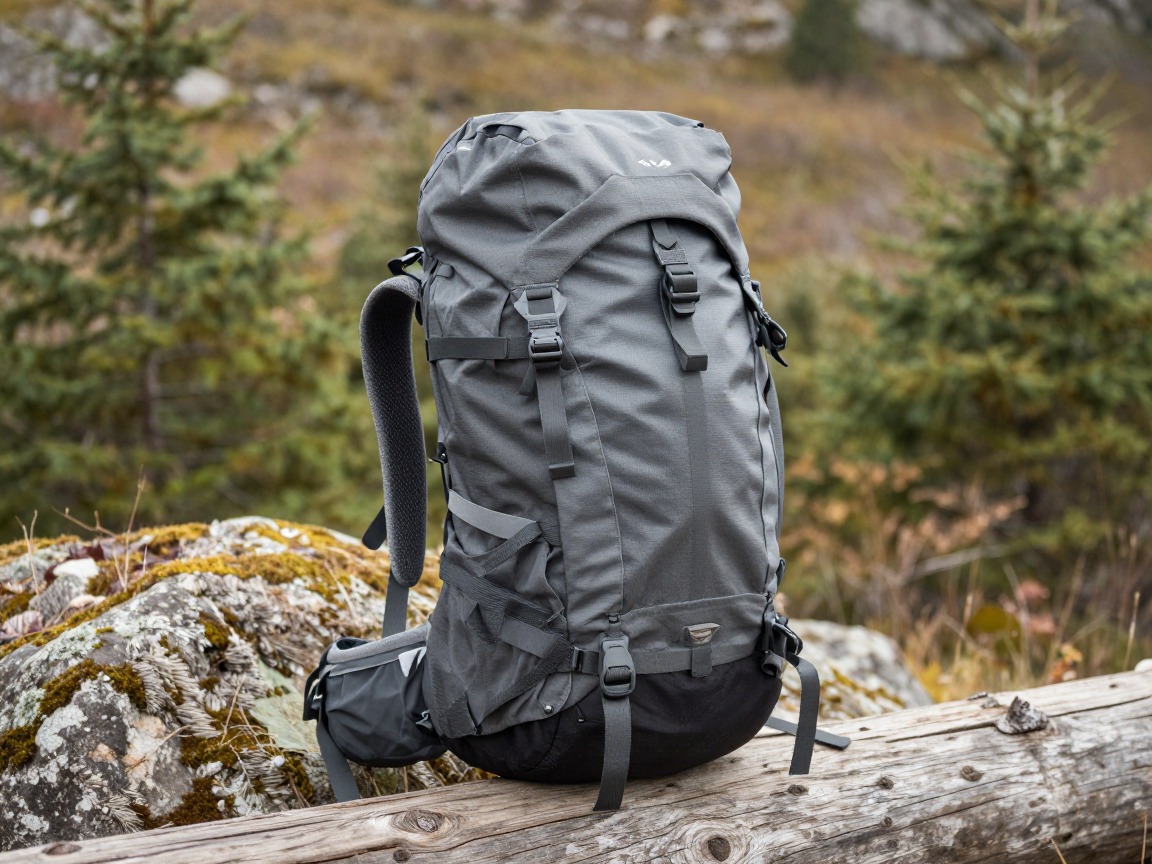
Section-hike pack
Carries a bigger water and food load across wide resupply gaps while staying light enough for graded trail and big daily miles.
What to look for: A capacity that comfortably fits your longest water carry plus several days of food, a genuinely light overall weight, and enough external capacity for extra bottles or a bear canister where your section requires one.
 WoneNice 50L Check price
  Teton 55L Scout Internal Frame Backpack for Hiking Check price
 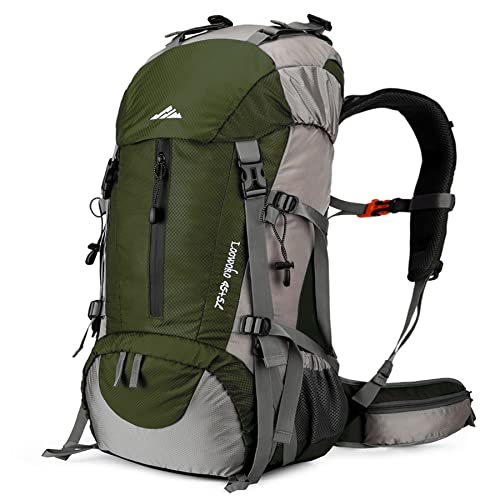 Loowoko 50L Hiking Backpack with Rain Cover for Both Men & Women Check price
 - A pack liner (a trash compactor bag works well) to keep gear dry through desert dust and the odd storm
- A lightweight rain cover or pack liner combo, since PCT weather can shift fast at elevation
Shelter & sleep system
Desert heat, high Sierra cold, and casual Pacific Northwest rain can all show up on the same section, so this system needs to cover the range without adding much weight.
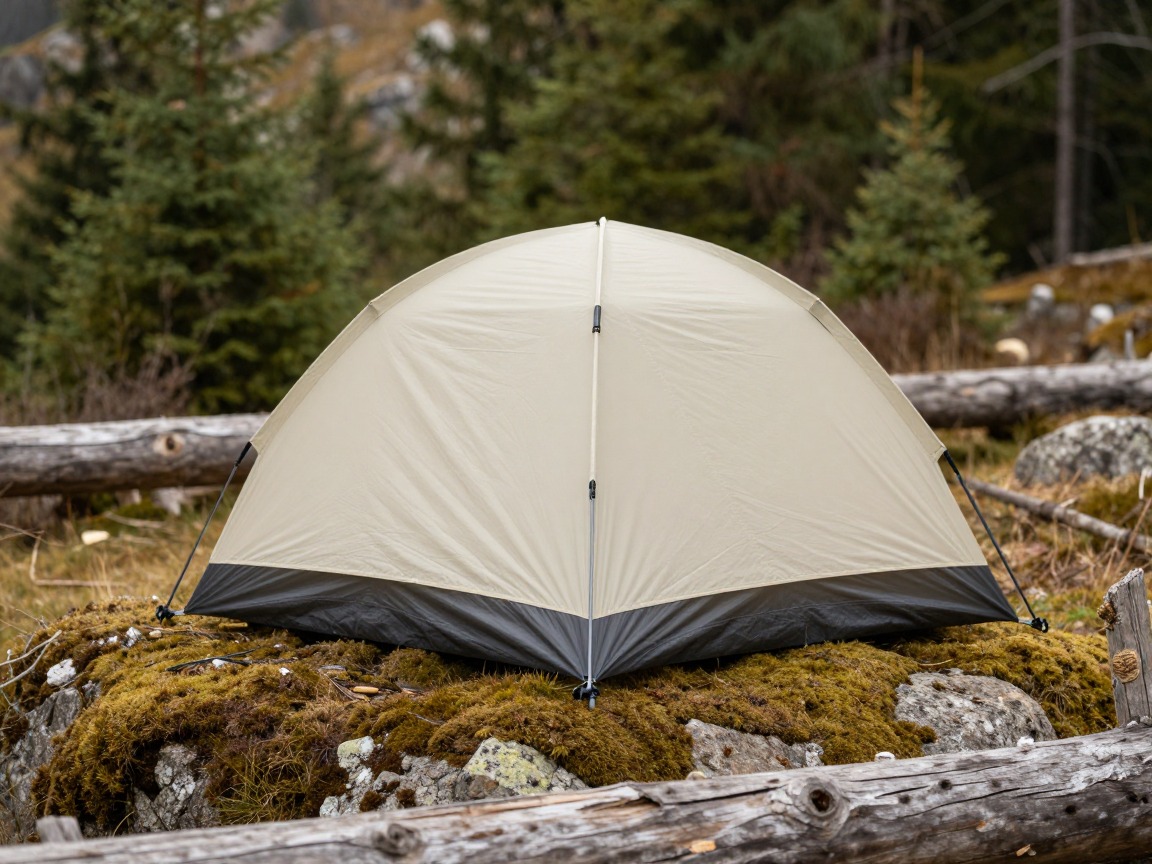
Ultralight shelter
A trekking-pole or minimalist freestanding shelter that pitches fast on hard desert ground, sandy flats, or alpine granite.
What to look for: Low weight first, a pitch you can manage quickly after a big-mile day, and enough ventilation for condensation in humid Sierra or Pacific Northwest camps.
 Night Cat 2-Persons Backpacking Tent: Waterproof Lightweight Camping Check price
  BISINNA 2/4 Person Camping Tent Lightweight Waterproof Backpacking T Check price
  Forceatt Tent for 2 Person is Waterproof and Windproof Check price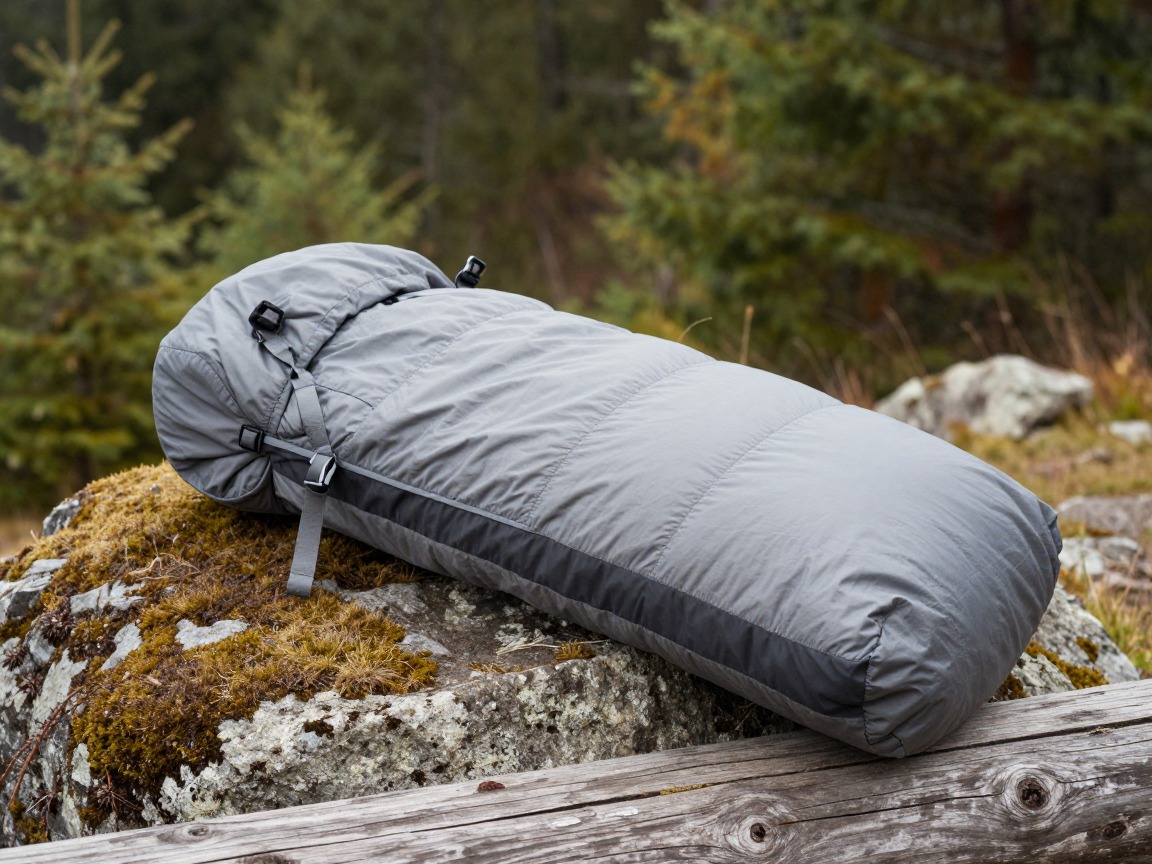
Quilt or sleeping bag
Rated for your section's coldest realistic night, often a high alpine pass or a clear desert night, rather than its warm daytime average.
What to look for: A comfort rating for the coldest night your specific section can throw at you, a light overall weight, and a fill that suits how wet your section's climate runs.
 MalloMe Sleeping Bags for Adults Cold Weather & Warm - Backpacking C Check price
 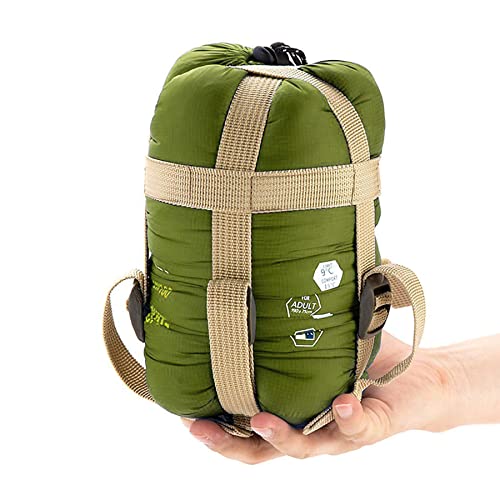 ECOOPRO Portable Check price
  Teton Trailhead Check price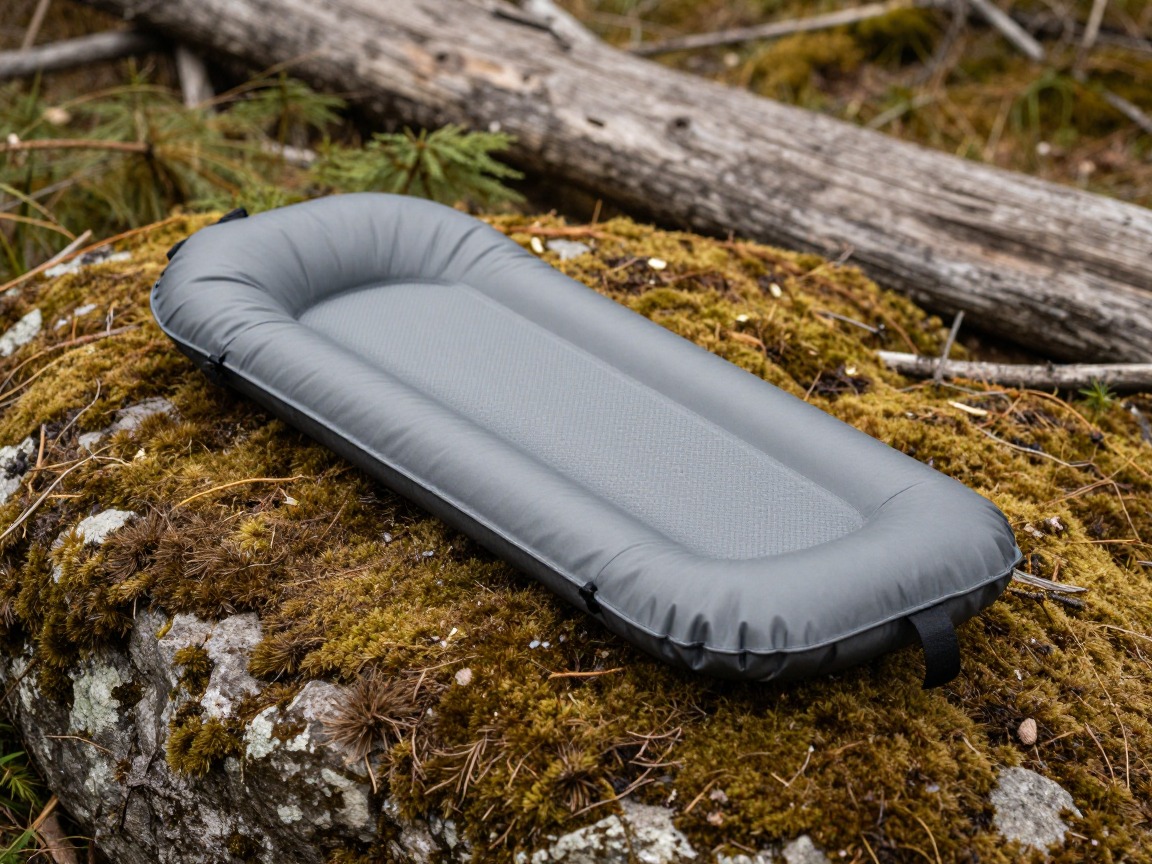
Sleeping pad
Insulates you from ground that can be near-freezing at elevation even after a hot day on trail.
What to look for: Enough R-value for your coldest camp, a low packed weight and size, and a pad you're comfortable field-patching if it takes a puncture on granite or scree.
 FUN PAC Camping Sleeping Pad Check price
  Gear Doctors® Ether 17.5oz Ultralight Camping Sleeping Pad Check price
  Oramoose 4in Ultralight Camping Sleeping Pad with Pillow and Foot Pu Check price
 - Stakes and guylines suited to hard desert ground or granite, since standard stakes struggle in both
- A pad repair kit for the rare puncture far from town
Water for the dry stretches
Southern California in particular strings together long, sometimes twenty-mile-plus carries between reliable sources. Build real capacity into your kit and check current conditions before every section, not just once at the start.
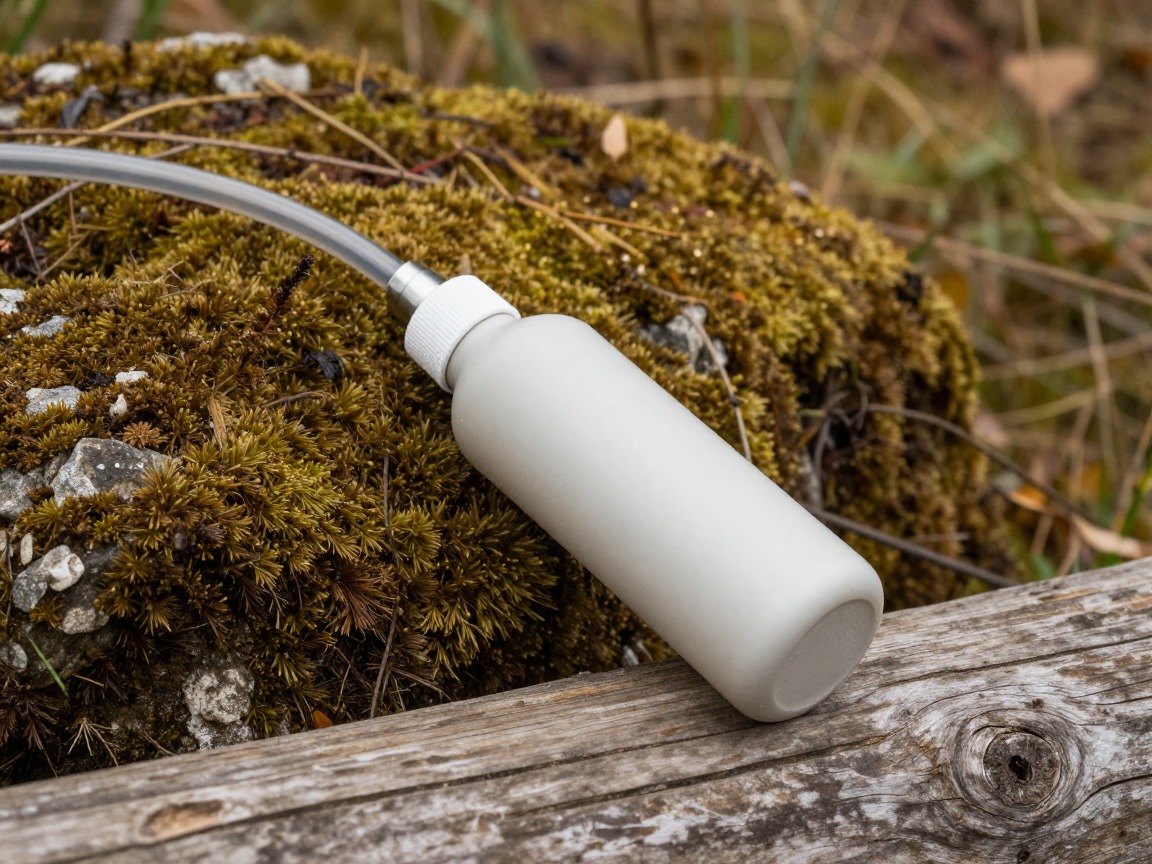
Hydration reservoir
Extra bladder capacity, often 2 to 3 liters or more, covers a long dry carry without stacking bottles you'll need to dig for.
What to look for: The largest reservoir your pack's sleeve comfortably fits, a wide fill opening so you can actually check it's clean, and an insulated hose if your section runs hot.
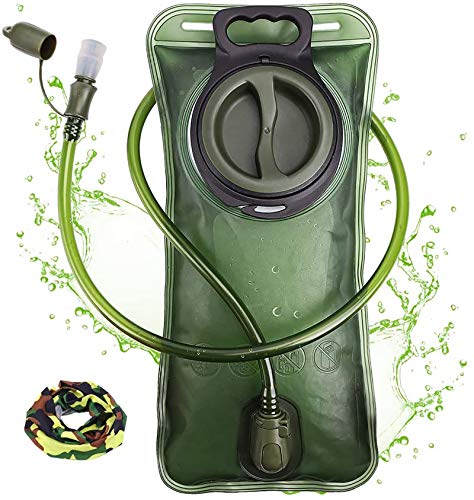 Hydration Bladder Check price
  Hydration Bladder Check price
  Mdvora 1.5L/2L/2.5L/3L Hydration Bladder Check price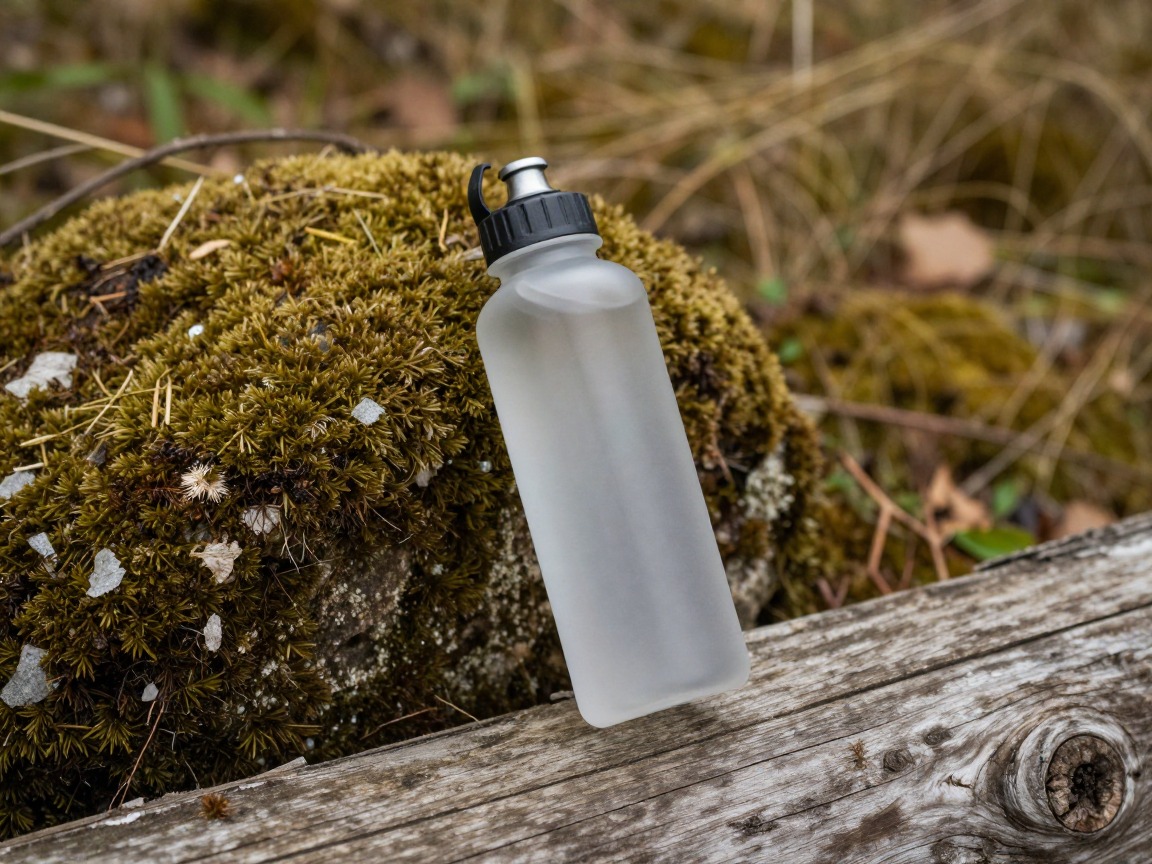
Extra water bottle(s)
A second or third hard-sided bottle adds carry capacity you can see and count, which matters on a genuinely long dry stretch.
What to look for: Clear volume markings so you always know exactly how much you're carrying, and a wide mouth for fast refills at the rare water source.
 Nalgene 32 oz Wide Mouth Water Bottle Check price
  Nalgene 32 oz Wide Mouth Water Bottle Check price
  Nalgene 32 oz Wide Mouth Water Bottle Check price
 - A water filter or purification tablets as backup, since some PCT sources are shallow, silty, or seasonal
- The current PCT water report or a trail navigation app's water data for your section, checked before you set out
- Electrolyte mix for hot, dry miles
- A clear turnaround or bail-out plan if a marked source is dry when you arrive
Food & resupply
Some PCT stretches, the High Sierra especially, run well over a hundred miles between towns, so food capacity and storage matter as much as the food itself.
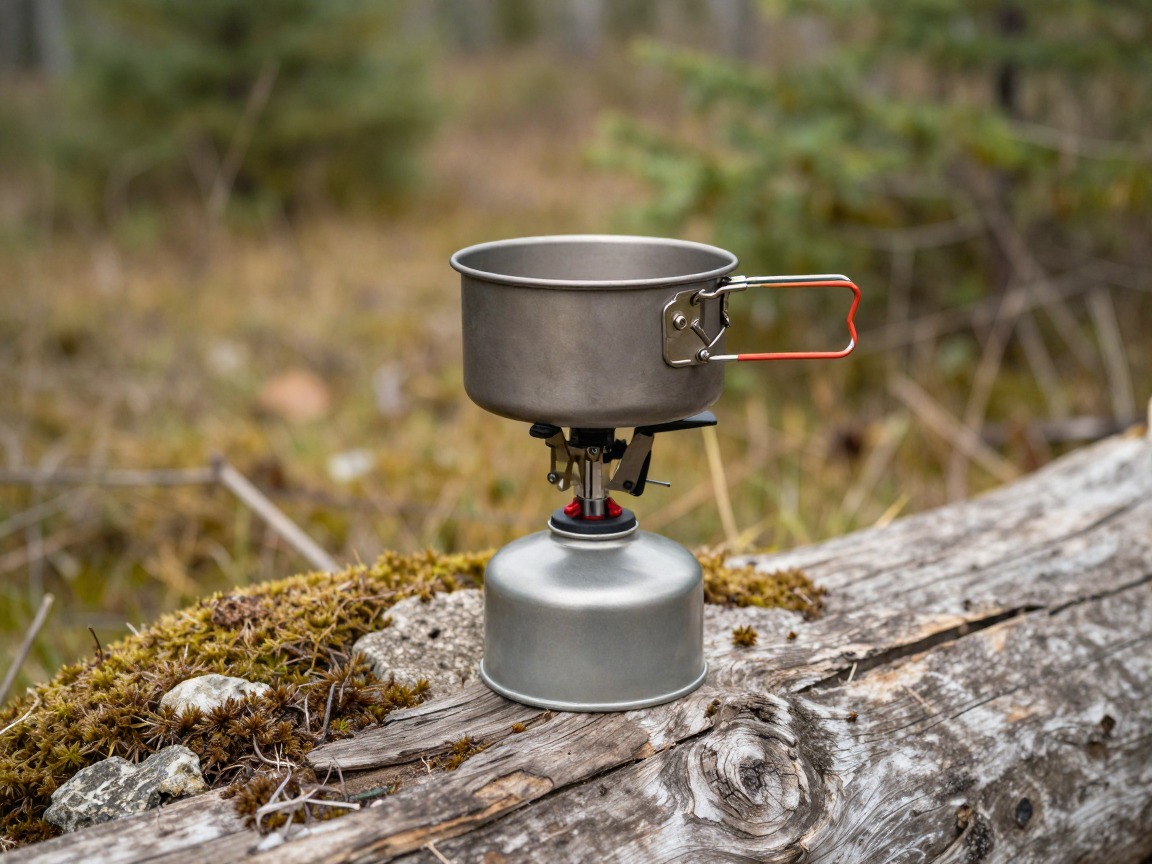
Backpacking stove
A simple, reliable canister stove that's easy to keep running for a multi-day section, using fuel you can find in the towns along your specific route.
What to look for: Simplicity over features, since fewer parts means less to fail days from a resupply. Confirm what fuel canisters are actually stocked in your section's resupply towns before you commit.
 AOTU Portable Camping Stoves Backpacking Stove with Piezo Ignition S Check price
  MSR PocketRocket 2 Ultralight Camping and Backpacking Stove Check price
  Fire-Maple Greenpeak 1 Camping Stove with Piezo Ignition Portable Ga Check price
 - A single light pot for boiling water and rehydrating meals
- An approved bear canister for sections that require one, including much of the Sierra — check current regulations for your specific stretch
- A resupply plan mapped town by town, including which stops actually offer a full resupply versus a limited one
- Extra food for the longest stretch between towns on your itinerary
- A lightweight food bag or Ursack for sections where a canister isn't required
Footwear & miles
The PCT is graded and built for stock animals as much as hikers, favoring long, efficient miles over technical scrambling, and that favors light feet over stiff boots.
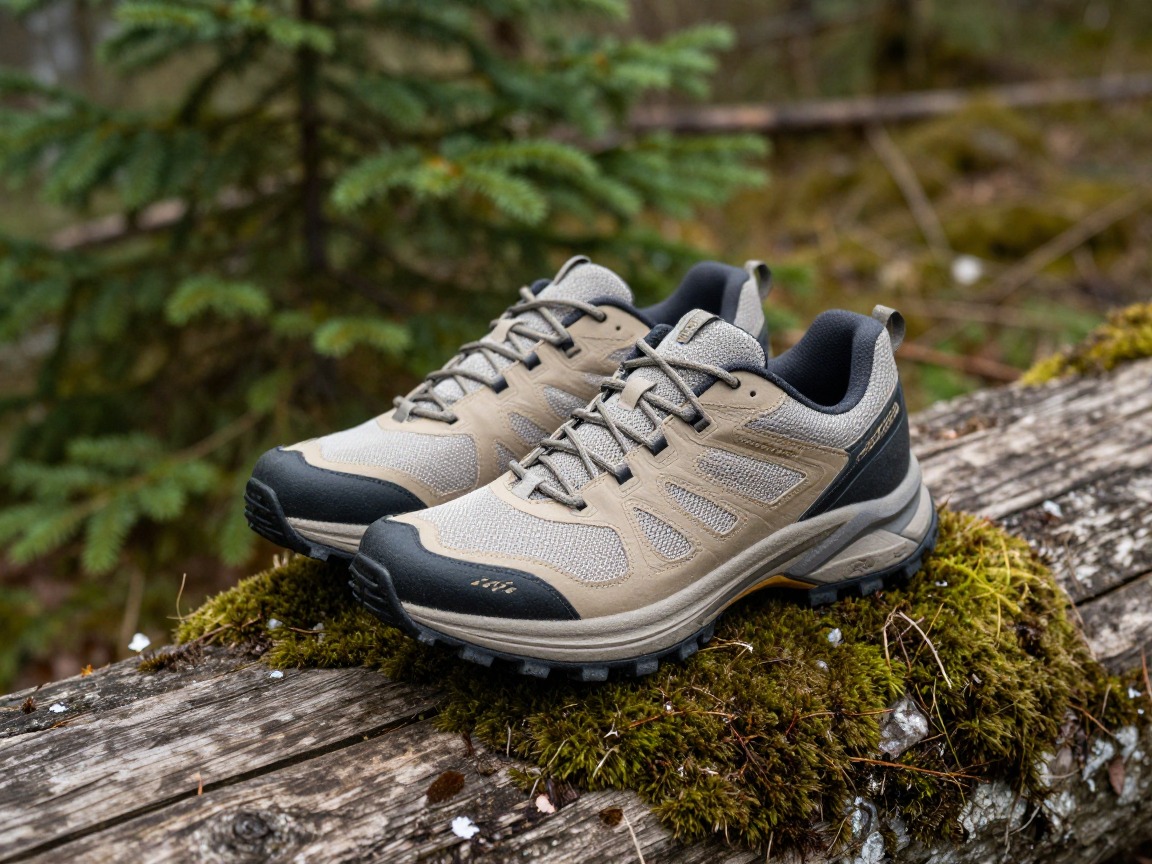
Trail running shoes
Light, breathable shoes suited to graded trail and big daily miles, the standard footwear choice for most PCT hikers over heavier boots.
What to look for: A fit with room for feet that swell over a long day, a sole with enough grip for loose dirt and rock, and a mesh upper that drains fast after a stream crossing.
 Saucony Men's Excursion TR14 Trail Running Shoe Check price
  Adidas Mens Terrex Tracefinder 2 Trail Running Check price
  Brooks Men’s Cascadia 19 Mountain Trail Running Shoe - Black/Black/E Check price
 - Two pairs of wool or synthetic hiking socks, since sock changes matter more than almost any other blister-prevention step
- Trekking poles for balance on loose scree, sandy washes, and long descents
- Low gaiters to keep sand and grit out of mesh shoes
- A pair of camp shoes or sandals to let your feet recover at night
Sun & temperature swings
Long stretches of the PCT offer no real shade at all, and a scorching afternoon can be followed by a genuinely cold night, so this kit covers the whole range rather than packing for the average.
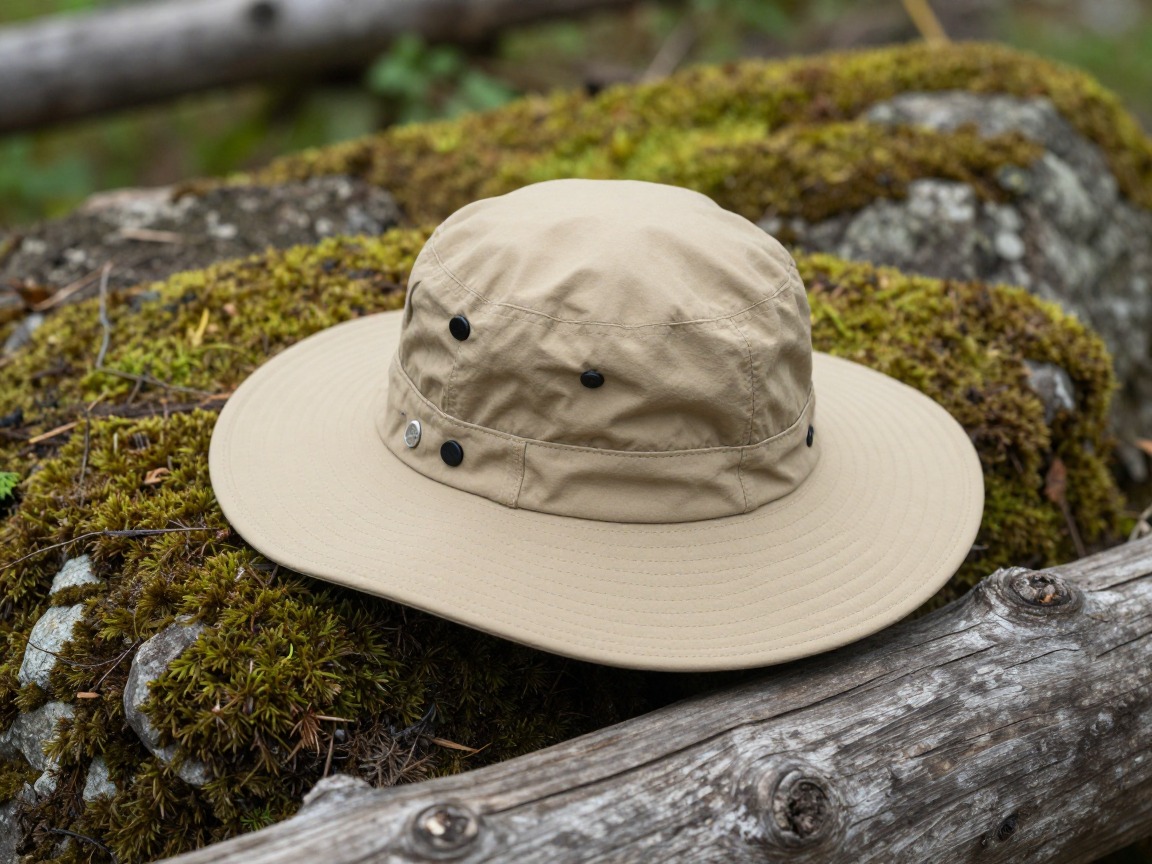
Wide-brim sun hat
Shades your face, ears, and neck through exposed miles with no tree cover, a wider brim than a standard cap earns its keep here.
What to look for: A brim wide enough to shade your neck, a chin cord for wind on exposed ridgelines, and a light color that reflects rather than absorbs heat.
 FURTALK Womens Sun Hat with Ponytail Hole Beach Hiking Summer Wide B Check price
 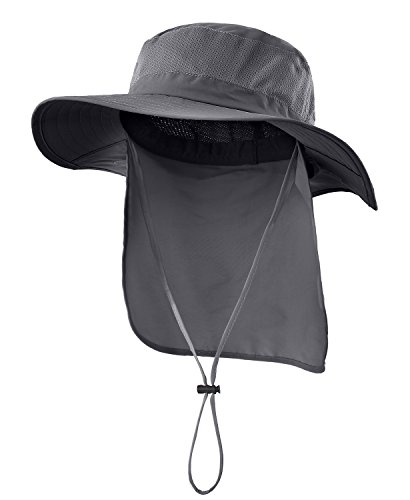 Home Prefer Outdoor UPF50+ Mesh Sun Hat Wide Brim Fishing Hat with N Check price
  FURTALK Sun Hats for Men Fishing Hat UPF Protection Wide Brim Bucket Check price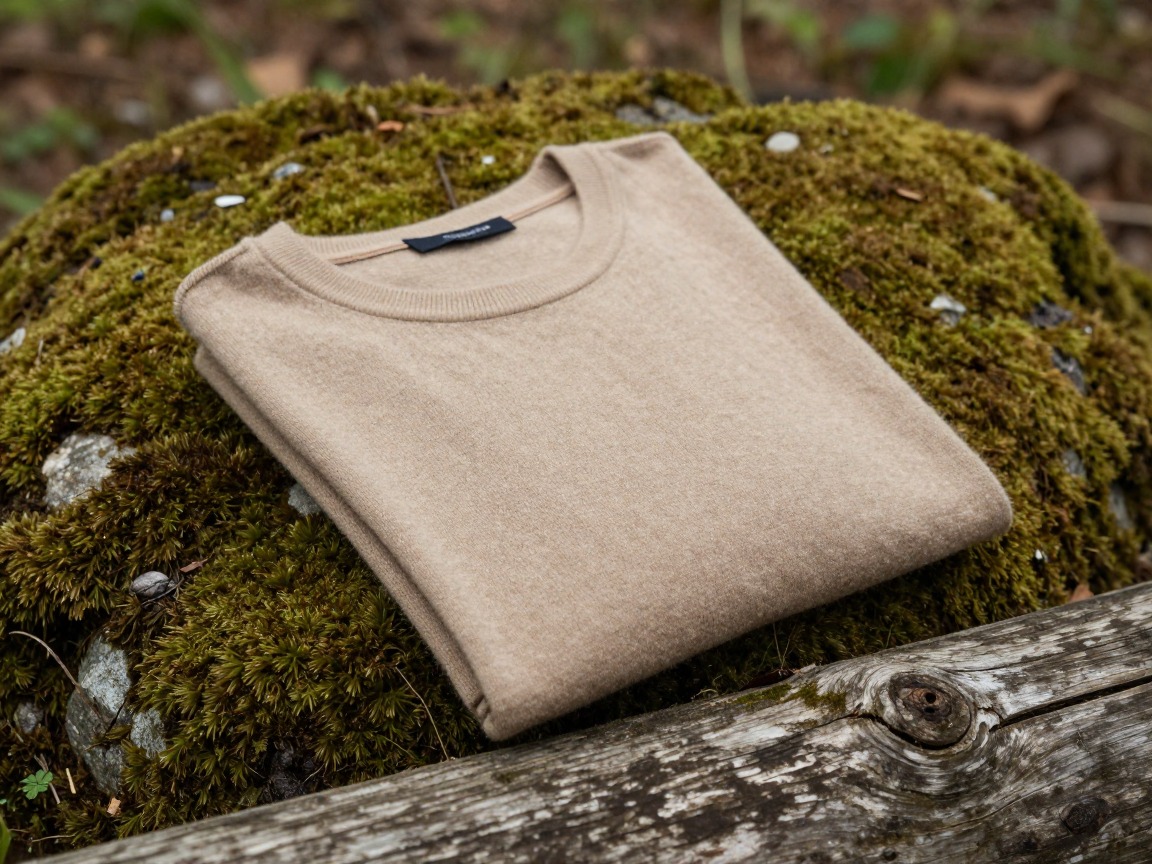
Sun hoodie
A lightweight, long-sleeve hooded layer that blocks UV directly on the skin for the long, shadeless stretches sunscreen alone can't fully cover.
What to look for: A UPF-rated fabric, a loose fit that still moves air, thumbholes to cover the backs of your hands, and a light color.
 100% Merino Wool Base Layer Men Set - Thermal Underwear for Men Long Check price
  Merino.tech Merino Wool Base Layer Women Set - Heavyweight Check price
  100% Merino Wool Base Layer Men Set - Thermal Long Underwear with Ba Check price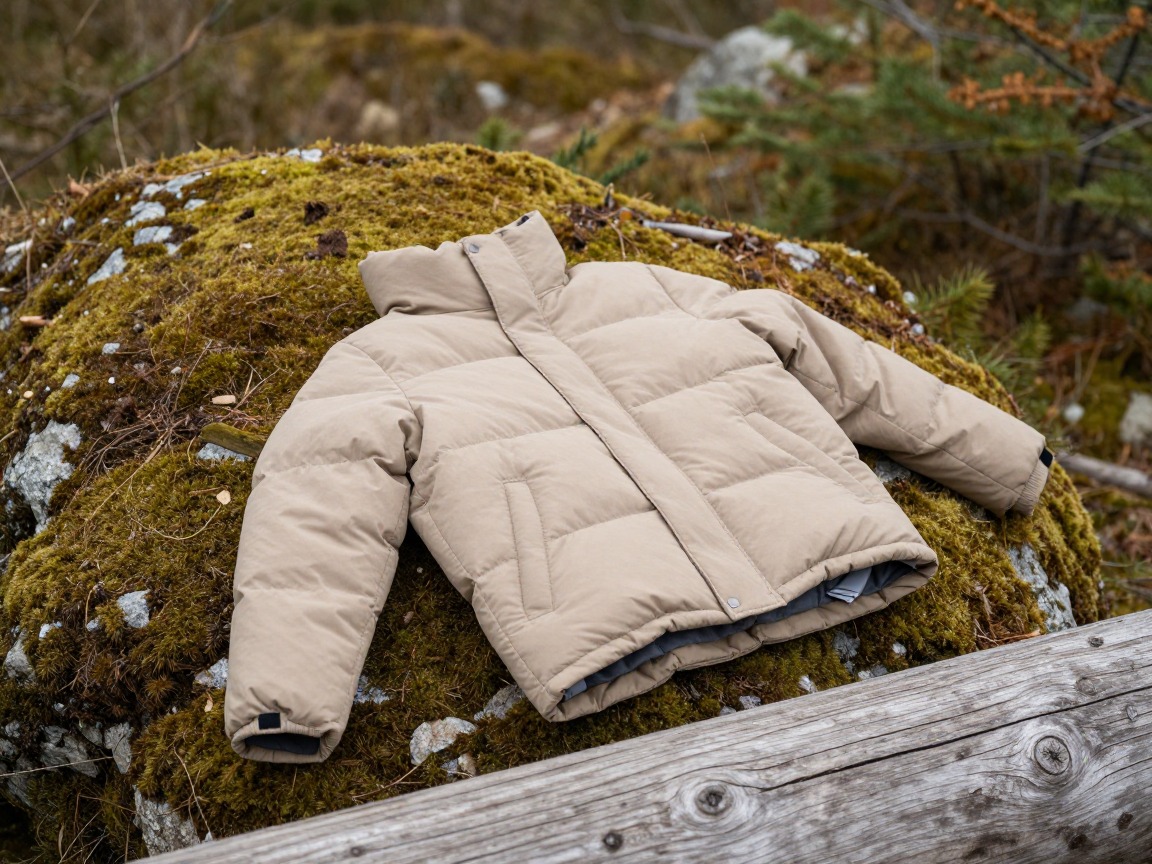
Warm layer
Covers the drop after sunset, since clear desert and high-Sierra skies let the day's heat radiate away fast once the sun goes down.
What to look for: Enough warmth for a genuinely cold night at elevation, a small packed size that doesn't compete with your water load, and a fit that layers over the sun hoodie.
 Outdoor Ventures Women's Packable Lightweight Puffer Jacket with Hoo Check price
  Amazon Essentials Women's Lightweight Long-Sleeve Water-Resistant Pa Check price
  Outdoor Ventures Women's Packable Lightweight Puffer Jacket with Hoo Check price
 - UV-blocking sunglasses
- High-SPF sunscreen and SPF lip balm
- A buff or neck gaiter for wind, sun, and trail dust
- A lightweight hiking umbrella (silver-backed, clip-on) for portable shade on fully exposed stretches
Navigation & safety
Parts of the PCT run well outside cell coverage, sometimes for days between towns, so build in real redundancy rather than counting on a phone signal that may not come.
Headlamp
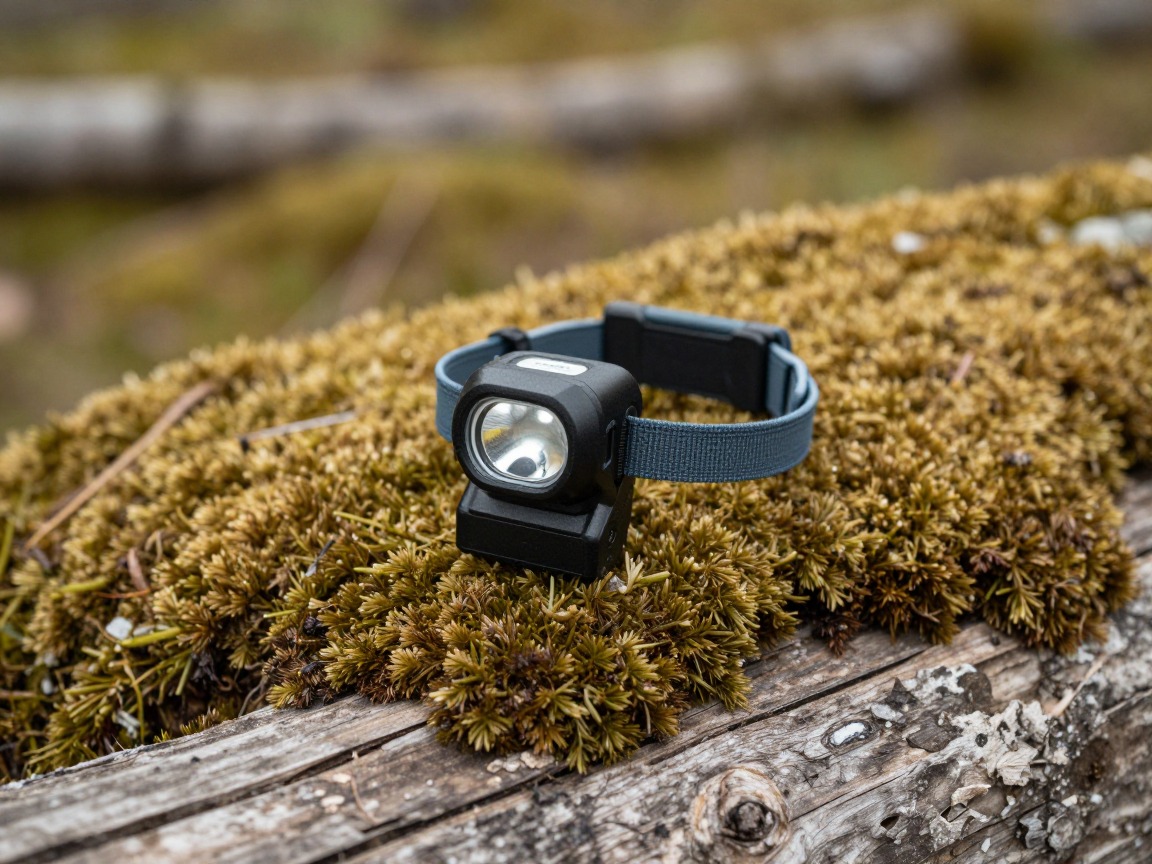
Used for camp chores most nights, and for pushing early or late miles to dodge the heat of a hot section.
What to look for: Enough output for route-finding after dark, a red mode that's easy on other hikers at shared camps, and spare batteries or a charging plan that fits your resupply rhythm.
 LHKNL Headlamp Flashlight Check price
 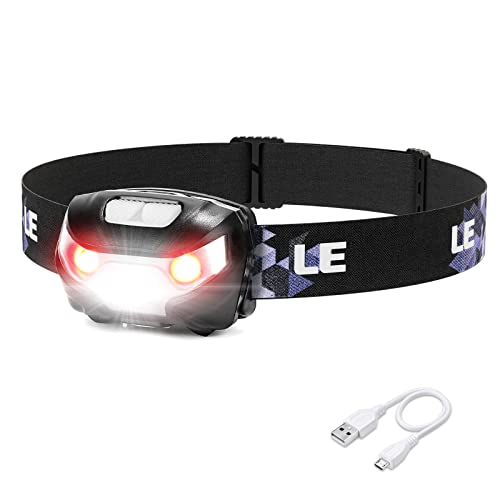 Lepro LED Headlamp Rechargeable IPX4 Waterproof Headlight 5 Modes - Check price
 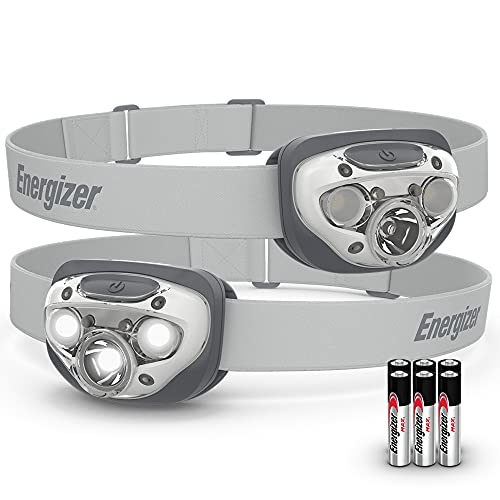 Energizer LED Headlamp PRO Check price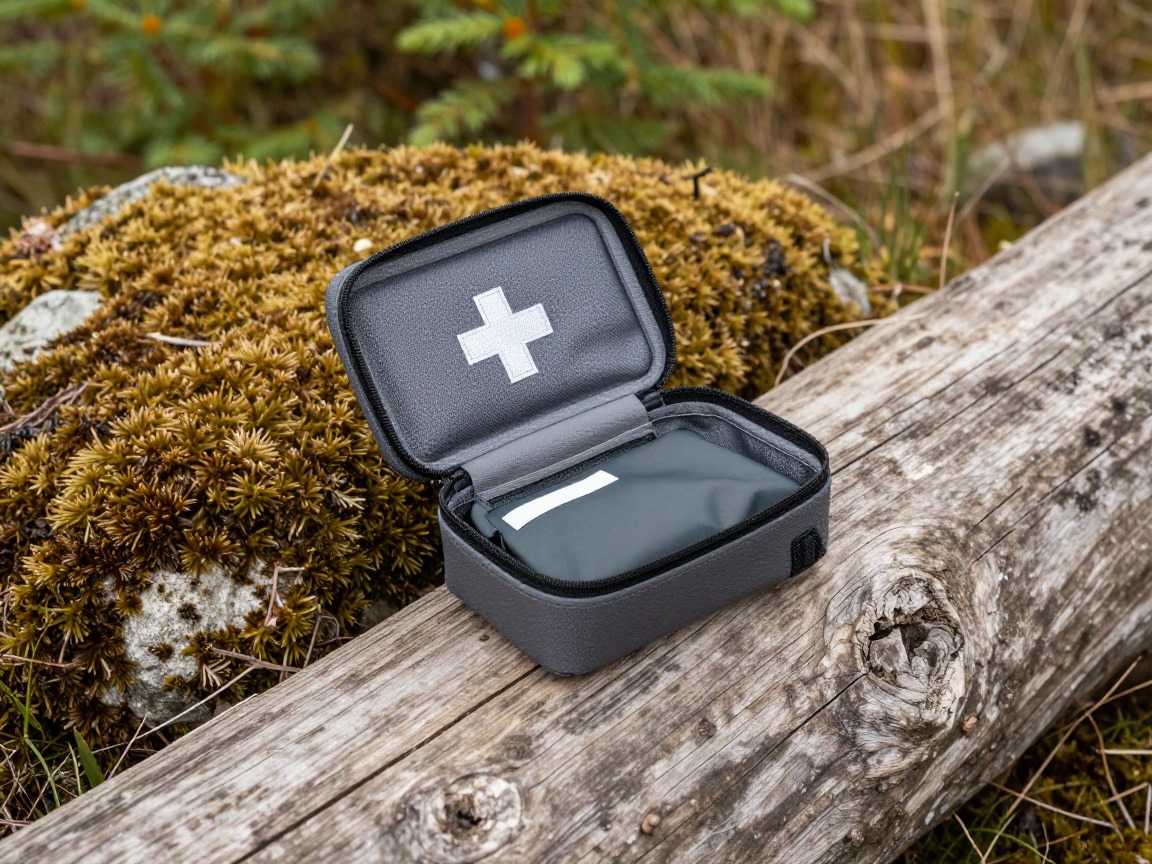
First-aid kit
Weighted toward blisters and foot care, the most common reason a PCT section hike goes sideways, plus the basics for cuts, meds, and overuse aches.
What to look for: A kit built around blister and foot care first, room for your own regular medications, and enough supplies to genuinely last to your next resupply.
 Mini First Aid Kit - 150 Piece Small Waterproof EVA Hard Shell Case Check price
  Adventure Medical Kits Ultralight/Watertight Medical Kit .5 Check price
 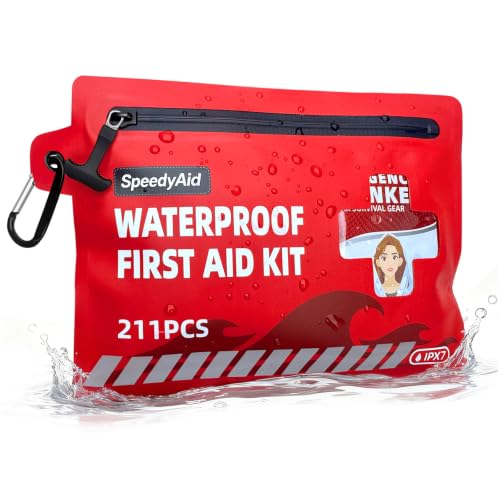 211 PCS Waterproof First Aid Kit Check price
 - A satellite messenger for stretches with no cell coverage between resupply towns
- Offline maps or a trail navigation app for your specific section, downloaded before you lose signal
- Any required permits for your section and entry point
- A whistle and a clear plan for signaling in an emergency
- Your route and expected return date left with someone at home
How to adapt this setup
A shorter, well-watered section lets you trim water capacity and pack lighter overall, but keep the sun-protection system and warm layer regardless of trip length.
Prioritize the bear canister, a warmer sleep system for high-elevation nights, and a longer food carry over the biggest resupply gap on the trail; water is less of a concern here than almost anywhere else on the PCT.
Lean hardest into the water and sun system here — extra bottle capacity, the umbrella, and a written water plan matter more in Southern California than anywhere else on the trail.
Trade some water capacity for real rain protection and a warmer, quick-drying layer; these northern sections swap dry heat for cooler, wetter weather.
Doing the PCT end to end instead of a section? Start with the thru-hike setup, which weights durability a little more heavily for months of continuous use.
Common mistakes to avoid
- Underestimating a desert water carry and having no backup plan for a marked source that turns out dry.
- Wearing stiff, heavy boots on graded trail built for big miles, instead of the lighter trail runners most PCT hikers land on.
- Skipping the bear canister on Sierra sections where one is required, or leaving it home to save weight.
- Packing only warm-weather layers and getting caught by a genuinely cold night at elevation or in the desert.
- Trusting an old map symbol for water instead of checking a current water report before a dry stretch.
- Underestimating the biggest resupply gaps, especially through the Sierra, and running short on food days from the next town.
Make it yours
Frequently asked questions
How much water should I carry on a PCT section hike?
It depends heavily on your section and the season, but many Southern California hikers carry enough capacity for a full day or more between sources, often several liters more than a typical weekend trip. Check the current water report for your specific section before you go, and build in a real margin above your estimate.
Do I need a bear canister on the PCT?
Much of the High Sierra section requires an approved bear canister by regulation, and it's worth checking current rules for whichever stretch you're hiking, since requirements vary by land manager and can change. Even where it isn't required, proper food storage matters everywhere on the trail.
Trail runners or boots for the PCT?
Most PCT hikers use trail runners rather than boots, since the trail is graded for efficient big-mile travel and lighter shoes tend to cause less fatigue over consecutive long days. Boots can still make sense for hikers who want more ankle support or are carrying a heavier pack.
How do I plan resupply for a PCT section?
Map your specific section's towns before you start, note which stops offer a full resupply versus a limited one, and pay special attention to the trail's longest gaps, the High Sierra especially. Many section hikers use a mail drop or bounce box for stretches where town resupply options are thin.
How cold does it get at night on the PCT?
Colder than the daytime heat often suggests, especially in the desert and at high Sierra elevation, where clear skies let the ground lose heat quickly after sunset. Pack a genuine warm layer and a sleep system rated for your section's coldest likely night, not its daytime average.
Illustrative images show the type of gear, not specific products. Recommendations link to similar items on Amazon; we only ever link real listings and never show fabricated prices or ratings. General planning guidance, not a substitute for your own judgment or professional backcountry-safety instruction.