
Affiliate disclosure: this page contains affiliate links. Purchases made through them may earn us a commission at no extra cost to you. See our affiliate disclosure.
In plain English
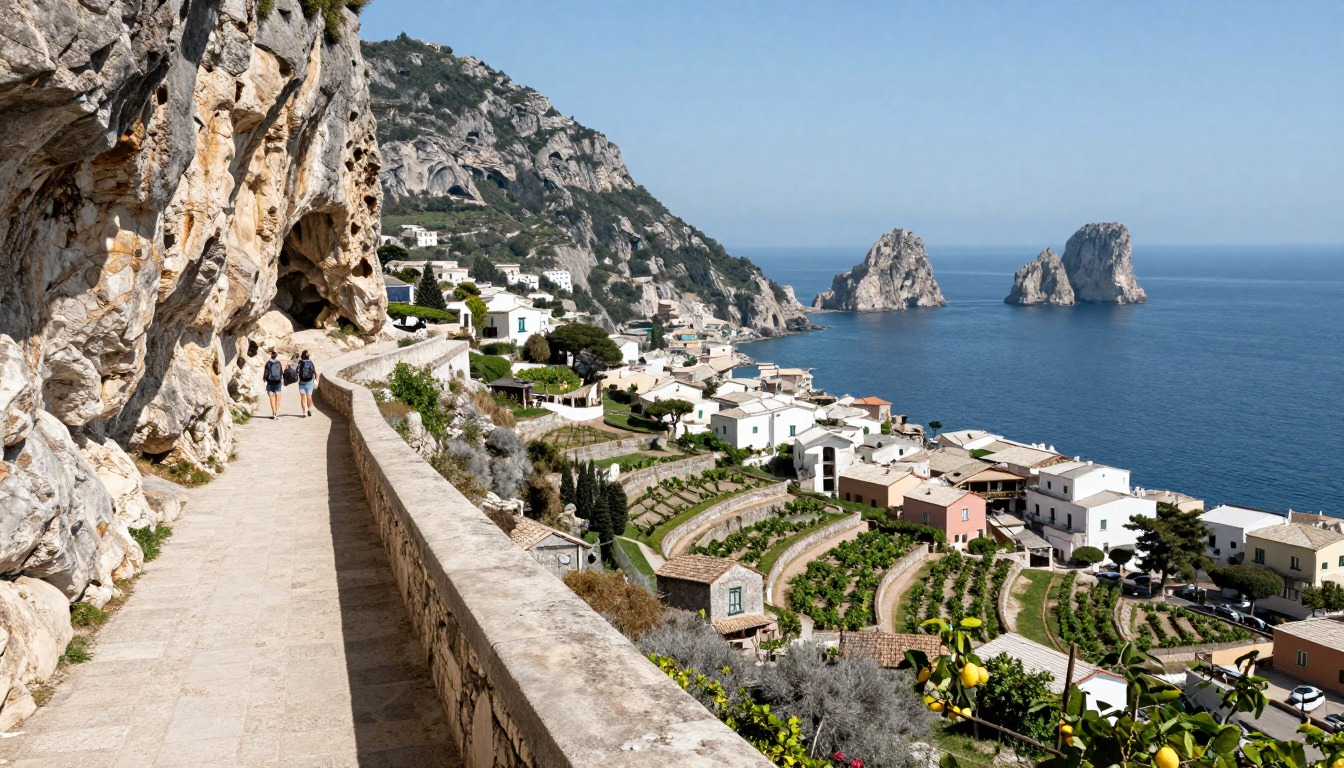
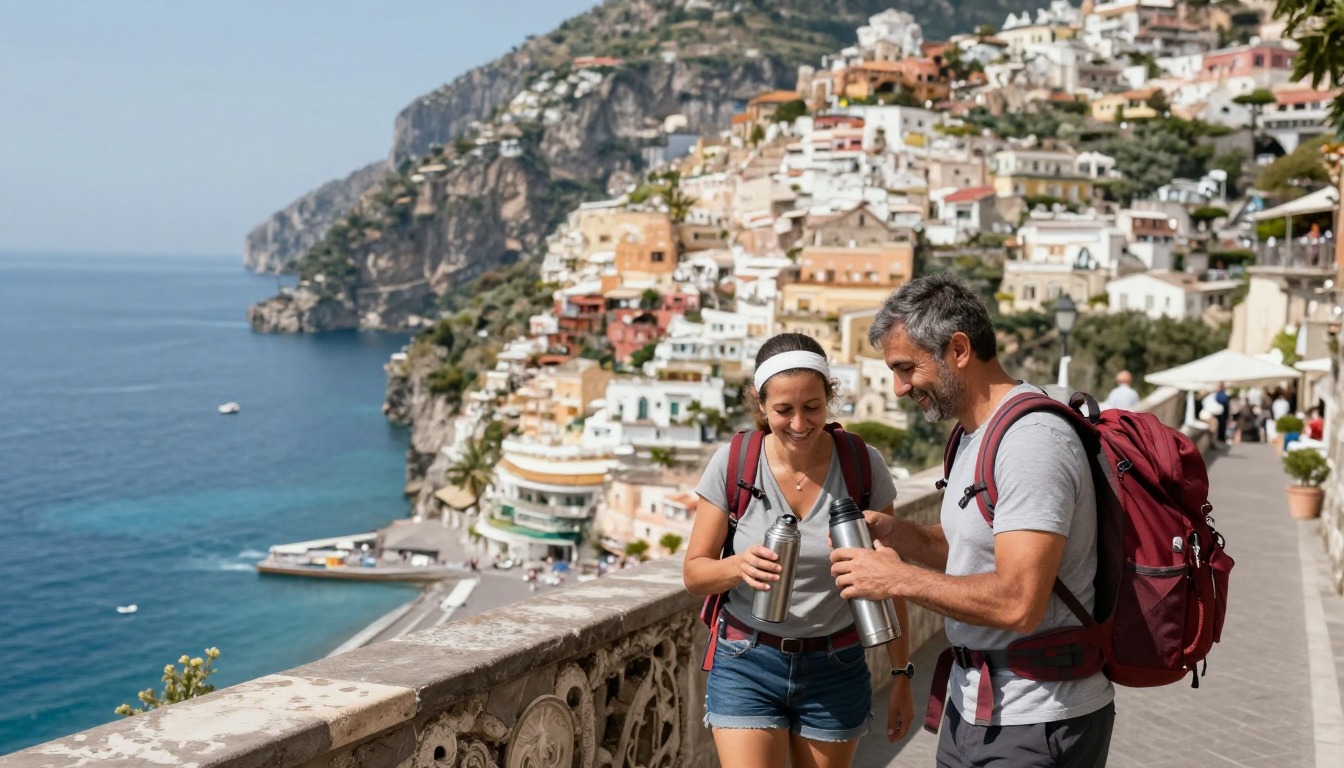
The Path of the Gods is a walking trail high on the cliffs of Italy's Amalfi Coast, with the sea far below. Most people take a bus up to the village of Bomerano, walk along the cliff to the tiny village of Nocelle, and then go down a very long flight of stone steps to the town of Positano.
The path mostly stays at the same height, like walking along a shelf on a tall bookcase, dipping in and out of small gullies. It isn't a climb, but it is hot and sunny, with little shade.
Carry a small backpack with more water than you think you'll need, a hat and sunscreen. Wear shoes with grip. The long staircase at the end is hardest on the knees, and you can skip it by taking a local bus down from Nocelle instead.
What the hike is like
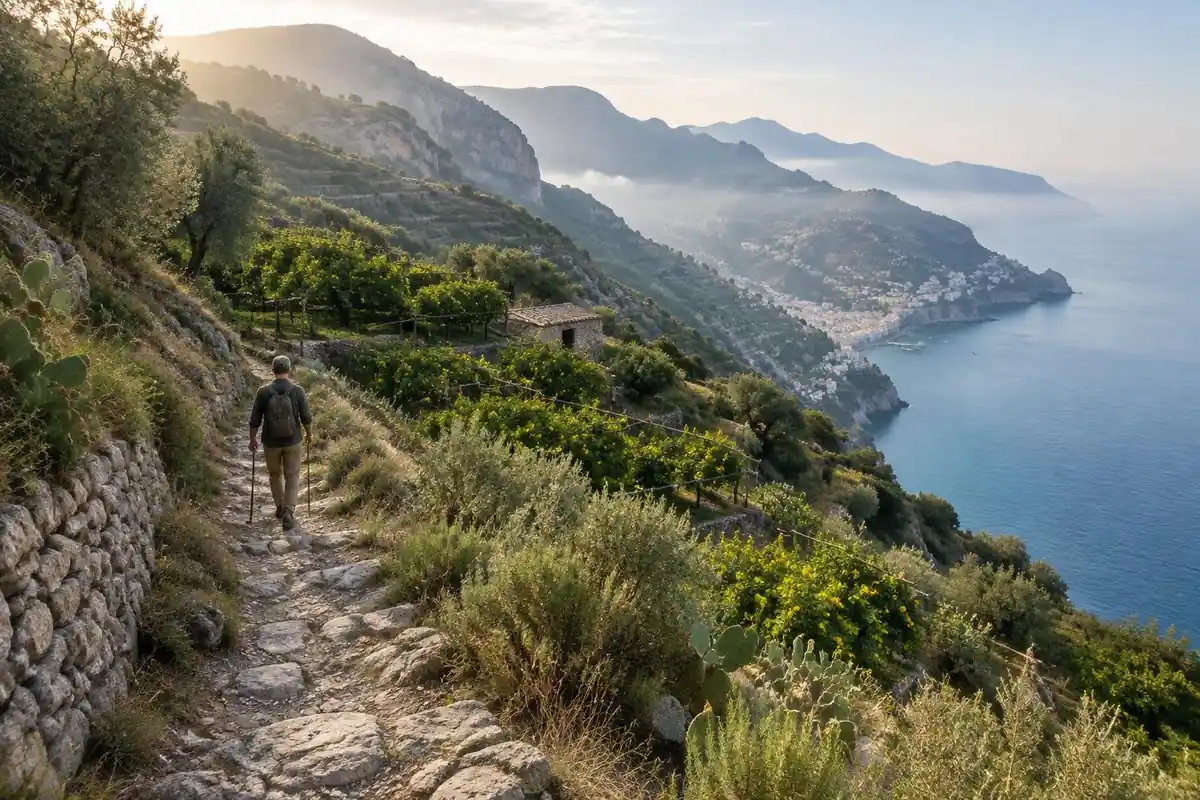
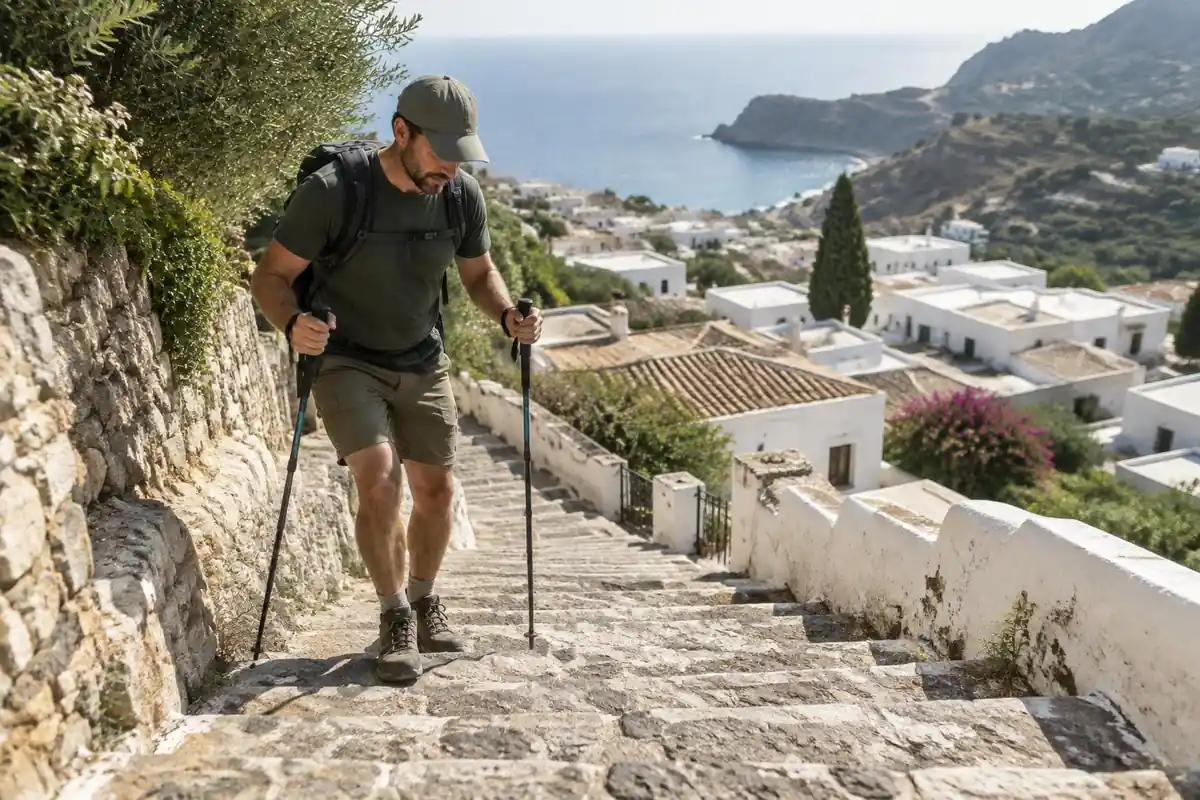
From Bomerano the trail contours rather than climbs, which is what makes it walkable for so many people: the line traverses the cliff face at roughly the same height for much of its length, rising and dipping across gullies instead of gaining altitude outright. Underfoot it alternates between packed dirt, rough stone paving, natural rock and short stepped sections, with dry-stone walls, abandoned terraces and the occasional overhanging rock beside the path. A few stretches narrow with a drop on the seaward side, enough to give cautious walkers pause without requiring any scrambling. Near Nocelle the walking ends and the character changes completely: a long flight of stone steps zigzags down through gardens and narrow lanes toward the road above Positano, and that staircase, not the trail, is what most legs remember afterward.
How to plan the itinerary
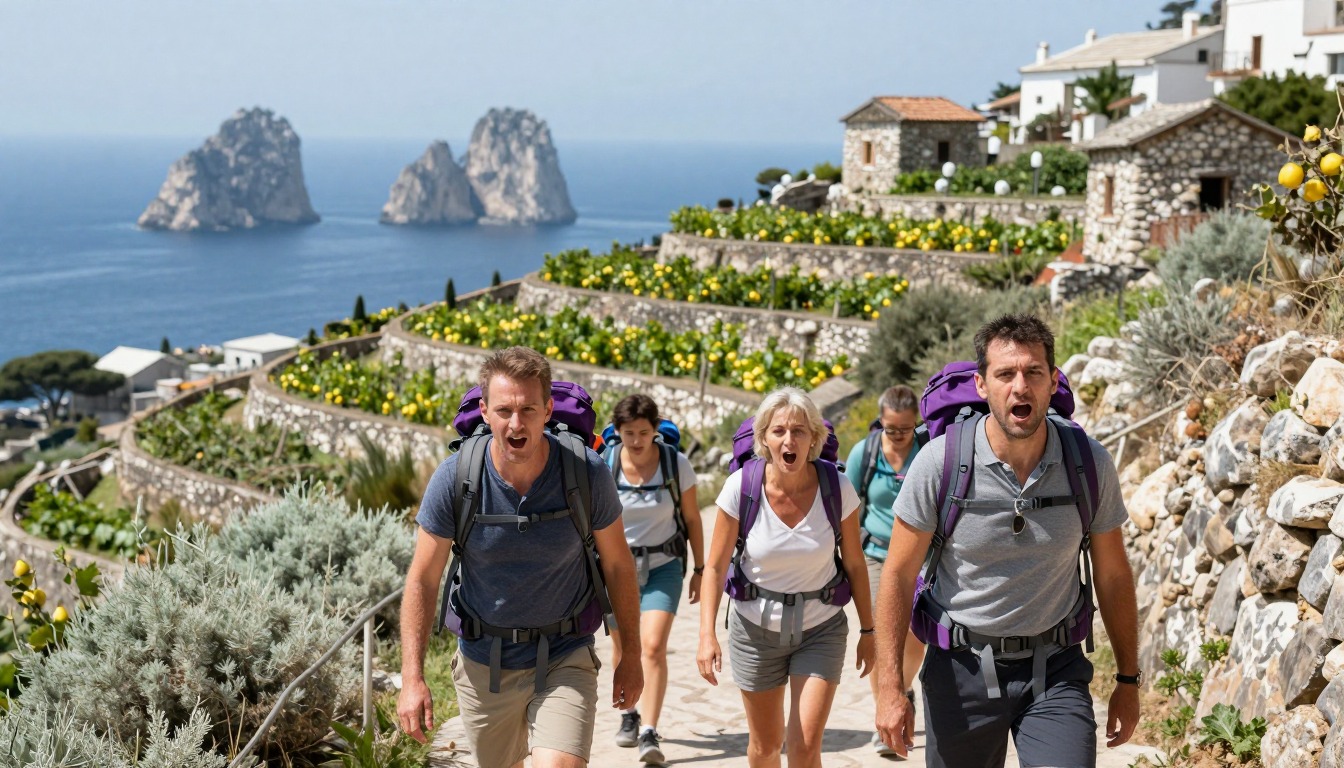
The standard approach is to walk it downhill — bus up from the coast to Bomerano in Agerola, walk the traverse, then descend to Nocelle and continue to Positano. That direction gets the transport out of the way first and means finishing near the sea rather than up in the hills. Hikers already based in Agerola simply start from the trailhead and can arrange their return by bus from the coast. Walking uphill in the opposite direction is entirely possible and considerably quieter, at the cost of climbing the long staircase rather than descending it. Most people treat the whole thing as a half-day on foot plus a meaningful chunk of travel time on narrow, slow coastal roads, so building the day around bus schedules rather than walking pace is realistic.
Plan this trip in 5 steps
-
Pick the right pack
Match a pack to your trip, fit and priorities.
-
Book a place to stay
Campgrounds, huts and lodges near Path of the Gods — Amalfi Coast.
-
Plan food & water
Calories, food weight and water for your days on trail.
Trail-specific tips
Start early. The path is exposed almost end to end, with very little shade, and the middle of a warm day on that cliff face is genuinely unpleasant. Carry more water than the walking distance suggests. The staircase down to Positano is what wrecks knees, not the traverse — poles help, and anyone with dodgy knees can end the walk at Nocelle and catch a bus down instead. Coastal buses run slow and full in season, so pad your timings generously. For general heat and hydration sense, see /trail-smarts/.
Permits & rules
No permit is required. Most hikers start high at Bomerano (Agerola) and finish at Nocelle above Positano, where a long staircase drops to the coast. Carry water and sun protection — parts of the path are exposed and hot.
Gear suited to this hike
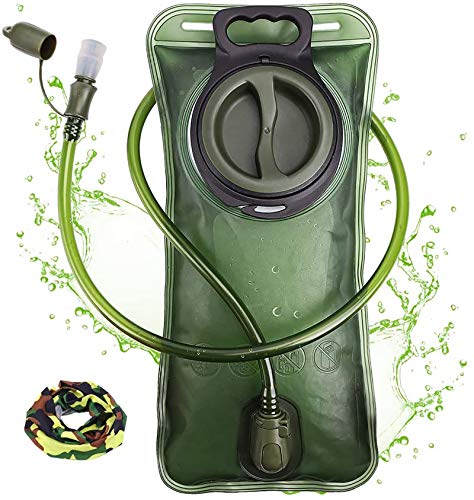
Matched to the terrain and conditions here. Real products — check current price on Amazon.



Why a downhill walk still tires people
This page gives the main section as about 7.8 km (4.8 miles), with roughly 150 m of climbing and 370 m of descent. Naismith's classic rule, one hour per three miles plus one hour per 2,000 feet of climb,1 gives just under two hours of moving time. The University of Utah's GPS research found people move fastest on a slightly downhill slope,1 which fits the traverse. The staircase from Nocelle to Positano is different: it is a steep, sustained descent on worn stone, and it is often slower and harder than the trail.
Steep descents are where knee loads peak. In a lab study on a 25-degree ramp, hiking poles lowered knee compressive and shear forces by 12–25%,3 and another study found the benefit held across every pack load tested.5 That supports this page's suggestion to use poles on the stairs, or to take the bus from Nocelle instead.
Heat and sun on an exposed cliff
The traverse faces the sea with little shade. CDC suggests doing outdoor activity during the coolest parts of the day when heat risk is high,2 and the Grand Canyon's park service notes that most of its heat-illness rescues involve people hiking between 10 a.m. and 4 p.m.6 Those are different places, but the principle carries over: start early.
CDC's Yellow Book notes UVB is most intense between 10 a.m. and 4 p.m. and that water reflects UV, increasing exposure,4 and recommends broad-spectrum sunscreen of SPF 30 or higher, reapplied every two to four hours.4 For water, CDC also notes sweat rates can reach about a liter an hour, while warning that forcing water beyond thirst can cause low blood sodium.7 Salty snacks help balance water intake in the heat.6
What the official site does and doesn't cover
The regional tourism site covers Positano and the wider coast as destinations but, on its main page, does not publish trail conditions or rules for the Path of the Gods.8 That means current information on closures, bus timetables and any local restrictions has to come from local sources on the day. This page's advice to build the day around bus schedules, not walking pace, follows from that.
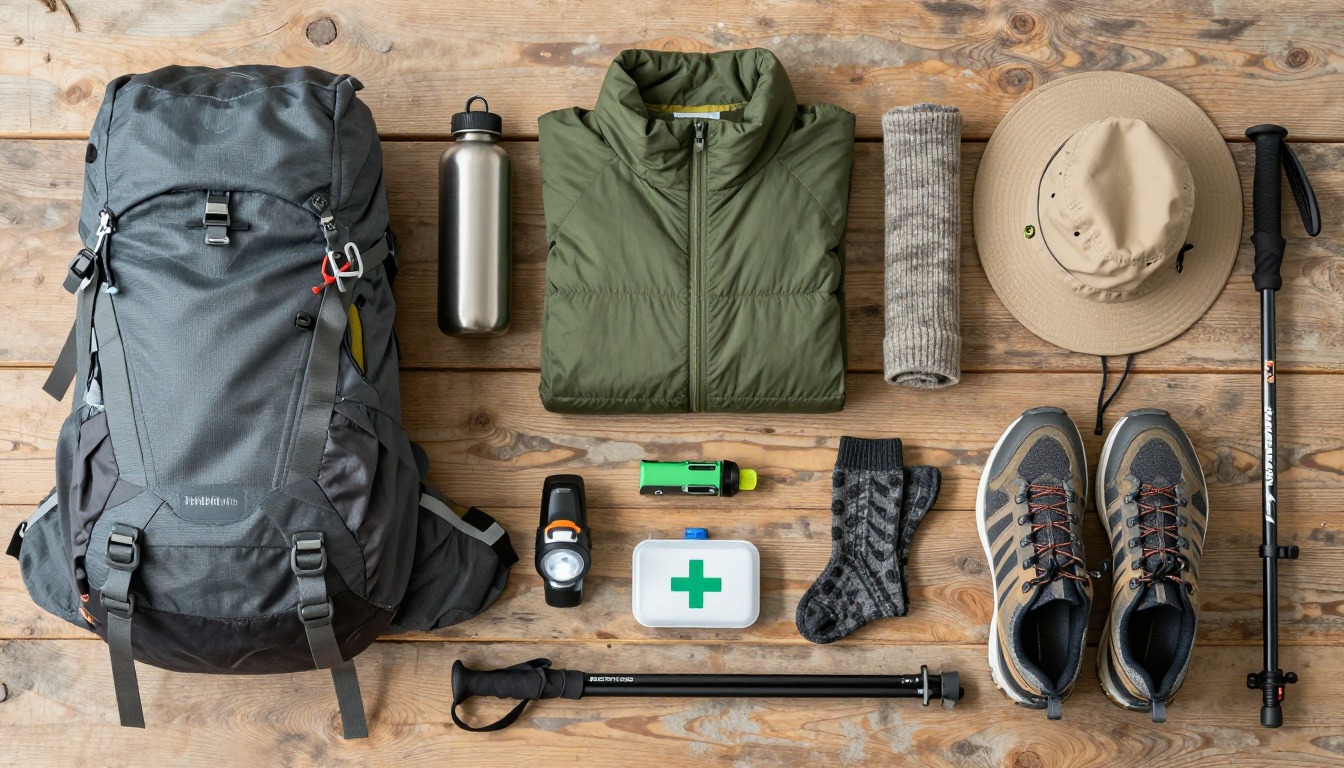
For the pack, the essentials are water, sun protection, snacks and a light layer. A slim daypack helps on narrow sections where walkers pass each other. If you walk uphill from Positano instead, the staircase becomes the first and hardest part of the day, so carry extra water for it.
Common questions
Which direction should I walk the Path of the Gods?
Downhill from Bomerano toward Nocelle and Positano is the usual choice, and almost all transport advice assumes it. Walking the other way is quieter and perfectly doable, but it means climbing the long staircase up from Positano before you even reach the trail proper, which is a significant piece of work in warm weather.
Is the trail scary if I'm uneasy about heights?
Most of it is a comfortable width with the drop some distance away, but there are narrower sections where the ground falls steeply on the seaward side. No scrambling or hand-over-hand is involved. Walkers who are seriously uncomfortable with exposure sometimes find a handful of stretches unpleasant, though the majority manage it without difficulty.
Do I have to walk down the staircase to Positano?
No. The trail effectively ends at Nocelle, and local bus services run from there down to the coast, so the staircase is optional. Many walkers with sore knees make exactly that choice. If you do take the steps, treat them as a serious descent rather than a formality, and go slowly on worn stone.
How do I get to the Bomerano trailhead?
Most hikers reach it by local bus from the coastal towns up to Agerola, where Bomerano sits. The coast road is narrow and buses can be slow and crowded in season, so allow considerably more time than the distance suggests. Hikers already staying up in Agerola can walk to the trailhead directly.
Complete gearsets for this trip
Full curated kits built for exactly this kind of hike.

Trail conditions, permits and access rules change without notice — always confirm current information on the official source above before you go. Some facts on this page are still pending owner verification and are marked accordingly. Product links and the accommodation map are affiliate links: we may earn a commission at no extra cost to you; product prices and availability are shown on Amazon, and accommodation prices on the booking site. See our affiliate disclosure.