
Affiliate disclosure: this page contains affiliate links. Purchases made through them may earn us a commission at no extra cost to you. See our affiliate disclosure.
In plain English
Ordesa is the kind of walk that feels easy and quietly is not. The valley path climbs so gradually you barely notice, and the scenery does the rest. The challenge is length: it is a long out-and-back day, and you have to walk all the way back.
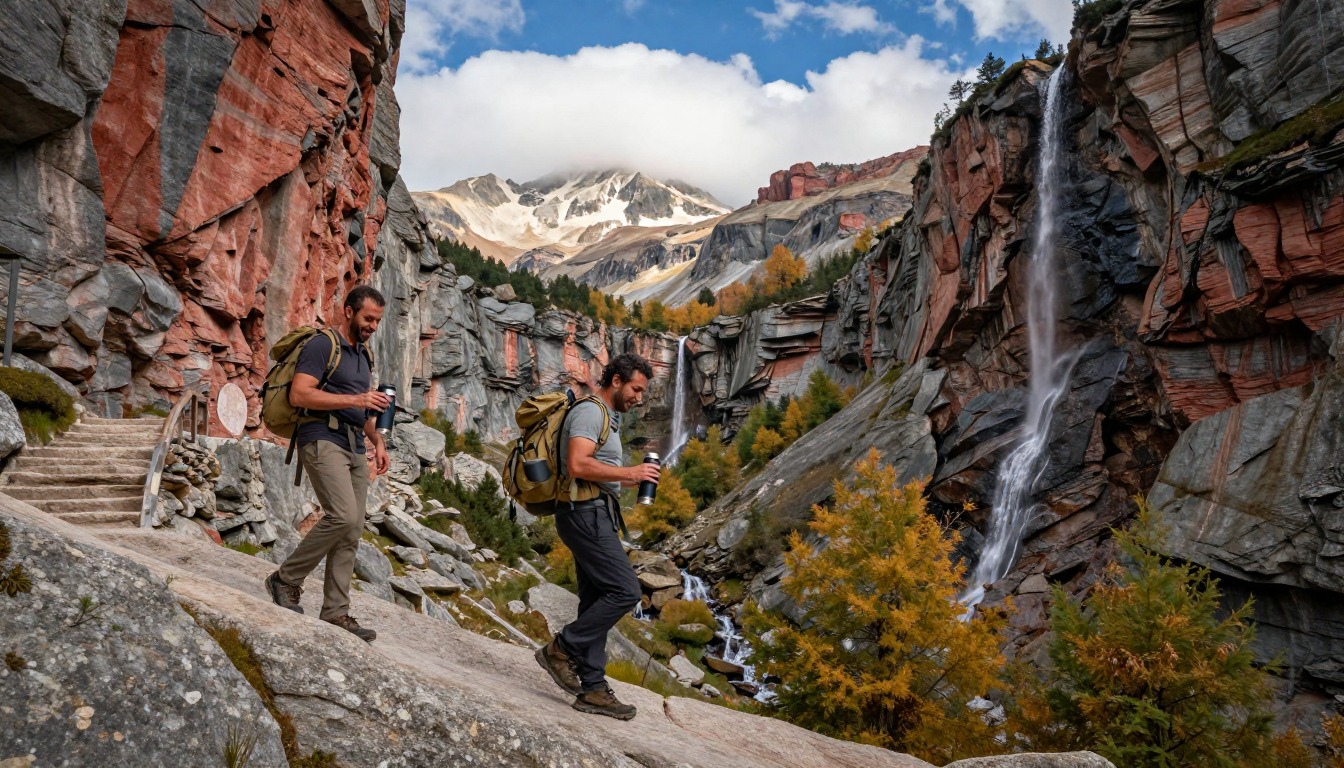
There is a second way to do it that is very different. Climb a steep stepped path early in the day, walk a narrow ledge high above the canyon, then come down to the waterfall and stroll back along the river. That version gives better views and asks much more of your legs and nerves.
The mountain named Monte Perdido is a separate trip altogether, planned around a high refuge and a pre-dawn start. It is not something to add on if you feel good at the waterfall.
What the hike is like
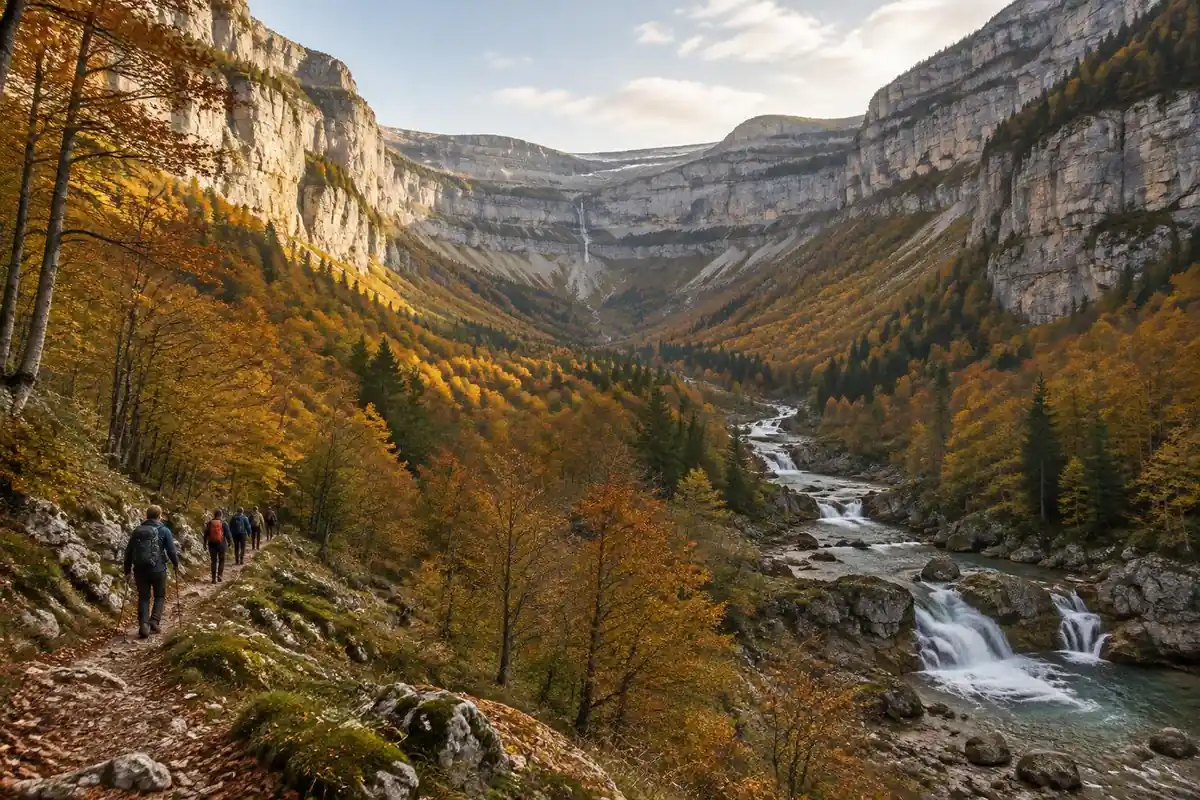
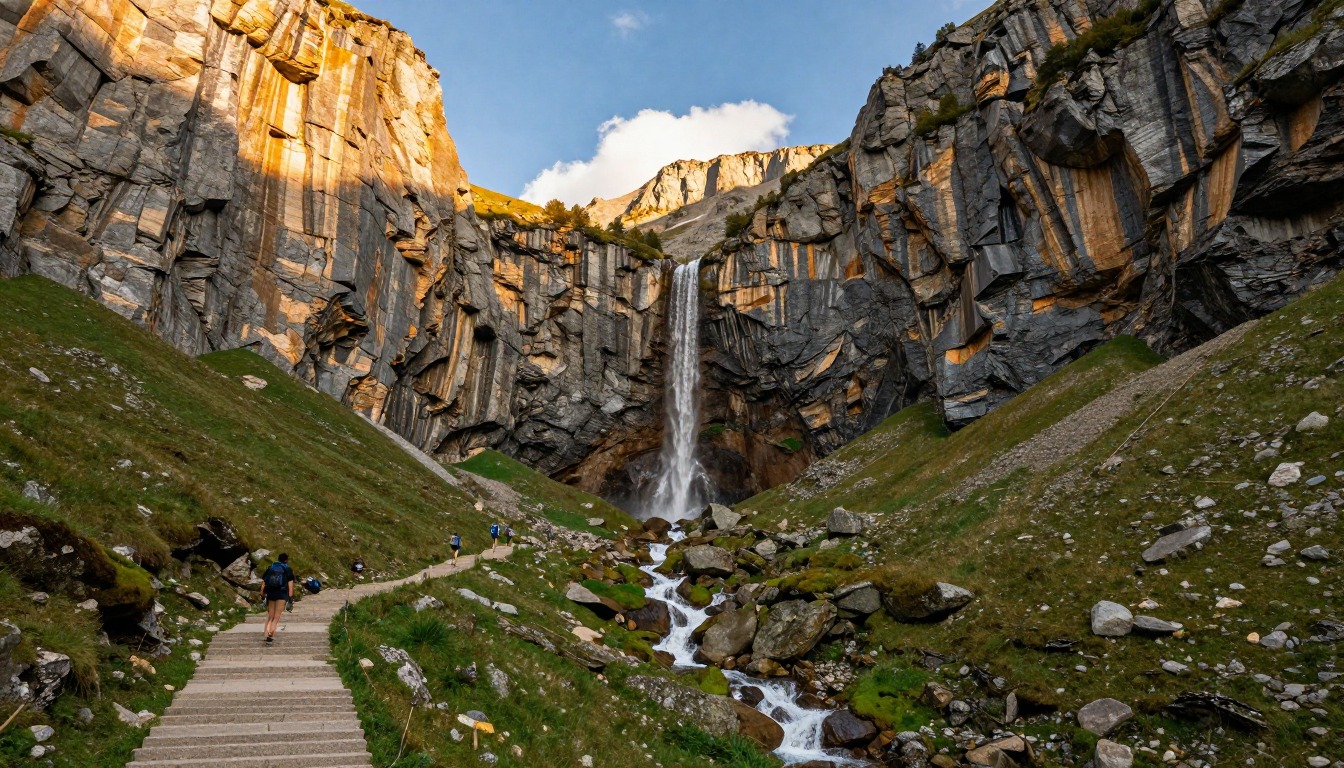
The classic walk follows the canyon floor, and it is the gentlest kind of big day: a broad, well-made path through beech and fir beside the river, gaining height so gradually that you barely register the climb until the trees thin out. Cascades punctuate the middle of the valley, and the walls stay overhead the whole way, sheer limestone on both sides closing the world down to a green corridor. Near the head of the canyon the forest gives way to open meadow beneath the cirque, where the Cola de Caballo waterfall drops over a rock lip and the trail simply ends. There is no scrambling and nothing technical on this line. A far steeper stepped path climbs the canyon's flank to a high ledge trail that traverses back at mid-height — spectacular, exposed in places, and a completely different proposition.
How to plan the itinerary
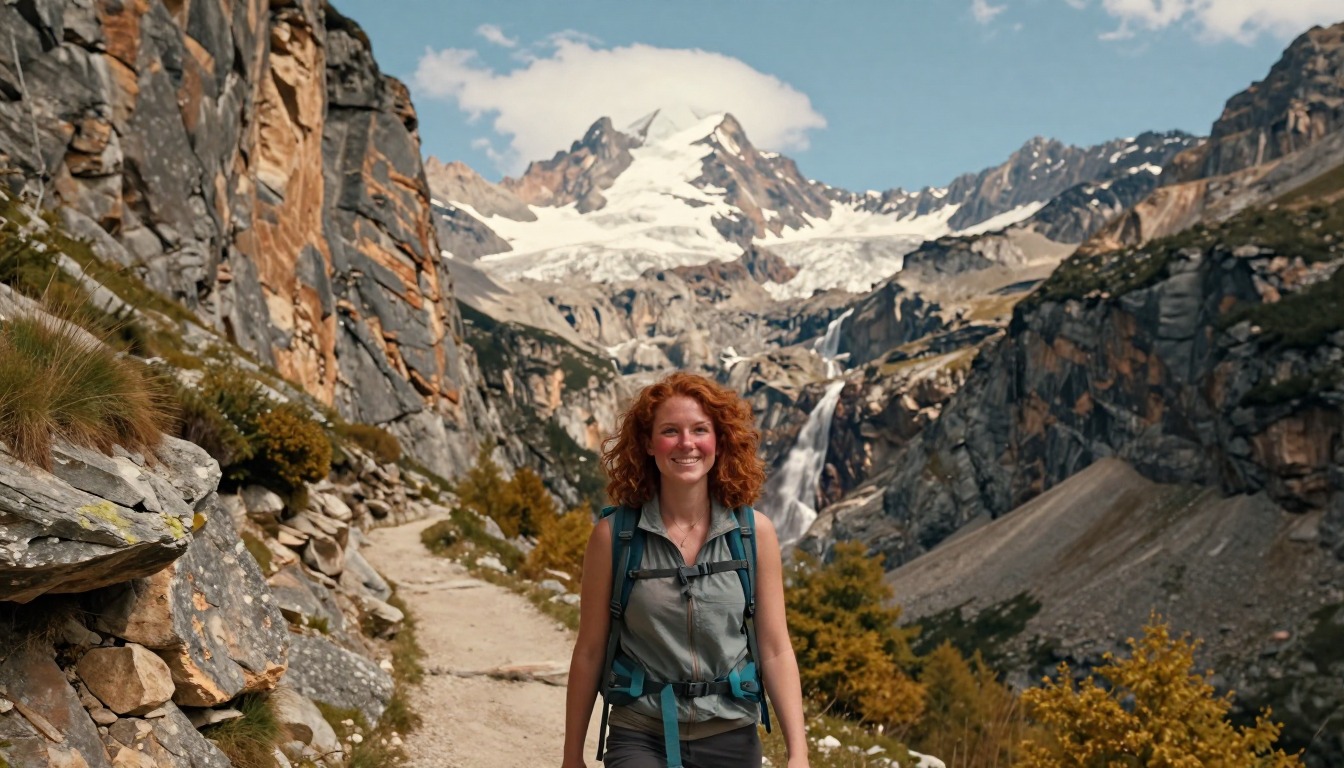
Nearly everyone does this as one long out-and-back day, walking up the valley floor and returning the same way. When the seasonal shuttle is running from Torla, its timetable defines the day: the earliest bus in gives you time to reach the waterfall unhurried, and the last bus out is your real turnaround deadline, not the daylight. The popular variation is a loop — climbing the steep stepped path early while legs are fresh, traversing the high ledge trail with the canyon underneath you, then descending to the waterfall and strolling back along the river. Monte Perdido itself is not an extension of this day. It is a separate mountaineering trip staged from a high refuge with an alpine start, and it needs the experience and equipment to match.
Plan this trip in 5 steps
-
Pick the right pack
Match a pack to your trip, fit and priorities.
-
Book a place to stay
Campgrounds, huts and lodges near Ordesa Canyon & Monte Perdido.
-
Plan food & water
Calories, food weight and water for your days on trail.
Trail-specific tips
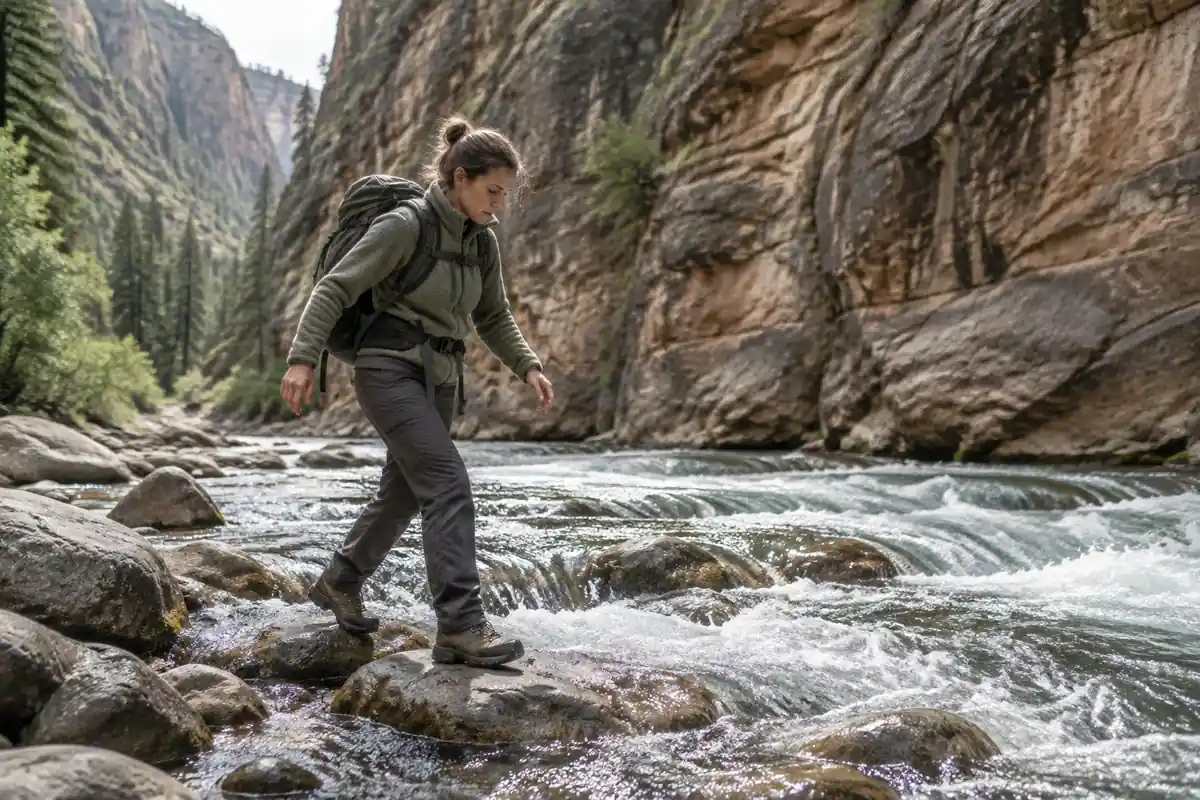
The valley path's easy grade is exactly what catches people out — it is a long way there and the same distance back, and the return leg is walked on tired legs in the warmest part of the day. Set a turnaround time and keep to it. The upper meadow is open and hot with almost no shade, so carry more water than the mild-looking profile suggests. Afternoon storms are common in summer, which is another argument for starting early. If you are tempted by the high ledge route, be honest about your comfort with drops. General planning advice sits at /trail-smarts/.
Permits & rules
No permit is needed for the canyon walks, but car access into the canyon is restricted in busy periods, so check the park’s access guide. The classic walk to the Cola de Caballo waterfall is long but non-technical; climbing Monte Perdido is a serious alpine undertaking.
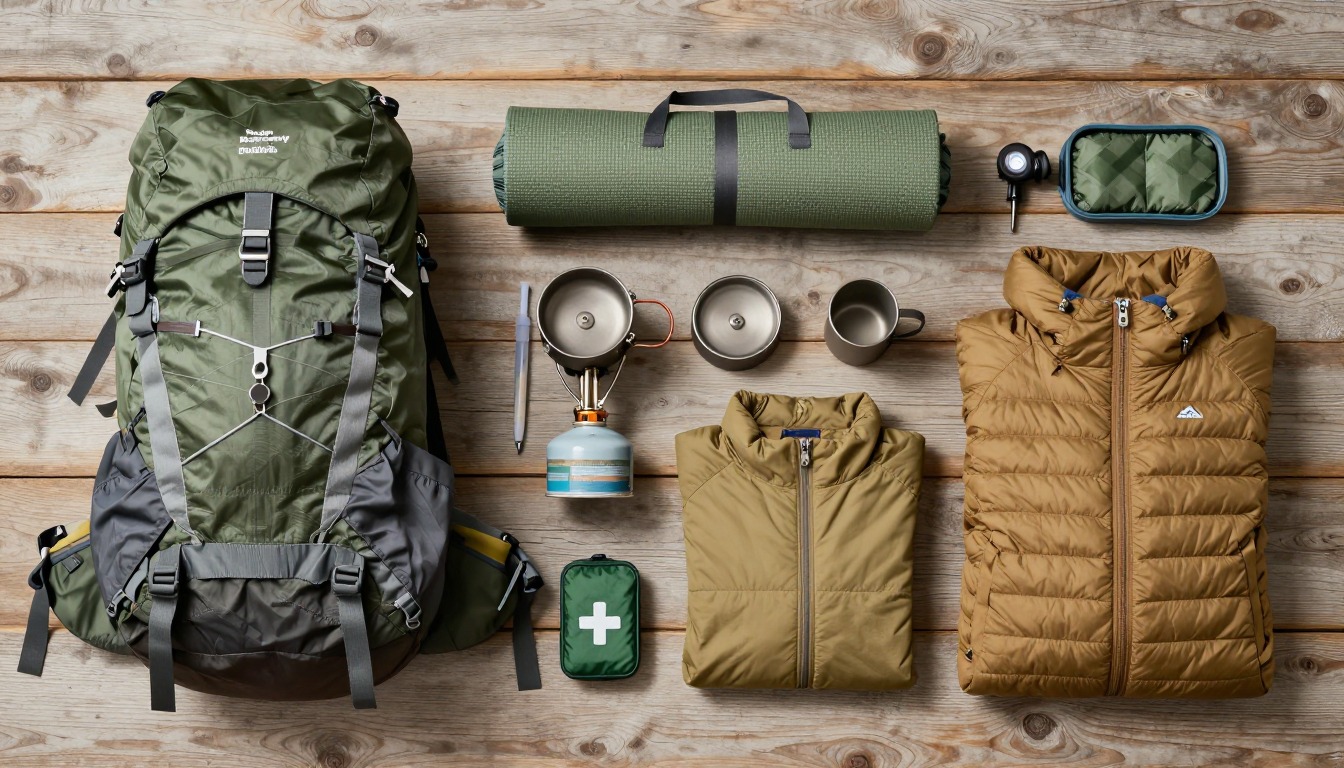
Gear suited to this hike
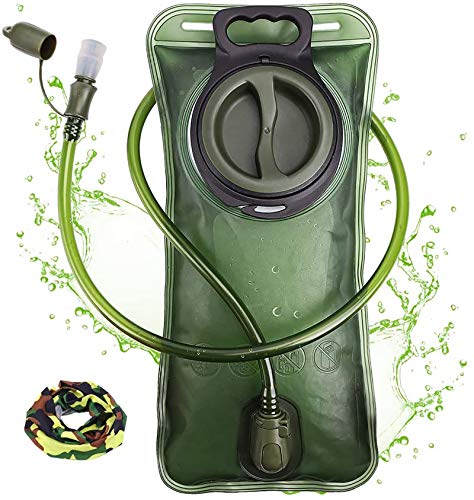
Matched to the terrain and conditions here. Real products — check current price on Amazon.



Bus deadlines, turnaround times and tired legs
The page explains that when the seasonal shuttle runs from Torla, its timetable sets the day. That makes it one of the clearest examples of a fixed turnaround. NPS advises setting a turnaround time and sticking to it, and planning for uphill sections to take at least double the downhill time.1 Since the canyon floor gains height gradually, the outbound half feels easy and the return can feel longer than expected, so turn back at a time, not at a place.
The walk out after the last bus is a real possibility if you are late, and that is when a headlamp matters. NPS lists headlamps as the recommended light source because they leave hands free.2 Shuttle operation and seasons are decided locally, so confirm them with the park or your accommodation rather than relying on an old timetable.
The high ledge trail: exposure, steps and heat
The stepped climb and the ledge trail are where planning changes. Steep steps are hard on knees on the way down; hiking poles reduced knee compressive and shear forces by 12 to 25 percent on a 25-degree downhill ramp in one study,3 though on exposed ledges you need a free hand for balance, so stow poles where the path is narrow.
Heat adds to the load. Dehydration is the most important predisposing factor in heat illness besides weather and exercise intensity, and sweat rates can reach a liter per hour.4 The CDC suggests doing outdoor activity in the coolest parts of the day when heat risk is high,5 which argues for the early bus and for climbing the steep section first.
Why Monte Perdido is a different trip
Going from a canyon day walk to a high mountain changes what the pack needs to do. The Weather Service advises being off exposed mountain terrain by early afternoon because thunderstorms build then, and says a tent offers no protection.6 A pre-dawn start, a high refuge and technical or glacial ground call for skills and equipment that a day pack does not cover; this page correctly treats the peak as a separate mountaineering undertaking.
Also plan for a rescue taking time. NPS notes that search and rescue can take hours or days depending on weather and resources, that cell phones should not be relied on, and that a whistle helps rescuers find you.7 Check the national park's current guidance on access, refuge bookings and any permits, since those rules are set locally and can change.
Common questions
Is the walk to Cola de Caballo hard?
It is long rather than difficult. The path is wide, well maintained, and free of scrambling or exposure, and the height gain is spread over the whole valley. The demand is endurance — a full day on your feet with the same distance to cover coming back. Steady walkers manage it; people expecting a short stroll do not.
Should I do the valley walk or the high ledge loop?
The valley route is the accessible classic and works for most fit walkers. The loop that climbs the canyon side and traverses the high ledge trail is much more demanding, with a punishing initial climb and stretches where the ground falls away beside the path. Choose it only if steep ground and exposure genuinely do not bother you.
Can I combine the day hike with climbing Monte Perdido?
Not in one outing. Reaching Monte Perdido is an alpine undertaking staged from a high mountain refuge, with an early start, snow possible well into summer, and conditions that call for mountaineering skills and equipment. Treat it as a separate trip you plan and book for, not an add-on after the waterfall.
Is there water or food along the route?
Do not count on it. The trailhead area has facilities in season, but the valley itself has no shops and no reliable, treated water supply, and the upper meadow is exposed. Carry everything you need for a full day, including food, and top up before you leave Torla or the shuttle drop-off.
Complete gearsets for this trip
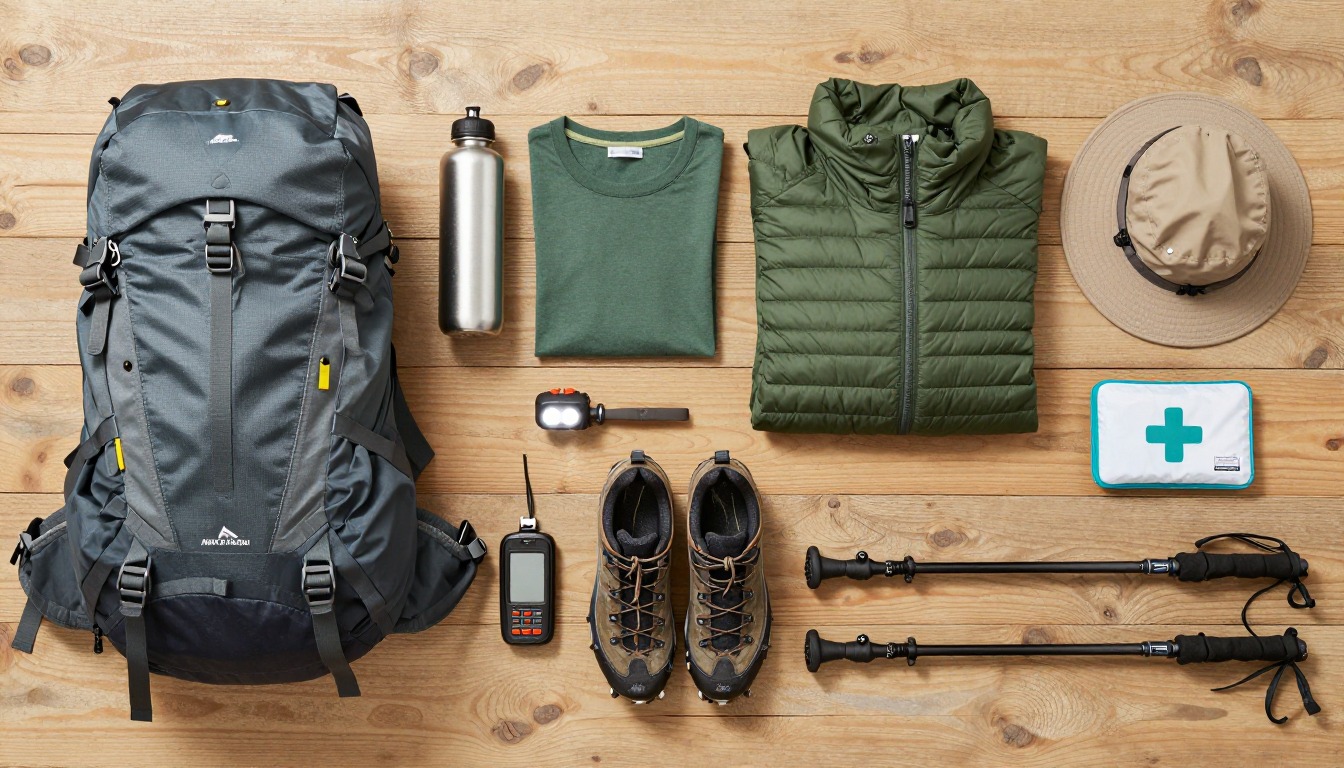
Full curated kits built for exactly this kind of hike.
Trail conditions, permits and access rules change without notice — always confirm current information on the official source above before you go. Some facts on this page are still pending owner verification and are marked accordingly. Product links and the accommodation map are affiliate links: we may earn a commission at no extra cost to you; product prices and availability are shown on Amazon, and accommodation prices on the booking site. See our affiliate disclosure.