
Affiliate disclosure: this page contains affiliate links. Purchases made through them may earn us a commission at no extra cost to you. See our affiliate disclosure.
In plain English
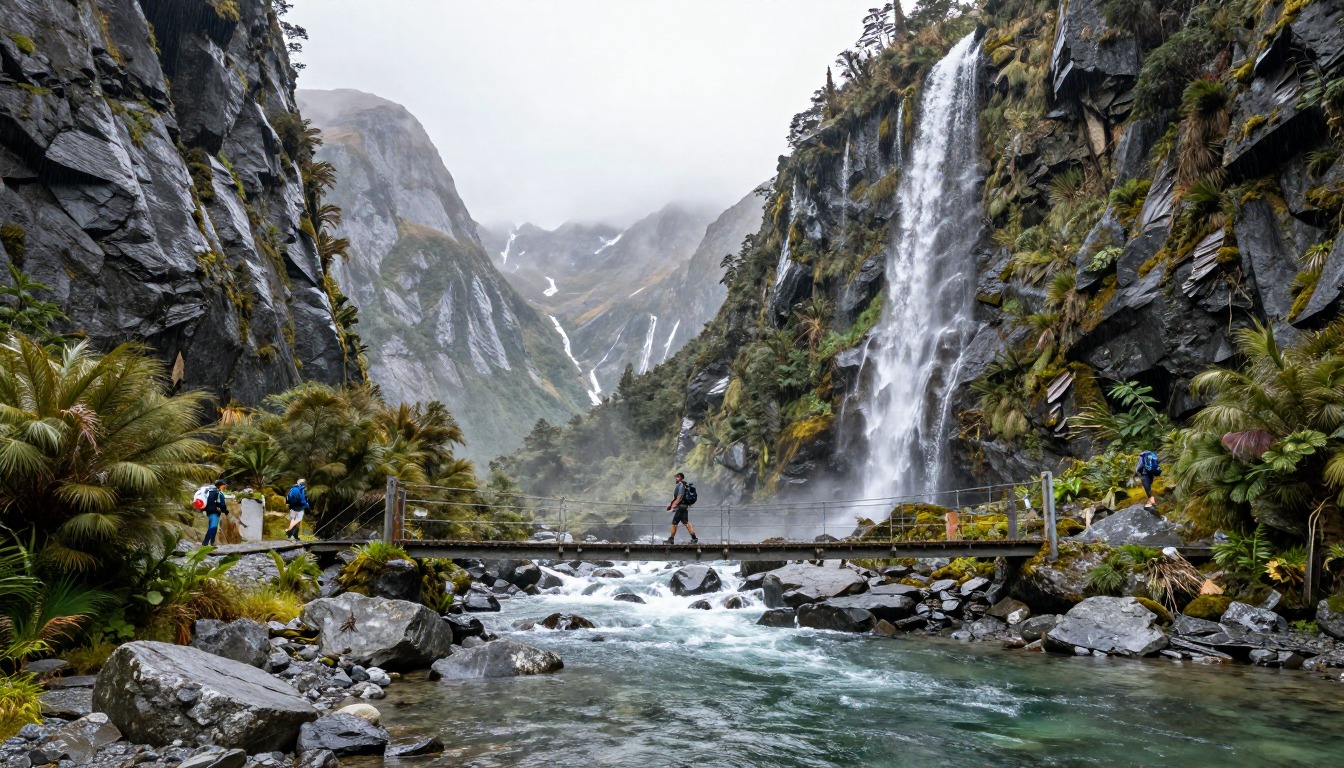
The Milford Track is a four-day walk through rainforest and over a mountain pass in New Zealand's Fiordland National Park. You can only walk it one way, and during the main season you book a bed in three huts on set nights, so everyone moves along together.1
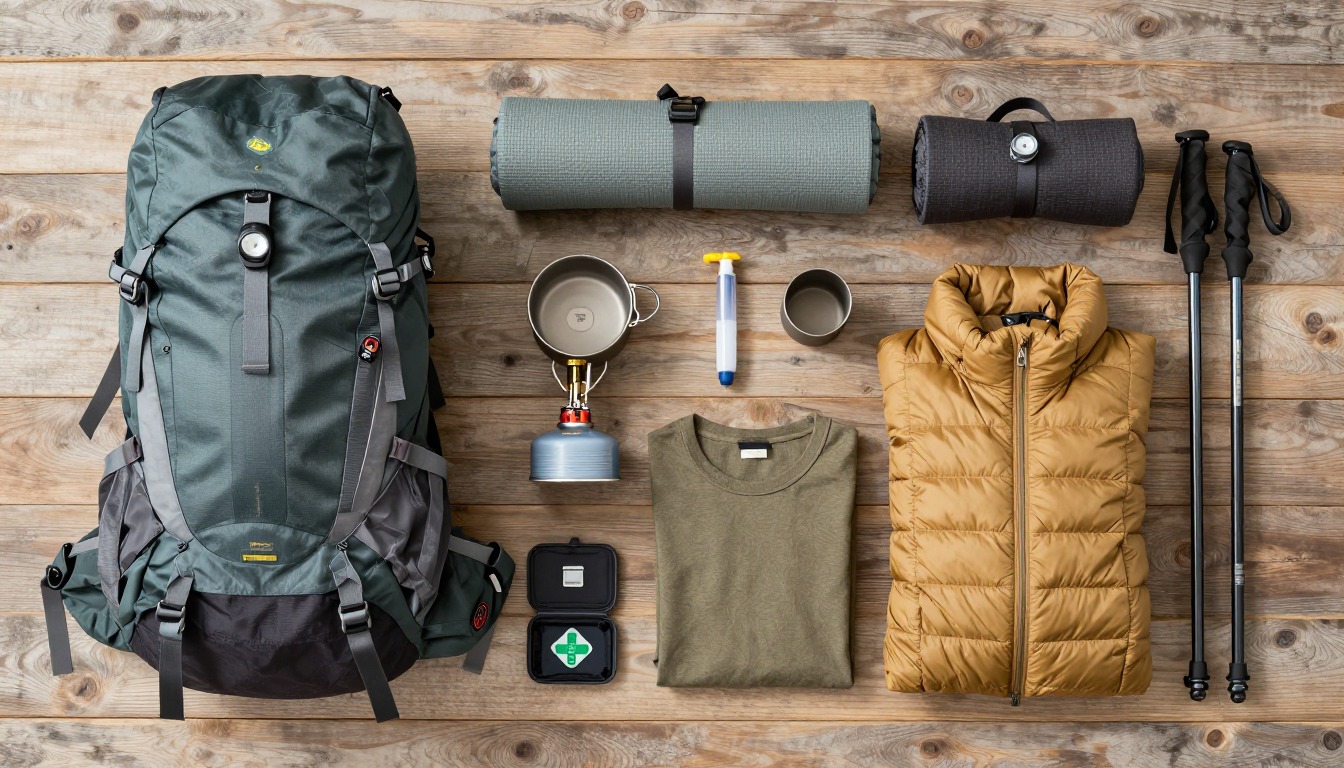
The huts are basic cabins with bunk beds and mattresses, heating, toilets and a simple cooking area.1 You do not need a tent. You do need to carry your own food, a pot, a sleeping bag and good rain gear.
The big thing to understand is rain. Fiordland can get up to 9,000 mm of rain a year, and heavy rain can make the valleys impassable.1 Plan to be wet, keep your warm clothes in a waterproof bag inside your pack, and treat the pass day as the one that needs an early start and extra care.
What the hike is like
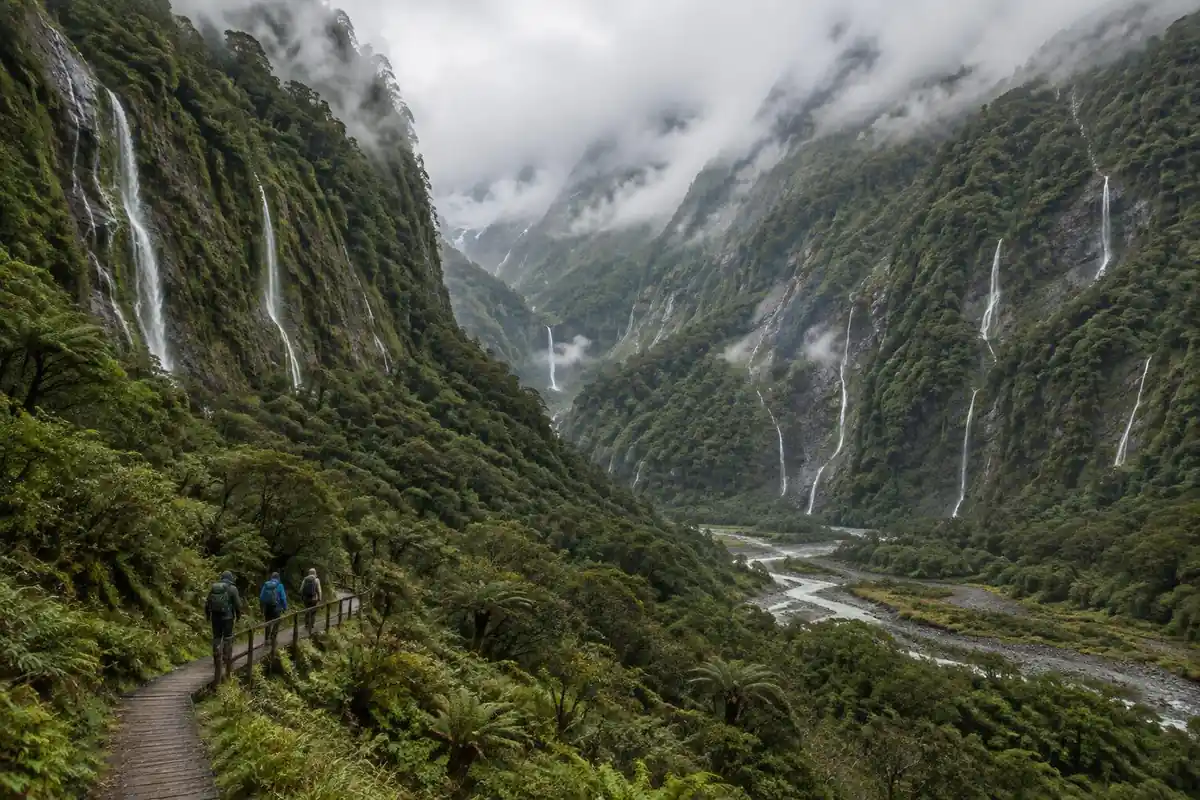
The Milford is a benched, beautifully built track for most of its length — boardwalk over wet ground, gravel, cut steps and long stretches of packed dirt through moss-hung rainforest, with the river never far off. The first two days are essentially valley-floor walking, flat to gently rising, under cliffs where waterfalls appear and vanish depending on how hard it has rained. The pass day is the outlier: a switchbacking climb onto open alpine ground with no tree cover, where wind and weather hit you directly, followed by a long, knee-testing descent on rock steps back into the forest. The final day is the longest flat stretch of the whole track, a steady walk along the valley to the boat pickup, with roots, gravel and duckboard rather than any real climbing.
How to plan the itinerary
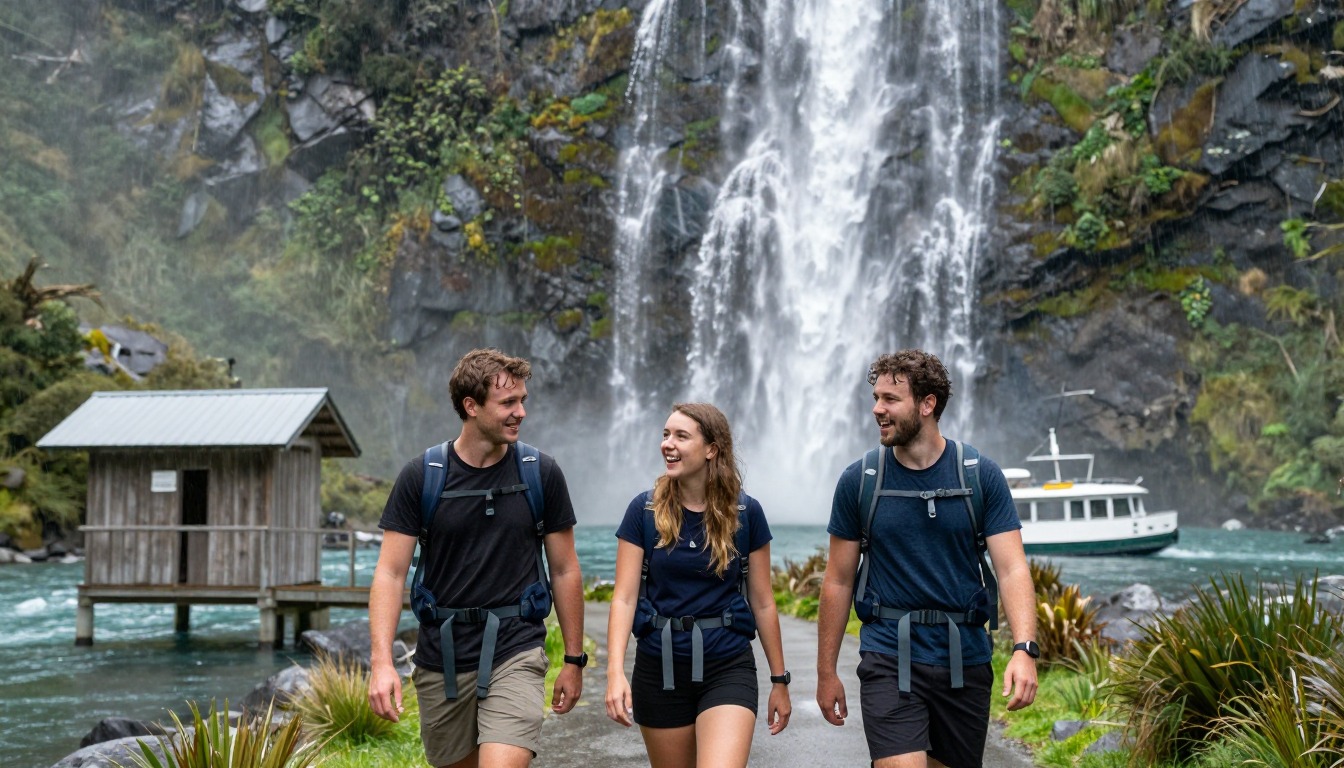
The itinerary isn't really yours to design — the track runs one way, over four days, with the huts at Clinton, Mintaro and Dumpling fixed by your booking, so the stages are locked in before you arrive in New Zealand. Day one is short, little more than a walk from the boat to the first hut. Day two is a longer but gentle valley approach. Day three is the big one: the climb to the pass, the exposed alpine crossing and a long descent to the third hut, and most walkers leave early to give themselves time to wait out weather or linger if the pass is clear. Day four is long, flat and deadline-driven, because the boat at the far end leaves on a schedule and you need to be there for it.
Plan this trip in 5 steps
-
Pick the right pack
Match a pack to your trip, fit and priorities.
-
Plan food & water
Calories, food weight and water for your days on trail.
-
Estimate your time
Pre-filled with this trail’s distance and climb — adjust for your pace.
Trail-specific tips
Pack as though it will rain, because in Fiordland it very often does, and the track's rivers and side streams rise fast when it does. The pass day rewards an early start — weather up there is changeable and you want spare hours, not a tight margin. Save some leg strength for the descent off the pass; it's steeper and longer than the climb and it's where tired walkers turn ankles. Sandflies find you the instant you stop moving, so have cover within reach. For conditions judgment generally, see /trail-smarts/.
Permits & rules
The Milford is one-way and, in the Great Walk season, requires advance hut bookings for a fixed date and direction. No camping is allowed on the track. Outside the Great Walks season (1 May to 31 October) bookings are not required and bunks are first come, first served; there are no rangers at the huts and conditions are more serious.
Gear suited to this hike
Matched to the terrain and conditions here. Real products — check current price on Amazon.



What DOC's official figures say, and where this page differs
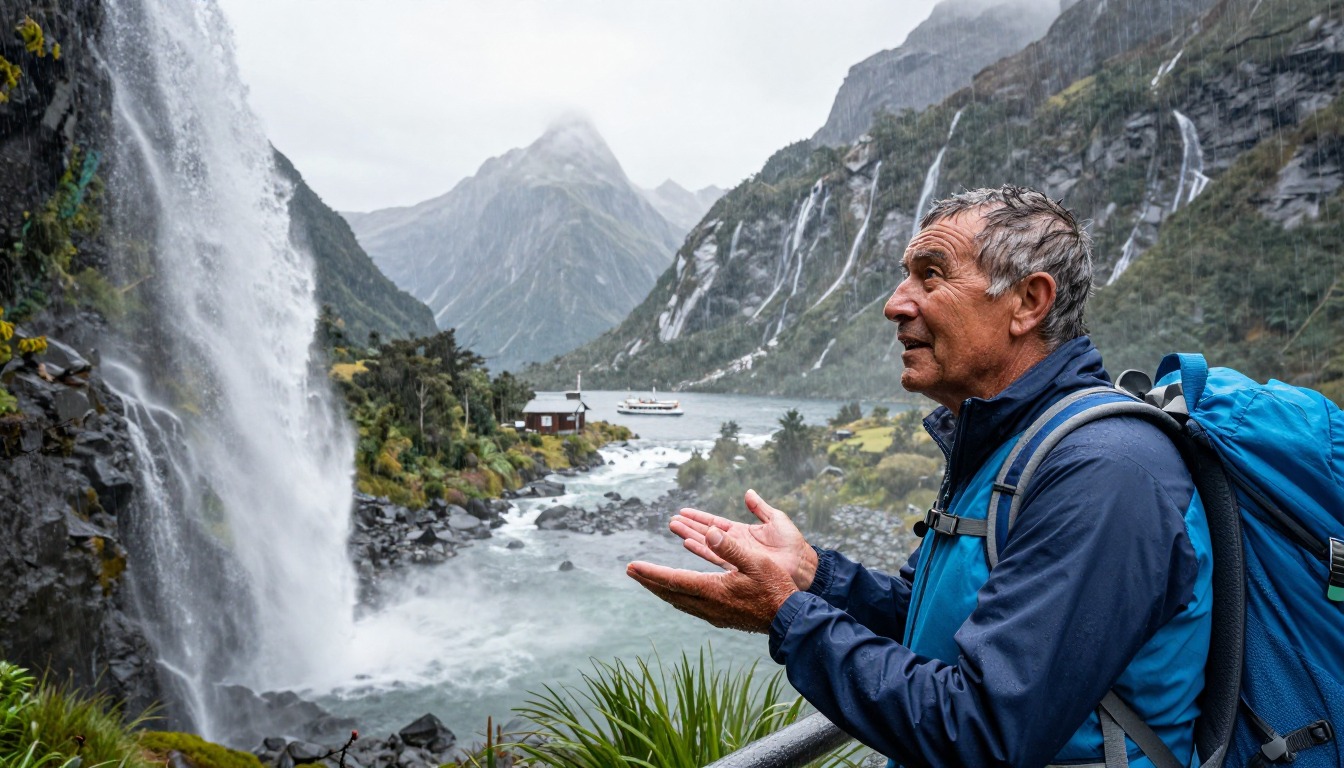
The Department of Conservation gives the track as 53.5 km over four days: about 5 km on day one (1 to 1.5 hours), 17.5 km on day two (about 6 hours), 13 km on day three (6 to 7 hours) and 18 km on day four (5.5 to 6 hours).1 It can only be walked in one direction over three nights and four days, and camping is not permitted.1
Season dates are worth checking each year: some sources list the season as late October to April, while DOC gives the 2026/27 Great Walks season as 1 November 2026 to 30 April 2027.1 Use DOC's dates when booking. DOC also notes that the track is not recommended for children under 10 and that a DOC ranger is in residence during the Great Walks season.1
Early-season walkers should know one more thing: DOC says avalanche risk can extend into December, with more than 57 avalanche paths on the route.1 That is a strong reason to follow ranger advice on the pass and valley sections rather than your own schedule.
How the huts shape your pack
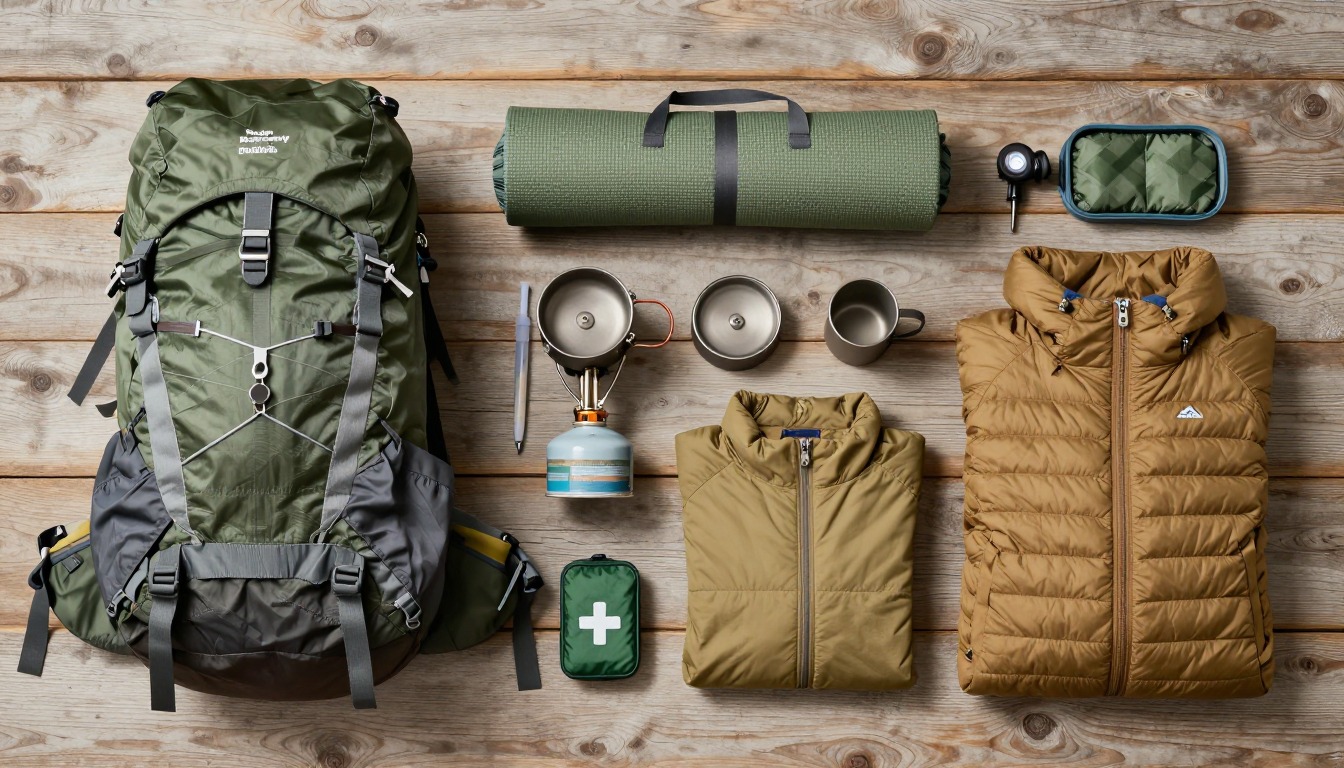
DOC lists what huts provide: bunks, mattresses, heating, toilets, basic cooking facilities, solar-powered lighting and cold running water. They do not provide cooking utensils or showers.1 That means no tent or sleeping pad, but you still need a pot, utensils, all your food and a warm bag. DOC's gear list suggests a 40 to 60 liter backpack, a three- to four-season sleeping bag, hiking boots or firm footwear and a waterproof, windproof raincoat with a hood.1
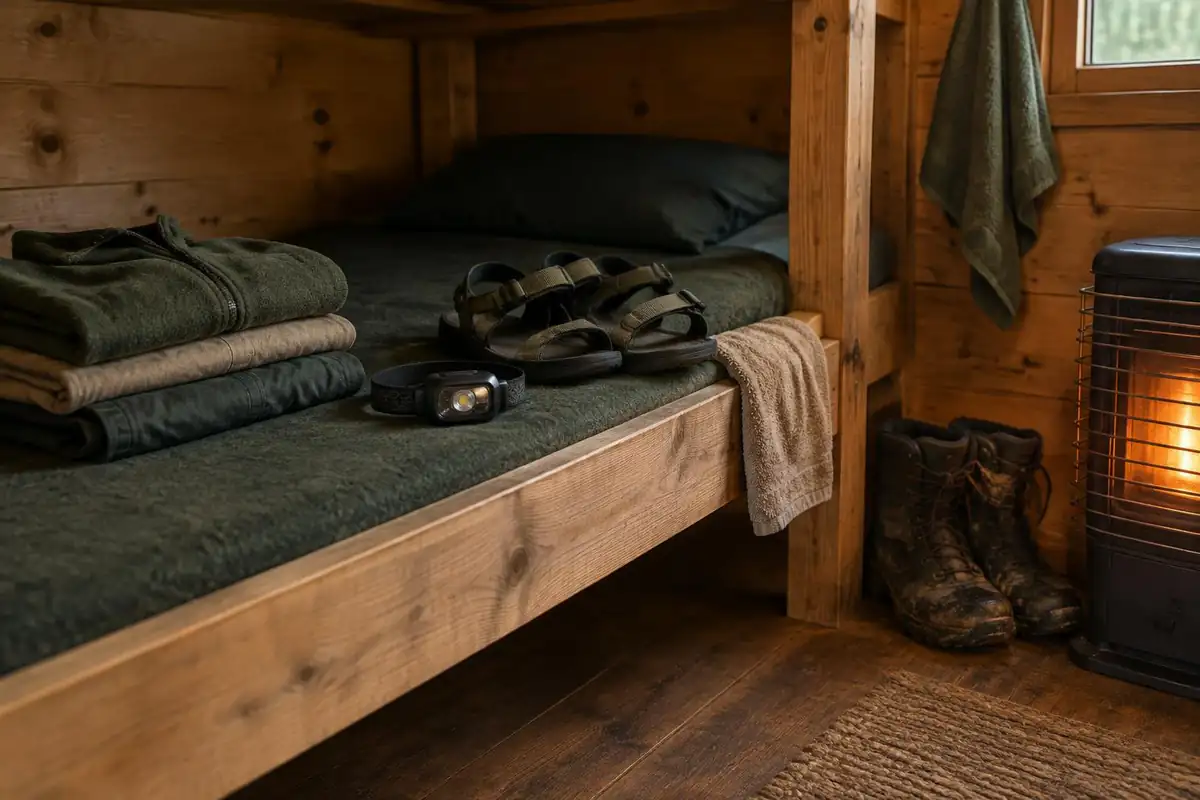
There is no cellphone coverage on the track, according to DOC, so leave a trip plan with someone at home and consider how you would call for help.1 The NPS gives the same general advice for any backcountry trip: do not rely on a cell phone and consider a personal locator beacon.2
Rain, cold and staying warm when wet
DOC notes that Fiordland receives up to 9,000 mm of rain a year, that valleys can become impassable during heavy rain, and that cold temperatures, snow, strong winds and heavy rain can occur at any time of year.1 That combination matters because the CDC says hypothermia can develop even above 40°F if you get chilled from rain, sweat or cold water.3
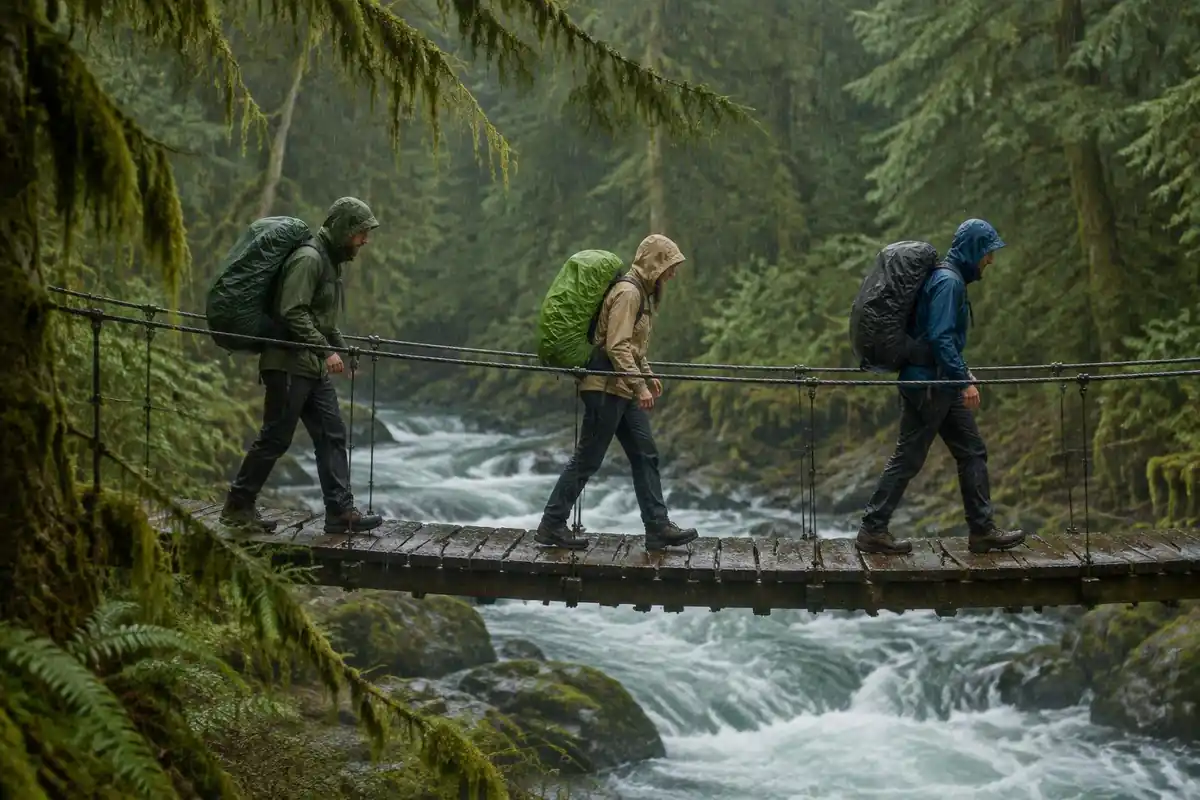
Wet feet are part of the Milford experience, and NIOSH notes that wet feet lose heat 25 times faster than dry ones.4 The NPS advises wool or synthetic layers over cotton, which absorbs moisture and will not keep you warm when wet.5 A practical approach is a pack liner or dry bags for the sleeping bag and one set of dry camp clothes, kept sealed until you reach the hut each evening.
Common questions
Can I walk it faster, slower, or in the other direction?
No. The track runs one direction only and the huts are booked for specific nights, so the four-day structure is fixed for everyone walking that week. If you're quick, you'll simply arrive at the hut with the afternoon free — which most people treat as a feature rather than a problem, given how much there is to look at.
How hard is the pass day for an average hiker?
It's the hardest of the four but well within reach for anyone comfortable with a long day of climbing and descending. The climb is graded and switchbacked rather than brutally steep. What makes it demanding is exposure at the top and the length of the descent afterward, which punishes knees far more than the ascent punishes lungs.
Do I need previous multi-day experience to do the Milford?
It's often someone's first multi-day walk and that works out fine, because the track is well built, well marked and hut-based, so you carry food and clothing rather than a tent. The genuine requirements are rain-proof gear that actually works, a willingness to walk in the wet, and enough fitness for four consecutive days.
What happens if the weather turns bad?
Heavy rain is normal here rather than exceptional, and the track is built for it — but serious weather can flood sections and affect the pass crossing. DOC rangers are in residence during the Great Walks season, and their advice on conditions is the one to follow over your own schedule. Build flexibility into your travel plans at both ends.
Complete gearsets for this trip
Full curated kits built for exactly this kind of hike.
Trail conditions, permits and access rules change without notice — always confirm current information on the official source above before you go. Some facts on this page are still pending owner verification and are marked accordingly. Product links and the accommodation map are affiliate links: we may earn a commission at no extra cost to you; product prices and availability are shown on Amazon, and accommodation prices on the booking site. See our affiliate disclosure.