
The shoulder-season backpacking setup
Spring and fall backpacking trade summer's certainty for its best rewards — quiet trails, cooler days, and far fewer bugs. The tradeoff is a temperature swing that can run 40 degrees between a warm afternoon and a frosty night, so this setup is built around one kit with a wider comfort range, not a warm-weather kit you hope holds up.
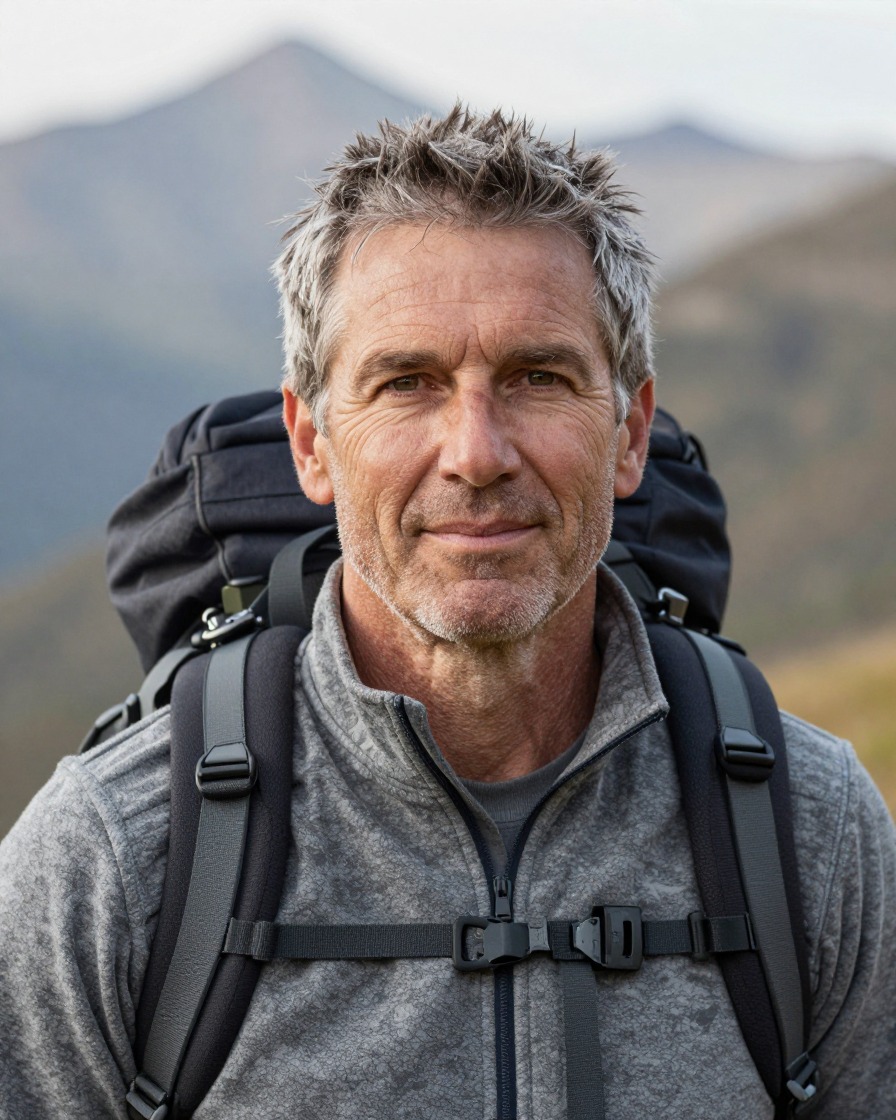
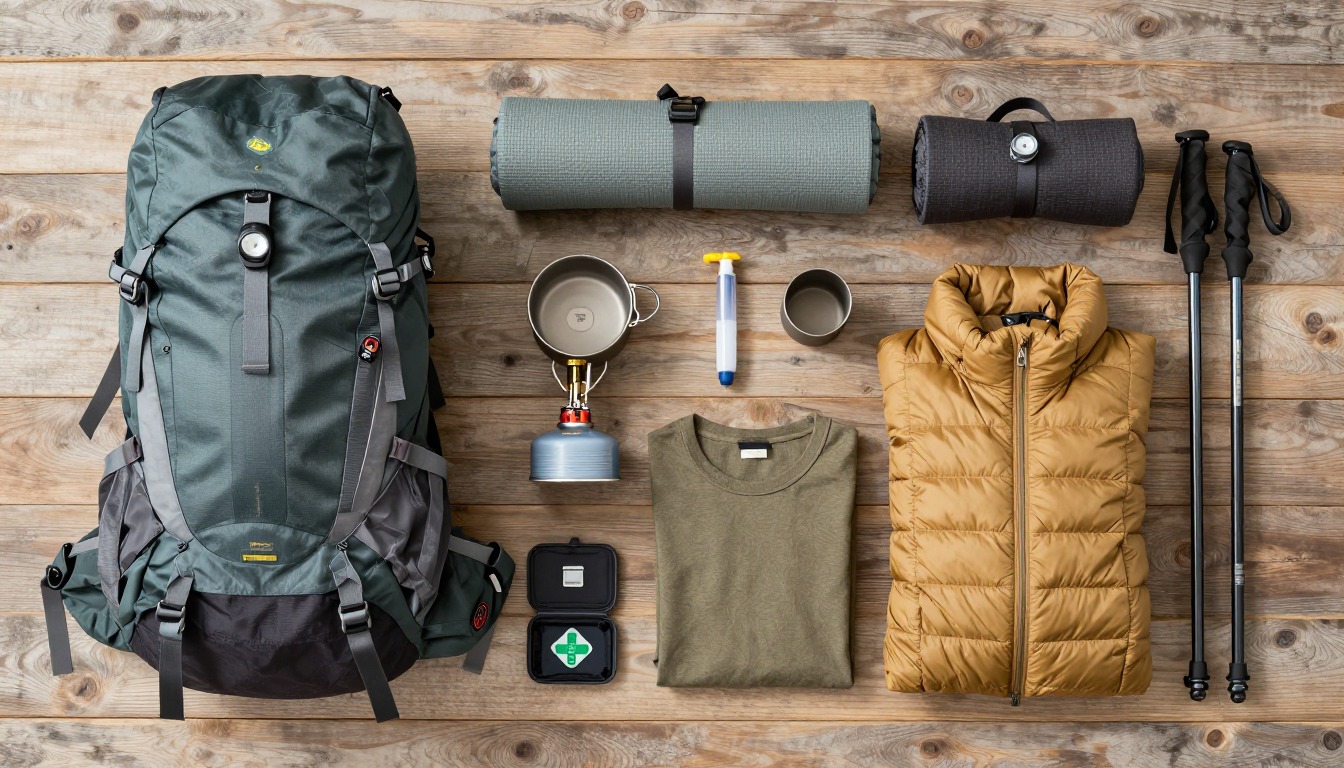
Spring and fall don't average out to mild — they swing. A sunny 65-degree afternoon can end in a 25-degree night, sometimes with little warning. The fix is a kit whose worst-case coverage is genuinely cold and wet, so you simply don't use the extra margin on the easy days: a warmer bag and higher-R pad than July, a layering system built around real insulation, and a mindset that keeps sun, wind, rain, and a hard frost all on the table for one trip.
This setup suits backpackers heading into spring or fall, where nights can drop near or below freezing even though the days are pleasant. A lighter summer kit suits you better if you only ever camp on warm nights; heading into sustained snow or true winter cold, treat this as the base and add a dedicated winter setup's traction and redundancy.
- Build your sleep system around the coldest night you could hit, not the average forecast — a bag rated well under freezing, a pad with real R-value.
- Pack a full layering system, not one jacket: base layer, active insulation, a warm camp layer, and a genuinely waterproof shell.
- Plan around early darkness on both ends of the season — start earlier, carry a real headlamp, and build in a buffer before dark.
- Treat changeable weather as the default — keep rain gear accessible all day, and watch the sky as much as the trail.
About this setup
Shoulder season is when a lot of backpackers get their best trips and their coldest nights, often in the same 24 hours. The trails are quieter than peak summer, the bugs have mostly gone, and the light — low sun, turning leaves or new green — is some of the best of the year. What it isn't is stable. A forecast for a mild afternoon says almost nothing about the overnight low, and a clear morning is no promise about the afternoon.
The gap between day and night temperature is the whole story. A shoulder-season trail can run 30–40+ degrees warmer in the afternoon sun than at 4 a.m. in a valley or near water, where cold air pools. That swing is what a summer sleep system isn't built for, and it's why the biggest single upgrade here isn't a new jacket — it's a warmer bag and a pad with more insulation underneath you. Everything else follows from planning for the cold end of that range while staying comfortable at the warm end.
The other variable is daylight and weather, not just temperature. Sunset creeps earlier fast through fall, and full daylight doesn't return until well into spring, so a plan built on summer's long evenings runs out of light faster than expected. Add weather that can shift from sun to wind-driven rain or a wet snow shower in one afternoon, and the sensible approach is to pack for range: warm enough for the cold night, dry enough for the sudden squall, and organized so you're never digging through the pack for the layer you need right now.
The pack
A 45–55 L pack gives you room for the fuller layering system and warmer sleep gear that shoulder season adds, without the excess of a full winter load.
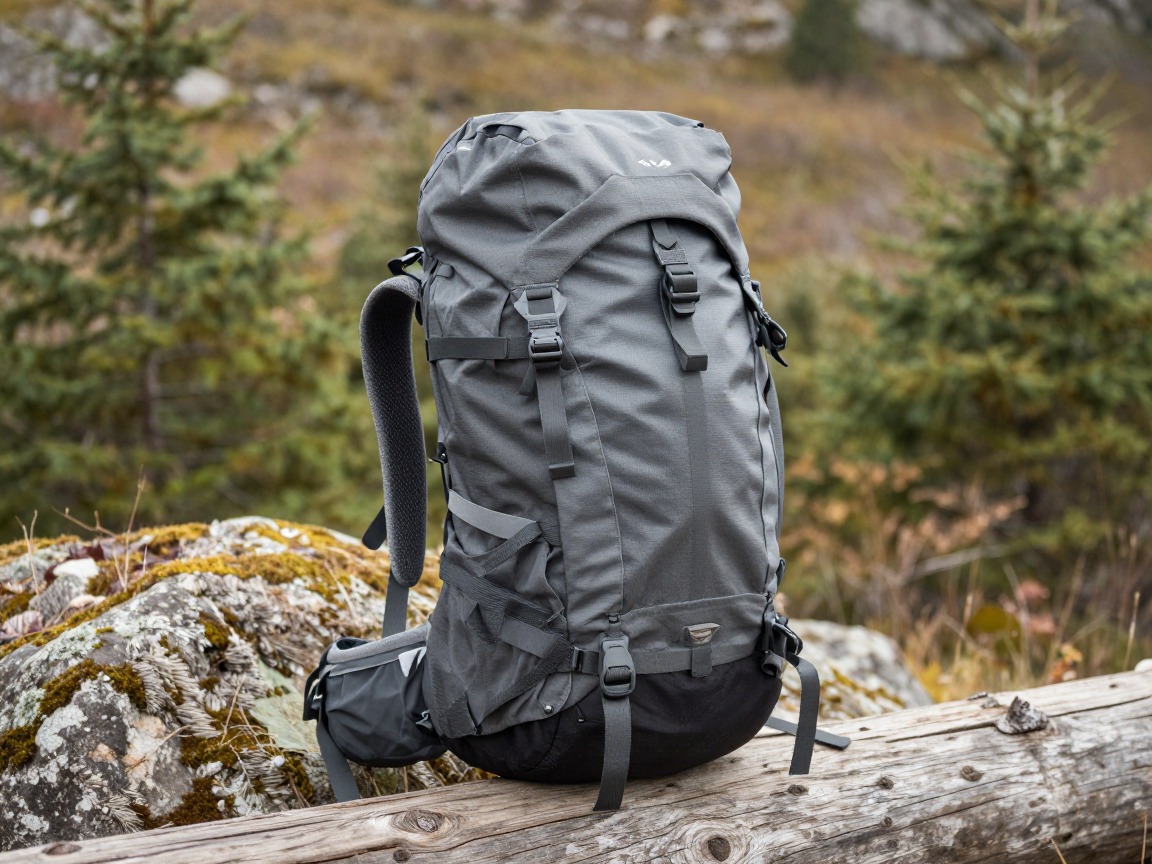
Overnight backpack
Carries the sleep system, extra insulation, and food for a shoulder-season trip; fuller layering and a warmer bag take more room than a pure summer kit.
What to look for: 45–55 L with a hip belt that genuinely transfers weight to your hips, a torso length matched to you, and room for a bulkier bag and extra layers without strapping gear to the outside.
 WoneNice 50L Check price
  Teton 55L Scout Internal Frame Backpack for Hiking Check price
 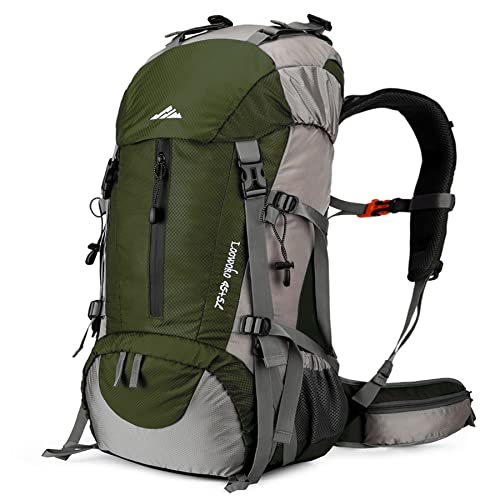 Loowoko 50L Hiking Backpack with Rain Cover for Both Men & Women Check price
 - A pack rain cover or liner — changeable weather means rain gear earns its keep more often
Shelter
A freestanding three-season tent with real venting handles both a warm, humid night and a cold one where condensation is the enemy.
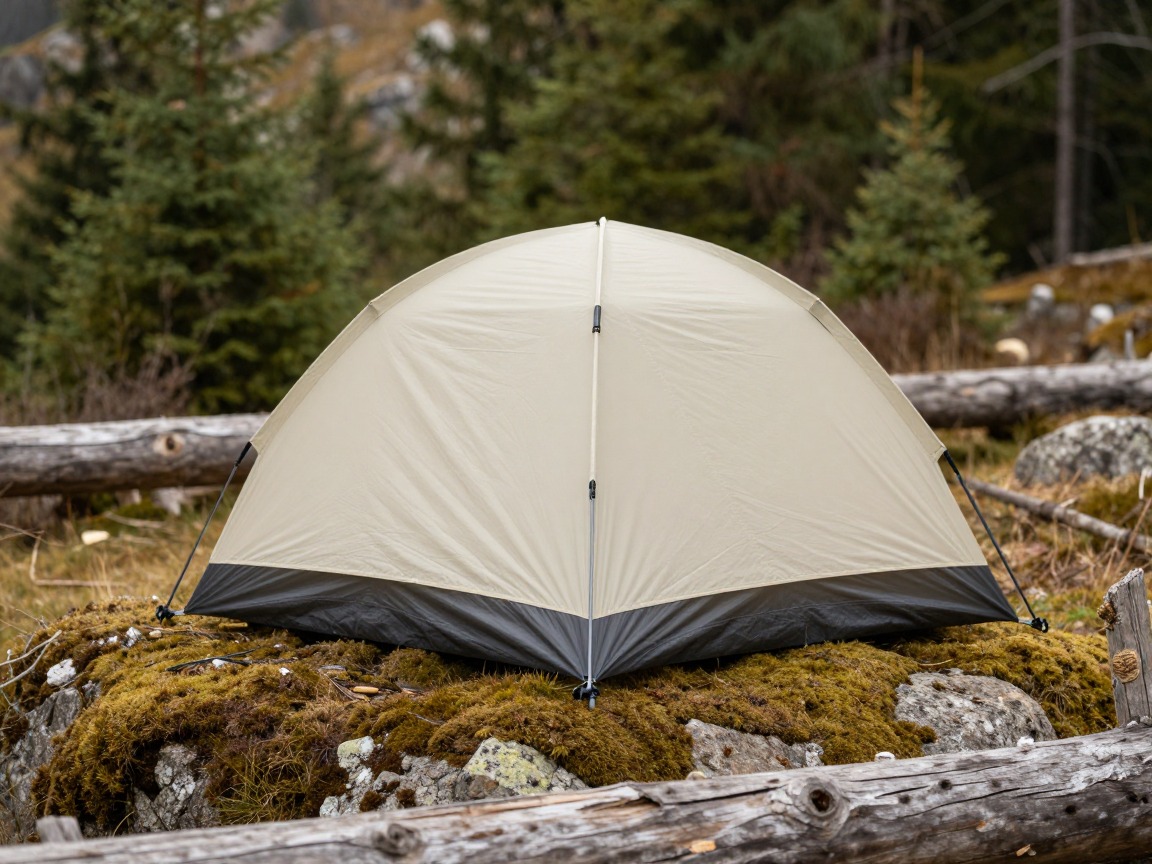
Backpacking tent
Your protection from wind-driven rain, frost, and the occasional early- or late-season snow shower as much as from bugs.
What to look for: A full-coverage fly for wind and rain, good ventilation to manage condensation on cold, still nights, and a pitch you can manage quickly if the weather turns while you're setting up.
 Night Cat 2-Persons Backpacking Tent: Waterproof Lightweight Camping Check price
  BISINNA 2/4 Person Camping Tent Lightweight Waterproof Backpacking T Check price
  Forceatt Tent for 2 Person is Waterproof and Windproof Check price
 - Stakes rated for firmer, sometimes-frozen ground
- Groundsheet or footprint
Sleep system
This is where shoulder season changes the kit most: a warmer bag and a higher-R pad than you'd carry in summer, because the night — not the day — sets the requirement.
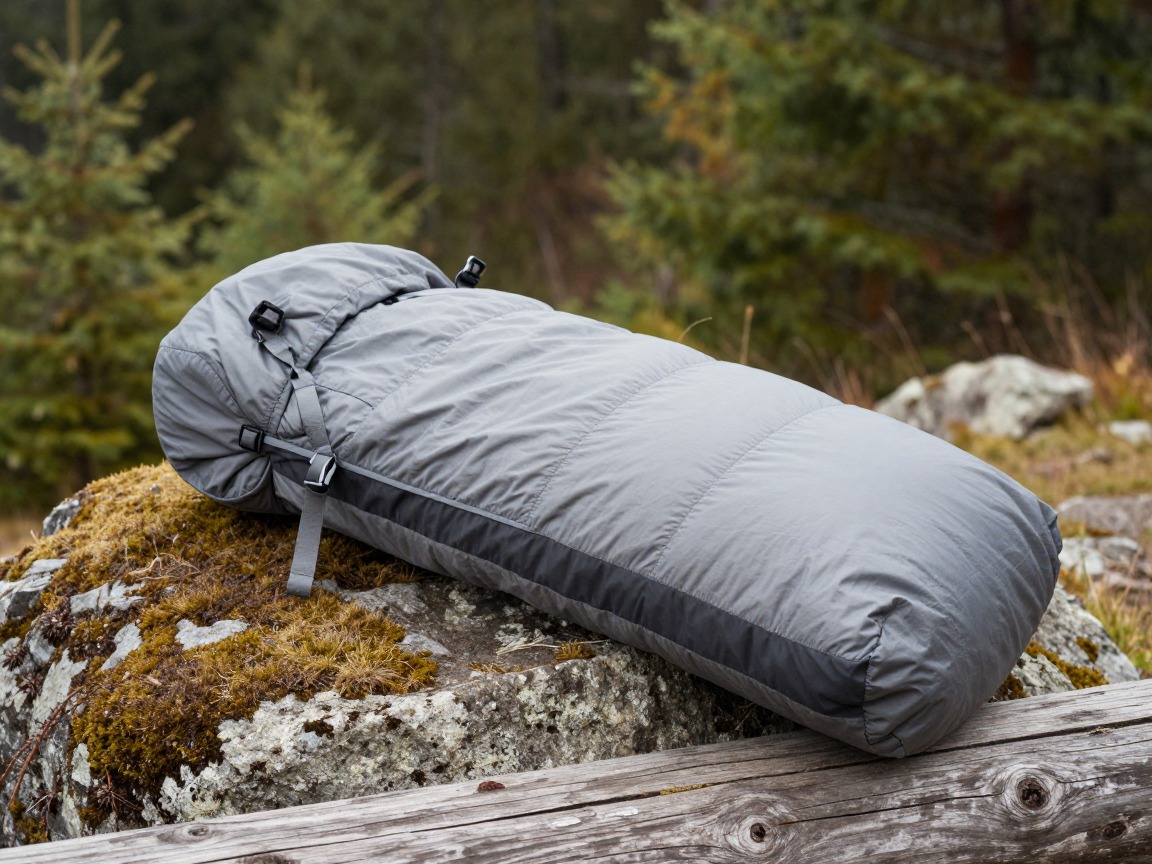
Sleeping bag
Rated for the cold end of the swing, not the pleasant afternoon — the point of a shoulder-season kit is a bag that handles the night you didn't expect.
What to look for: A comfort rating that covers a hard frost, meaningfully lower than a pure summer trip, with a hood and draft collar that hold the warmth in. A liner adds useful margin without a heavier bag.
 MalloMe Sleeping Bags for Adults Cold Weather & Warm - Backpacking C Check price
 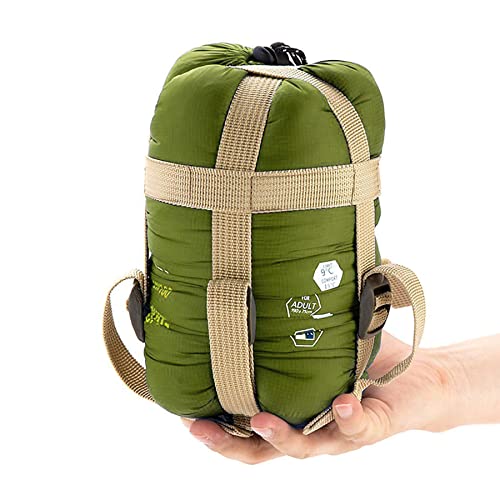 ECOOPRO Portable Check price
  Teton Trailhead Check price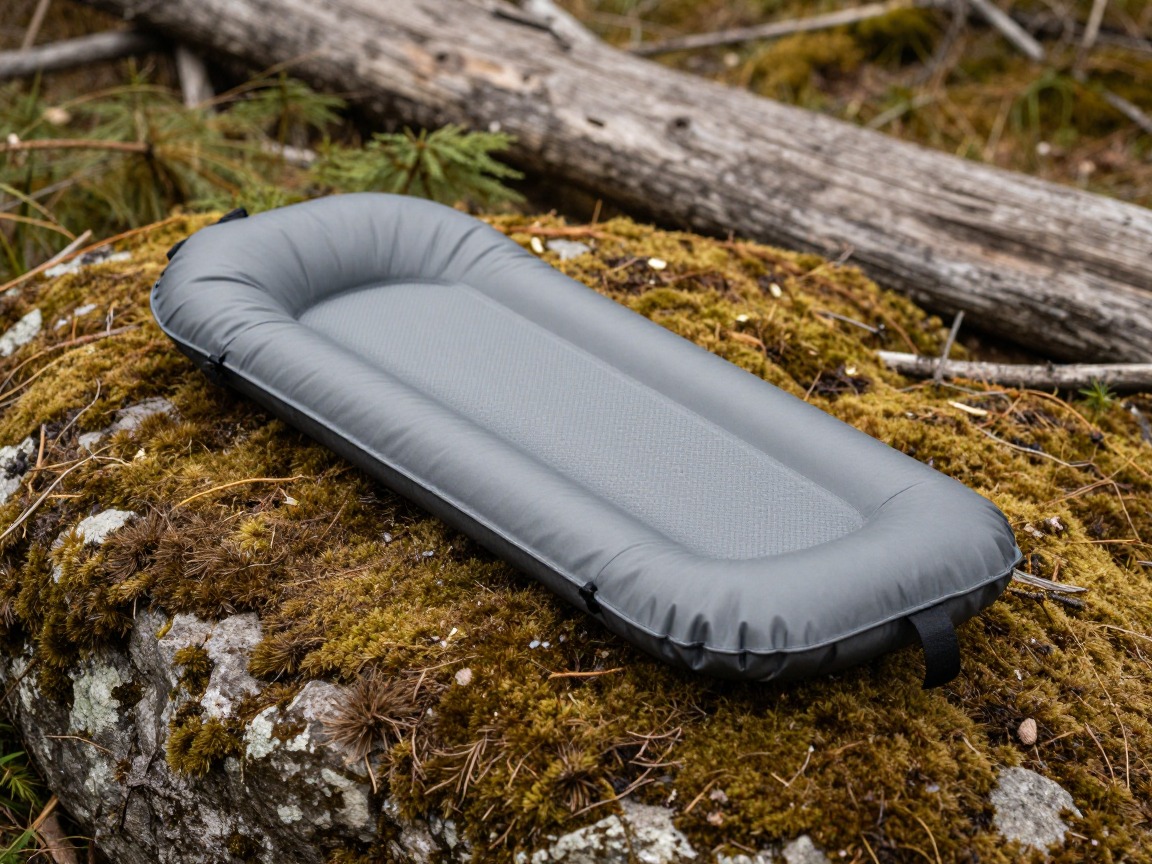
Sleeping pad
Insulates you from ground that's noticeably colder than the air once the sun goes down — the difference between a warm night and a cold one.
What to look for: A meaningfully higher R-value than a summer pad, since cold ground pulls heat out of a bag faster than cold air. A thicker pad also helps on firmer ground.
 FUN PAC Camping Sleeping Pad Check price
  Gear Doctors® Ether 17.5oz Ultralight Camping Sleeping Pad Check price
  Oramoose 4in Ultralight Camping Sleeping Pad with Pillow and Foot Pu Check price
 - Sleeping bag liner for extra range without a heavier bag
- Inflatable or stuff-sack pillow
Kitchen & water
The kitchen doesn't change much from summer, but cold mornings and the risk of a frozen filter do.
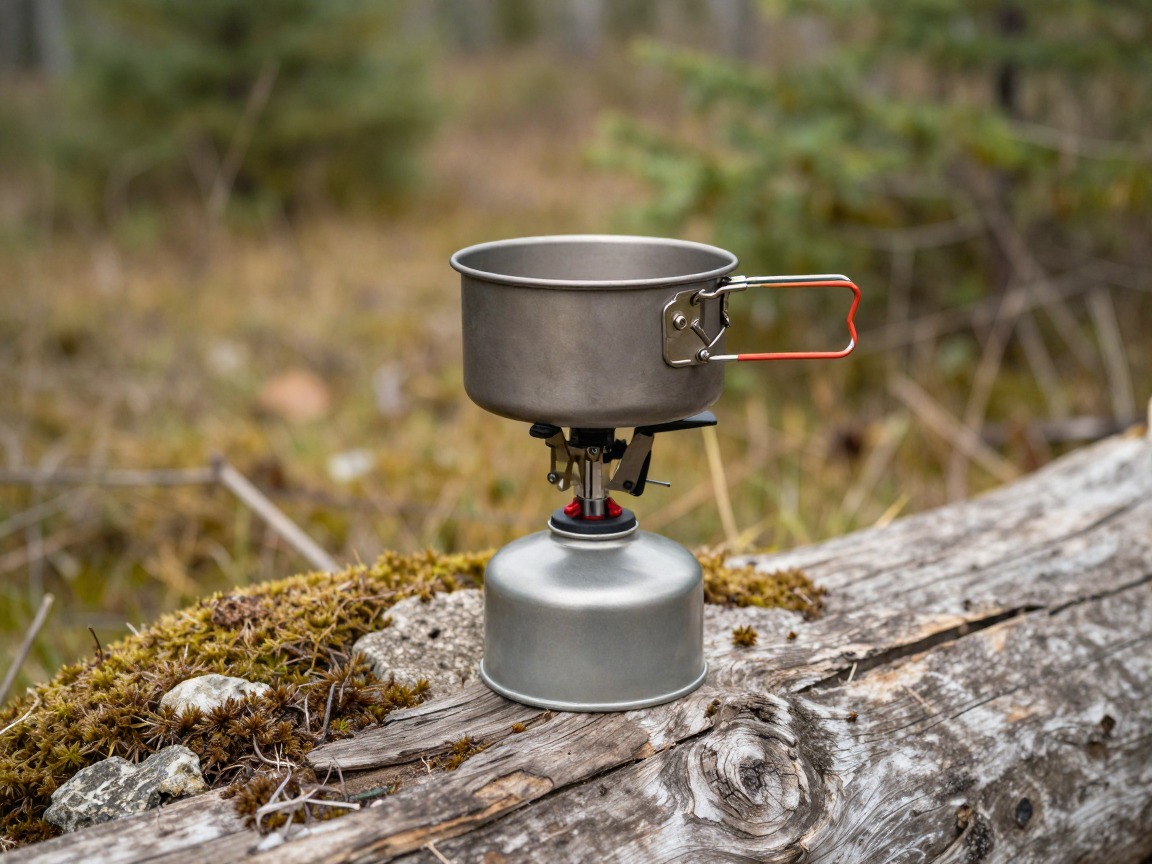
Backpacking stove
Boils water for dinner and, just as valuably here, a hot drink at a cold camp or frosty trailhead start.
What to look for: A stable canister stove with reliable cold-air performance — output drops in the cold, so a wide base and the habit of warming the canister in a jacket pocket before lighting are worth having.
 AOTU Portable Camping Stoves Backpacking Stove with Piezo Ignition S Check price
  MSR PocketRocket 2 Ultralight Camping and Backpacking Stove Check price
  Fire-Maple Greenpeak 1 Camping Stove with Piezo Ignition Portable Ga Check price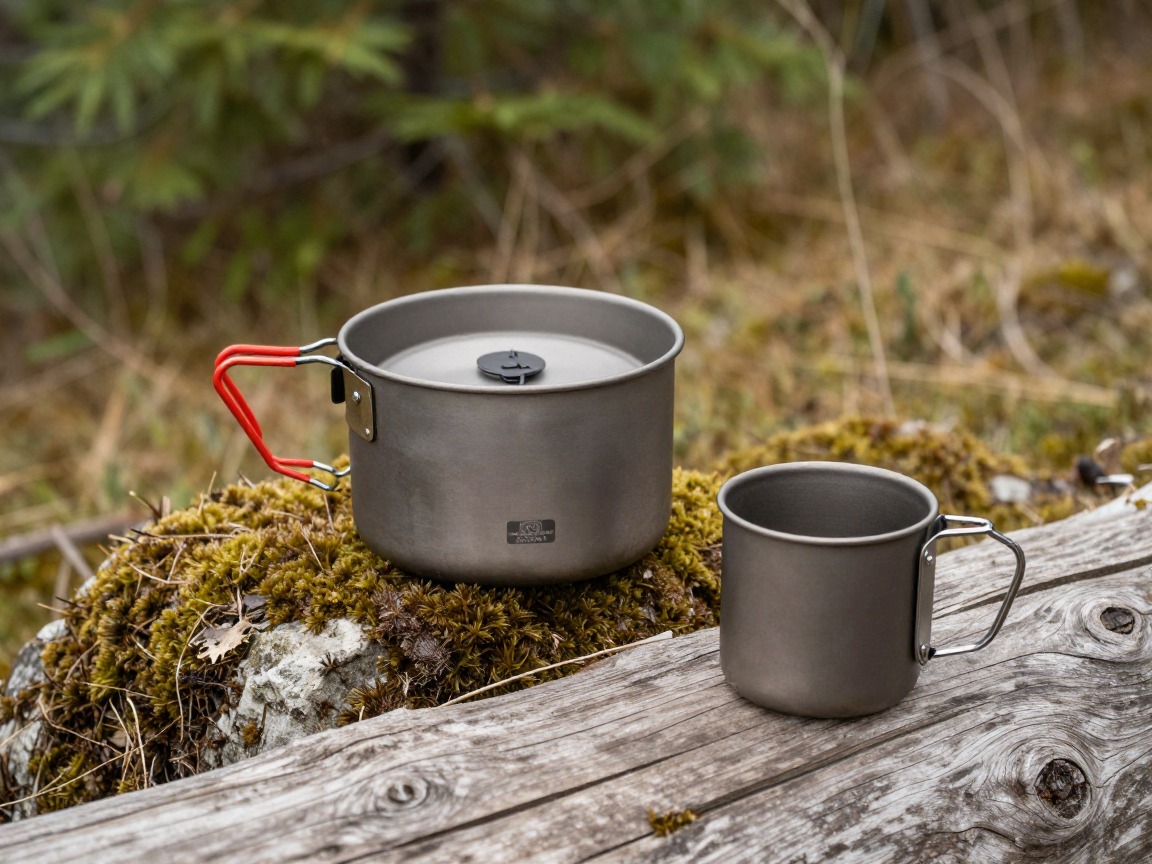
Pot & mug
One pot handles dinner and doubles as a bowl; an insulated mug keeps a hot drink hot on a cold morning.
What to look for: A pot sized to your meals in light metal like titanium or hard-anodized aluminum, with a lid that doubles as a plate. Simple and durable beats elaborate.
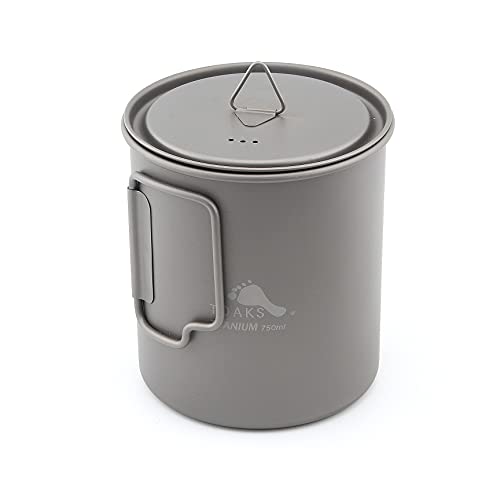 TOAKS Titanium 750ml Pot Check price
  TOAKS Titanium 750ml Pot with Bail Handle for Ultralight Camping Check price
  TOAKS Titanium 1100ml Pot with Pan Check price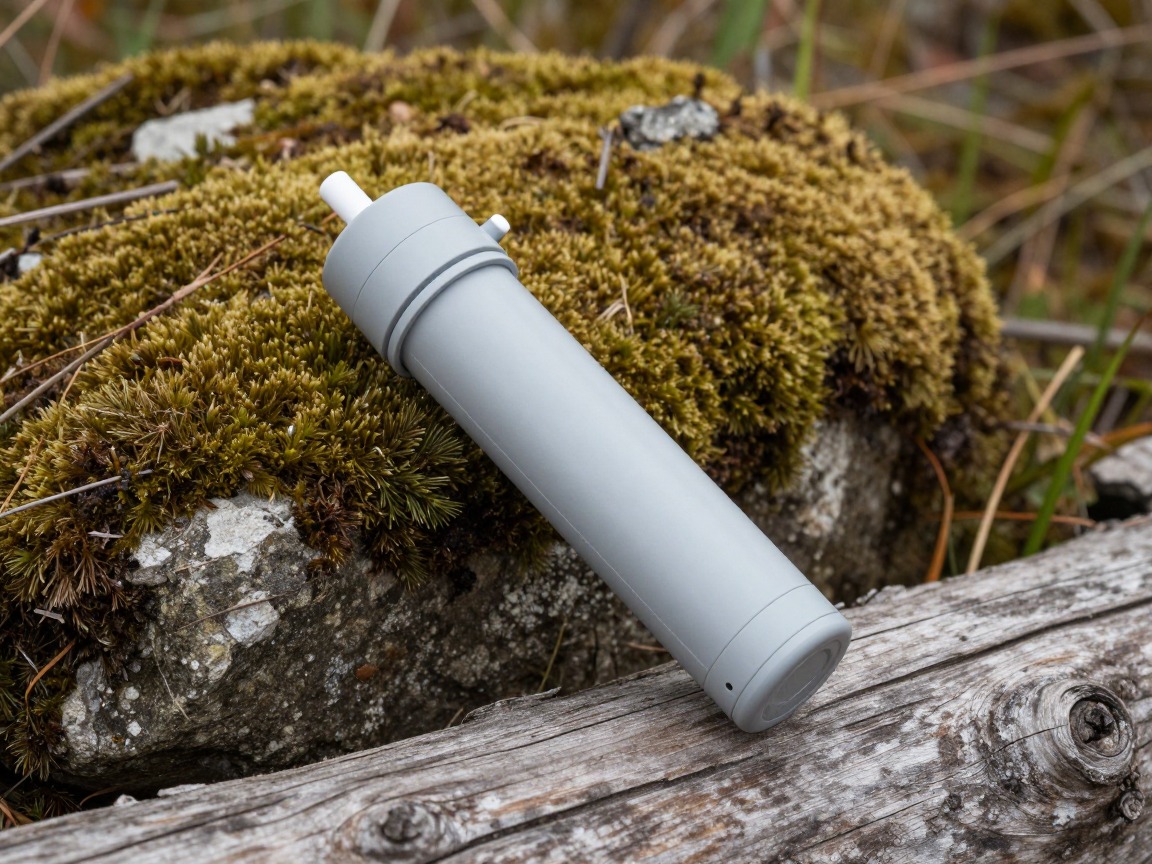
Water filter
Treats stream and lake water so you can carry less — and here needs a plan to avoid freezing overnight.
What to look for: Reliable flow and easy field cleaning, plus sleeping with the filter, or storing it inside your bag, on nights near freezing — a frozen filter can crack without warning.
 Sawyer Squeeze Water Filtration System Check price
  Sawyer Products SP128 Mini Water Filtration System Check price
  LifeStraw Personal Water Filter for Hiking Check price
 - Fuel canister (cold reduces output — carry a little extra)
- Spork & lighter
- Meals & snacks for each day, plus a hot-drink option
- Food storage appropriate for the area
Clothing & layers
This is the other place shoulder season adds to a summer kit: a fuller layering system built to add real insulation, not just a windbreaker.
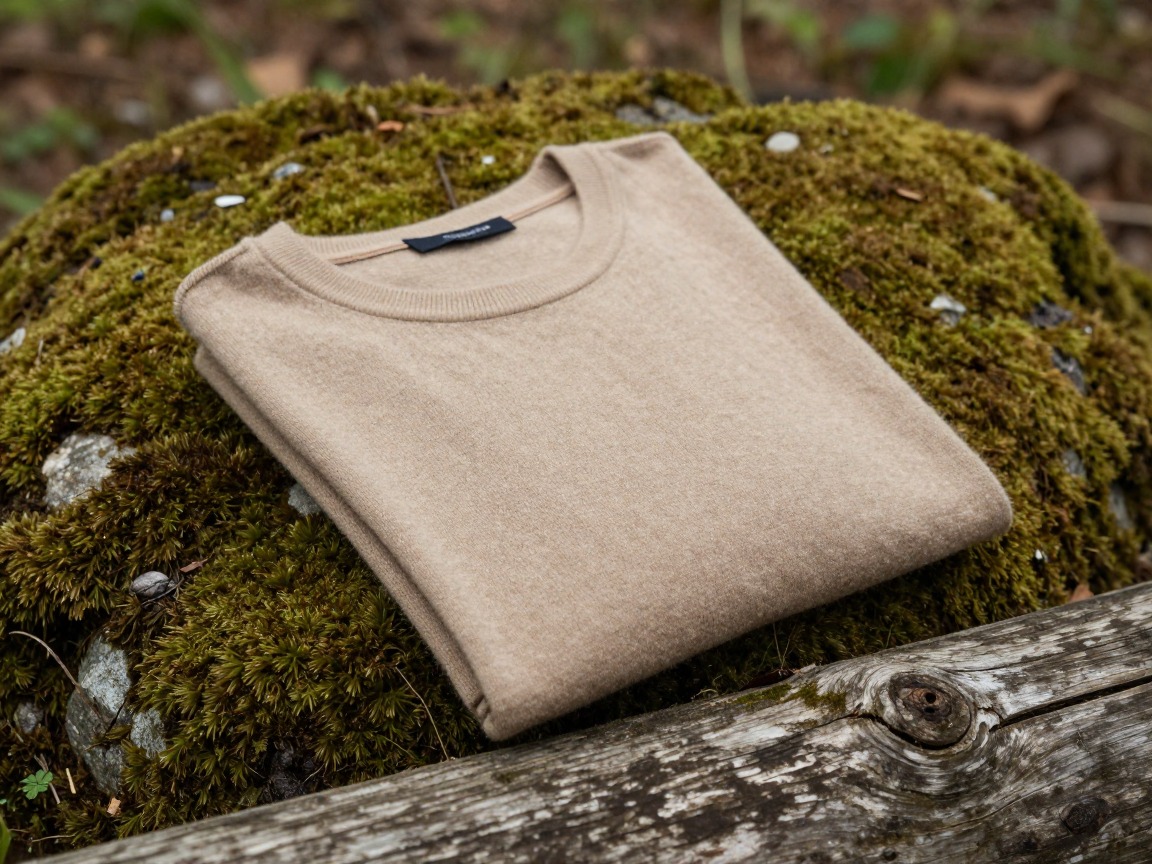
Base layer
Wicks sweat on a warm climb and keeps working as your first layer of warmth once the temperature drops.
What to look for: Merino or a blend that keeps insulating even damp with sweat, in a midweight suited to a wide temperature range.
 100% Merino Wool Base Layer Men Set - Thermal Underwear for Men Long Check price
  Merino.tech Merino Wool Base Layer Women Set - Heavyweight Check price
  100% Merino Wool Base Layer Men Set - Thermal Long Underwear with Ba Check price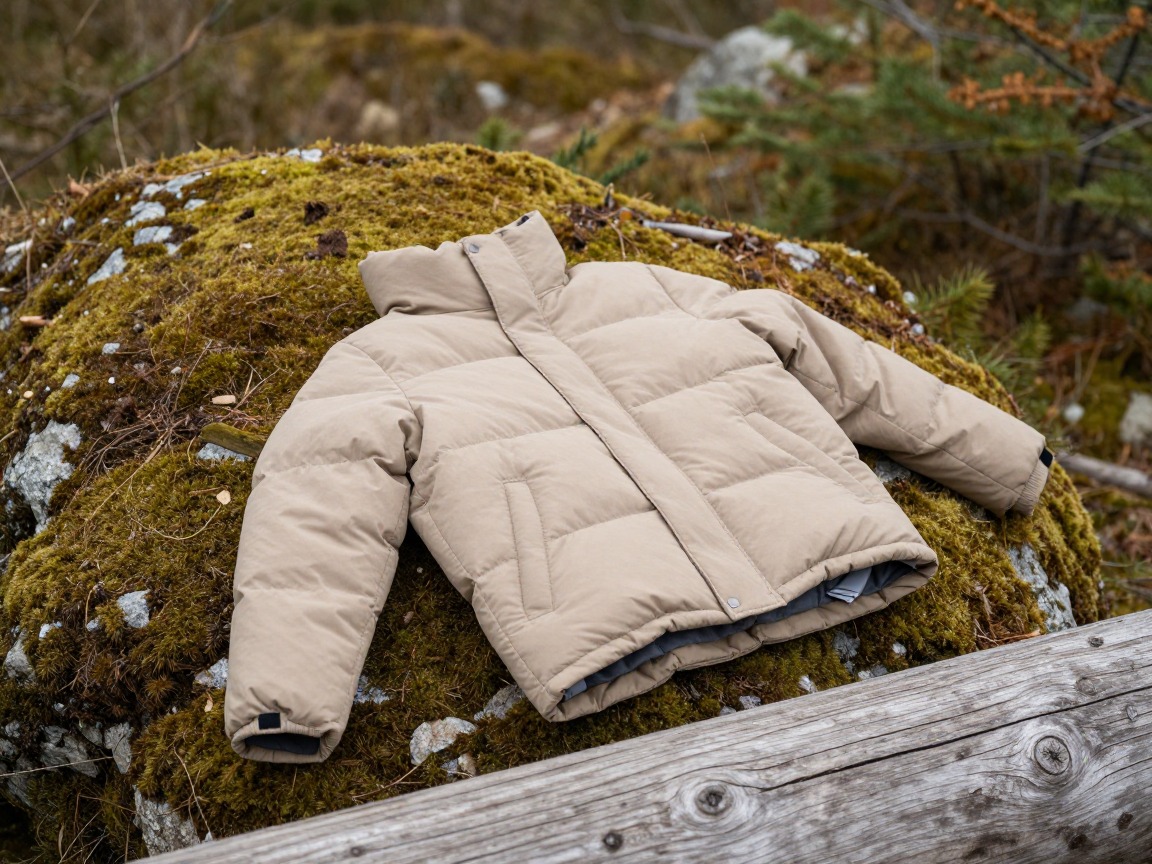
Insulating layer
A packable puffy or fleece for cold mornings, evenings, and camp — carry more warmth here than summer, because the low end of the range is genuinely cold.
What to look for: Warmer, and often heavier, than a summer puffy; down packs smallest for its warmth, synthetic keeps working if damp from dew, rain, or tent condensation.
 Outdoor Ventures Women's Packable Lightweight Puffer Jacket with Hoo Check price
  Amazon Essentials Women's Lightweight Long-Sleeve Water-Resistant Pa Check price
  Outdoor Ventures Women's Packable Lightweight Puffer Jacket with Hoo Check price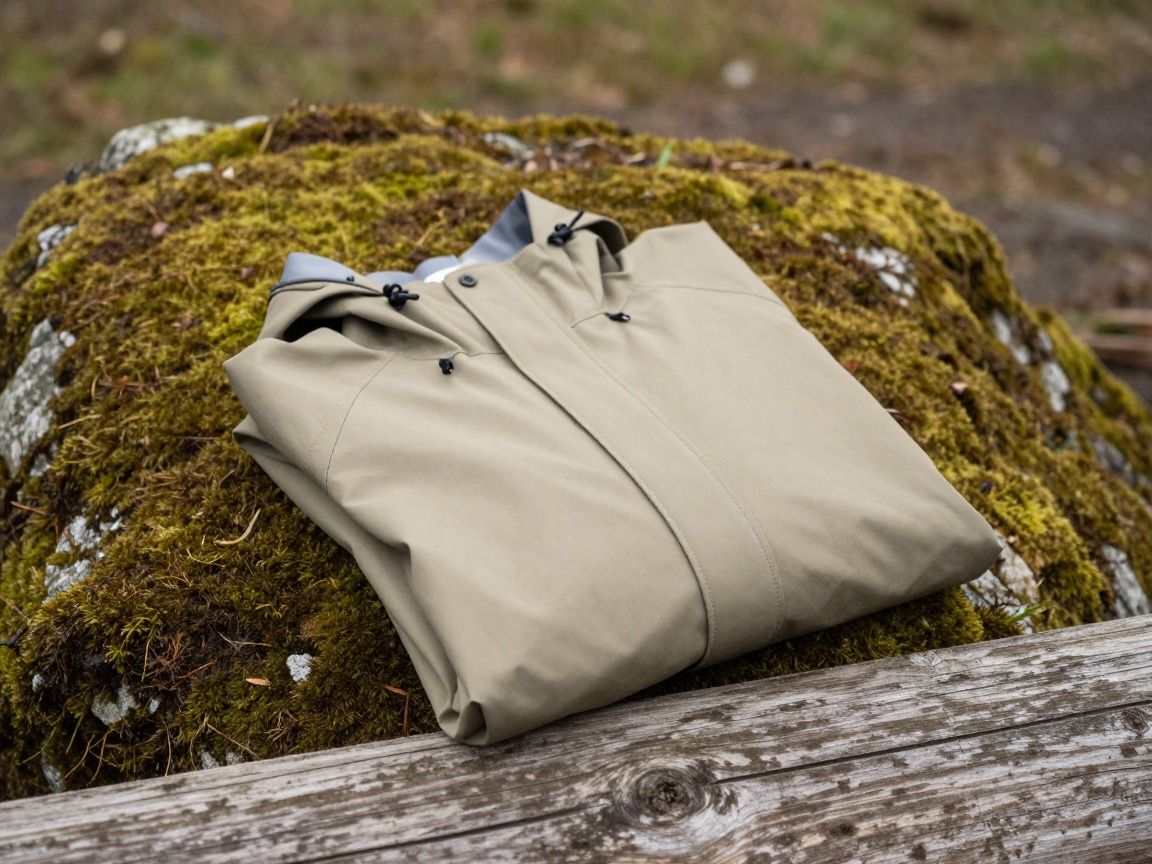
Rain shell
Waterproof, breathable protection for the sudden squall or wet snow shower that shoulder-season weather can produce with little warning.
What to look for: Genuinely waterproof, not just water-resistant, with a hood that seals well and room to layer a warm jacket underneath it.
 UIQUR Mens Rain Jacket Raincoat Waterproof Windbreaker Black L Check price
  COOFANDY Men's Waterproof Hiking Travel Shell Breathable Rain Jacket Check price
  Columbia Womens Arcadia II Waterproof Rain Jacket Check price
 - Warm hat & gloves — worth carrying even when the forecast looks mild
- Spare hiking socks
- Buff or lightweight neck gaiter
- Sun hat & sunglasses for the warm, clear stretches
- Camp/sleep clothes kept dry in a separate bag
Navigation, light & safety
Earlier sunsets and less predictable weather make redundancy in light and navigation more valuable than in the long, stable days of summer.
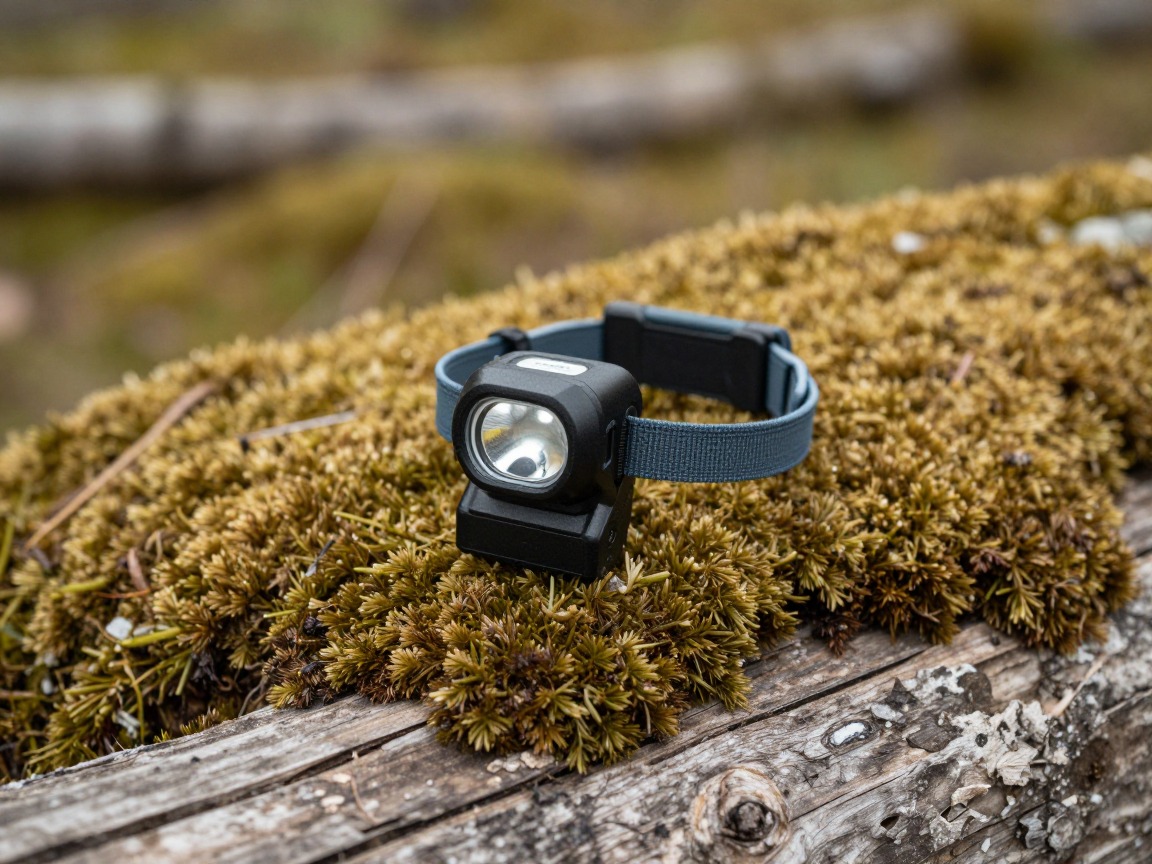
Headlamp
Earns its keep here, when darkness can arrive well before you expect it on either end of the trip.
What to look for: Bright enough for real night hiking if your plan runs long, with fresh batteries or a charge — daylight runs out sooner than summer taught you to expect.
 LHKNL Headlamp Flashlight Check price
 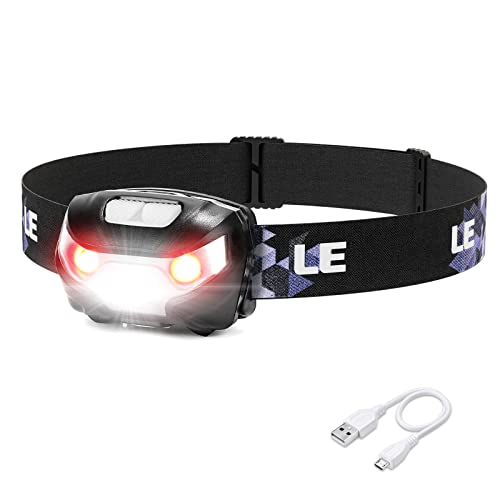 Lepro LED Headlamp Rechargeable IPX4 Waterproof Headlight 5 Modes - Check price
 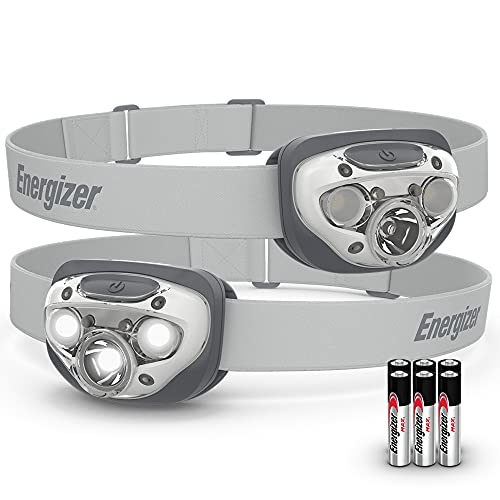 Energizer LED Headlamp PRO Check price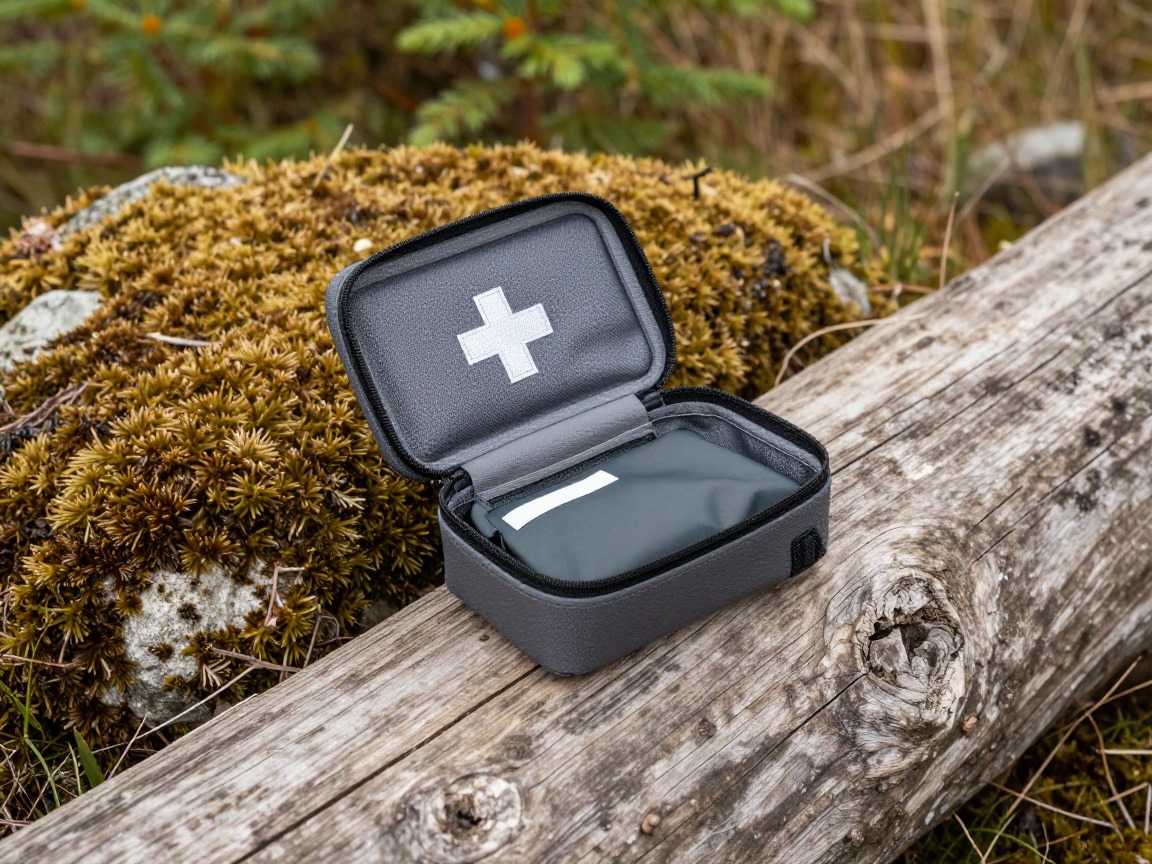
First-aid kit
Covers the basics plus cold-and-wet conditions, where a soaked, chilled hiker can become a bigger problem than the original blister.
What to look for: A kit covering blister care, wound cleaning, and your own regular medication, sized to how far you are from help.
 Mini First Aid Kit - 150 Piece Small Waterproof EVA Hard Shell Case Check price
  Adventure Medical Kits Ultralight/Watertight Medical Kit .5 Check price
 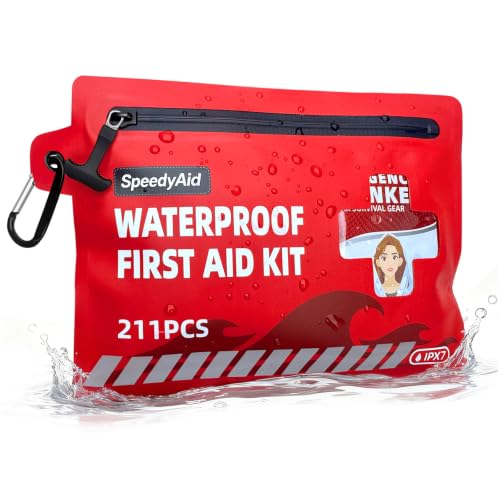 211 PCS Waterproof First Aid Kit Check price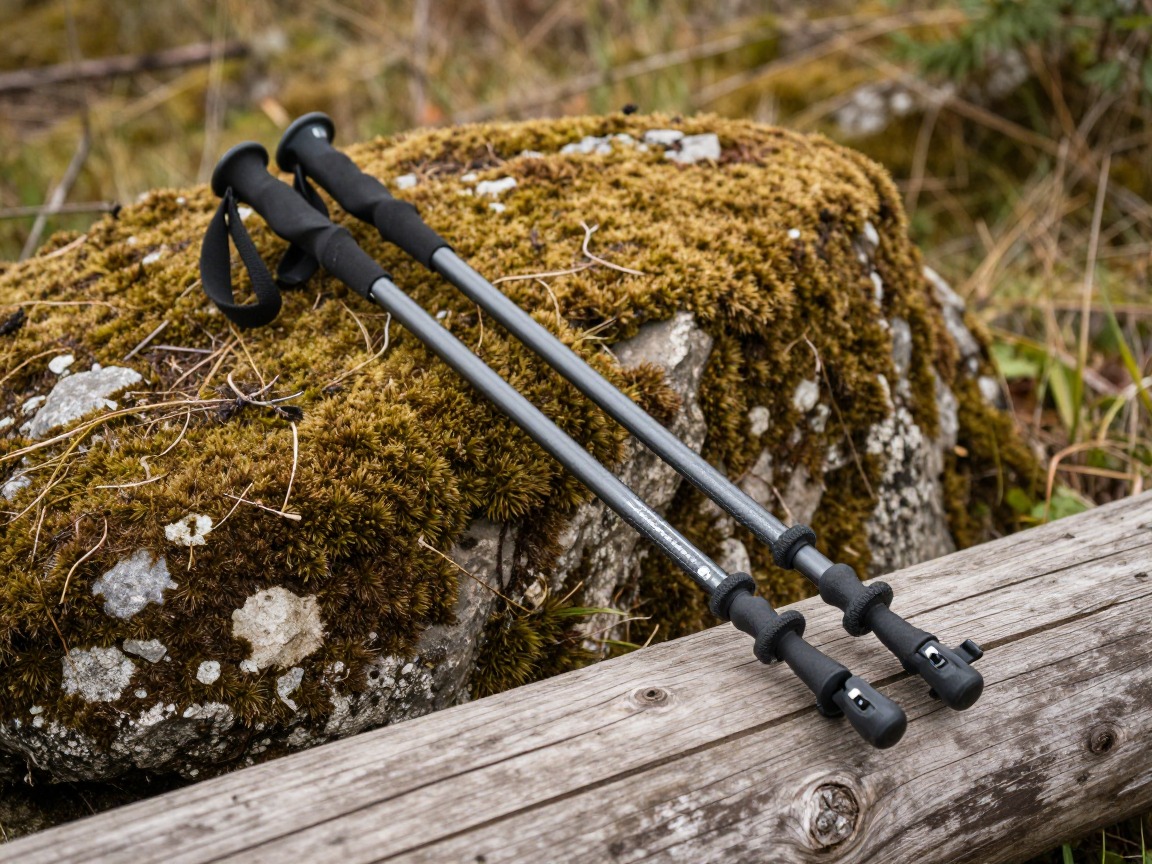
Trekking poles
Helps with balance on ground that's dry dust in the afternoon and frosty or muddy by morning — conditions change more than the trail does.
What to look for: Adjustable poles you can lengthen or shorten as the terrain changes, with baskets suited to soft or occasionally icy ground.
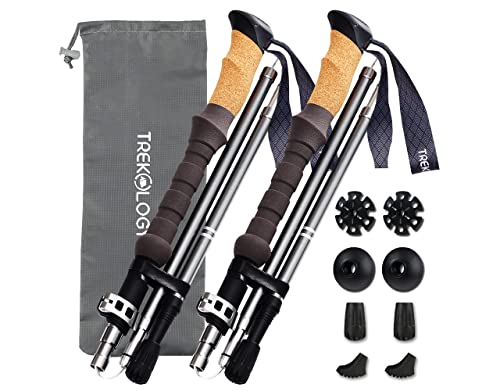 Trekology Trek-Z Cork Grip Collapsible Lightweight Hiking Trekking P Check price
 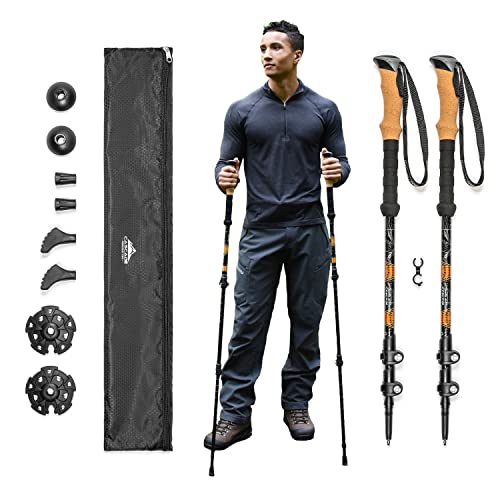 Cascade Mountain Tech Trekking Poles Check price
 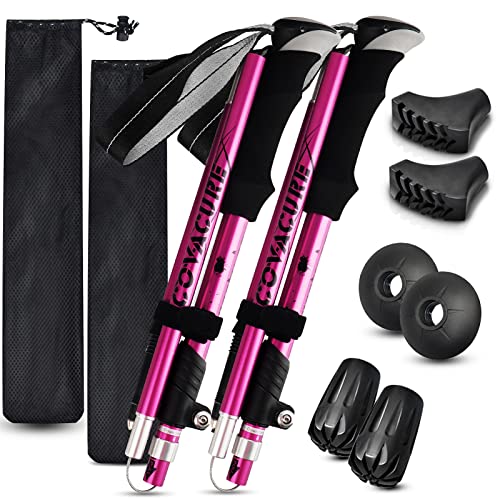 covacure Hiking Poles Check price
 - Map + compass or GPS (offline)
- Sunscreen & lip balm
- Whistle
- Phone + power bank
- Fire kit
- Toilet kit — trowel, TP, waste bags (Leave No Trace)
- Traction device if frost or a surprise snow shower is plausible at elevation
How to adapt this setup
If overnight lows drop well below freezing, add a warmer liner or bag, an insulated bottle, and sleep with your water filter rather than leaving it in an outer pocket.
On a run of mild nights, lighten the insulating layer and skip the hat and gloves, but keep the warmer bag and pad — the next cold front is rarely far off.
Early spring thaw and fall rain both mean soft, muddy ground; a slightly higher pad and dry camp clothes kept separate from your hiking layers matter more than usual.
Wind and weather turn faster above treeline. Keep the rain shell accessible and build in an earlier turnaround before any exposed section.
A surprise snow shower is common at the edges of the season. A lightweight traction device and gaiters are worth the extra ounces if the forecast makes it plausible.
Common mistakes to avoid
- Packing a summer-rated bag because the days look warm, then losing sleep when the temperature drops after dark.
- Underestimating how much earlier it gets dark and finishing a hike without a headlamp.
- Burying the rain shell at the bottom of the pack when the weather can turn with very little warning.
- Wearing cotton because the afternoon feels warm, then chilling fast once the sun drops or rain rolls through.
- Leaving the water filter in an outside pocket overnight near freezing, where it can crack without warning.
- Assuming a summer pad's R-value is enough once the ground starts holding real overnight cold.
Make it yours
Frequently asked questions
What should I pack differently for shoulder-season backpacking versus summer?
The core additions are a warmer sleeping bag, a higher-R sleeping pad, a fuller insulating layer, and a warm hat and gloves — because shoulder-season nights can drop near or below freezing even when the days are mild. Plan around earlier darkness too, and keep rain gear accessible for fast-changing weather.
What temperature rating do I need for a shoulder-season sleeping bag?
Choose a comfort rating that covers a hard frost, meaningfully lower than you'd pick for a pure summer trip, since the goal is comfort on the coldest plausible night, not the average forecast. A liner adds extra range without needing a heavier bag.
How cold does it actually get while backpacking in spring or fall?
It varies by region and elevation, but overnight lows near or below freezing are common even when daytime highs feel like summer, especially in valleys or near water where cold air pools. That gap between day and night temperature is the defining feature of shoulder season.
Do I need traction gear for shoulder-season hikes?
Not usually on a typical trip, but a lightweight traction device is worth carrying if you're heading to elevation or the forecast makes an early or late-season snow shower plausible. It's a small hedge, not a substitute for a genuine winter setup on snow-covered trails.
What size pack do I need for a shoulder-season backpacking trip?
Most people land in the 45–55 L range — a bit more than a pure summer weekend needs, because a warmer bag, higher-R pad, and fuller layering system all take up more space. Fit still matters more than the exact liter count.
Illustrative images show the type of gear, not specific products. Recommendations link to similar items on Amazon; we only ever link real listings and never show fabricated prices or ratings. General planning guidance, not a substitute for your own judgment or professional backcountry-safety instruction.