
Affiliate disclosure: this page contains affiliate links. Purchases made through them may earn us a commission at no extra cost to you. See our affiliate disclosure.
In plain English
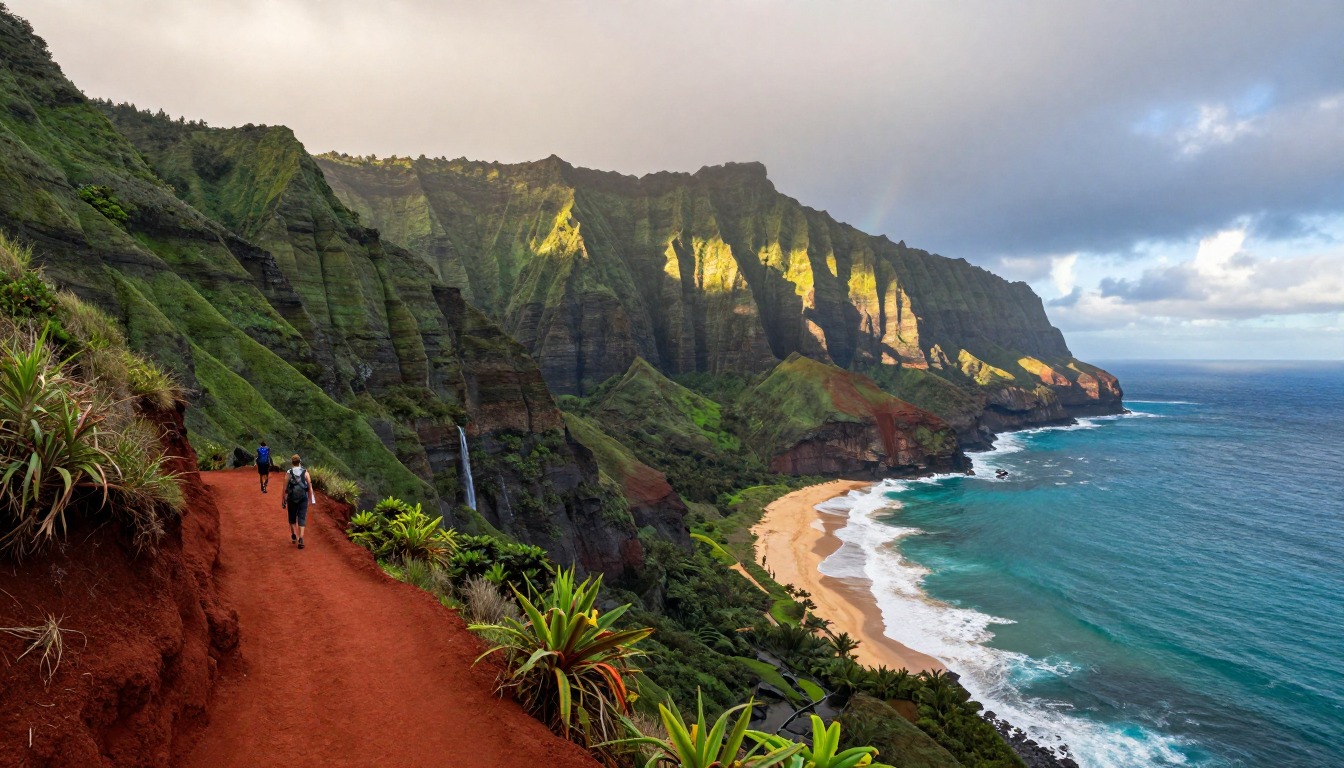
The Kalalau Trail runs along the cliffs of Kauaʻi's north shore. It is famous for ocean views, but it is also narrow, steep and very muddy after rain. Think of it less as a path and more as a long roller coaster made of slippery clay, with streams to cross at the bottom of each dip.
Before you plan anything, check whether the park is even open. In late September 2026 the state parks website said the Nāpali Coast park, the Hāʻena park where the trail starts, and all camping on Kauaʻi were closed while the island recovered from hurricanes.1 Closures like this can last weeks or months, so the official page is the only place to trust.
When it is open, the trip is about going slowly and safely. Streams can rise fast after rain higher up the valleys, and the smart move is to wait or turn back rather than wade in. A spare day in your plan gives you room to do that without panic.
What the hike is like
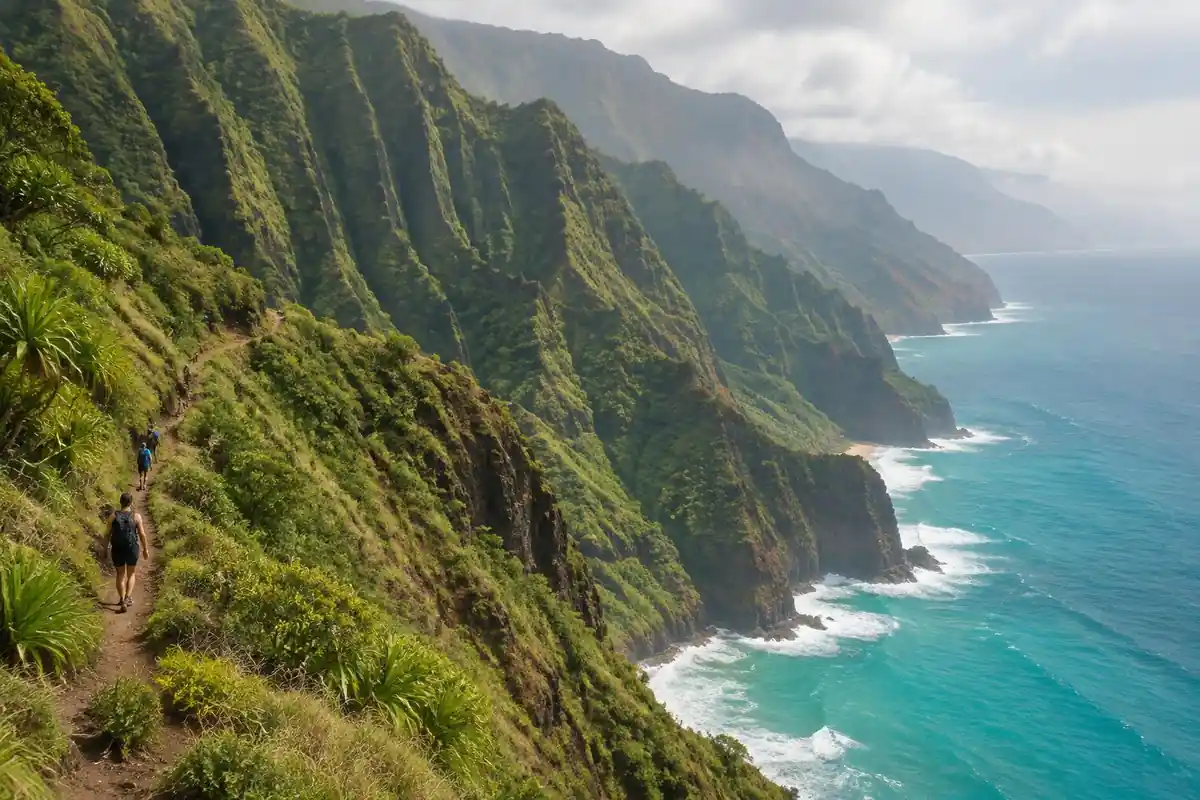
Almost nothing about the Kalalau Trail is flat. From Kēʻē Beach the path climbs straight onto the sea cliffs, then spends the rest of its length rising and falling through the folds of one valley after another — a rhythm of short steep climbs and slick descents rather than any steady grade. The tread is narrow single-track that often cants toward the ocean, laced with roots and loose rock, and Kauai's red clay turns greasy within minutes of rain. Stream crossings punctuate the route, first at Hanakāpīʻai and again at Hanakoa, and the water decides whether you move or wait. Past Hanakoa the country dries out and opens up, the trail narrows into an exposed traverse high above the surf that hikers remember long afterward, then finally switchbacks down into Kalalau Valley and out onto the beach.
How to plan the itinerary
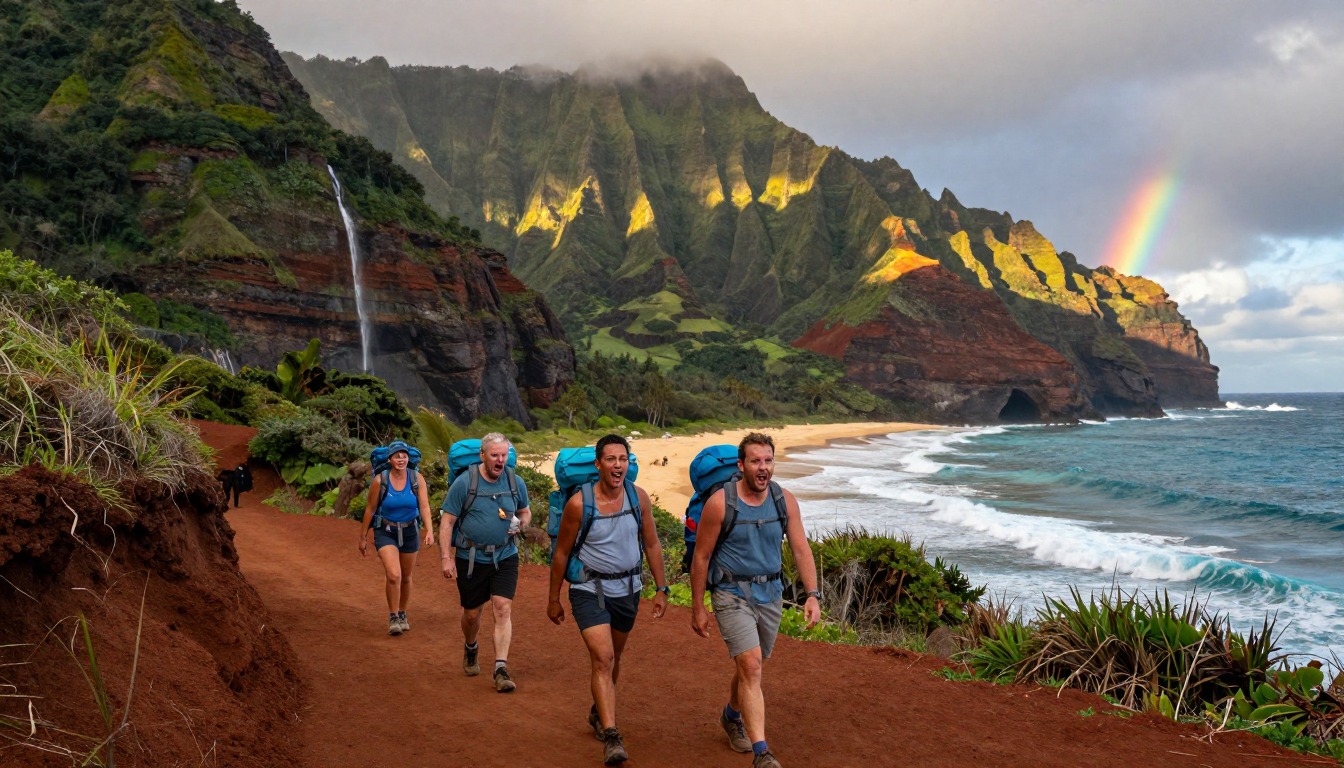
Most people who walk any of this trail never go past the first valley: the out-and-back to Hanakāpīʻai is a half-day outing and turns around at the stream, and it delivers the cliff-and-ocean character of the route without the commitment. Hikers going the full distance usually treat the walk in as a full day and start at first light, partly for the heat and partly because the trailhead entry is tied to a set date and time. Some break the walk with a night at the designated camp partway along; many prefer to push through to the beach at the end, spend a layover day exploring the valley, and hike out on a third day. Building a spare day into the trip matters more here than on most routes, because high water can simply stop you for hours.
Plan this trip in 5 steps
-
Pick the right pack
Match a pack to your trip, fit and priorities.
-
Book a place to stay
Campgrounds, huts and lodges near Kalalau Trail — Nā Pali Coast.
-
Plan food & water
Calories, food weight and water for your days on trail.
-
Estimate your time
Pre-filled with this trail’s distance and climb — adjust for your pace.
Trail-specific tips
Assume your feet will be wet and your shoes will be caked — choose footwear with real tread and accept the mud rather than fighting it. Rain falling miles inland can raise a crossing where you stand in sunshine, so look at the water, not the sky, and be willing to sit and wait. Save energy for the return: the exposed traverse is far less pleasant tired, in wind, or in fading light. Treat all water. As of September 2026, Hawaii State Parks lists Nāpali Coast State Wilderness Park, Hāʻena State Park and all Kauaʻi camping as closed for hurricane recovery, so check the Hawaii State Parks website for current status before planning anything. For general stream-crossing and navigation practice, see /trail-smarts/ rather than improvising.
Permits & rules
As of September 28, 2026, Hawaii State Parks lists Nāpali Coast State Wilderness Park, Hāʻena State Park and all Kauaʻi state camping as closed for hurricane recovery — check Hawaii State Parks for current status before planning. When open, beyond the first two miles you must hold a Nā Pali Coast state camping permit, and reaching the trailhead requires a separate Hāʻena State Park entry reservation. Streams flash-flood fast — never cross a swollen river.
Gear suited to this hike
Matched to the terrain and conditions here. Real products — check current price on Amazon.


Access and permits: the official page overrides everything else
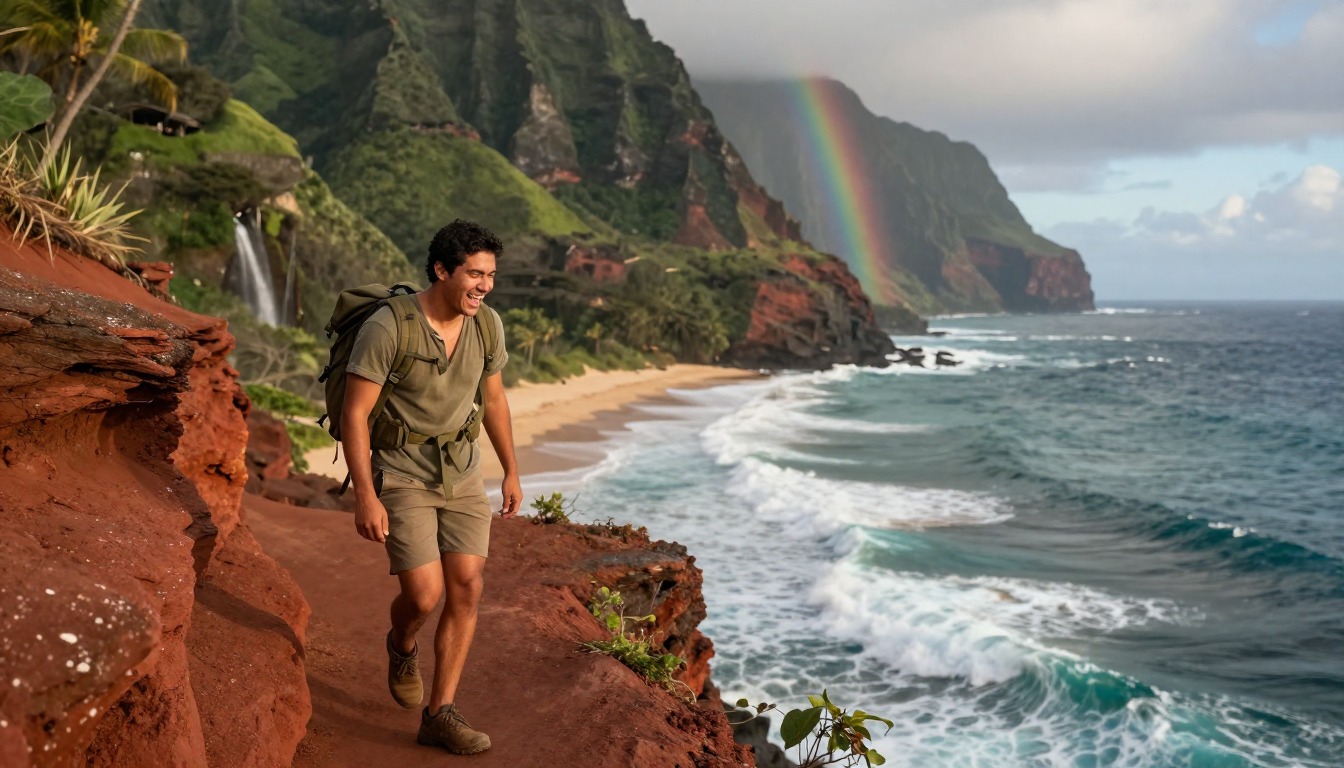
This page describes how the trail works when it is open, but access here is controlled by Hawaii State Parks, and conditions change fast. The state's notice dated September 28, 2026 listed Nāpali Coast State Wilderness Park and Hāʻena State Park, the park at the trailhead, as closed, and said all camping on Kauaʻi remained closed during hurricane recovery.1 Any trip plan, gear purchase or flight booking should wait until that page shows the park reopened.
When the park is open, overnight stays are booked through the state's online camping reservation system, which the official page links to directly.1 Treat the reservation and the trailhead entry as fixed appointments: the page's advice to start at first light and carry a spare day only works if both are secured before you arrive. A reservation fee applies; check the official page for current details rather than relying on older trip reports.
Rain, clay and stream crossings: what they mean for your pack
Most pack fabrics have a waterproof coating, but water still gets in through seams and zippers.3 Deuter makes the same point, noting that sustained downpours push moisture through zippers and seams even when the fabric itself is waterproof.5 On a coast where showers roll through daily, the practical answer is to pack your sleeping bag, dry clothes and electronics in waterproof stuff sacks. REI notes these can work better than a rain cover in wind,3 and a cover can also snag on brush along a narrow cliff path.
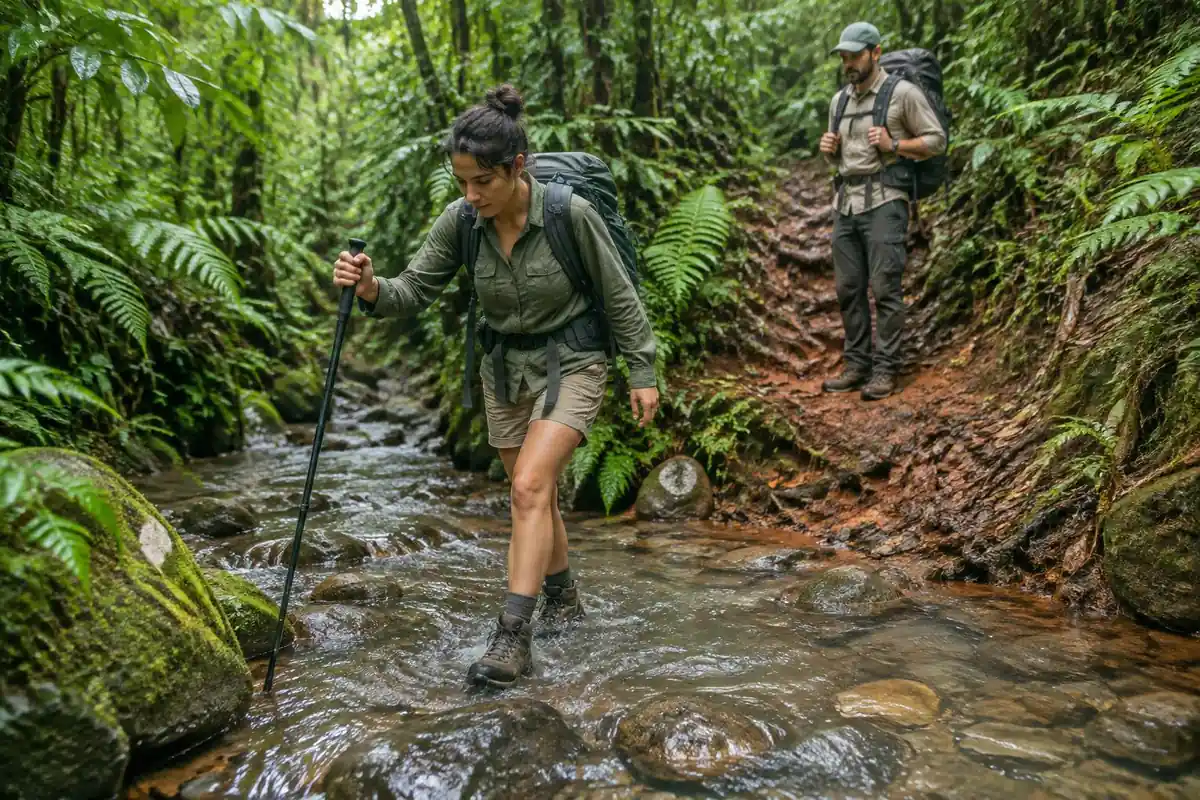
A pack that rides close and stable helps on greasy clay and at crossings. Keep heavy items close to your spine; Knapik's review of load carriage notes that low or mid-back placement may suit uneven terrain better than high placement.6 Undo your sternum strap before wading so you can shed the pack if you fall in moving water.
Poles are the other key tool. In a controlled study on a steep downhill ramp, hiking poles cut knee compressive and shear forces by 12 to 25%.4 On flat ground the benefit largely disappears,7 which is why the page's advice focuses on the descents and stream crossings.
Water, heat and sun on an exposed coast
Running streams make it tempting to carry little water, but CDC says clear stream water can still carry germs and is generally not safe untreated. Boiling is the most reliable method, and most portable filters remove parasites but not viruses or bacteria, so check what your filter is rated for or pair it with a chemical treatment.2
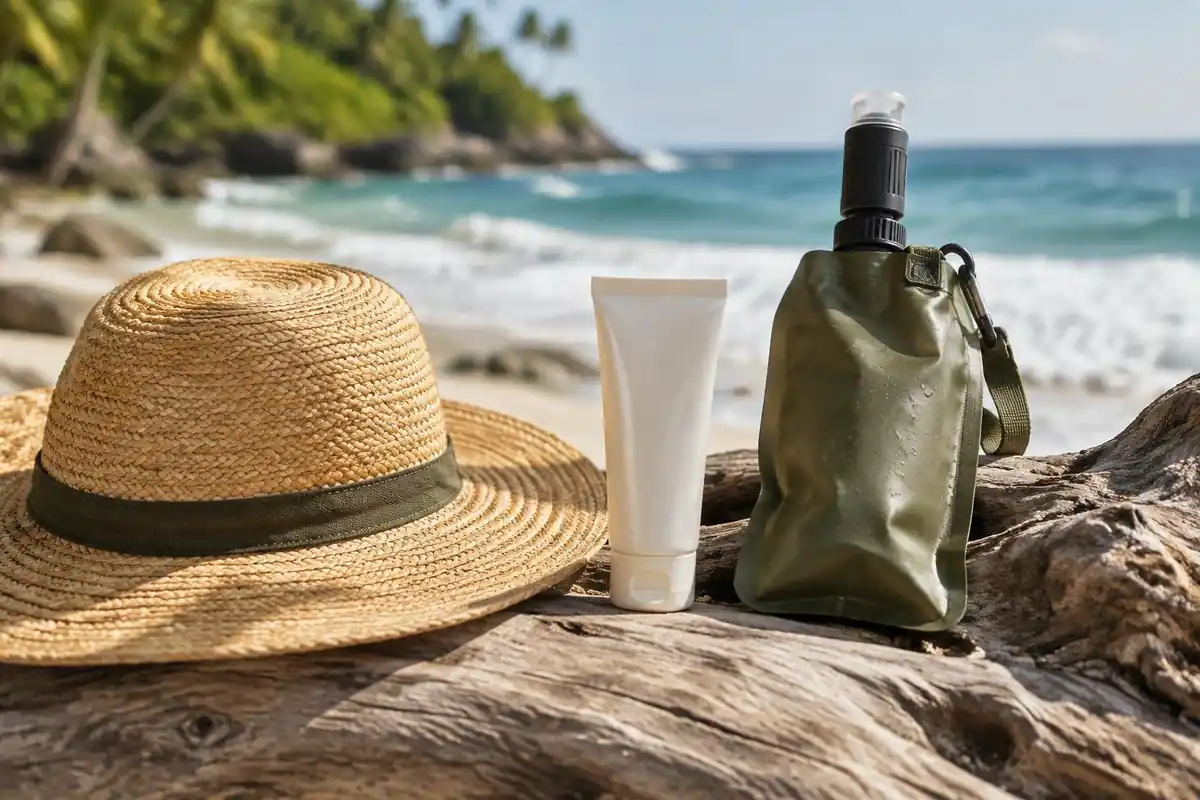
The drier, open country past Hanakoa gets hot. CDC's Yellow Book says sweat rates can reach 1 liter per hour,8 and a liter of water weighs about a kilogram, or 2.2 lb,9 so carrying enough between sources is a real pack-weight decision. UV is also stronger closer to the equator, and water reflects it back at you,10 which makes a sun hat and sunscreen part of the kit rather than an extra.
Common questions
Is the Kalalau Trail really as dangerous as its reputation suggests?
The hazards are real but specific: slick clay on steep ground, narrow exposed sections with a long drop to the ocean, and streams that rise fast after inland rain. None of it requires technical skill, but it punishes rushing, poor footwear, and hiking past your energy. Sure-footed hikers who go slowly and turn back when conditions change generally find it manageable.
Do I need trekking poles for this hike?
Most hikers are glad to have them. Poles help on the greasy descents, steady you in stream crossings, and take load off knees on the constant up-and-down. They also give you something to probe with when the mud hides what's underneath. If you carry only one, that's still better than none — though you'll want hands free on the narrowest ground.
What should I do if a stream is running high?
Wait, or turn around. Levels on this coast can spike after rain upstream and often drop again within hours, so patience usually beats improvising a crossing. Don't count on a stream being passable in the same state on your way back, which is exactly why hikers build spare time into the trip rather than planning a tight schedule.
Is the first section worth doing if I'm not going the whole way?
Yes — it's genuinely one of the better short coastal walks anywhere. You climb quickly onto the cliffs, get the long views back along the coast, and drop to a beach at the end of it. It's steep and muddy enough to feel like a real hike, and it's how the majority of visitors experience this trail.
Complete gearsets for this trip
Full curated kits built for exactly this kind of hike.
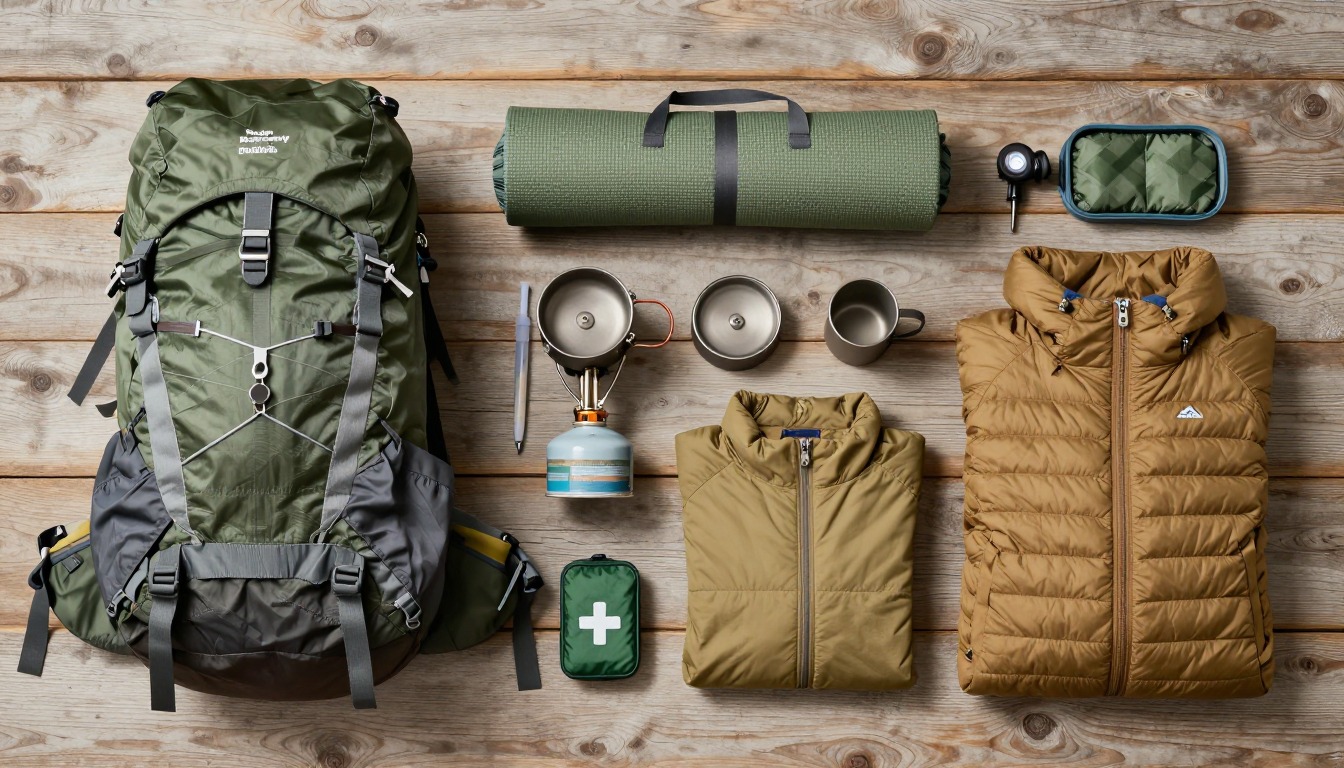
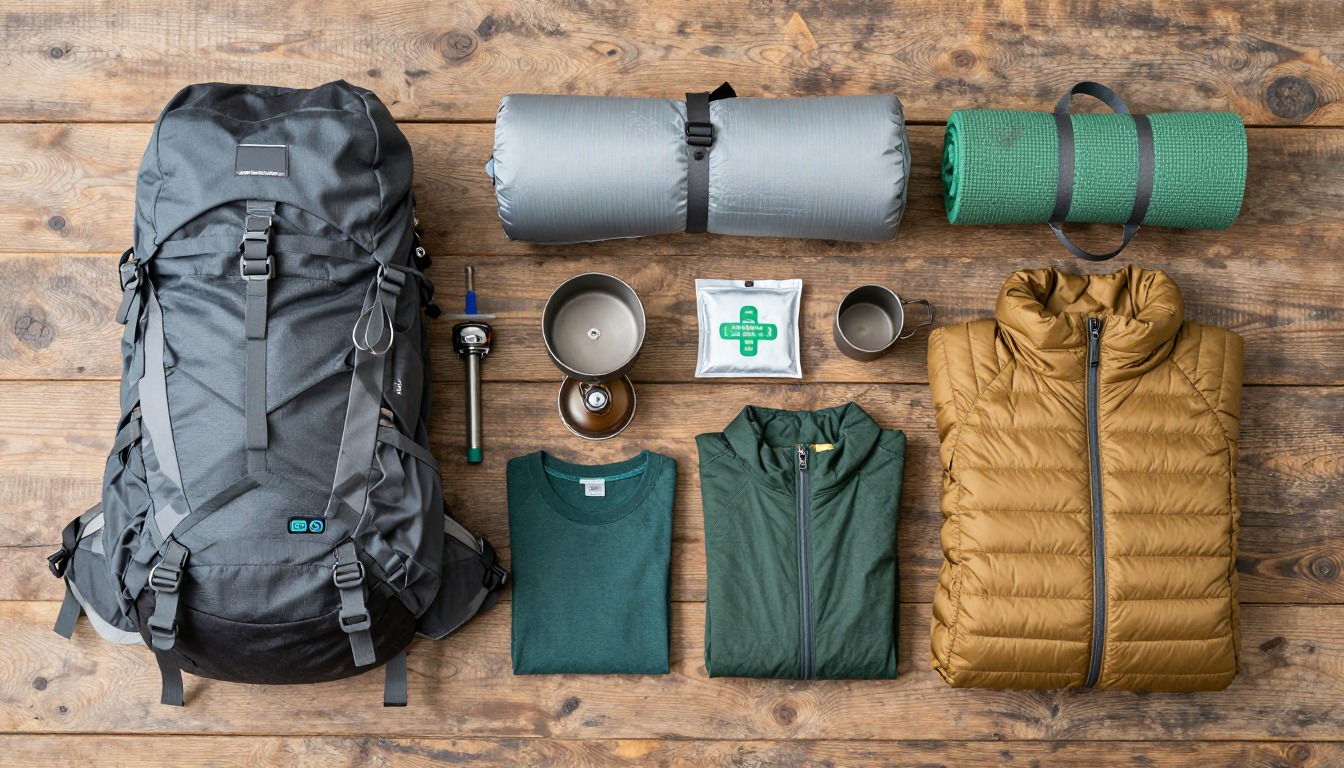
Trail conditions, permits and access rules change without notice — always confirm current information on the official source above before you go. Some facts on this page are still pending owner verification and are marked accordingly. Product links and the accommodation map are affiliate links: we may earn a commission at no extra cost to you; product prices and availability are shown on Amazon, and accommodation prices on the booking site. See our affiliate disclosure.