
Affiliate disclosure: this page contains affiliate links. Purchases made through them may earn us a commission at no extra cost to you. See our affiliate disclosure.
In plain English
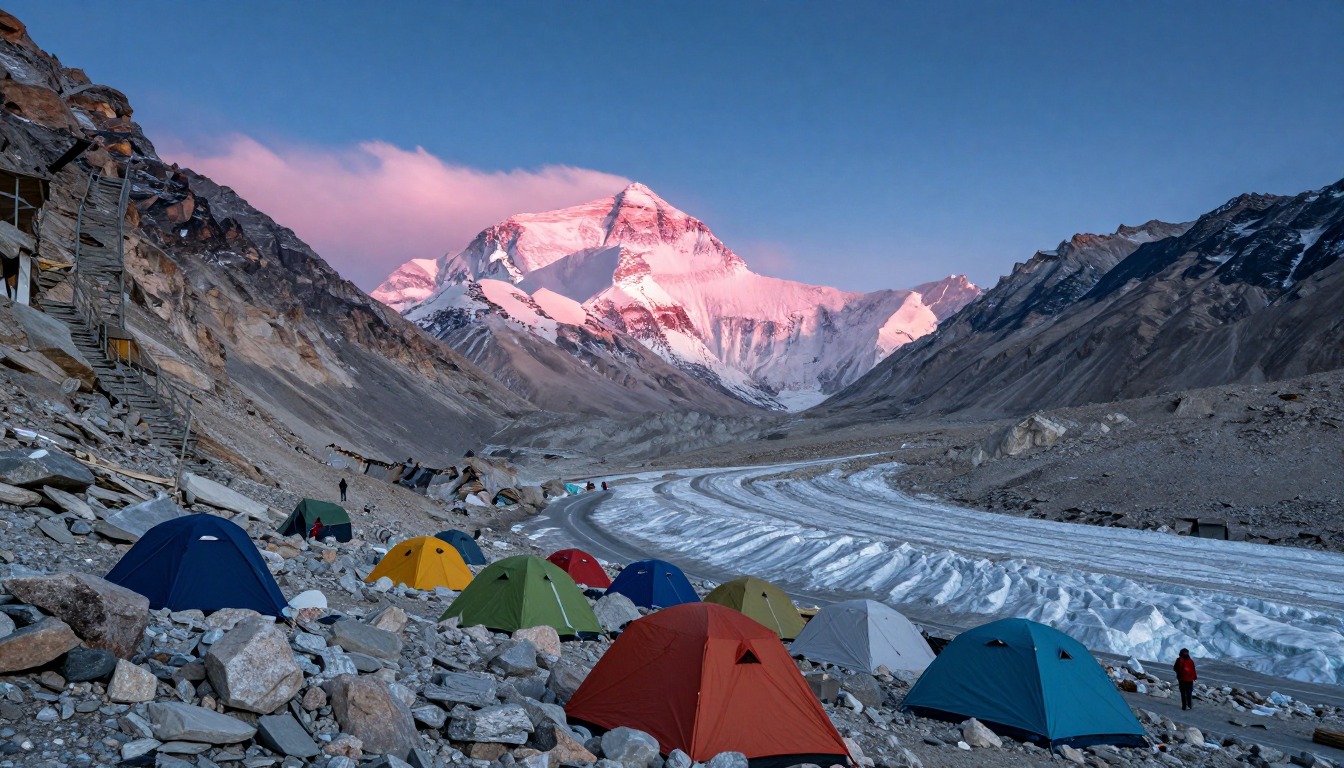
The trek to K2 Base Camp and Concordia is a remote expedition in the Karakoram mountains of Pakistan. You walk up a stony river valley, then onto the Baltoro Glacier. A glacier is a river of ice. Over the top lies a jumble of loose rock, so the ground constantly moves under your feet.
That is why the trek is tiring even though the slopes are gentle. Every step needs attention, and there is no clear path. Camps are set up by a crew each night, and there are no lodges or shops along the way.
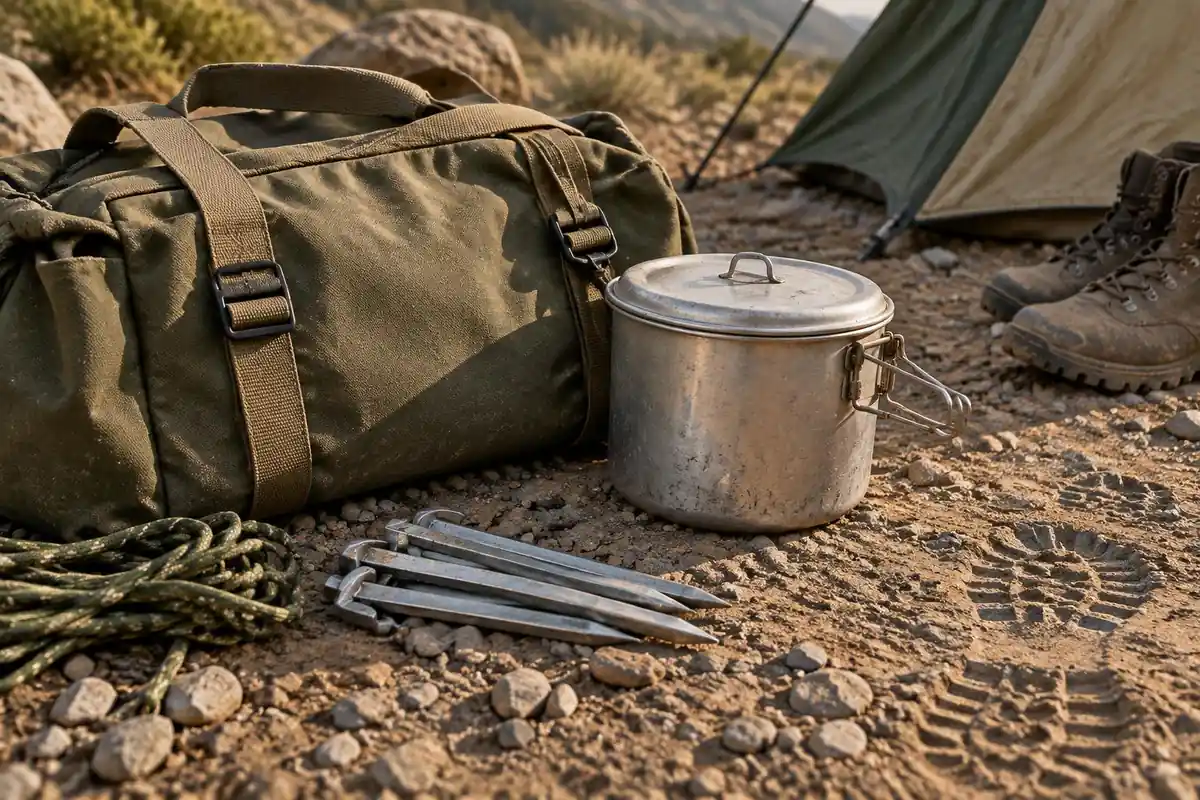
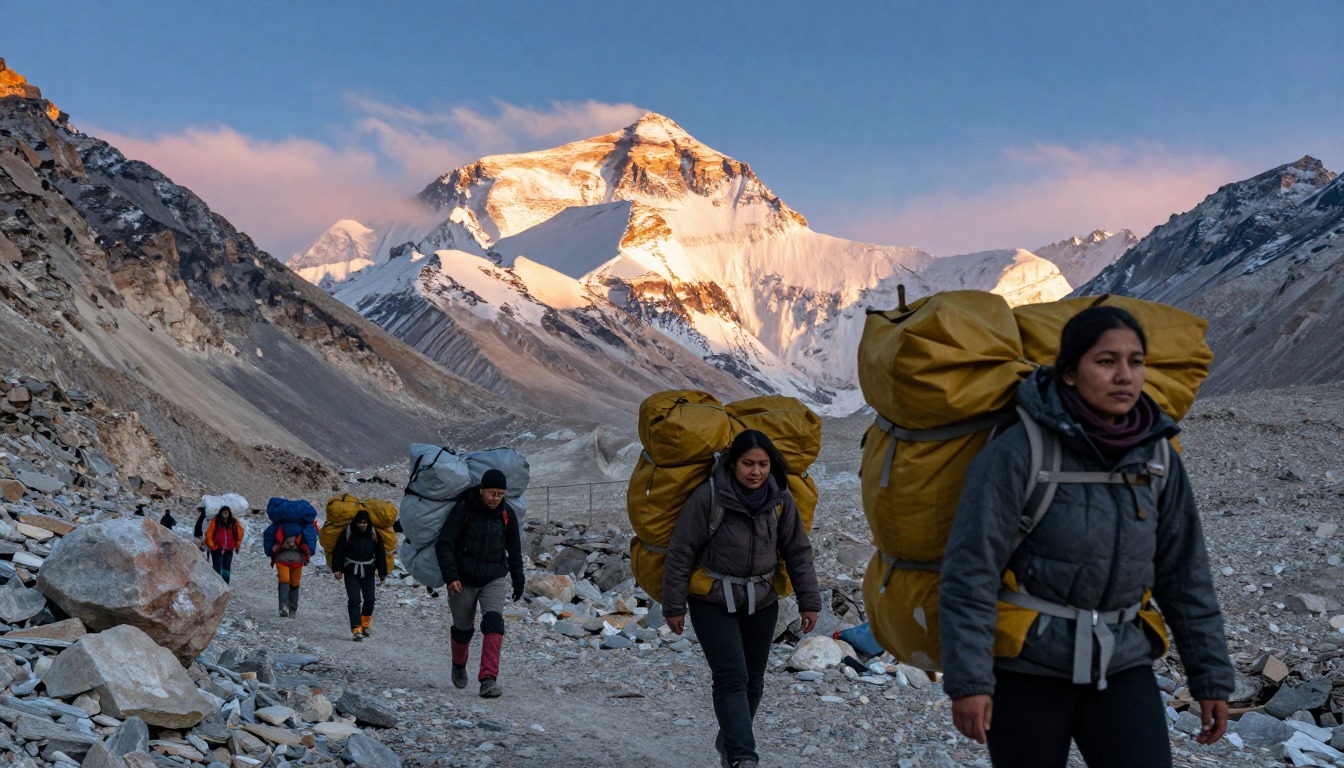
For your pack, that means a daypack for the day plus a duffel carried by porters. The daypack holds warm layers, water, snacks, sun protection and anything you cannot afford to lose. Everything else waits in camp.
What the hike is like
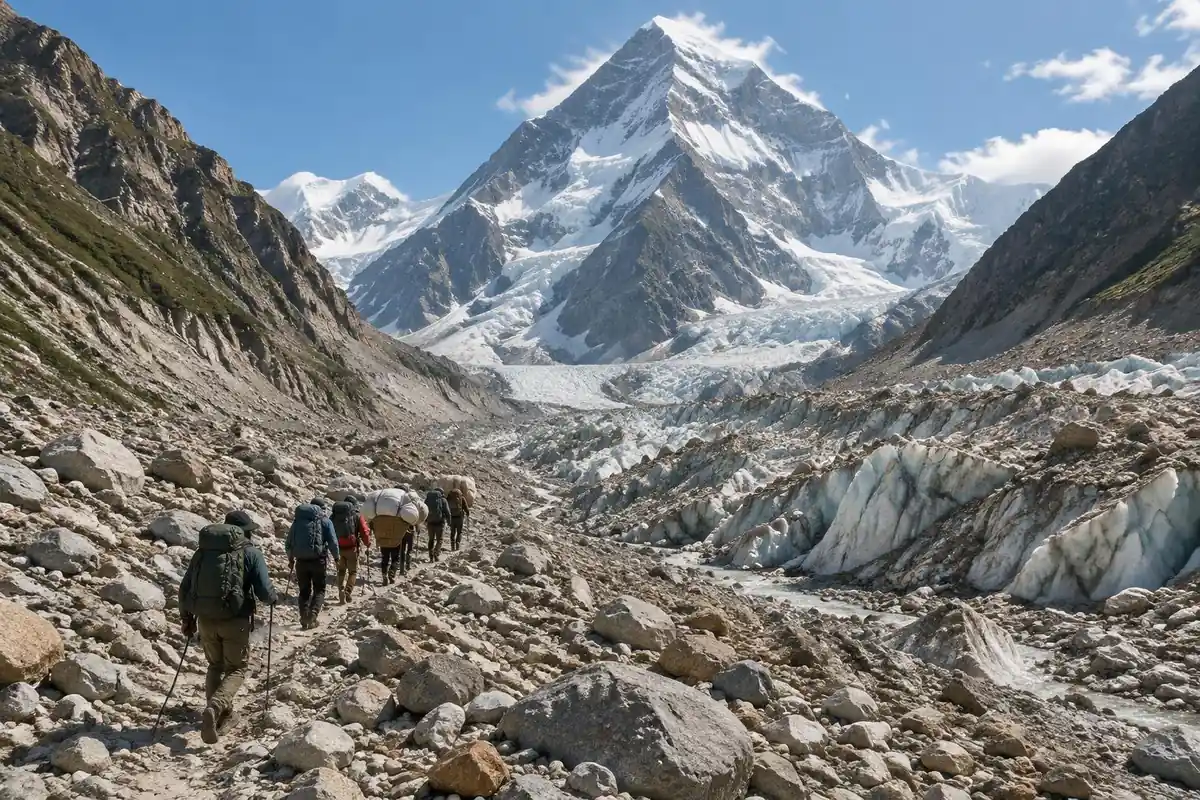
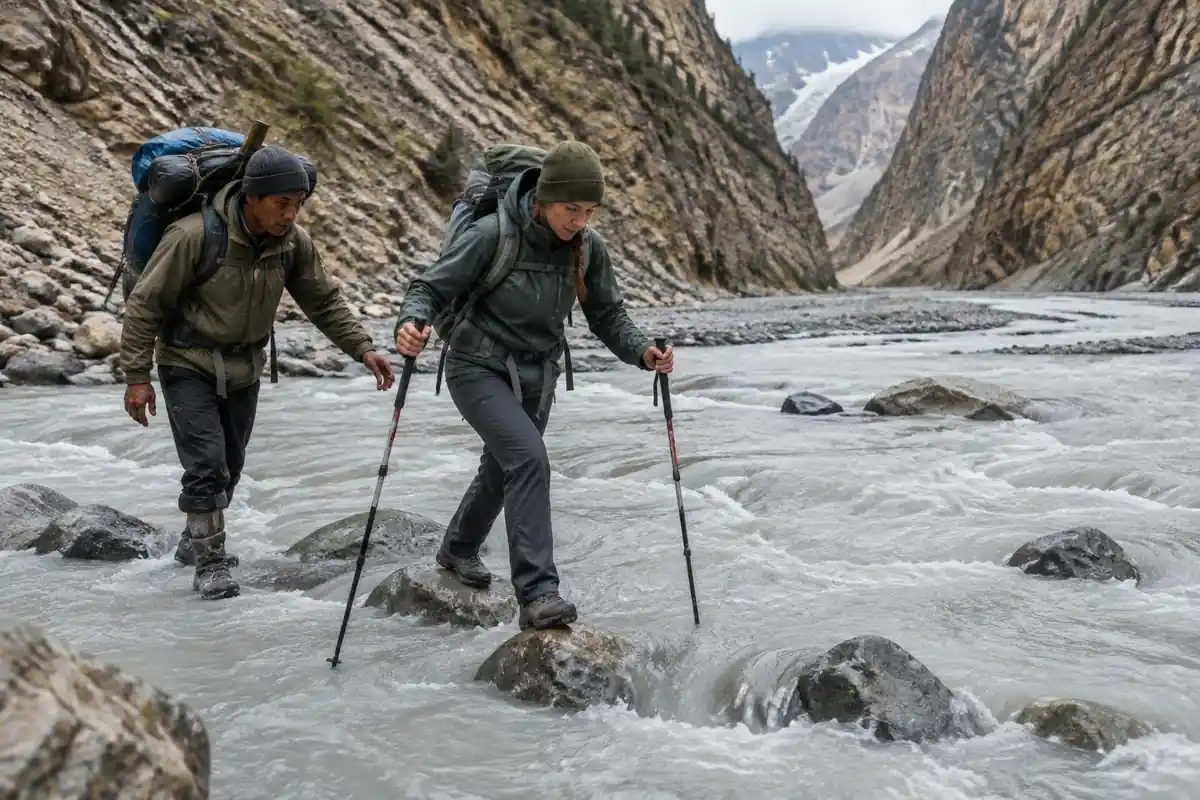
The first days are river work: a wide, stony valley floor of gravel bars and boulder fields, with side-streams to cross that run higher as the day warms and the melt picks up. Then the route steps onto the Baltoro Glacier and stays on it, and the walking changes completely. This is moraine-covered ice, a chaotic surface of loose rock lying on top of a moving glacier, endlessly rising and falling over rubble hummocks, with meltwater channels to skirt and stones that shift underfoot. There is no trail as such, only a line picked out by the crew and the occasional cairn. Nearer Concordia the glacier widens into a great junction of ice and the surface eases slightly. The effort is less about gradient than about hours of unstable, attention-heavy footing.
How to plan the itinerary
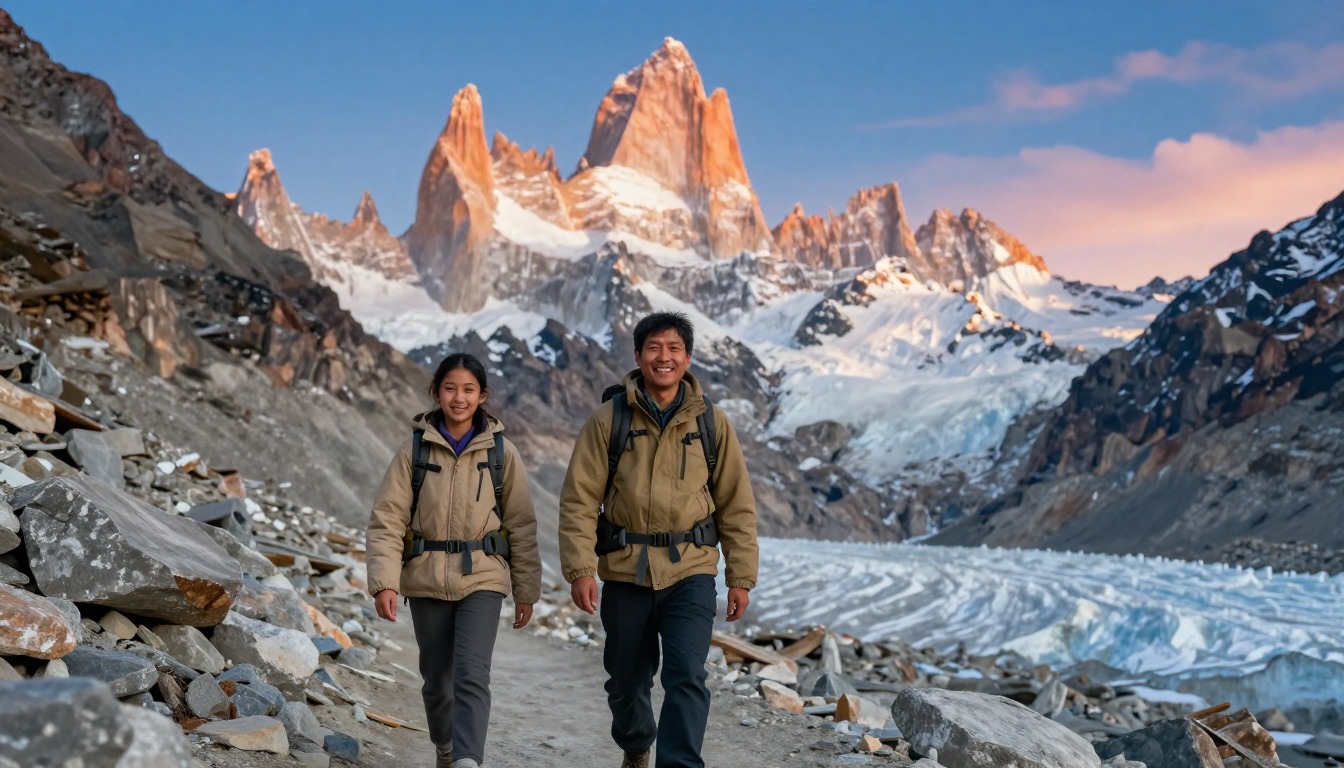
This is an expedition run by an operator with porters and a cook, and the schedule is built around glacier camps rather than distances. The standard shape is several days of approach up the valley to the last camp before the ice, then a series of camps out on the glacier itself, each a day apart, gaining height gradually toward Concordia. Most groups plan a rest or acclimatization day partway, and many spend two nights at Concordia so there is a spare day to walk on toward Base Camp itself or simply wait out cloud. Coming back, parties usually retrace the same camps but compress them, covering ground faster downhill. Spare days at both ends are close to essential, since flights and the road to the trailhead are weather-dependent and delays are routine rather than unlucky.
Plan this trip in 5 steps
-
Pick the right pack
Match a pack to your trip, fit and priorities.
-
Plan food & water
Calories, food weight and water for your days on trail.
Trail-specific tips
Footing is the whole game here. Days on the Baltoro are long, and the constant micro-adjustment on loose rock tires people far more than the height gain does, so stiff-soled boots and poles make a real difference, as does accepting that the porters will always move faster than you. Protect your eyes and skin seriously, because glacier surfaces reflect hard even under cloud. Water is glacial and silty, so plan how you will treat it. For general altitude and safety groundwork, see /trail-smarts/.
Permits & rules
This is a remote, committing expedition normally organized through a licensed operator with permits, guides and a porter crew (confirm current requirements before booking); there is no teahouse infrastructure. Acclimatize carefully and budget spare days for weather on the glacier.
Gear suited to this hike
Matched to the terrain and conditions here. Real products — check current price on Amazon.


Glacier ground and why the pack should be small
Rubble on ice forces constant small climbs and drops. A review of load carriage found that energy cost rises with load, speed and grade, and that keeping the load close to the body's center of mass is the lowest-cost arrangement.3 On unstable ground that argues for a snug daypack with heavy items close to your spine, and for handing bulky items to the porter team.
Another finding from that review is that weight on the feet costs far more energy than weight on the back: each kilogram added to the foot raises energy expenditure by 7 to 10%.3 That is a reason to favor supportive but not needlessly heavy footwear on days of many thousands of steps.
Altitude on the way in
The CDC Yellow Book says fitness and training do not protect against altitude illness and that sleeping at 8,000 ft or higher puts an unacclimatized person at risk.2 It advises raising sleeping altitude by no more than about 1,600 ft a day above about 9,850 ft, with an extra acclimatization day for each 3,300 ft.2 The existing page's rest day and second night at Concordia match that pattern.
The CDC also says never to go higher to sleep while having symptoms, and that descent of 1,000 ft or more brings rapid improvement.2 On a remote glacier a descent means turning back through days of camps, so tell your guide about symptoms early. This is general information; see a doctor before travel and get medical help if symptoms worsen.
Water, sun and cold on ice
A glacier is surrounded by water, but CDC says water from a clear mountain stream can still contain germs and is generally not safe untreated. Boiling works best, and most portable filters remove parasites but not viruses or bacteria.1 Ask what the camp crew does for drinking water and carry your own bottle for the day.
The CDC notes that snow and water reflect UV and that UV is stronger at higher elevations;4 the EPA puts the increase at about 6% per kilometer of elevation.5 Sun protection and sunglasses are not optional on white ice. Cold at night calls for layers you can add and remove, in wool or synthetic instead of cotton.6
Permits and current requirements
The page says the route requires permits, a licensed operator and a porter crew. Permit and operator rules, security advice and weather-dependent access can change, so confirm current requirements with a licensed operator and check your government's travel advice before you commit.
Common questions
Do you need mountaineering skills for the Baltoro Glacier?
For the trekking route to Concordia, no technical climbing is involved. It is walking, but walking on rubble-covered glacier ice with an experienced crew picking the line. Anything beyond the standard trekking route, or onto bare ice and crevassed ground, is a different undertaking entirely and belongs to mountaineering rather than hiking.
How does glacier walking compare with a normal mountain trail?
It is far more tiring for the same ground covered. Instead of a consistent tread you get constant small climbs and drops over loose rock, with every step needing attention because stones move. Trekkers used to graded trails often find their daily pace roughly halves, which is why the schedule looks modest on paper.
Can you trek to K2 Base Camp independently?
In practice no. The route normally involves permits, a licensed operator, and a porter crew to carry camping equipment and food across the glacier (confirm current requirements with an operator), since there is no lodging or resupply along the way. The logistics alone put it out of reach of independent hiking, and operators handle the permits as part of the trip.
How much spare time should you build into the trip?
More than feels necessary. Flights to the staging town are weather-dependent and often swapped for a long road journey instead, and weather on the glacier can hold a group in camp. Most experienced trekkers add buffer days at both ends rather than booking tight onward travel immediately after the planned finish.
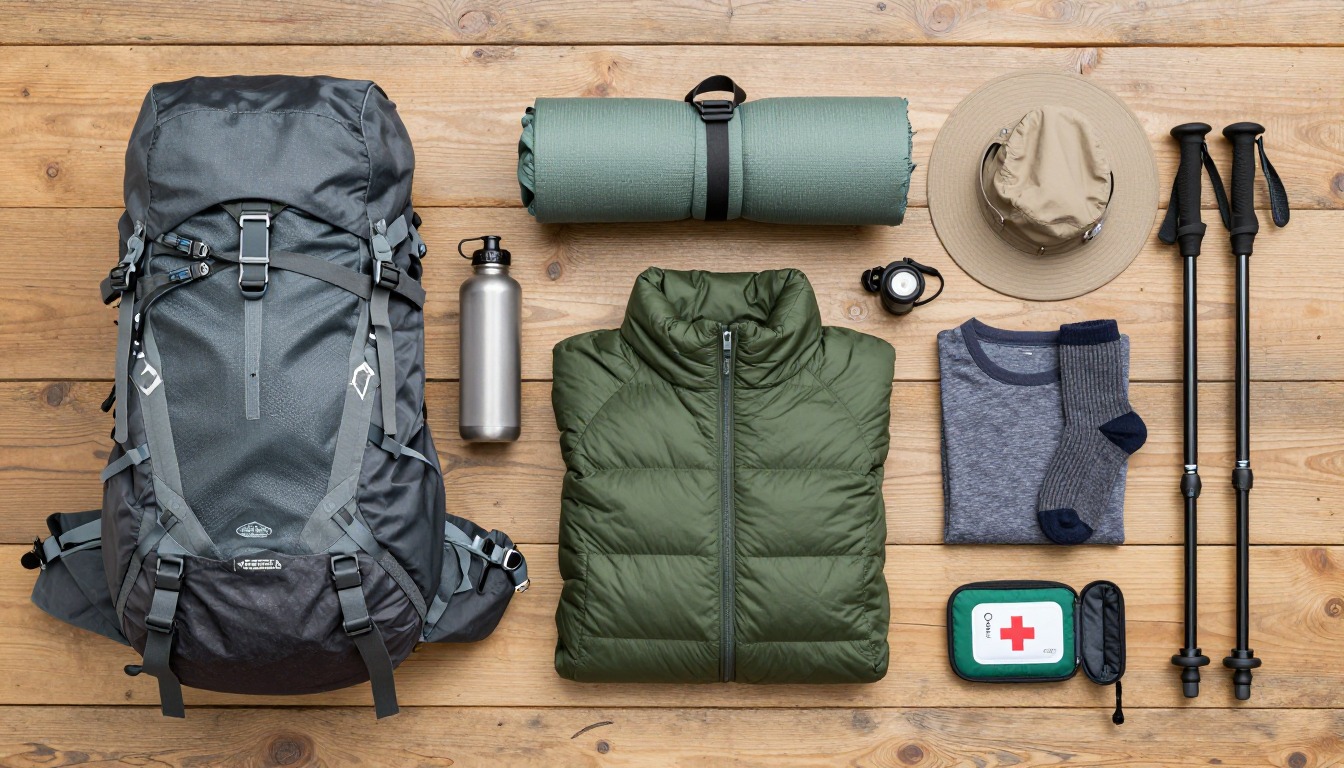
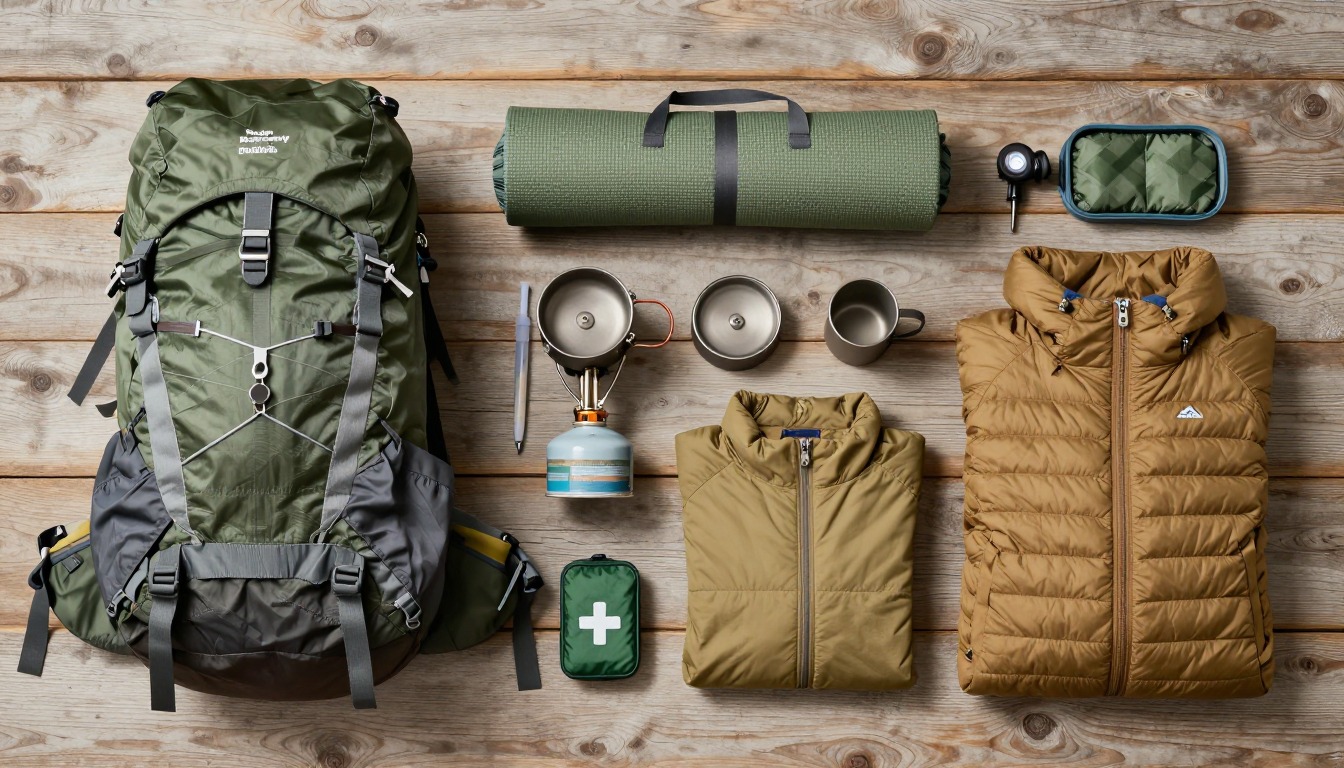
Complete gearsets for this trip
Full curated kits built for exactly this kind of hike.
Trail conditions, permits and access rules change without notice — always confirm current information on the official source above before you go. Some facts on this page are still pending owner verification and are marked accordingly. Product links and the accommodation map are affiliate links: we may earn a commission at no extra cost to you; product prices and availability are shown on Amazon, and accommodation prices on the booking site. See our affiliate disclosure.