
Affiliate disclosure: this page contains affiliate links. Purchases made through them may earn us a commission at no extra cost to you. See our affiliate disclosure.
In plain English
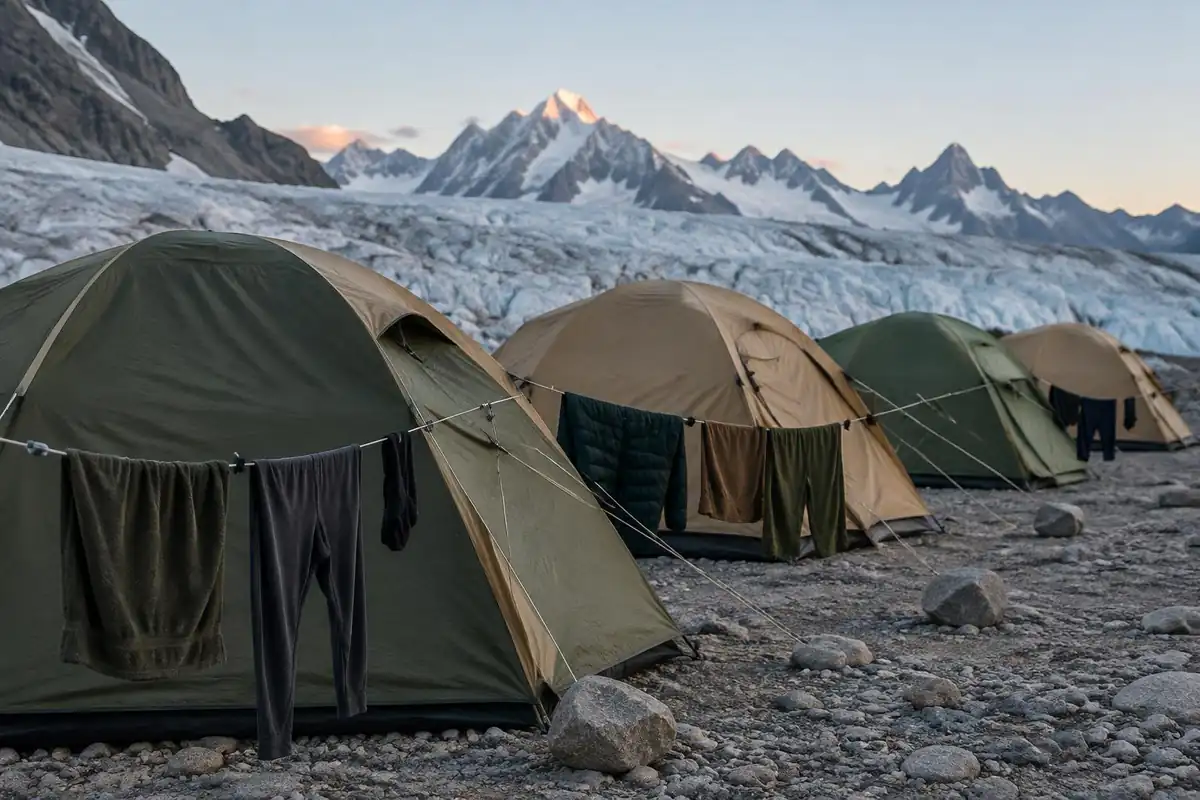
Most famous treks have somewhere to sleep along the way, such as a hut or a teahouse. This one does not. You walk on a glacier, a huge river of slow-moving ice, and each evening a crew of porters and a cook puts up your tents on a flat patch beside it. The place you sleep is chosen by the route, and the crew carries the shelter, the food and the kitchen for you.
That changes what a booking means. You are not reserving a room. You are choosing an operator, which is a company that organizes the trip, and an itinerary with spare days built in for bad weather. Because nothing else is nearby, small decisions carry more weight than usual: what you sleep in, how you stay warm, and what you do if someone feels unwell.
Being far from help is the other big difference. The National Park Service notes that search and rescue can take hours or days depending on weather and available resources.1 So the goal is to avoid needing it: pace yourself, tell the guide early if you feel ill, and keep your sleeping gear warm and dry.
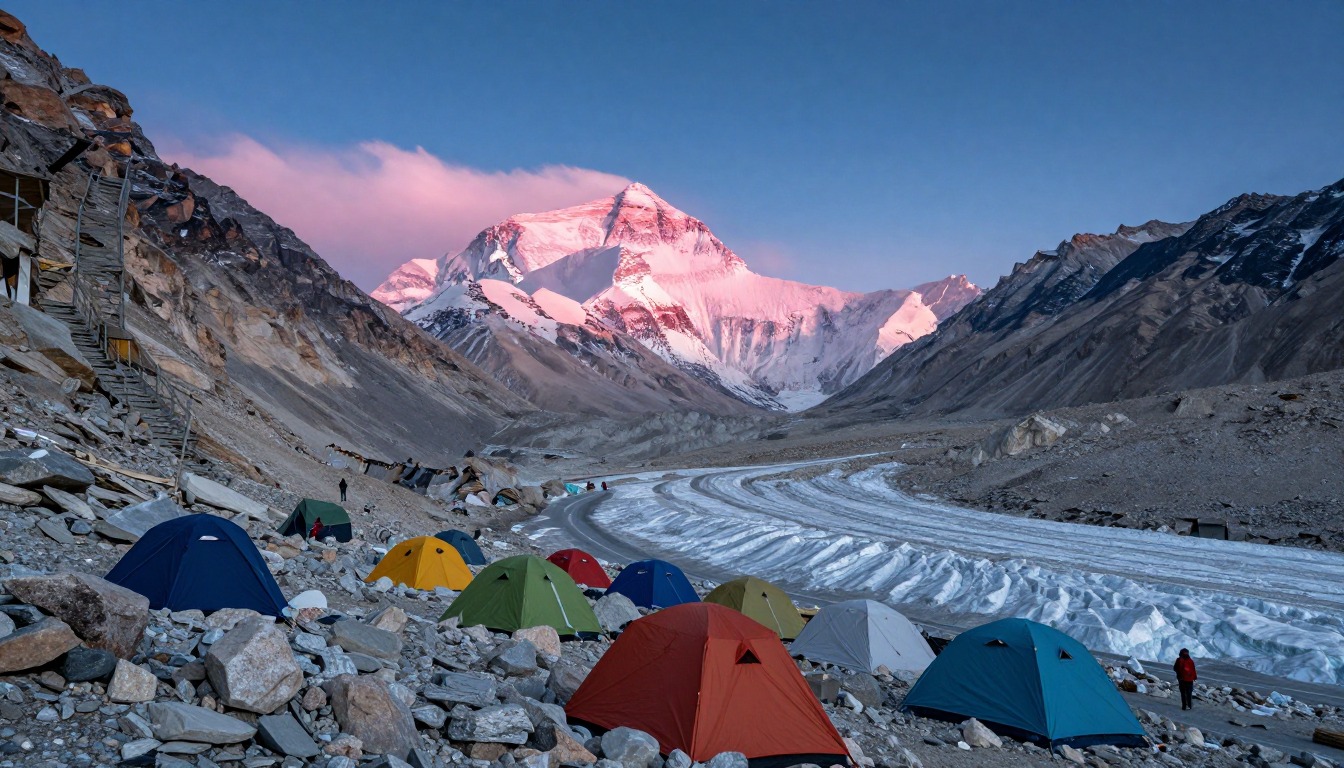
The trek to K2 Base Camp follows the Baltoro Glacier through Pakistan's Karakoram to Concordia, the glacial junction at the foot of K2 in Gilgit-Baltistan's Central Karakoram National Park. There are no teahouses or lodges anywhere on this route — it's a full camping expedition, with your own crew of porters and a cook pitching tents at a series of glacier campsites each night. Where you sleep here isn't a booking decision; it's built into the itinerary your operator runs.
Why hike here
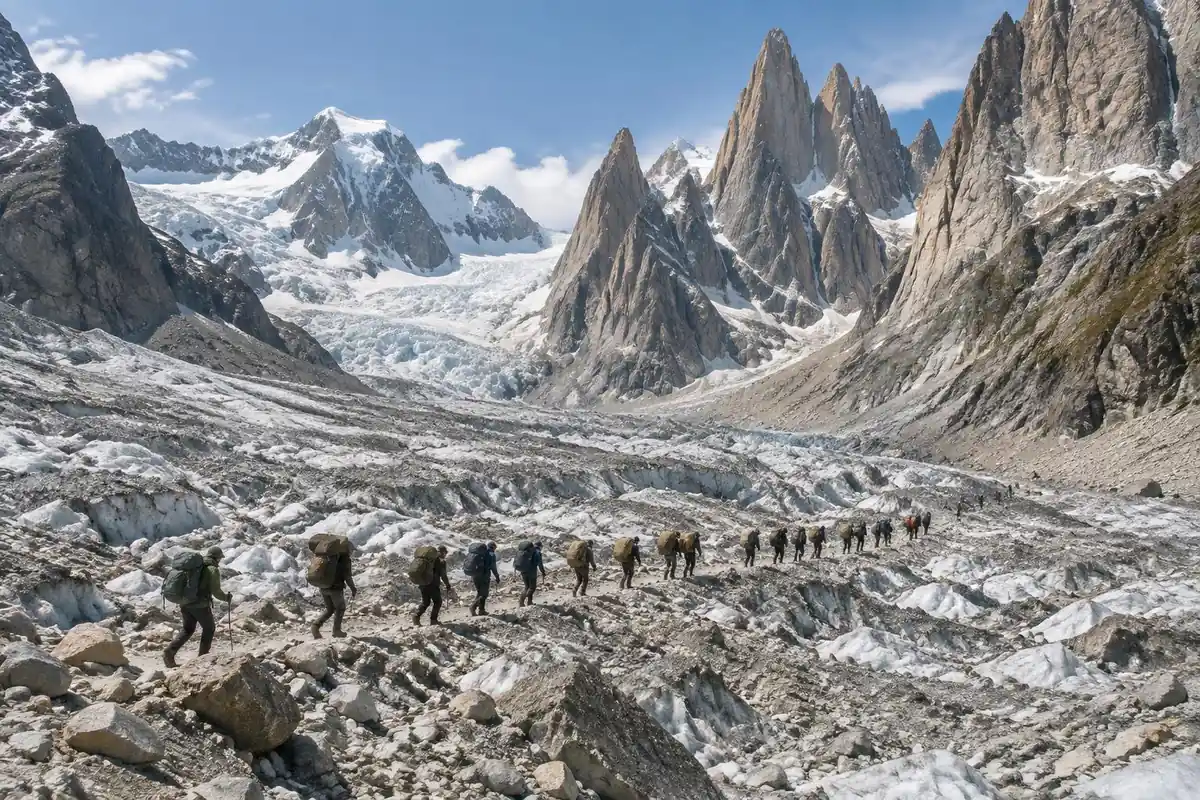
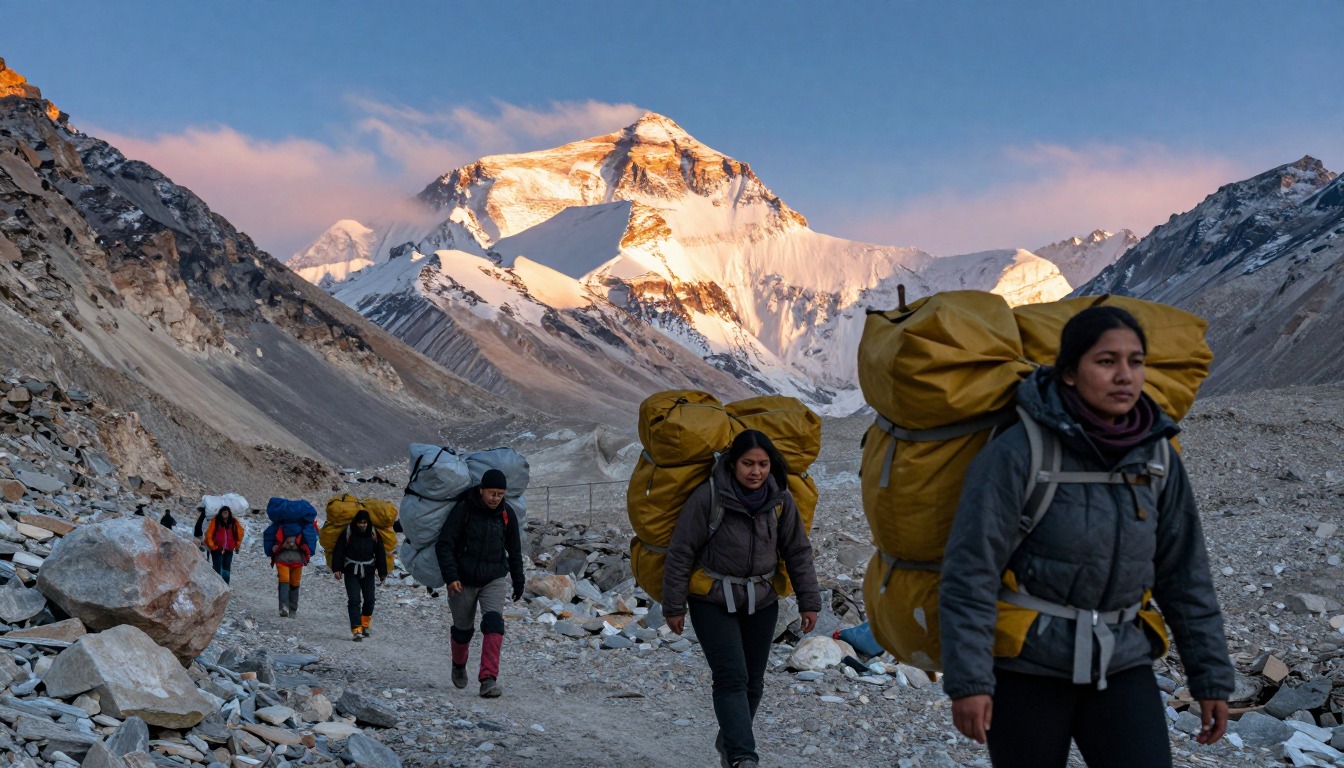
This isn't a trek with huts to break up the effort — it's days of walking across glacier ice, sleeping in tents your crew pitches fresh each evening, and waking up a little closer to some of the tallest peaks on Earth. From Paiju the route climbs onto the Baltoro Glacier itself, threading past towers of rock and ice to camps at Urdukas and Goro before the final push to Concordia, at roughly 5,150 meters, where the moraine opens out and K2 rises straight ahead of you, ringed by neighboring giants. There's no village, no lodge, no wifi to retreat to — just your tent, the cold, and the scale of the Karakoram. It's a trek for hikers who want the high mountains with nothing standing between them and it.
Getting there
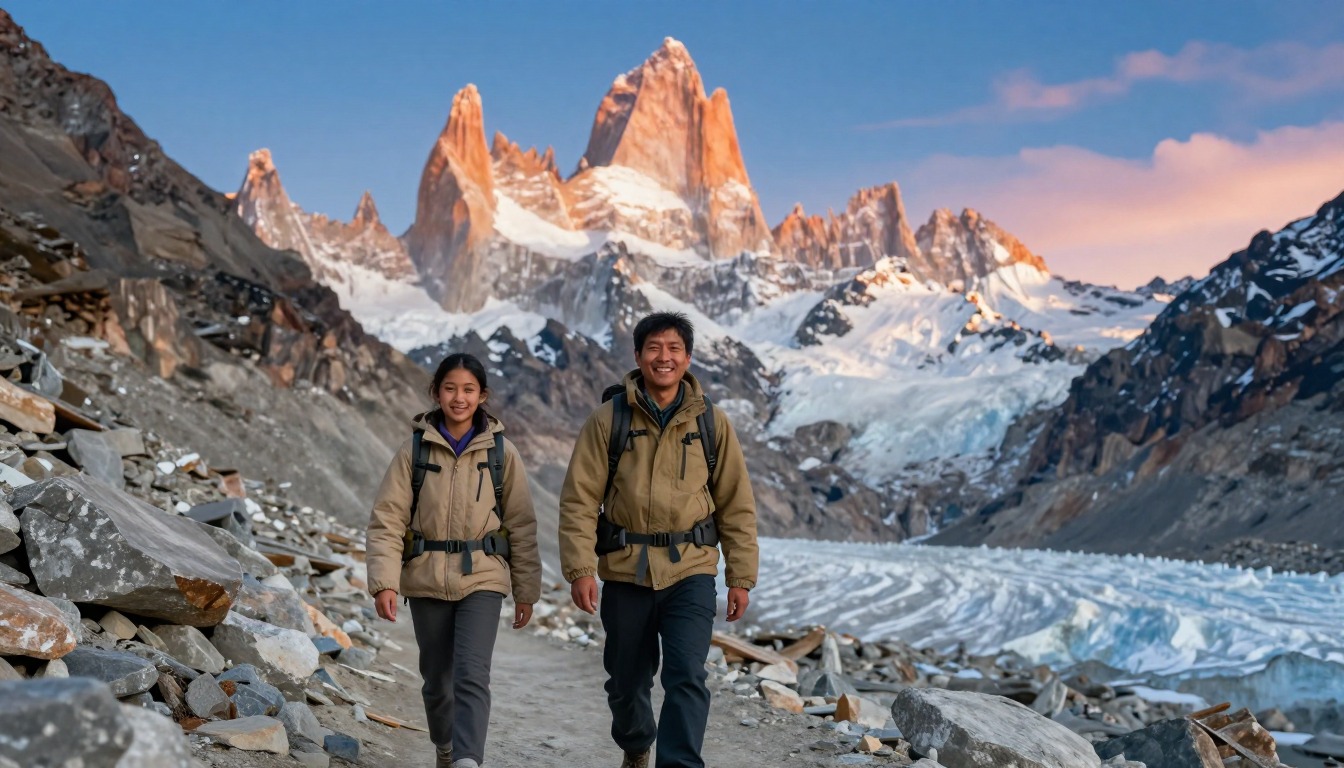
Skardu, in Gilgit-Baltistan, is the staging town for the trek, with hotels and guesthouses to rest in before and after the expedition. Most hikers fly into Islamabad and then take a domestic flight on to Skardu, though that route is weather-dependent and sometimes swapped for the long road journey along the Karakoram Highway instead. From Skardu, a jeep covers the rough final stretch to Askole, the last village and the actual trailhead, where the trek onto the glacier begins on foot.
Where to stay
The realistic options, closest-to-the-trail first. Book through the official links — we don't list prices or availability because they change all the time.
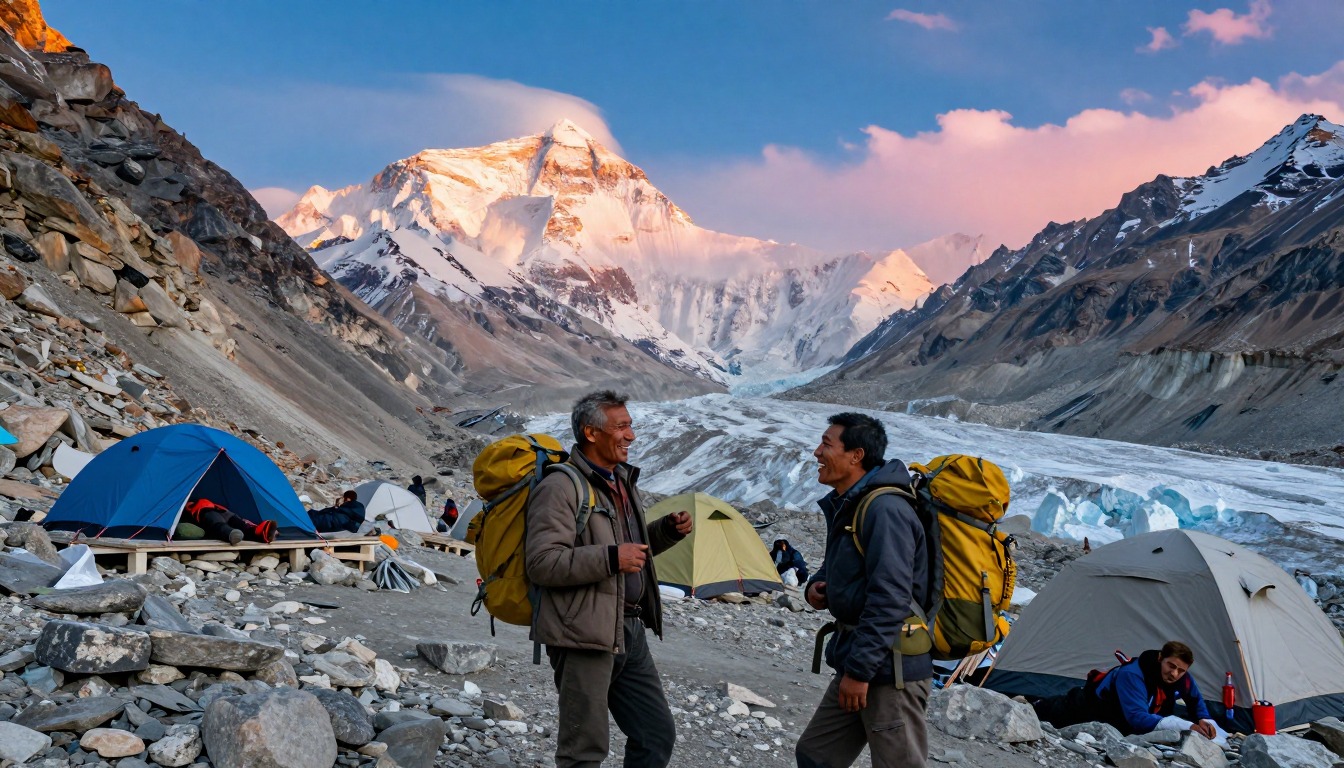
For example: Tented camps set up by your crew (porters, cook) at the glacier campsites — Paiju, Urdukas, Goro, Concordia
Every trekker — there are no lodges on the Baltoro; it is a full camping expedition.
Porters and a cook carry and set up camp; your operator arranges permits and a guide.
Booked through a licensed trekking operatorFor example: Hotels and guesthouses in Skardu before and after the trek
Everyone — Skardu is the staging town for Karakoram treks.
Spend days here to organize the trek and acclimatize before the jeep to the trailhead.
Nearby-town lodging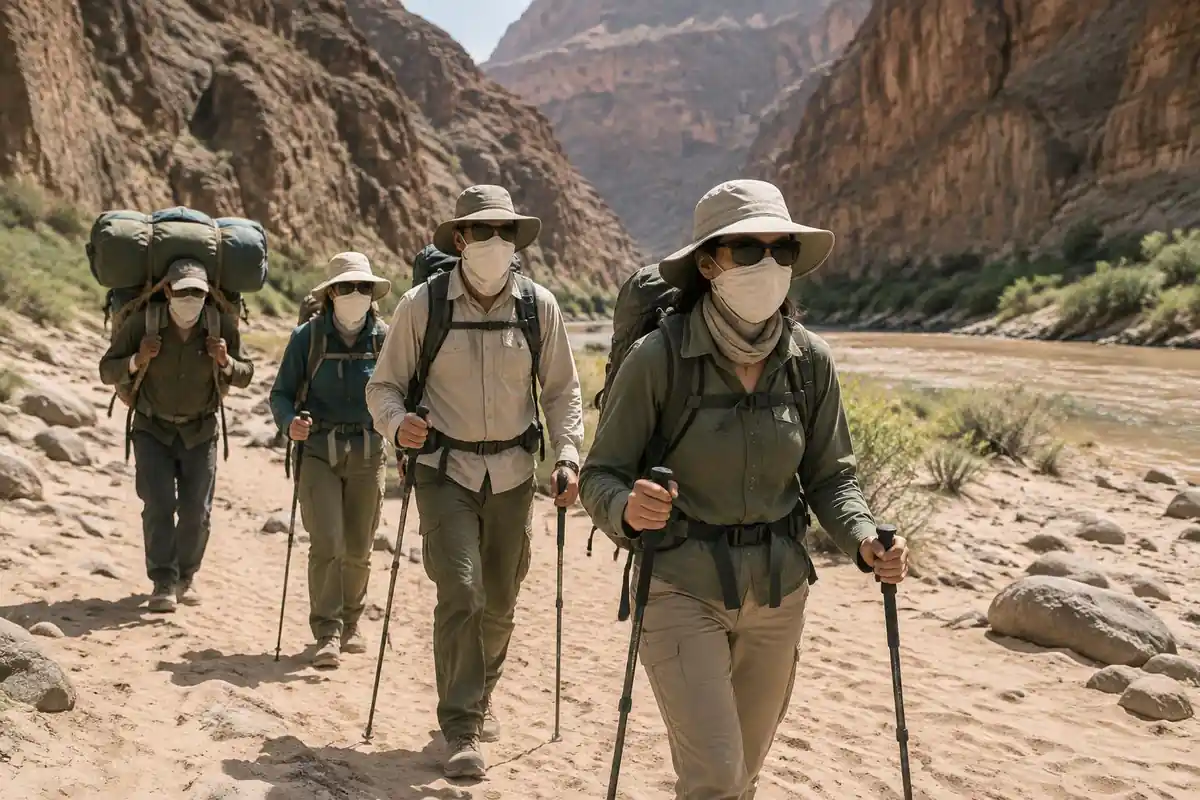
Permits & rules
This is a remote, committing expedition normally organized through a licensed operator with permits, guides and a porter crew (confirm current requirements before booking); there is no teahouse infrastructure. Acclimatize carefully and budget spare days for weather on the glacier.
Gear you'll want for this trip
Matched to the terrain and conditions here. Real products — check current price on Amazon.



When the campsite is the only lodging
The page lists the glacier campsites as Paiju, Urdukas, Goro and Concordia, and says the crew pitches tents each night with porters and a cook. The consequence is that whatever the operator plans is where you sleep, so the operator, the crew and the itinerary are the real lodging choice. Spare days matter, because weather can hold up flights and road travel to Skardu as the page notes, and days spent waiting on the glacier are not free.
Confirm permits, closures, group rules and the porter arrangements with the Gilgit-Baltistan authorities named on the page and with the operator before you commit. Do not rely on any single summary of the requirements, including this one, because they are set by the authorities and can change.
Sleeping cold, cooking safely
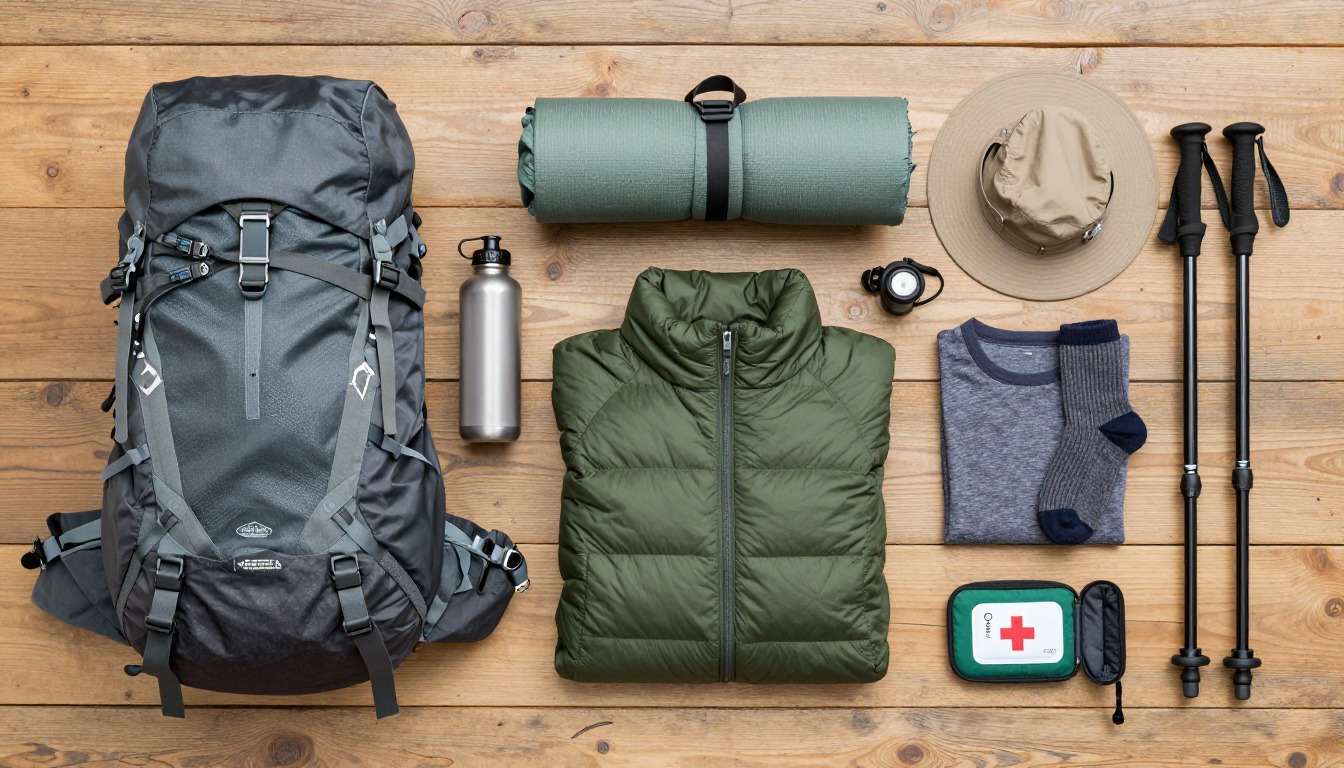
Sleep is the piece of the system you control. Therm-a-Rest explains that sleeping directly on the ground chills you through conductive heat loss, which is why an insulated pad matters, and that R-value measures a material's resistance to heat flow.6 On a glacier camp the pad often matters as much as the bag. NEMO notes that the extreme rating on a sleeping bag marks serious risk of death from hypothermia within hours and is not a target rating.7
Cooking and heating are the second risk. The CDC's report on two camping incidents that killed six people describes a propane stove burning inside a zipped tent, and says camping stoves, heaters and lanterns should never be used inside a tent.3 The Consumer Product Safety Commission says carbon monoxide risk is higher at high altitudes and that poisoning can be mistaken for a cold or flu until it is too late.8 If your operator or crew offers a heated dining tent or a stove near your sleeping tent, treat that as a reason to ask questions, not a reason to relax. MSR also notes that canister fuel is not available everywhere and that liquid fuel is safer for remote international travel, so ask what fuel the kitchen uses.9
Ice, water and altitude
Glacier travel adds sun to the list. The CDC Yellow Book says UVB is most intense at higher elevations and that snow reflects UV and increases exposure, and the EPA says UV intensity rises about 6% per kilometer of elevation.10,11 The EPA also notes that UVB can cause snow blindness, a temporary loss of vision from sunburned corneas.12 Water is another question: the CDC says clear mountain water can still contain germs, boiling is the best treatment, and most portable filters remove parasites but not viruses.13
Concordia sits at roughly 5,150 meters, as the page says. At that height, the CDC's guidance applies fully: fitness and training do not protect against altitude illness, headache is the main early symptom, and you should never go higher to sleep while symptomatic.5 The National Weather Service says a tent offers no protection from lightning, and that in the mountains thunderstorms often build in the early afternoon, so hike early and be off exposed ground by noon.4 Leave a trip plan with someone not on the trip, and do not rely on a phone for emergencies.2
Common questions
Are there any huts or lodges along the K2 Base Camp trek?
No. Unlike some Himalayan treks, this route has no teahouses or huts at all — it's a full camping expedition. Your crew of porters and a cook set up tents at glacier campsites like Paiju, Urdukas, Goro, and Concordia each night, so accommodation is really about the operator and crew you hike with, not booking rooms.
Do I need a guide or operator to do this trek?
In practice, yes. The K2 Base Camp trek is normally done through an experienced operator that arranges the permits and a porter crew to carry the camping equipment and supplies across the glacier; confirm the current permit and operator requirements with the relevant Pakistani authorities. This isn't a route to attempt independently — the camping logistics alone, let alone the permits, make an experienced operator essential.
When is the best time to go, and how much time should I plan for?
June through September is the trekking season, when the weather is most stable for crossing the Baltoro Glacier. Build spare days into your schedule beyond the minimum, since weather can delay progress or hold up flights and road travel to Skardu, and acclimatizing carefully at altitude takes time you shouldn't rush.
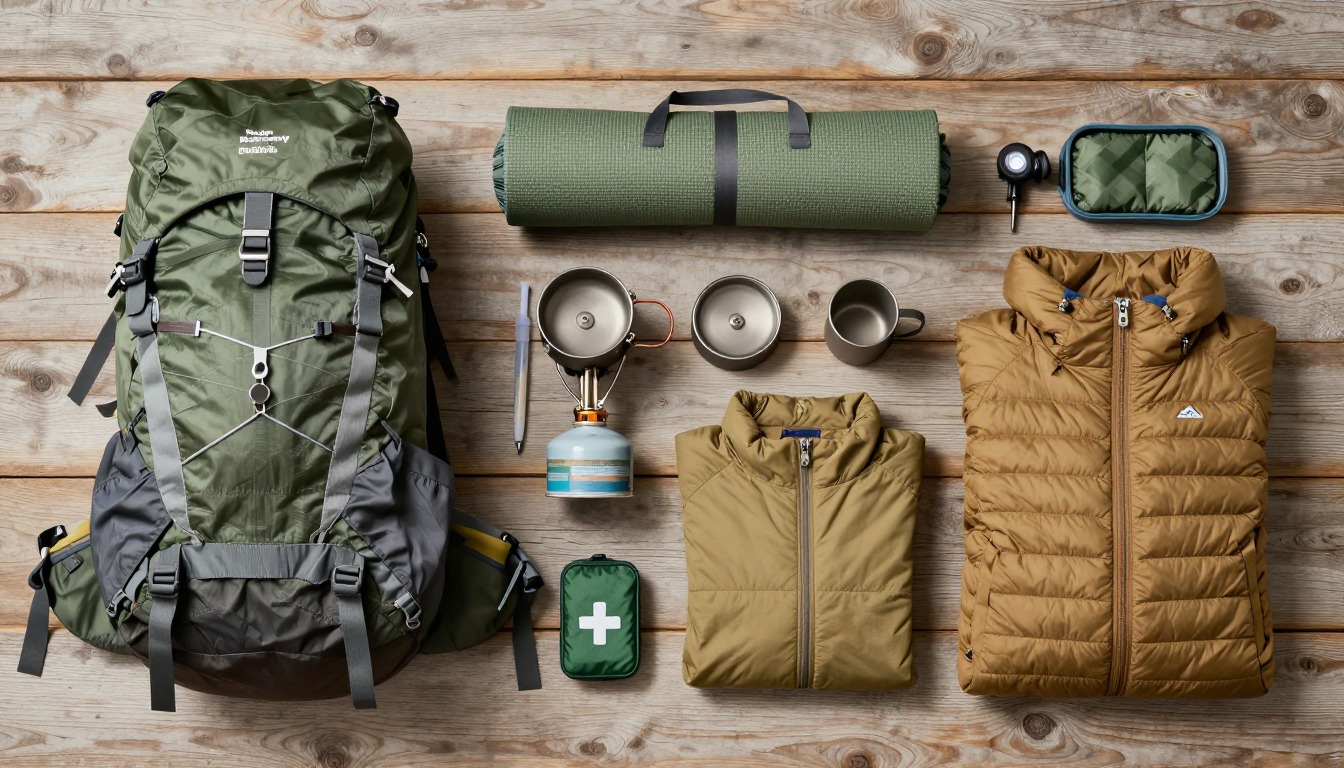
Complete gearsets for this trip
Full curated kits built for exactly this kind of hike — what to bring, why, and links to similar gear.
Lodging details are compiled from official parks, refuge associations and reservation systems and can change without notice. We publish no prices, availability or ratings — always confirm current information on the official site before booking or setting out. Product links and the accommodation map are affiliate links: we may earn a commission at no extra cost to you; product prices and availability are shown on Amazon, and accommodation prices on the booking site. See our affiliate disclosure.