
Affiliate disclosure: this page contains affiliate links. Purchases made through them may earn us a commission at no extra cost to you. See our affiliate disclosure.
In plain English
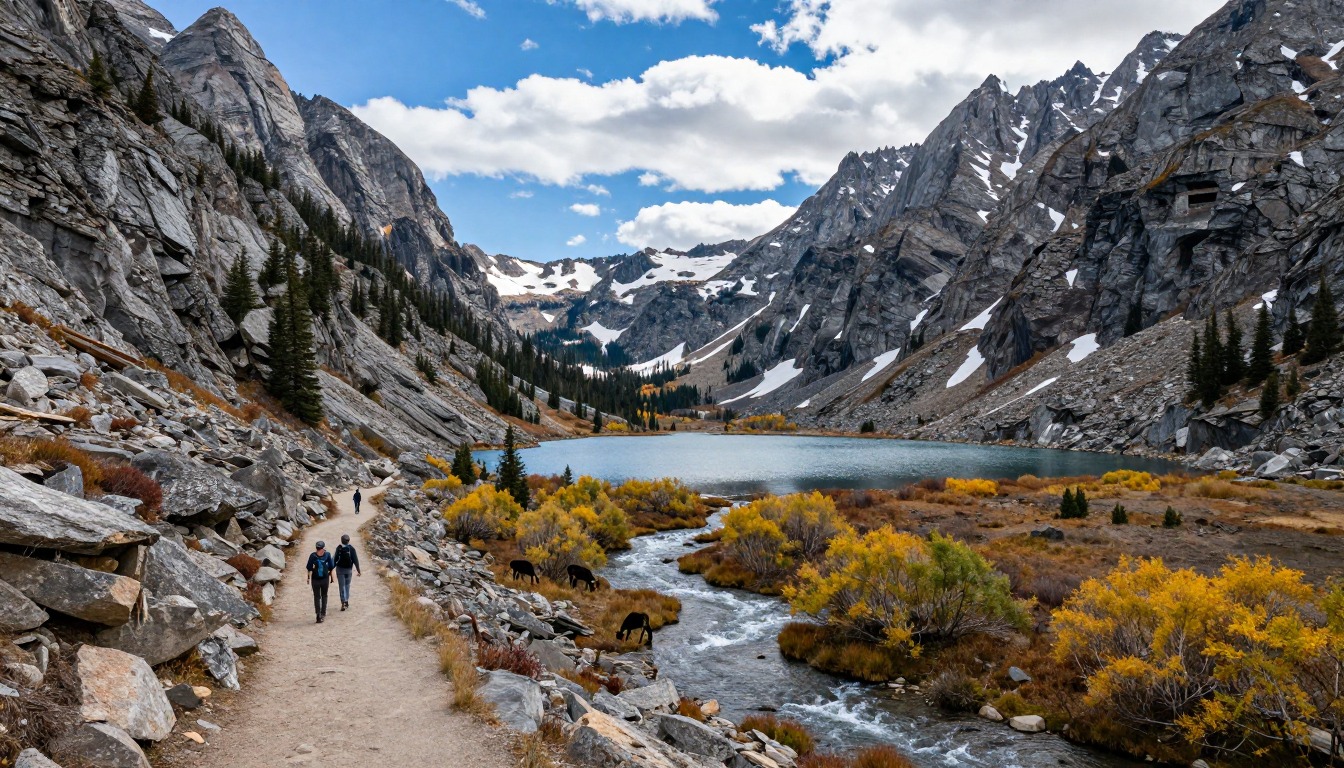
Cascade Canyon is a long, flat-bottomed valley between huge mountains. You usually start by taking a small boat across Jenny Lake, climb a short steep section past a waterfall, then walk along the valley floor as far as you like before turning back.
This is bear country, including grizzly bears, the larger kind.1 Hikers carry bear spray, a strong pepper spray made for bears, in a holster where they can grab it in a second. Talking or making noise helps bears know you are there, and if you meet one, never run.6
Because you pick your own turnaround point, the hike can be short or long. A daypack with water, snacks, rain gear and a warm layer is enough. Check the time of the last boat before you start so you are not rushing on the way back.
What the hike is like
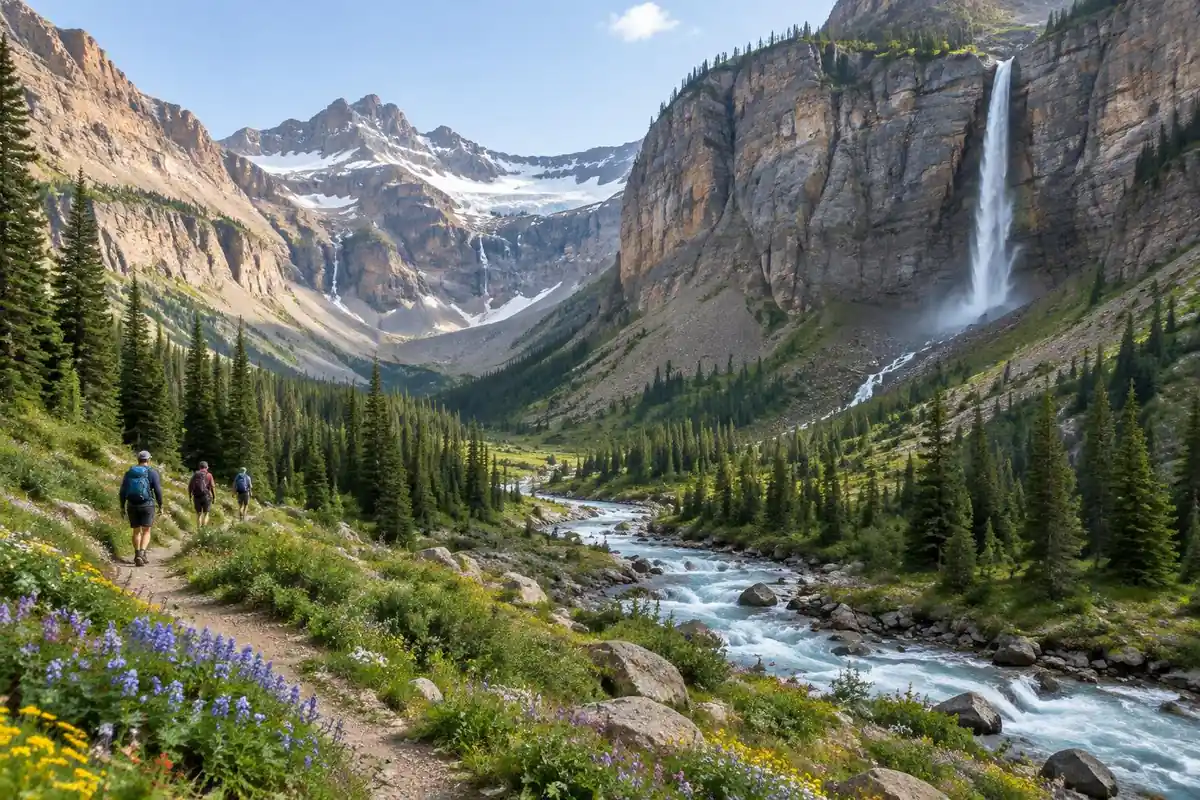
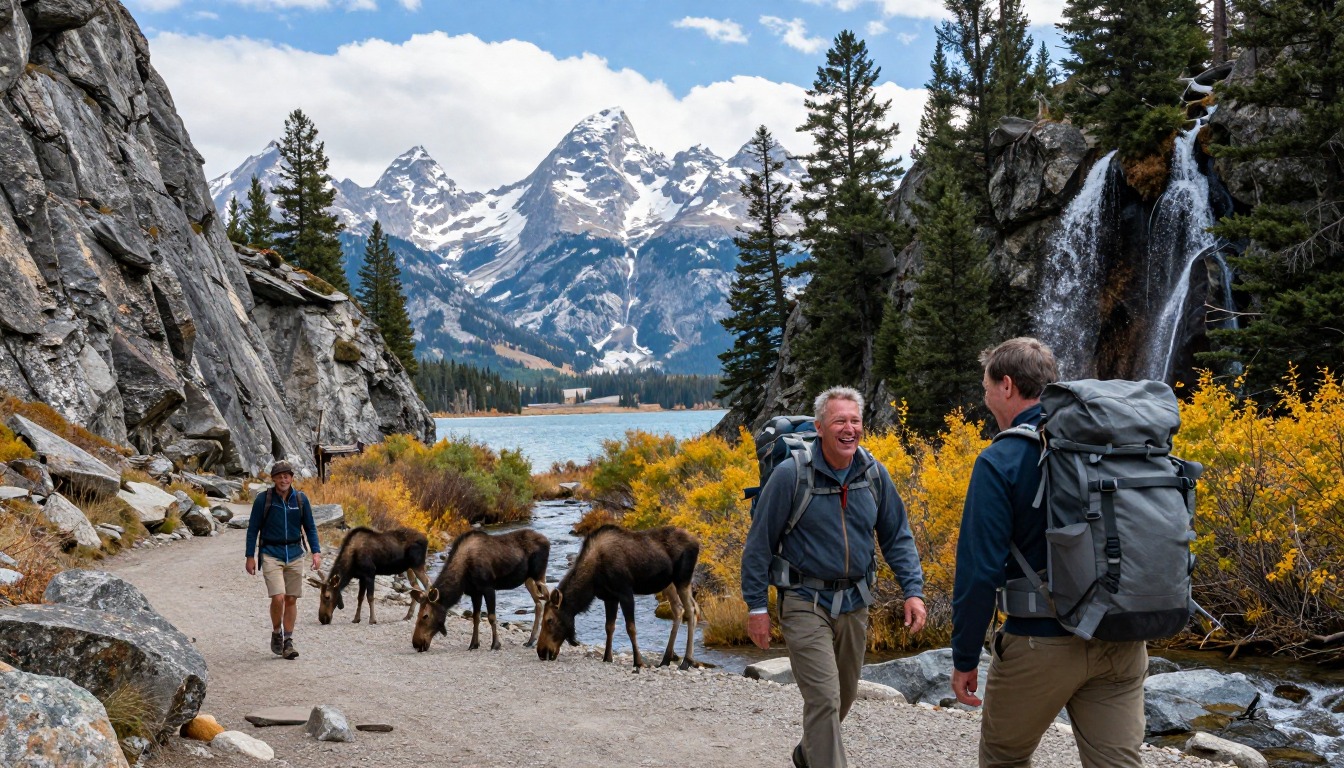
The hike has two completely different halves. From the boat landing on the west shore of Jenny Lake, the trail gets to work immediately: a short, steep climb on rock steps and switchbacks past Hidden Falls, then a narrower, partly blasted section with a rail in places as it works up to Inspiration Point, with the lake dropping away below. That stretch is the busiest and the steepest part of the day. Past it, the character changes entirely. Cascade Canyon is a glacier-carved trough, and the trail runs along its floor at a gentle, forgiving grade, threading between boulder fields, talus fans spilling off the walls, willow flats and stands of conifer, with the peaks standing sheer on both sides. It is one of the rare alpine trails where the deeper you go, the easier the walking gets.
How to plan the itinerary
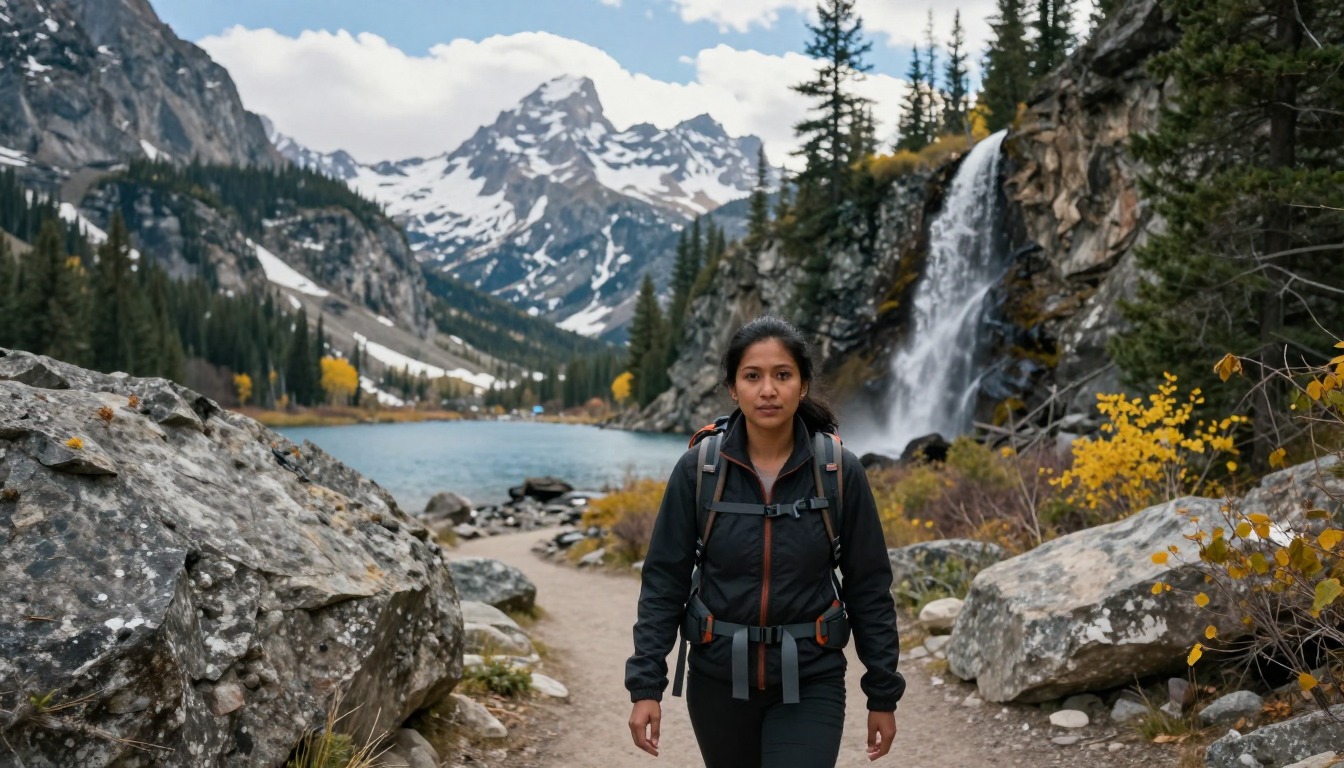
Most people take the shuttle boat across, climb to Inspiration Point, then walk as far up the canyon as time and legs allow before turning around and catching a boat back. That makes it an unusually flexible day: the turnaround is a choice rather than a fixed destination, so you can make it a half day or a long one without changing plans. Hikers who want a bigger outing continue to the junction where the canyon splits and carry on up one of the forks toward the higher basins, which turns it into a committing full day. Anyone who misses the last boat, or prefers not to use it, can walk the shoreline trail around the lake instead, so it is worth knowing the boat's operating window before you set off rather than relying on it.
Plan this trip in 5 steps
-
Pick the right pack
Match a pack to your trip, fit and priorities.
-
Book a place to stay
Campgrounds, huts and lodges near Grand Teton — Cascade Canyon.
-
Plan food & water
Calories, food weight and water for your days on trail.
-
Estimate your time
Pre-filled with this trail’s distance and climb — adjust for your pace.
Trail-specific tips
The trap here is the easy walking: the canyon floor pulls you further in than you intended, and the return is the same distance plus a descent of the steep section on tired legs, ideally before the last boat. Pick a turnaround time, not a turnaround landmark. This is grizzly country and the canyon floor has plenty of brush and blind corners, so make noise and keep your group together. Moose use the willow flats and deserve a wide berth. For bear-safety practice and general wildlife etiquette, see /trail-smarts/.
Permits & rules
No permit is needed for the Cascade Canyon day hike. The Jenny Lake shuttle boat saves about 4 miles round trip. Overnight backcountry trips require a permit; store all food properly in bear country.
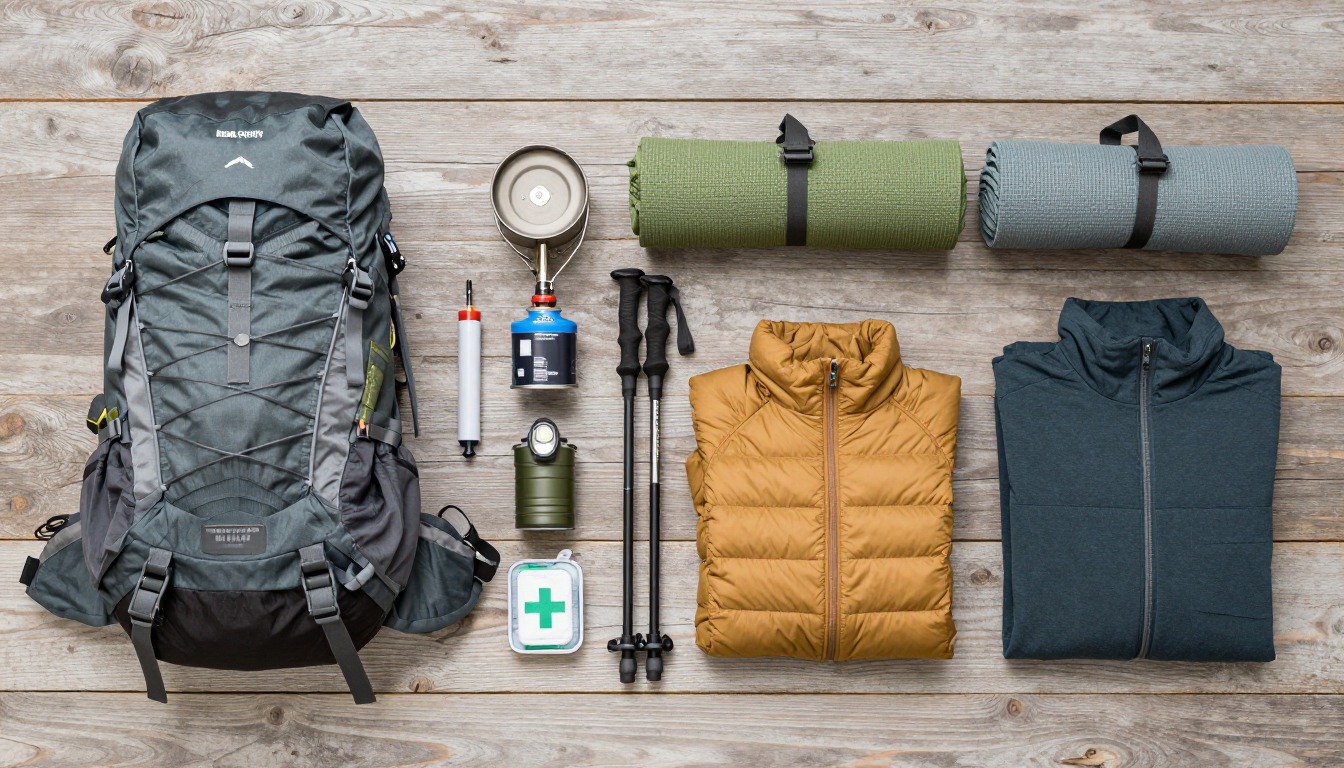
Gear suited to this hike
Matched to the terrain and conditions here. Real products — check current price on Amazon.



Closures, operating dates and turnaround planning
Grand Teton's official site keeps a temporary and wildlife closures page with the instruction to know where you can go and follow all closures, and a What's Open Today list of operating dates for visitor centers, lodges and other services.1 Wildlife closures can change a planned route overnight, so checking both on the morning of the hike matters more here than in parks where the only variable is weather.
The page lists 13.6 miles round trip to the Forks with about 1,300 feet of gain, or about 8.8 miles using the boat both ways. Naismith's rule of one hour per three miles plus one hour per 2,000 feet gives about 5.2 hours of moving time for the full walk and about 3.6 hours with the boat.3 The Shenandoah formula rates them about 188 and 151, both in its Strenuous band.7 The difference between those two numbers is the value of the boat, and why its last run sets the real deadline.
Bear spray: range, wind and where to carry it
The NPS says to use bear spray when a charging bear is within 60 feet and that wind, snow, rain and cold reduce spray distance.2 The Interagency Grizzly Bear Committee says most bear sprays reach 20 to 30 feet and exit at over 70 mph, and that you should only buy EPA-registered spray.8 Those figures do not conflict: 60 feet is when to act, 20 to 30 feet is how far the cloud reaches.
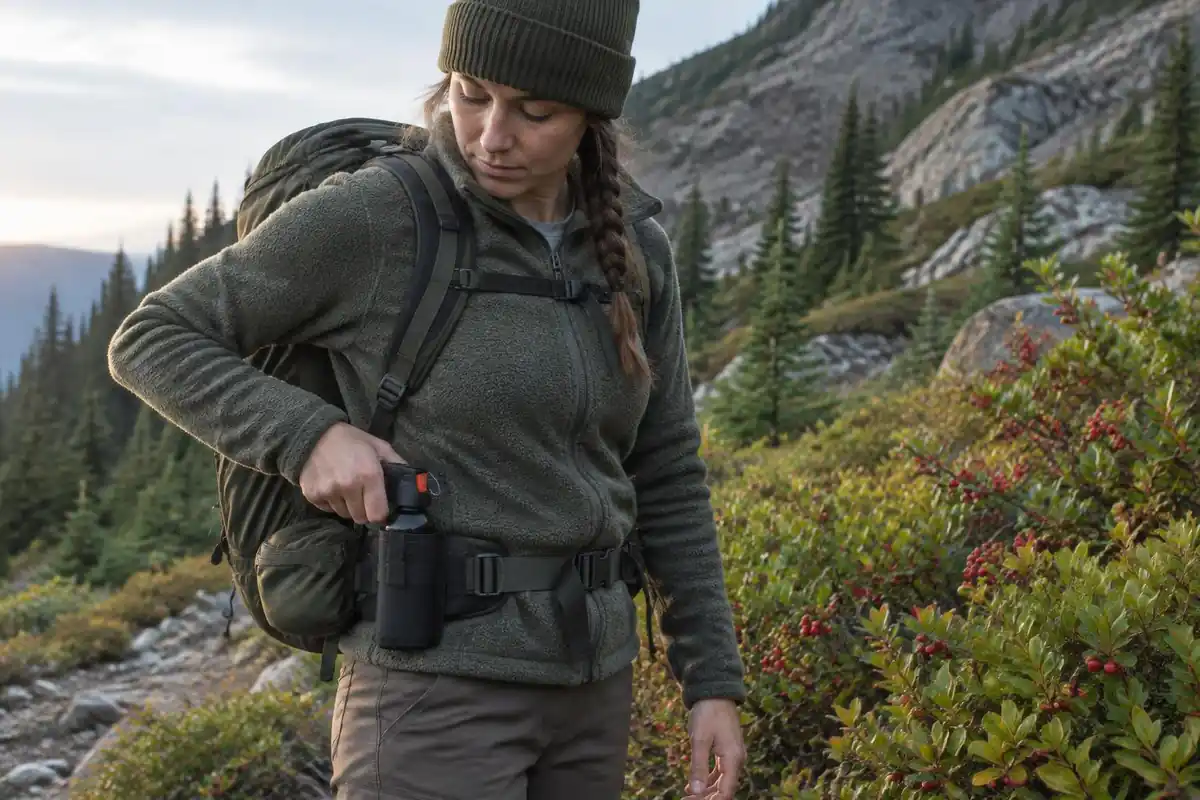
Yellowstone's guidance is that each group member carry spray in a quick-access holster.4 A canister inside the main compartment is useless in a surprise encounter. The U.S. Fish and Wildlife Service advises staying at least 100 yards from bears and traveling in groups of three or more while making noise.9 If a grizzly attacks, the NPS says to play dead face down with hands behind the neck; with a black bear, do not play dead.6
Water, weather and a daypack that works in the canyon
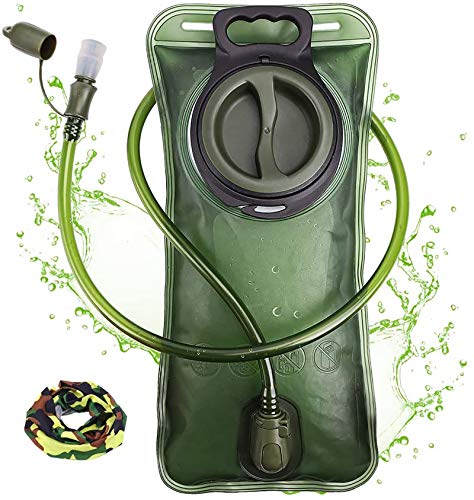
The canyon has flowing water, which tempts hikers to carry less. The CDC says water from a clear mountain stream is generally not safe untreated, and that most portable filters remove parasites but not viruses or bacteria; boiling is the most reliable method.5 Carry enough treated water for the climb and top up only with a method you trust.
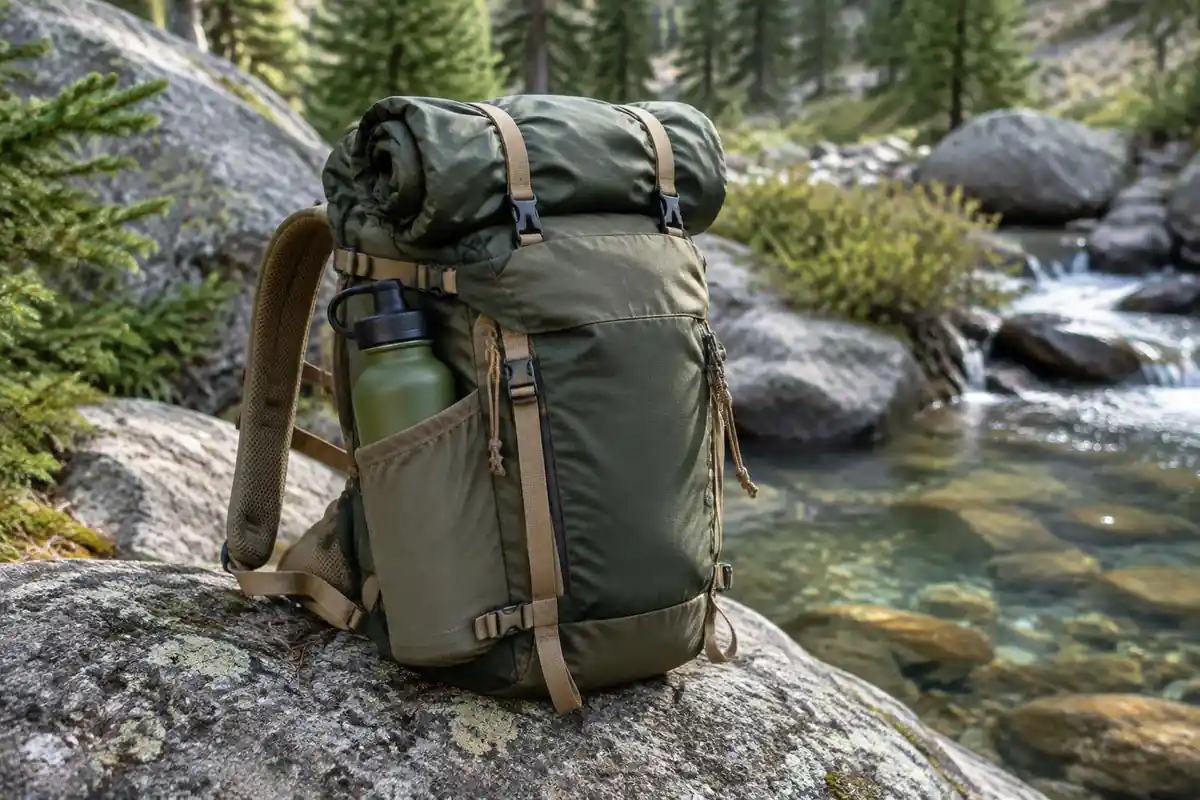
The canyon floor is open to the sky, and the NWS says mountain thunderstorms often build in the early afternoon, so an early start helps.10 For a full day WTA suggests a 25–30 L pack, which leaves room for rain gear and a warm layer.11 Overnight trips need a permit, and the NPS notes bears treat any scented item, from sunscreen to trash, as food.12
Common questions
Do I have to take the shuttle boat?
No. A trail runs around the lake shore and connects to the same climb, so the hike is fully walkable without the boat. The boat is simply popular because it removes a flat approach in each direction and leaves more energy for the canyon itself. Walking one way and riding the other is a good compromise.
How far up the canyon should I go?
As far as your turnaround time allows. Inspiration Point is the natural short objective, and the canyon floor beyond it rewards every extra stretch you walk with deeper views into the range. There is no single correct destination, which is part of the appeal. Decide by the clock, especially if you plan to catch a boat back.
Is Cascade Canyon suitable for beginners?
The climb to Inspiration Point is the hard part and it is short, steep and rocky rather than technical. Beyond it the grade is mild. A beginner in reasonable shape can enjoy this hike by taking the climb slowly and choosing an early turnaround. The bigger consideration is being comfortable hiking in bear country.
Do I need bear spray?
Carrying it is standard practice in this part of the park, and knowing how to deploy it matters more than owning it. Make noise on blind corners, hike in a group where you can, and store any food properly at trailheads and camps. For detailed bear-country practice, see /trail-smarts/ and follow current park guidance.
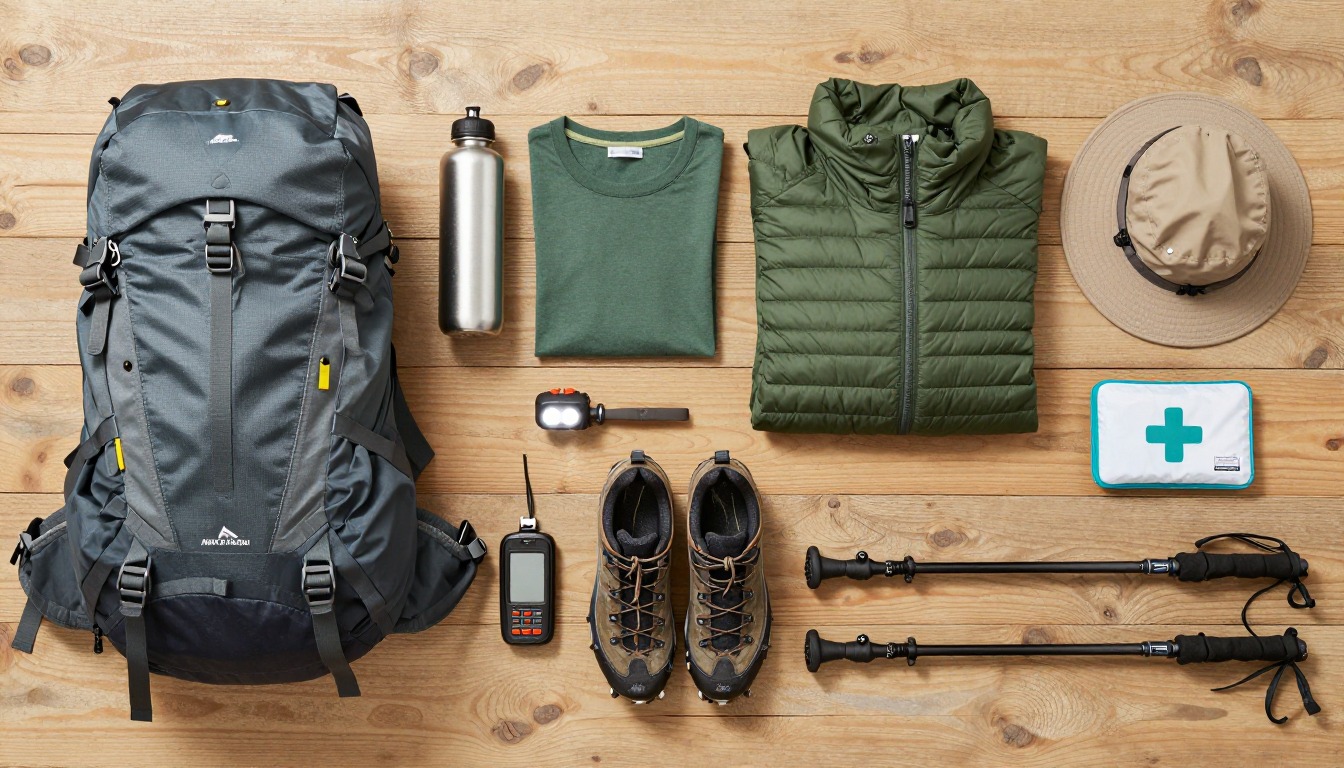
Complete gearsets for this trip
Full curated kits built for exactly this kind of hike.
Trail conditions, permits and access rules change without notice — always confirm current information on the official source above before you go. Some facts on this page are still pending owner verification and are marked accordingly. Product links and the accommodation map are affiliate links: we may earn a commission at no extra cost to you; product prices and availability are shown on Amazon, and accommodation prices on the booking site. See our affiliate disclosure.