
Affiliate disclosure: this page contains affiliate links. Purchases made through them may earn us a commission at no extra cost to you. See our affiliate disclosure.
In plain English
This part of the Everest Base Camp trek is short in distance and very hard in feel. You walk on loose rocks piled up beside a glacier, then a sandy flat at Gorak Shep, then a steep climb up Kala Patthar for the view. None of it needs ropes. It is slow because the air is thin.
Thin air means each breath has less oxygen. Your body copes if you climb gradually and rest. That is why most people sleep here only one night and then head down. The night at the highest point is often the worst for headaches and poor sleep.
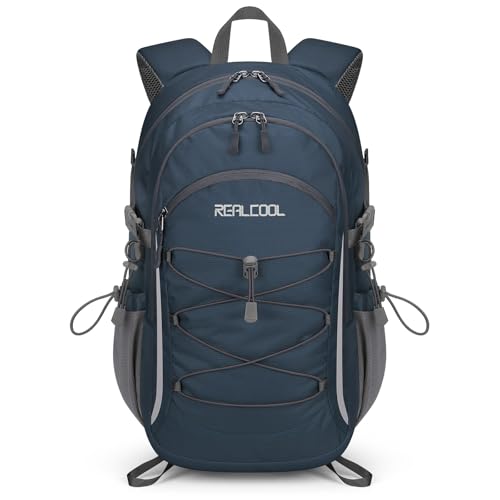
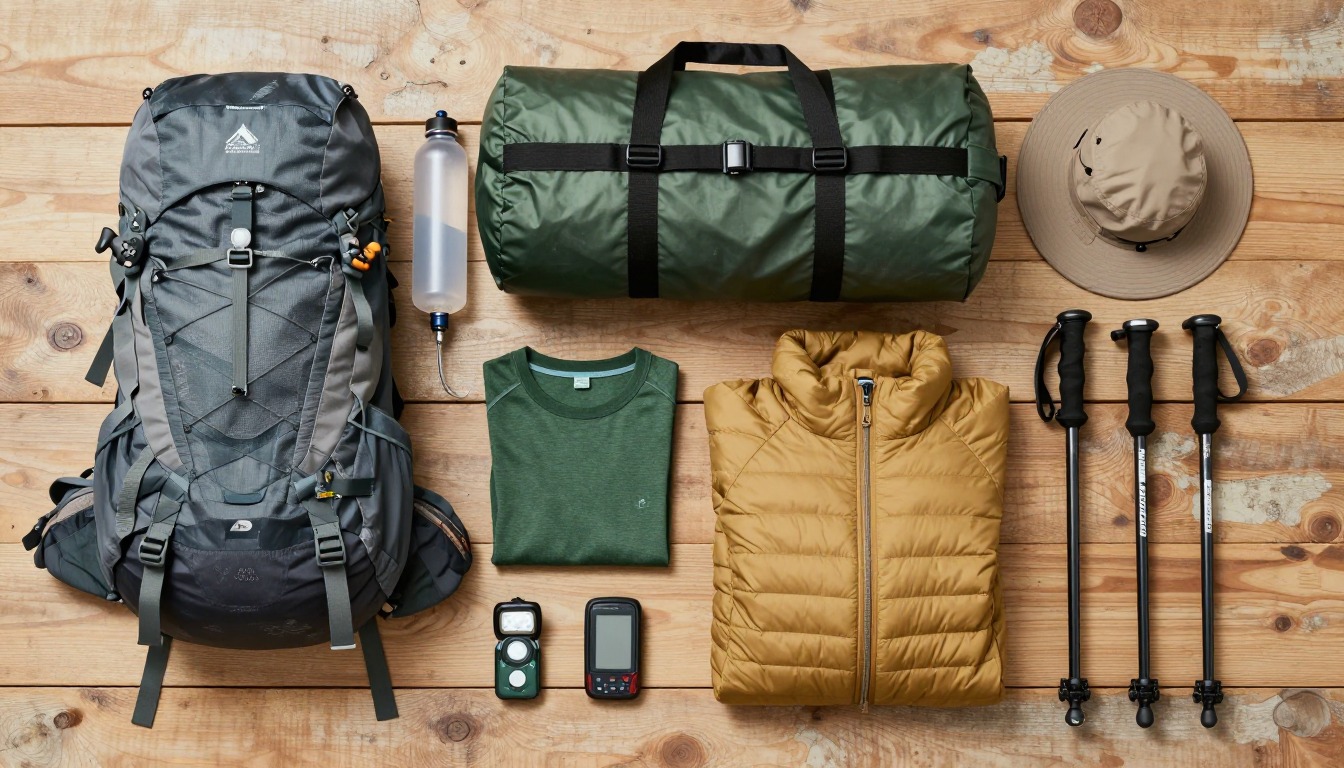
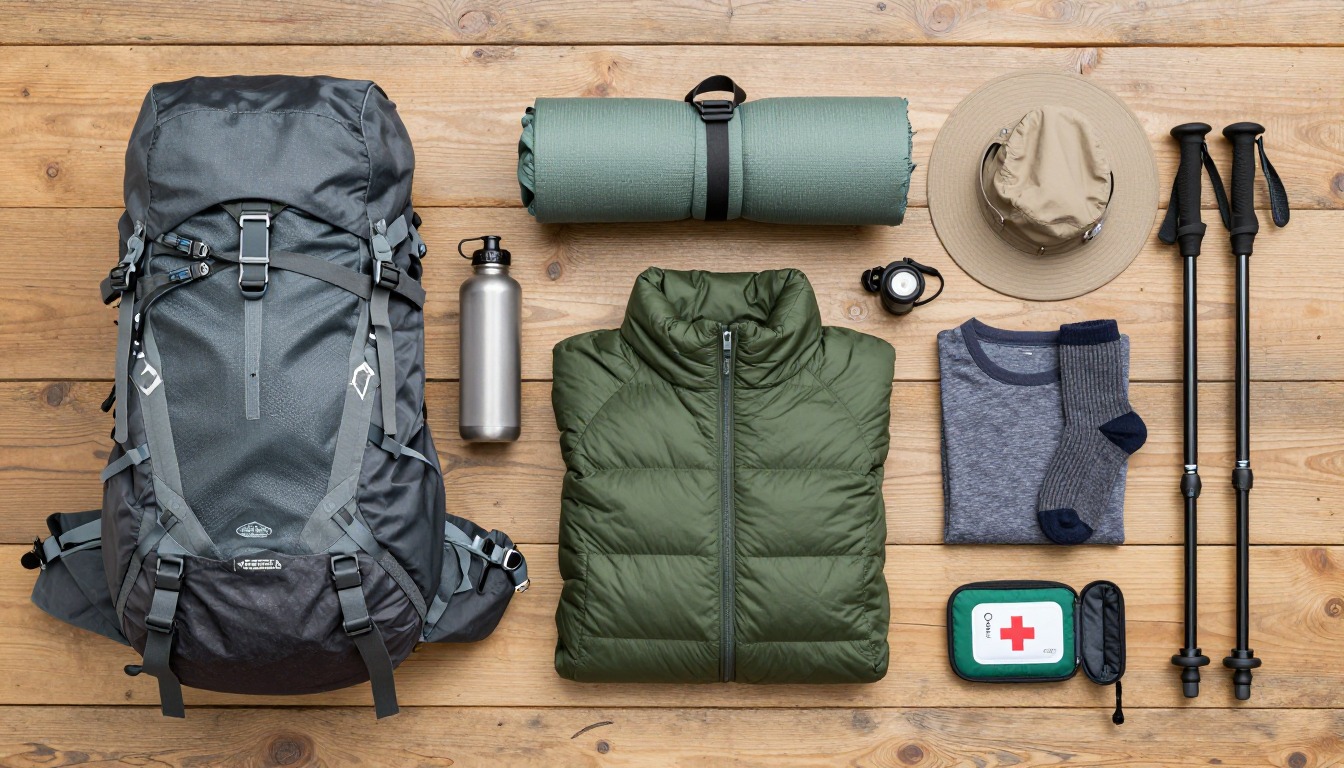
So the pack question is about warmth and weight. Nights are very cold and buildings are basic. Bring a warm hat, gloves, an insulated jacket and a windproof shell in a small daypack. Leave anything you do not need in a lower village. Every extra pound feels heavier when you are breathing hard.
What the hike is like
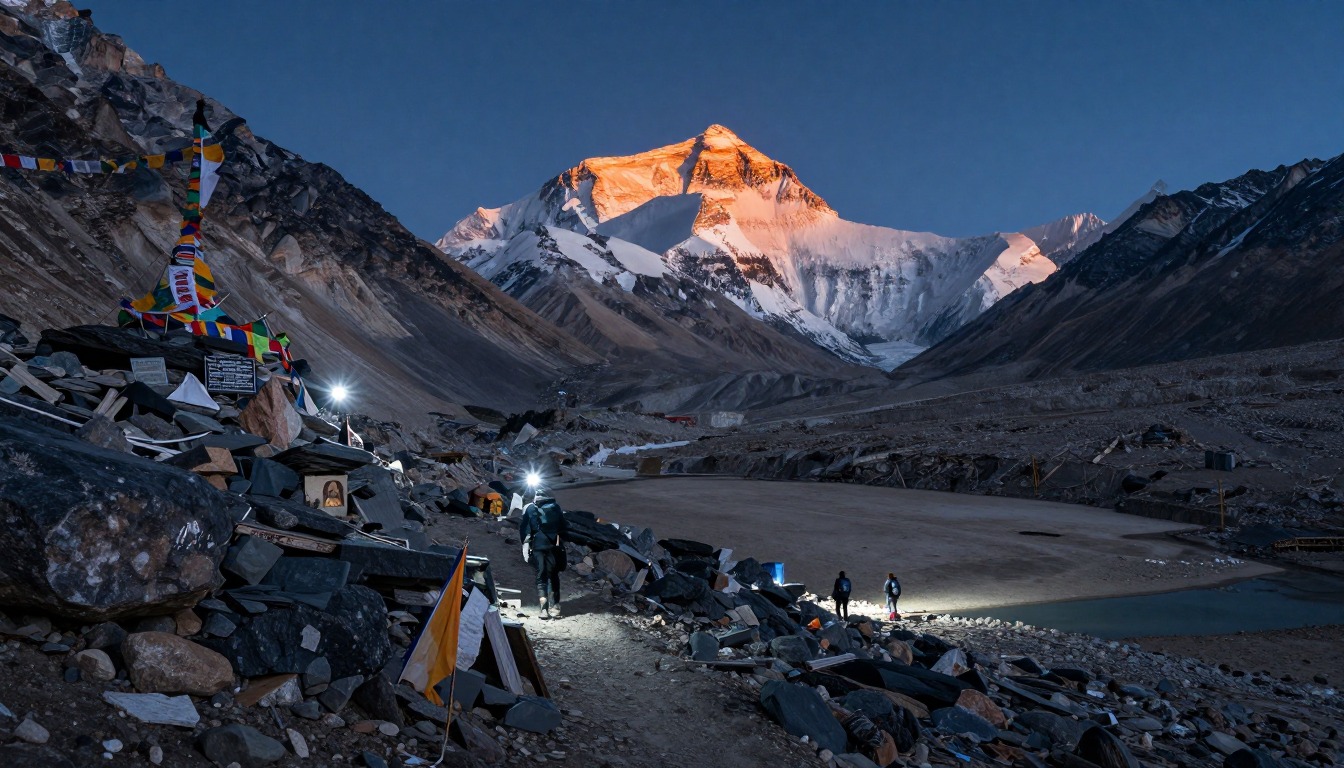
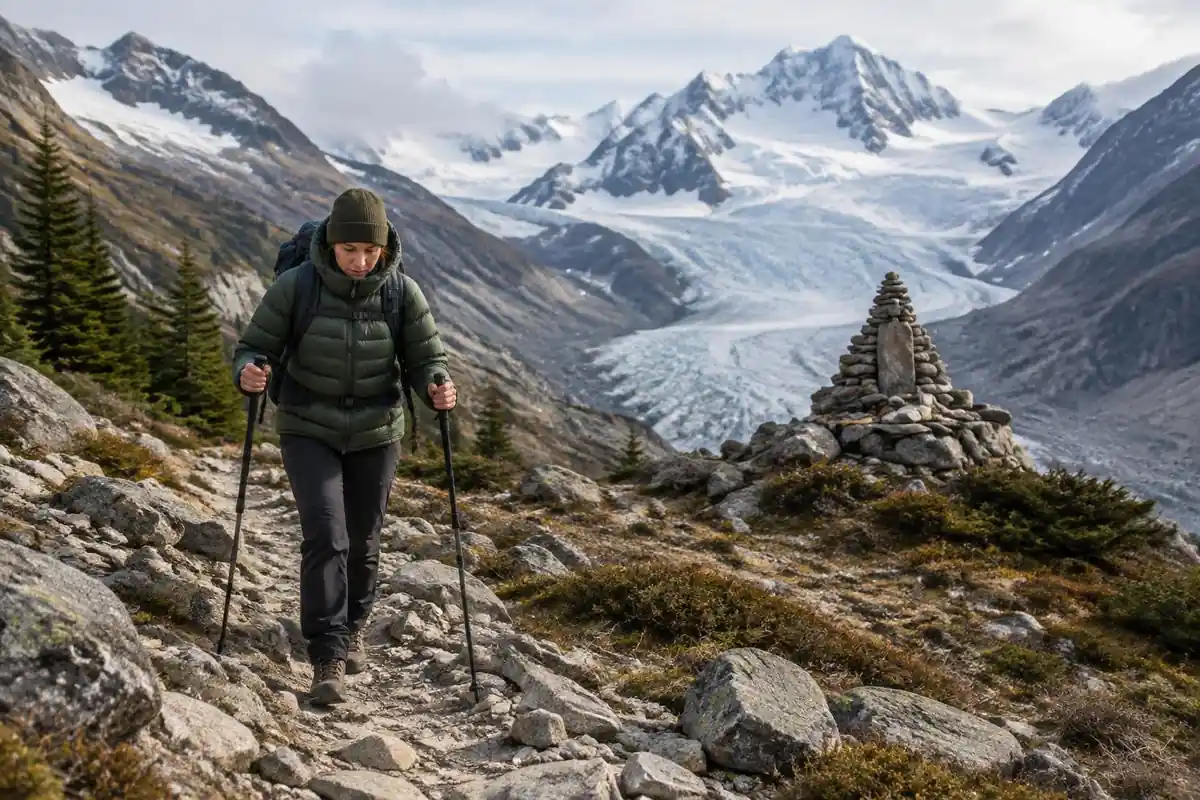
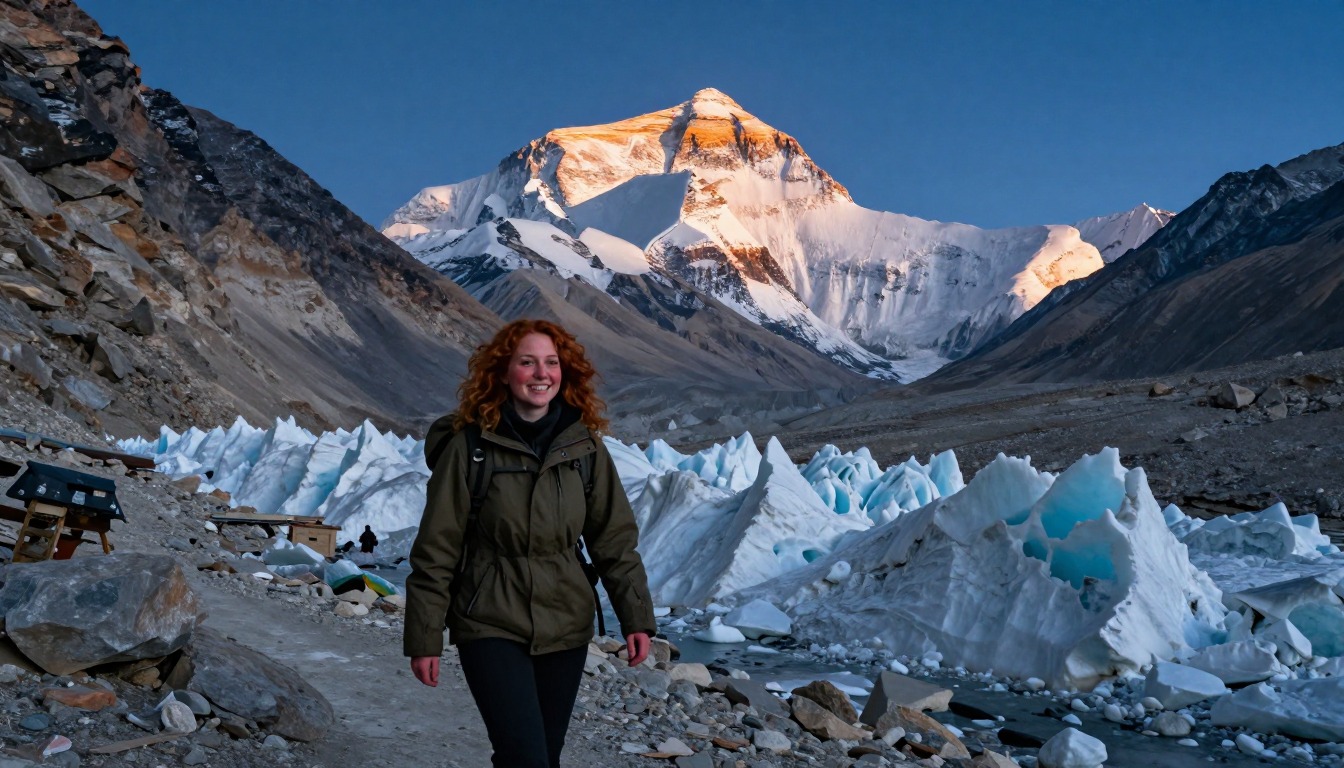
This is the section where the walking stops being about distance. From Lobuche the trail climbs onto the lateral moraine of the Khumbu Glacier and stays there, an uneven, rubble-strewn ridge of loose rock and grit that rises and falls constantly with no rhythm to settle into. It drops onto a flat, sandy basin at Gorak Shep, which is deceptively hard going because the surface is soft and the air is thin. From there the route toward Base Camp continues along and across glacial moraine, following cairns and a braided path over ice-cored rubble that shifts from season to season. Kala Patthar is different again: a direct, steep, relentless climb up a rocky shoulder above the settlement, with no technical difficulty at all and no easy stretch either. Everything up here is slower than its profile suggests.
How to plan the itinerary
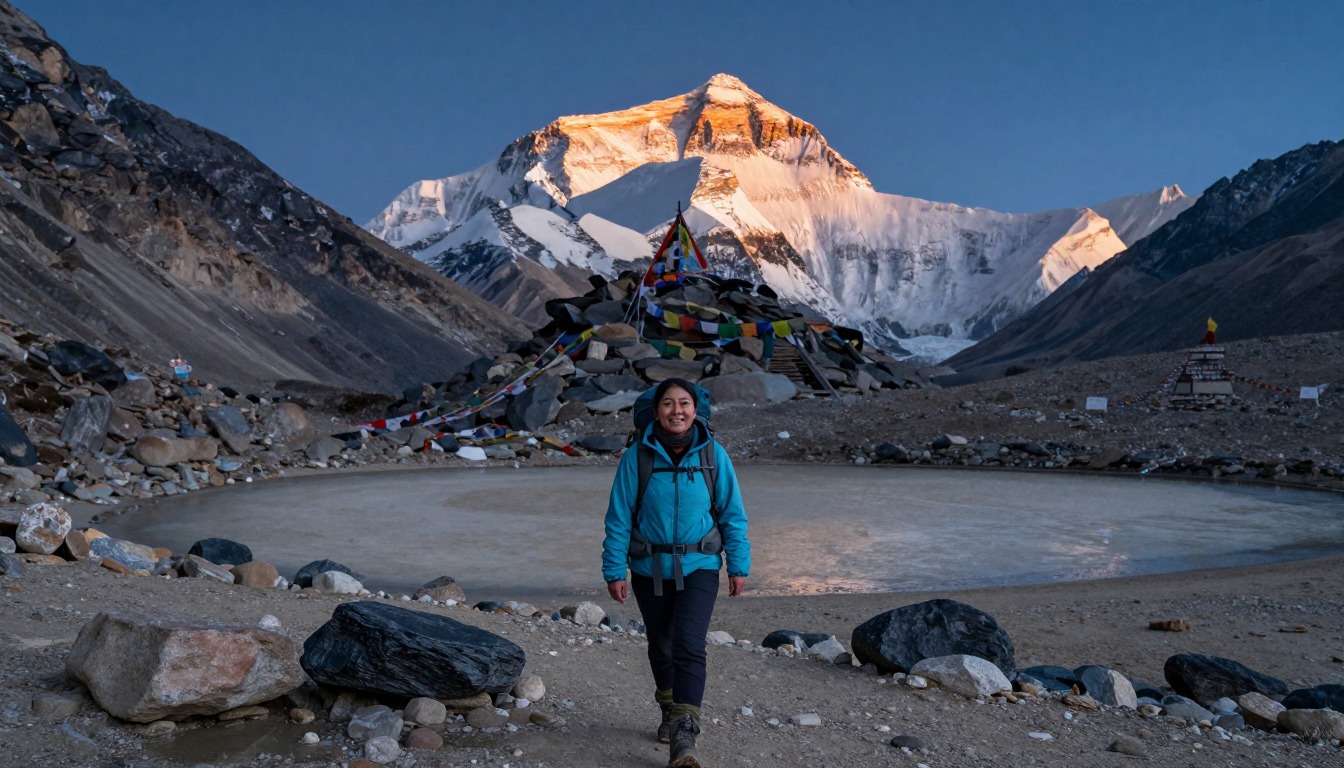
Almost nobody sleeps more than one night at this elevation. The standard shape is to arrive from Lobuche, drop packs, and walk out toward Base Camp and back the same afternoon, then climb Kala Patthar either before dawn the next morning or at the end of the arrival day, depending on weather and how the group is holding up. Sunrise is the classic choice for Kala Patthar and means leaving in the dark and the cold; late afternoon is the warmer, quieter alternative. After that, trekkers descend fast, losing a lot of height in one day and sleeping much lower, because sleeping this high is what makes people feel worst. Groups who are struggling often pick one of the two objectives rather than pushing for both.
Plan this trip in 5 steps
-
Pick the right pack
Match a pack to your trip, fit and priorities.
-
Book a place to stay
Campgrounds, huts and lodges near Everest Base Camp — Gorak Shep & Kala Patthar.
-
Plan food & water
Calories, food weight and water for your days on trail.
-
Estimate your time
Pre-filled with this trail’s distance and climb — adjust for your pace.
Trail-specific tips
Pick your fight. Doing Base Camp and Kala Patthar within about a day of each other at this elevation is plenty, and trying to squeeze in both plus an early departure is how people end up genuinely unwell. Go absurdly slowly; the pace that feels embarrassing is usually the correct one. Kala Patthar's top is cold and windy in a way the climb does not warn you about, so carry more insulation than the effort suggests, and keep batteries and water bottles inside your jacket. For altitude symptoms and when to descend, see /trail-smarts/.
Permits & rules
Beyond the Sagarmatha National Park and Khumbu Pasang Lhamu permits, this is the highest, hardest stretch of the trek. Kala Patthar gives the classic Everest view. Acclimatize on the way up and watch closely for altitude sickness.
Gear suited to this hike
Matched to the terrain and conditions here. Real products — check current price on Amazon.


Altitude at the top of the route
The CDC Yellow Book says any unacclimatized person sleeping at 8,000 ft or higher is at risk of altitude illness and that fitness does not protect against it.1 Above about 9,850 ft, sleeping altitude should rise no more than about 1,600 ft per day, with an extra acclimatization day per 3,300 ft.1 The existing page's advice to sleep here just once and descend fast fits the principle that the night at the highest sleeping point is the risky one.
Acute mountain sickness typically starts with a headache 2 to 12 hours after arrival and improves rapidly with descent of 1,000 ft or more.1 The guidance is never to go higher to sleep while symptomatic, however mild.1 Groups that choose only Base Camp or only Kala Patthar when someone is struggling are following the same logic. This is general information; see a doctor before travel and get medical help if symptoms worsen.
Cold, UV and food at height
UV rises about 6% per kilometer of elevation, according to the EPA.2 The CDC adds that snow and other surfaces reflect UV and that broad-spectrum sunscreen of SPF 30 or higher should be reapplied every 2 to 4 hours.3 Pre-dawn Kala Patthar means cold first and glare later, so sunglasses and a hat are as important as gloves.
Cold raises energy needs. A National Academies report on military cold and altitude nutrition puts energy needs in the cold at 3,400 to 4,300 kcal a day; that is a military figure, not trekking guidance.4 The practical point is that a small snack pocket on the hip belt or pack lid helps you keep eating when appetite drops.
Loose moraine, poles and the pack itself
Moraine and soft sand punish tired legs and ankles. A load-carriage review notes that energy cost rises with load, speed and grade, and that low or mid-back load placement may suit uneven terrain.5 A daypack packed close to the spine, with the heavy items in the middle, keeps the load steady while you pick a route over shifting rock.
Poles help most on descents: a study on a steep ramp found knee forces fell by 12 to 25% with poles.6 The long drop after the high point is where that counts.
Permits and current requirements
Permit, entry and guide requirements for the Everest Base Camp route change, so confirm them with a licensed local operator or the relevant national park office before you book. Treat trek length, daily stages and timings on this page as planning estimates.
Common questions
Is Kala Patthar worth it if you have already walked to Base Camp?
Most trekkers think so, because it is the viewpoint that actually shows Everest itself rather than the shoulder of it. Base Camp is about standing where the climbing starts; Kala Patthar is about the view. They are different experiences, and if altitude is hitting you hard, many guides suggest choosing one rather than forcing both.
Should you climb Kala Patthar at sunrise or in the afternoon?
Both are common. Sunrise usually brings the clearest air and the classic light, at the cost of leaving in darkness and serious cold. Late afternoon is warmer and far less crowded, though cloud often builds during the day. Guides tend to decide on the day based on weather and how the group slept.
Why does the walking feel so slow at Gorak Shep?
Two reasons stack up. The air holds much less oxygen than anywhere lower on the trek, and the ground itself is loose moraine and soft sand rather than a firm trail. Together they make short distances take a surprisingly long time. Expect to move at a fraction of your normal pace and plan the day accordingly.
Do you have to sleep at Gorak Shep?
Practically, yes if you want both Base Camp and Kala Patthar, since it is the last accommodation on the route. Most trekkers treat it as a single overnight and no more, sleeping lower at the villages below both before and after. Nights there are cold, basic, and the reason people descend quickly afterward.
Complete gearsets for this trip
Full curated kits built for exactly this kind of hike.
Trail conditions, permits and access rules change without notice — always confirm current information on the official source above before you go. Some facts on this page are still pending owner verification and are marked accordingly. Product links and the accommodation map are affiliate links: we may earn a commission at no extra cost to you; product prices and availability are shown on Amazon, and accommodation prices on the booking site. See our affiliate disclosure.