
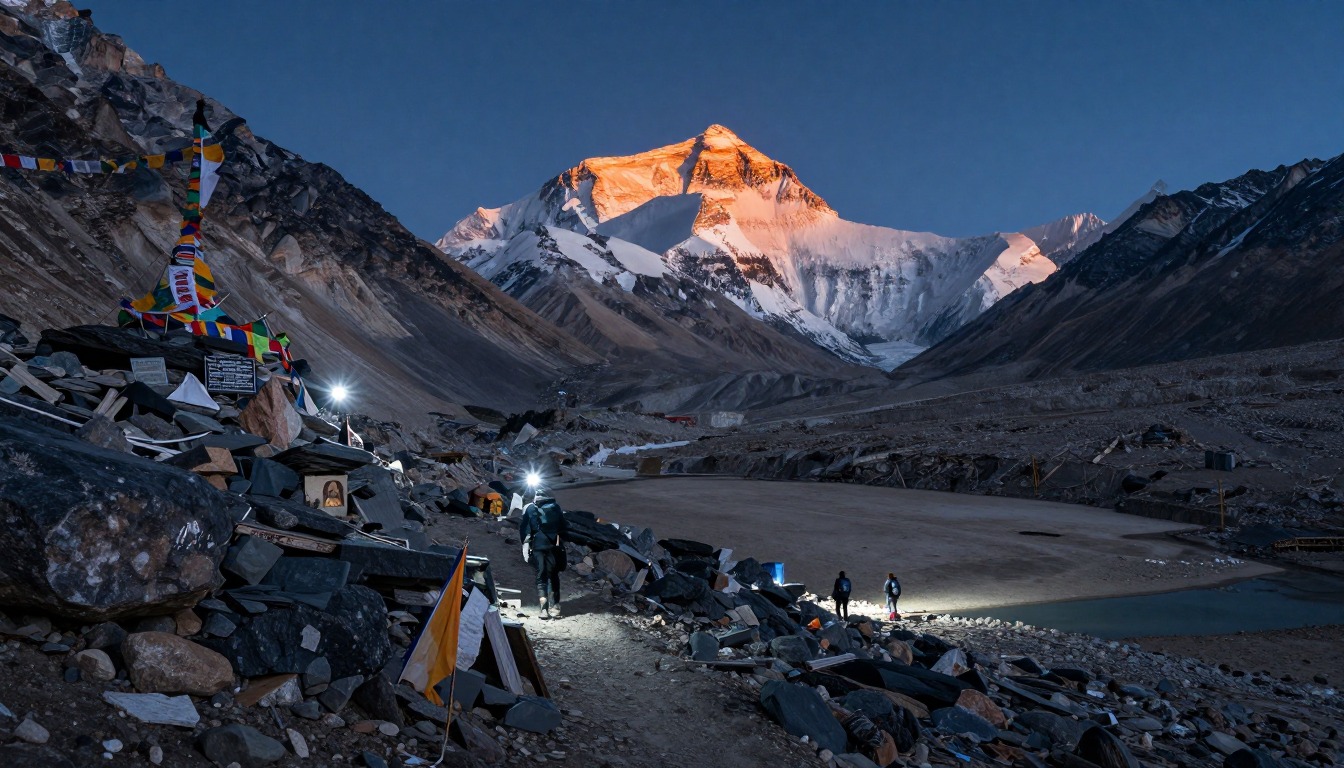
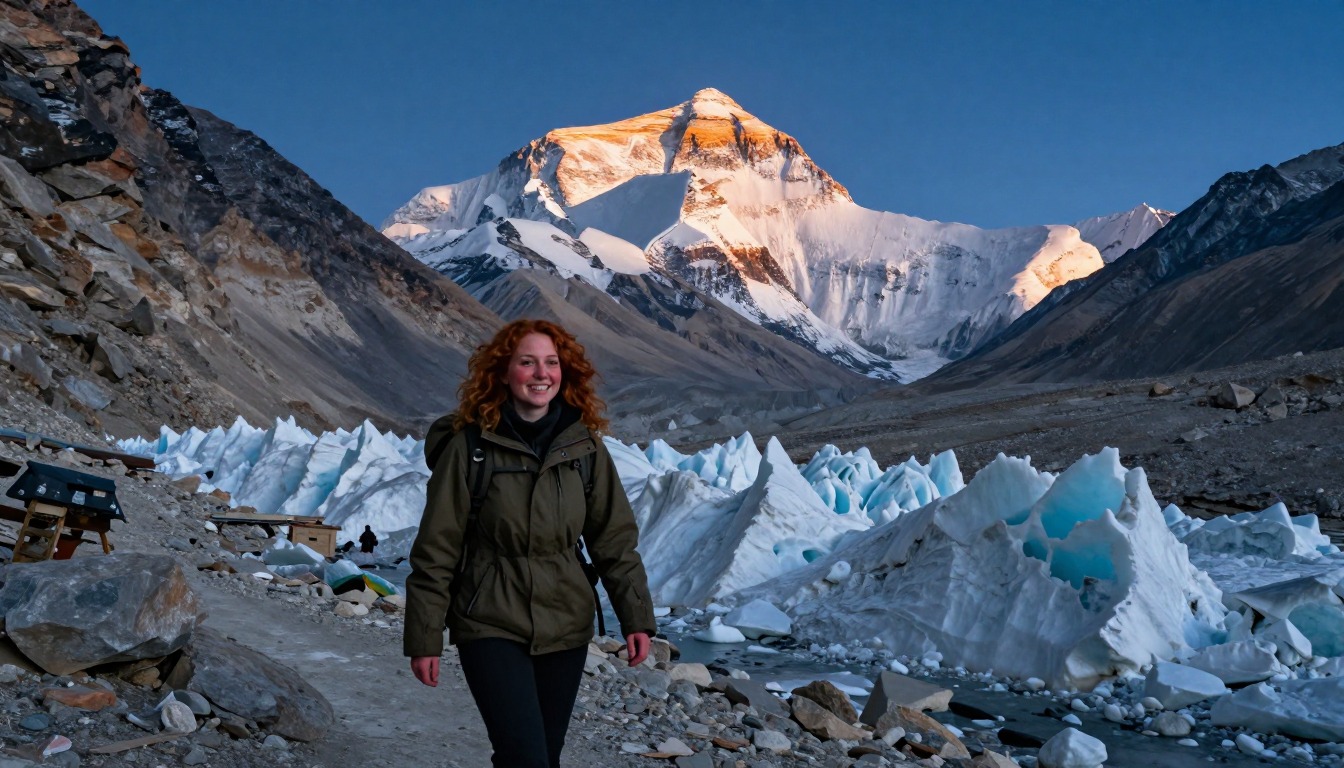
Illustrative artwork — an impression of Everest Base Camp — Gorak Shep & Kala Patthar, not a literal photograph.
Gorak Shep is the end of the road for accommodation on the Everest Base Camp trek — a small, bare-bones teahouse settlement above 5,100 meters in Nepal's Khumbu region, and the last place to sleep before pushing on to Base Camp or climbing Kala Patthar for the classic Everest view. Because it sits so high, most hikers treat it as a single overnight stop rather than a place to linger, sleeping lower at Lobuche or Dingboche both before and after.
Why hike here
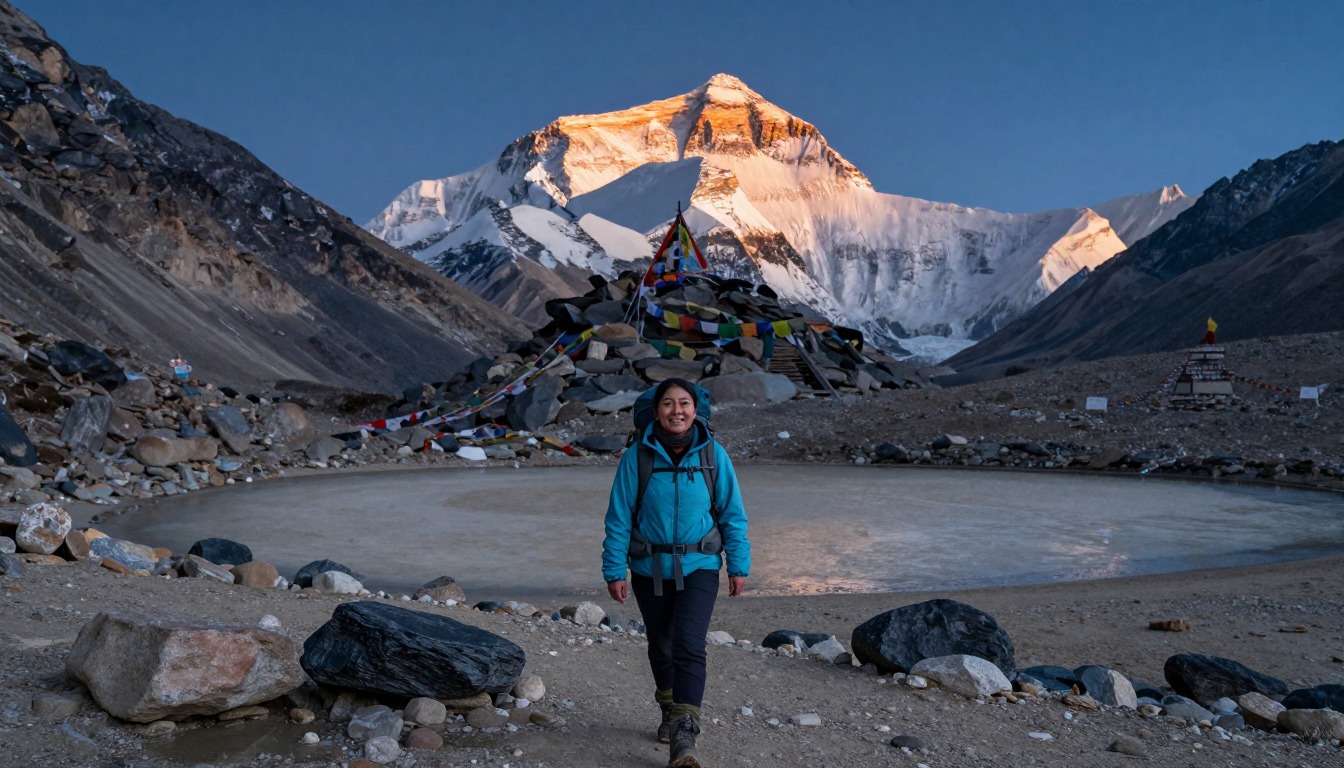
The pull here is simple: Kala Patthar, at around 5,600 meters, is the viewpoint where Everest itself finally comes into full view, rather than the summit pyramid you glimpse from lower down, usually caught at sunrise or sunset when the light hits the Khumbu Icefall and the surrounding wall of towering peaks. Gorak Shep itself is stark — a scatter of stone-and-tin lodges on what was once a frozen lakebed, with little vegetation and thin, cold air that makes even short walks feel like effort. The character of the trip lives as much in the villages just below it: Lobuche and Dingboche, where dining rooms fill each evening with hikers comparing how they're sleeping and breathing at altitude before making the final climb.
Getting there
Access starts the same way for nearly everyone: fly into Kathmandu, then take a short mountain flight to Lukla, the gateway airstrip for the whole Khumbu region. Those flights are weather-dependent and delays are common, so it helps to leave spare days at each end of the trip. From Lukla, everything is on foot — there's no vehicle access anywhere near Gorak Shep. The trek climbs gradually through Namche Bazaar and the mid-valley villages before reaching Dingboche and Lobuche, the last comfortable beds before the short, hard push up to Gorak Shep itself.
Where to stay
The realistic options, closest-to-the-trail first. Book through the official links — we don't list prices or availability because they change all the time.
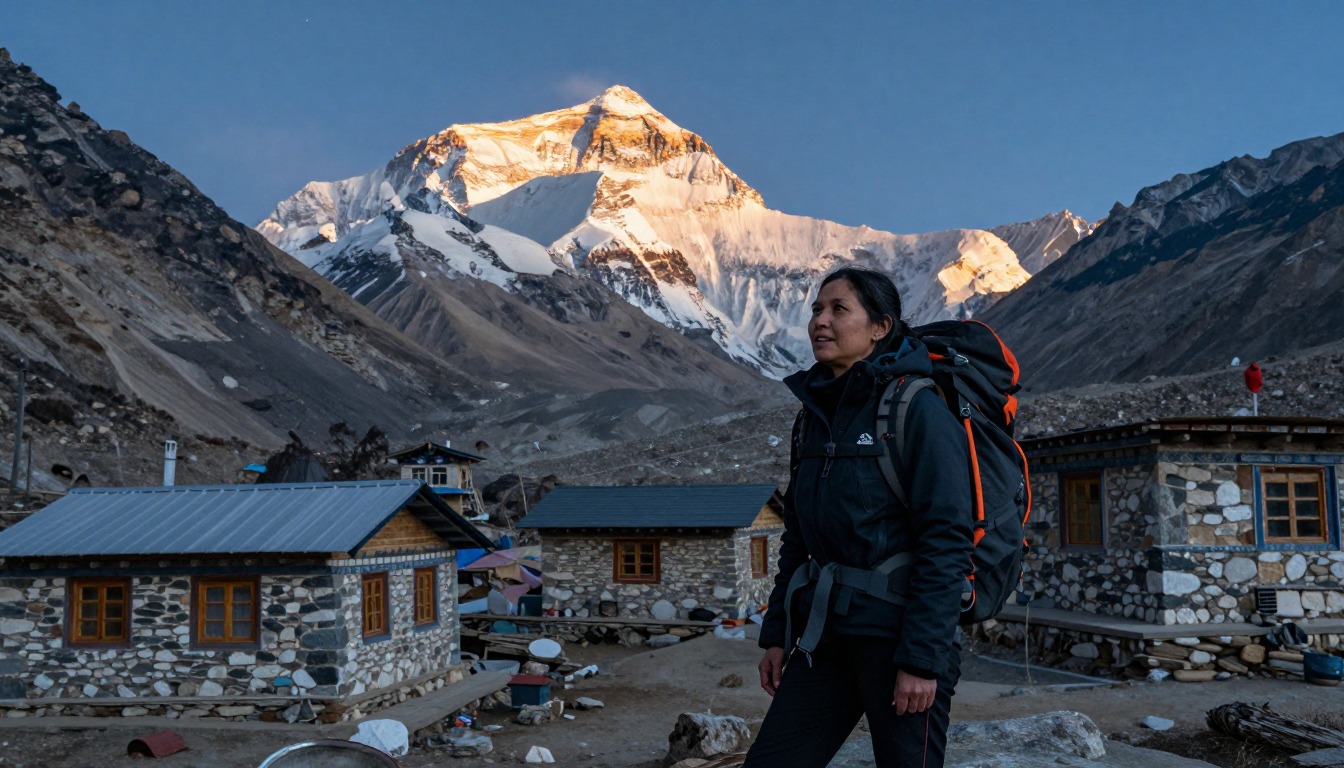 Illustrative — evokes the setting, not a specific property.
 For example: The highest, most basic teahouses on the route, the base for Base Camp and the Kala Patthar viewpoint
Trekkers overnighting to reach Base Camp and climb Kala Patthar at dawn.
Rooms here are cold and simple at extreme altitude; nights are hard.
Via a licensed trekking operatorFor example: Slightly lower, more comfortable teahouses used before the final push
Trekkers who sleep lower to manage the altitude.
Sleeping lower helps; many climb Kala Patthar, then descend fast.
Via a licensed trekking operatorPermits & rules
Beyond the Sagarmatha National Park and Khumbu Pasang Lhamu permits, this is the highest, hardest stretch of the trek. Kala Patthar gives the classic Everest view. Acclimatize on the way up and watch closely for altitude sickness.
Gear you'll want for this trip
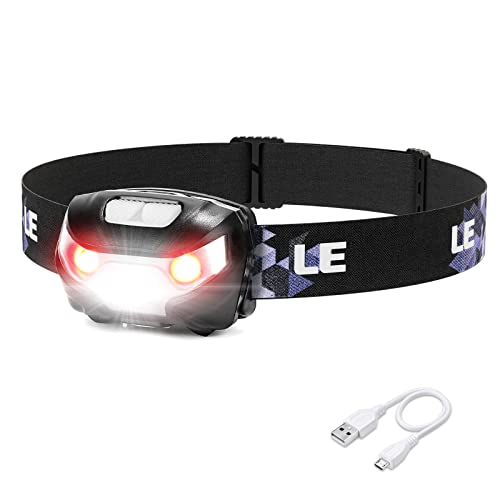
Matched to the terrain and conditions here. Real products — check current price on Amazon.


Common questions
Why is Gorak Shep considered the toughest place to sleep on this trek?
It's the highest teahouse settlement on the route, above 5,100 meters, and by far the most basic — thin walls, minimal heating, and noticeably thinner air than lower villages. Most hikers only spend one or two nights there, using it purely as a launch point for Base Camp and Kala Patthar before dropping back down to sleep lower.
Is Kala Patthar harder than reaching Everest Base Camp itself?
Many hikers find it more physically demanding, since it's a steep climb to around 5,600 meters, done in the cold and thin air right after the push to or from Gorak Shep. The payoff is a full, open view of Everest's summit, which Base Camp itself doesn't actually offer. General fitness and proper acclimatization matter more here than raw hiking speed.
How do hikers deal with the altitude around Gorak Shep?
By sleeping lower whenever possible — the route is built around acclimatization days and nights spent at Dingboche and Lobuche, both notably lower and milder than Gorak Shep. Guides watch closely for signs of altitude sickness, and the standard advice applies: ascend gradually, stay hydrated, and descend immediately if symptoms worsen.
Complete gearsets for this trip
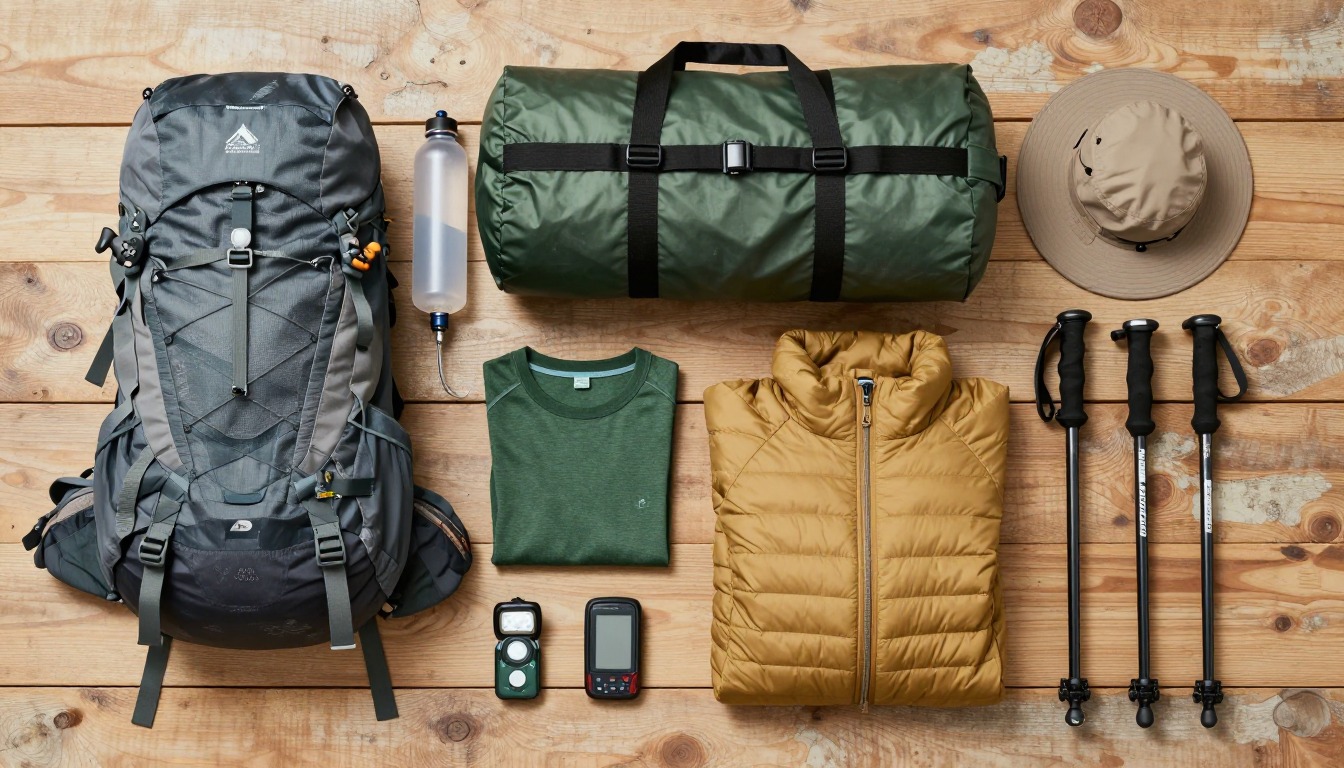
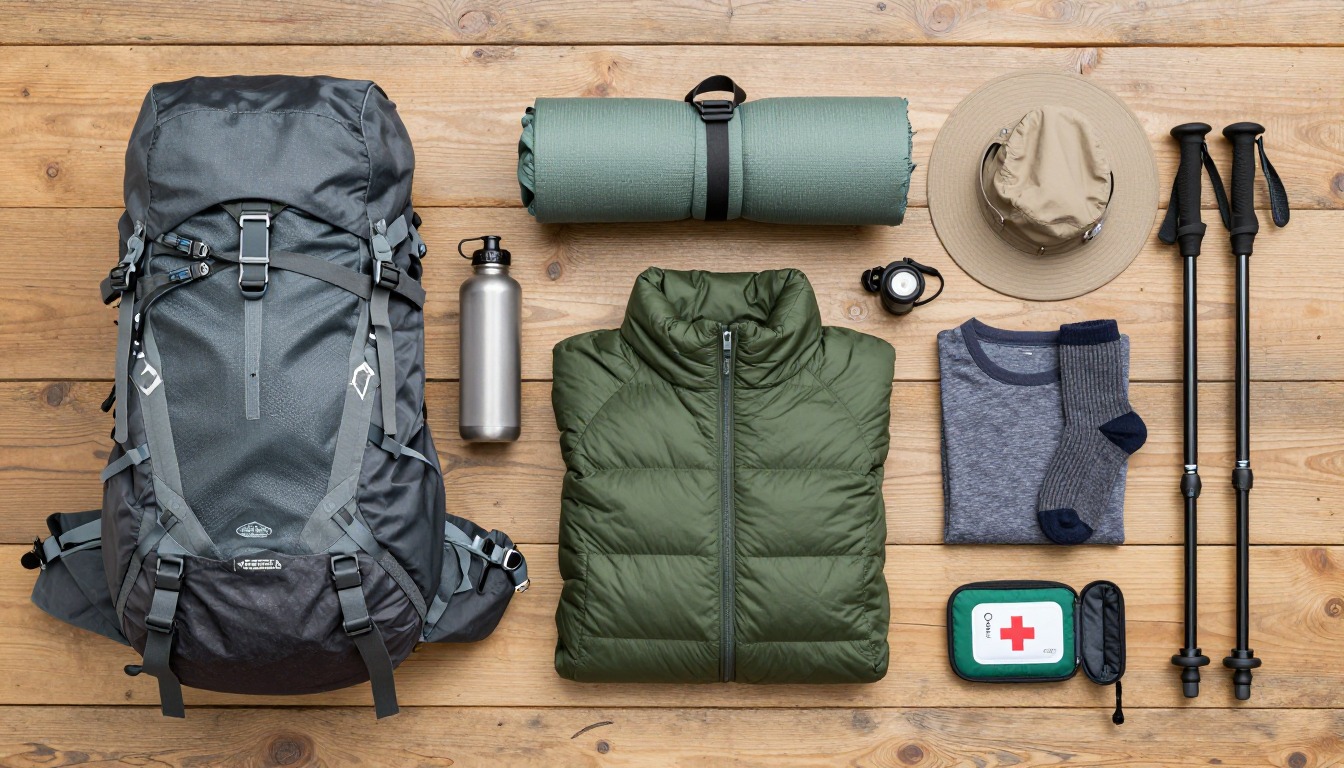
Full curated kits built for exactly this kind of hike — what to bring, why, and links to similar gear.
Lodging details are compiled from official parks, refuge associations and reservation systems and can change without notice. We publish no prices, availability or ratings — always confirm current information on the official site before booking or setting out. Product links are affiliate links: we may earn a commission at no extra cost to you; prices and availability are shown on Amazon. See our affiliate disclosure.