
Affiliate disclosure: this page contains affiliate links. Purchases made through them may earn us a commission at no extra cost to you. See our affiliate disclosure.
In plain English
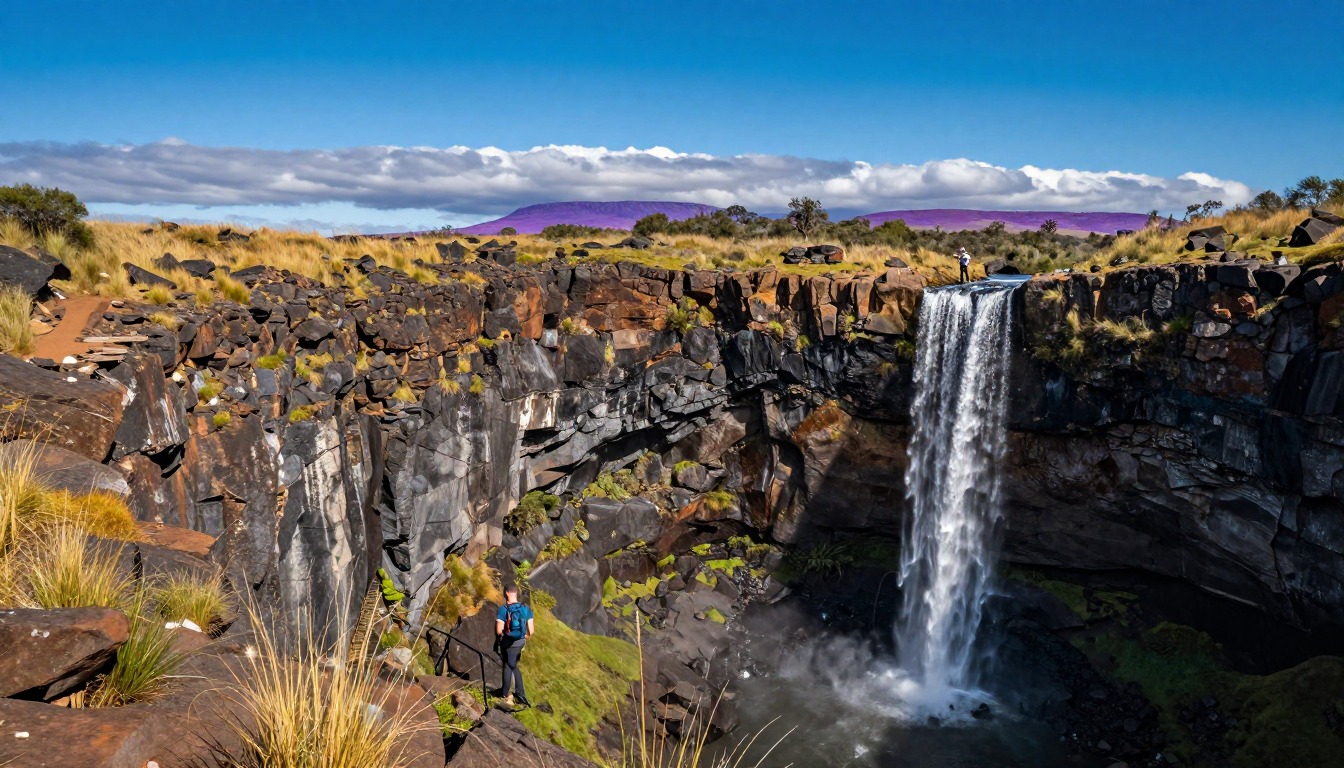
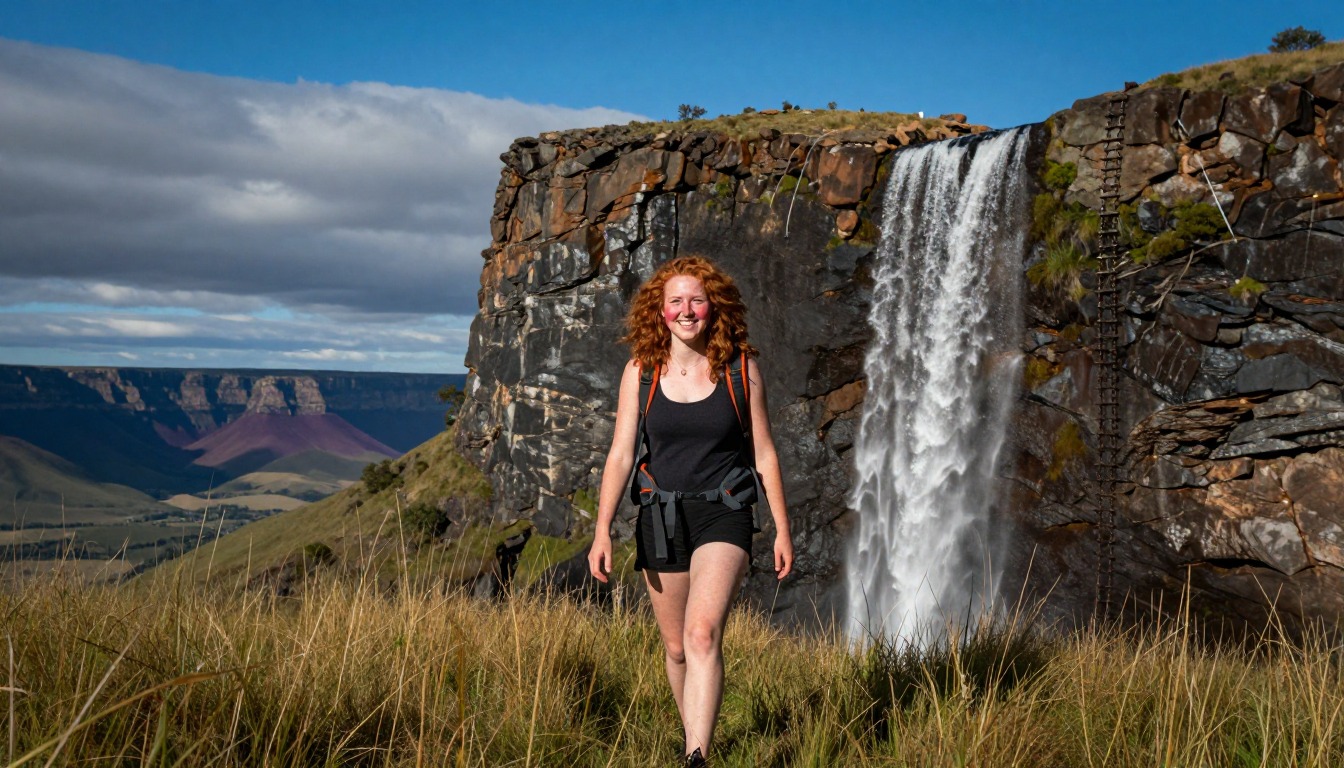
This hike climbs to the top of a huge rock wall. First you follow a path around the side of the mountain, then cross an exposed section, then climb two fixed steel ladders. At the top the land is flat, open grassland leading to the edge where the waterfall drops away.
The biggest danger is weather. Thunderstorms often build in the afternoon in the mountains, and the flat plateau at the top has no shelter. That is why most people start early and aim to be finished before the afternoon.
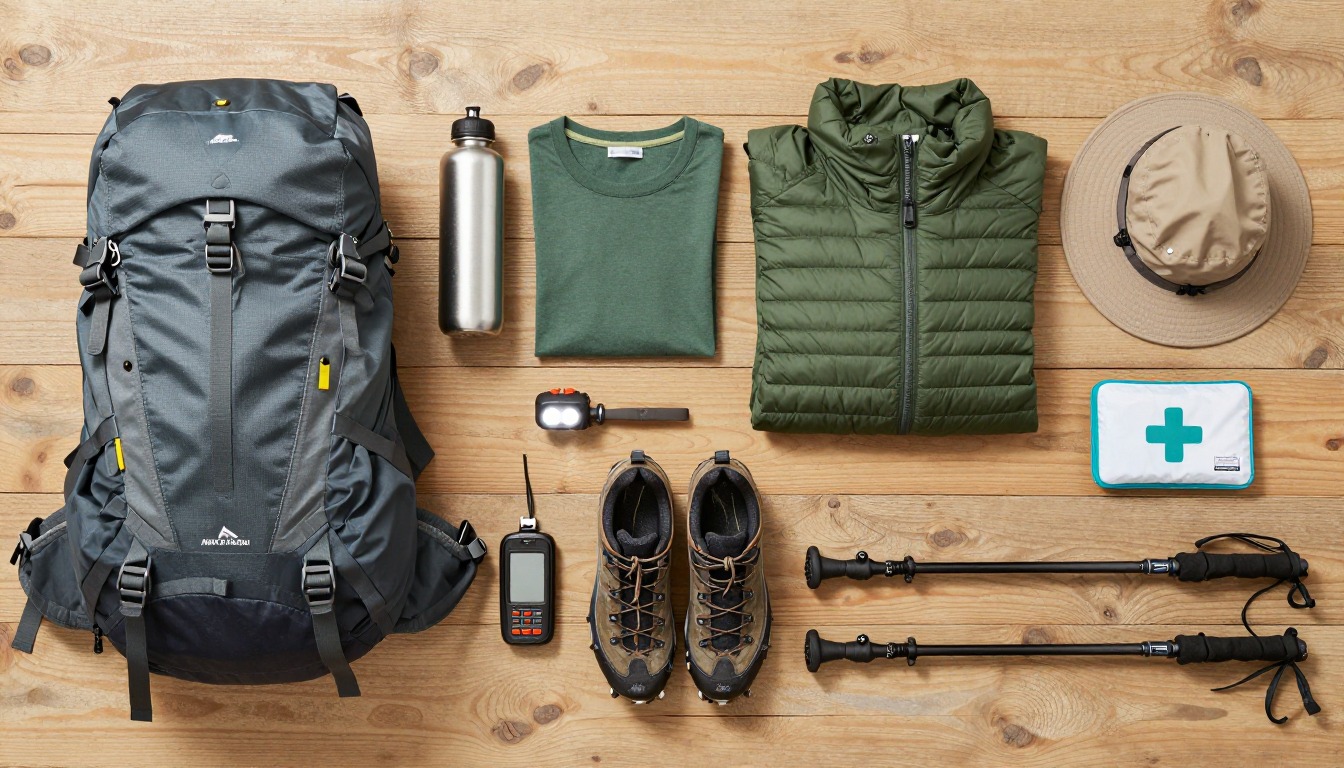
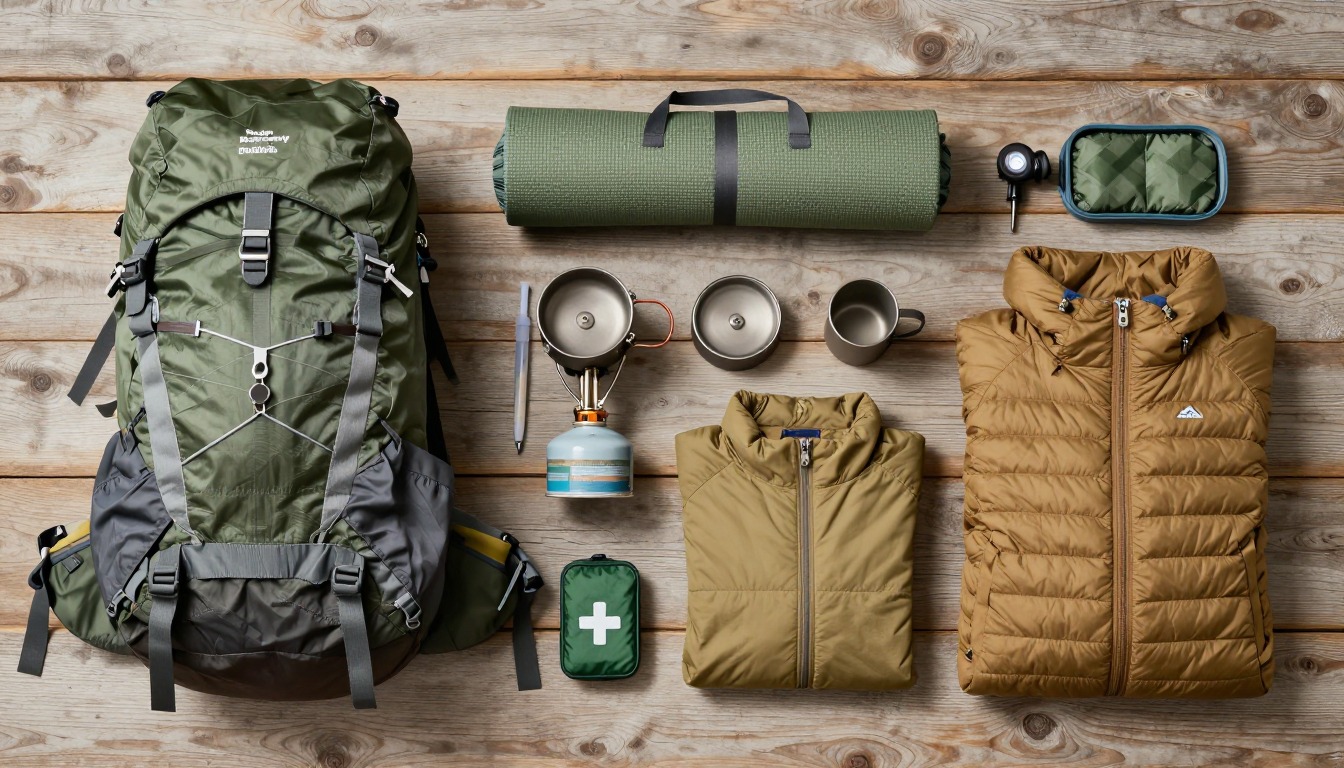
Keep your pack small and snug so it does not swing on the ladders. Bring a warm layer and a rain jacket, water, food and a headlamp in case you finish later than planned. If you are worried about the ladders, ask about the alternative route before you go, and remember that scrambling is a different kind of effort.
What the hike is like
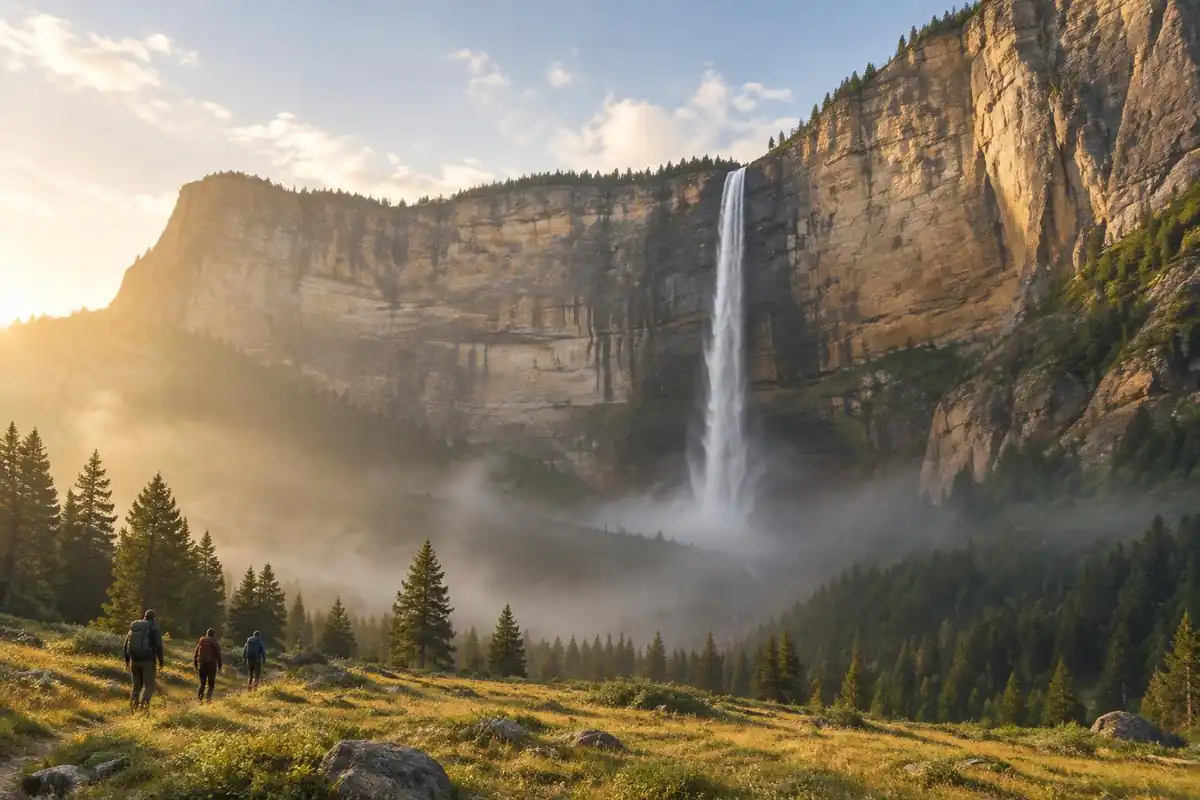
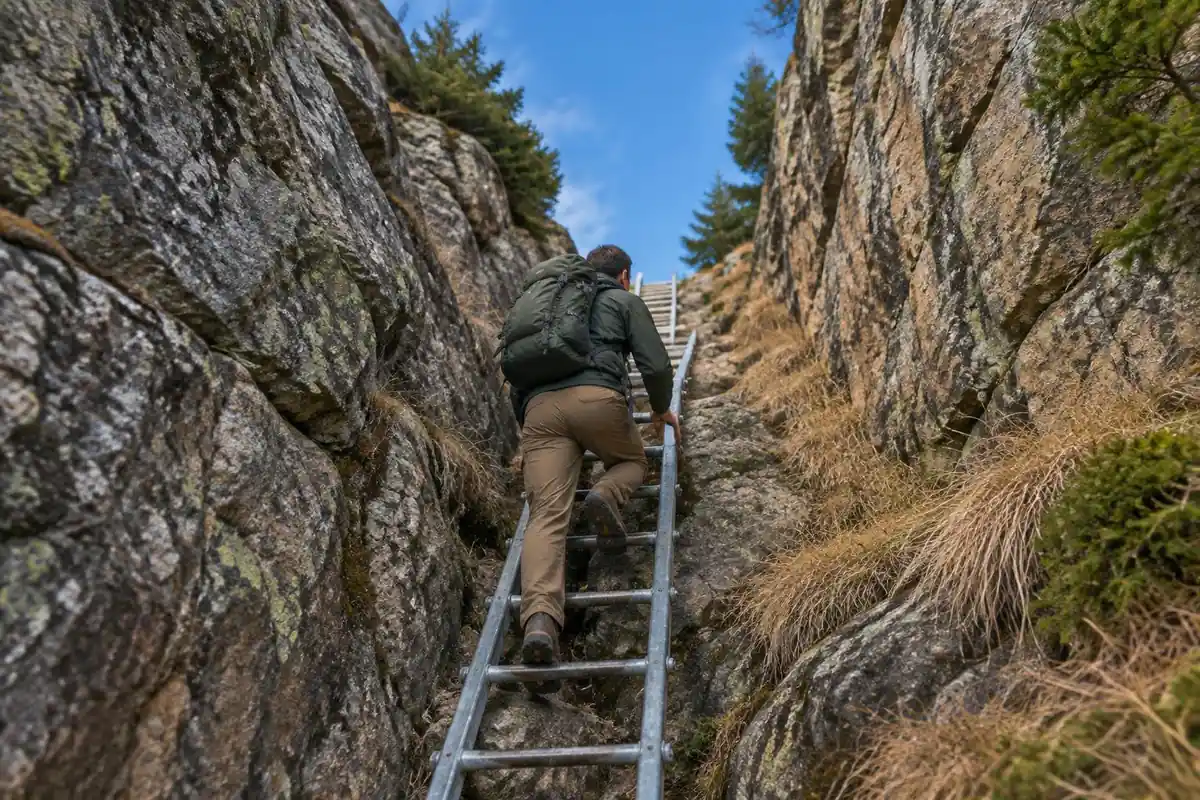
From the Sentinel car park the route begins deceptively gently, a wide contour path traversing around the mountainside with the Amphitheatre's cliffs curving away in front of you. It narrows as it goes, and there's a section of exposed traverse on rock where the drop to one side is real enough that most people stop talking. Then come the chain ladders: two fixed steel ladders bolted up a basalt band, climbed one at a time, hands on metal and boots on rungs, with air beneath you. Above them the world flattens out completely — open plateau grassland and rock, a different landscape entirely, with an easy walk across it to the lip where the water goes over the edge. An alternative gully route avoids the ladders but involves scrambling instead.
How to plan the itinerary
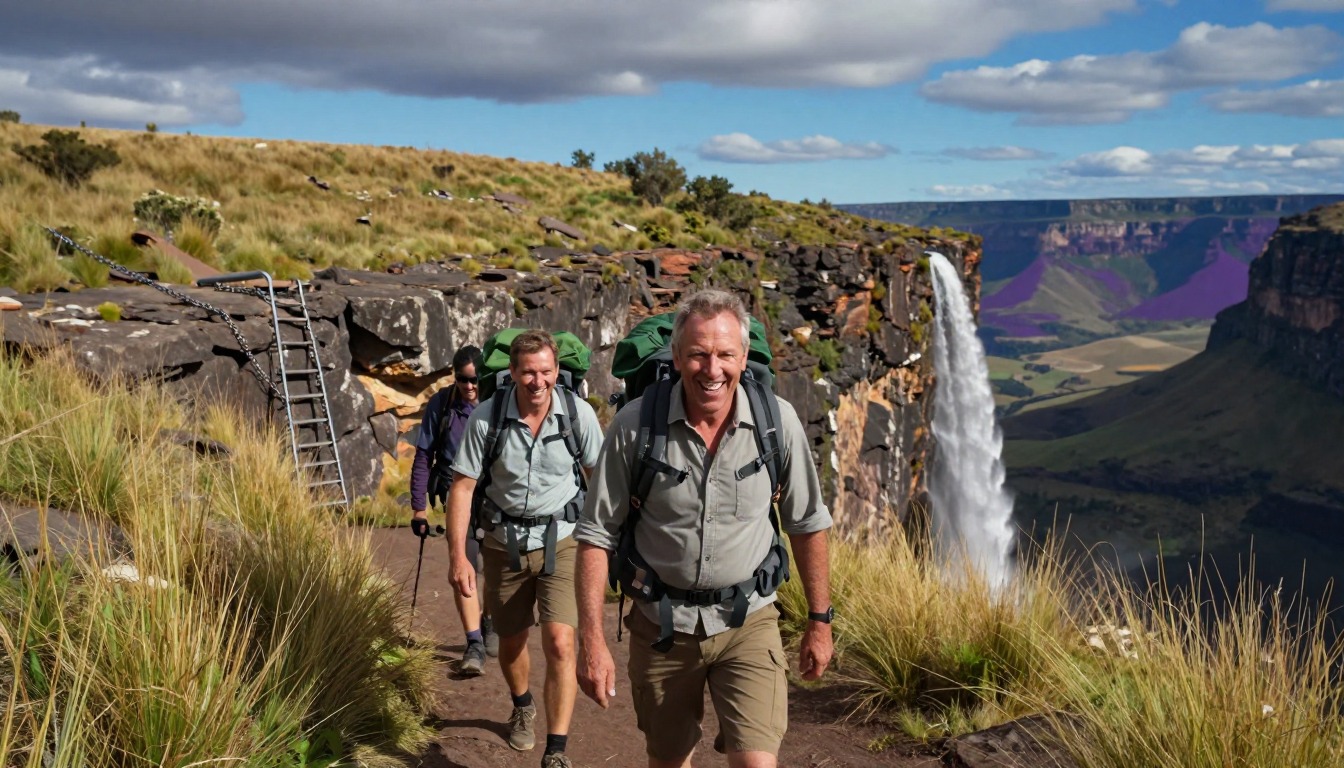
Most people do this as one big day out, driving up to the trailhead early and walking the traverse, ladders and plateau section out and back. That means staying the night before somewhere near the trailhead so you can start before the day heats up and before afternoon weather builds — the approach road is slow enough that trying to drive in from further afield the same morning eats your margin. The other common pattern is an overnight on the escarpment, carrying gear up the ladders to sleep in the plateau caves or wild camp, which gives you evening and morning light up top and turns a rushed day into a relaxed one. Overnight trips carry permit requirements worth confirming with the reserve first.
Plan this trip in 5 steps
-
Pick the right pack
Match a pack to your trip, fit and priorities.
-
Book a place to stay
Campgrounds, huts and lodges near Drakensberg Amphitheatre & Tugela Falls.
-
Plan food & water
Calories, food weight and water for your days on trail.
Trail-specific tips
Get on the ladders early. Wind builds through the day, cloud can swallow the plateau fast, and summer afternoon storms up there are genuinely dangerous — turning around is the right call more often than people admit. Gloves make the cold steel rungs far more pleasant. Carry all your water; the plateau has streams but they're not something to count on. The frequent mistake is underestimating the plateau section after the ladders, which is longer and more exposed to weather than it looks from below. See /trail-smarts/ for storm and exposure basics.
Permits & rules
The classic route climbs via the Sentinel car park and exposed chain ladders to the plateau and the top of Tugela Falls; check Ezemvelo KZN Wildlife for current permit and booking rules for overnight trips onto the escarpment. Weather turns fast and cold up top — check conditions and don’t attempt the ladders in storms.
Gear suited to this hike
Matched to the terrain and conditions here. Real products — check current price on Amazon.



Lightning on an open plateau
The page says wetter months bring more water but also thunderstorm risk that makes the plateau hazardous. The National Weather Service explains why. In the mountains, thunderstorms often build in the early afternoon, so it advises hiking early and being off the mountain by noon.1 It also says to avoid open fields, hilltops and ridge tops, to stay away from tall isolated trees, and that a tent offers no protection from lightning.1 A flat, treeless plateau is the kind of terrain that advice is written for.
The NWS rule of thumb is 'When Thunder Roars, Go Indoors', and it says there is no safe place outdoors during a thunderstorm; if you can hear thunder you are likely within striking distance.3 For a groups caught outside, it advises spreading out, and waiting 30 minutes after the last thunder before returning to exposed areas.1 These are United States agency guidelines rather than local ones, but the physics is universal. Plan to reach the falls in the morning and use the afternoon to descend.
Time, turnaround and the case for an early start
The page says to stay near the trailhead the night before because the approach road eats margin. The Park Service's general guidance backs that logic: plan for uphill sections to take at least double the downhill time, and set and stick to a turnaround time.2 On a route where the summit is a plateau, a turnaround time is really a decision about the storm window, not only about daylight.
Be prepared for a slower day than the distance suggests. If you are late, the Park Service notes search and rescue can take hours or days depending on weather and resources, and a whistle helps rescuers find you.4 A headlamp is the recommended hands-free light source, and it is worth having even on a day trip.5
Overnight on the escarpment: permits and cold
The page says an overnight trip carries permit requirements worth confirming with the reserve first. No source in our library covers permits, cave use or closures. The advice to confirm is the right one: ask Ezemvelo KZN Wildlife directly before you go, including whether wild camping is allowed at all.
If you do stay overnight, cold is the main planning factor at height. The CDC says hypothermia can develop above 40 degrees Fahrenheit if someone is chilled by rain, sweat or cold water.6 Camping at least 200 feet from lakes and streams is Leave No Trace guidance from the US National Park Service, which local rules may adjust.7 Weight matters on chain ladders: heavy items belong close to the spine and high, which keeps the load from pulling you backward.8
Common questions
How scary are the chain ladders?
They're secure, fixed steel ladders climbed one person at a time, and thousands of hikers use them every year — but they are vertical, exposed, and high, with nothing but air behind you. Anyone with a real fear of heights should think hard about it. There's an alternative gully route that avoids them entirely, though it involves scrambling of its own.
Is this a day hike or an overnight?
It works as either. Fit hikers do the whole thing as one long day from the trailhead. Others carry overnight gear up and sleep on the escarpment in caves or wild camp, which means a lighter schedule, better light, and more time up top — though overnight stays bring permit requirements the day trip doesn't.
Is there water on the route?
There are streams up on the plateau, but flow varies with the season and they shouldn't be your plan. Carry what you need for the day, and treat anything you do collect. The traverse and ladder sections have nothing, and they're the parts where being short of water matters most on the way back down.
Will I see the falls actually falling?
Not always. Flow depends heavily on recent rain, and in dry spells there can be very little water going over the edge. Wetter months bring more water but also the thunderstorm risk that makes the plateau hazardous. Most people treat the escarpment landscape itself as the reason to go, with the water as a bonus.
Complete gearsets for this trip
Full curated kits built for exactly this kind of hike.
Trail conditions, permits and access rules change without notice — always confirm current information on the official source above before you go. Some facts on this page are still pending owner verification and are marked accordingly. Product links and the accommodation map are affiliate links: we may earn a commission at no extra cost to you; product prices and availability are shown on Amazon, and accommodation prices on the booking site. See our affiliate disclosure.