
Affiliate disclosure: this page contains affiliate links. Purchases made through them may earn us a commission at no extra cost to you. See our affiliate disclosure.
In plain English
There are two ways to sleep on this hike. You can base yourself near the trailhead, in a lodge, chalet or campsite, and do the climb as one long day. Or you can spend a night on the high plateau, which needs more planning and a permit for the escarpment.
The provincial conservation authority that manages the area, Ezemvelo KZN Wildlife, runs an online booking site that lists Royal Natal National Park stays at Thendele and at Mahai and Rugged Glen.1 So the convenient beds at the foot of the mountain are booked through the authority, not the trail.
The tricky part is the weather, not the bed. On high mountains, thunderstorms tend to build in the early afternoon. That is why hikers start early and try to be off the top by noon.2 Think of it as a clock: the earlier you leave the car park, the more of the day you have on your side. A night at the trailhead makes that early start much easier.
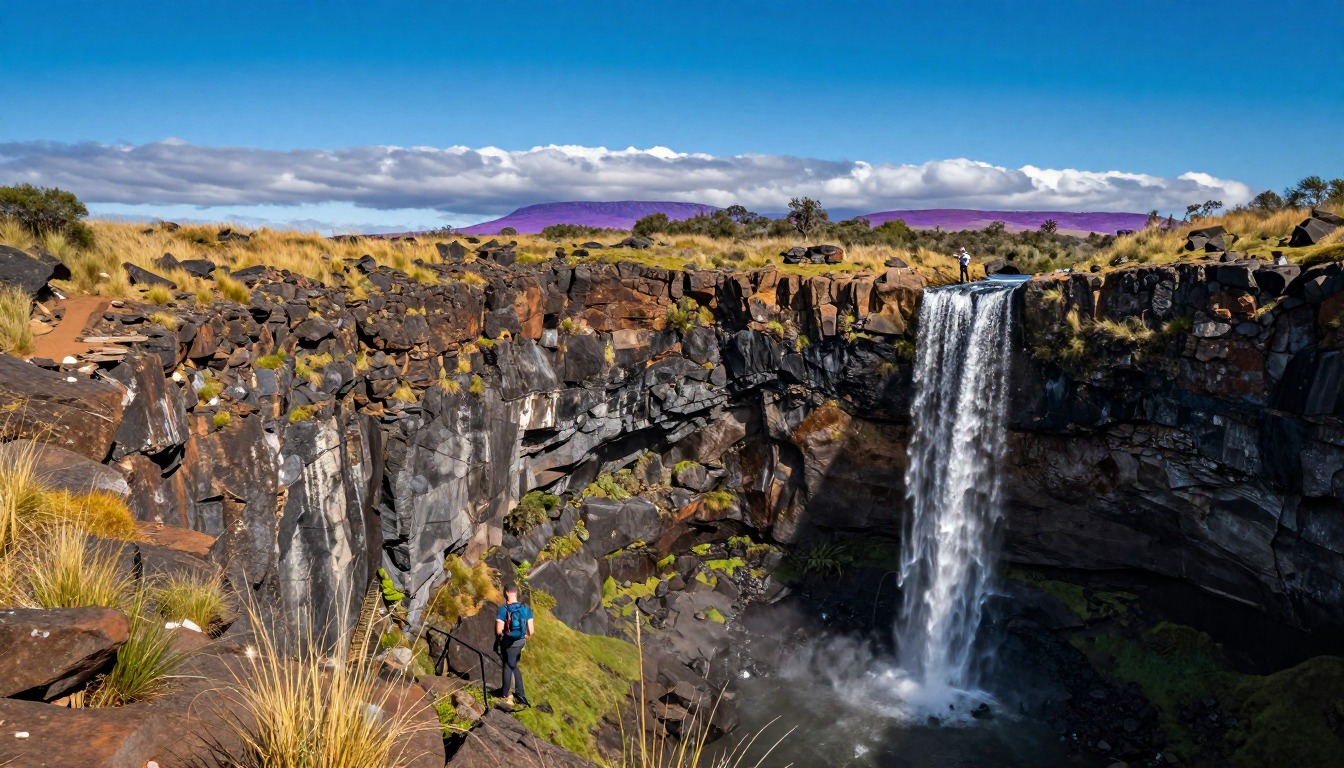
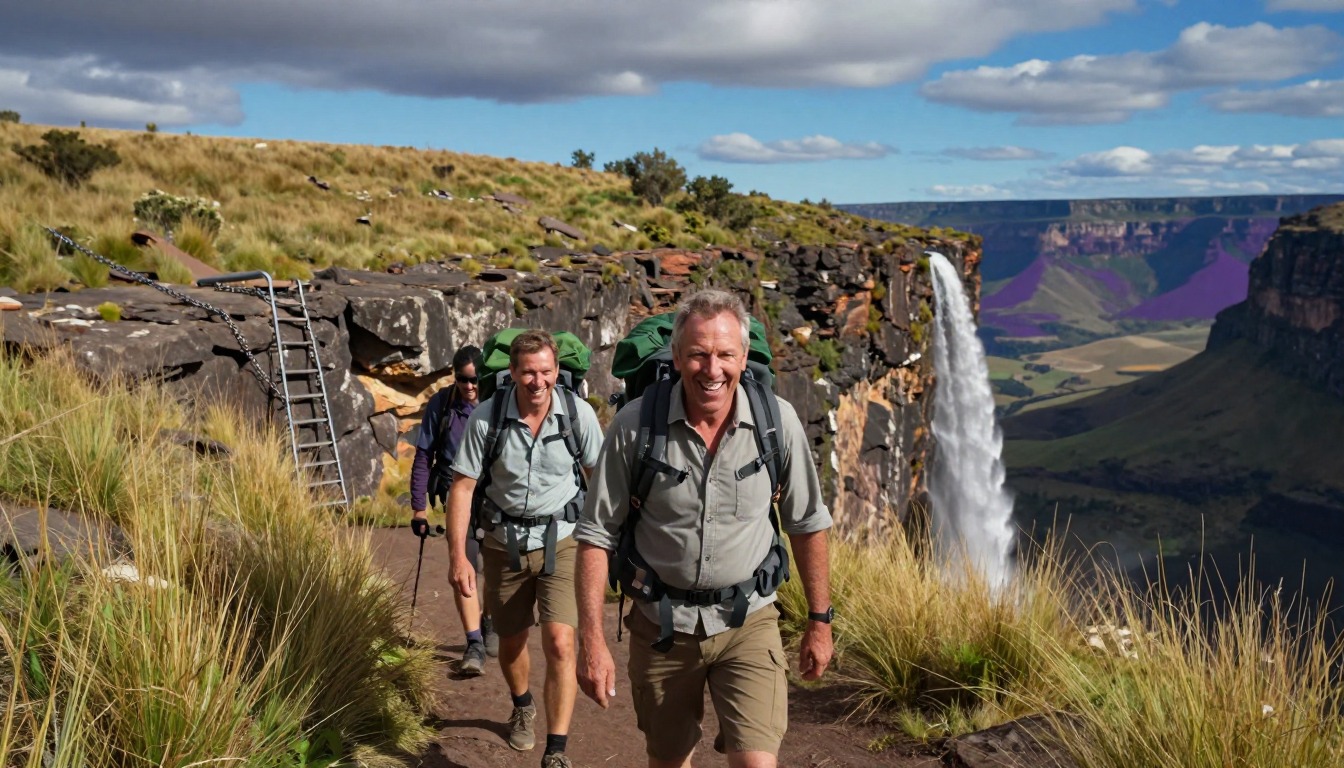
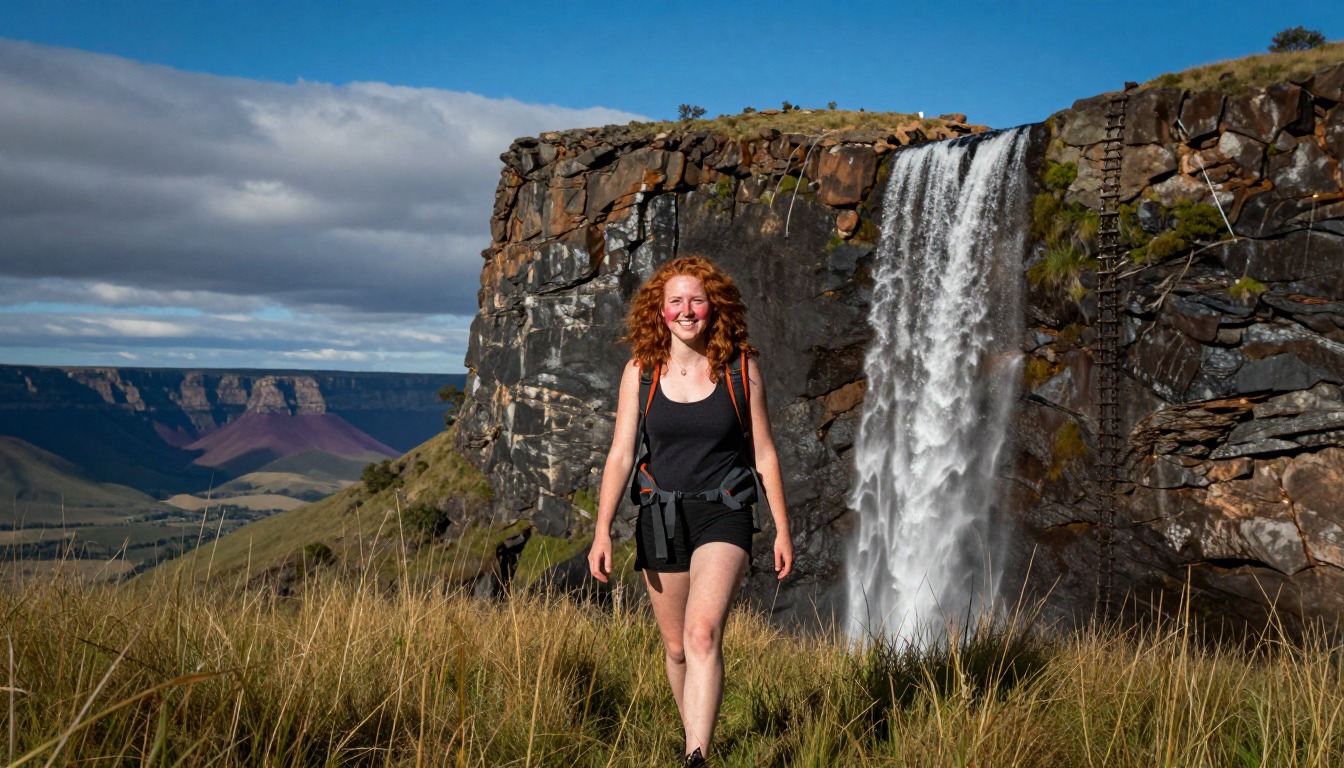
The Amphitheatre and Tugela Falls sit on the northern edge of the Drakensberg, in the Royal Natal area of South Africa, right along the border with Lesotho. The classic route climbs from the Sentinel car park, up a pair of exposed chain ladders, onto the high plateau and the top of the falls — a big day out for some, an overnight escarpment trip for others. Either way, where you sleep depends on whether you're basing near the trailhead or spending a night up on the plateau.
Why hike here
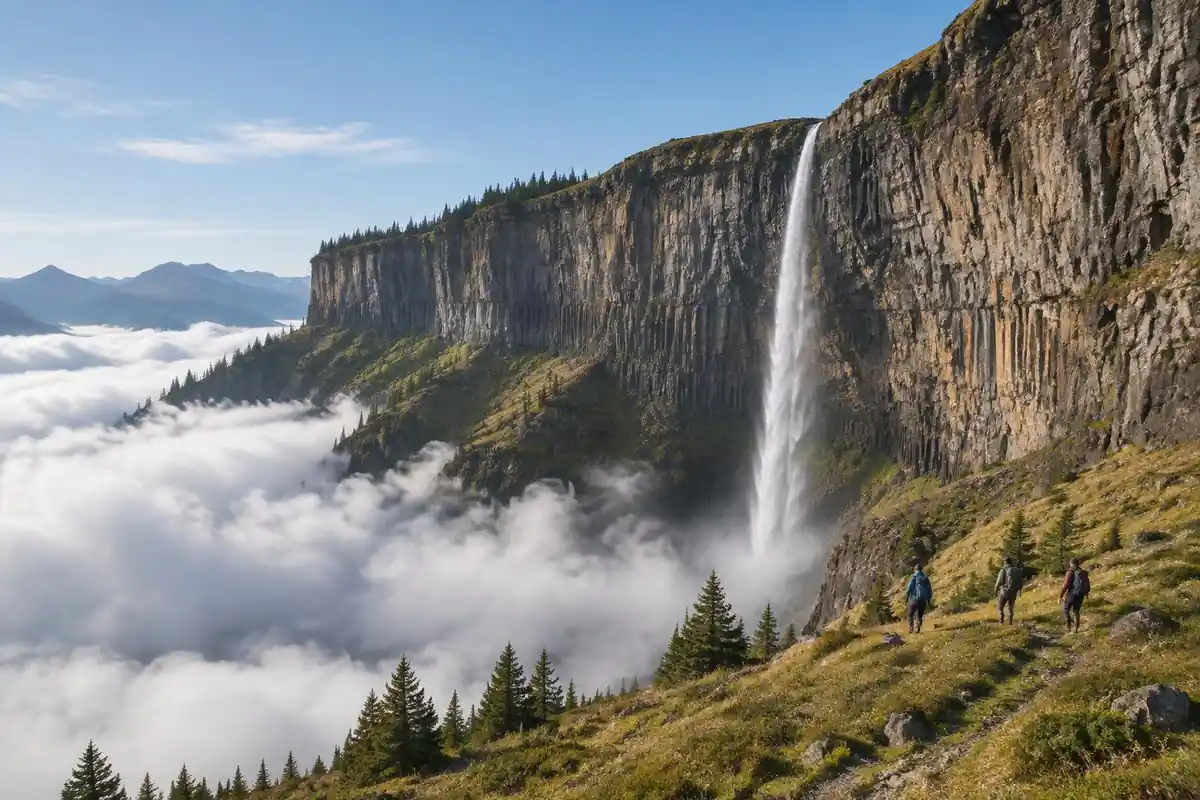
What makes this route special is the scale of what you're walking toward: Tugela Falls drops off the edge of a plateau that feels like the roof of southern Africa, and the chain ladders that get you there are as memorable as the view — a short, exposed scramble up a basalt wall with the Amphitheatre's cliffs curving away on either side. Once you're up top, the terrain changes completely: open grassland and rock stretching toward the Lesotho border, with the drop-off at the falls a reminder of how far below the valley floor really is. Cold air even when the lowlands are baking, and the sense of standing right on a national boundary, make this feel like a different hike from anything lower down in the Drakensberg.
Getting there
Most international hikers fly into Johannesburg's O.R. Tambo Airport, since it's South Africa's main gateway, then continue by road into KwaZulu-Natal toward the Royal Natal / northern Drakensberg area. From there it's a further drive into the reserve area and up to the Sentinel car park, the trailhead for the chain-ladder route — a rural, mountainous approach where a car (own or hired) is the practical way to cover the last leg. Given the distances involved, most people treat the drive from Johannesburg as a half-day or more, with an overnight near the trailhead a sensible way to start early.
Where to stay
The realistic options, closest-to-the-trail first. Book through the official links — we don't list prices or availability because they change all the time.
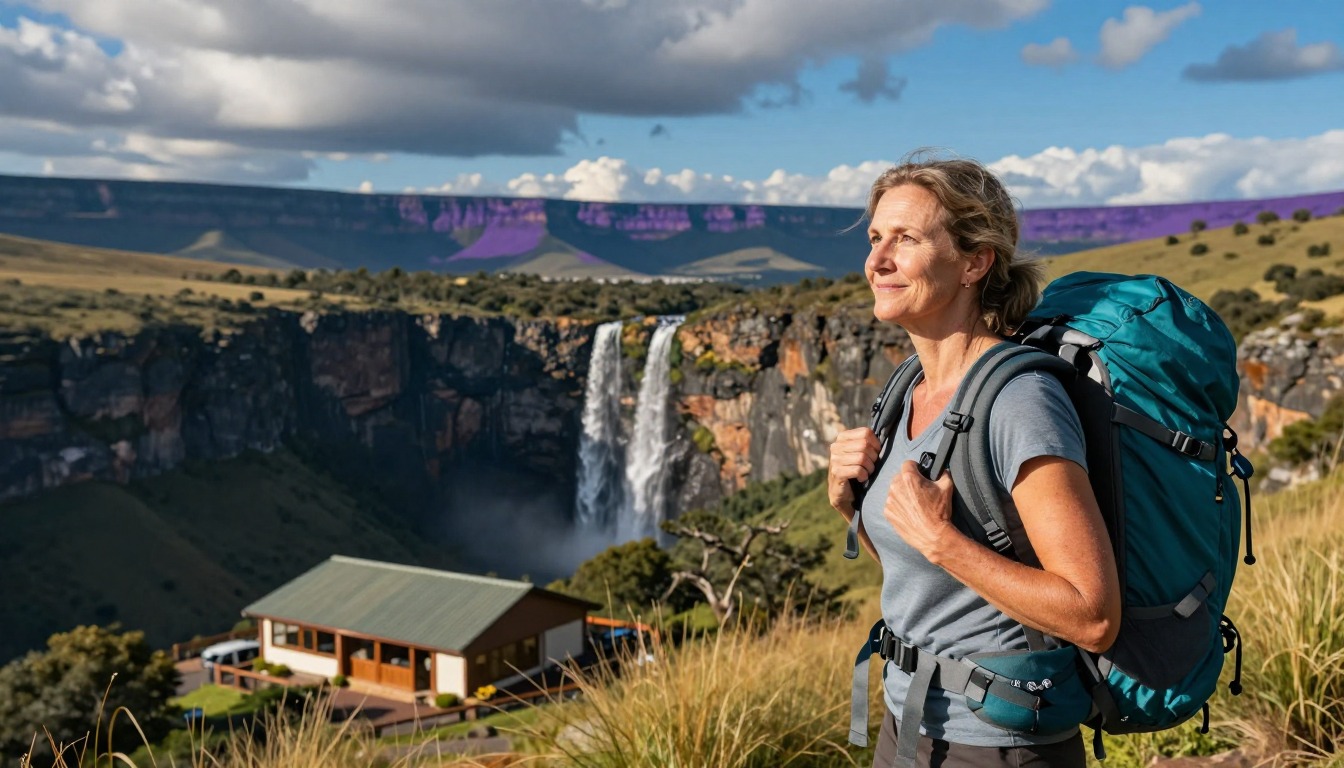
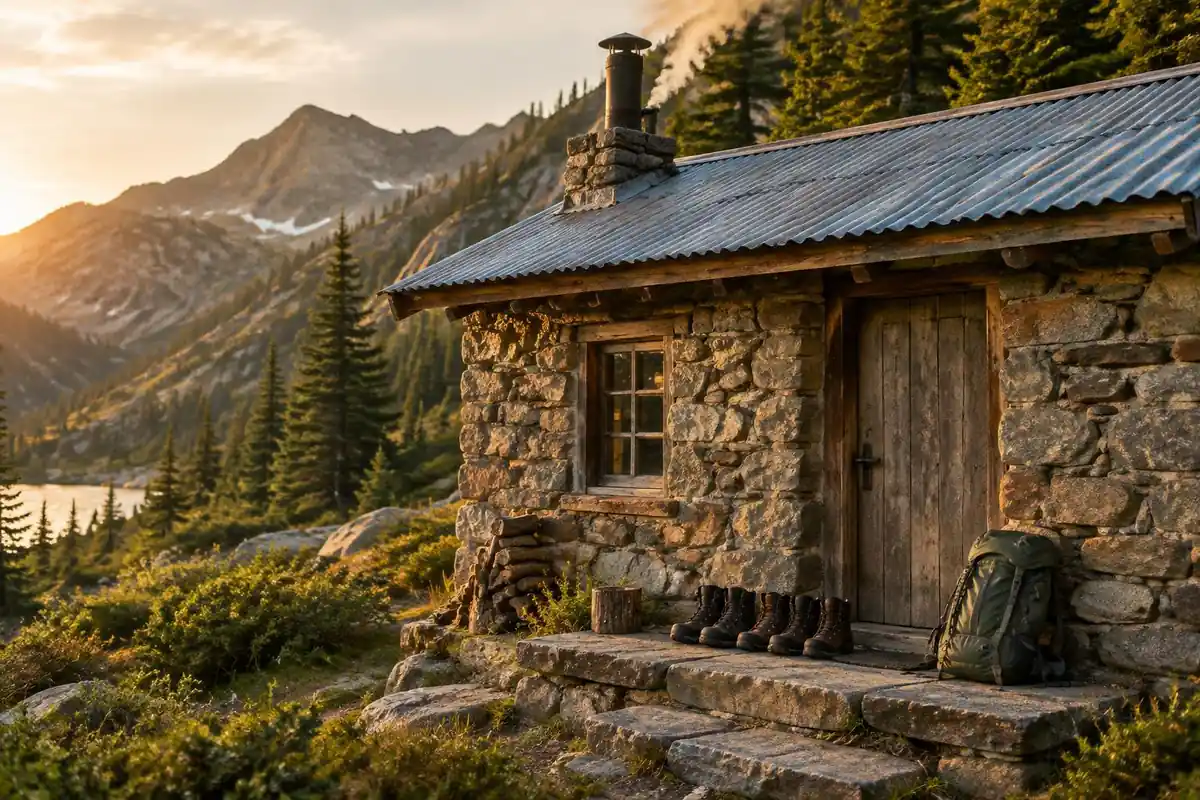
For example: A mountain lodge near the Sentinel car park, the launch point for the chain-ladder route
Hikers wanting an early start to the Amphitheatre and Tugela Falls.
Base near the Sentinel car park for the chain-ladder ascent.
Nearby lodge lodgingFor example: Lodges, chalets and campsites in the Royal Natal / northern Drakensberg reserves
Day hikers and overnighters at the foot of the Amphitheatre.
Check Ezemvelo KZN Wildlife for current rules on caves, camping and overnight escarpment trips.
Reserve lodging (Ezemvelo KZN Wildlife)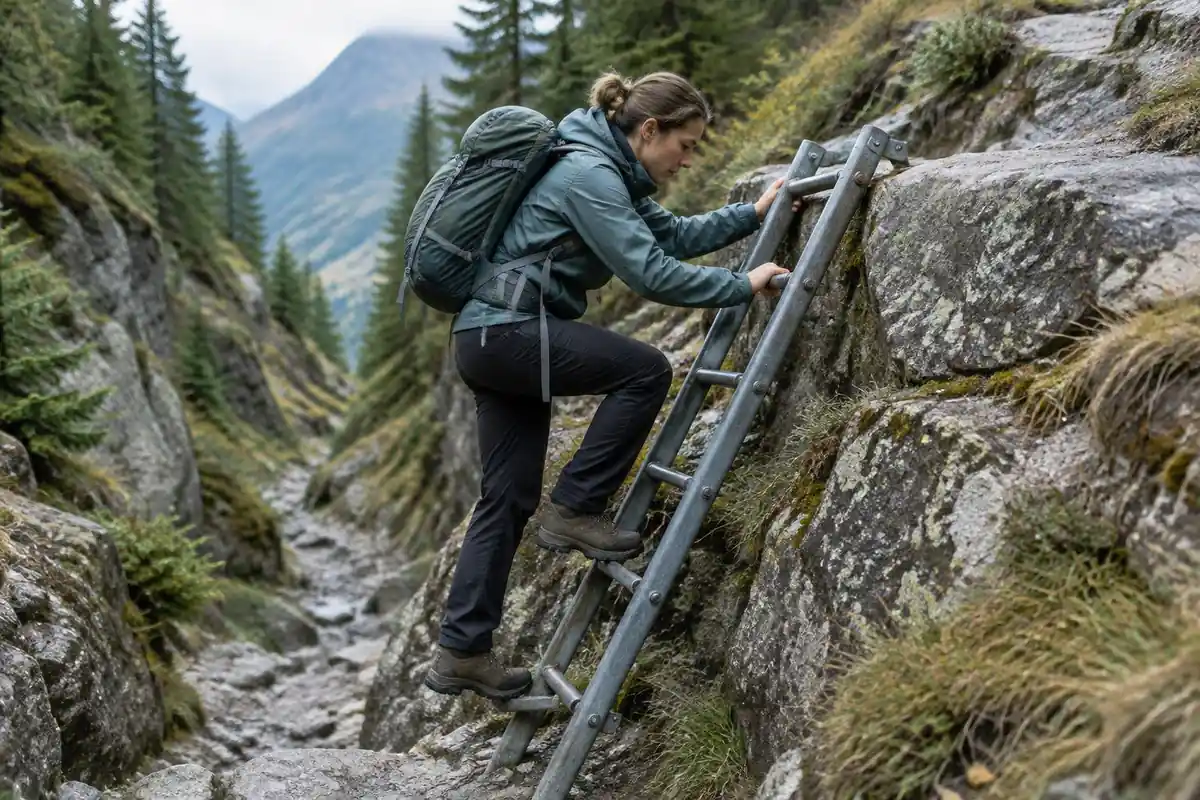
Permits & rules
The classic route climbs via the Sentinel car park and exposed chain ladders to the plateau and the top of Tugela Falls; check Ezemvelo KZN Wildlife for current permit and booking rules for overnight trips onto the escarpment. Weather turns fast and cold up top — check conditions and don’t attempt the ladders in storms.
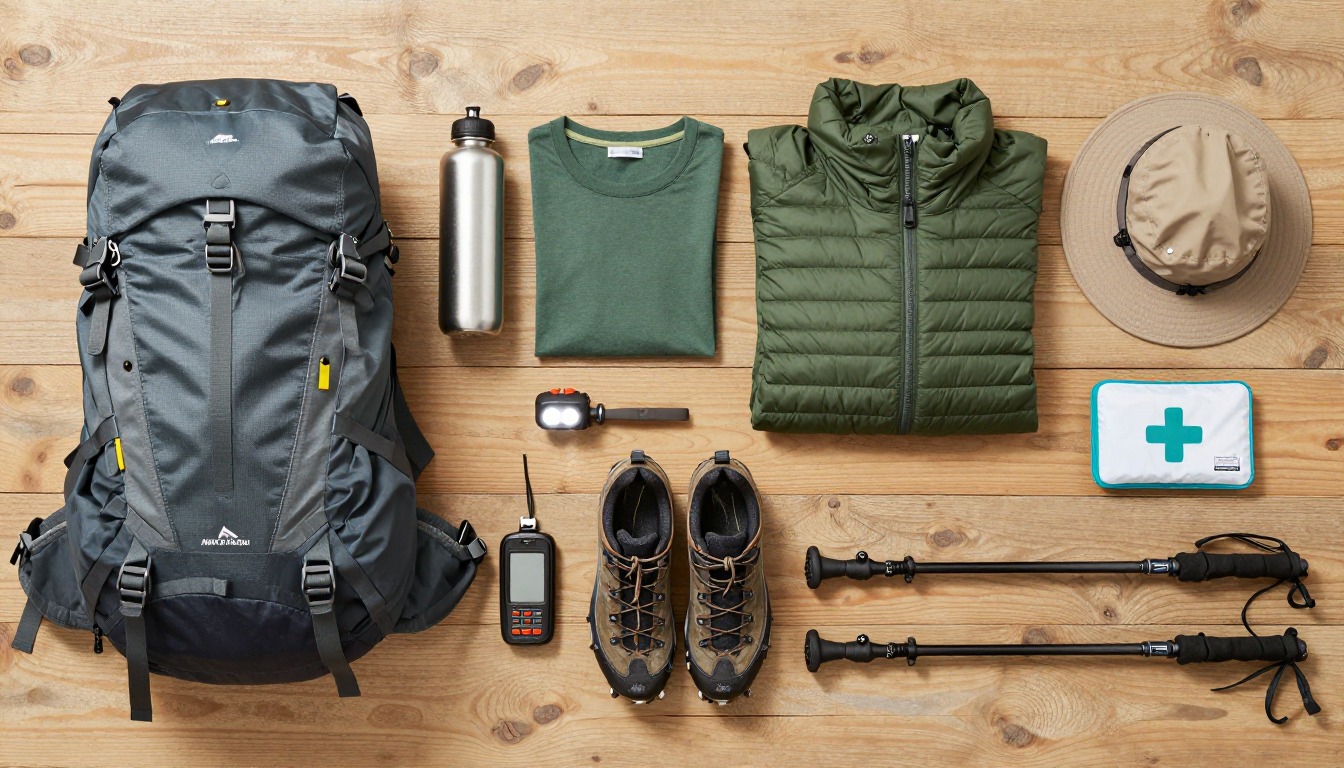
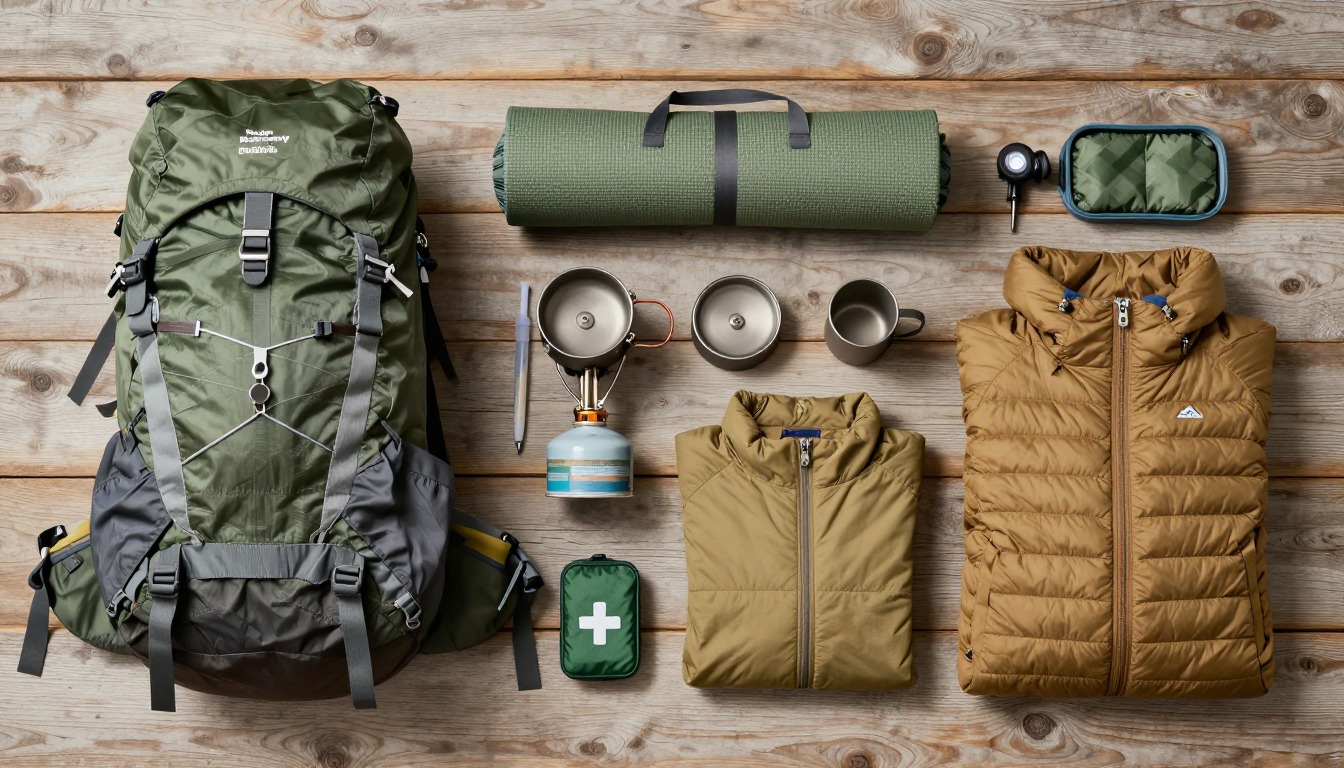
Gear you'll want for this trip
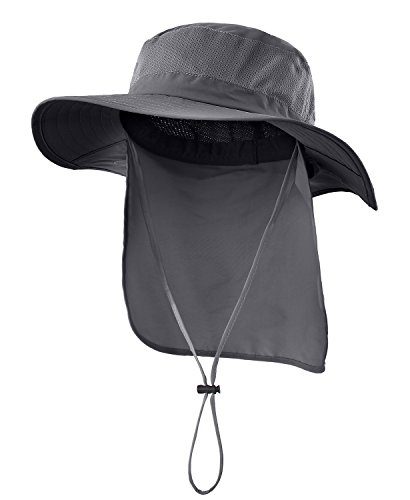
Matched to the terrain and conditions here. Real products — check current price on Amazon.


Where the beds are, and what to confirm
Ezemvelo KZN Wildlife's accommodation booking site lists Royal Natal National Park stays at Thendele and at Mahai and Rugged Glen among its resorts, with Cathedral Peak and Giants Castle among the other Drakensberg entries.1 That supports the page's advice to look at reserve lodging in the Royal Natal area. It does not tell you what type of accommodation each one is, whether camping is at a given site, or what conditions apply to hiking permits.
The page says overnight trips onto the escarpment, in the caves or wild camping on the plateau, need permits. This site could not verify permit rules, cave use or camping conditions on the plateau from an official source, so treat that as a reason to ask Ezemvelo directly, well before you book non-refundable travel. Confirm bookings, rules and closures with Ezemvelo KZN Wildlife before you go, especially for any overnight on the escarpment.
Why the early start is a lodging decision
The National Weather Service says that in the mountains thunderstorms often build in the early afternoon, so hikers should start early and be off the mountain by noon, that a tent offers no protection from lightning, and that hilltops and ridge tops are places to avoid.2 It also says to wait 30 minutes after the last thunder before returning to exposed areas.2 Its rule of thumb is that if you can hear thunder you are likely within striking distance.4 That guidance is written for the United States, but the pattern of afternoon mountain storms is general, and the page says summer brings afternoon thunderstorms above the ladders.
That is where lodging comes in. Sleeping at the foot of the Amphitheatre puts you at the trailhead at first light, which is the practical way to follow an off-the-mountain-by-noon rule. An overnight on the plateau shifts the risk: a tent is no protection from lightning, so a night up top means picking a low, sheltered spot and watching the forecast before you commit.
Pack choices for ladders, weather and long days
Washington Trails Association describes a 25 to 30 liter pack as good for a full-day hike and a 45 to 50 liter pack as fitting a standard one- or two-night trip.5 A day trip from a lodge fits the smaller pack. On exposed chain ladders and scrambles, a compact load matters. The US Army's foot-march manual says compression straps keep the internal load from shifting and hold it closer to the body, and that packing heavier items higher and closer to the body can cut marching energy cost as much as 25% compared with low, away-from-body placement.6 Cinch the straps before you reach the ladders.
Cold is the other pack driver. The CDC says hypothermia can develop even in cool temperatures above 40 degrees Fahrenheit if a person is chilled by rain, sweat or cold water.7 The National Park Service adds that a trip plan left with a trusted person helps search and rescue, and that search and rescue can take hours or days depending on weather.3,8 Pack a warm layer and a shell even on a warm morning, since the page notes it is cold up top.
Common questions
Do I need a permit to hike to Tugela Falls via the chain ladders?
Ezemvelo KZN Wildlife manages the area, and overnight trips onto the escarpment — sleeping in the plateau caves or wild camping up top — require a permit. A single big day out to the falls and back is more straightforward, but it's worth checking current permit and access requirements with the reserve before you go, since rules for overnight stays can change.
Where should I stay the night before hiking to the Amphitheatre?
A mountain lodge near the Sentinel car park is the most convenient option, letting you start the chain-ladder climb early before the day heats up. If you'd rather base further out, the Royal Natal and northern Drakensberg reserves also have lodges, chalets, and campsites to choose from, all within reach of the trailhead by road.
When is the best time to hike the chain ladders to Tugela Falls?
Autumn and spring — roughly March to May and September to November — are the best windows, with more settled weather on the escarpment. Summer brings a real risk of dangerous afternoon thunderstorms up top, and the ladders and open plateau are no place to be caught in one, so plan an early start and watch the forecast closely no matter the season.
Complete gearsets for this trip
Full curated kits built for exactly this kind of hike — what to bring, why, and links to similar gear.
Lodging details are compiled from official parks, refuge associations and reservation systems and can change without notice. We publish no prices, availability or ratings — always confirm current information on the official site before booking or setting out. Product links and the accommodation map are affiliate links: we may earn a commission at no extra cost to you; product prices and availability are shown on Amazon, and accommodation prices on the booking site. See our affiliate disclosure.