
Affiliate disclosure: this page contains affiliate links. Purchases made through them may earn us a commission at no extra cost to you. See our affiliate disclosure.
In plain English
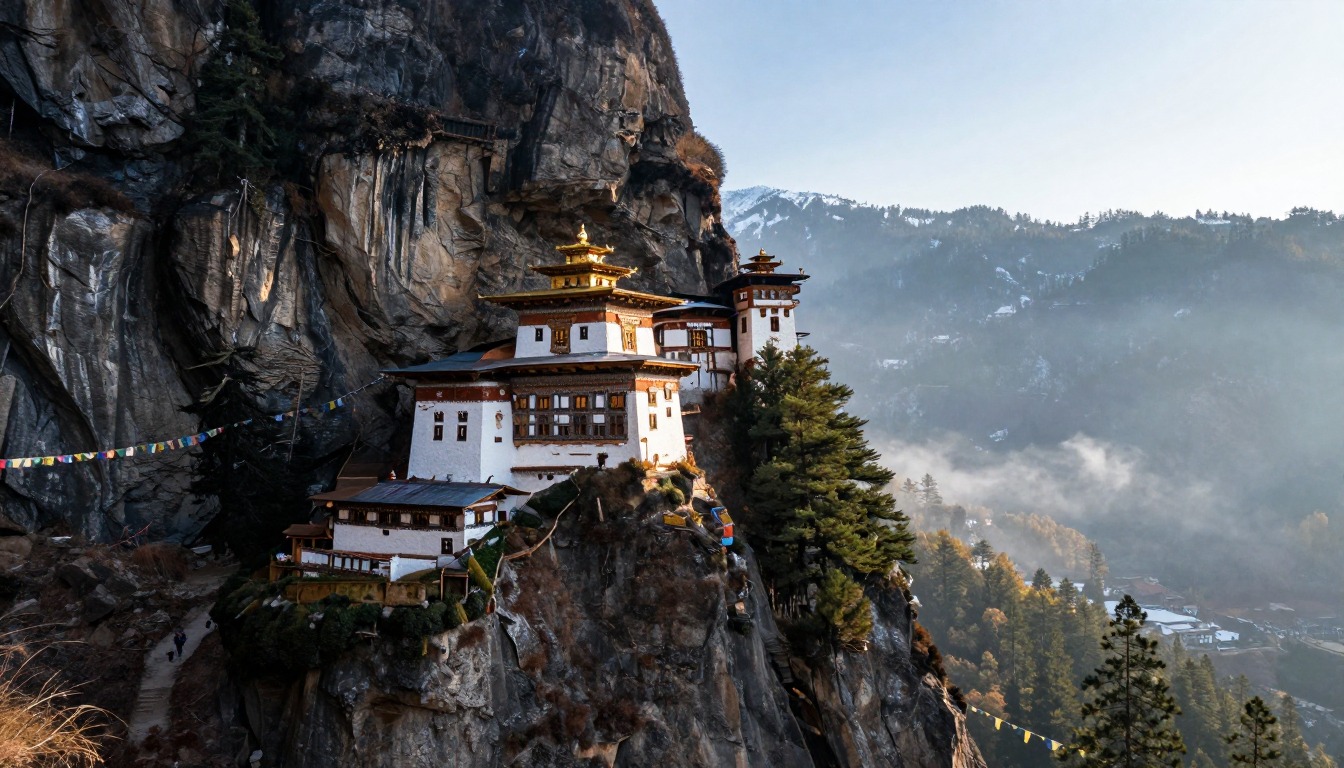
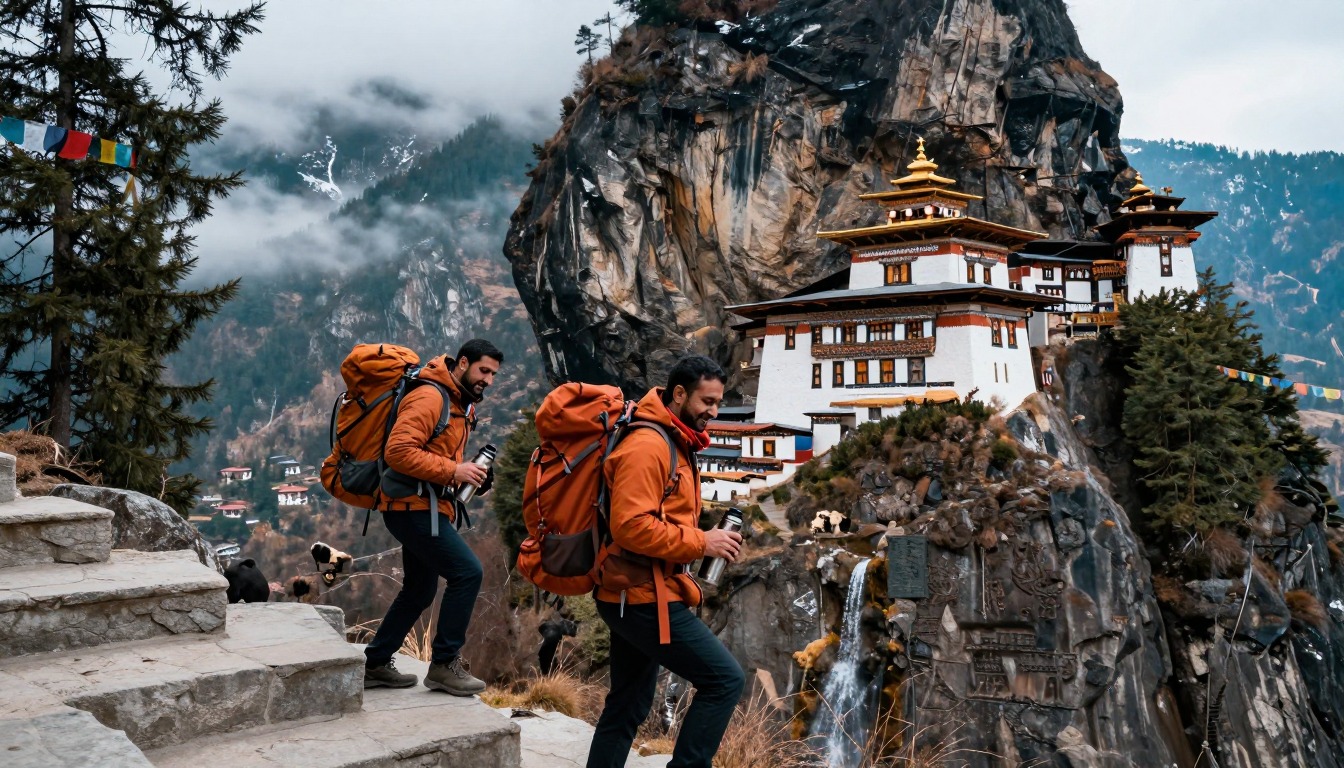
This page covers two very different walks in Bhutan. The Tiger's Nest is a famous monastery clinging to a cliff. You reach it on a wide path through pine forest, then a set of stone steps. It takes a few hours and needs no special skill. The Snowman Trek is at the other end of the scale. It is a multi-week trek over many high mountain passes, far from roads.
For the short walk, the main things are good shoes, water and a warm layer. For the long one, the main thing is time. The higher you sleep, the more your body has to adjust. Going too fast is what makes people ill, not lack of strength.
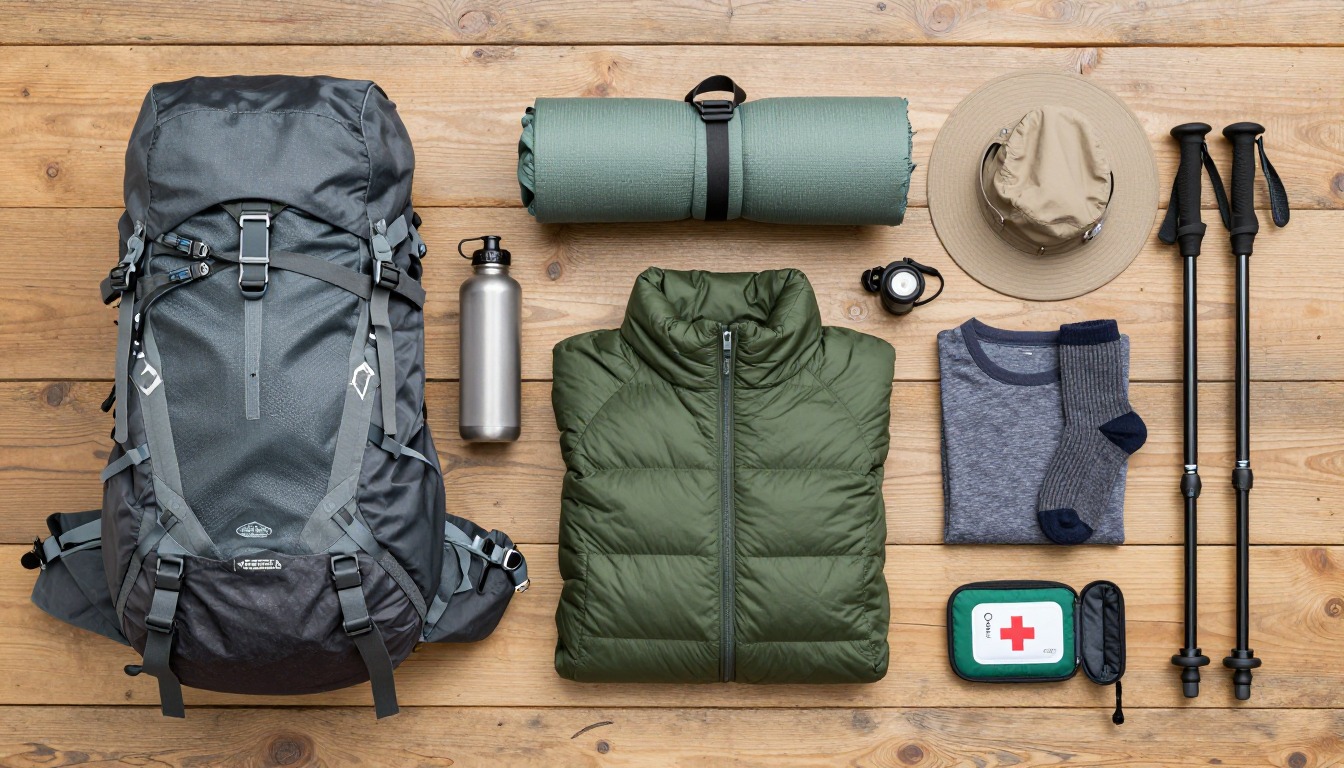
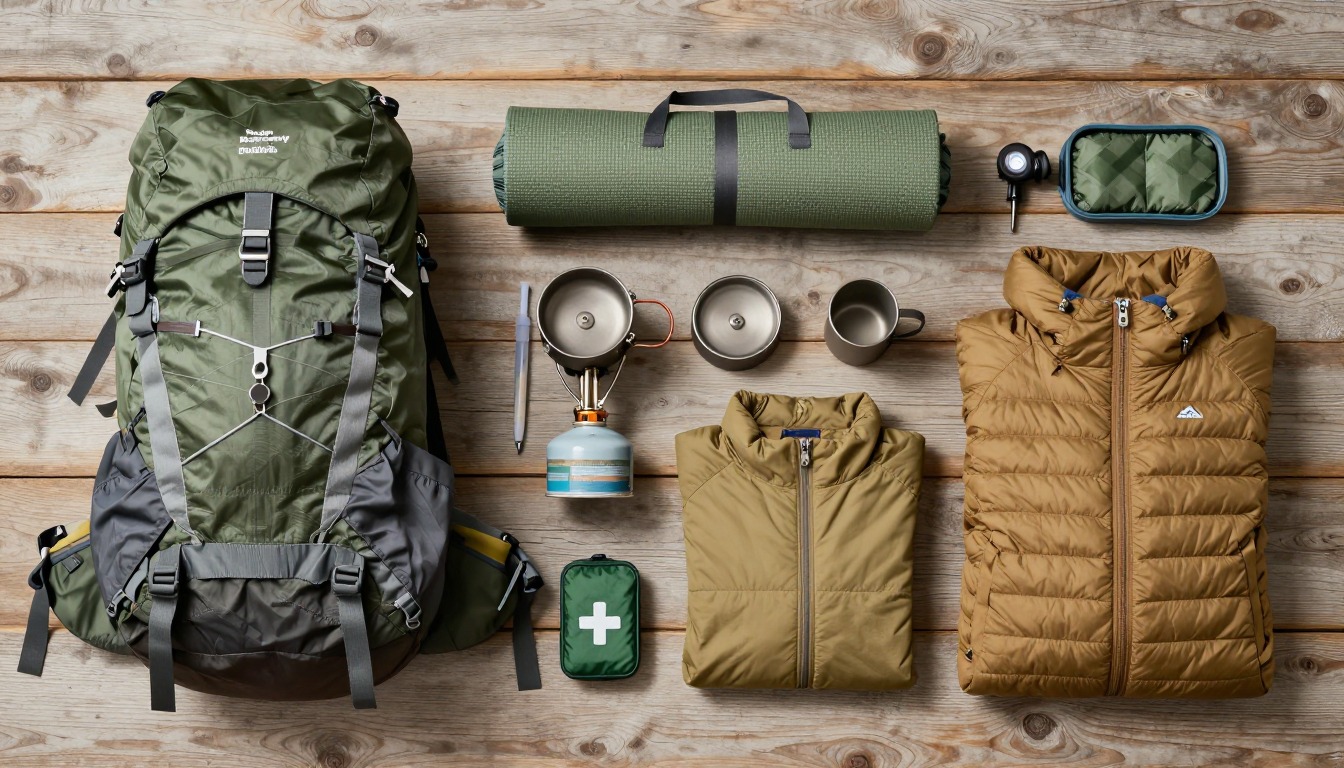
So your gear plan splits in two. A small daypack is plenty for the monastery. For the Snowman, a licensed operator usually organizes the camping, cooks and pack animals. Even then you carry your own daypack with warm layers, rain gear, water treatment and the essentials for each day.
What the hike is like
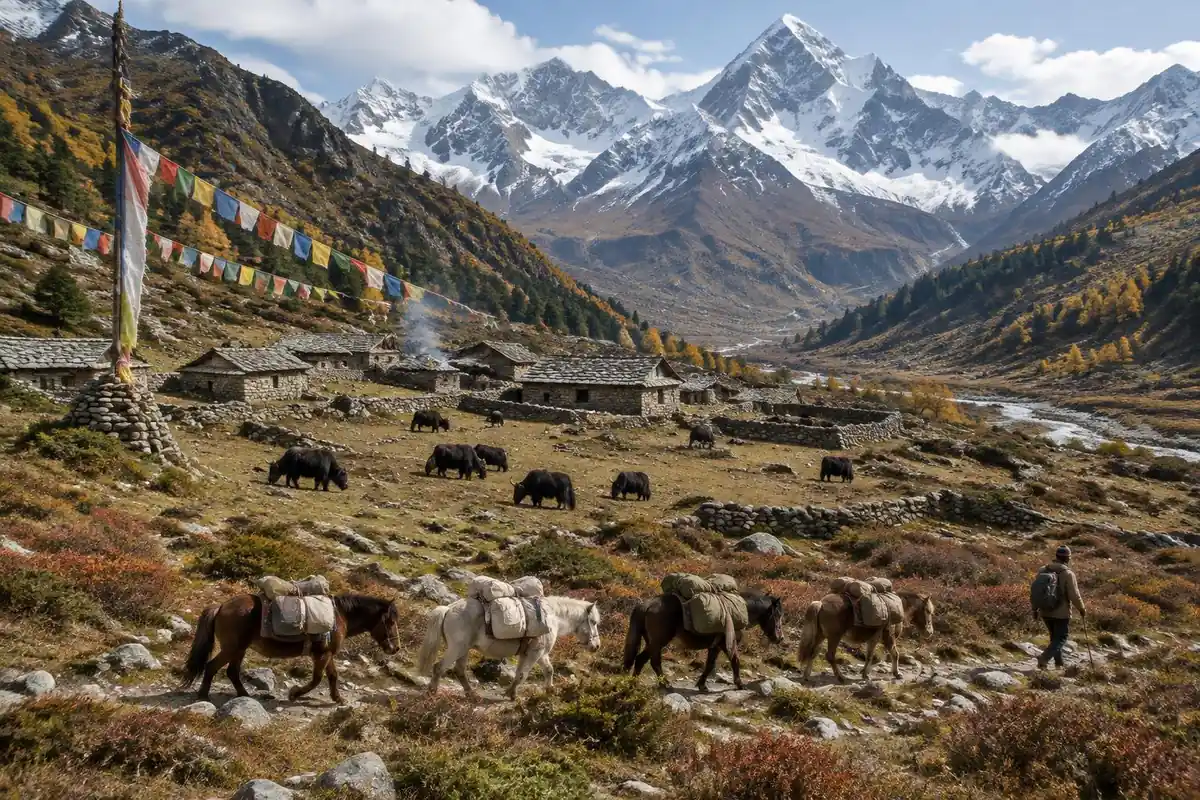
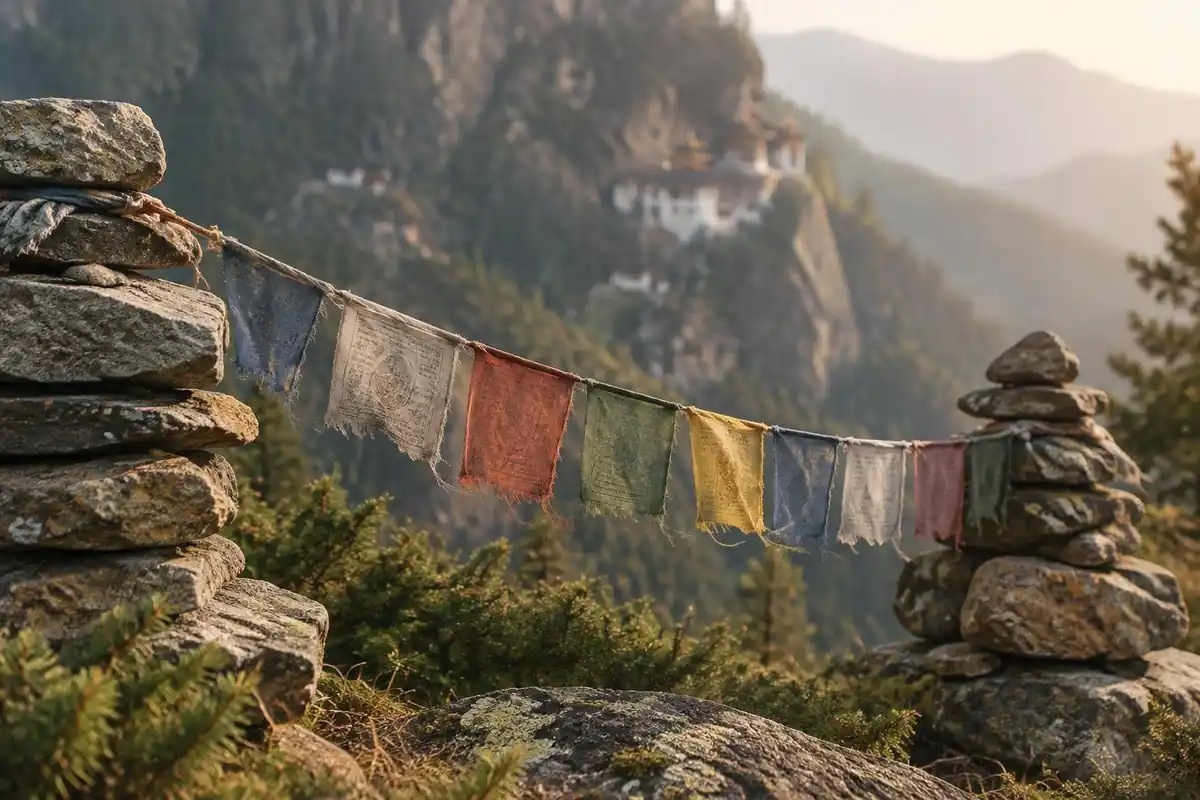
Two hikes, two completely different propositions. The Tiger's Nest path climbs steadily from the valley floor on a wide, well-trodden trail through blue pine and prayer flags, steep but never technical, with a rest point partway up where the monastery first appears across the gorge. The sting comes at the end: a long flight of stone steps drops into the ravine and climbs straight back up the other side to reach the buildings themselves. The Snowman is a different world, week after week of yak trails and faint paths linking remote valleys, crossing one high pass after another with long river-valley days in between and settlements growing further apart the deeper north you go. Underfoot it ranges from boggy meadow to moraine and snow, and much of it sits well above where anything grows.
How to plan the itinerary
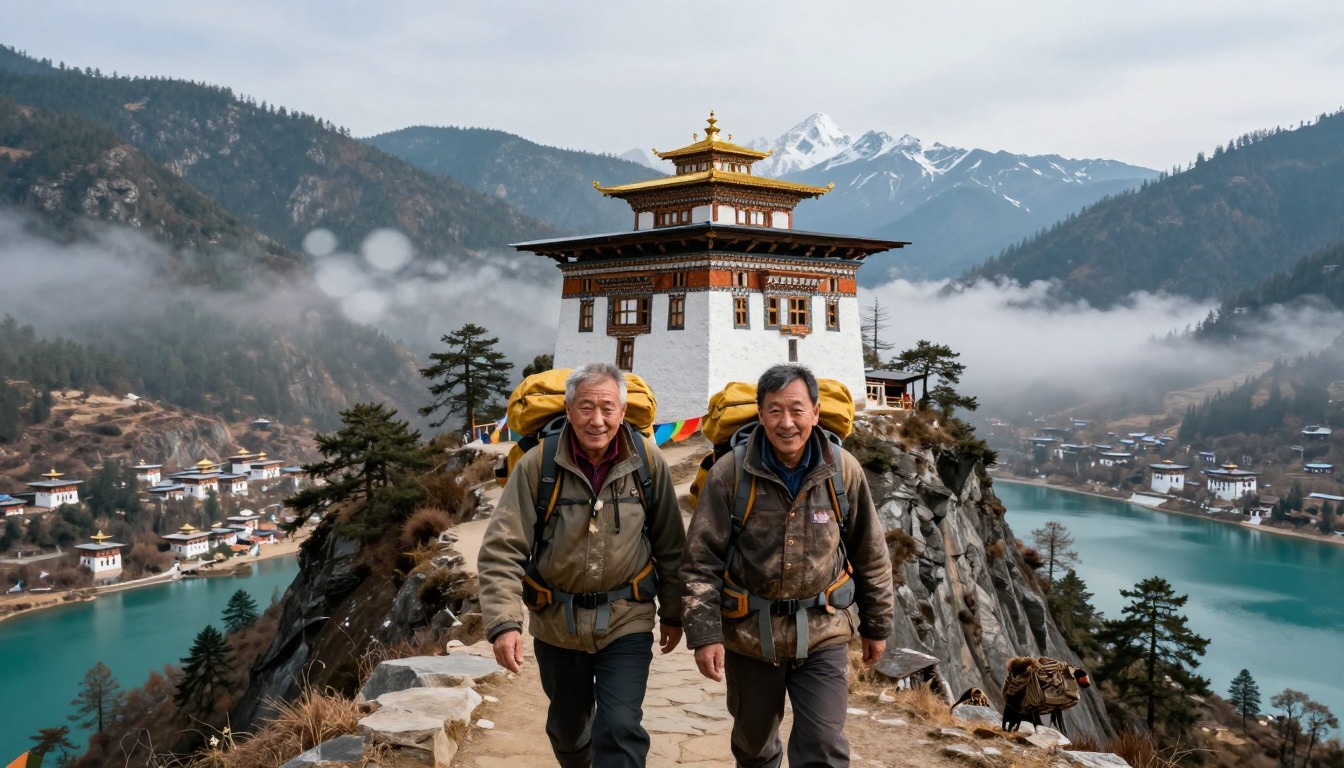
Tiger's Nest is a half-day outing for most visitors, usually slotted in at the start or end of a Bhutan itinerary while still adjusting to the altitude of the Paro valley. Morning starts are standard, both for cooler walking and because the monastery keeps its own visiting hours. The Snowman is the opposite in every way: a weeks-long expedition run by a licensed operator with a camping crew and pack animals, broken into stages set by where camps can be pitched and where passes can be crossed safely in a day. Rest and acclimatization days are built in rather than optional, and operators plan for weather to close a pass and force a layover. Most people who attempt it have trekked elsewhere in the Himalaya first rather than arriving cold to a trip of that length.
Plan this trip in 5 steps
-
Pick the right pack
Match a pack to your trip, fit and priorities.
-
Book a place to stay
Campgrounds, huts and lodges near Bhutan — Snowman Trek & Tiger’s Nest.
-
Plan food & water
Calories, food weight and water for your days on trail.
-
Estimate your time
Pre-filled with this trail’s distance and climb — adjust for your pace.
Trail-specific tips
For Tiger's Nest, the mistake is treating it as a tourist stroll. It is a sustained climb at altitude, and visitors who walk it straight off a flight usually feel it. Go early, go slowly, and keep a warm layer for the shaded stone stairs at the end. For the Snowman, the deciding factor is tolerance rather than fitness, for cold, for repeated high passes, and for weeks with no resupply and no quick way out if you change your mind. General altitude guidance lives at /trail-smarts/.
Permits & rules
Independent booking of hotels and transport has been allowed since 23 September 2022, and visitors pay the Sustainable Development Fee; treks must be run with an accredited operator and guide and are camping-based. The Snowman is a serious, long, very high trek — the Tiger’s Nest is a steep but achievable day hike for most fit visitors.
Gear suited to this hike
Matched to the terrain and conditions here. Real products — check current price on Amazon.



Altitude on a trek that never really comes down
The CDC Yellow Book says anyone sleeping at 8,000 ft or above without acclimatizing is at risk of altitude illness, and that fitness and training do not protect you.1 Above about 9,850 ft, the advice is to raise sleeping altitude by no more than about 1,600 ft per day and add an extra acclimatization day per 3,300 ft.1 On a route with repeated high passes and camps in remote valleys, that arithmetic is why rest days are built into itineraries. It also explains why the Tiger's Nest day is often placed at the start of a trip, when you are gently getting used to Paro's height, or at the end.
The guidance is also clear that you should never go higher to sleep while having symptoms, and that descent of 1,000 ft or more brings rapid improvement.1 On a remote trek the ability to descend is limited, which is the practical reason the existing page says the Snowman is not a sensible first big trek. This is general information; see a doctor before a trek like this and get medical help if symptoms worsen.
Water, cold and camp life
Long camped treks depend on treated water. CDC says water from a clear mountain stream can still contain germs and is generally not safe to drink untreated; boiling is the best method, for 1 minute or 3 minutes above 6,500 feet, and most portable filters remove parasites but not viruses or bacteria.2 Ask your operator how water is treated in camp, and carry your own backup for the day.
Cold, wet weather is common at the passes. The CDC notes that hypothermia can develop above 40°F when chilled by rain, sweat or cold water,4 and the NPS advises layers of wool or synthetic rather than cotton.5 Energy needs rise in the cold too; a National Academies report on military cold and altitude nutrition gives 3,400 to 4,300 kcal a day, which is a military figure rather than trekking guidance.6
Steps, poles and the daypack
The last flight of stairs to Tiger's Nest drops and re-climbs a ravine. Poles help most on descents: a laboratory study found knee compressive and shear forces fell by 12 to 25% with poles on a steep downhill ramp.7 For a half-day walk, that means a light pack with water and one warm layer; for the Snowman, keep your day pack's weight low because energy cost rises with load, speed and grade.8
Fees, visas and route requirements
Bhutan's national tourism site lists the Trans Bhutan Trail and the Laya-Lingzhi trek among its experiences, and directs visitors to apply for a visa and pay the Sustainable Development Fee.3 Tiger's Nest visiting hours, Snowman permits and operator rules are set by the authorities and can change. Check fees, visa steps and route requirements with the tourism authority or a licensed operator before you book.
Common questions
How hard is the Tiger's Nest hike really?
Harder than its reputation suggests, though still a day hike. The trail climbs continuously on good ground, and the stone stairway at the end drops and reclimbs a ravine just as your legs are done. The altitude of the Paro valley makes it feel heavier for anyone newly arrived. Fit walkers manage it comfortably at a steady pace.
Can you attempt the Snowman Trek without prior Himalayan experience?
It is not a sensible first big trek. The route crosses high pass after high pass over weeks, far from roads, with long stretches where turning back is as hard as going on. Operators generally expect trekkers to have multi-day, high-altitude experience already. Prior Himalayan trips are the normal preparation rather than a nice extra.
What makes the Snowman harder than other long treks?
It is the combination rather than any single feature: sustained high altitude, repeated passes with little recovery between them, a fully camped itinerary in cold and often wet conditions, and remoteness that limits your options if weather or health turns. Length alone would be manageable; it is the accumulation without respite that defeats people.
Can you do both hikes on the same trip?
Yes, and many trekkers do, since the monastery sits above the same valley most Snowman itineraries begin and end near. It is commonly walked at the start as a gentle introduction, or at the end as a celebration once you are thoroughly acclimatized. Your operator normally builds it into the overall plan.
Complete gearsets for this trip
Full curated kits built for exactly this kind of hike.
Trail conditions, permits and access rules change without notice — always confirm current information on the official source above before you go. Some facts on this page are still pending owner verification and are marked accordingly. Product links and the accommodation map are affiliate links: we may earn a commission at no extra cost to you; product prices and availability are shown on Amazon, and accommodation prices on the booking site. See our affiliate disclosure.