
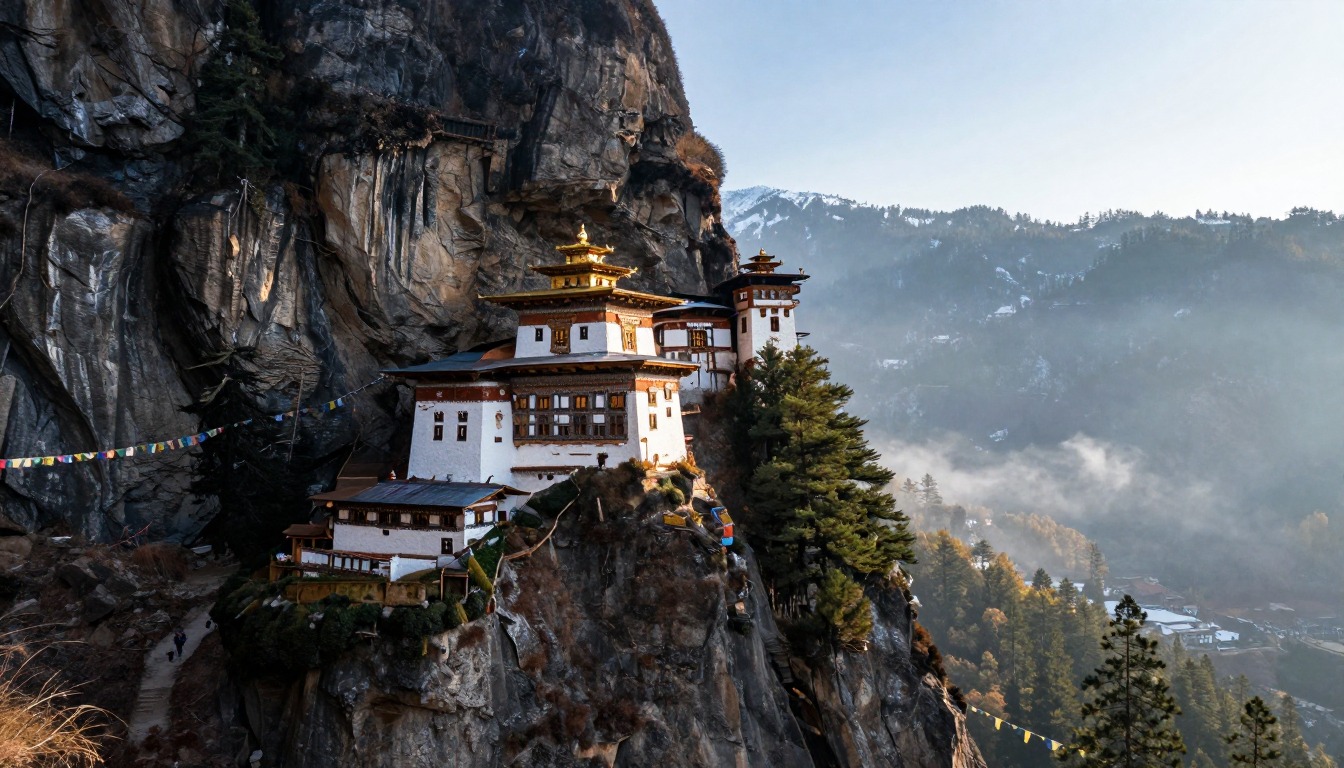
Illustrative artwork — an impression of Bhutan — Snowman Trek & Tiger’s Nest, not a literal photograph.
Bhutan's Himalaya holds two very different hikes side by side: the short, steep climb to Tiger's Nest monastery above Paro, and the Snowman Trek, widely considered one of the hardest long-distance treks in the world, crossing pass after high pass through the country's remote north. Where you sleep depends on which one you're doing — a hotel bed in town for the monastery hike, a tent pitched by your crew for the Snowman — and neither is something you arrange on your own, since independent trekking isn't permitted in Bhutan.
Why hike here
The pull here is contrast. Tiger's Nest, Paro Taktsang, is a whitewashed monastery built directly into a sheer cliff face above a pine-forested gorge, and the trail up to it climbs through prayer flags and forest before the buildings suddenly appear clinging to the rock. The Snowman Trek is the opposite kind of experience: weeks of walking through some of the most remote, thinly populated country in the Himalaya, crossing one high pass after another with glaciated peaks on every side and villages growing further apart the deeper you go. Because so few people attempt the Snowman each year, the trails themselves feel genuinely wild rather than well-worn, and the reward for finishing is less a view than the simple fact of having done it.
Getting there
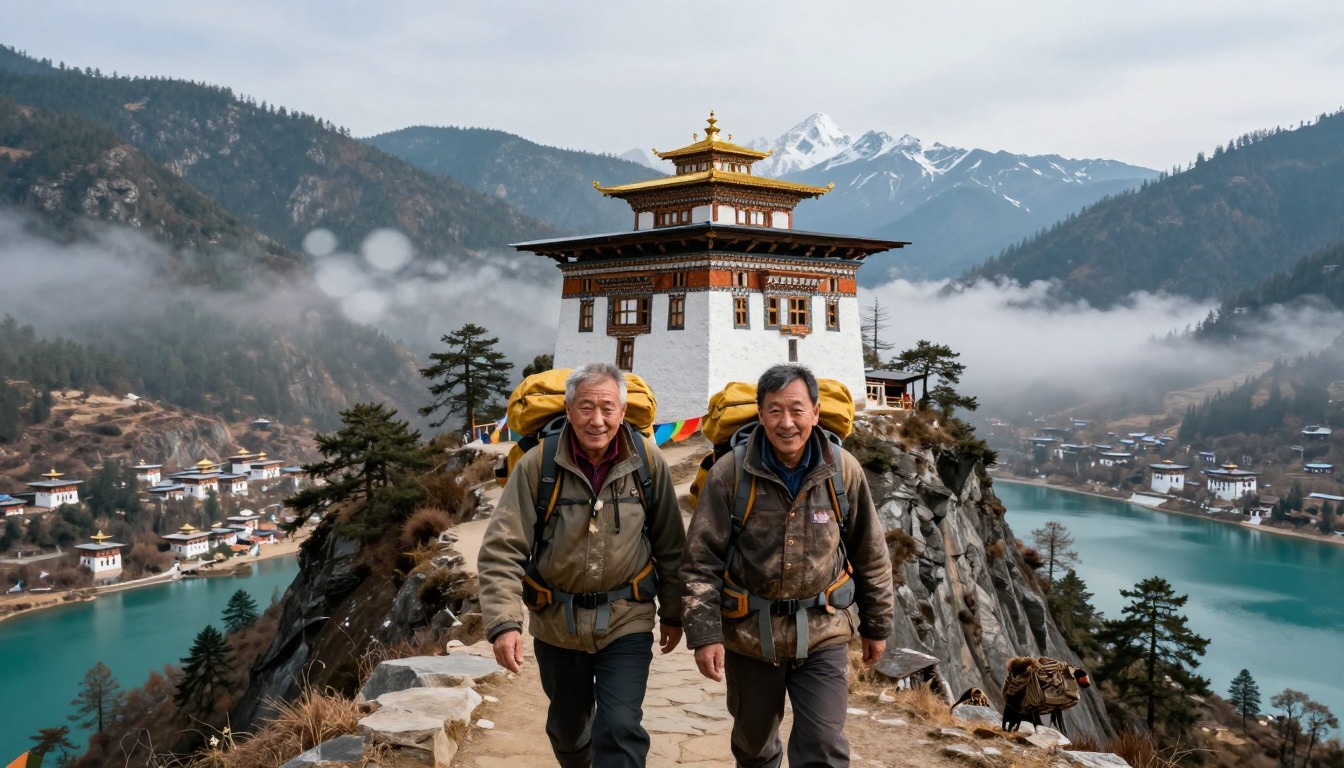
Bhutan has one international airport, in Paro, and it's the gateway for both hikes — the approach is famously tricky through mountain terrain, so flights are limited and schedules can shift, making it worth booking early and keeping arrival dates flexible. You can't just buy a ticket and go: Bhutan requires visitors to book through a licensed Bhutanese tour operator, who arranges your visa, guide, and the Sustainable Development Fee before you arrive. From Paro, the Tiger's Nest trailhead is a short drive from town; reaching the Snowman Trek's starting point involves a longer road transfer, arranged by the same operator as part of the trek package.
Where to stay
The realistic options, closest-to-the-trail first. Book through the official links — we don't list prices or availability because they change all the time.
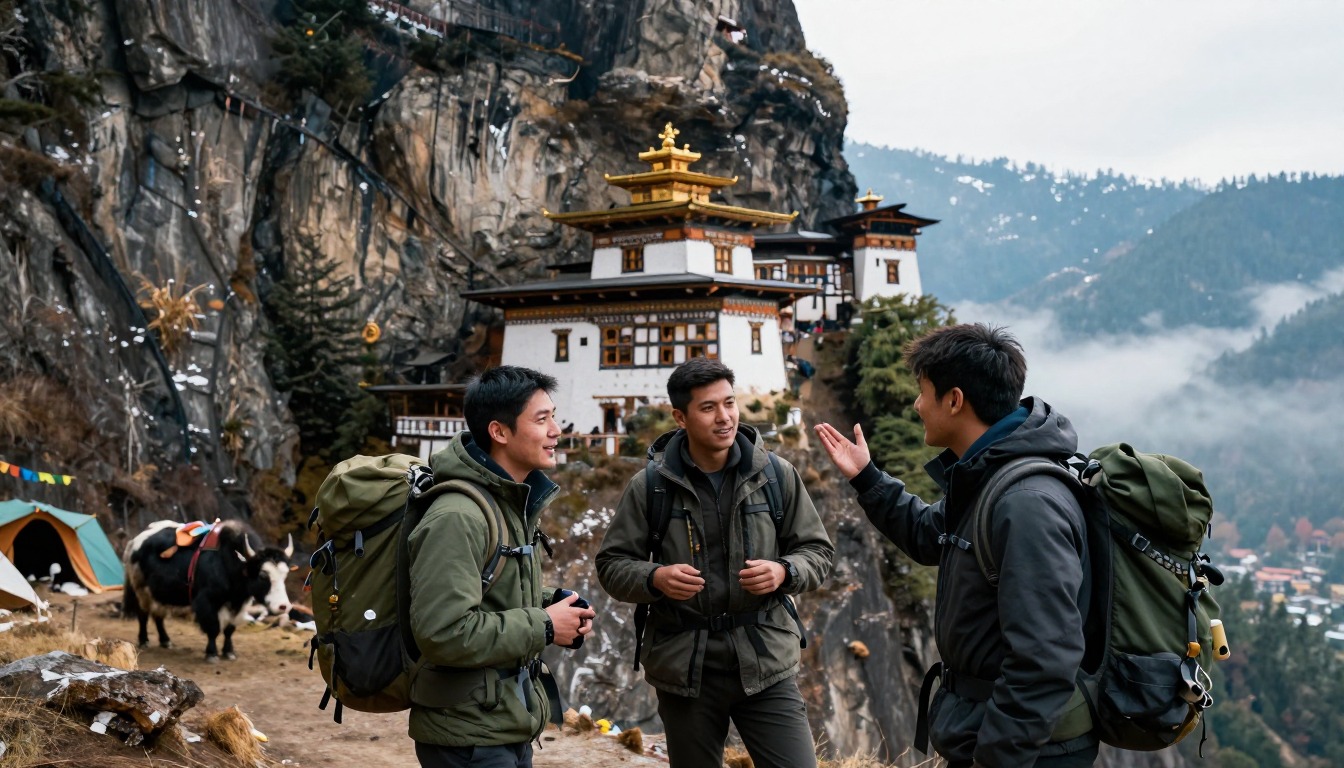 Illustrative — evokes the setting, not a specific property.
 For example: Full tented camps set up by your crew (guides, cook, pack animals) at high camps along the route
Snowman trekkers — the high route is camping only, deep in the mountains.
Everything is arranged and carried by the crew; independent trekking is not allowed.
Booked through a licensed Bhutanese operatorFor example: Hotels in Bhutan’s towns for the days before and after the trek and the Tiger’s Nest hike
Everyone — the Tiger’s Nest (Paro Taktsang) is a day hike from Paro.
Your operator arranges hotels as part of the trip.
Booked through a licensed Bhutanese operatorPermits & rules
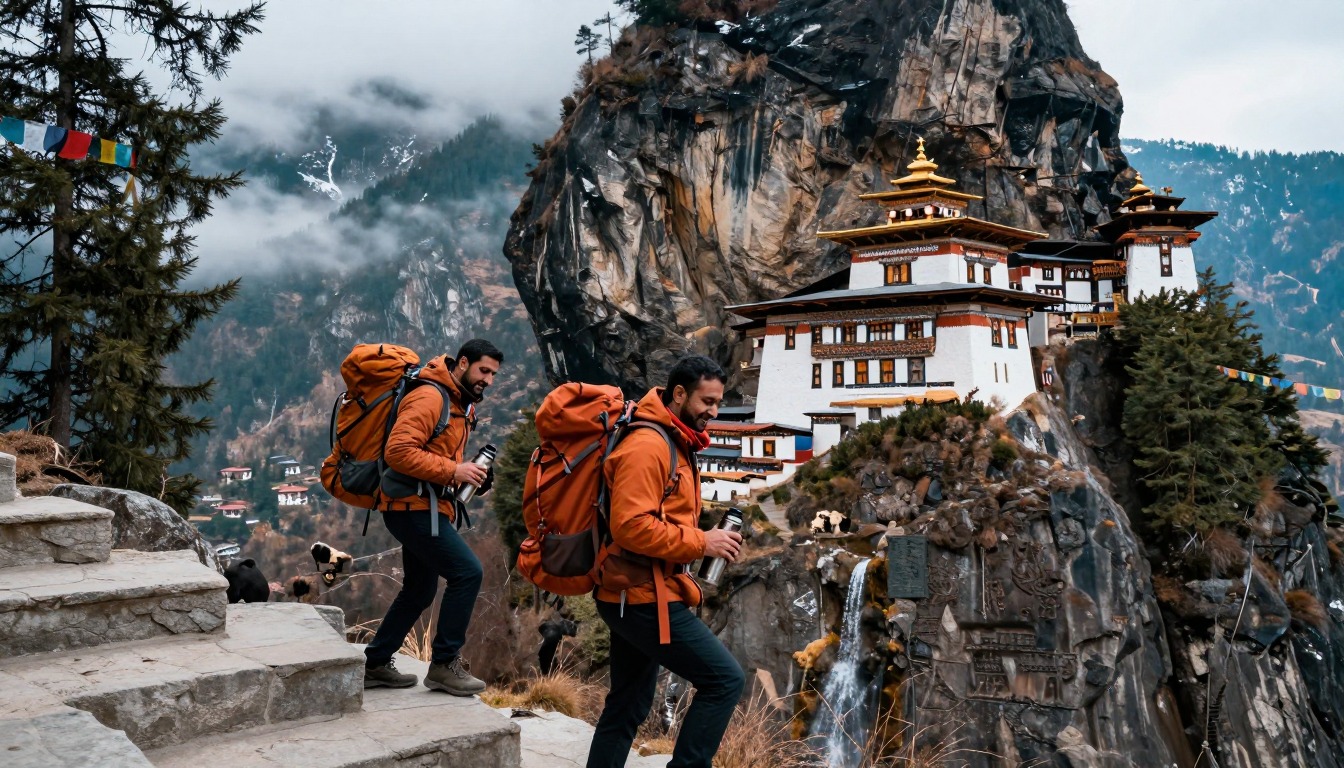
Visitors to Bhutan book through a licensed tour operator and pay the Sustainable Development Fee; trekking is guided and camping-based. The Snowman is a serious, long, very high trek — the Tiger’s Nest is a steep but achievable day hike for most fit visitors.
Gear you'll want for this trip
Matched to the terrain and conditions here. Real products — check current price on Amazon.


Common questions
Do I need a guide, or can I trek independently in Bhutan?
No — independent trekking isn't allowed in Bhutan. Every visitor books through a licensed Bhutanese tour operator, who supplies a guide for the whole trip, arranges permits and the Sustainable Development Fee, and — for the Snowman Trek — provides the camping crew, pack animals, and tents. Even the Tiger's Nest day hike is typically arranged as part of your overall tour.
Do I need to camp on both hikes?
No. The Tiger's Nest is a single steep day hike from Paro, so you sleep in a hotel in town before and after — no tent involved. The Snowman Trek is the opposite: it's a fully camping-based expedition, with your crew pitching tents each night as you move between passes, since there's no other lodging along that remote route.
When's the best time to go, and how experienced do you need to be?
The Snowman Trek is generally done in autumn (September–October), when the passes are most likely to be clear; the Tiger's Nest hike is doable year-round. Because the Snowman crosses so many high passes back-to-back, it's really only for experienced, well-acclimatized trekkers already comfortable with multi-day high-altitude travel — the Tiger's Nest is a much more accessible day hike for everyone else.
Complete gearsets for this trip
Full curated kits built for exactly this kind of hike — what to bring, why, and links to similar gear.
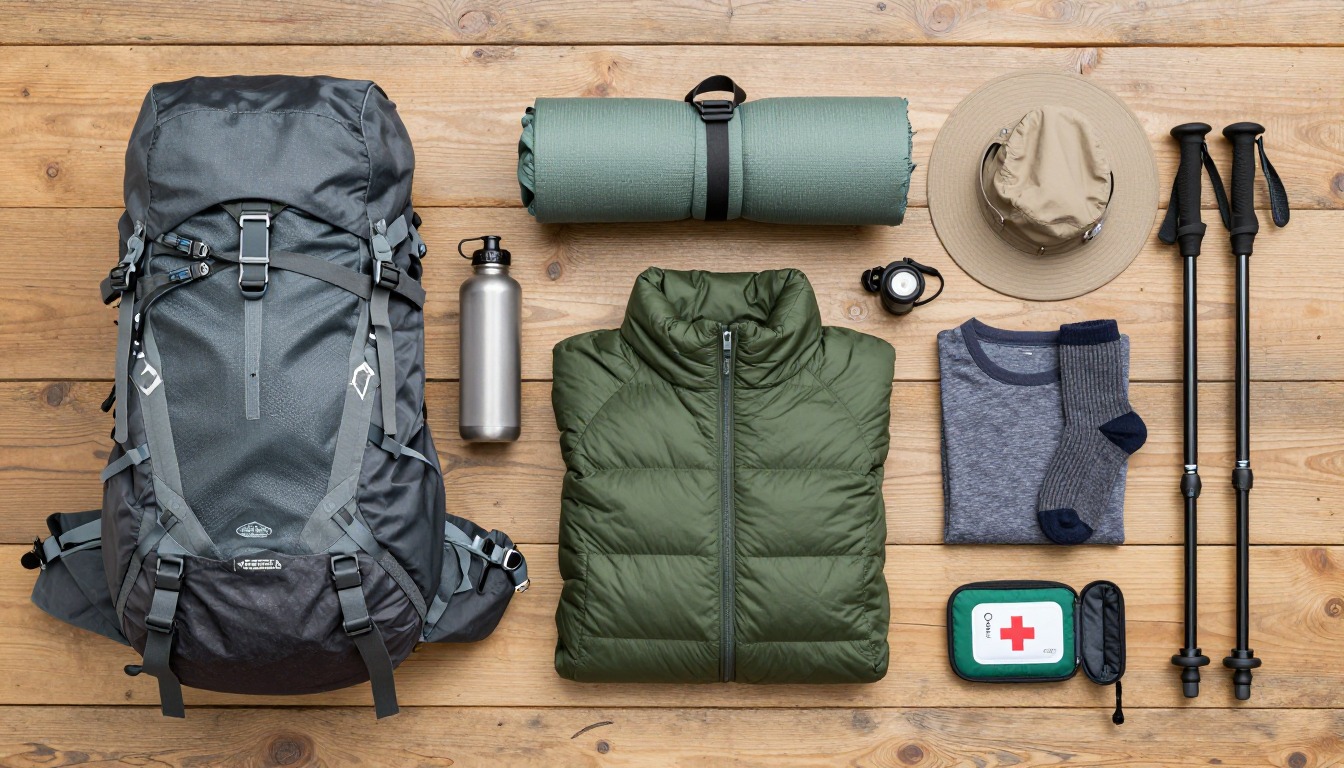
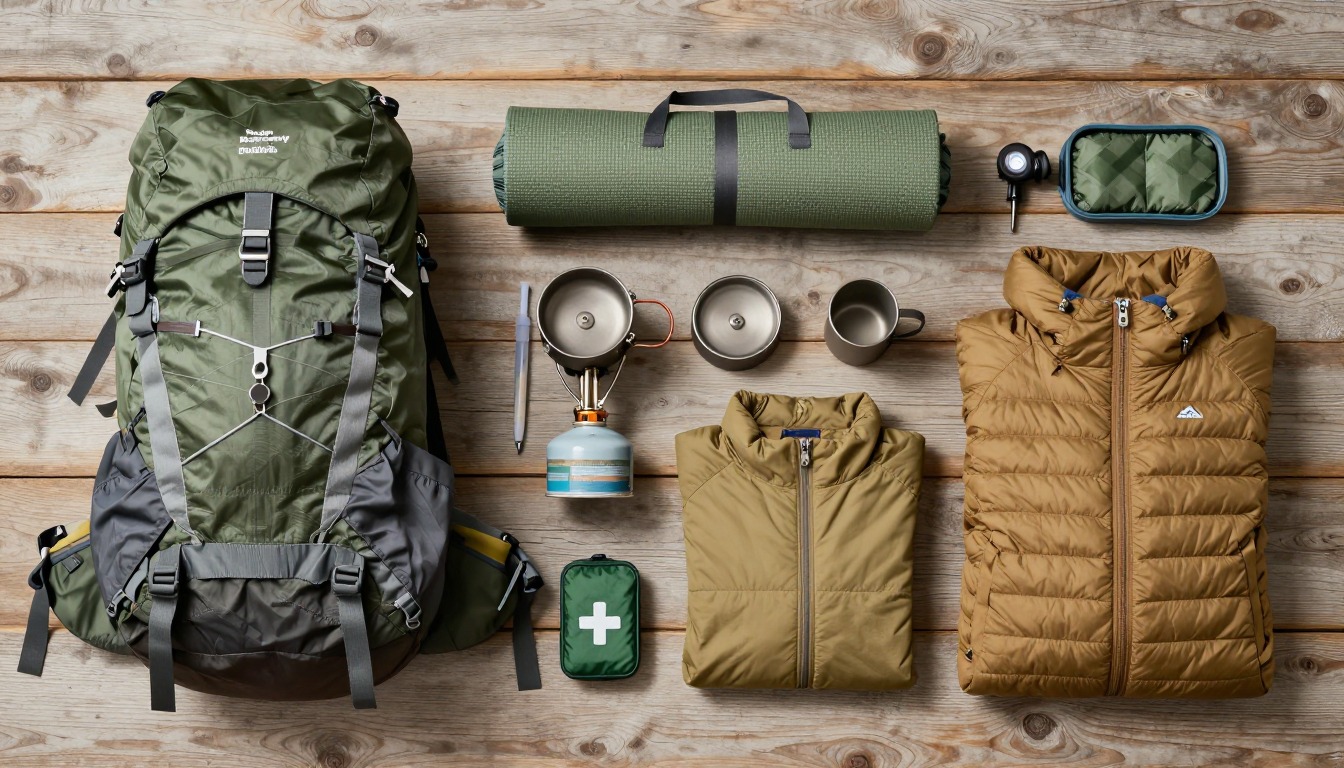
Lodging details are compiled from official parks, refuge associations and reservation systems and can change without notice. We publish no prices, availability or ratings — always confirm current information on the official site before booking or setting out. Product links are affiliate links: we may earn a commission at no extra cost to you; prices and availability are shown on Amazon. See our affiliate disclosure.