
Affiliate disclosure: this page contains affiliate links. Purchases made through them may earn us a commission at no extra cost to you. See our affiliate disclosure.
In plain English
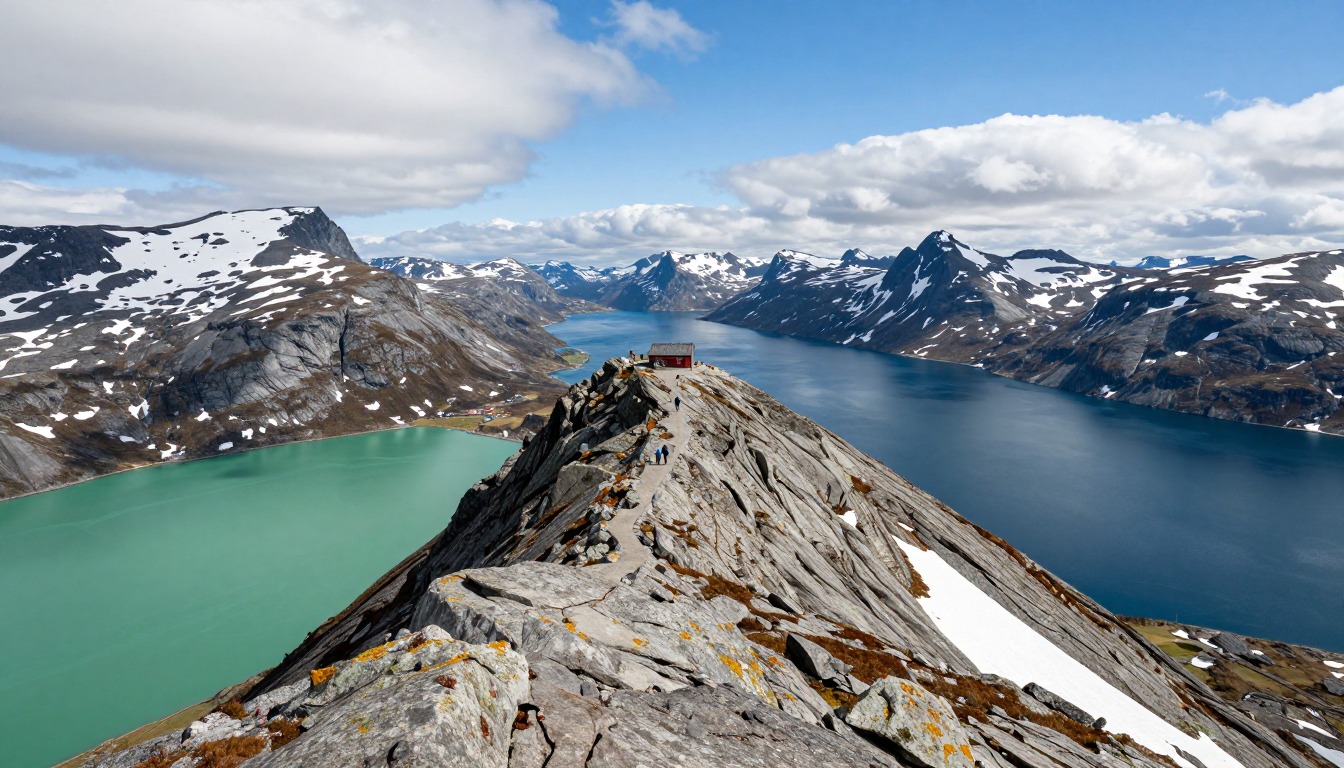
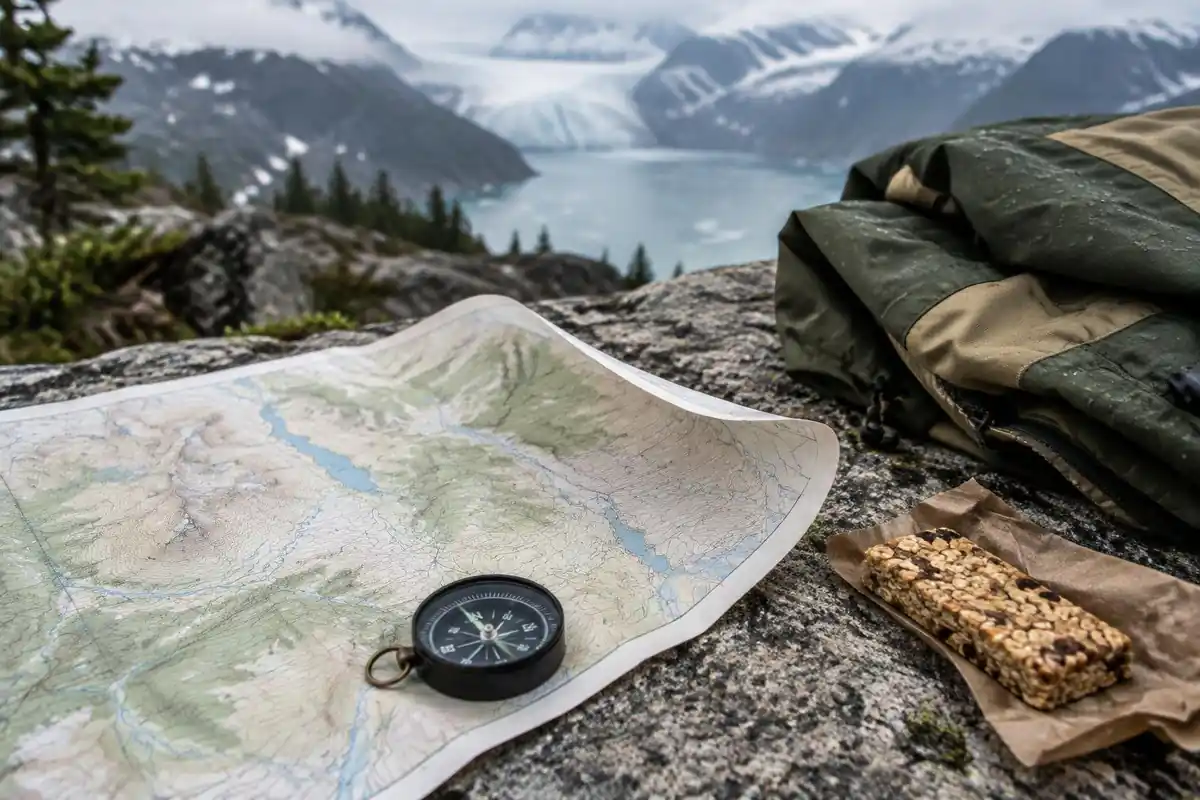
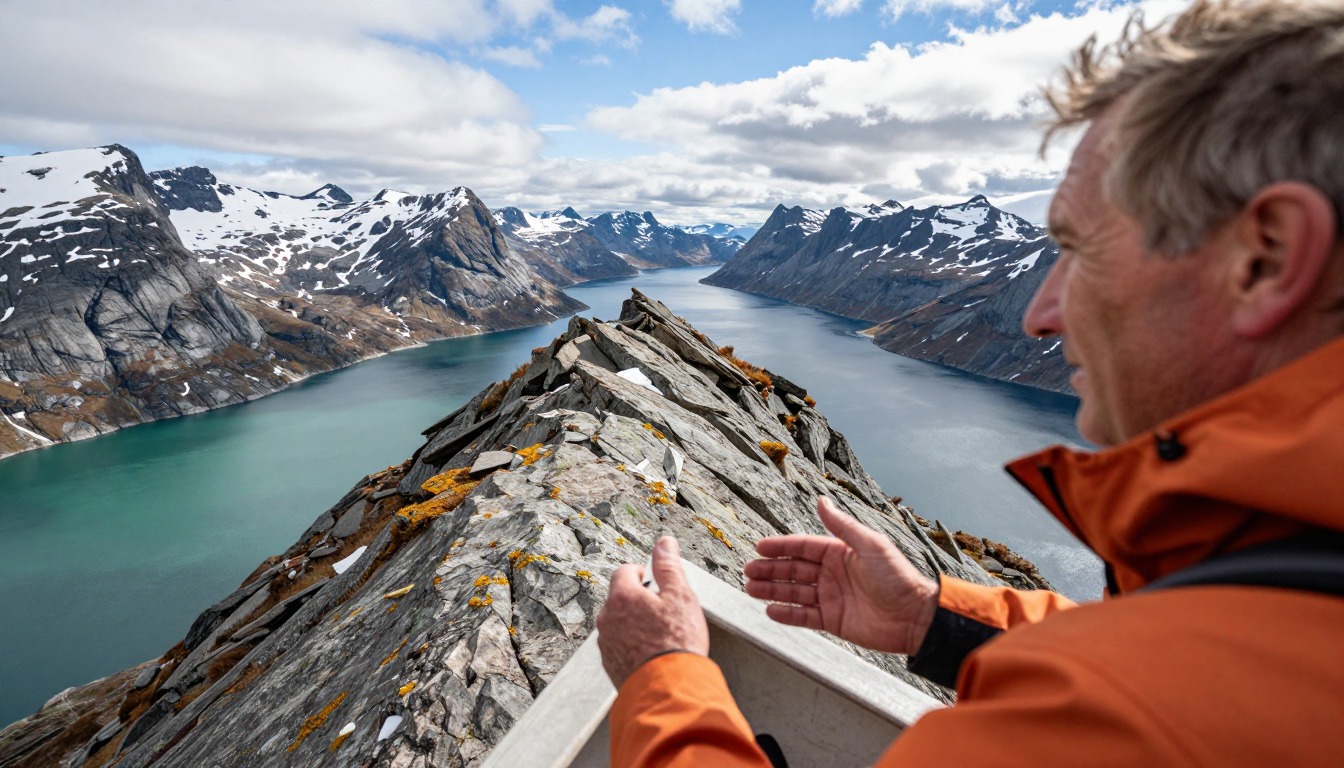
Besseggen is a famous day hike in Jotunheimen, a big mountain park in Norway. You take a boat across a long green lake, then walk back over a narrow ridge that sits between two lakes of different colors. Near the middle there is a steep, rocky section where you use your hands, a bit like climbing a very big, very solid staircase.
You don't need a permit. The main things to plan are the boat time, the weather and your energy. The walk down at the end is long and stony, and that is where tired ankles twist.
Carry a small backpack that sits snugly, so it doesn't pull you backward when you lean in to climb. Bring water, snacks, a warm layer and a rain jacket, because weather in the Norwegian mountains can change quickly, even in summer.
What the hike is like
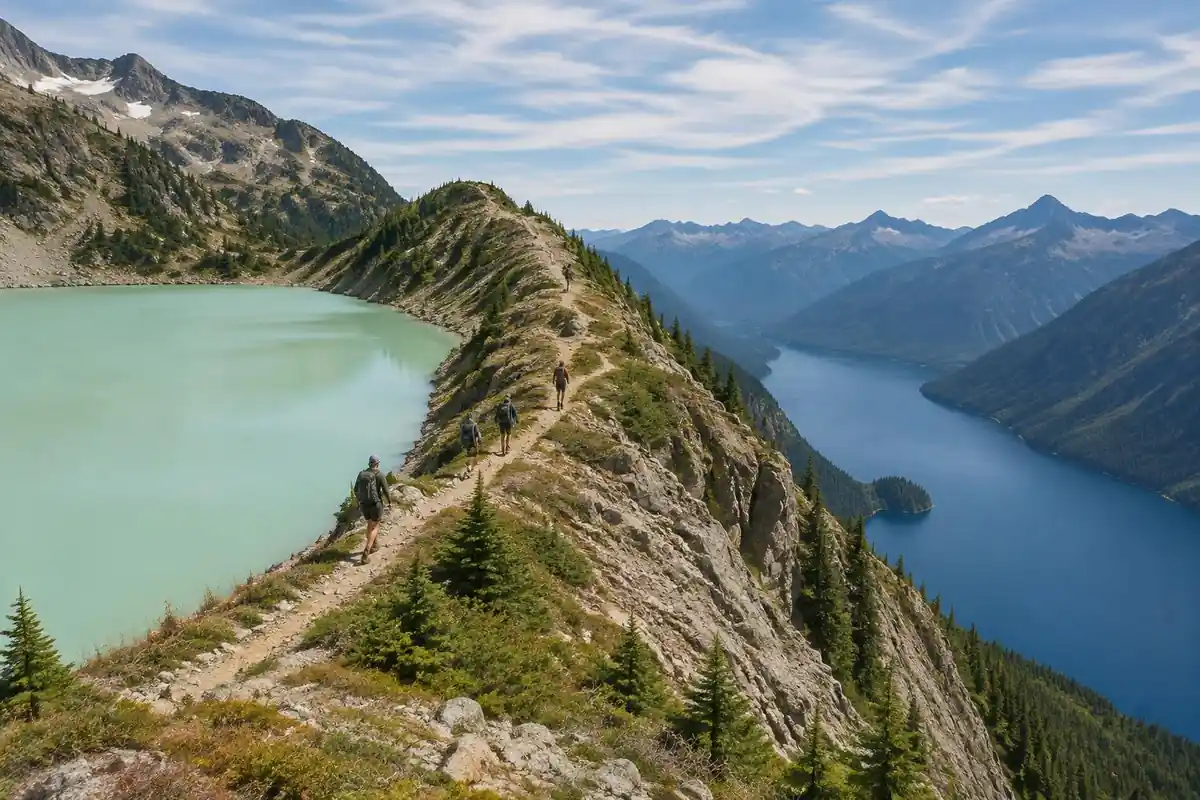
Starting from the boat landing at Memurubu, the trail goes up almost immediately, climbing away from Gjende's shore on rough, rocky ground with no easing-in section at all. Above that first climb the walking opens onto bare, bouldery high ground, marked with the red-painted T's that carry you across terrain where a worn path often isn't visible. The section the route is named for comes next: a steep spine of rock where you put hands on holds and move upward with air on either side, the green water of Gjende on one flank and the blue of Bessvatnet on the other. It is properly steep rather than technical, with large, solid holds. Past the top the route broadens into a long, stony descent over rolling high ground back toward Gjendesheim, rocky underfoot most of the way down.
How to plan the itinerary
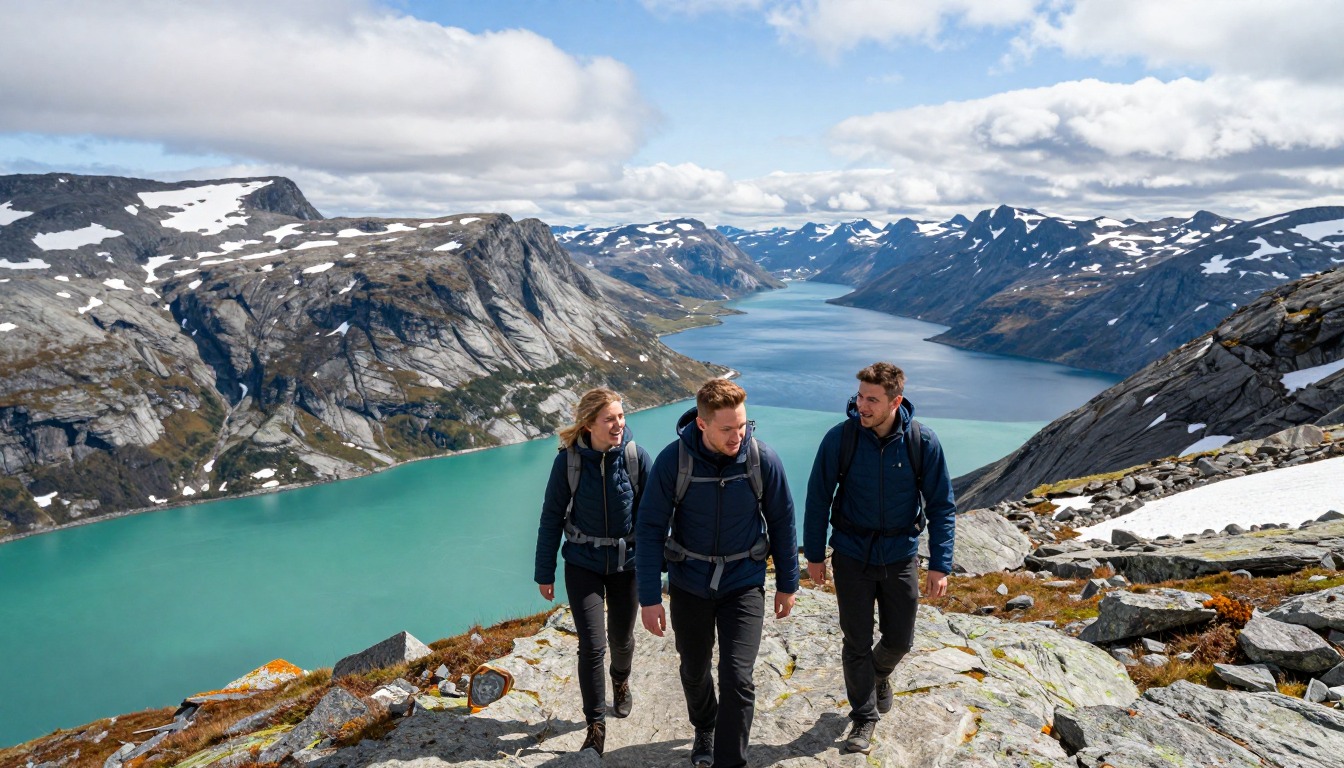
This is a single, long day rather than a staged trek, and the boat timetable sets the whole shape of it. The usual pattern is to sleep at or near Gjendesheim, catch a morning boat across Gjende to Memurubu, and walk the ridge back to where the car is parked — which puts the steep, hands-on climbing early, while legs are fresh, and leaves the long descent for the afternoon. Some hikers stay the night at Memurubu instead and start walking at first light with the ridge almost to themselves. Walking the route in reverse is possible and means descending the steep section rather than climbing it, which most people find harder and slower. Whichever way round, plan for a full day out and an early boat rather than a late one.
Plan this trip in 5 steps
-
Pick the right pack
Match a pack to your trip, fit and priorities.
-
Book a place to stay
Campgrounds, huts and lodges near Besseggen Ridge — Jotunheimen.
-
Plan food & water
Calories, food weight and water for your days on trail.
-
Estimate your time
Pre-filled with this trail’s distance and climb — adjust for your pace.
Trail-specific tips
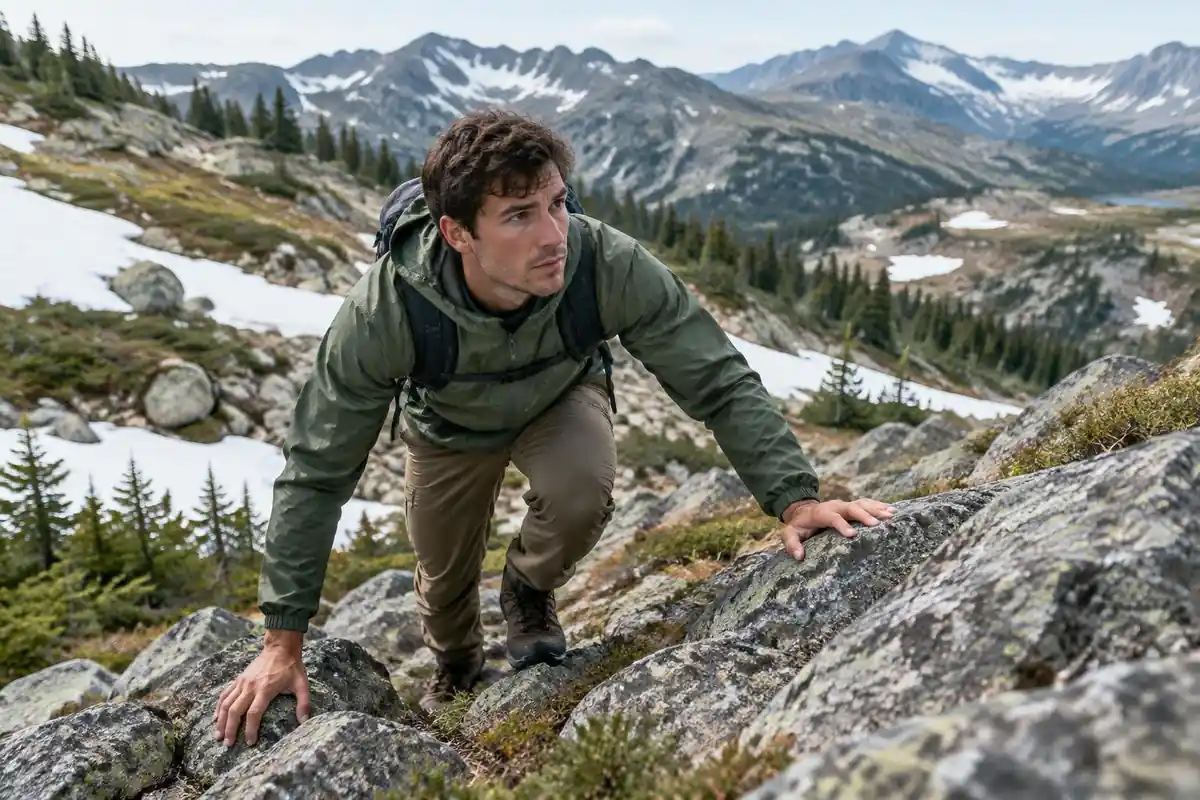
Book the boat before you book anything else — the crossing is the fixed point everything else bends around, and a missed sailing rewrites the day. On busy summer days the steep rock section backs up, so starting early buys you space as much as time. Stow trekking poles before the climb; you want both hands free. The descent is longer and stonier than people expect and is where tired ankles get turned, so save something for it. Snow can linger on the high ground into early summer — check current conditions and see /trail-smarts/ for general mountain-weather sense.
Permits & rules
No permit is needed. The classic route rides the Gjende boat to Memurubu and hikes back over Besseggen; the ridge is exposed with one steep scramble, so pick a clear, dry day and check the boat schedule. The park board has issued a 2026 notice about path repair above Memurubu, so check for current notices.
Gear suited to this hike
Matched to the terrain and conditions here. Real products — check current price on Amazon.



Timing the day: boat, climb and daylight
This route is roughly 14 km with about 1,200 m of up and down. Naismith's classic rule, one hour per three miles plus one hour per 2,000 feet of climb,2 gives about 4.9 hours of moving time. Mountaineering Scotland's slower variant of 4 km/h plus one minute per 10 m of ascent5 gives about 5.5 hours. Those are moving times only. Queues on the steep section, photo stops and a cautious descent easily push the day to seven or eight hours, which is why the page's advice to catch an early boat matters.
The US National Park Service advises setting a turnaround time and sticking to it, and planning for uphill sections to take at least double the time of the same ground downhill.6 On Besseggen the steep climbing comes early if you start from Memurubu, so if the first climb is taking far longer than planned, that is useful information before you commit to the ridge.
Where you sleep shapes what you carry. DNT, which runs much of Norway's mountain accommodation, says most of its cabins are self-service (stocked with provisions) or no-service (no provisions), that most unstaffed cabins are locked with the DNT key, and that members get lower prices at its lodges and cabins.1 A night at a staffed lodge at either end lets you walk the ridge with only a daypack; a no-service cabin elsewhere in Jotunheimen means carrying food and cooking gear in.
Exposure, weather and the rock itself
The ridge is open rock above two lakes, and NWS lightning guidance is to avoid ridge tops and, in the mountains, to be off high ground early because storms often build in the early afternoon.4 A dry, calm day matters for grip as much as for comfort.
Lingering snow on the high ground into early summer is another variable. Traction products such as MICROspikes are designed for icy, packed snow on mountain trails,7 but they do not make a steep, snowy scramble safe, and the better call is to wait for the ridge to clear. Cold wind on exposed rock is the other risk; CDC notes hypothermia can develop above 40°F when someone is chilled by rain or sweat.8
Pack setup for hands-on ground
On the scramble, a pack that sways pulls you off balance. Compression straps hold the load closer to the body and stop it shifting,9 and keeping the load's center of mass close to your own gives the lowest energy cost.10 Heavy items such as water belong close to your back, not in a bottle hanging off a side pocket.
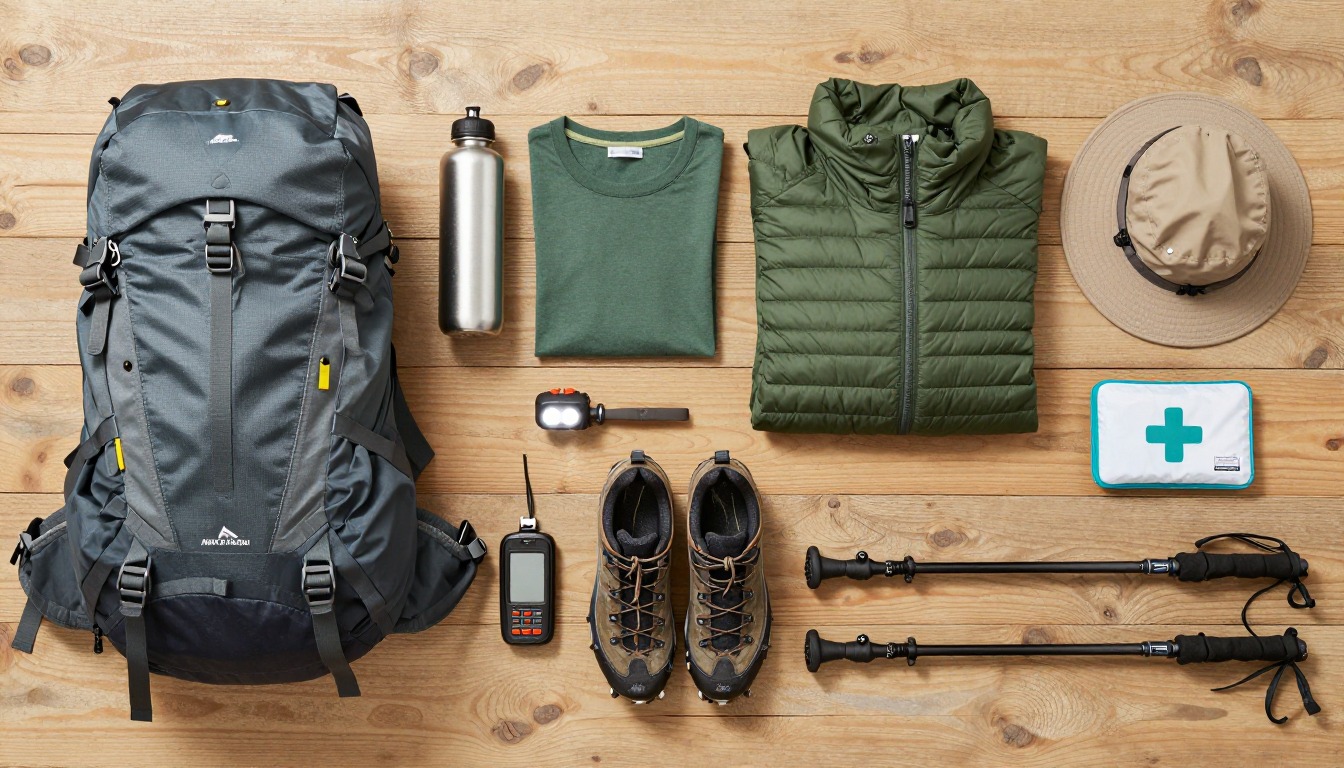
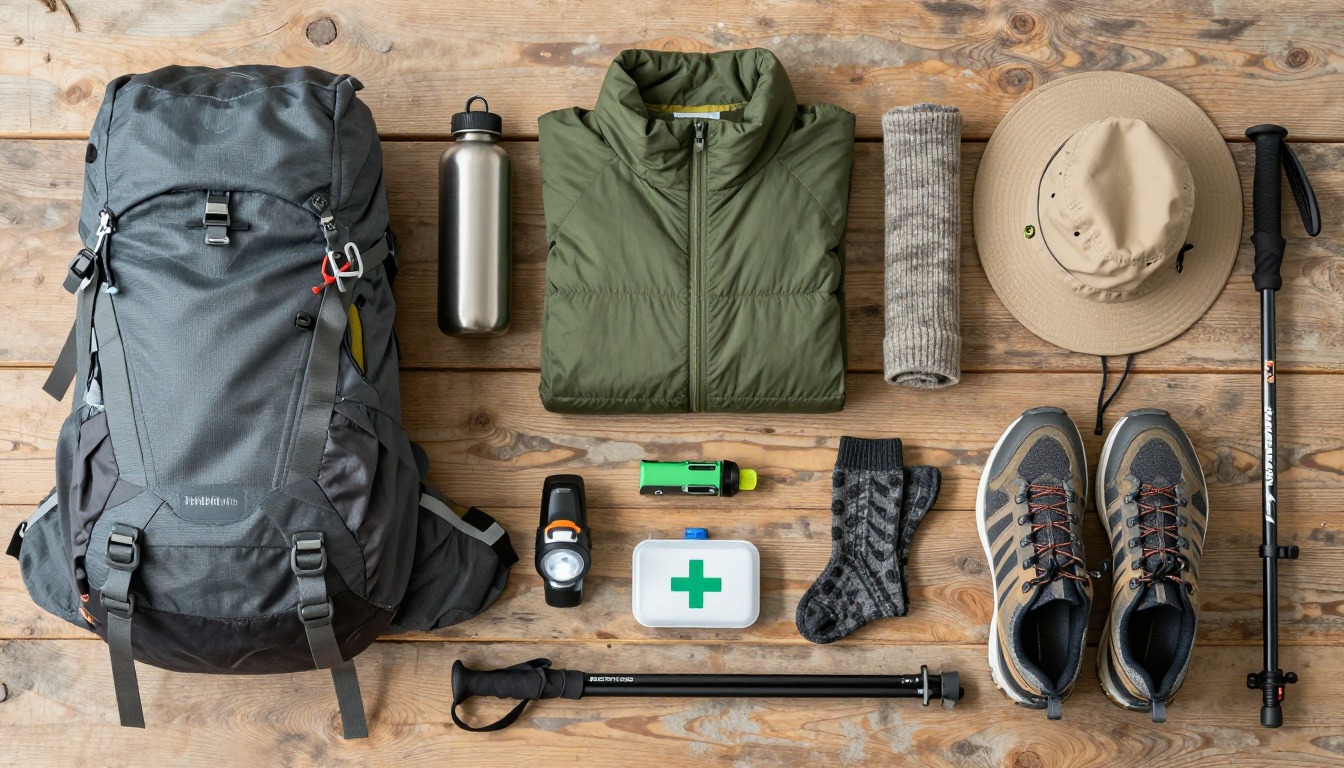
Poles are worth carrying for the long stony descent to Gjendesheim. On a downhill ramp, poles reduced knee forces by 12–25%,3 and a separate study found poles reduced lower-limb joint loading on descents across all pack loads tested.11 Collapsible poles that strap flat against the pack make the switch from walking to scrambling quick. For water, even clear mountain streams can carry germs, so CDC advises treating it before drinking.12
Common questions
Which direction should I hike Besseggen?
The classic direction is boat to Memurubu, then walk back over the ridge to Gjendesheim. That ordering puts the steep, hands-on rock as an ascent, which is easier and safer than downclimbing it, and finishes at the road rather than a boat you have to catch. Reversing it works but is generally considered the harder way round.
Do I need scrambling experience for the ridge?
No technical climbing skill is needed, but you do need to be comfortable using your hands on rock with drops nearby. The holds are large and the line is well used, so it is more about steadiness with exposure than technique. Hikers who dislike heights often find this section genuinely uncomfortable, and it cannot be avoided once you are committed.
Is Besseggen suitable for children or beginners?
It is a long day with sustained rough ground and a steep exposed section, so it suits fit, sure-footed walkers rather than complete beginners. Families do take older, experienced children, usually with an early start and an unhurried pace. Younger kids and anyone unsure on rock are better served by the gentler valley walking around the lake instead.
Are trekking poles useful here?
Yes, on both ends of the day — the long stony descent to Gjendesheim is where poles save your knees most. Bring a pack that lets you stow them quickly, because you will want both hands free on the steep rock. Collapsible poles that strap flat against the pack are far more practical here than fixed-length ones.
Complete gearsets for this trip
Full curated kits built for exactly this kind of hike.
Trail conditions, permits and access rules change without notice — always confirm current information on the official source above before you go. Some facts on this page are still pending owner verification and are marked accordingly. Product links and the accommodation map are affiliate links: we may earn a commission at no extra cost to you; product prices and availability are shown on Amazon, and accommodation prices on the booking site. See our affiliate disclosure.