
Affiliate disclosure: this page contains affiliate links. Purchases made through them may earn us a commission at no extra cost to you. See our affiliate disclosure.
In plain English
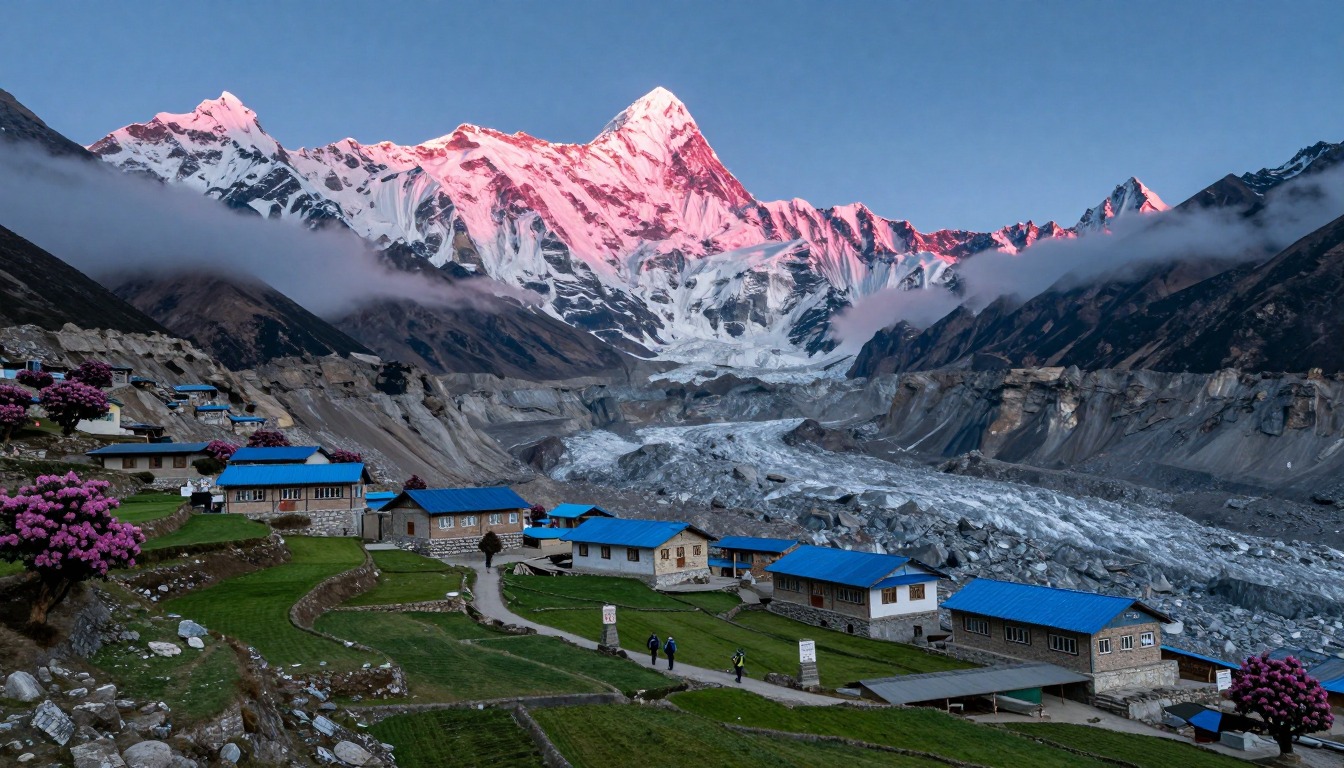
The Annapurna Base Camp trek walks you up a river gorge into a giant ring of mountains. Most of the route is stone steps, which go down to the river and straight back up again, day after day. It is not technical, and you never need ropes. But it is a long climb, and the top is high enough that your body has to adjust.
That adjusting is called acclimatizing. As you climb, there is less oxygen in each breath, and your body slowly adapts if you give it time. The rule that matters is where you sleep each night. Going up a little each day and sleeping only slightly higher than the night before is what keeps most people well.
For your pack, this means comfort for many days rather than heavy gear. Teahouses supply beds and meals, so you mostly carry clothes, a warm layer for the cold upper villages, water treatment and a few essentials. A lighter pack makes those stone staircases much kinder to your knees.
What the hike is like
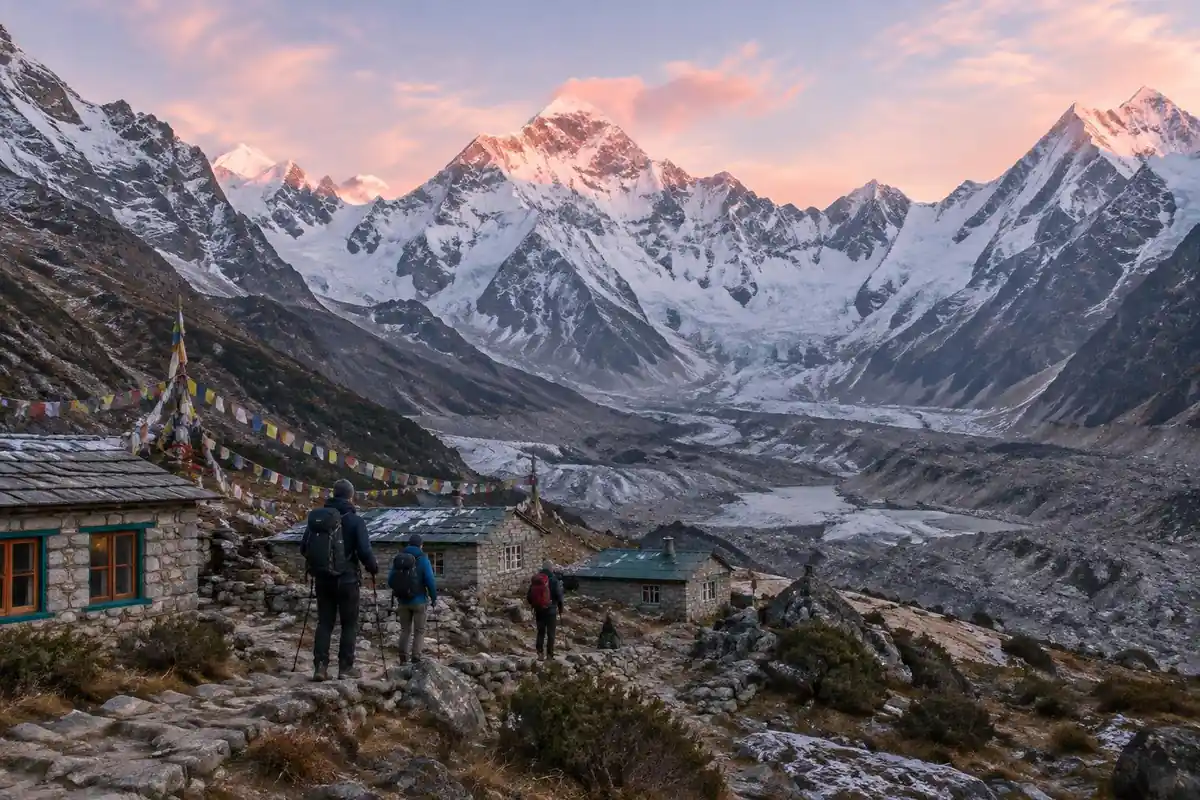
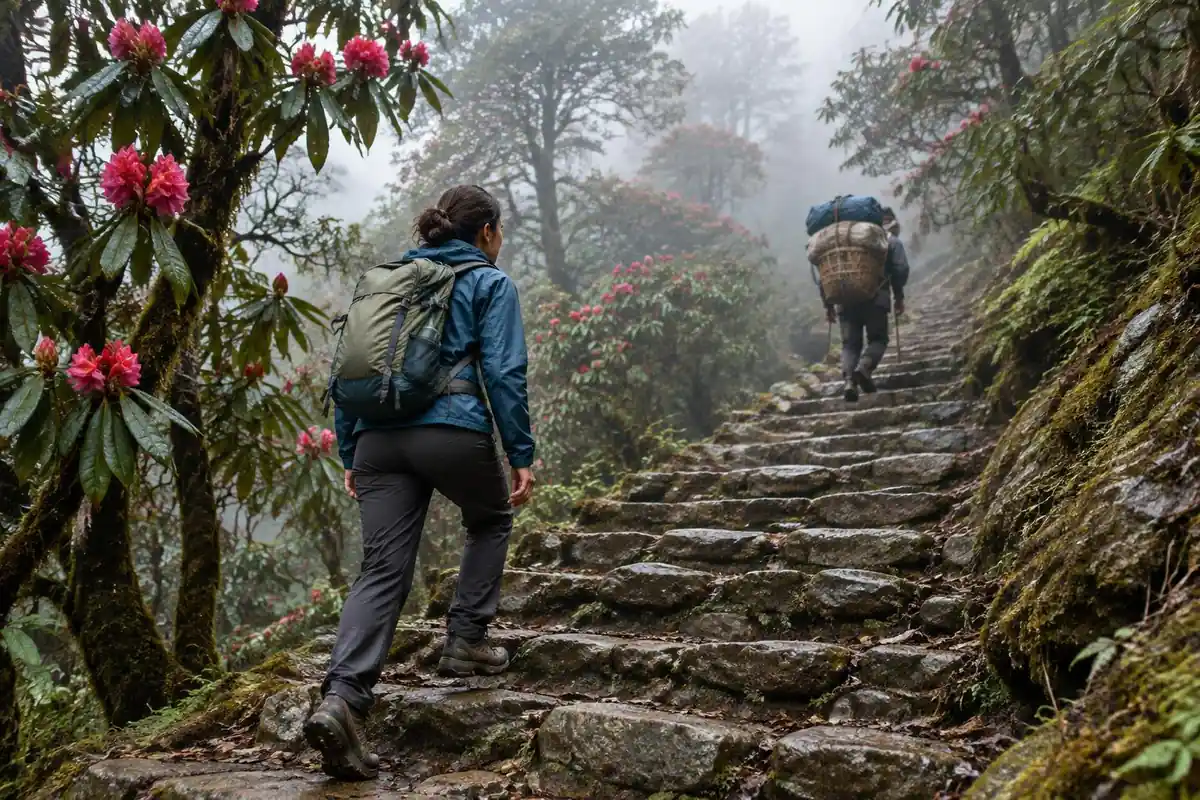
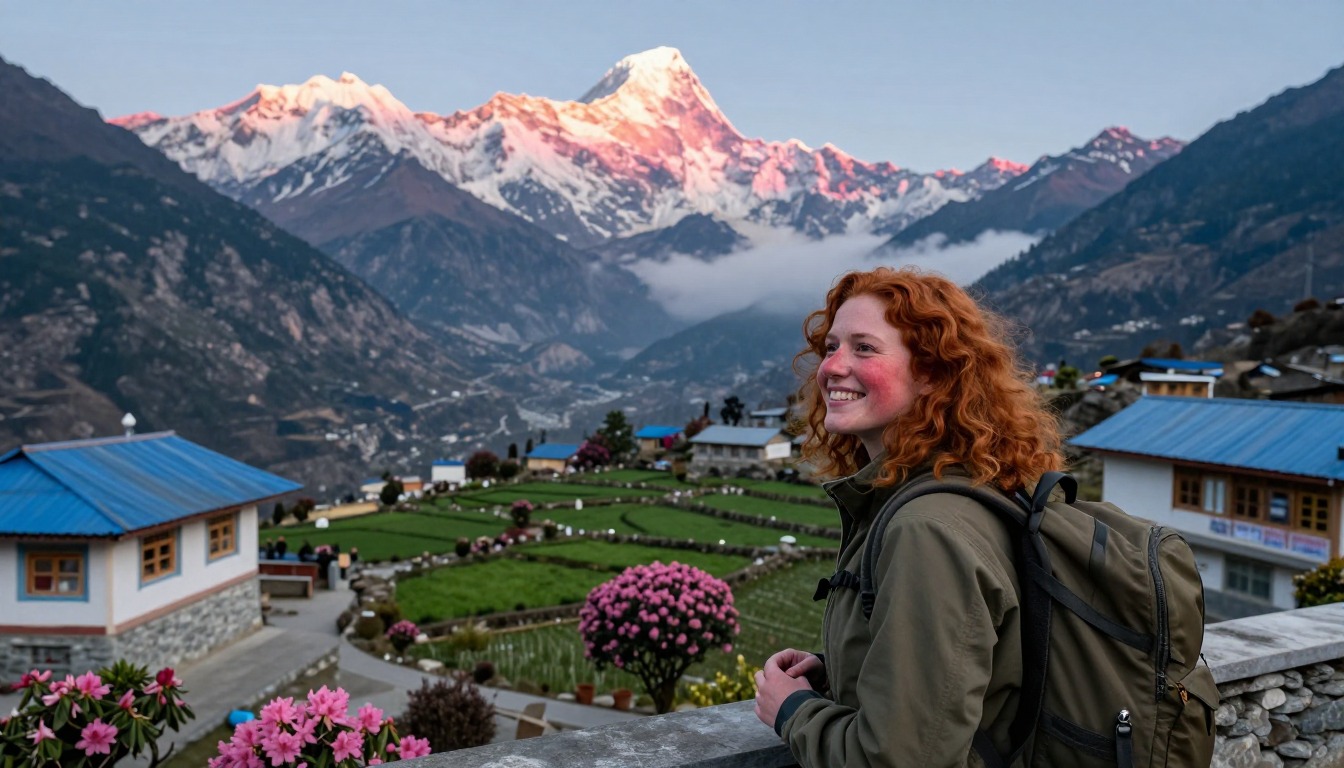
The Sanctuary trek is defined by stone staircases. Much of the lower and middle route is built steps, long flights cut into hillsides that drop to a river and climb straight back out the far side, which is why the day in and out of Chhomrong has a reputation all its own. Above the villages the trail narrows into the gorge: bamboo and rhododendron forest, side-streams crossed on plank bridges, rock walls closing in overhead, and stretches where the path runs beneath steep gullies. Beyond Deurali the forest thins to scrub and moraine, the grade eases, and the walking turns into a steady, slow plod on stony ground at real altitude. Then the gorge simply ends and opens into the amphitheater, and the last gentle stretch to Annapurna Base Camp feels harder than it looks on the ground.
How to plan the itinerary
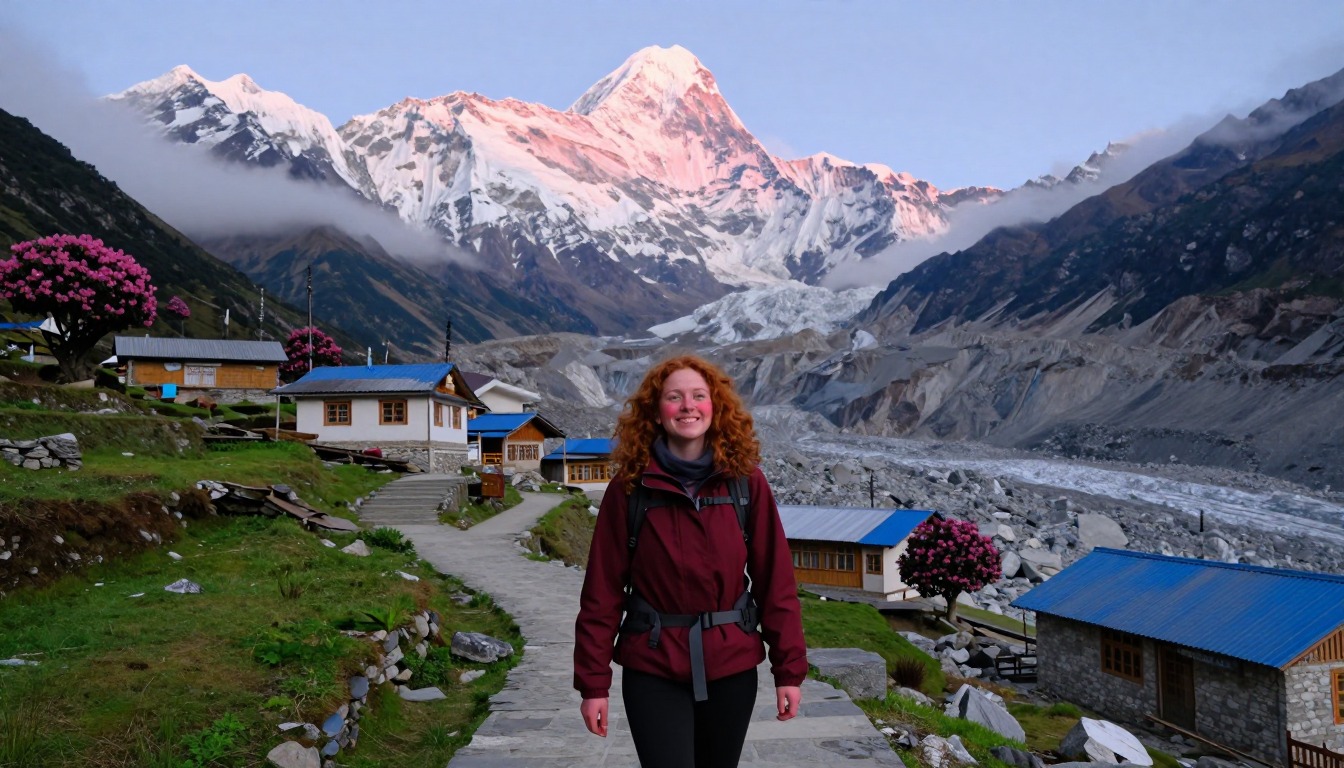
Most people take somewhere between a week and ten days round trip, with the stages set by where the teahouse villages happen to sit rather than by even distances. Days in the lower half are long on effort but modest in altitude gain; days in the upper half are the reverse, short on paper and slow in practice, because you are sleeping higher each night and the body sets the pace. A common structure has trekkers climbing steadily through the gorge villages, taking a night at Machapuchare Base Camp before the final short stretch up to Annapurna Base Camp, then descending much faster than they came, often folding two ascent days into one on the way out. Building a spare day into the plan is standard practice, since weather and altitude both make schedules slip.
Plan this trip in 5 steps
-
Pick the right pack
Match a pack to your trip, fit and priorities.
-
Book a place to stay
Campgrounds, huts and lodges near Annapurna Base Camp — the Sanctuary.
-
Plan food & water
Calories, food weight and water for your days on trail.
-
Estimate your time
Pre-filled with this trail’s distance and climb — adjust for your pace.
Trail-specific tips
Save your legs on the stone steps. The staircase sections early on chew up quadriceps and knees, and hikers who push hard through them arrive at the high villages already tired for the part that actually demands patience. Trekking poles earn their weight here more than on most routes, especially going down. Above the treeline, treat short days as the point rather than as wasted time, since the sluggish, headachy feeling most trekkers get is the altitude and the fix is pace and rest, not effort. General altitude and safety groundwork is at /trail-smarts/.
Permits & rules
You need the Annapurna Conservation Area (ACAP) permit and the required trekker registration, and Nepal’s rules on guides for trekkers have been revised, so check the current requirement with the Nepal Tourism Board or a licensed operator. Build in a rest/acclimatization day and manage the altitude gain into the Sanctuary.
Gear suited to this hike
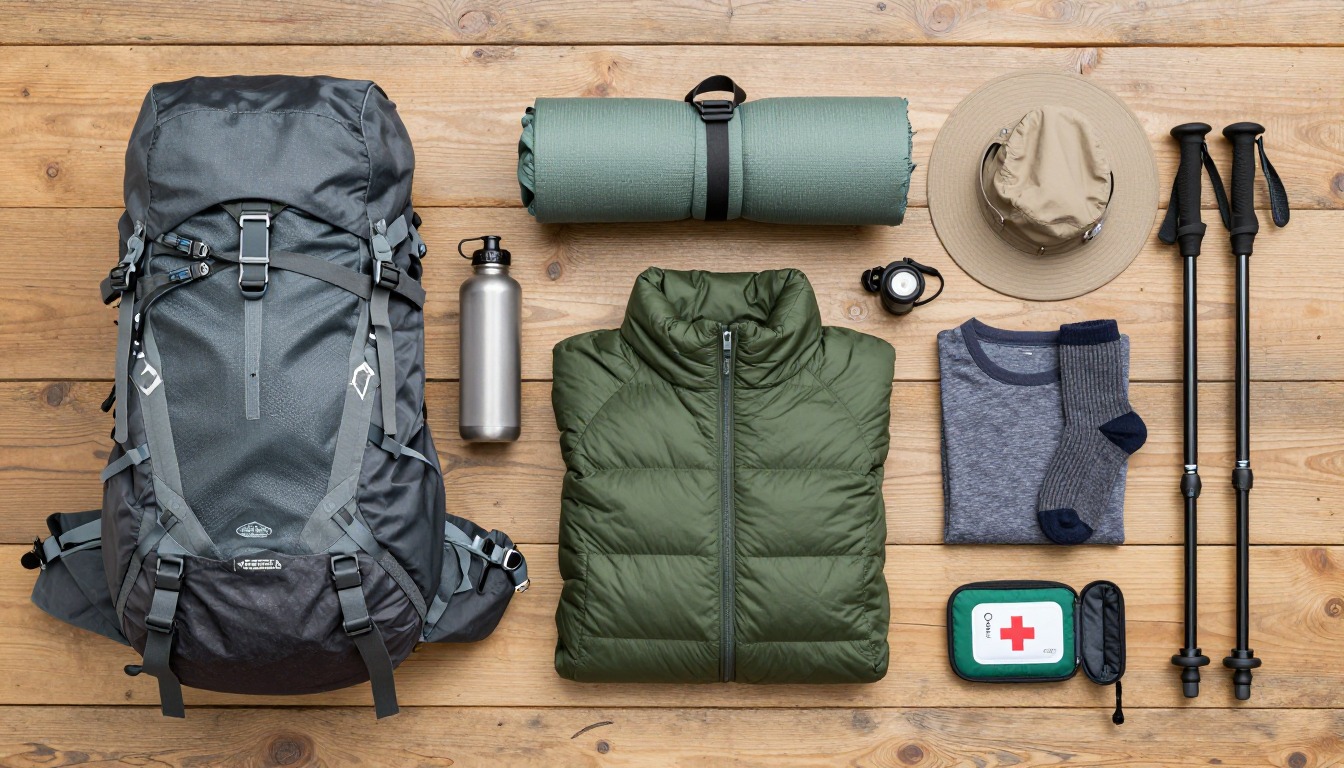
Matched to the terrain and conditions here. Real products — check current price on Amazon.


Altitude: what the health guidance actually says
The CDC Yellow Book says any unacclimatized person sleeping at 8,000 ft or higher is at risk of altitude illness, and that physical fitness and training do not protect against it.1 That is why the upper stages on this trek are short. Above about 9,850 ft, CDC advises that sleeping altitude should rise no more than about 1,600 ft per day, with an extra acclimatization day for each 3,300 ft gained.1 A 2025 review of Wilderness Medical Society guidance likewise notes increased risk above about 8,200 ft (2,500 m).3
Headache is the main symptom of acute mountain sickness and typically starts 2 to 12 hours after arriving at altitude.1 The guidance is blunt on two points. Symptoms improve rapidly with descent of 1,000 ft or more, and you should never go higher to sleep while having symptoms, however mild.1 This is general information, not medical advice: see a doctor before the trip if you have health conditions, and get medical help if symptoms worsen.
Stone staircases, poles and pack weight
The knee-punishing part of this route is the repeated stair descent. In a controlled study on a 25-degree downhill ramp, hiking poles significantly lowered ground reaction force and knee joint moment, and knee compressive and shear forces fell by 12 to 25%.2 A second study found poles reduced joint moments during downhill hiking with no pack, a day pack of 15% of body weight and an expedition pack of 30%, so the benefit was not limited to light loads.4
Weight is worth minimizing because the effort of walking with a pack rises with load, speed and grade.5 At altitude, where every step already costs more, that argues for leaving anything non-essential at your starting town.
Cold nights, snow in spring and the gorge
The upper villages are cold at night even when days are sunny. The CDC says hypothermia can develop above 40°F if you are chilled by rain, sweat or cold water,6 and altitude adds wind and thin air on top. Layers you can add and remove, in wool or synthetic rather than cotton, are the standard advice.7
UV also increases with height. The EPA says UV intensity rises about 6% per kilometer of elevation, and the CDC notes that UVB is more intense at higher elevations and that snow reflects it.8,9 A sun hat, sunglasses and sunscreen belong in the pack even when the forest stretches feel shady.
The existing page mentions snow lingering in the upper gorge in spring and guides adjusting plans. That is a local judgment call, and no general guide can give avalanche thresholds. Follow your guide's reading of current conditions, and be ready to wait a day.
Permits and current requirements
Permit, entry and guide requirements for Annapurna Base Camp change, so confirm them with a licensed local operator or the relevant national park office before you book. Treat trek length, daily stages and timings on this page as planning estimates.
Common questions
How fit do you need to be for the Annapurna Base Camp trek?
You need endurance more than speed. The route is non-technical walking, but it strings together day after day of sustained climbing and descending on stone steps, and that repetition is what tires people. Regular hill walking with a pack in the months before is the best preparation. Altitude tolerance, which fitness does not guarantee, matters separately.
Are trekking poles worth bringing?
On this route, yes, more so than on many. The staircase descents are long and relentless, and poles take real load off the knees while adding stability on wet stone and plank bridges. They also help on the loose moraine higher up. If you bring only one piece of optional gear, make it a pair of poles.
Why do people say the upper days are so slow?
Because you are gaining sleeping altitude each night, and the body responds by making everything feel heavier. Short stages above the treeline are deliberate, not lazy. Trekkers who try to compress them usually feel worse rather than arriving sooner. Slow, steady walking with regular breaks is the accepted way to handle that part of the route.
What is the upper gorge like in early spring?
Snow can linger on the upper section well into the spring window, and guides adjust plans when snow or avalanche conditions in the upper gorge look risky. It is a normal reason for groups to adjust plans or wait a day. Take your guide's read of conditions seriously rather than pushing a fixed schedule.
Complete gearsets for this trip
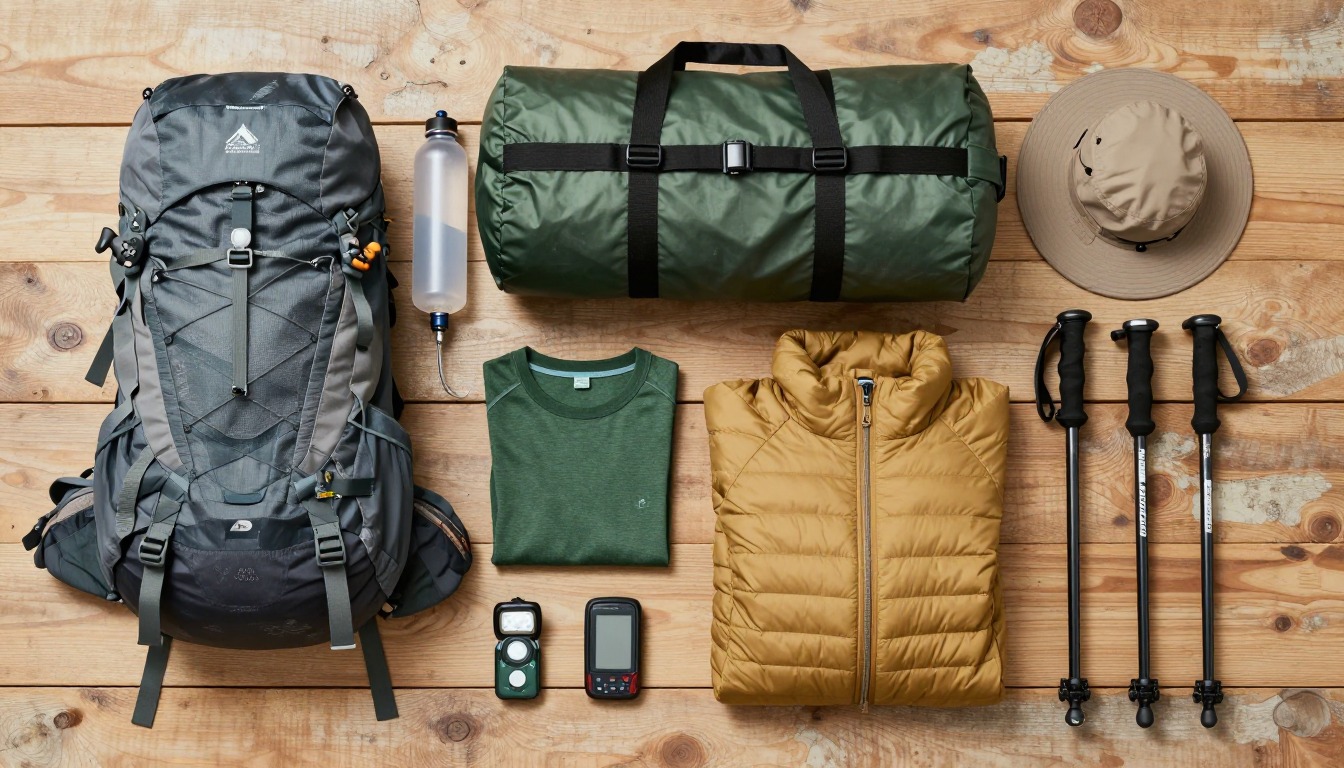
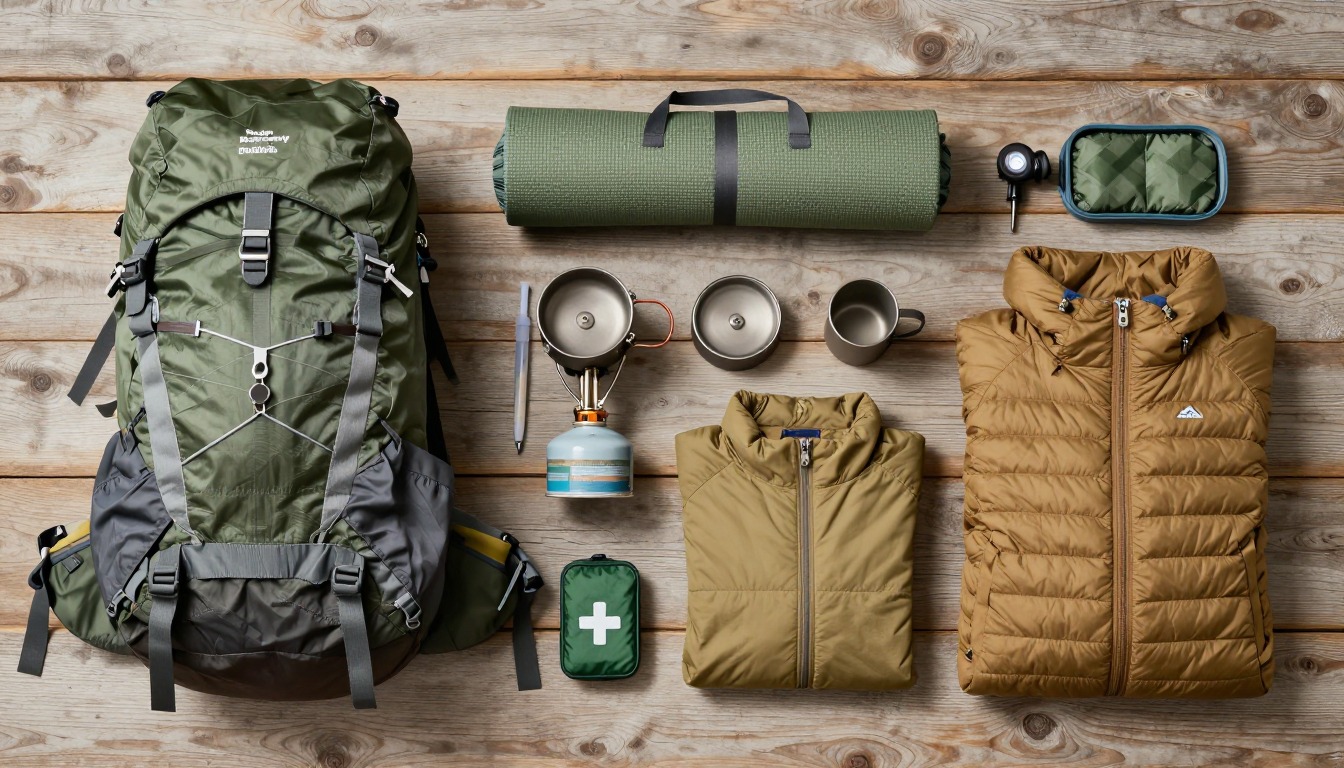
Full curated kits built for exactly this kind of hike.
Trail conditions, permits and access rules change without notice — always confirm current information on the official source above before you go. Some facts on this page are still pending owner verification and are marked accordingly. Product links and the accommodation map are affiliate links: we may earn a commission at no extra cost to you; product prices and availability are shown on Amazon, and accommodation prices on the booking site. See our affiliate disclosure.