
Cloud, then sleet, on a trail the forecast called clear
The forecast said clear. The morning agreed. By two o'clock I was walking inside a cloud that smelled of cold stone, with a shell I had packed, in a place I had not put it. A short, slightly sheepish story.
Gear that goes with this story
Affiliate disclosure: these are affiliate links. As an Amazon Associate we earn from qualifying purchases, at no extra cost to you.
-
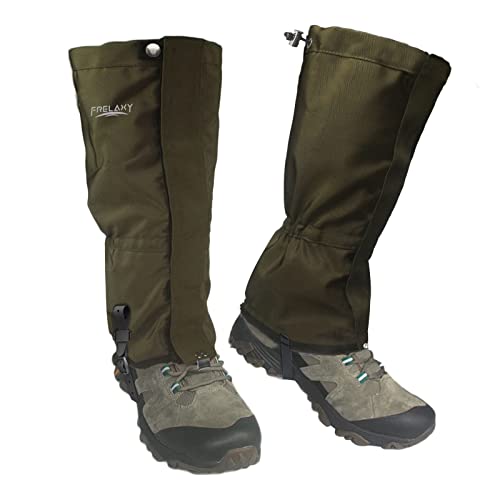 Frelaxy Ultra High-Performance Hunting Gaiters Check Price (paid link)
 -
 Columbia Men's Transverse Waterproof Hiking Boot Check Price (paid link)
 -
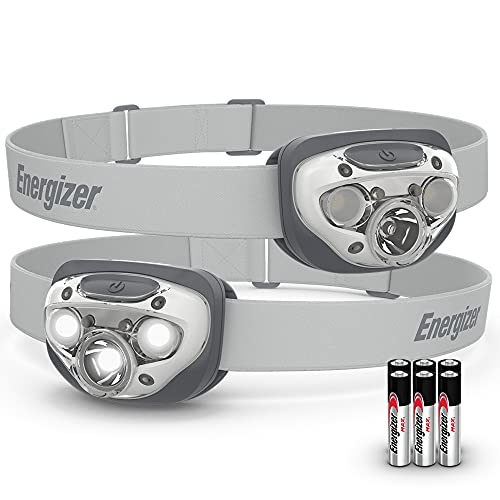 Energizer LED Headlamp PRO Check Price (paid link)
Clear, said the screen
I checked three forecasts the night before. I always do. All three agreed that the next day in the hills above the village would be clear and dry, which fits what I had read about the post-monsoon weeks in the Annapurna region: settled, cool, bright. I printed the page, circled the update time in pencil and folded it into the lid pocket, as I do before every trip. The update time, I noticed only afterwards, was from the previous evening. I wrote CLEAR in the notebook, in capital letters, and went to bed pleased with my research.
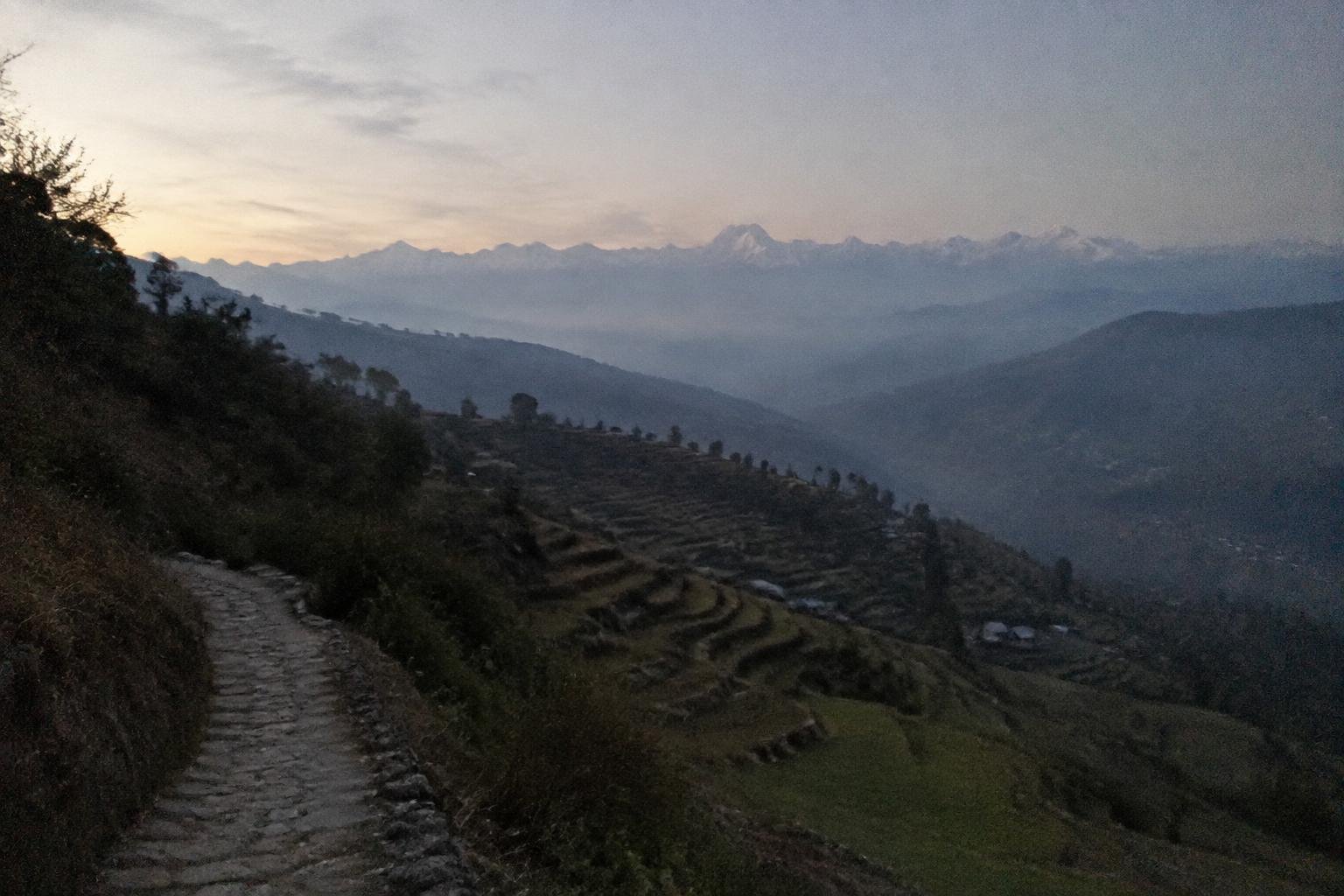
The morning matched. The sky over the valley was the pale washed blue you get after a stretch of dry days, and the white peaks stood out on the horizon like paper cut-outs. I had a day walk planned up the ridge toward a viewpoint at roughly 3,200 metres, with a loop back to the same teahouse. I left at eight with a light pack and my waterproof shell folded at the very bottom, under the lunch.
The first wisp
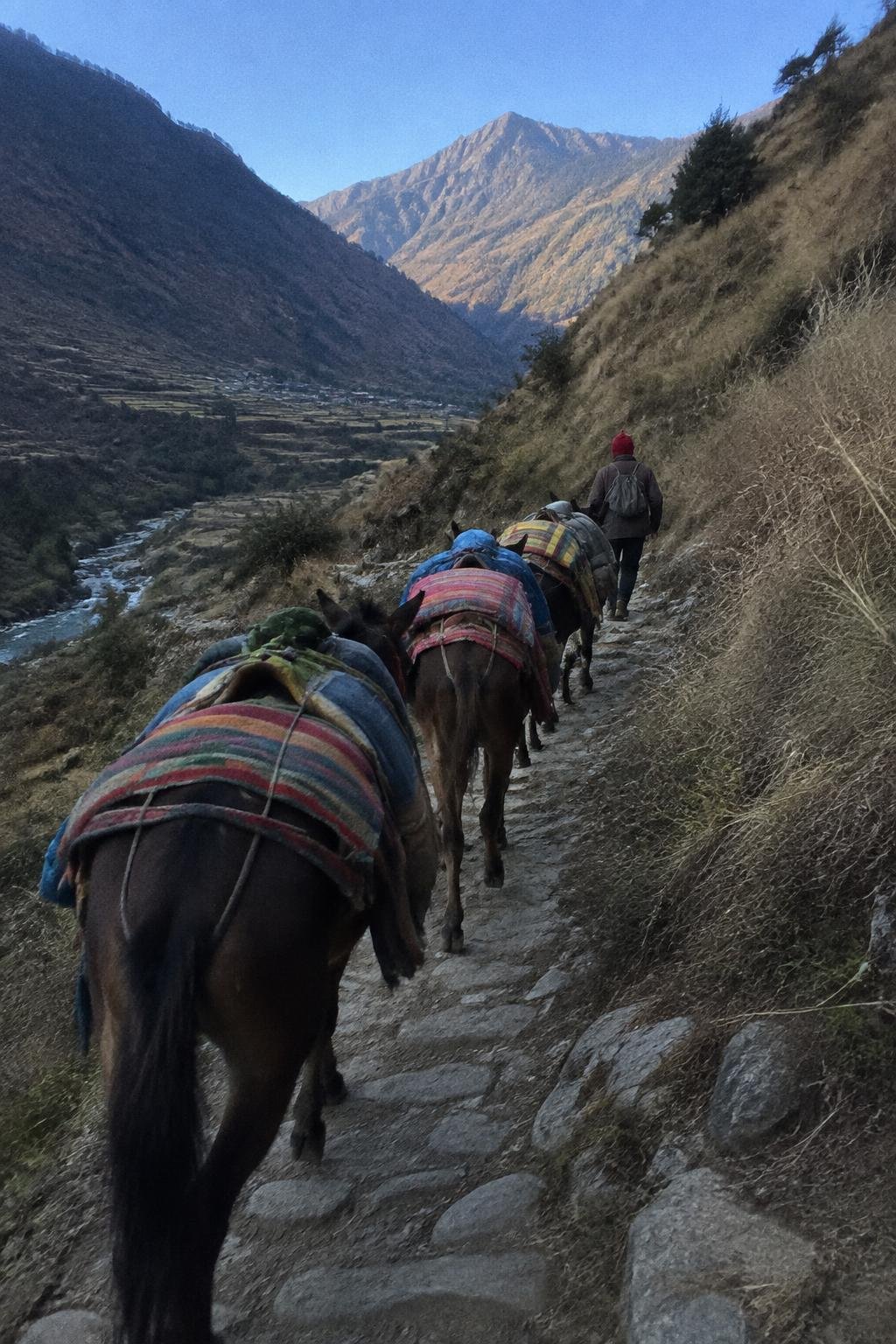
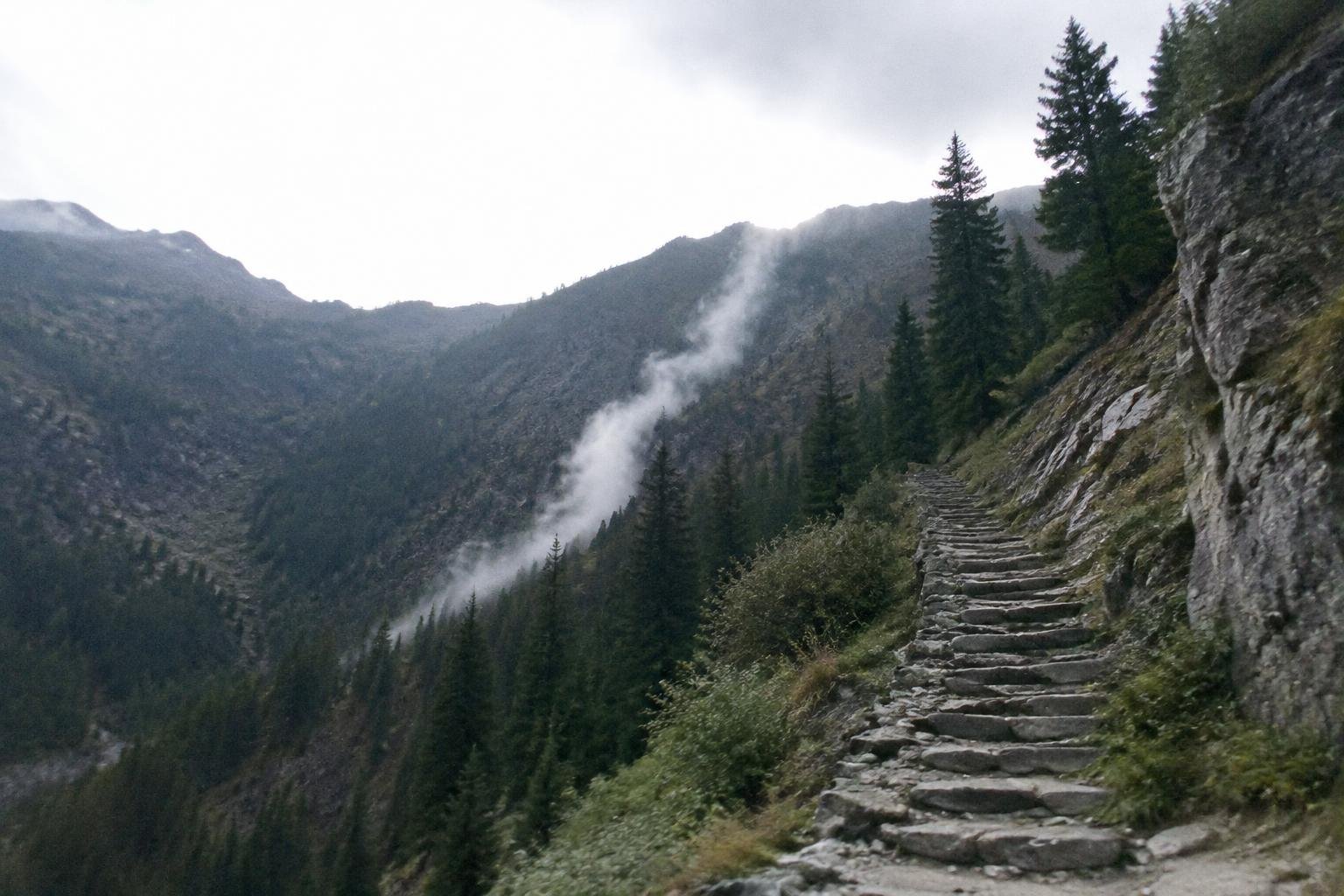
The first change was almost nothing, and I nearly missed it. A little after noon a thin white strand of cloud appeared in the valley below, drifting up the slope like smoke. I stopped and watched it for a minute. I remember thinking it was pretty. I took a photo. I did not think about the shell at the bottom of the pack. Walkers coming down from the viewpoint passed me in ones and twos, each a little faster than the last. A man in a red cap said something cheerful and short, perhaps the local word for hurry, and kept going. I put that down to enthusiasm.
By one, the strand had become a wall. The sun went out as if someone had pulled a switch. The temperature fell fast enough that I felt it on my neck. The trail ahead, which had been a clear line of stone steps, became a grey tunnel about thirty metres long. Then the first wet flecks arrived on the wind, half rain and half something harder, and I finally dug the shell out, which took longer than it should have because the lunch had to come out first.
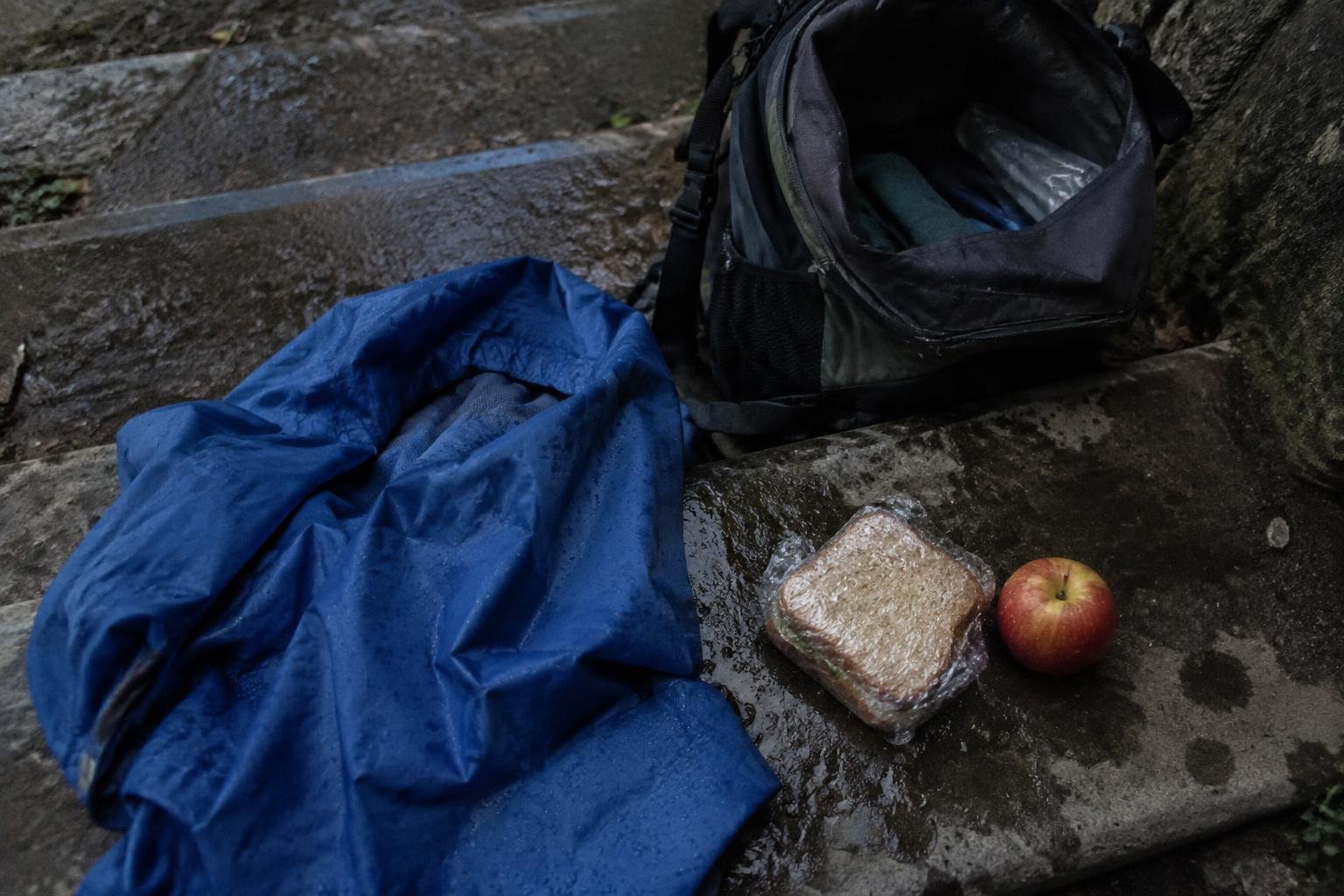
I am not an expert on mountain weather. What I know is that two hours earlier I had been walking in warm sun, and that the forecast had not been wrong about the day, only about its shape. It had said clear. It had not said clear until about one.
The forecast was right about the day and wrong about the afternoon, which is a distinction I now write down.
The sensible decision
The correction is plain. I had trusted a screen over a sky, then trusted my own cheerful morning over the sky that was arriving. I was a good hour from the viewpoint and the path was narrowing. The sensible thing, which I took longer than I should have to see, was to turn round.
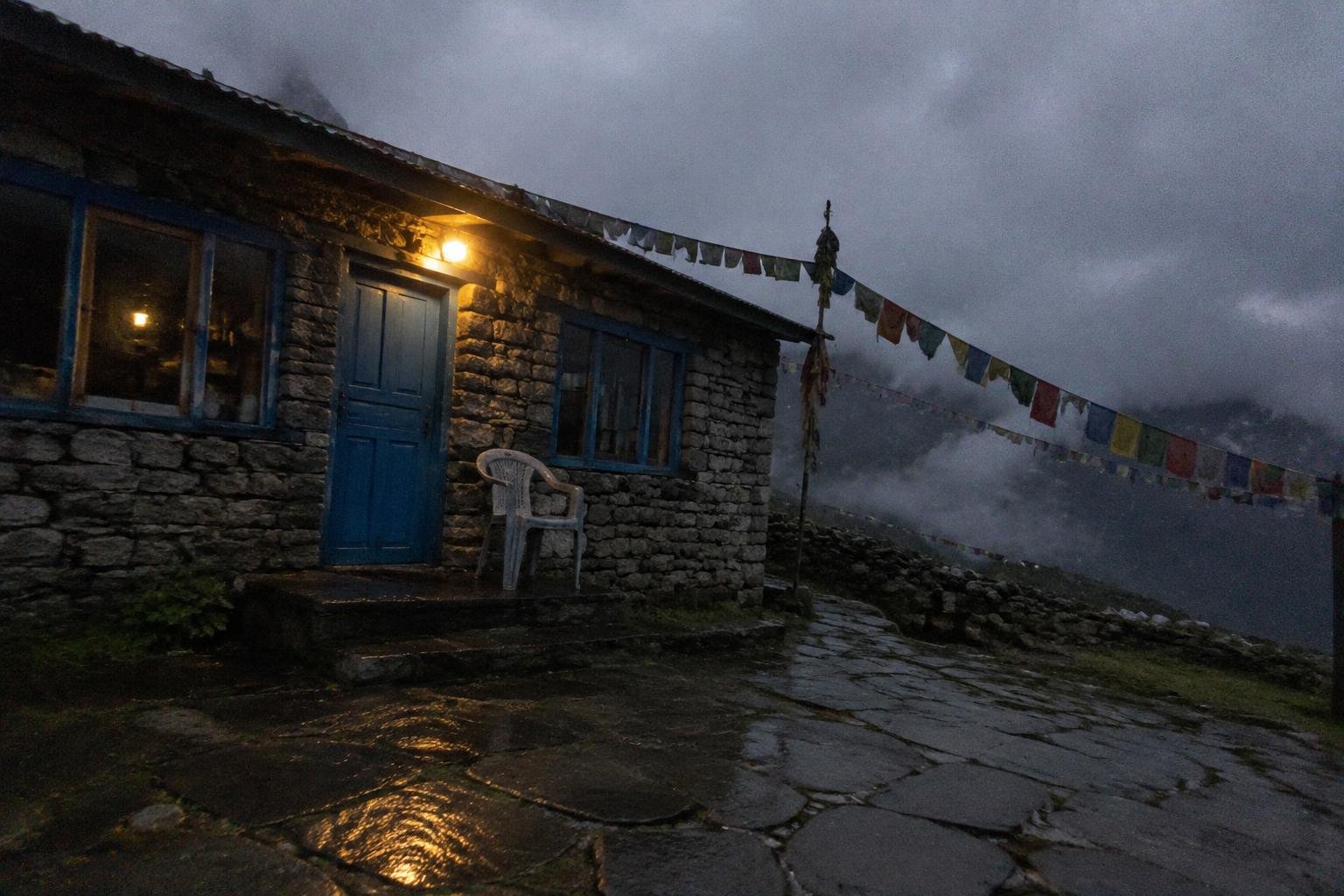
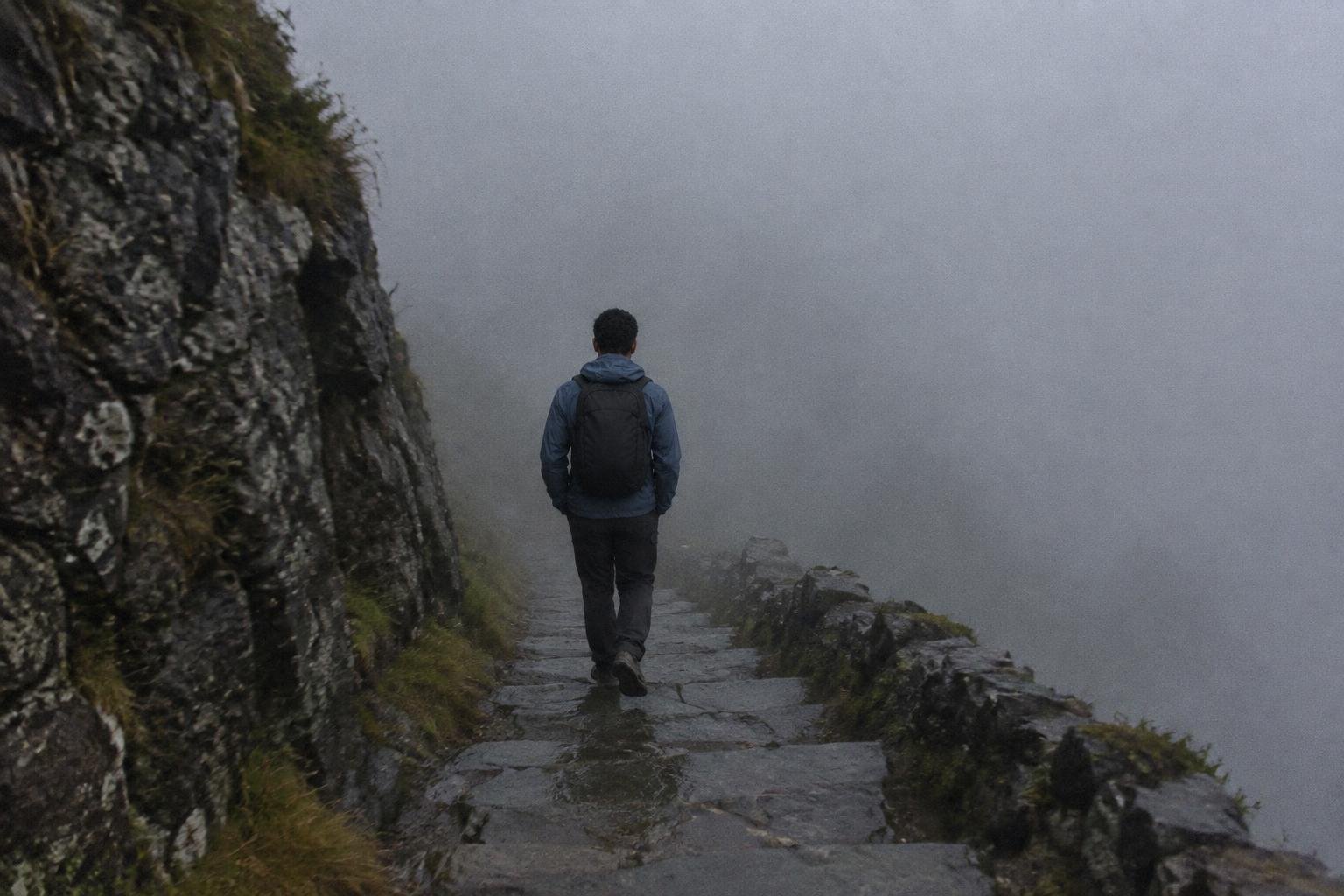
So I did, and I went slowly, one foot on each wet step, checking the junction I had written down at 10:15 in the notebook against the map. It agreed with me. A teahouse owner called Sunita was standing at her door with a lamp lit when I came out of the cloud, though it was barely three in the afternoon. She looked at my shell, my wet knees and my face, and said, kindly, that I should sit.
I sat. She brought hot lemon tea and said that the cloud comes up the valley most afternoons at this time of year. She said it as common knowledge, the way you might mention that the bus is late. The tea came in a thick glass and tasted of steam and honey, and slowly I could feel my fingers again. I wrote that down too, with her name beside it.
A small payoff
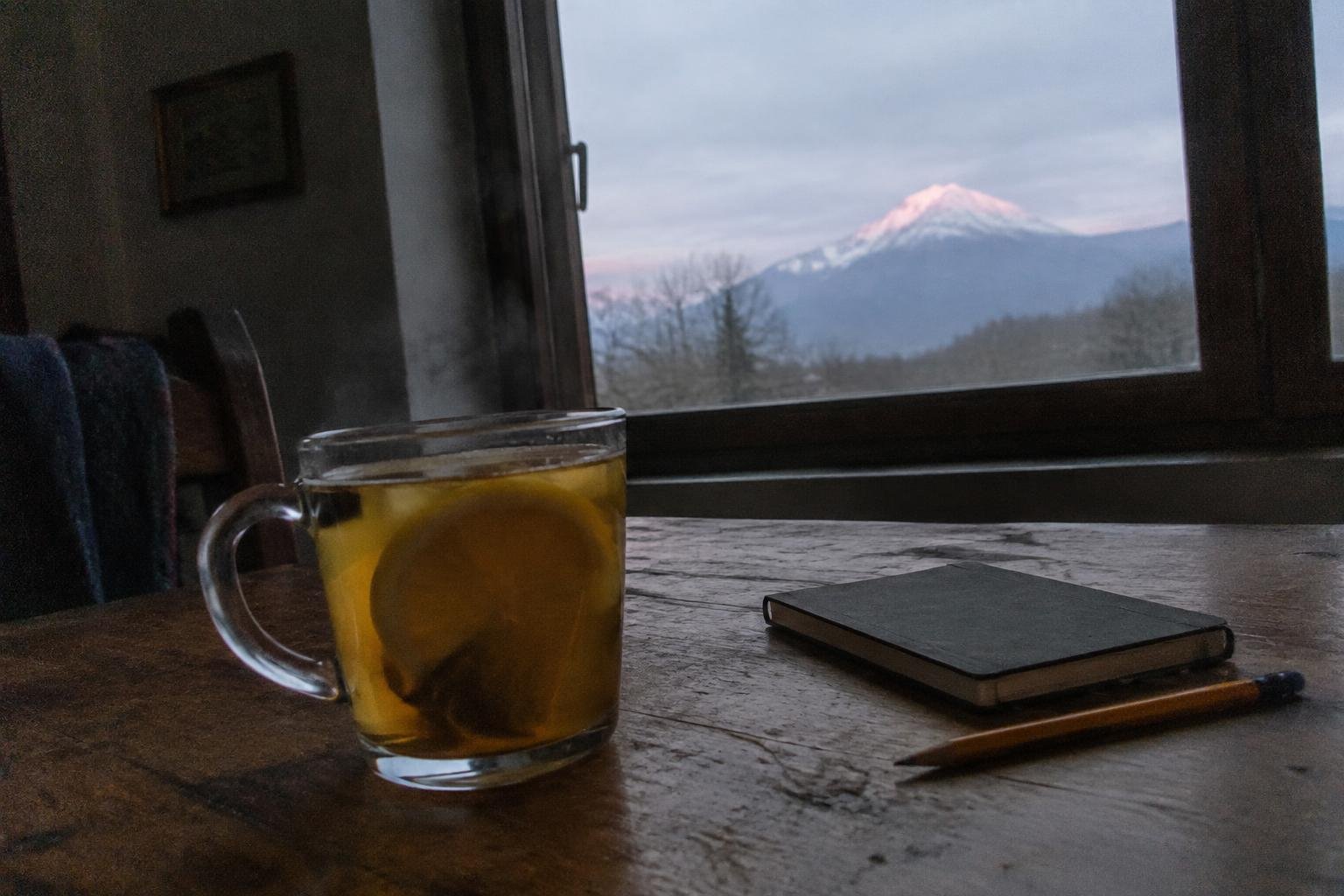
By five the cloud had thinned. The rain stopped, the last peaks came out pink, and the whole valley held its breath for about ten minutes. I sat on the teahouse step with the shell steaming on a chair and the notebook open, and I amended the entry. CLEAR became CLEAR UNTIL ABOUT ONE. Under it I wrote: shell goes on top.
I did not reach the viewpoint, and I have made my peace with that. It will still be there, and the view is the same view in any weather.
What I took away
- Treat a forecast as a starting point. Ask locals what the afternoon usually does at that time of year. Local knowledge, such as the cloud comes up the valley most afternoons, is often more useful than a forecast icon.
- Pack your waterproof layer where you can reach it without unloading everything else, and put it on at the first wet flecks, not the third.
- Set a turnaround time before you leave, and honour it, even when the morning feels perfect.
- Write junction times in a notebook so you can retrace your route in poor visibility.
- If the weather turns, slow down, shorten the plan and head for shelter. Tell someone where you are going and when you expect to be back.