
The things I carried up Mount Kenya, and the one I forgot
I packed for every problem I had read about and none I would meet. A quiet, rather funny confession from the Sirimon side of Mount Kenya, with a pack that was heavier than my plan.
Gear that goes with this story
Affiliate disclosure: these are affiliate links. As an Amazon Associate we earn from qualifying purchases, at no extra cost to you.
-
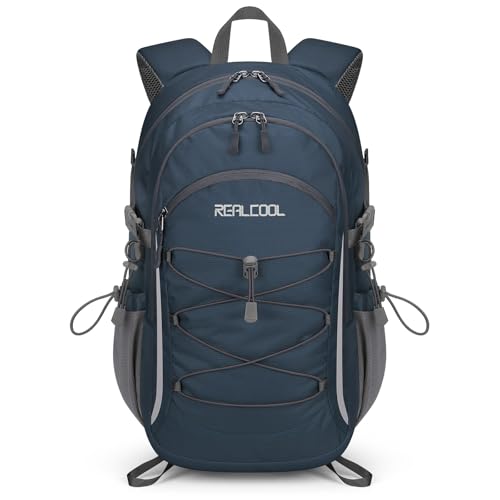 RealCool 20L Lightweight Hiking Backpack Check Price (paid link)
 -
 HEIKLN Hydration Bladder 1.5L-2L-2.5L-3L Check Price (paid link)
 -
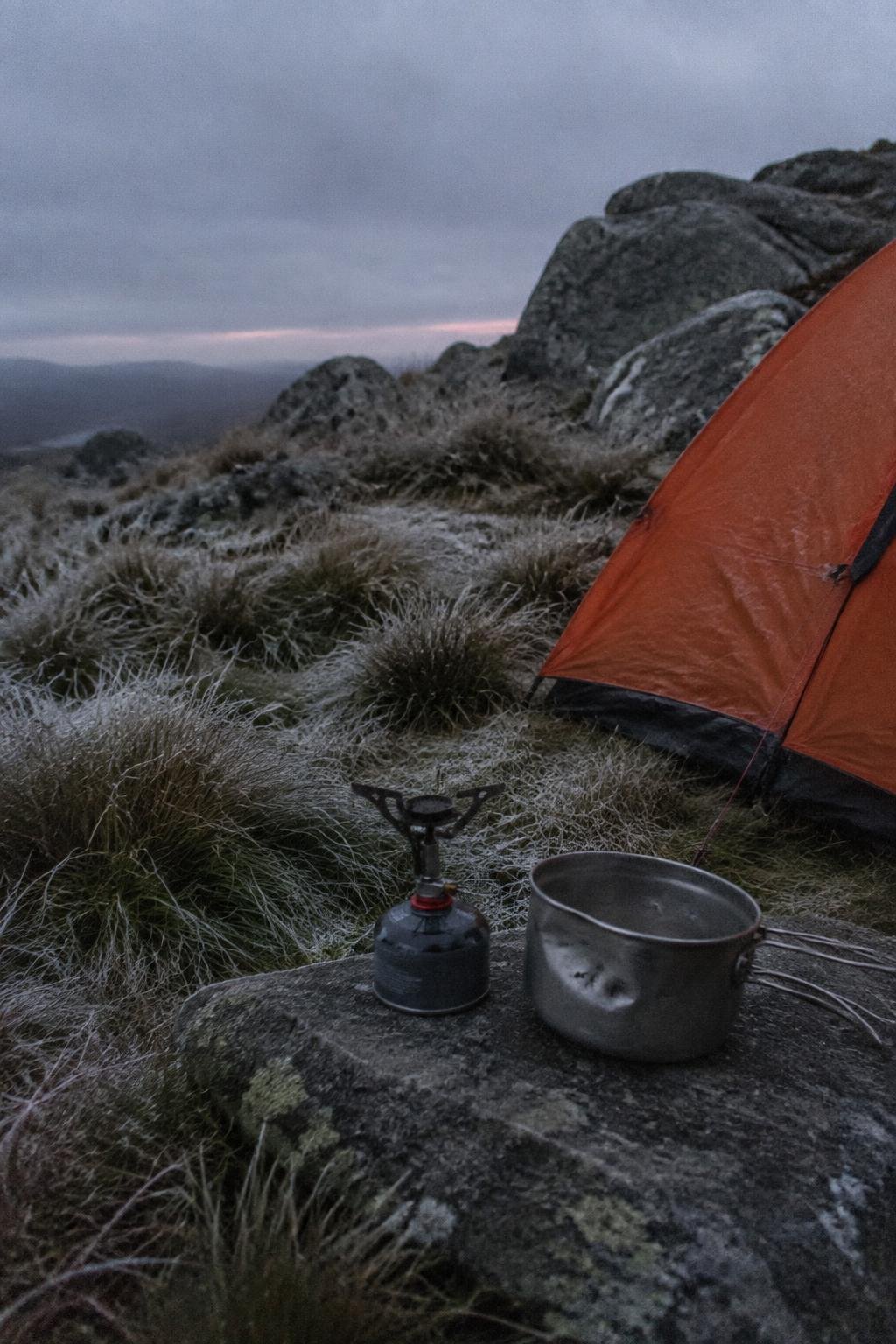
 Fire-Maple Greenpeak 1 Camping Stove with Piezo Ignition Portable Ga Check Price (paid link)
The packing table
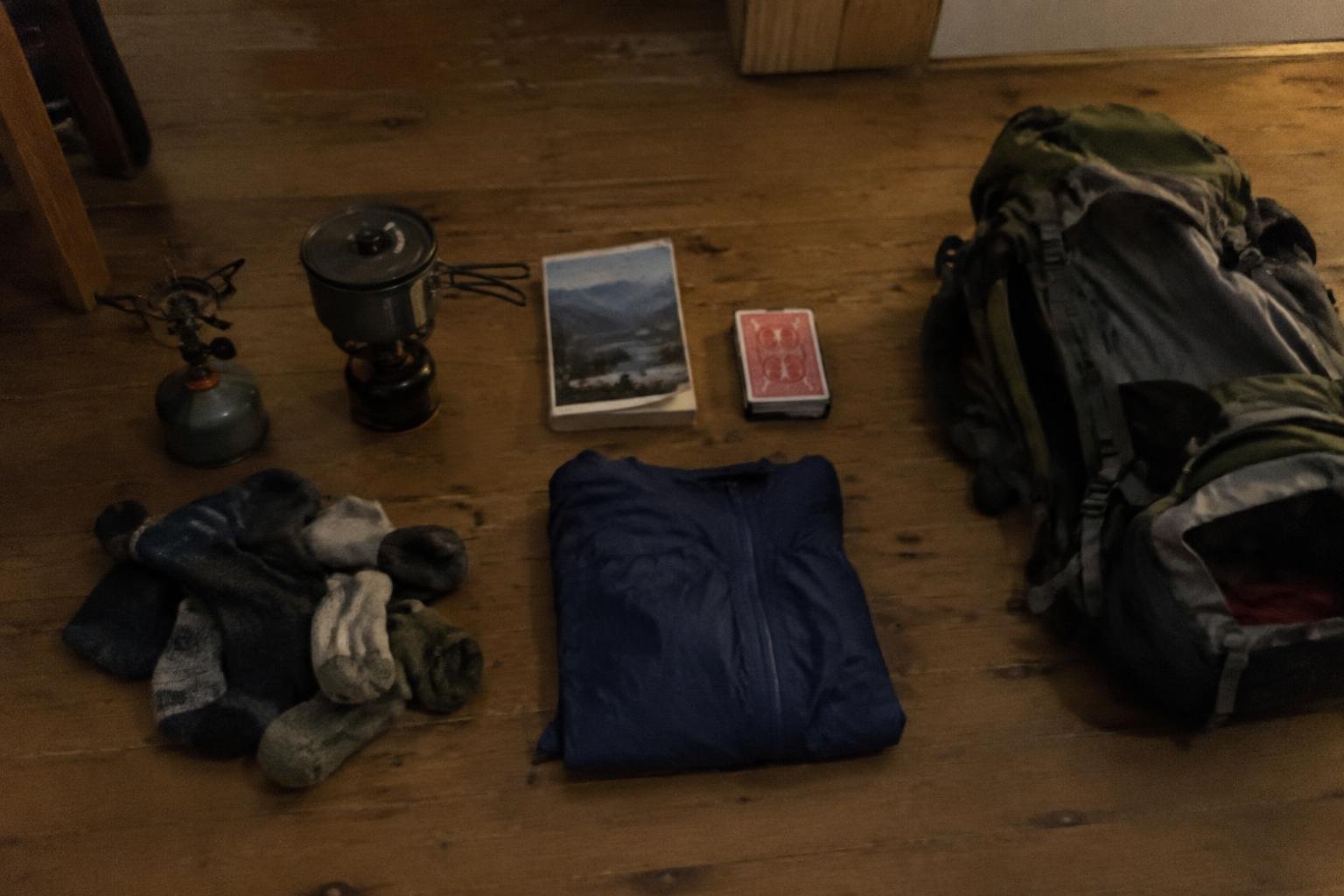
On the floor of a small lodge the night before, I laid everything out in rows. A stove. A second, smaller stove as backup, because I had read about a failed stove once. Four pairs of socks for three days. A paperback. A deck of cards. A printed folder of route notes, fourteen pages, with the agency's update date circled in pencil.
The next morning a guide called Kamau looked at the bag, looked at me, and said nothing at all, in the particular way of someone who has seen this before. I loaded it anyway. I had also added, at the last minute, a spare headtorch, a second spare, and a bag of small plastic bags for the other plastic bags. Nobody was surprised by this except me. I told myself that being prepared for everything is the same thing as being sensible. It is not the same thing, and the first long slope up the Sirimon side taught me so, step by heavy step.
Rock hyrax and a heavy pack
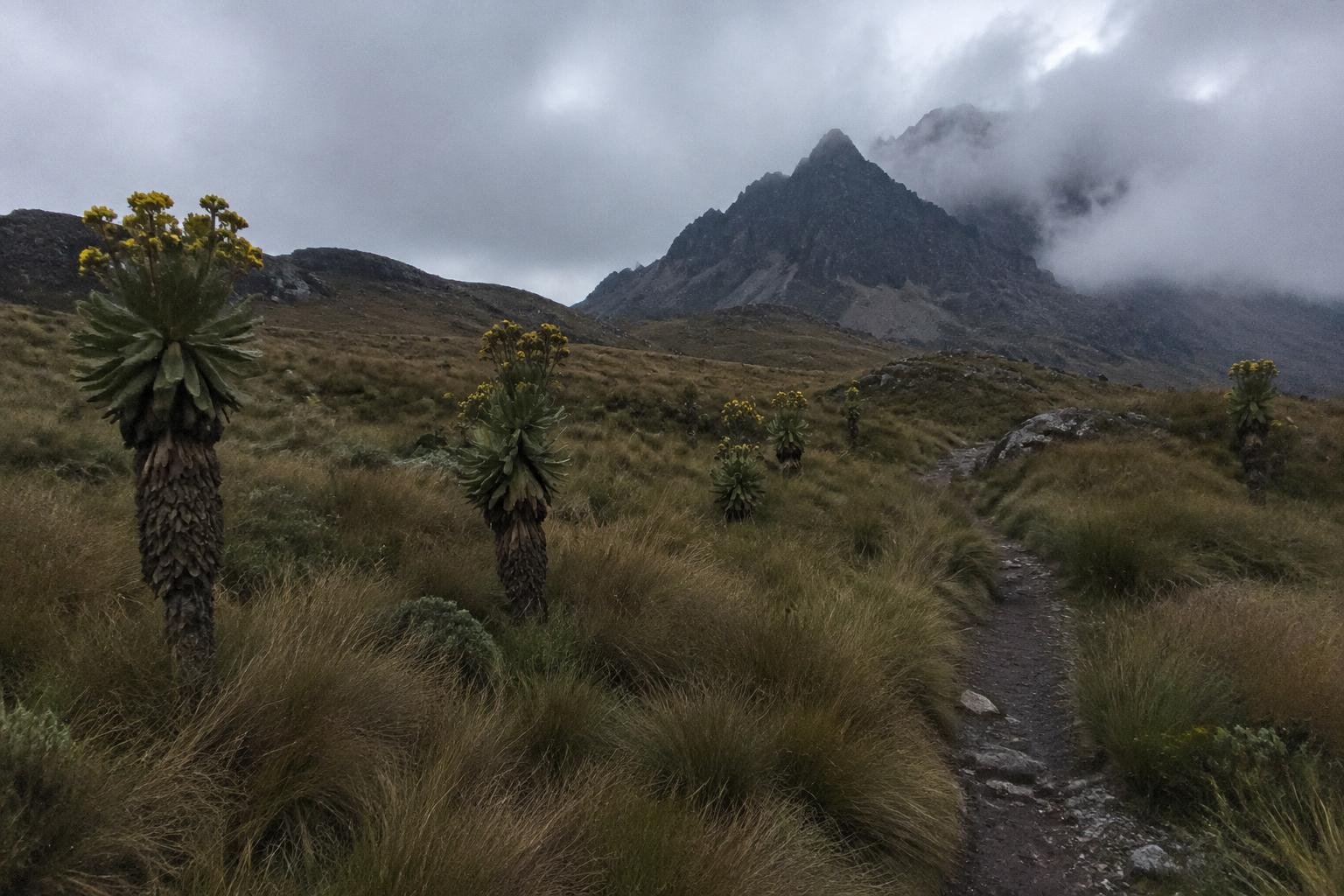
Mount Kenya sits almost on the equator and the lower slopes are open moorland, tussock and giant groundsel, which I had read about and still found strange. The air thins and the pack gets heavier at the same speed. By the first afternoon I could feel every single item I had packed for a hypothetical.
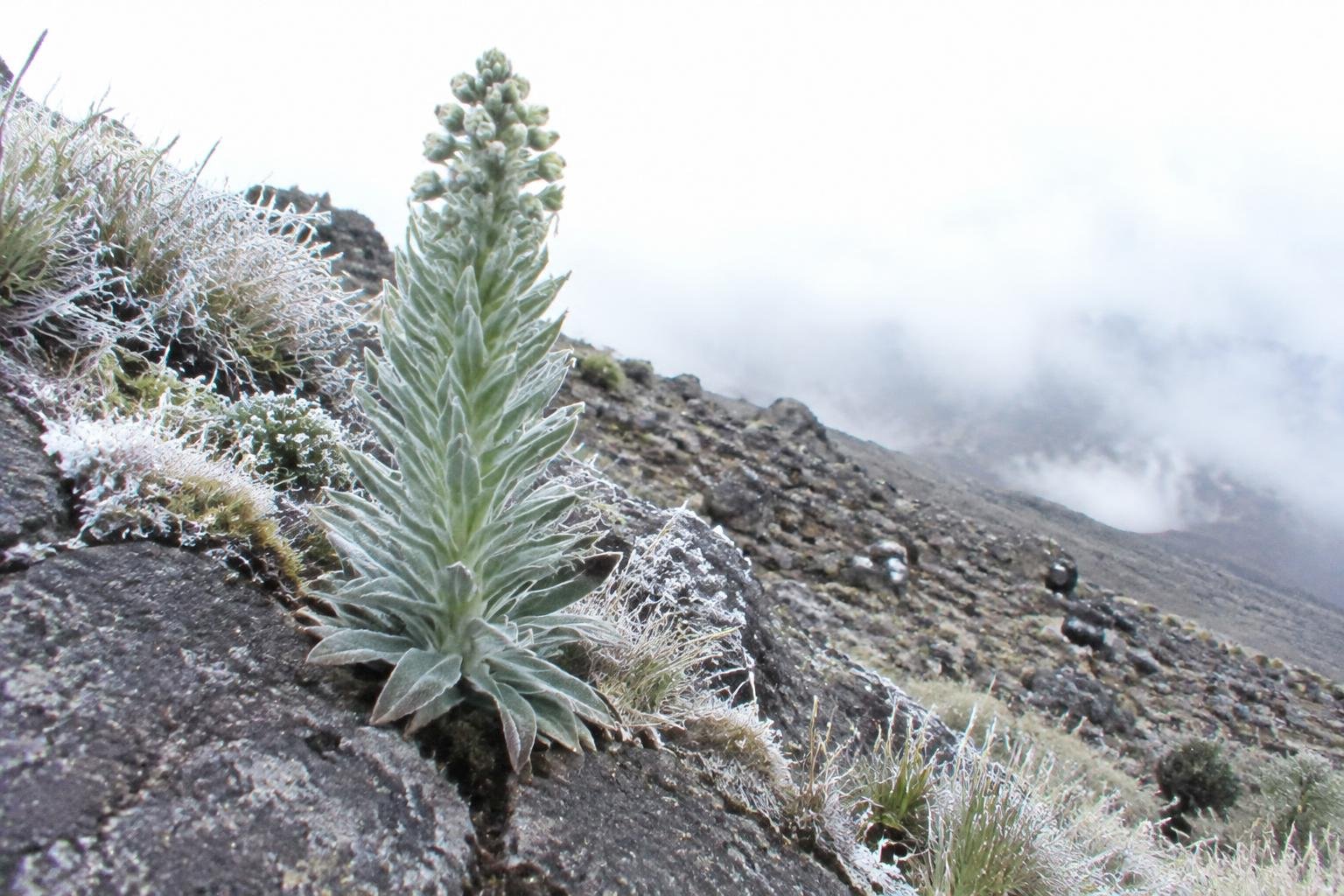
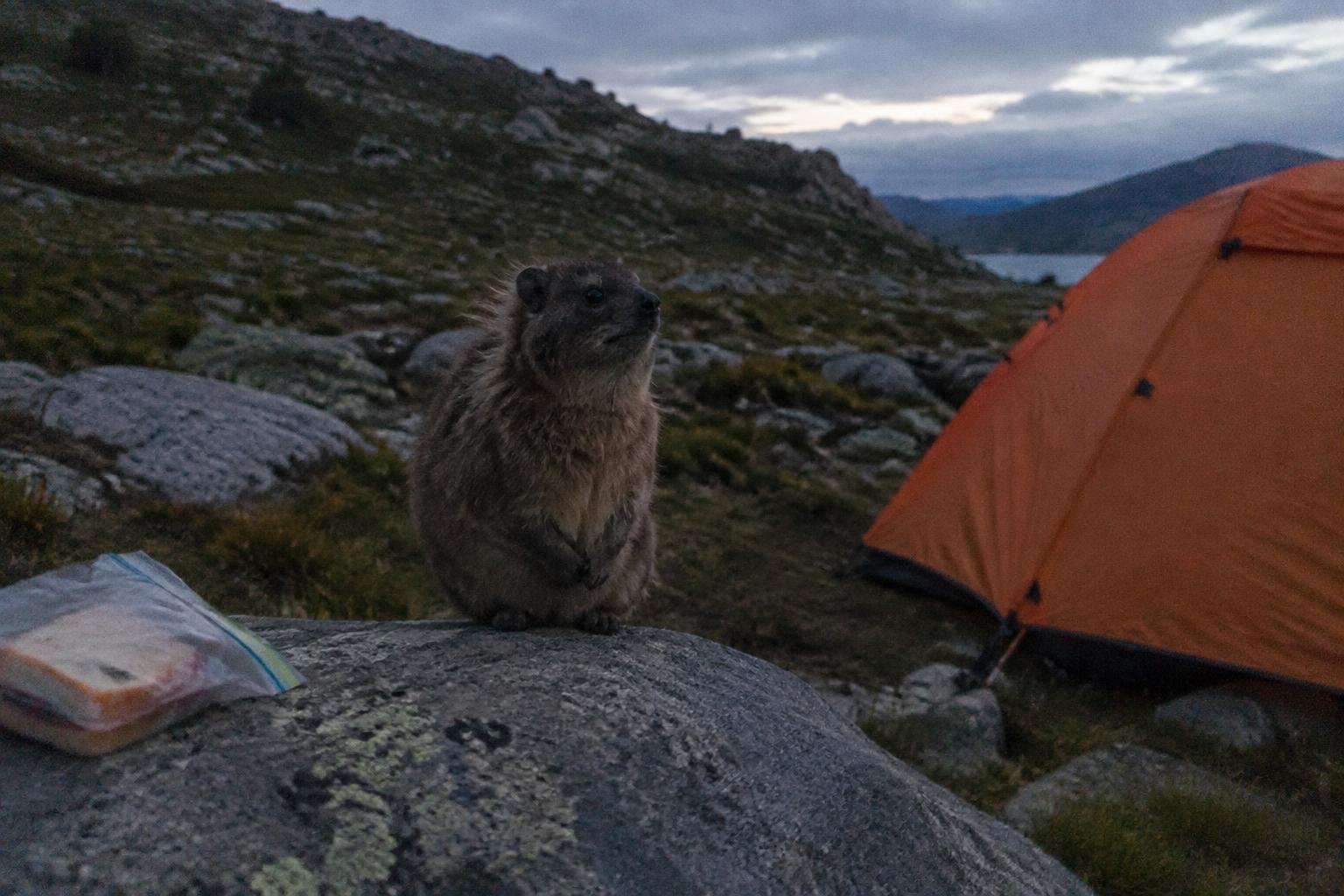
Camp was cold and quiet. I sat outside the tent with my notebook while a small round animal, a rock hyrax, I think, sat on a boulder a few metres off and watched me eat. It looked utterly unbothered. I did not feed it, and I kept my snacks closed, as the guide had asked. Kamau told me, in the flat tone of a man naming the weather, that they are bold and I should not trust them with a sandwich. The light went amber, then pink, then grey, and the temperature followed it down in about the same order. I put on every layer I had and began, quietly, to count what was missing.
The honest inventory
I carried a second stove and a paperback to the foot of a glacier and forgot to bring a warm hat.
Here is the correction. By the second evening I made a list. The second stove: unused. The paperback: unopened. The cards: used once, for ten minutes, because everyone was tired. Three of the four pairs of socks stayed clean and folded. The fourteen pages of notes I had read so carefully were mostly in my head by then and added only weight.
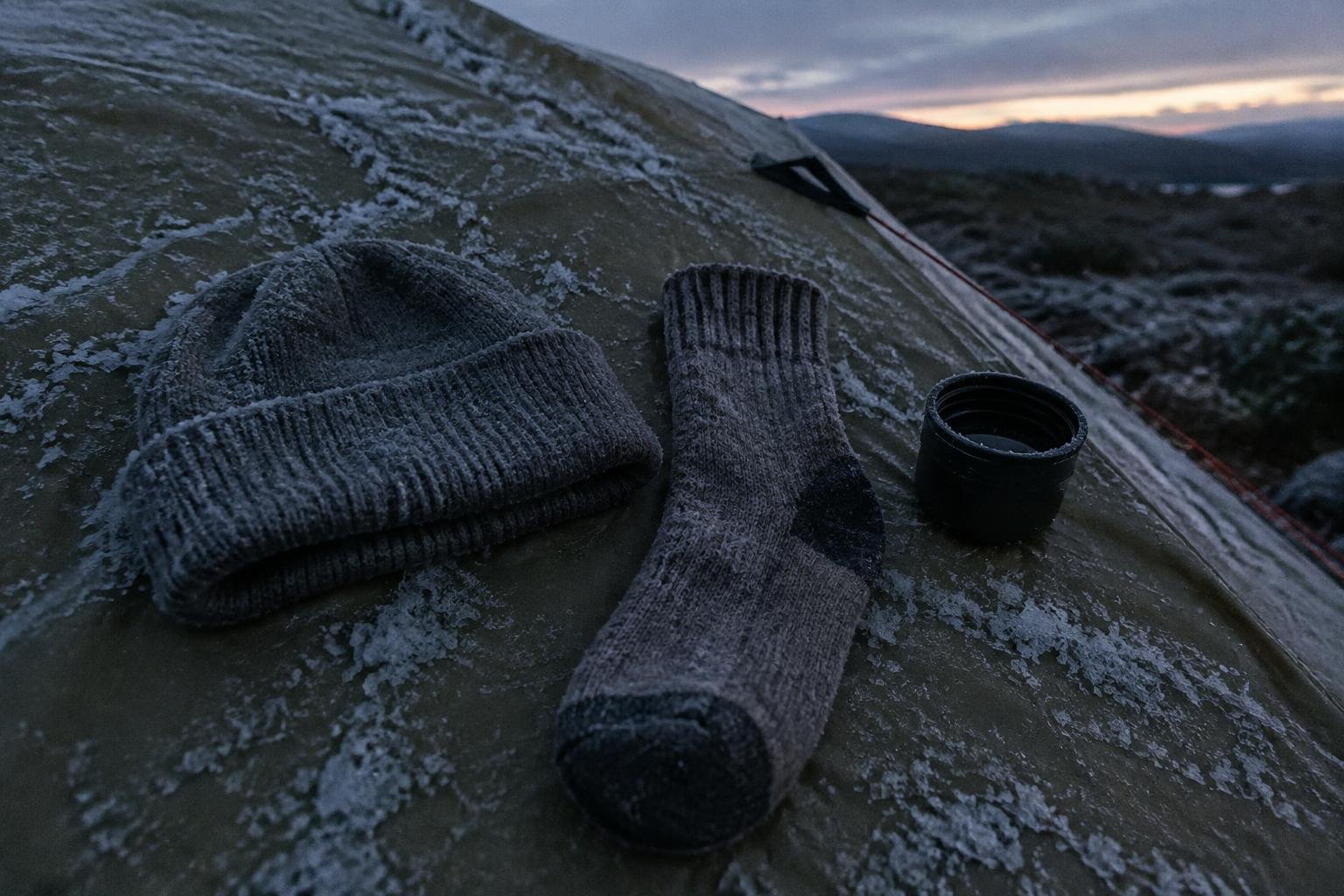
What I forgot was a warm hat. I had a good shell, three layers and gloves, and had left the hat in my luggage back at the lodge, folded neatly next to the paperback's twin. At around 4,200 metres, as the route notes list the high camp, a clear night dropped below freezing and I wore a spare sock on my head. Kamau lent me a spare beanie without comment, then looked away politely so I could be embarrassed in private. When I admitted it in the morning he grinned and said hats were the thing people always forgot. I chose to believe him, because it made me feel less alone.
That altitude, or something close, also gave me a pounding headache and a poor appetite. I did not push on for the summit at Point Lenana, which is listed at 4,985 metres. I told Kamau how I felt, we agreed to descend in the morning, and I want that to be the plain sentence in this story. If you feel unwell high up, tell someone, go down, and see a doctor or the park's medical help.
A small payoff
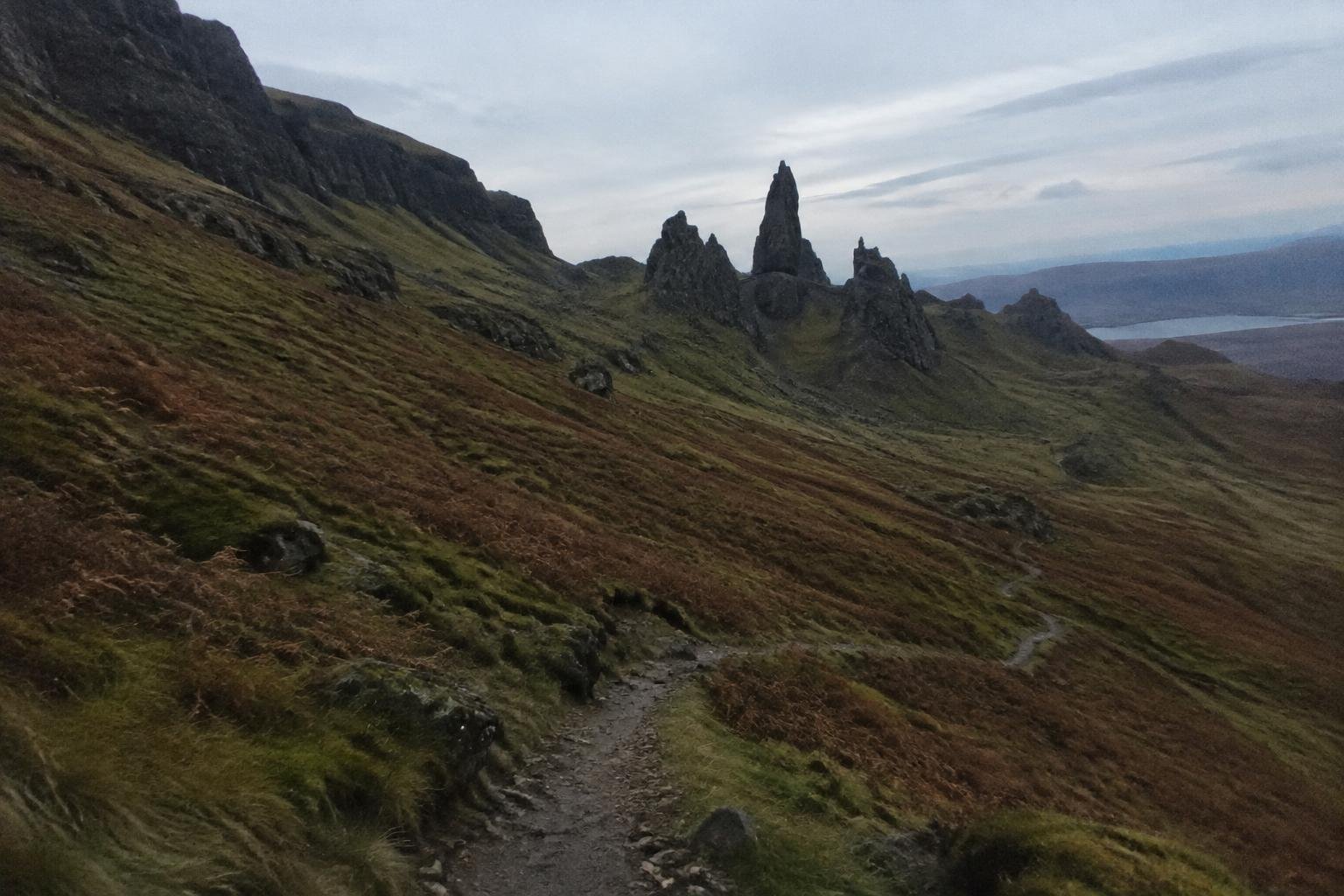
We walked down at dawn, slowly, with the pack lighter by one decision: I had left the paperback with the camp cook, who looked pleased. The pack felt like a different bag, and my knees thanked me by saying nothing. The cloud broke as we dropped and the whole moorland lit up copper and green, with the jagged summit towers standing behind us in clean light.
On the last evening I rewrote my packing list in the notebook, in two columns. Used. Not used. The second column was longer than the first. At the bottom, in capitals, I wrote HAT, and underlined it, and added the lodge's name so I would remember how I learned it.
What I took away
- Lay your gear out and ask of each item what problem it solves. If you cannot name one, leave it. Be honest, because nobody is marking you.
- Pack for the cold you will meet at the highest point, not the day you start. A warm hat is small and light. Check the night-time low for the highest camp, not the daytime figure.
- Keep a used and not-used list after each trip, and read it before the next one. It takes two minutes and will make the next pack lighter.
- Check the park or agency page for current rules on guides, camps and gear before you book. They change.
- If you feel unwell at altitude, tell your guide or companion, go down, and see a doctor or local medical help.