
The woman on the Path of the Gods who told me to turn around
I came for the famous view and spent the first hour staring at my feet. A stranger walking the other way stopped me, laughed kindly, and told me to look behind. A short story about the best advice I got all week.
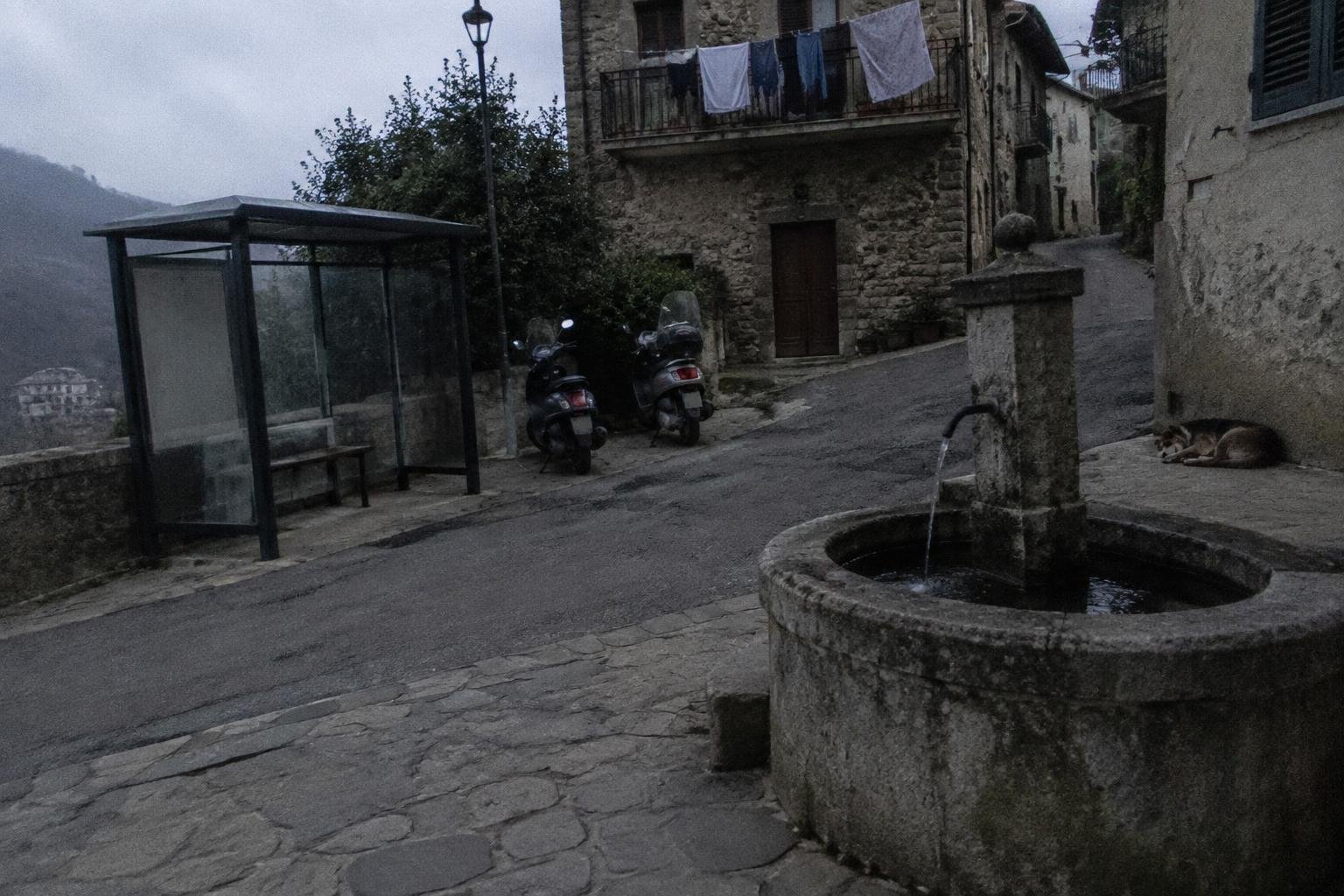
Gear that goes with this story
Affiliate disclosure: these are affiliate links. As an Amazon Associate we earn from qualifying purchases, at no extra cost to you.
-
 Nalgene 32 oz Wide Mouth Water Bottle Check Price (paid link)
 -
 Osprey Sportlite 20L Lightweight Hiking Backpack Check Price (paid link)
 -
 Alvada Merino Wool Hiking Socks Thermal Warm Crew Winter Boot Sock F Check Price (paid link)
A famous path and a late bus
The local bus to Bomerano was nearly an hour late, and I spent the wait pacing a small square and rereading my printed notes. The route is the Path of the Gods, the long balcony trail that runs above the Amalfi Coast from Bomerano toward a village called Nocelle. I had read that it was easy. I had read it on four separate pages. I had read, on a fifth, that the name is more about the views than the effort.
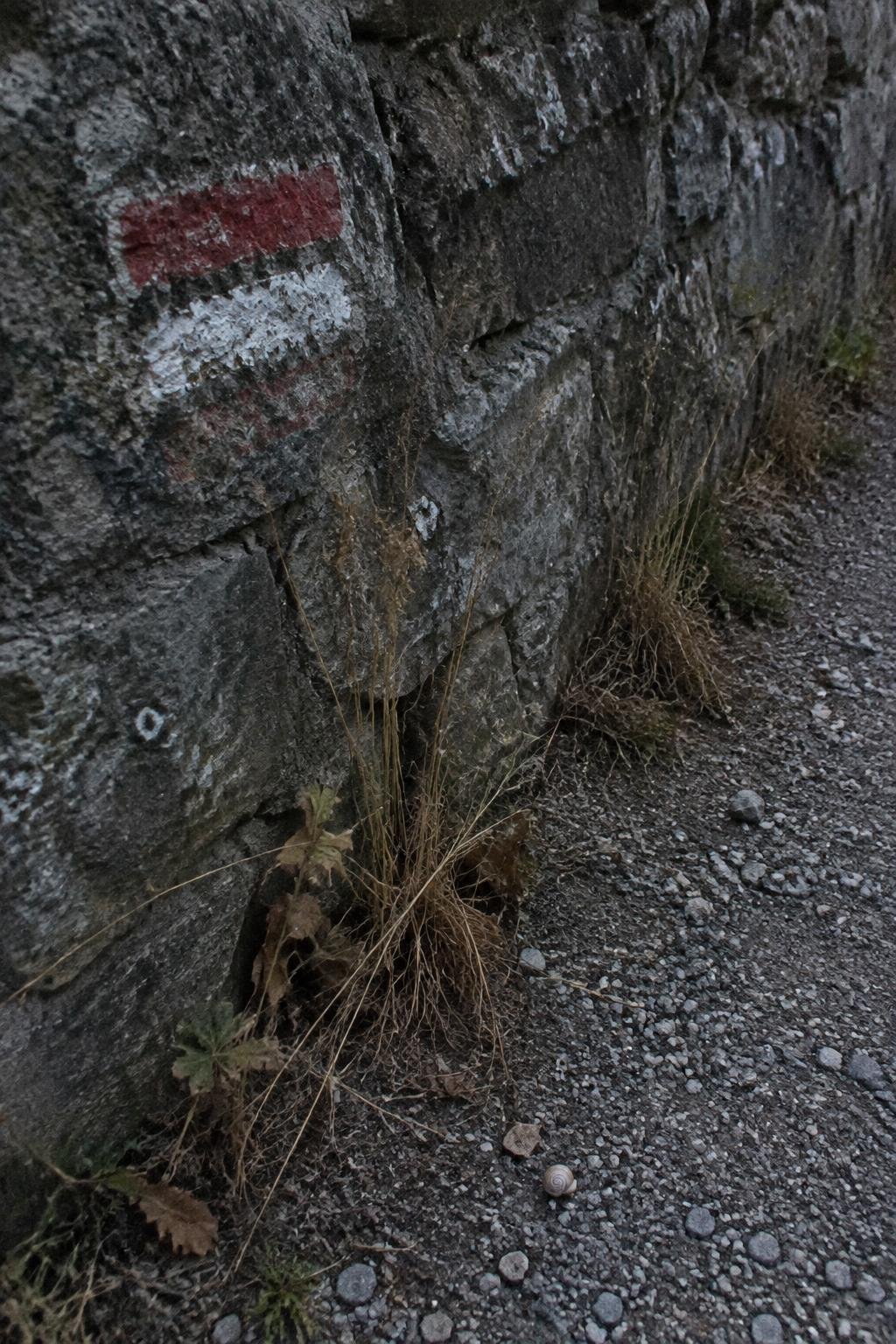
What I had not settled was the length. One page said about five kilometres, another said nearer eight, and a third gave both numbers for different variants. I wrote the discrepancy in the notebook, which is the kind of thing I do instead of relaxing. I also noted that the bus driver had shrugged when I asked about the return time, which I took to mean the timetable was more of a suggestion. The waymarks, I had read, are red and white paint from the Italian alpine club, and they are easy to follow.
Looking the wrong way
They were easy to follow. I walked for the first hour with my head down, watching the white and red marks go by on rocks and walls and trunks, checking each one against the map in my lid pocket like a very serious customs officer. The path was gravel and old stone, narrow in places, with a drop on one side that I treated with respect and a view that I had not yet noticed.
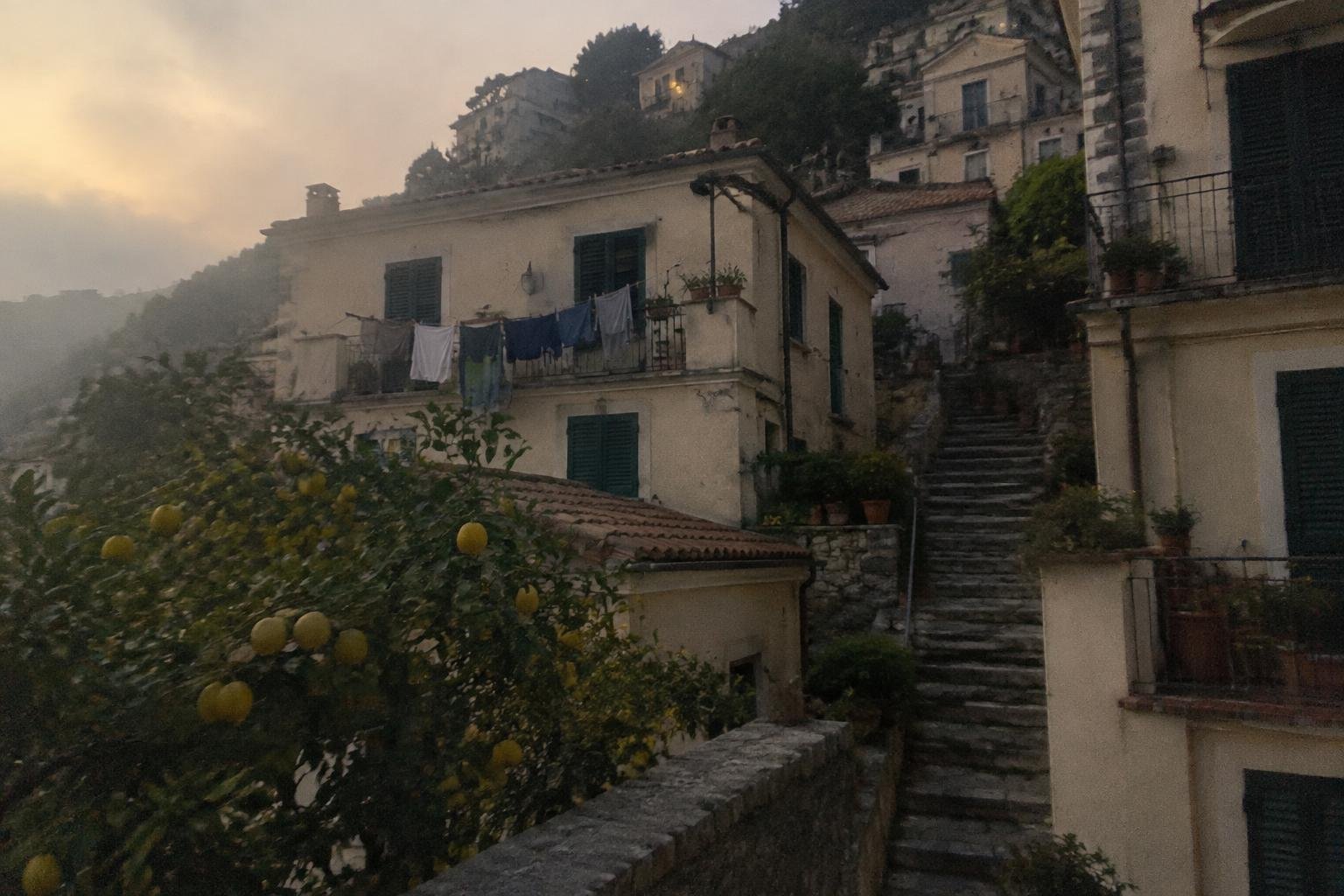
A woman coming the other way stopped in front of me. She was in her sixties, in a faded pink cap, with a walking stick she did not seem to need. Her name was Giulia. She told me, in good slow English, that she used to teach geography and now spent her free mornings on this path in both directions. She looked at my map, looked at me, and laughed in a way that was entirely without malice.
Then she said: you are walking it the wrong way. I started to protest. I had read the route, I had a map, I was going from Bomerano toward Nocelle exactly as the pages said. She waved this off. Not the wrong direction, she said. The wrong way. Turn around. Then she turned me by the shoulders, gently, as you would a child at a window.
Giulia said the view was behind me. She was right, and it had been behind me for an hour.
What was behind me
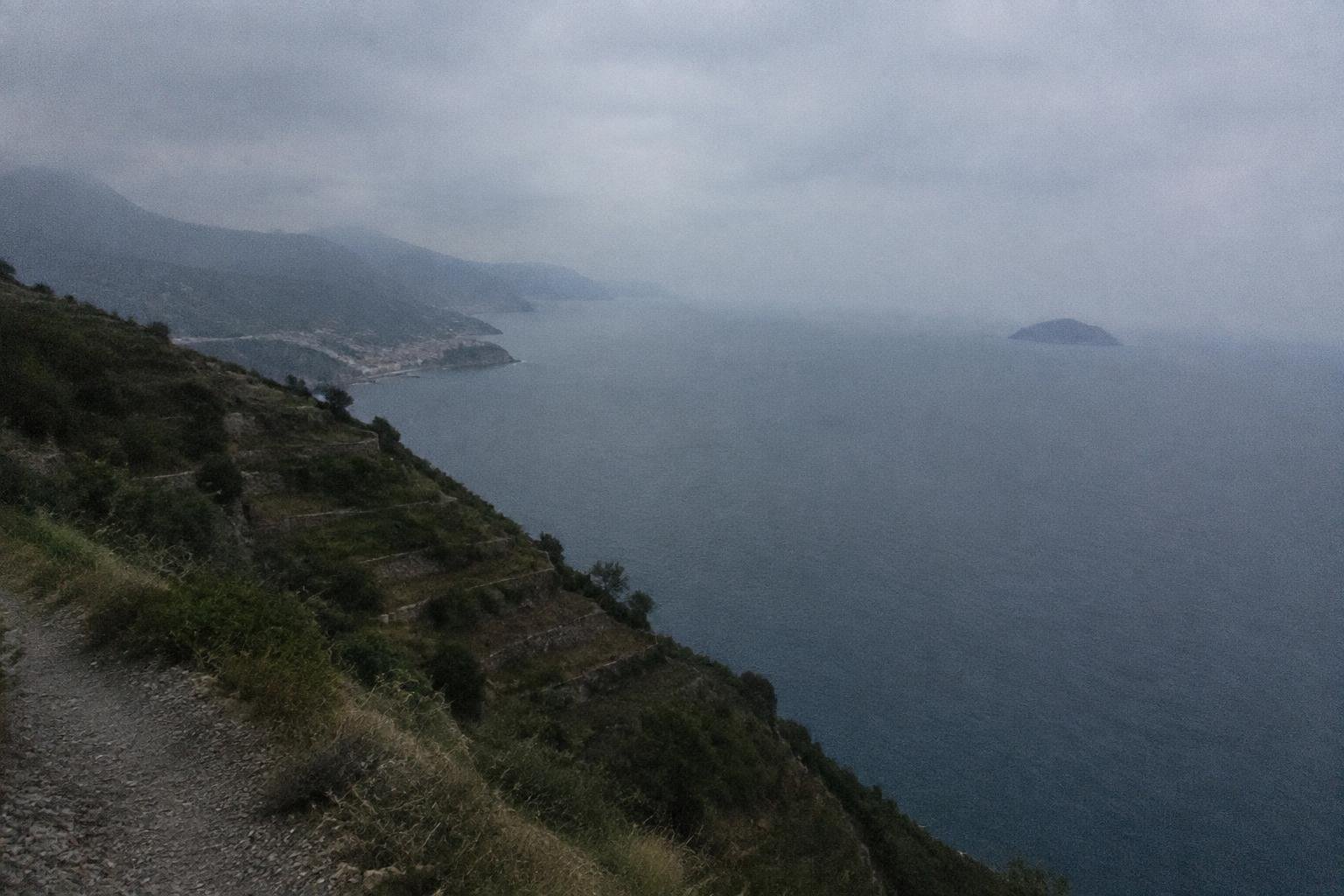
The sea was there. All of it. A big flat shining sheet of it, hundreds of metres below, with a long hazy line of coast curling away and a small island standing off in the distance. I had walked an hour with it behind my left shoulder and not seen it once. There was a smell of warm herbs too, thyme or something like it, and I had walked through that as well, nose to the map. The terraces of lemon trees were tiled below in green, with nets slung over them. A few goats were standing on a wall for no reason that I could discover.
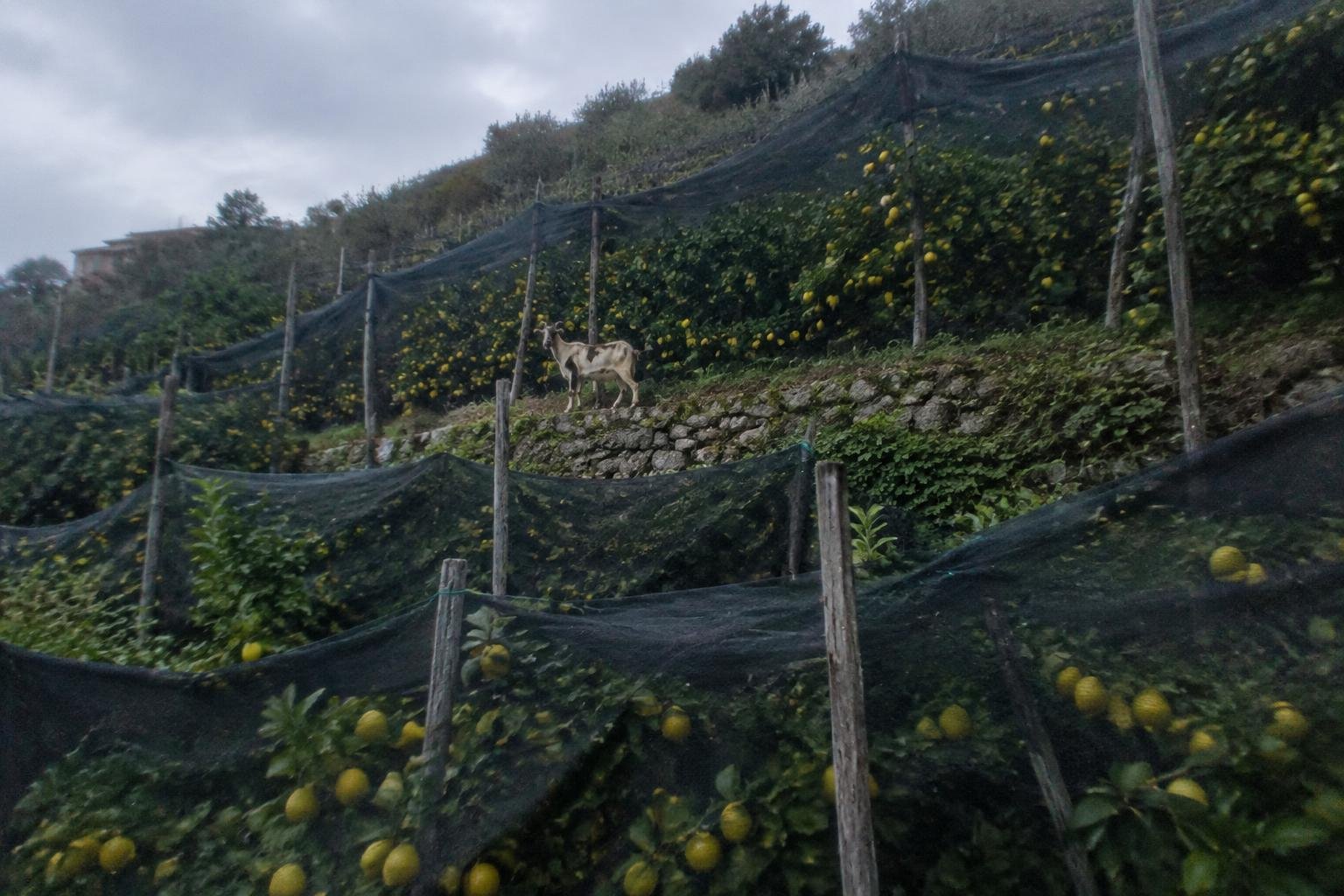
Here is the correction. I had trusted my notes about the path so completely that I had stopped looking at the place the path was in. I told myself I was being careful. Giulia, who has walked it more times than she will tell me, said careful is fine, but the view is the whole reason the path exists, and no sign has to tell you where to look.
We stood a while and said very little. She named the island, which I will not reproduce here because I did not write it down properly and will not guess at the spelling, and then told me she was going to the bakery and I should keep walking, slowly.
A small payoff
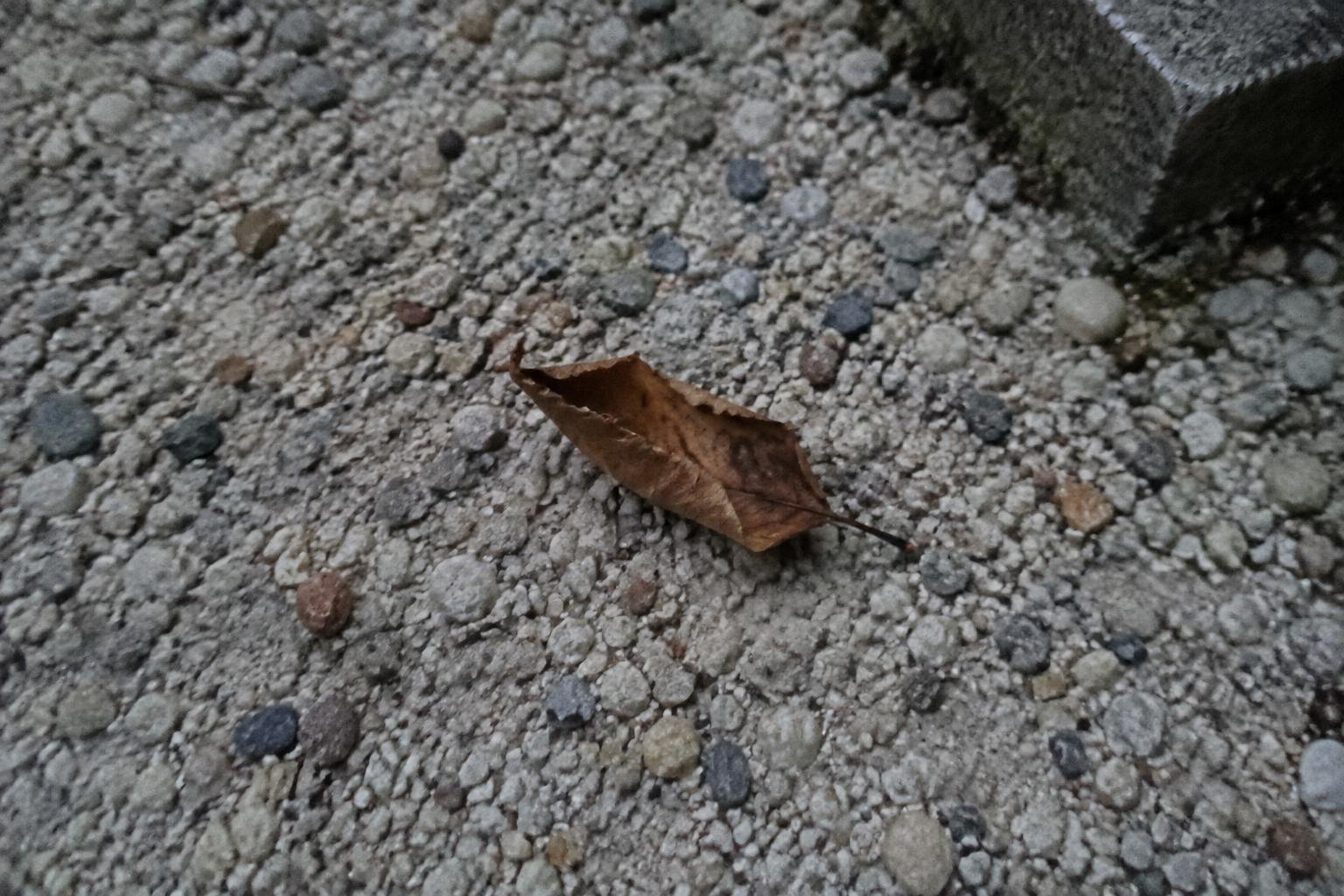
I walked the rest of the way partly sideways, stopping every few minutes to turn round, like a person trying a new pair of glasses. I did not take many photos. I took one of a single dead leaf on the gravel, because it was an interesting brown against the pale stone, and one of the nets on the lemon terraces.
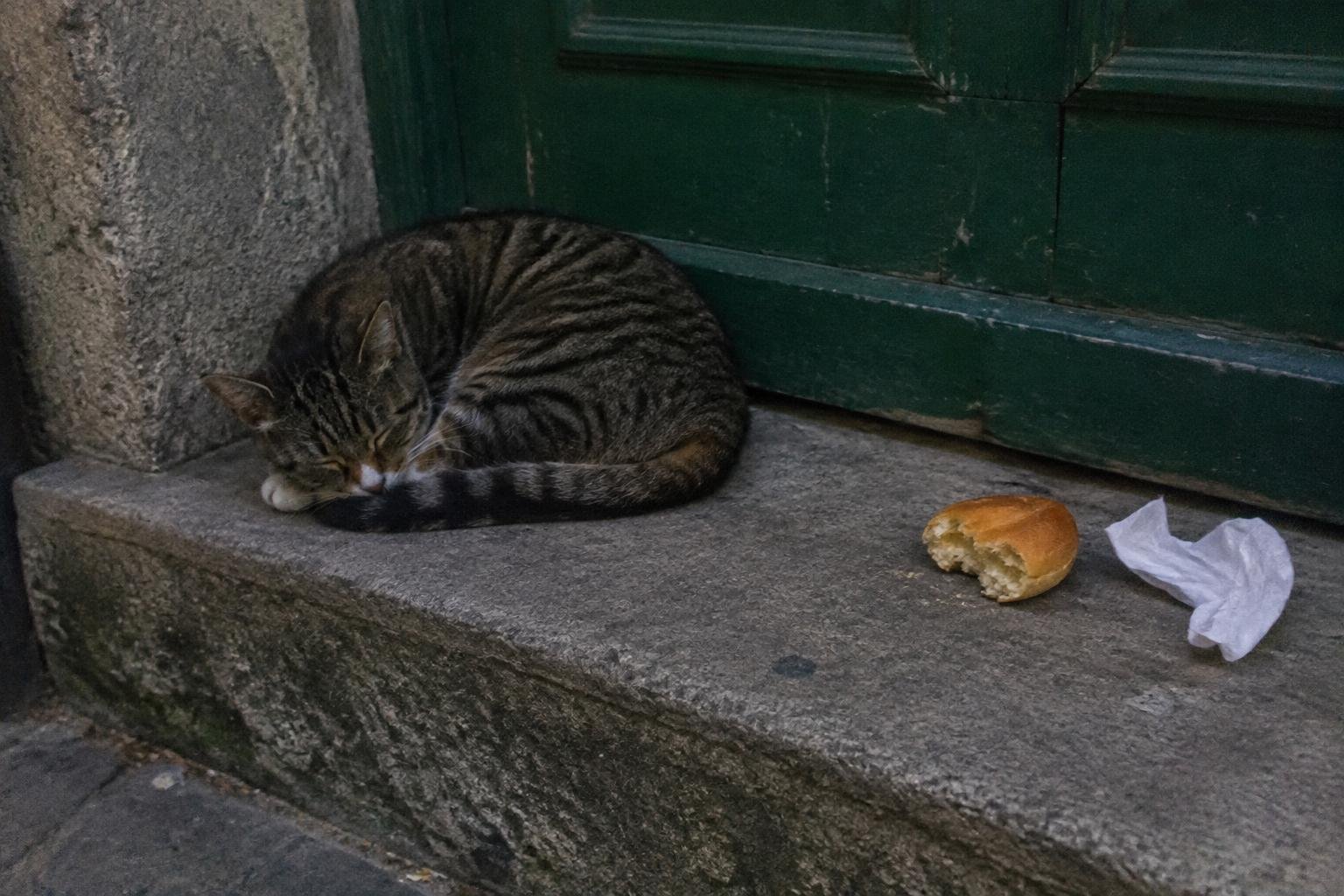
At the village end of the path there is a long stair down toward the coast, and I will say honestly that I took it slowly and held the rail. Somewhere partway down I realised that Giulia's advice works on a lot more than paths. I wrote it at the top of the notebook page that evening, in pencil, above the discrepancy about the distance, which I never did resolve: Turn round and look behind you.
What I took away
- Check the route and the waymarks, but lift your head often. The place is the reason you came. Try this at every junction: read, then look up.
- Distances for the same trail can vary between sources, because of variants and where you count from. Note which source you used.
- Stop and turn around now and then. Views behind you are easy to miss, and the way back looks different too. Walking a route in the opposite direction shows you a second version of it.
- Ask the people walking the other way what is ahead. They have just seen it. A two-minute chat can save an hour of guessing.
- Look up the local bus times before you set out and again on the day, since schedules change and buses run late.