
The first climb out of Takijiri-oji, and why I stopped racing it
I started the climb like it was a deadline. By the first shrine marker I was soaked, pink and quietly furious at a hill. This is the story of how a walker who never hurried taught me to stop.
Gear that goes with this story
Affiliate disclosure: these are affiliate links. As an Amazon Associate we earn from qualifying purchases, at no extra cost to you.
-
 Adidas Mens Terrex Tracefinder 2 Trail Running Check Price (paid link)
 -
 EINSKEY Men's Waterproof Sun Hat Check Price (paid link)
 -
 Hydration Bladder Check Price (paid link)
The map said steep
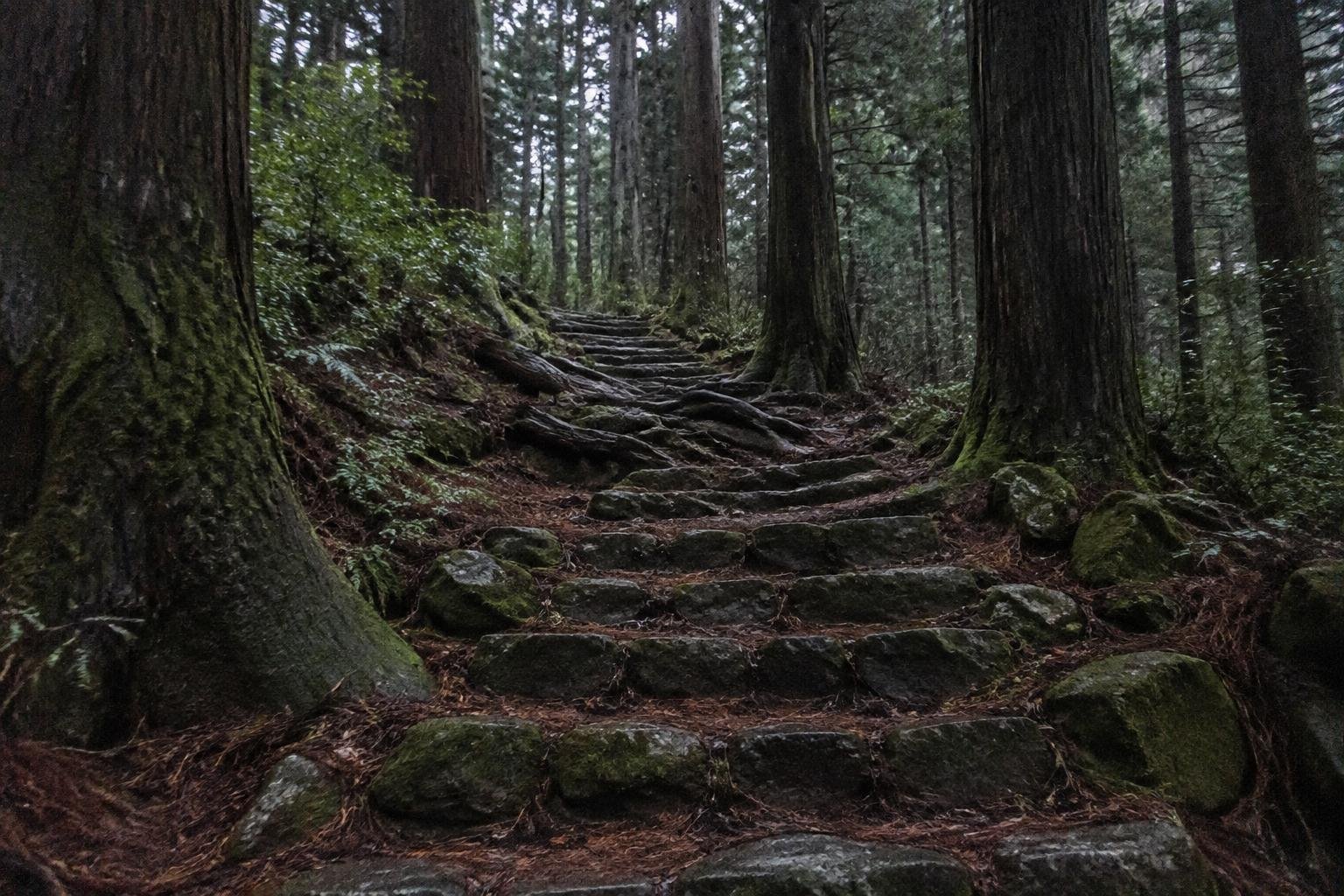
The first stretch of the Nakahechi route leaves from a place called Takijiri-oji and climbs through cedar forest toward the hillside hamlet of Takahara. The route notes I had read listed it at somewhere near four kilometres. I had underlined the word steep. I had not underlined what it would feel like in warm, damp air at the start of autumn. It is the sort of climb where the forest does the talking: the cedar trunks are so wide and so close that the light comes down green and tired, and every sound seems smaller.
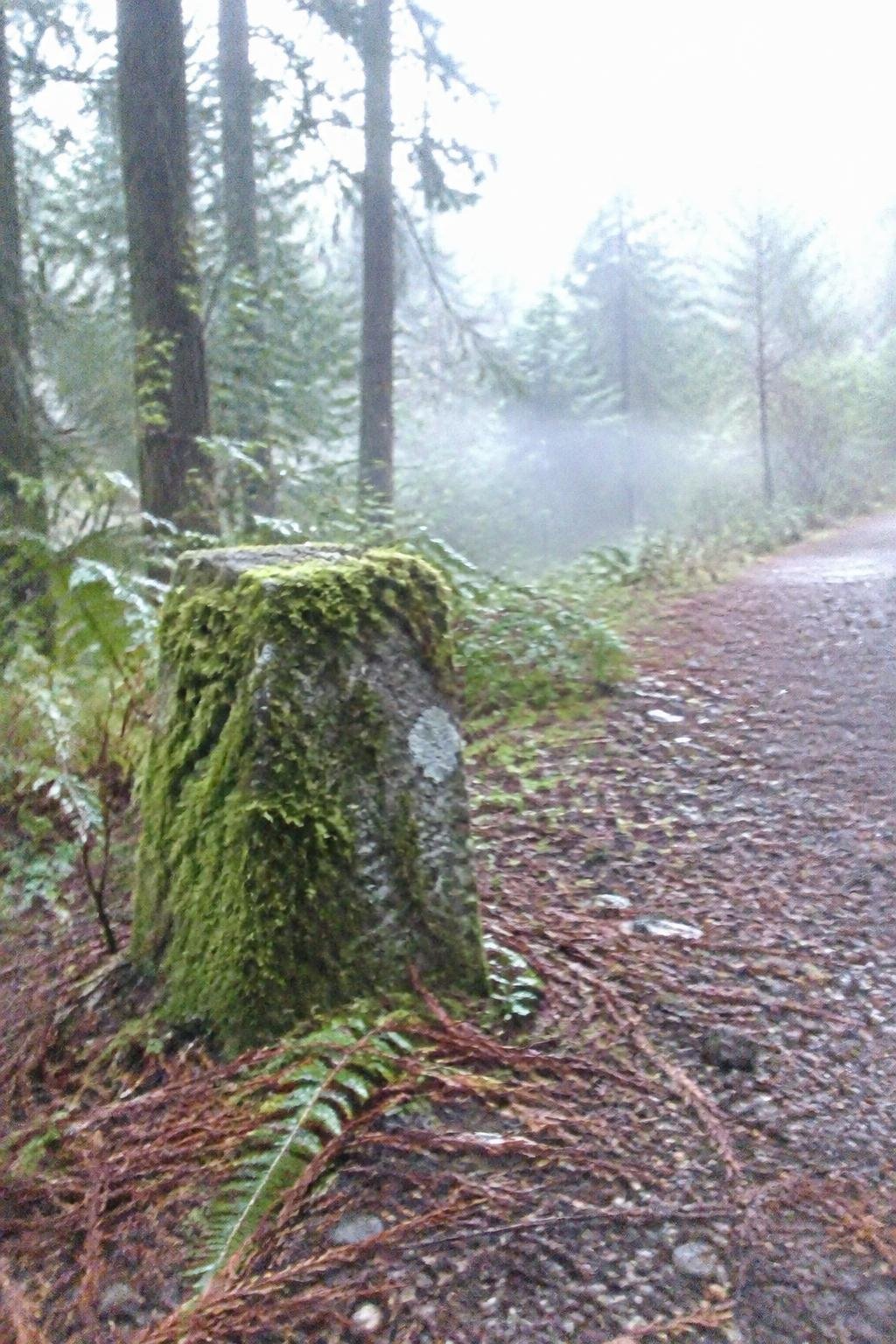
I set off the way I set off at everything, which is briskly. The path is old stone and tree root, in steps that were never built to the same height twice. Within twenty minutes my shirt was wet through and my pulse was loud in my ears. I took the first rest at a small stone marker among the trees, one of the little shrine sites the route is known for, and I did not enjoy it, because I was already counting how far behind schedule I was.
Hana and the metronome
A woman came up the path behind me, passed me without a sound, and stopped at the same marker a few steps ahead. Her name was Hana. She was a good deal older than me, in a plain cotton hat, with a small day pack and the kind of walking style that looks like it uses no energy at all. She nodded, I nodded, I thought we had finished the conversation.
Then she set off again and I tried to follow at my pace. Within minutes she was far ahead of me and I was breathing like a kettle. I told myself she must be faster. Later I realised she had not been faster. She had simply never stopped moving, in short, even steps, and she had never once rushed a step.
I caught up to her at the next marker, where she was drinking water and looking at the trees. We had almost no shared language. She pointed up at the slope, made a small slow wave with her whole flat palm, and said one word I think meant slowly. I said it back. We both laughed at my accent.
Hana was not slow. She was steady, and I had mixed those two words up for most of my adult life.
What I got wrong
Here is the correction. I had read about pacing in two different guides and agreed with both. In practice I ignored them at the first sign of a hill because I treated the climb as something to finish, not something to walk through. By the third marker my left heel had started to complain, a hot small spot that I knew perfectly well was telling me something.
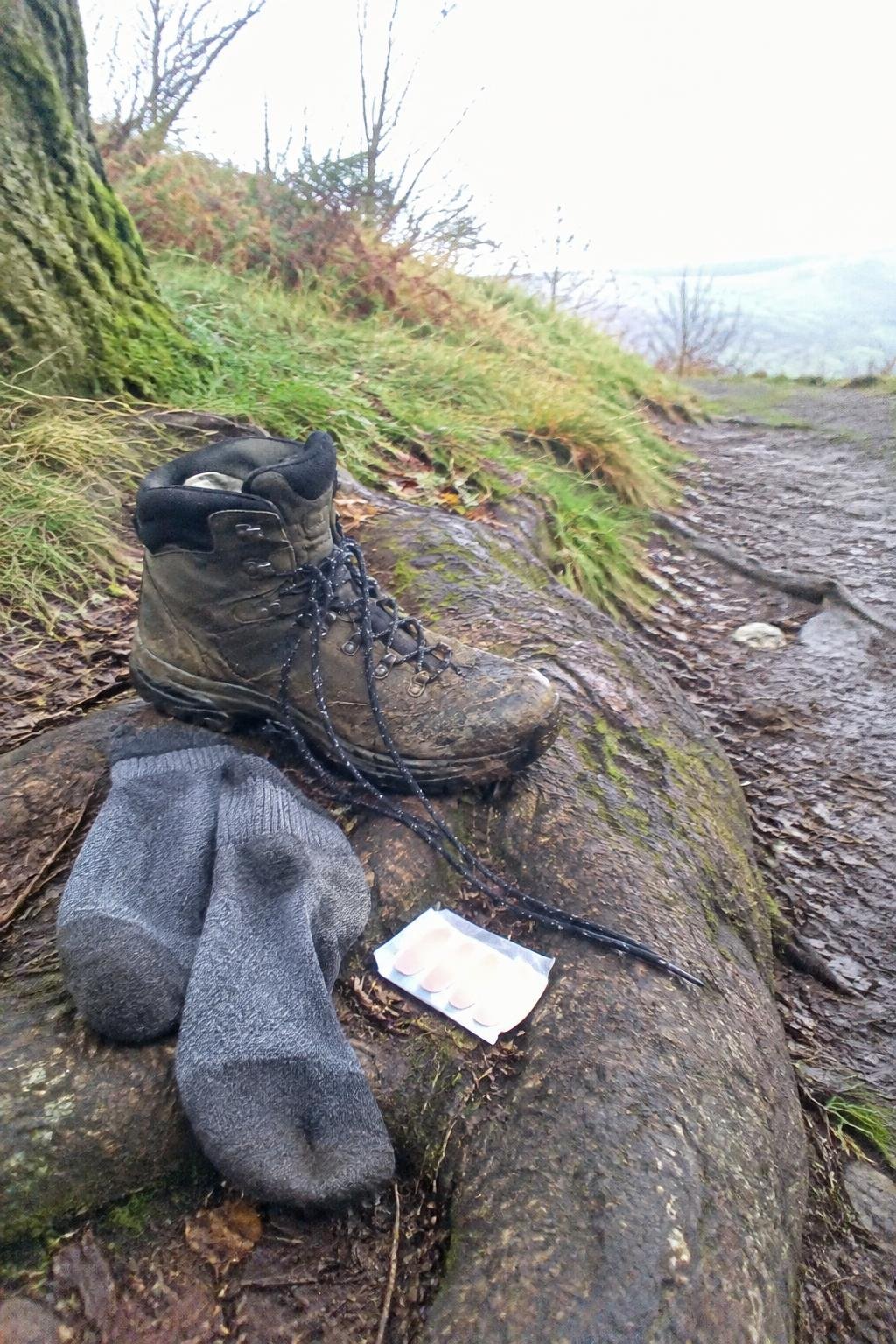
I did what the guides say, which I had read and not done. I stopped. I sat on a root, took off the boot, changed to dry socks and loosened the laces. I am not offering medical advice, only what I did: I paused, I dealt with it early, and I slowed down. If it had kept getting worse I would have turned round and walked back to the road. There is no prize for the top of a hill in a bad mood.
A small payoff
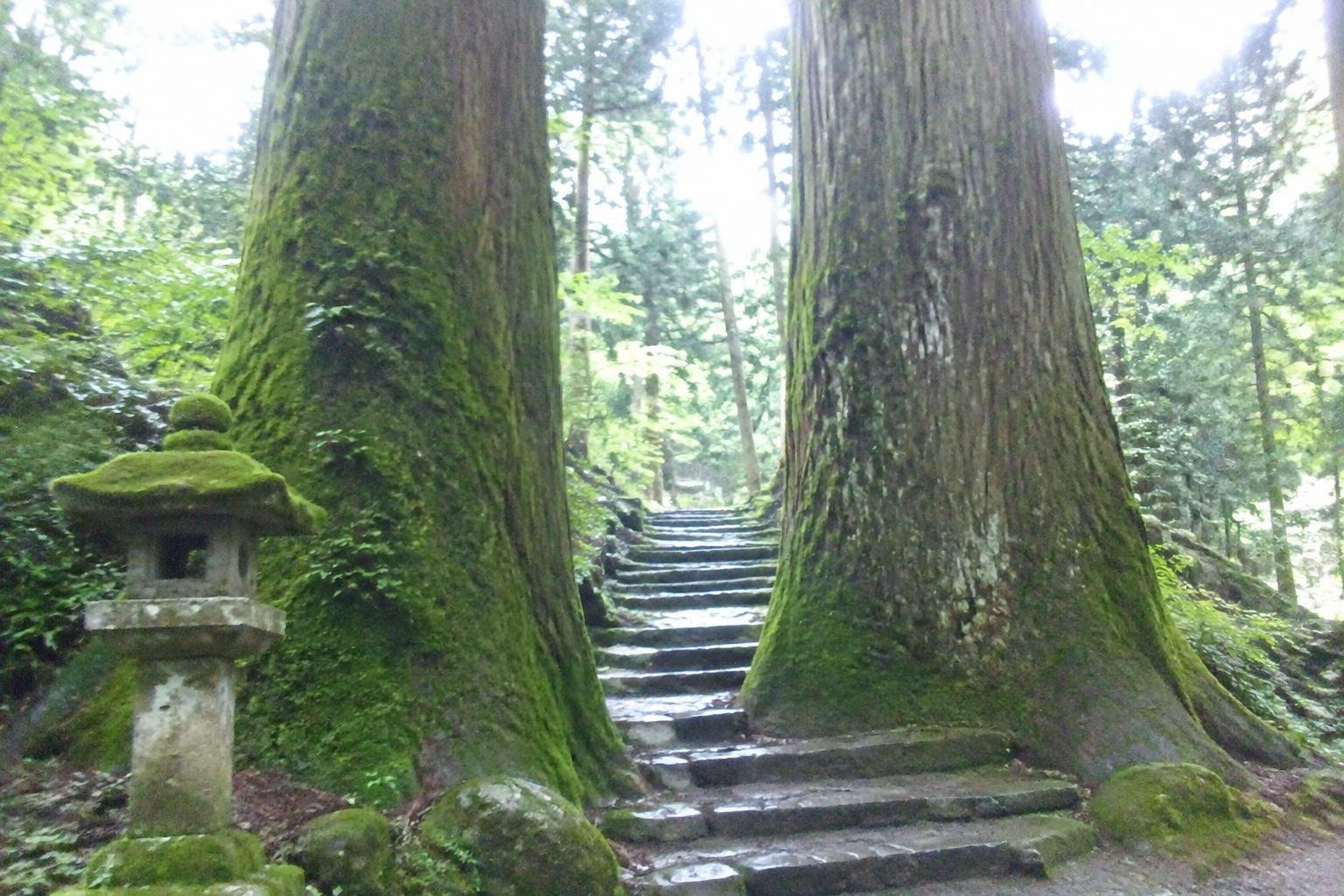
After that, I walked at Hana's speed or as near as I could get. Short steps, nose breathing, a pause at every marker whether I wanted one or not. The climb did not get easier, but it stopped feeling like an argument. I noticed the cedars properly, tall, dark and straight, with moss on every stone step. I heard a stream somewhere below. I had missed it the first time. I also stopped checking the time, which felt like a small act of rebellion for someone who audits things for a living. Nobody has ever called me a patient person, and the hill had been getting a good look at that.
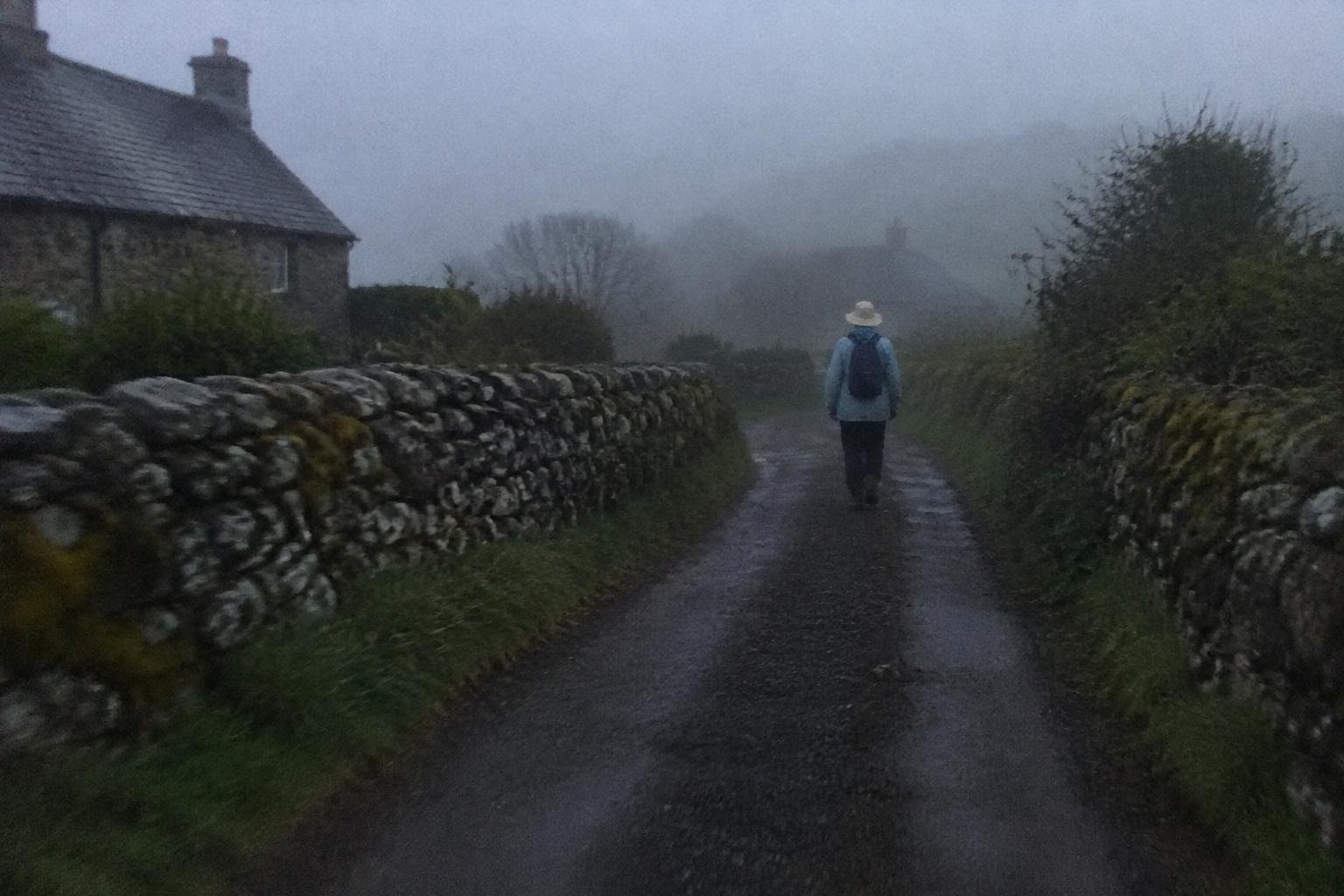
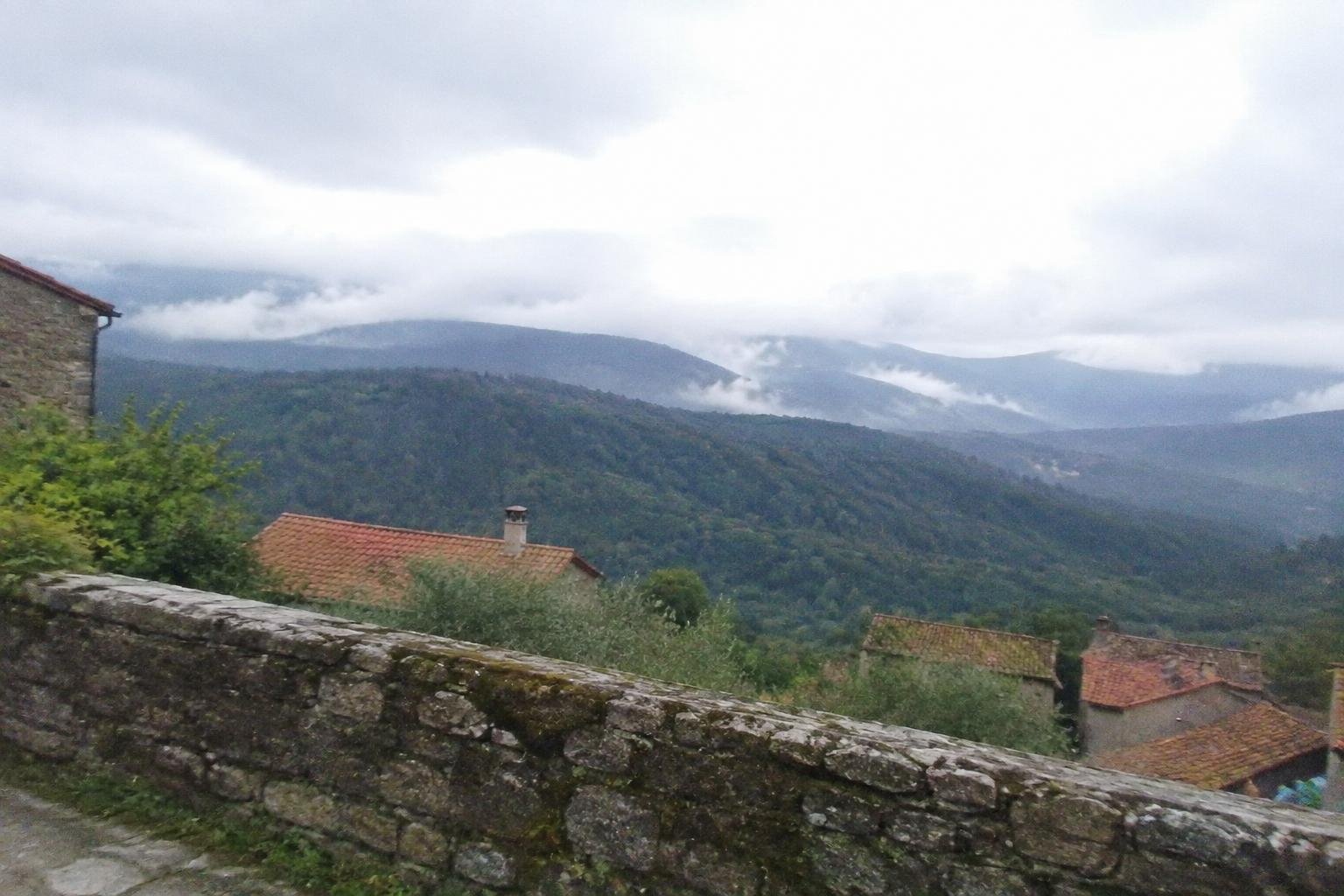
We reached Takahara a little after midday, according to the notebook, which means the climb took about as long as the notes said it would. Nothing had been won or lost. The village sits on a hillside with a long view over folded ridges, and I sat on a low wall and watched cloud move between them, wet through and entirely content.
Hana gave me a short bow, picked up her bag and went off down the lane. I never learned her surname. I wrote her first name in the notebook next to the words steady, not slow, and underlined it twice.
What I took away
- Start climbs slower than feels necessary. If you cannot breathe through your nose, you are going too fast.
- Rest at natural markers such as a bend, a shrine or a bench, so stopping feels planned rather than like giving up. Planned stops are easier on the mind than forced ones.
- Deal with a hot spot on a foot the first time it speaks. Stop, check, change socks if you carry spares, and slow down.
- In warm, humid weather, build extra time into the plan. A route note gives a typical time, not your time. Write your own pace down after the day and use it next time.
- If discomfort keeps getting worse, turn round. Tell someone your plan, and see a doctor or local medical help if something is more than ordinary tiredness.