
Affiliate disclosure: this page contains affiliate links. Purchases made through them may earn us a commission at no extra cost to you. See our affiliate disclosure.
In plain English
Zion is unusual because the two famous hikes are day hikes, so where you sleep is mostly about convenience, not survival. You can sleep inside the canyon at the lodge or a campground, or just outside the park in the town of Springdale, and walk or ride the shuttle in each morning.1
That makes your pack simple. Because you return to a bed or a tent each night, you only carry what the day needs: water, food, a rain layer and sun protection. There is no need to haul sleeping gear up either trail.
The catch is that each hike has its own rules. Angels Landing needs a permit, which the park issues through a lottery, a bit like a raffle.1 The Narrows means walking in a river, so the main gear question is not where you sleep but what keeps your feet warm and your clothes dry.
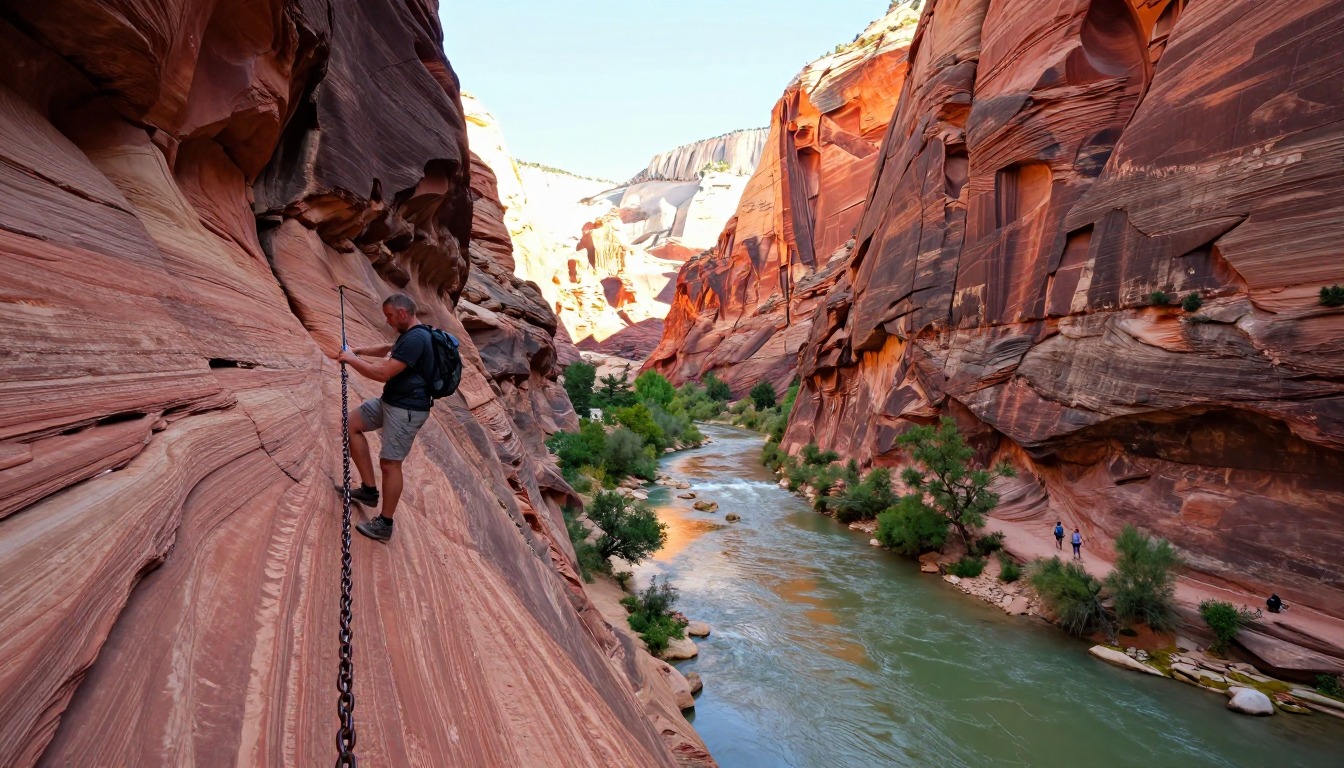
Angels Landing's chained scramble above Zion Canyon and the wade up the Virgin River through The Narrows are the two hikes most people come to Zion for, and both work as day hikes for most hikers. Where you sleep is simple but limited: Zion Lodge is the only lodging inside Zion Canyon, a couple of canyon campgrounds sit along the same road, and the gateway town of Springdale fills in everything else just past the south entrance.
Why hike here
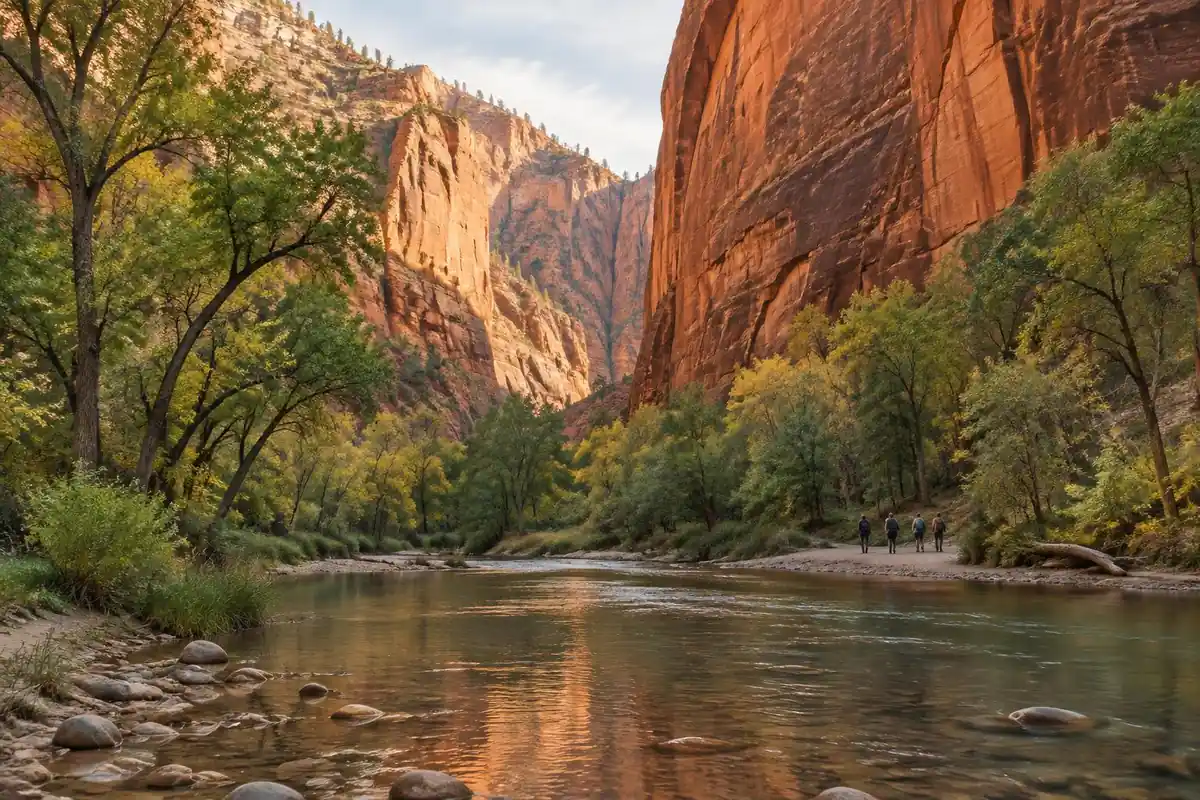
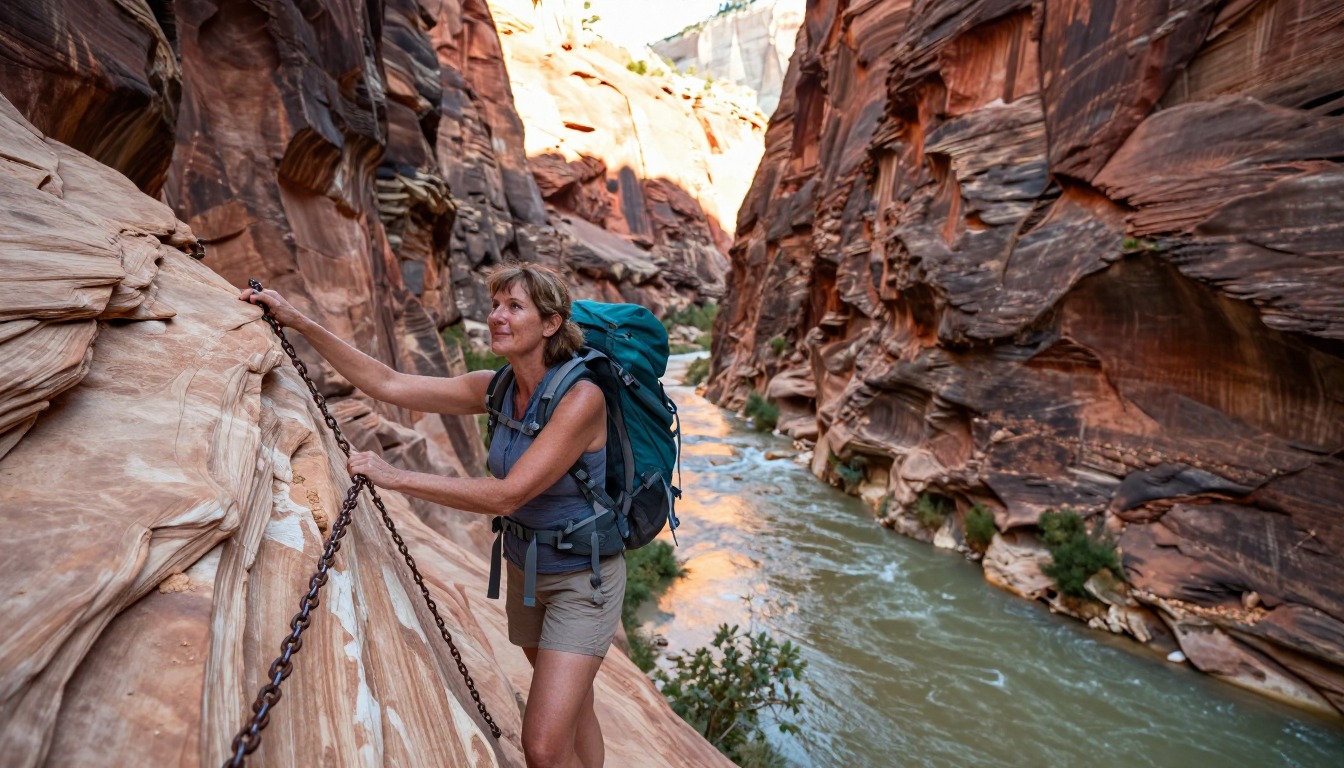
Angels Landing earns its reputation in its last stretch: a narrow, exposed ridge of sandstone with chains bolted into the rock and a long drop on both sides, opening onto a view straight down Zion Canyon. The Narrows flips the experience entirely — instead of looking down at the canyon, you're inside it, wading the Virgin River between walls that close in tight while the current pulls at your ankles. Together the two hikes show two different kinds of canyon extreme: one vertical and airy, the other narrow and wet underfoot. Spring and fall keep the desert heat manageable and are the seasons most experienced hikers aim for, rather than the height of summer, when both the sun and the crowds are at their peak.
Getting there
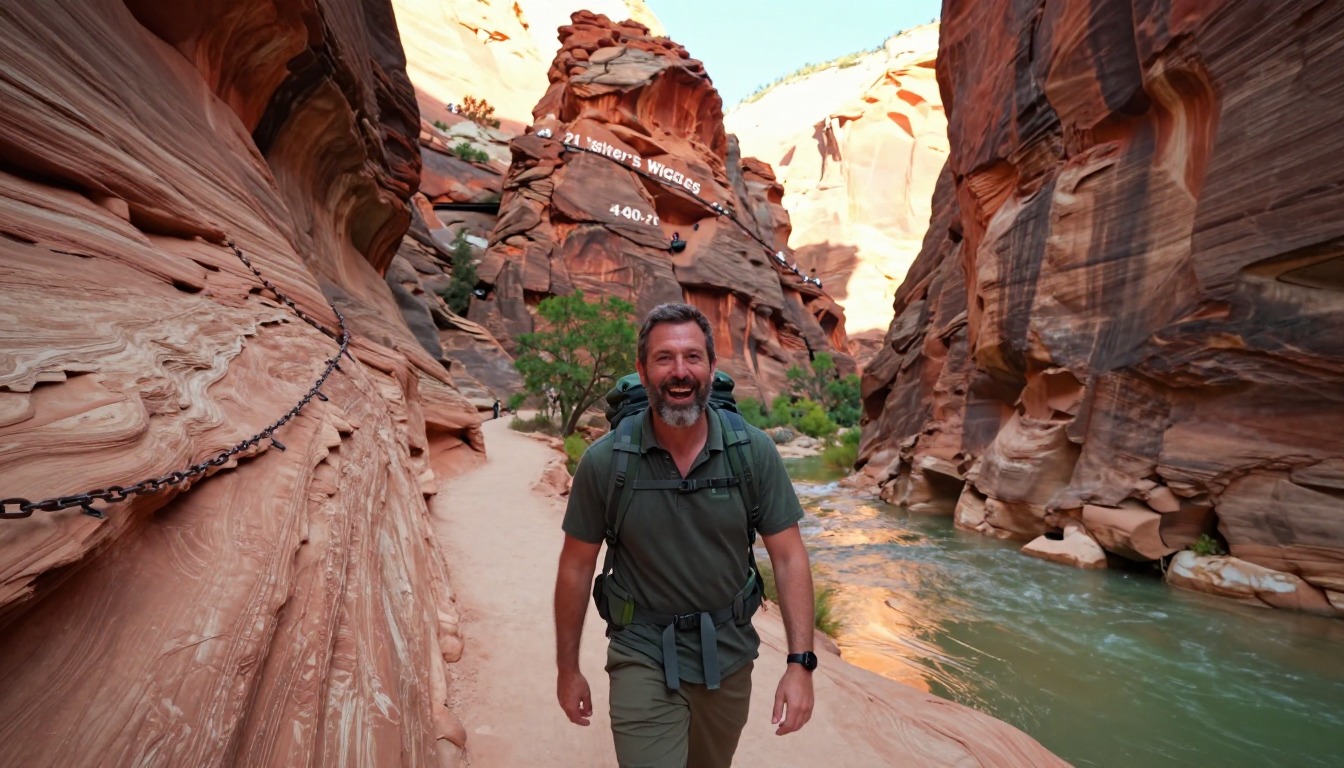
Most visitors fly into Las Vegas, the region's major airport, then drive northeast into Utah toward Zion's south entrance and the town of Springdale. St. George, Utah, has a smaller regional airport that can shorten the last leg for travelers with a connecting flight. From Springdale, the town's own shuttle reaches the park's pedestrian entrance, and from there Zion's mandatory park shuttle covers the scenic drive up the canyon for most of the year — private cars generally aren't how hikers get to the Angels Landing or Narrows trailheads.
Where to stay
The realistic options, closest-to-the-trail first. Book through the official links — we don't list prices or availability because they change all the time.
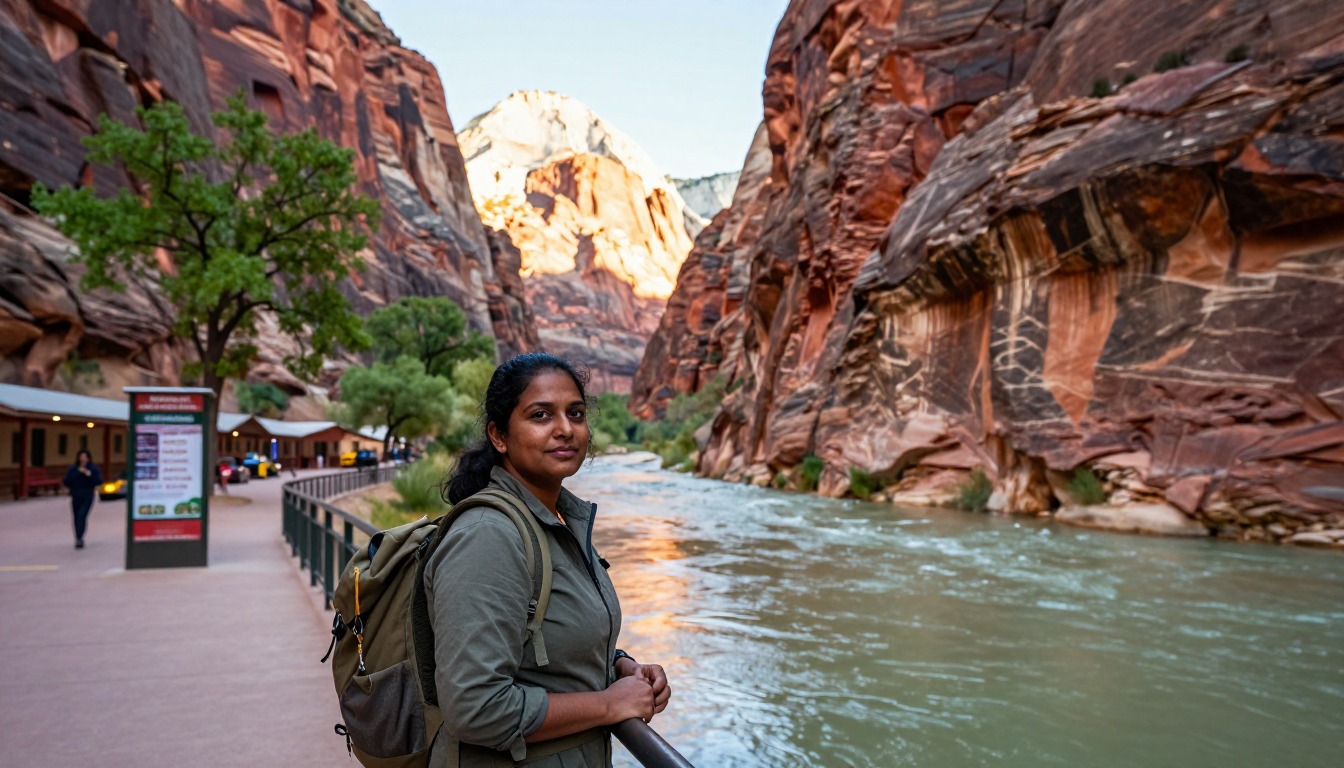
For example: The only lodging inside Zion Canyon, on the shuttle route
Hikers who want to be first on the trail and last on the river.
Books far ahead for spring and fall weekends.
Zion National Park Lodge (Xanterra)For example: Watchman Campground (reservable) and South Campground
Campers who want to walk to the visitor center and shuttle.
Watchman opens on a rolling reservation window; summer sells out fast.
Recreation.govFor example: Hotels, lodges and rentals just outside the south entrance
Anyone who missed in-park lodging — walk or shuttle to the gate.
The widest choice of rooms; book weekends early in shoulder season.
Search lodging in Springdale, UT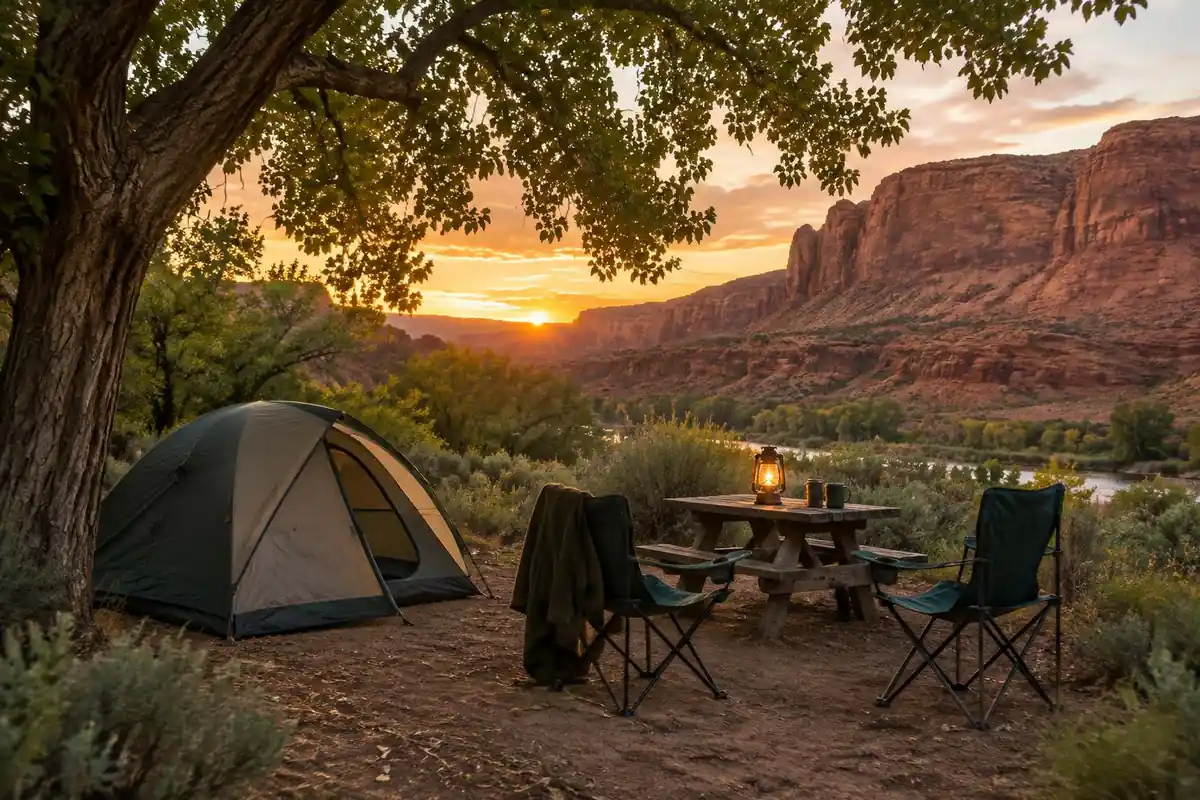
Permits & rules
Angels Landing requires a permit via a seasonal and day-before lottery. A top-down Narrows hike or any overnight needs a wilderness permit; always check the flash-flood forecast before entering the river.
Gear you'll want for this trip
Matched to the terrain and conditions here. Real products — check current price on Amazon.


Three bases, three trade-offs
Zion's front page groups the practical choices. It describes a Camping, Lodging, and Eating page for places in and around the park, a Permits & Reservations page for Angels Landing and Zion Wilderness camping, and a shuttle page covering the free shuttle service in Zion Canyon and the neighboring town of Springdale.1 The page does not spell out reservation windows or which campgrounds take reservations, so the existing page's statements about Zion Lodge being the only lodging in the canyon, the two campgrounds, and their booking windows are best confirmed on the park's camping and lodging page.1
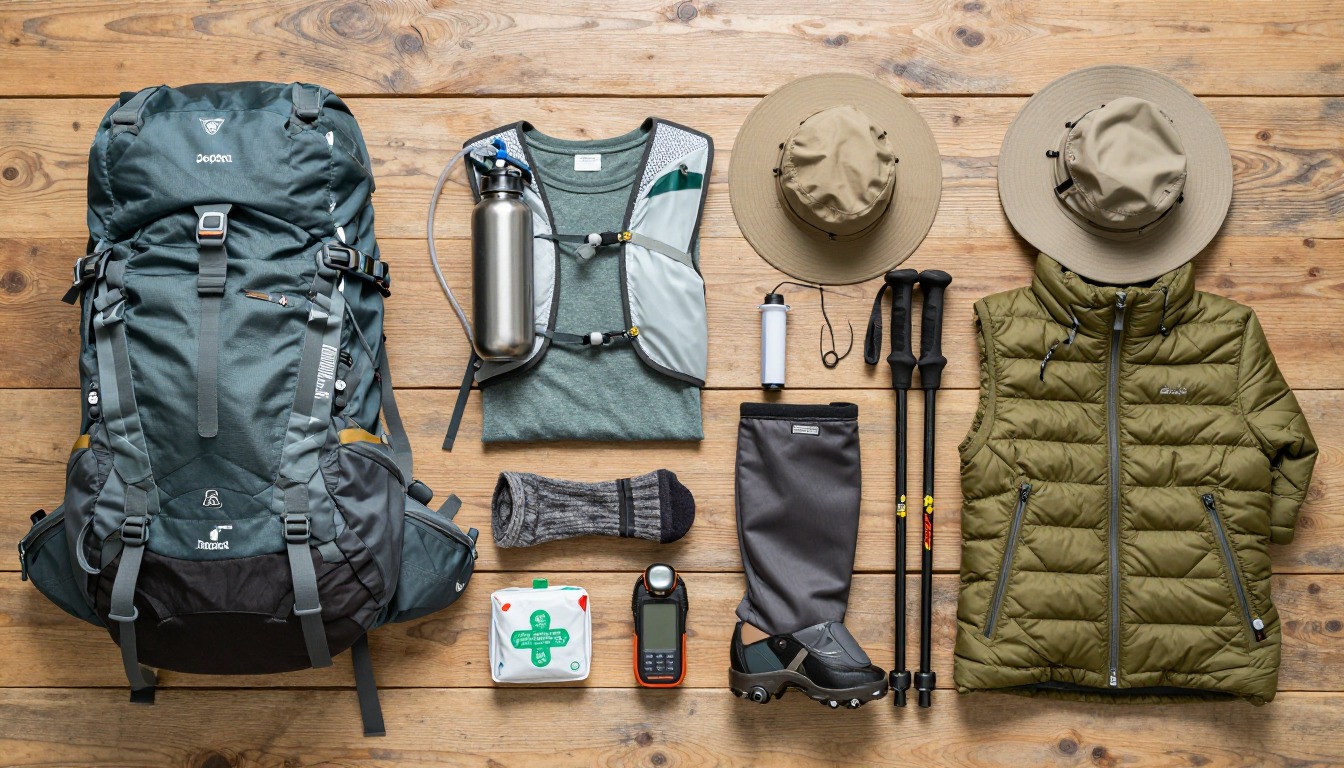
The trade-off is between time and choice. Sleeping in the canyon shortens your morning and puts you on the shuttle route, while Springdale offers more rooms and needs a longer ride in and out. For a pack, all three bases are frontcountry, meaning you can leave sleeping gear behind and carry a daypack. Washington Trails Association describes 25 to 30 liters as good for a full-day hike.4
Permits: what the front page confirms
The park's front page confirms that permits exist for Angels Landing and for camping in Zion Wilderness.1 It does not give the lottery structure. The existing page describes a seasonal lottery plus a day-before lottery, and says a top-down Narrows trip or any overnight needs a wilderness permit while a bottom-up day hike does not, which are consistent with a permit system but are not spelled out at that front-page level, so confirm the current details, dates and any closures on the park's permit page before you plan.
Angels Landing is described on the existing page as a narrow, exposed ridge with chains, and the National Weather Service advises avoiding hilltops and ridge tops during thunderstorms, notes that mountain storms often build in the early afternoon, and states that a tent offers no protection from lightning.3 Starting early, and choosing a bed that lets you do so, is the practical answer.
The Narrows and the cold your lodging cannot fix
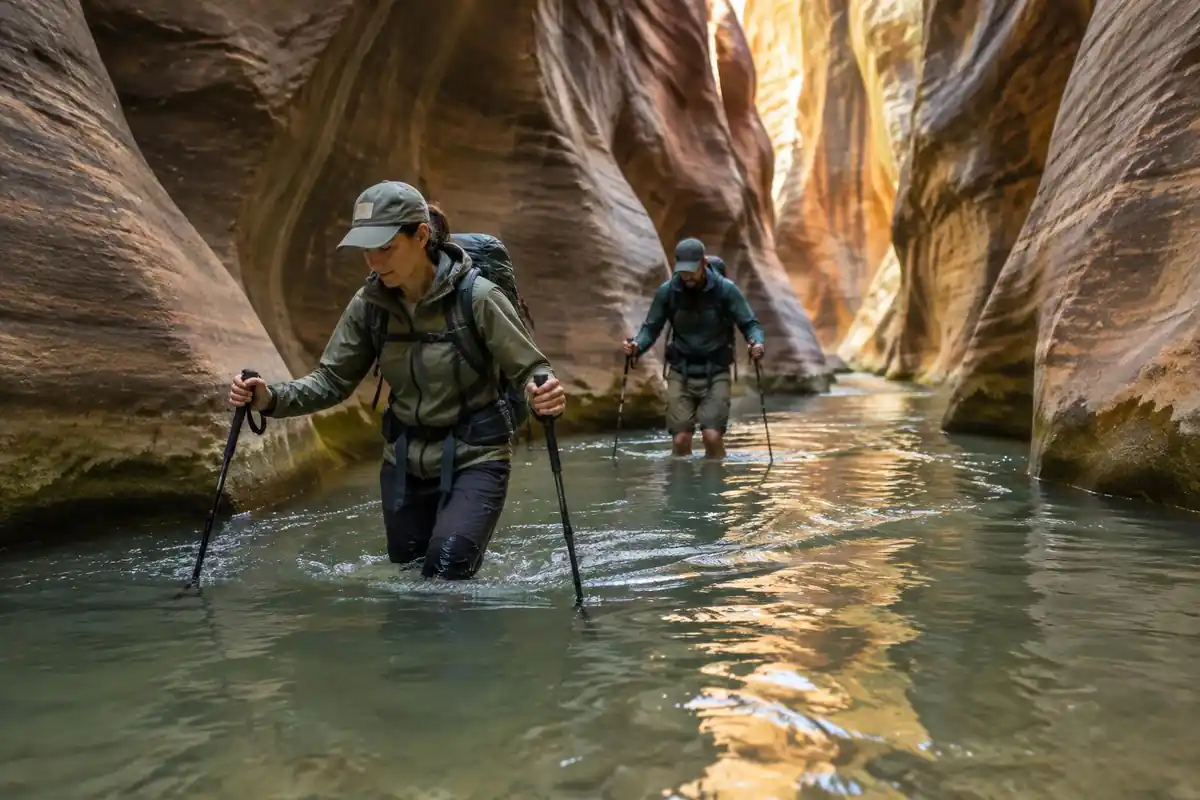
In The Narrows you walk in a river, and the risk is chilling, not just heat. NIOSH notes that wet feet lose heat 25 times faster than dry feet and that trench foot can occur at temperatures as high as 60 degrees Fahrenheit if feet stay wet.2 It recommends wool and synthetic clothing over cotton in cold-water conditions.2 The CDC adds that hypothermia can develop above 40 degrees Fahrenheit if you get chilled from rain, sweat or cold water.5
That makes the lodging choice a gear choice too. If you sleep in Springdale or the canyon, you can leave wet gear to dry and start the next day in warm layers, which is easier than a wet-gear camp. Desert heat is the other side of the same trip, and the CDC notes that dehydration is the most important predisposing factor in heat illness besides weather and exercise intensity.6
Common questions
Do I need a permit to hike Angels Landing?
Yes. Angels Landing runs on a permit system with a seasonal lottery plus a day-before lottery, so you can't just walk up and start on the chains. Apply in the seasonal window ahead of your trip, and try the day-before lottery once you're nearby in case seasonal permits are gone.
Where should I stay — Zion Lodge, a campground, or Springdale?
Zion Lodge is the only lodging inside Zion Canyon and sits right on the shuttle route, which suits anyone who'd rather skip parking. The canyon's Watchman and South campgrounds put you near the trailheads; check the park's camping page for which sites take reservations and when. Springdale, just outside the south entrance, has the broadest range of places to stay overall.
Do I need a permit or special prep for The Narrows?
A standard day hike up from the bottom doesn't need a permit, but a top-down Narrows trip or any overnight in the canyon requires a wilderness permit. Either way, check the park's flash-flood forecast before wading in, since the slot canyon can flood quickly, and carry plenty of water against the desert heat.
Complete gearsets for this trip
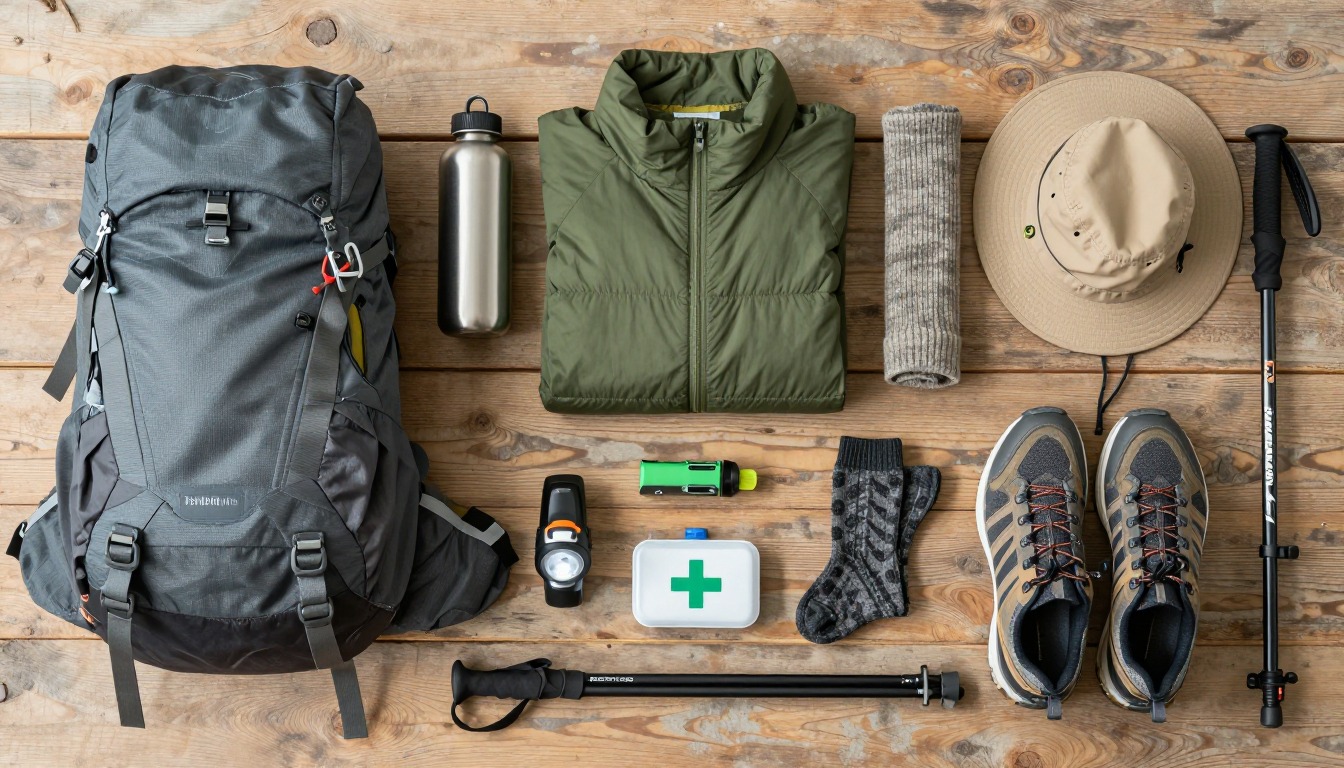
Full curated kits built for exactly this kind of hike — what to bring, why, and links to similar gear.
Lodging details are compiled from official parks, refuge associations and reservation systems and can change without notice. We publish no prices, availability or ratings — always confirm current information on the official site before booking or setting out. Product links and the accommodation map are affiliate links: we may earn a commission at no extra cost to you; product prices and availability are shown on Amazon, and accommodation prices on the booking site. See our affiliate disclosure.