
Affiliate disclosure: this page contains affiliate links. Purchases made through them may earn us a commission at no extra cost to you. See our affiliate disclosure.
In plain English
The Valley of Flowers is a day-visit place. The page explains that nobody sleeps inside it. Instead you stay in a village nearby, walk in during the morning, spend the day among the flowers and walk back out before dark. So there is no tent to carry and no cooking gear. What you carry is a daypack with what you need for one long wet day.
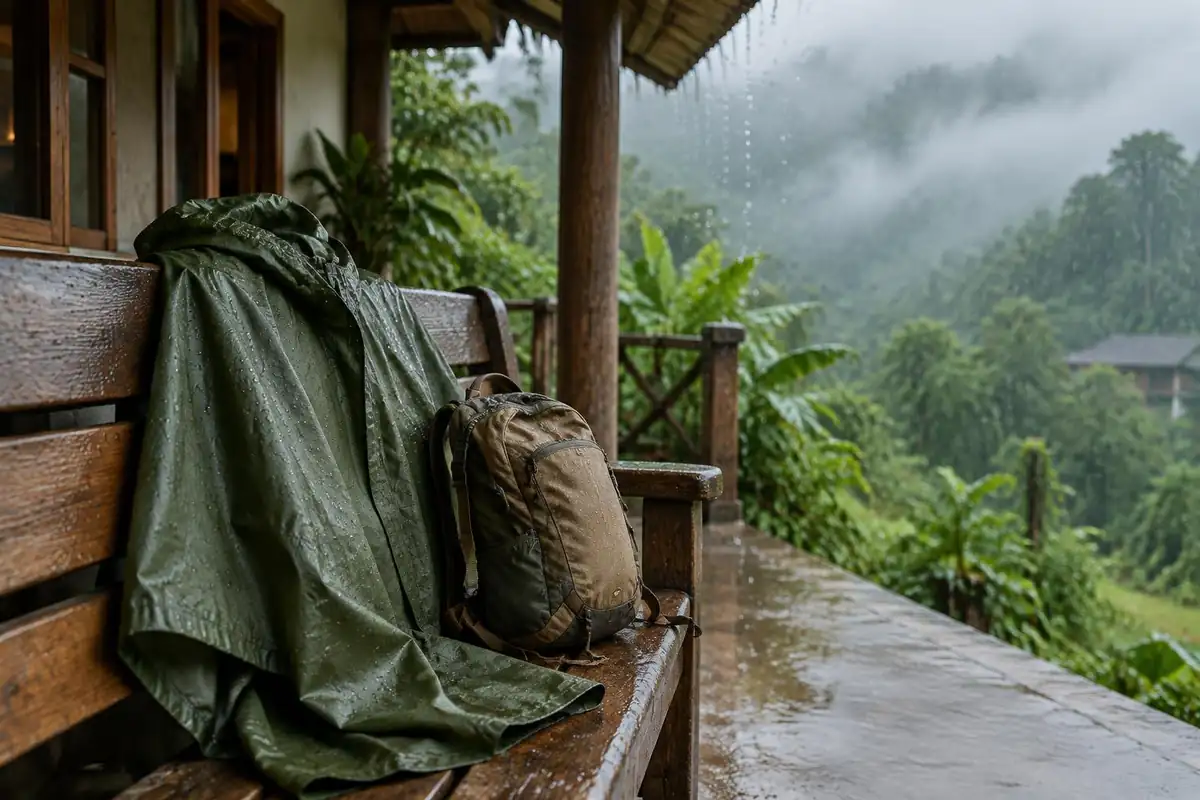
The flowers bloom in the monsoon, which is the rainy season. That means rain is normal, paths are slippery and you need proper rain gear, not a light jacket. Being cold and wet is the main danger. The CDC says a person can get dangerously chilled by rain even at temperatures above 40°F.1
Because you always come back to the same village, the village is the base for everything: your dry clothes, your spare shoes and your rest. Pick a place where you can dry things out, and start early. Storms in the mountains tend to build in the afternoon.2
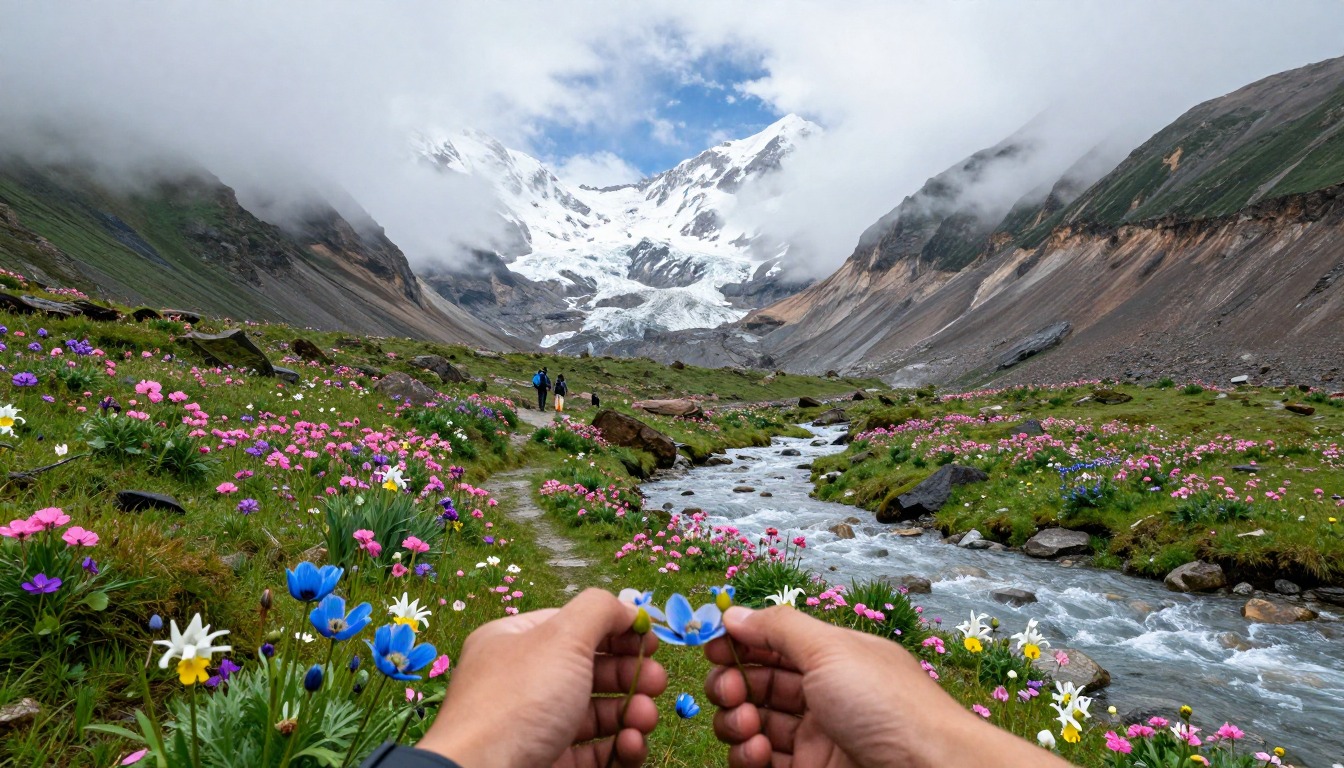
Valley of Flowers is a high alpine valley in Uttarakhand's Garhwal Himalaya that erupts into a carpet of wildflowers each monsoon, protected as a UNESCO World Heritage site under the Uttarakhand Forest Department. It's day-use only — there's no lodging inside the park itself, so you sleep in Ghangaria, the trek-base village just outside, and hike in and out each day under the park's permit rules.
Why hike here
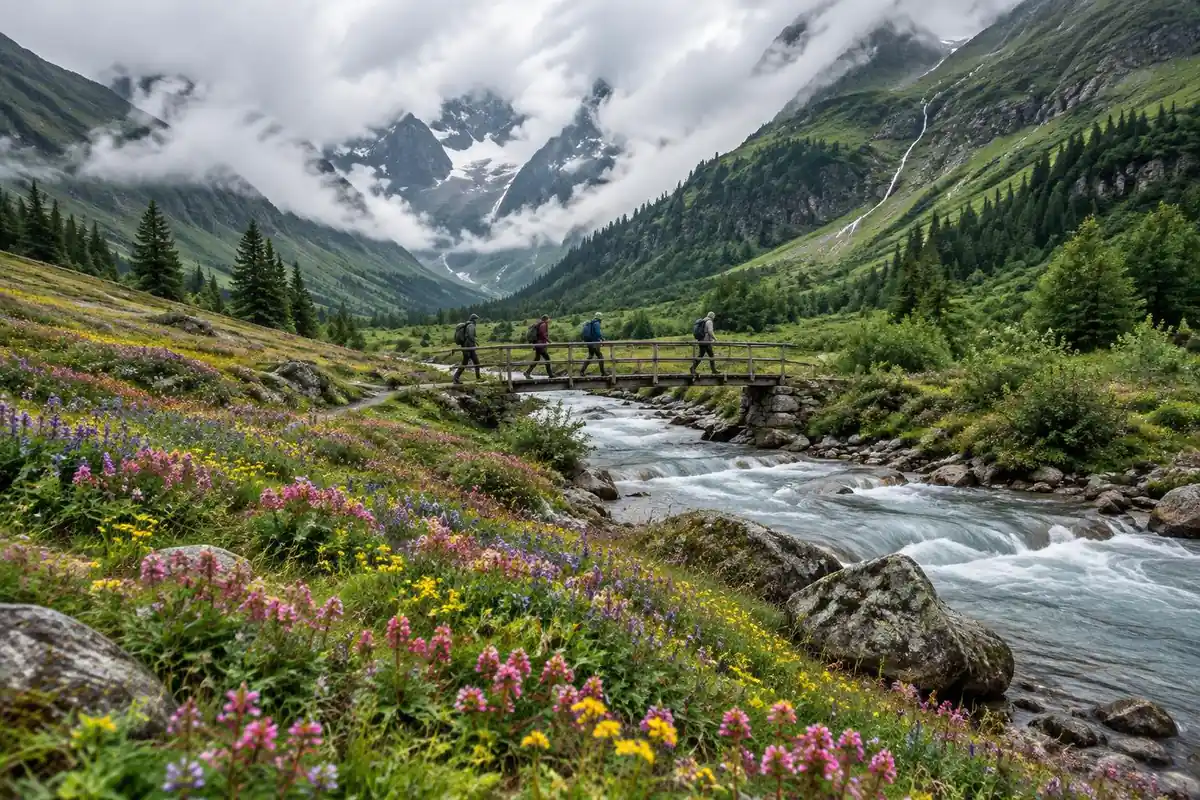
The draw here is simple: for a few weeks each monsoon, an entire high-altitude valley turns into a wildflower meadow, with fresh species opening as the rains move through July into September. You walk in along a river gorge, past waterfalls and rushing side-streams, and the valley opens out into slopes thick with color under the Garhwal peaks. It's not a comfortable hike — expect rain most afternoons, wet rock, and leeches on the lower trail — but that's part of what keeps it wild rather than manicured. Many hikers pair the valley with a separate day hike from Ghangaria up to Hemkund Sahib, the high-altitude Sikh shrine, giving the trip both a natural and a spiritual high point within the same short window of accessible days.
Getting there
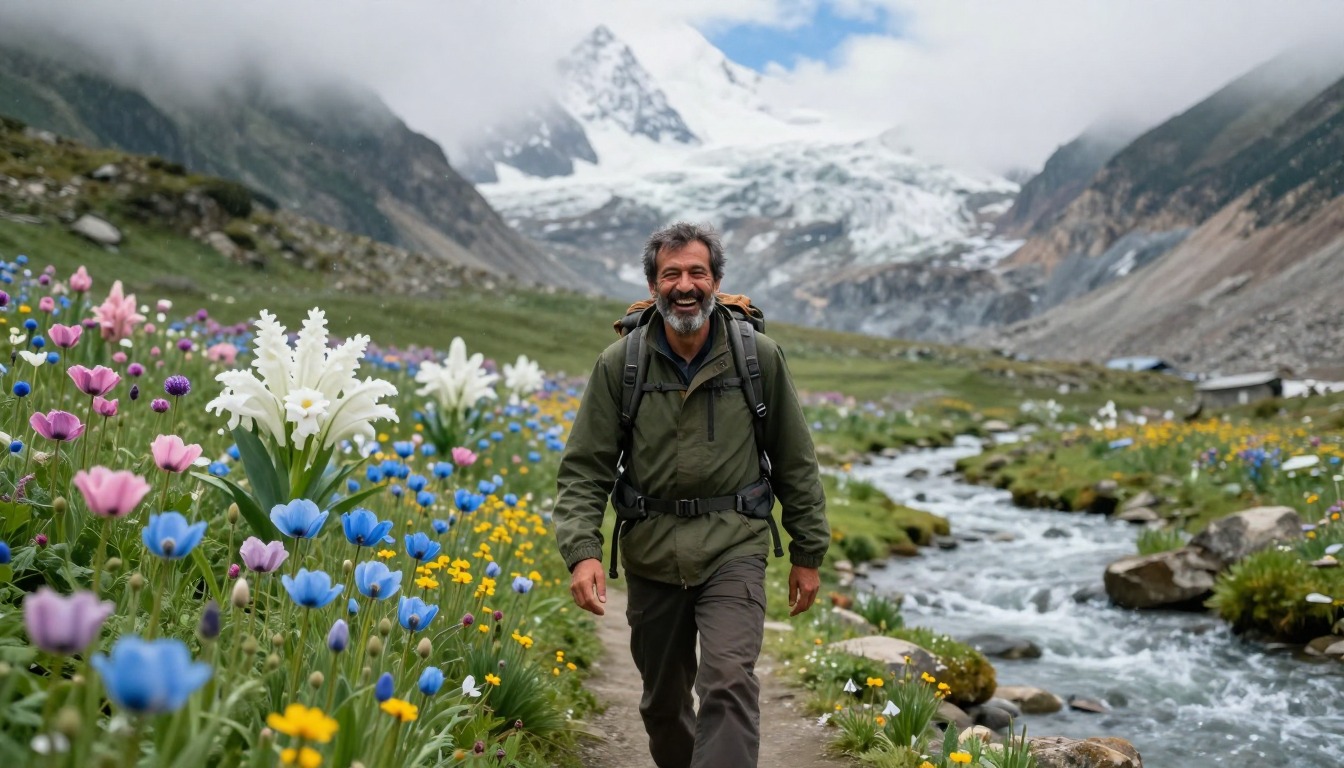
Most hikers reach this region via Dehradun or Rishikesh, then continue by road into the Garhwal hills to Govindghat, the roadhead for this valley. From Govindghat there's no vehicle option: the final stretch to Ghangaria, the trek base, is covered on foot, by pony, or by helicopter when weather allows. Ghangaria also marks where the trail splits toward both the Valley of Flowers and the separate hike up to Hemkund Sahib, so most trekkers treat it as their last stop before either route begins.
Where to stay
The realistic options, closest-to-the-trail first. Book through the official links — we don't list prices or availability because they change all the time.
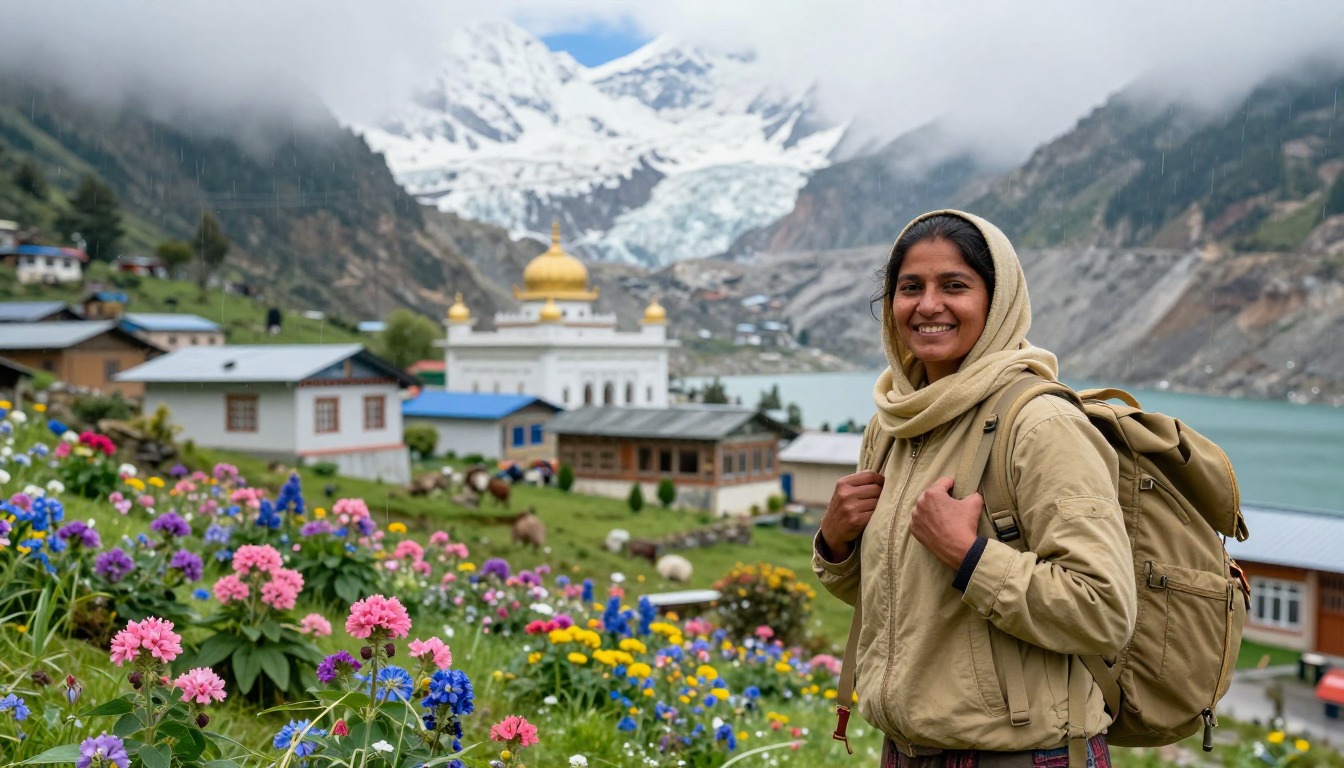
For example: Guesthouses and lodges in Ghangaria, the trek base (reached on foot, pony or helicopter from Govindghat)
Everyone — you cannot stay inside the park, so you day hike in from Ghangaria.
Basic mountain guesthouses; book ahead in the short bloom season.
Village lodgingFor example: Hotels and lodges lower down at Govindghat and Joshimath
Travelers staging the trek or waiting out weather.
The road head; the trek to Ghangaria starts from Govindghat.
Nearby-town lodging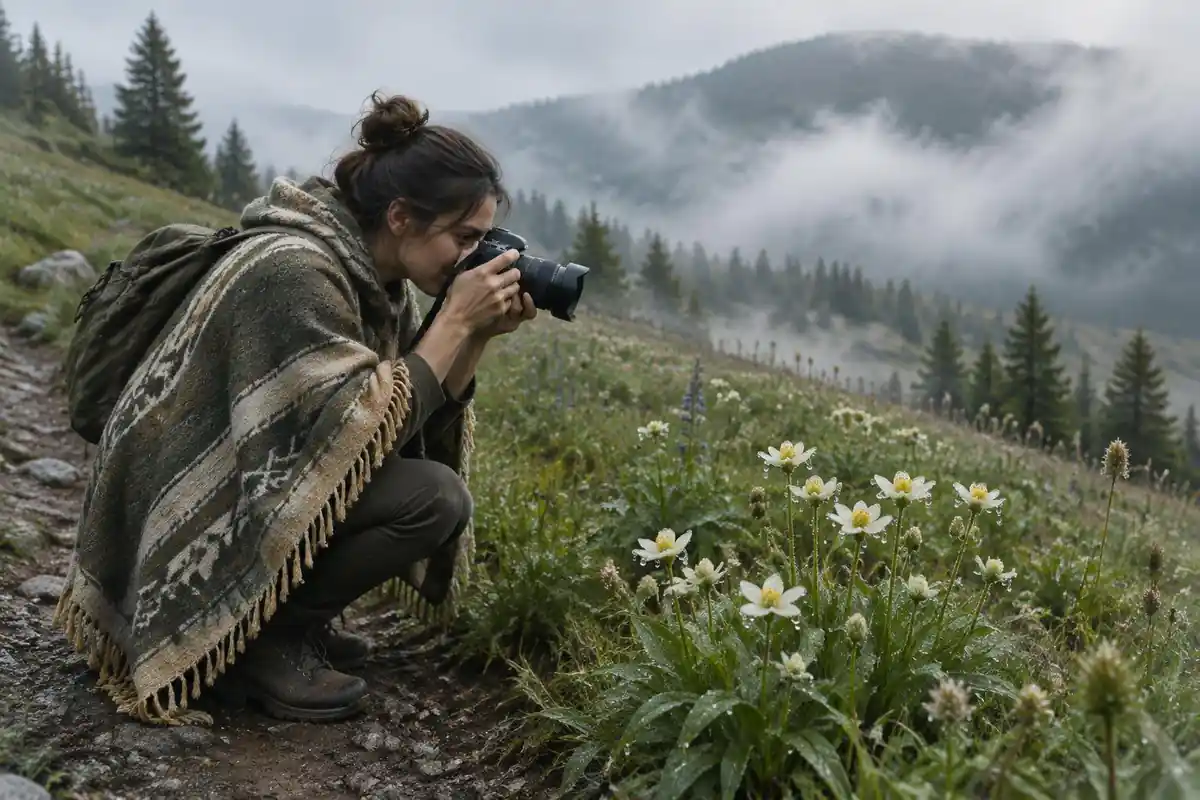
Permits & rules
Entry to the national park is regulated (permit and timing rules apply, so check current arrangements) and no overnight stay is allowed inside the valley — you day hike from Ghangaria and return. The bloom coincides with the monsoon, so expect rain, leeches and slippery trails.
Gear you'll want for this trip
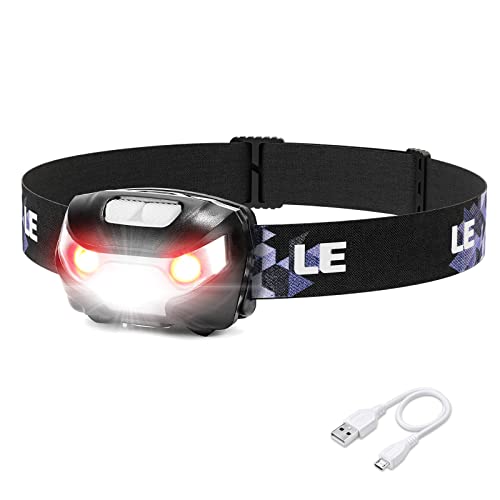
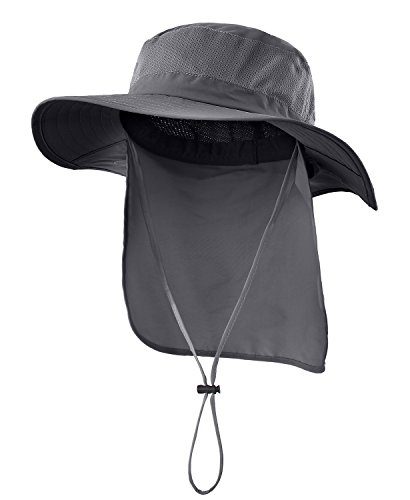
Matched to the terrain and conditions here. Real products — check current price on Amazon.

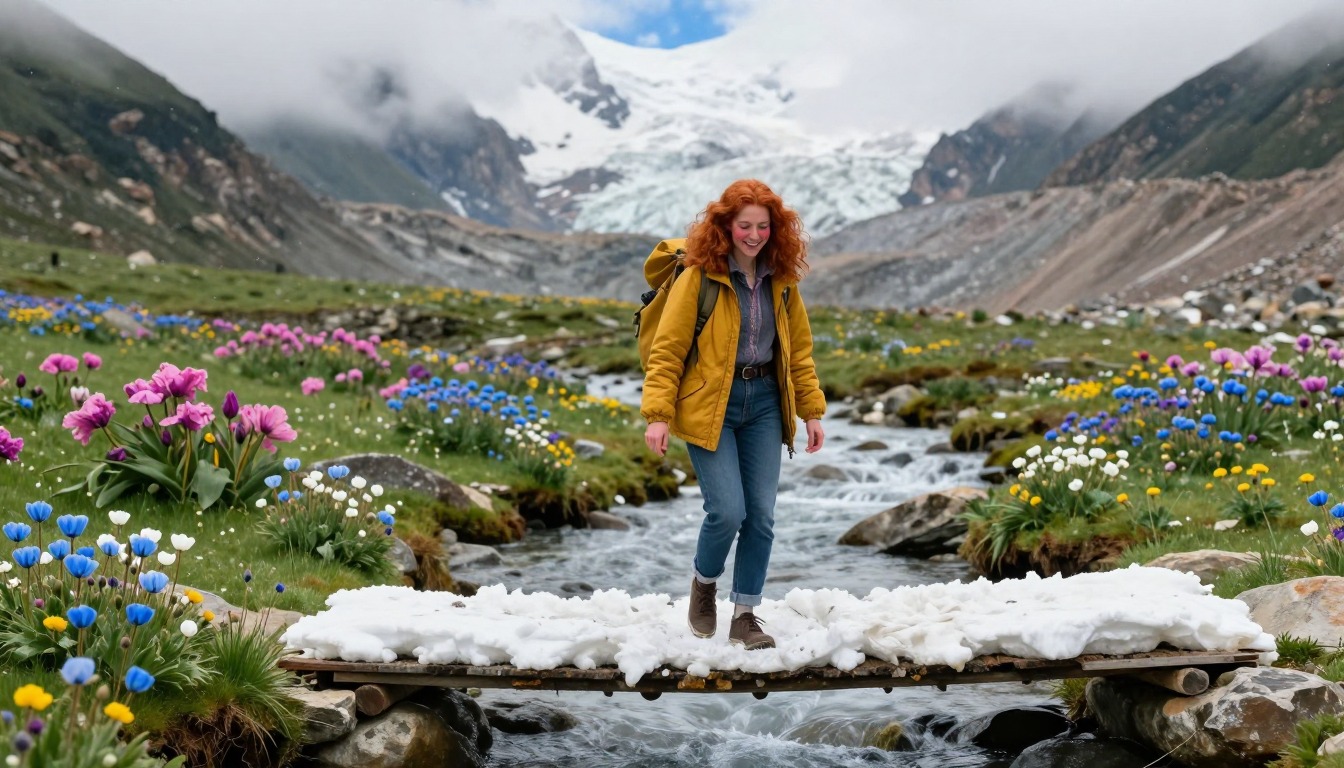
A base village changes the pack
The page says you cannot stay inside the park, reach Ghangaria on foot, by pony or by helicopter when weather allows, and day hike from there. Two things follow. The pack stays small, so what matters is a good shell, spare dry layers waiting in the village, water and food for a full day. And each day is a separate outing with a fresh start, so your lodging quality, meaning whether you can actually dry wet clothes, affects how you feel on day two more than any piece of gear.
The Weber State University outdoor program notes that cotton keeps you cold by trapping moisture next to your skin, and that polyester fleece dries quickly and stays warm when damp.4 Combine that with the CDC's point that hypothermia can develop above 40°F if a person is chilled by rain or sweat, and the case for synthetic or wool layers on a monsoon trail is clear.1 Deuter's advice is to use dry bags inside the pack, since even waterproof fabric can let moisture in through zippers and seams during sustained downpours.3
Afternoon weather and turnaround times
The National Weather Service says that in the mountains thunderstorms often build in the early afternoon, that a tent offers no protection from lightning, and that hikers should avoid open fields, hilltops and ridge tops and wait 30 minutes after the last thunder before returning to exposed areas.2 For a walk into an open valley where the route is exposed, that is a reason to start early and set a firm time to turn around.
The National Park Service advises setting a turnaround time and sticking to it, and planning for uphill sections to take at least double the downhill time.5 Many visitors add a separate day to Hemkund Sahib from the same village, as the page notes. Because both walks start from Ghangaria, it makes sense to treat them as two separate days with their own turnaround times, not to combine them into one long push.
Altitude, water and confirming the rules
Check the elevation of the village where you plan to sleep and compare it with the CDC's threshold: any unacclimatized person sleeping at 8,000 feet or higher is at risk of altitude illness, and physical fitness does not protect against it.6 If your base sits above that line, arriving fast from the plains and heading straight up is exactly the pattern the CDC's guidance warns about.
For drinking water, the CDC says water from a clear mountain stream can still contain germs and is generally not safe to drink untreated, that boiling is the best method, and that most portable filters remove parasites but not viruses.7 Permits, gate times, trail closures and monsoon washouts are the business of the Uttarakhand Forest Department, which the page names as the manager. Confirm bookings, rules and trail status with the Uttarakhand Forest Department and your lodging before you go, since monsoon conditions can change quickly.
Common questions
Do I need a permit to visit the Valley of Flowers?
The valley is inside a national park, so expect to need an entry permit from the Uttarakhand Forest Department; confirm the current permit process and gate times with the department before you go. It's day-use only: you can't camp or stay overnight inside the park itself, so plan to hike back out to Ghangaria the same day.
Where do you actually sleep if you can't stay in the park?
You base yourself in Ghangaria, the small village just outside the park that has basic guesthouses and lodges catering to trekkers and Hemkund Sahib pilgrims. It's reached on foot, by pony, or by helicopter from Govindghat. Some travelers also spend a night in Govindghat or Joshimath on the way in or out, where there are more hotel options lower down the valley.
When is the best time to go?
The valley is at its best from July through September, when the monsoon brings the wildflower bloom into full swing — though that also means regular rain, slippery trails, and leeches on the lower stretches. Pack for wet conditions, wear gaiters if you have them, and check the weather and trail status before you commit to the day hike up to Hemkund Sahib.
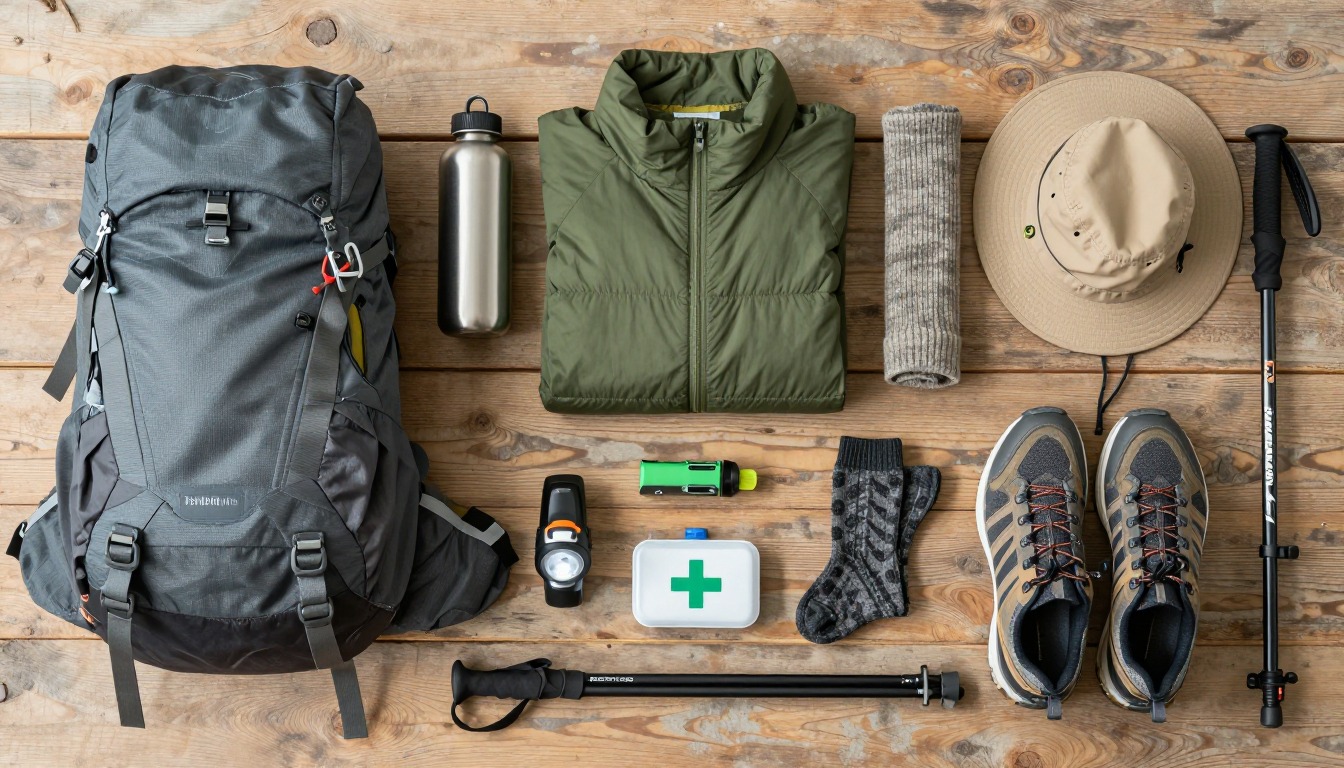
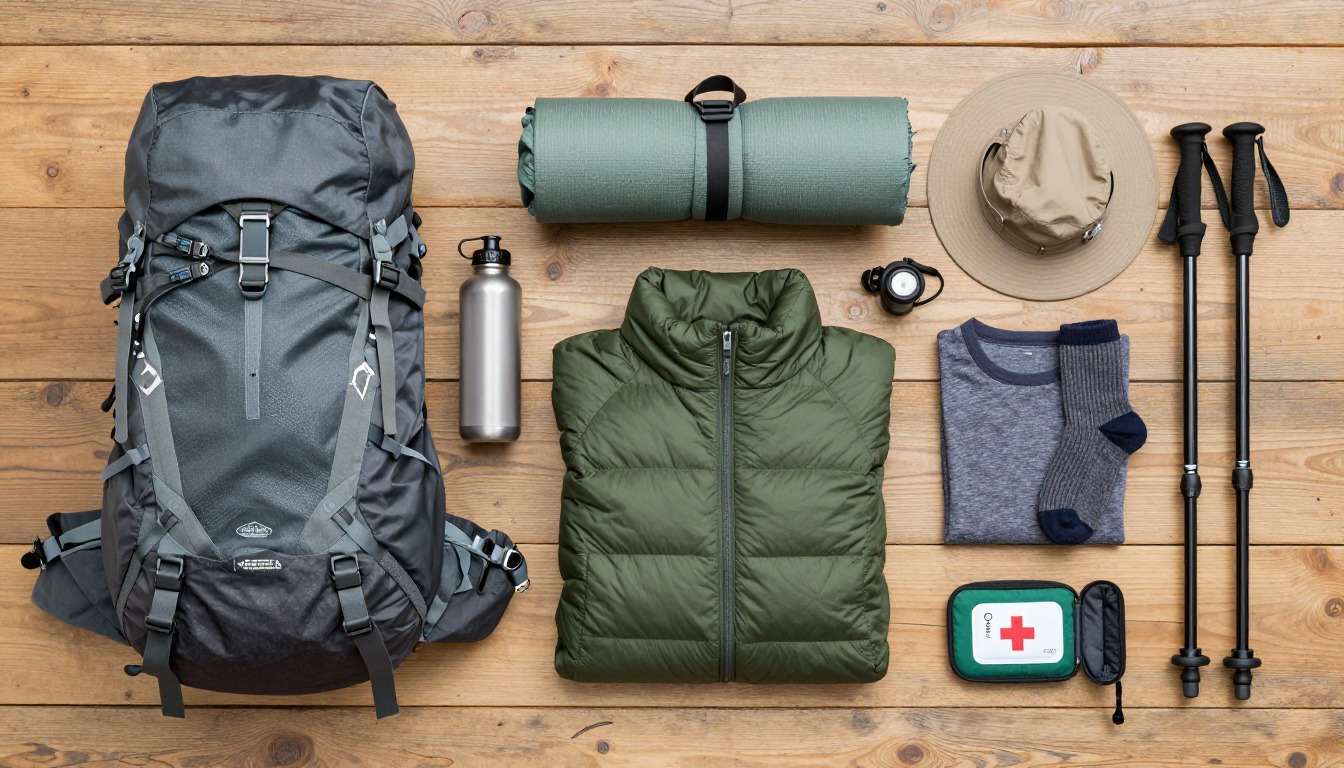
Complete gearsets for this trip
Full curated kits built for exactly this kind of hike — what to bring, why, and links to similar gear.
Lodging details are compiled from official parks, refuge associations and reservation systems and can change without notice. We publish no prices, availability or ratings — always confirm current information on the official site before booking or setting out. Product links and the accommodation map are affiliate links: we may earn a commission at no extra cost to you; product prices and availability are shown on Amazon, and accommodation prices on the booking site. See our affiliate disclosure.