
Affiliate disclosure: this page contains affiliate links. Purchases made through them may earn us a commission at no extra cost to you. See our affiliate disclosure.
In plain English
The Presidential Traverse is a long ridge walk above the trees. Because there is almost no shelter up there, the way most people sleep is in a hut: a simple mountain building with bunks and meals. You carry your own bedding and clothes, but the hut gives you a roof and dinner.
The alternative is a tent, and the forest has firm rules about where you can put one. You cannot camp near huts, in the treeless alpine zone, or within certain distances of trails and water. That leaves fewer tent spots than you might think.
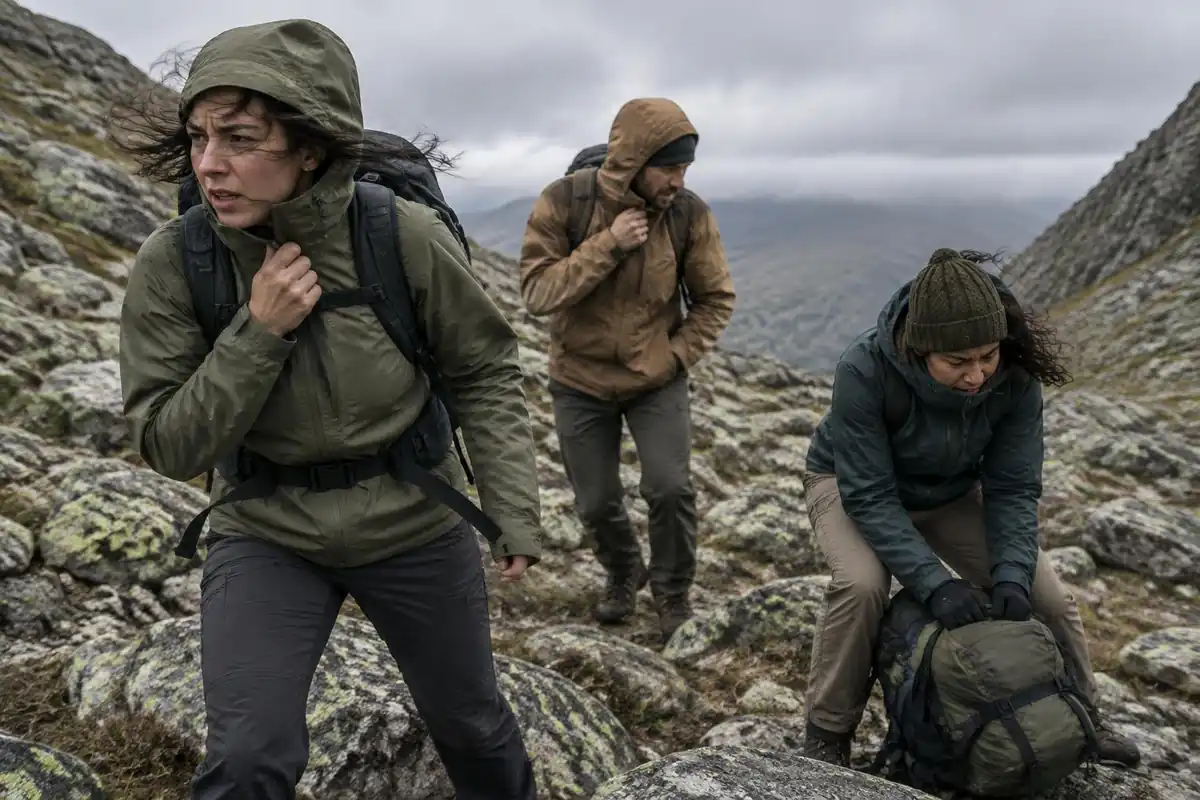
Weather is the reason it matters. Cold and wet weather can chill you even when it is not freezing. So the sleeping plan is also a safety plan: you want to know where you will be warm and dry at the end of each day.
The Presidential Traverse is a strenuous, mostly above-treeline ridge walk across New Hampshire's White Mountains, crossing Mount Washington and the other Presidential peaks on land managed by the White Mountain National Forest. Because so much of the route sits above treeline with no cover for shelter, sleeping options come down to two choices: a bunk in one of the Appalachian Mountain Club's high huts along the ridge, or a base in a gateway town at one end of the shuttle.
Why hike here
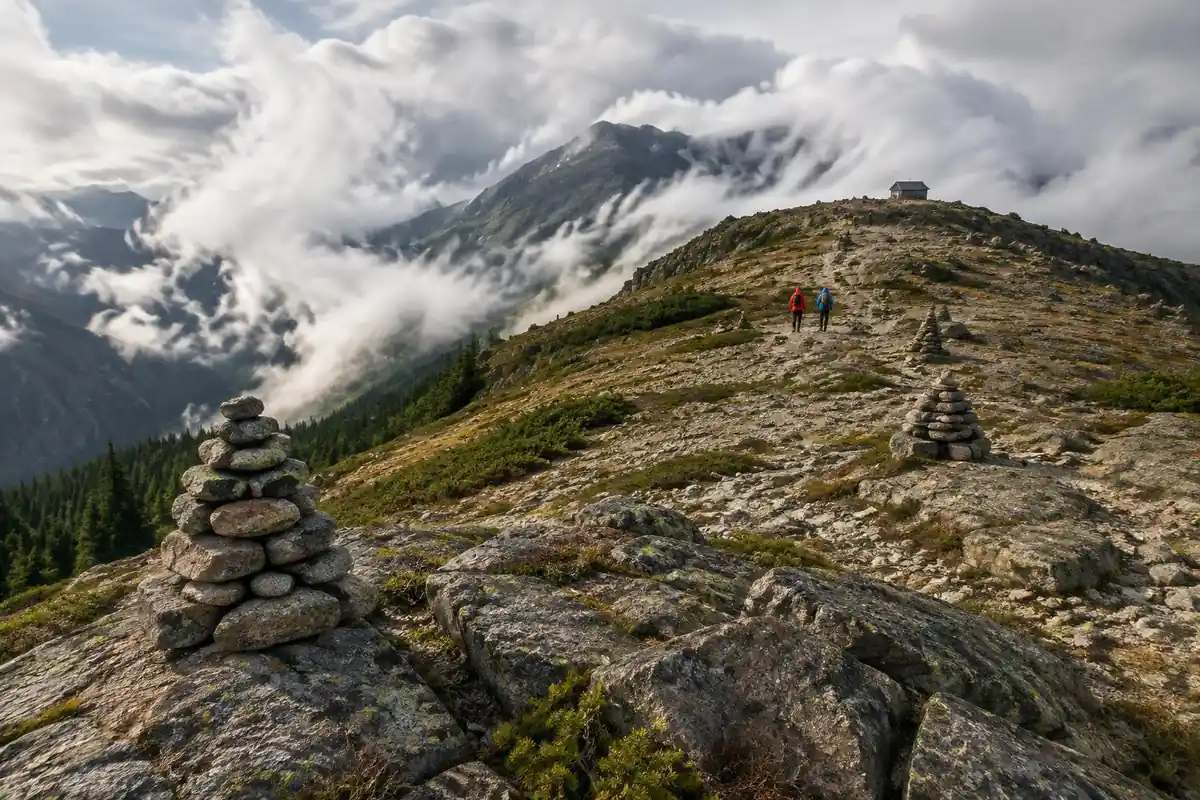
What sets this traverse apart is how much of it happens above treeline — mile after mile of open rock and alpine tundra strung between summits, with sightlines running out across the whole range instead of through trees. Mount Washington anchors the route and holds some of the worst recorded weather on Earth, so conditions on the ridge can shift from sunshine to whiteout and dangerous wind faster than most hikers expect. The AMC's high huts have been sheltering people up here for generations, and that's part of the appeal: a bunk, a hot meal, and a roof after a day spent fully exposed to whatever the ridge decides to do. It's a serious traverse, not a scenic stroll, and that seriousness is exactly why hikers keep coming back to it.
Getting there
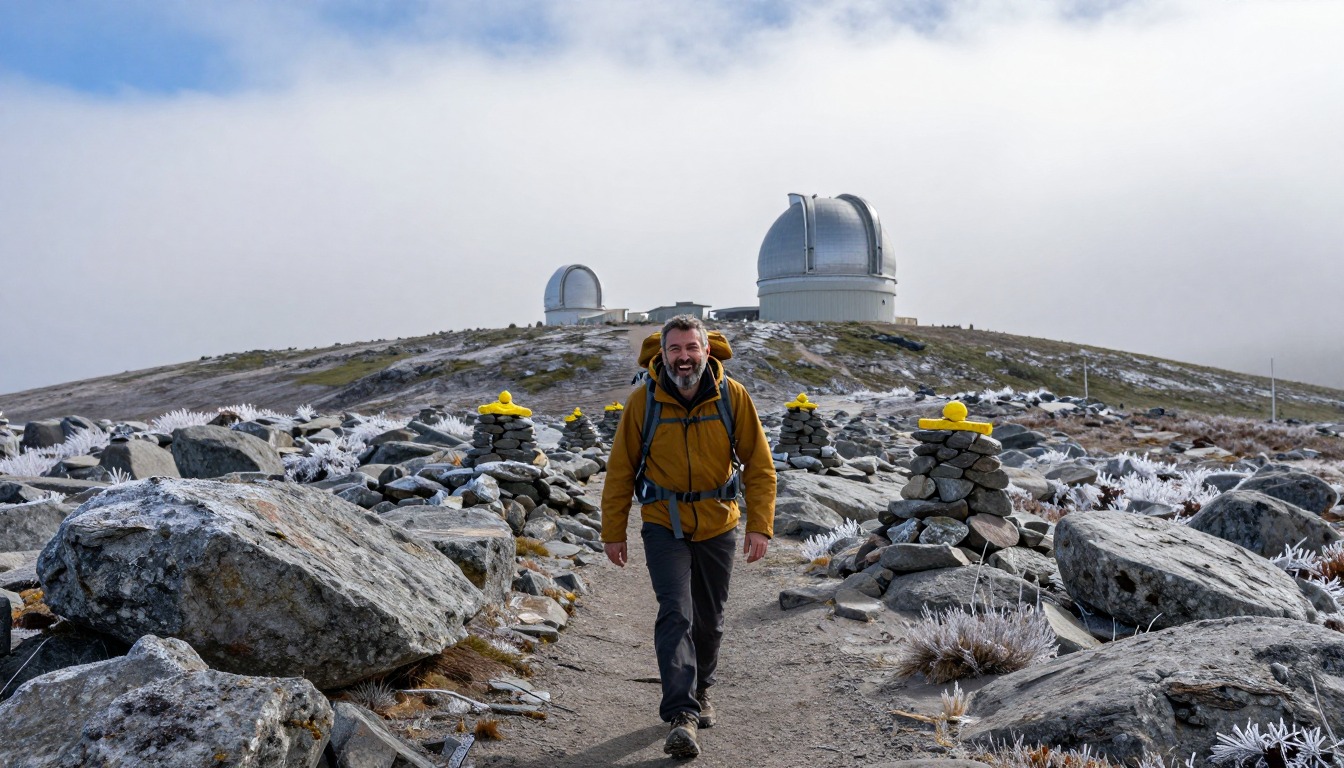
Most hikers reach the Presidential Traverse by driving up from Boston or Portland, Maine, into the White Mountains, using Gorham or North Conway as a base before and after the hike. Because the route runs point-to-point along the ridge rather than looping back to one trailhead, you'll need a car shuttle between the two ends — either a second vehicle or a local shuttle service — arranged before you start. Both gateway towns have motels and inns for the night before you set out and a hot shower once you're off the mountain.
Where to stay
The realistic options, closest-to-the-trail first. Book through the official links — we don't list prices or availability because they change all the time.
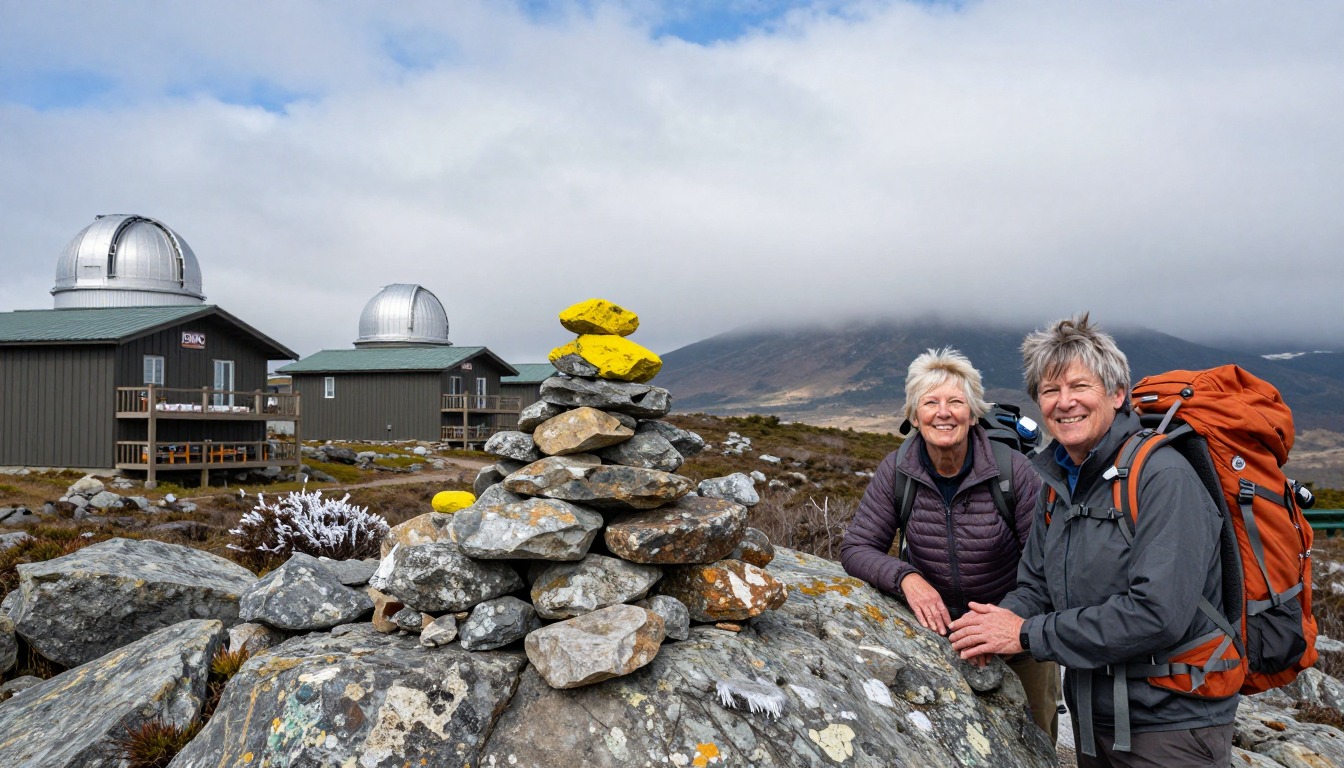
For example: Madison Spring, Lakes of the Clouds and Mizpah huts along or near the ridge
Traverse hikers who want a bunk and hot meals up high.
AMC huts are booked ahead and popular in summer.
Appalachian Mountain ClubFor example: Motels, inns and rentals in the White Mountains gateway towns
Hikers staging a car shuttle before and after the traverse.
Base here to arrange the point-to-point shuttle.
Nearby-town lodging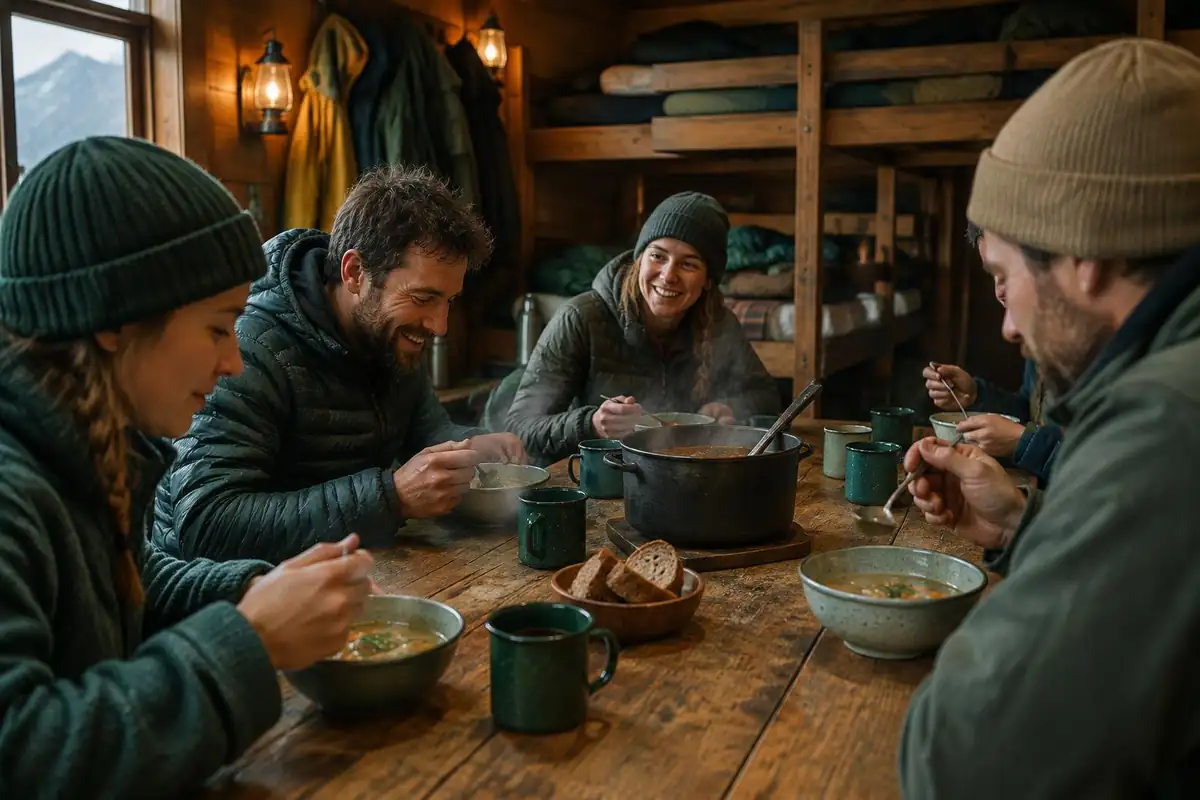
Permits & rules
No permit is required, but AMC hut stays must be booked in advance. Mount Washington is known for severe, fast-changing weather — carry full layers and be ready to turn back.
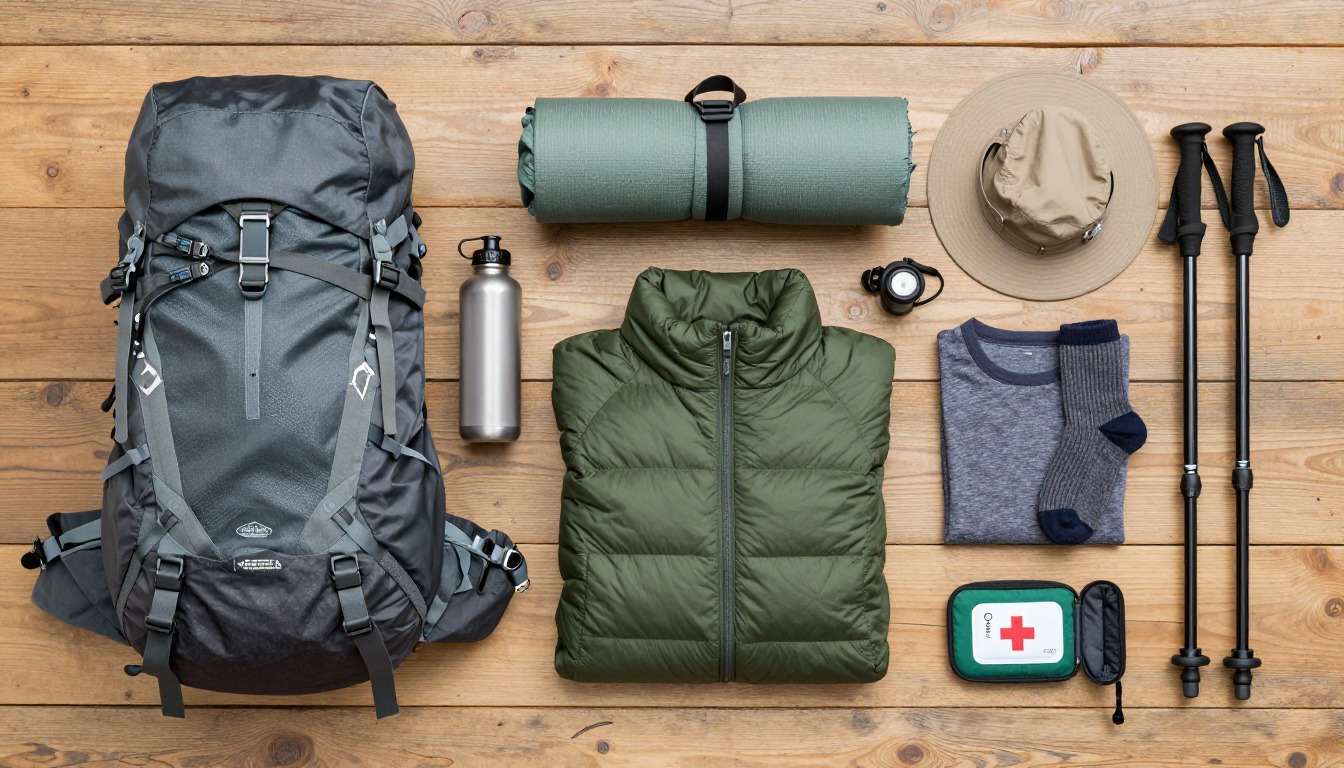
Gear you'll want for this trip
Matched to the terrain and conditions here. Real products — check current price on Amazon.


Where the forest allows tents and where it does not
The White Mountain National Forest lists backcountry rules that shape any plan to skip the huts. Camping and fires are prohibited within 200 feet of certain trails and water bodies, within a quarter mile of backcountry facilities such as shelters, huts and trailheads, in the alpine zone where trees are 8 feet or less except on two feet of snow, and within a quarter mile of certain roads.2 On a route that spends most of its length above treeline, that removes a lot of ground. The forest also designates Forest Protection Areas, potentially overused or fragile places where restrictions can limit camping, fires and party size.2
The forest itself is managed by the Forest Service, and it says its developed campgrounds are operated by Outdoor Recreation Hospitality under a special use permit. The Appalachian Mountain Club runs the high huts within it.2,1 For campground bookings, reservations go through Recreation.gov, the forest does not take bookings by phone, and a minimum four-day advance reservation applies. Less than four days out, availability is first come, first served where available.2 A couple of campgrounds are open year-round, plowed for access but without summer services.2
Huts, pack size and food
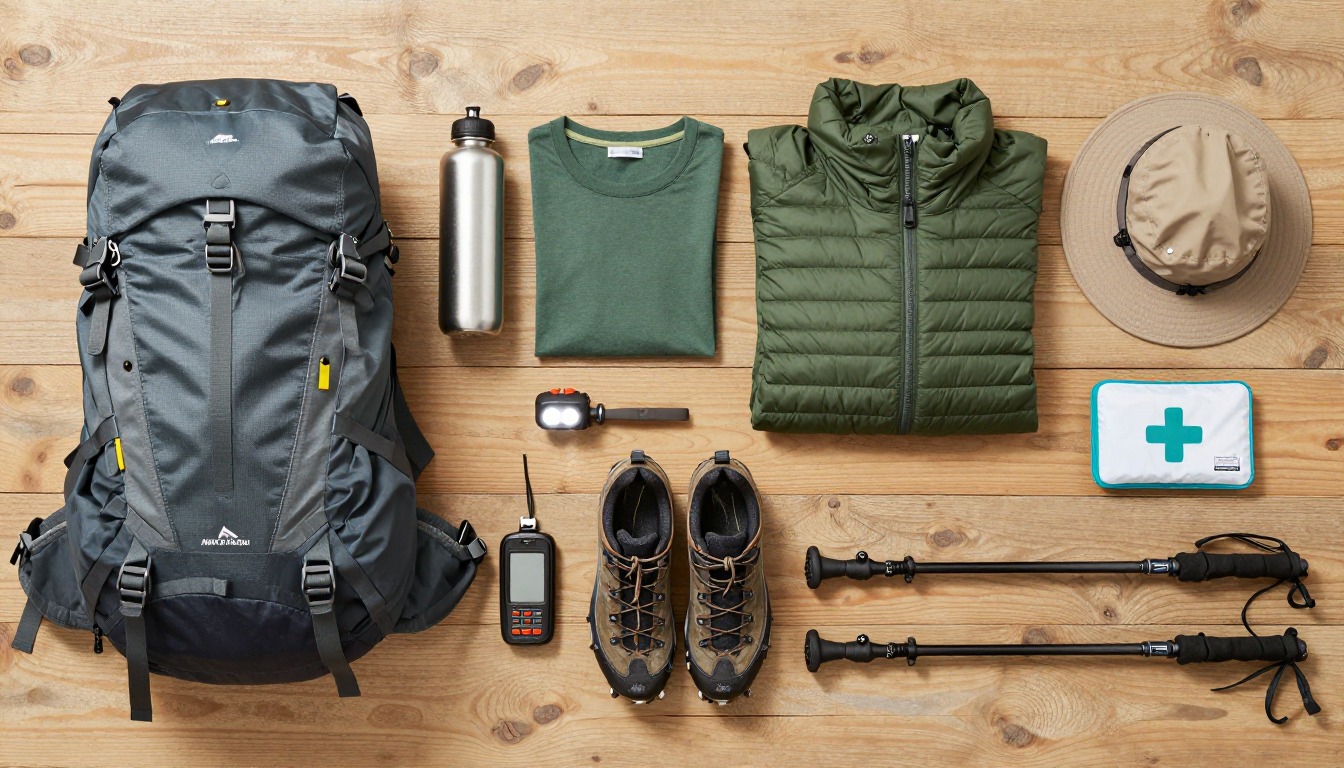
AMC says its eight huts are reachable only on foot and linked by the Appalachian Trail, and that dinner and breakfast are included in a full-service stay.1 That has a direct effect on the pack. With meals covered, you carry less food, and if you are not tenting you can leave the tent at home. Check the current hut terms for what bedding and gear they provide before deciding what to leave behind. The Washington Trails Association suggests 45 to 50 liters for one or two nights and 50 to 70 liters for three to seven, so a hut-to-hut plan often lets you choose the smaller size.4
Pack the way the Appalachian Mountain Club recommends: dense items such as food and cooking gear about two-thirds up, centered and against the back, sleeping gear and warm clothing at the bottom, and compression straps cinched once everything is in.5 The forest also asks backcountry campers to bring a bear-proof canister, and to keep coolers and food in a closed vehicle at campgrounds.2
The ridge, the weather and the claim about it
This page says Mount Washington has some of the world's worst recorded weather. That may well be true, but it is a claim this depth section cannot source, so treat it as local reputation rather than a measured ranking. What can be sourced is the underlying hazard. CDC says hypothermia can develop above 40°F when someone is chilled by rain, sweat or cold water, and that warning signs include shivering, fumbling hands, confusion and slurred speech.3
Lightning adds a second risk on a ridge. The National Weather Service says mountain thunderstorms often build in the early afternoon, that hikers should be off the mountain by noon, that ridge tops are dangerous, and that a tent offers no protection.6 NPS advises leaving a trip plan with someone who is not on the trip and setting a turnaround time.7 A hut bunk does not change any of that, but it gives you a fixed destination for each day, which is a practical way to decide when to turn back.
Common questions
Do I need to book the AMC huts in advance?
Yes. The Appalachian Mountain Club's high huts along the traverse — Madison Spring, Lakes of the Clouds, and Mizpah — take reservations ahead of the season, and bunks fill up during the July-to-September window when most people hike. Building your itinerary around confirmed hut nights is far more reliable than hoping for space on arrival.
When's the best time to hike the Presidential Traverse?
July through September is the traditional window, when the AMC huts are staffed and trail conditions are most manageable. Even then, this is alpine terrain above treeline, and Mount Washington is known for some of the worst recorded weather on Earth — conditions can turn cold, wet, and windy with little warning at any point in the season.
What should I do if the weather turns while I'm on the ridge?
Above treeline there's little shelter beyond the AMC huts themselves, so checking the forecast before you start and watching conditions as you go matters more here than on most hikes. If wind, cold, or visibility worsen, the safer move is usually to turn back or drop off the ridge toward treeline rather than push on toward the next hut.
Complete gearsets for this trip
Full curated kits built for exactly this kind of hike — what to bring, why, and links to similar gear.
Lodging details are compiled from official parks, refuge associations and reservation systems and can change without notice. We publish no prices, availability or ratings — always confirm current information on the official site before booking or setting out. Product links and the accommodation map are affiliate links: we may earn a commission at no extra cost to you; product prices and availability are shown on Amazon, and accommodation prices on the booking site. See our affiliate disclosure.