
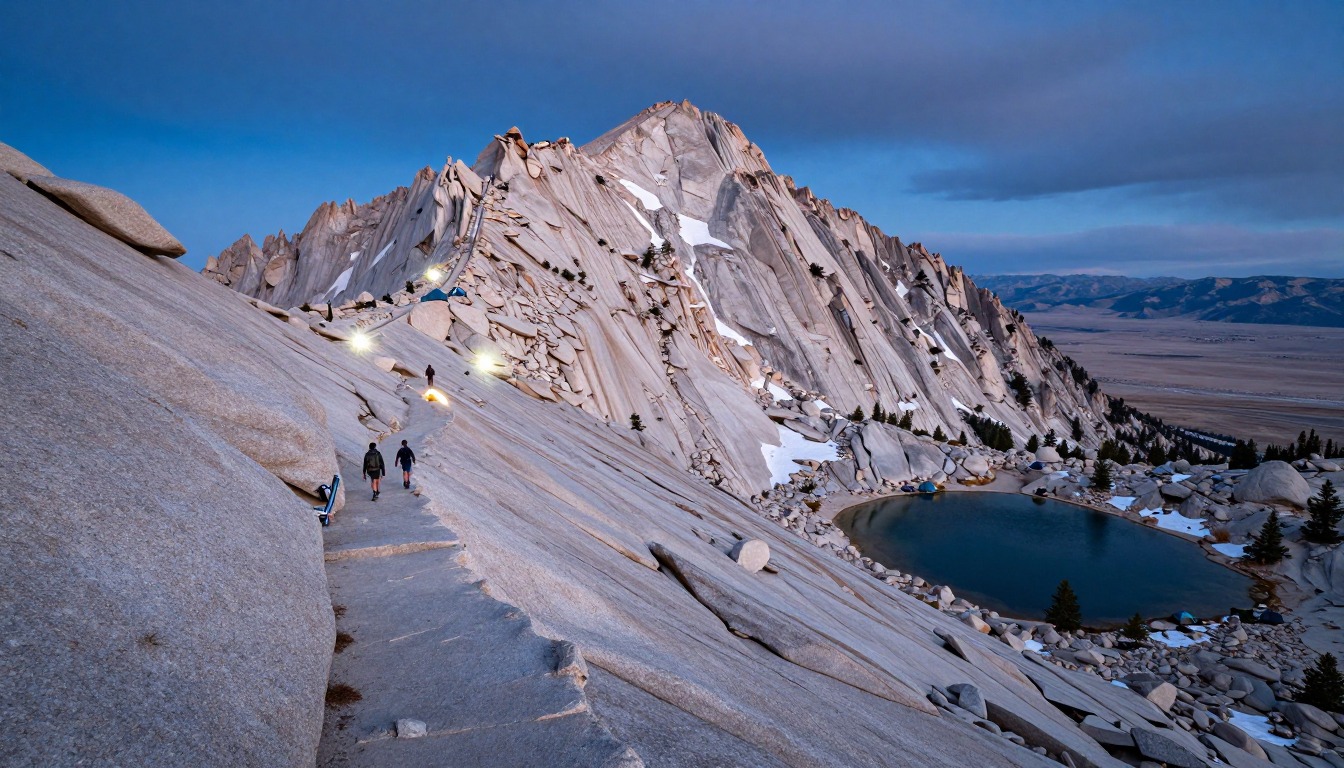
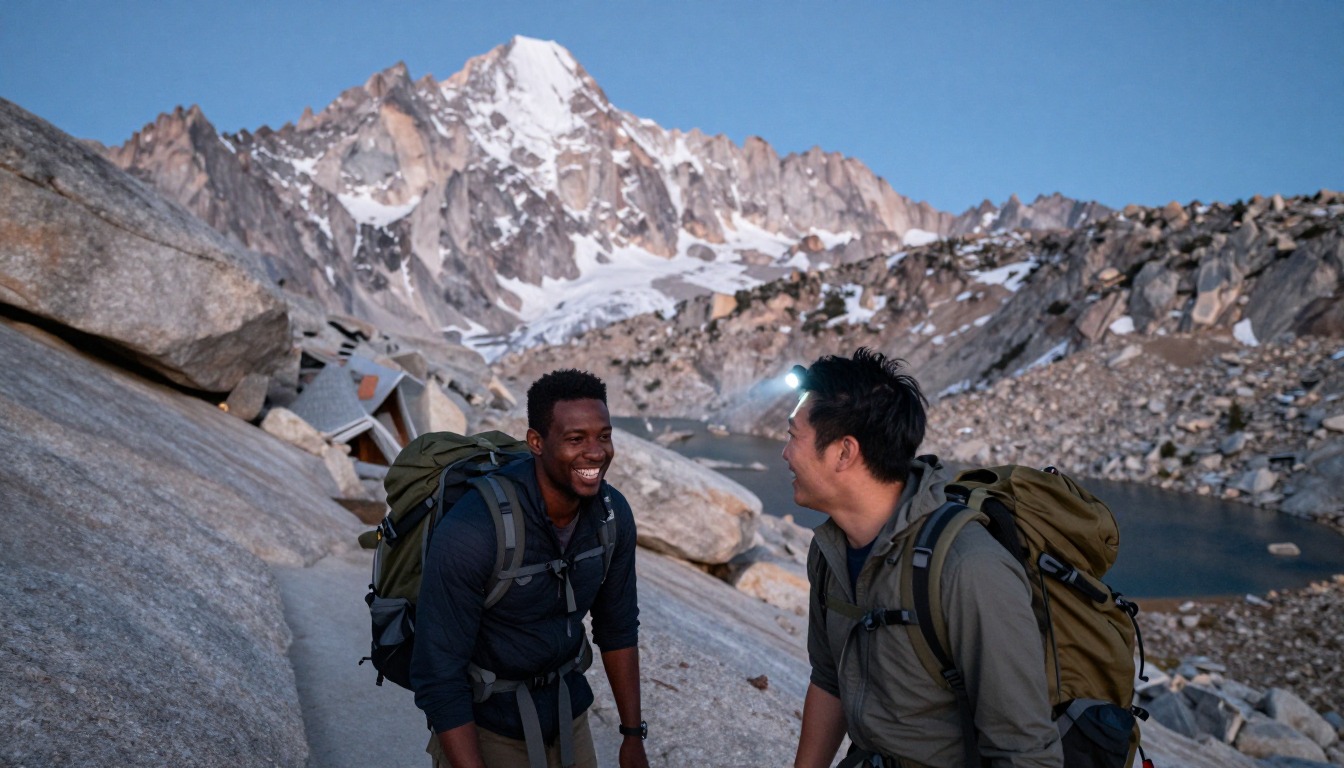
Illustrative artwork — an impression of Mount Whitney Trail, not a literal photograph.
The Mount Whitney Trail climbs from Whitney Portal to the 14,505-foot summit of Mount Whitney, the highest point in the Lower 48 — a 22-mile round trip with more than 6,000 feet of elevation gain, most often done as a very long single day. Because the trailhead itself sits around 8,300 feet, sleeping arrangements start well before summit day: hikers typically spend at least one night near Whitney Portal or down in the gateway town of Lone Pine to acclimatize before they ever start climbing.
Why hike here
Whitney's appeal is the scale of it: a single trail that takes you from forest at Whitney Portal to the roof of the contiguous United States in one continuous push. You start in the dark, climb switchback after switchback as the sky lightens over the Sierra crest, and spend hours walking through bare granite and thin air with long views opening across ridgelines in every direction. There's no shortcut and no lodge waiting partway up — just steady elevation gain, mile after mile, until the trail flattens out onto the summit itself. For hikers who want to stand on the highest point in the Lower 48 without technical climbing, this is the one trail that gets you there on foot, and the effort of the 6,000-foot climb is part of what makes reaching the top feel earned.
Getting there
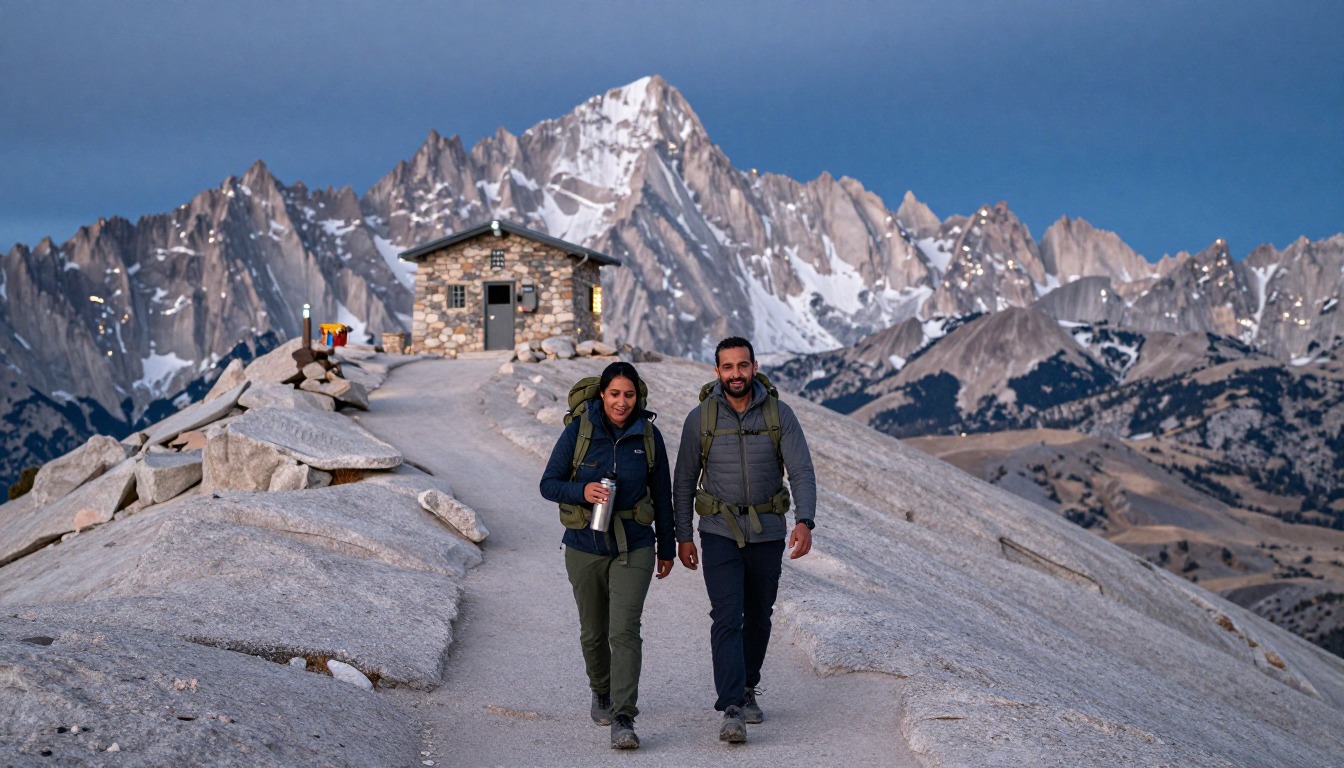
Most hikers fly into an airport in the Los Angeles area or Reno, Nevada, then drive out to the Eastern Sierra on US-395, the two-lane highway that runs the length of the range. The route ends at Lone Pine, the trail's gateway town, where hikers pick up permits, last-minute supplies, and fuel before making the final climb up Whitney Portal Road to the trailhead itself. That last stretch gains a significant amount of elevation in a short distance, so it's worth arriving with daylight to spare.
Where to stay
The realistic options, closest-to-the-trail first. Book through the official links — we don't list prices or availability because they change all the time.
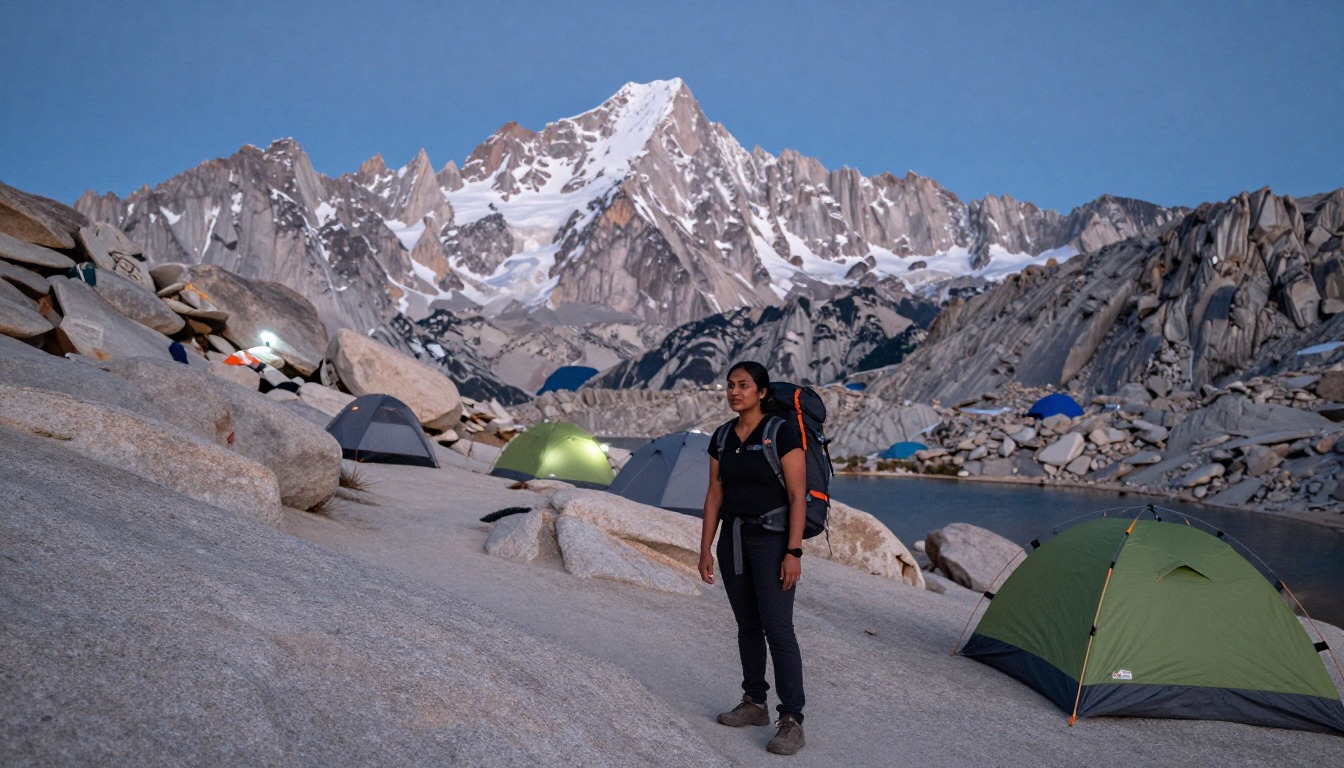 Illustrative — evokes the setting, not a specific property.
 For example: Forest Service sites at the trailhead (~8,300 ft), plus a small hiker walk-in area
Hikers who want to start at the trail and gain a night at altitude.
Portal sites are limited and popular in peak season.
Recreation.govFor example: Motels, inns and RV parks along US-395 in Lone Pine (~3,700 ft)
Anyone wanting a bed, a big breakfast and a supply stop before the climb.
A comfortable base; drive up to the portal on summit morning.
Search lodging in Lone Pine, CAFor example: Trail Camp (~12,000 ft) is the classic high camp for a two-day summit
Backpackers splitting the ascent to help with altitude.
Overnight permits let you camp; a bear canister is required.
Mt. Whitney permit (Recreation.gov lottery)Permits & rules
The Mt. Whitney Zone uses a quota lottery (apply in February, results in March) for day and overnight hikers. Overnight trips require a bear canister; there is no lodge on the mountain.
Gear you'll want for this trip
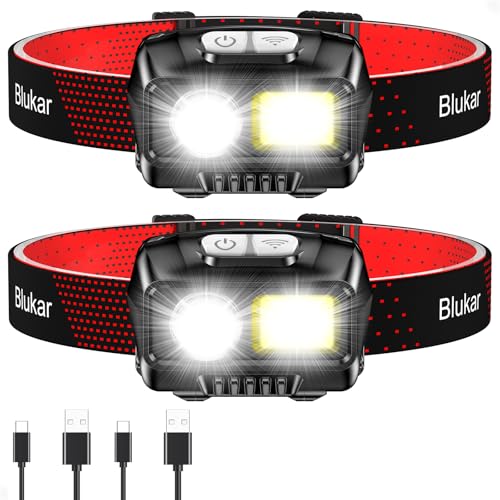
Matched to the terrain and conditions here. Real products — check current price on Amazon.


Common questions
Do I need a permit to hike the Mount Whitney Trail?
Yes. The Mt. Whitney Zone runs on a quota system for both day and overnight hikers, allocated through a lottery — you apply in February and find out in March. Because trailhead access is quota-controlled during the main season, it's worth planning lodging in Lone Pine or at Whitney Portal only after you have a permit in hand, not before.
Where should I sleep the night before a Whitney summit attempt?
There's no lodge on the mountain, so the choice comes down to elevation. Camping at Whitney Portal, right at the trailhead around 8,300 feet, saves driving time on summit morning; staying lower in Lone Pine trades a longer pre-dawn drive for an easier night's sleep. Either way, spending at least one night at elevation before you start helps with acclimatizing to the altitude.
What if I'm backpacking Whitney over two days instead of doing it in one push?
Overnight hikers typically break the climb with a night at Outpost Camp or Trail Camp, the two backcountry camping areas along the route, with Trail Camp sitting around 12,000 feet. An overnight permit requires carrying an approved bear canister for food storage, and camping that high means colder nights and a shorter final push to the summit the next morning.
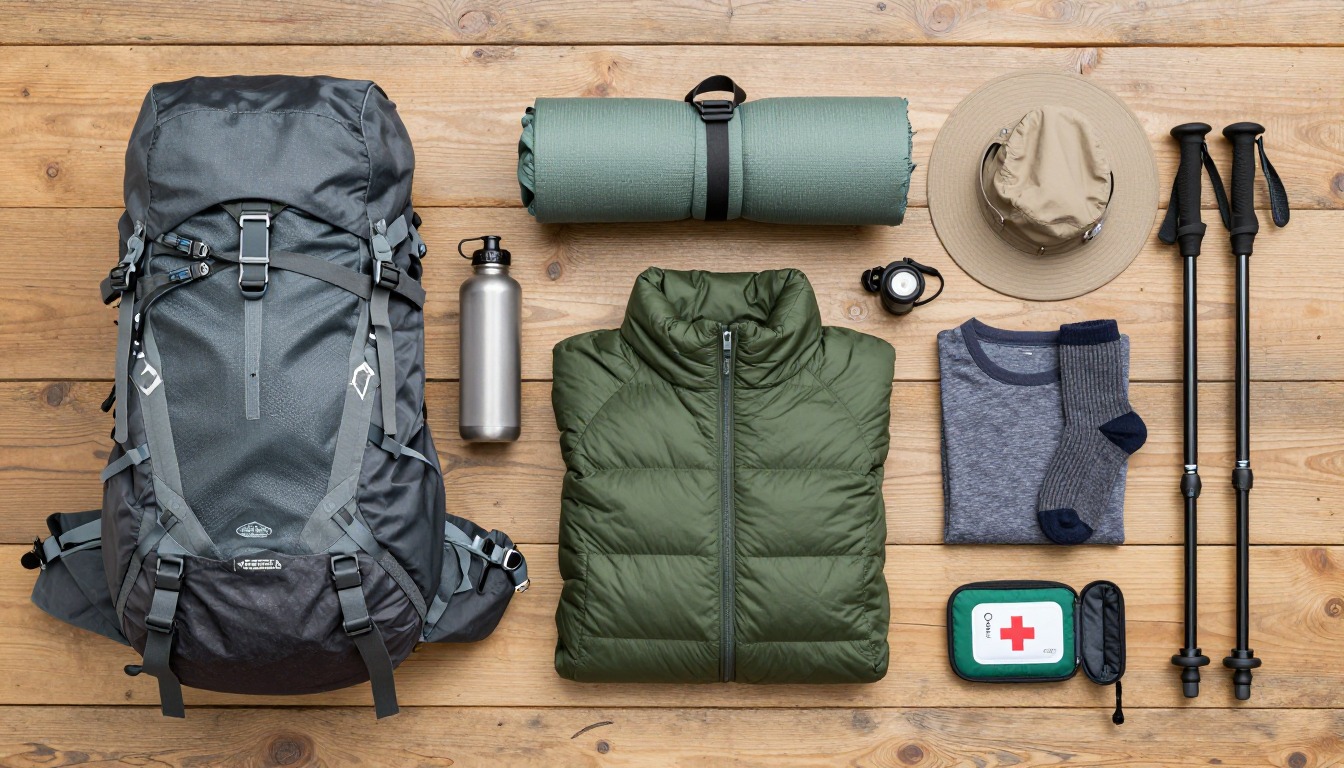
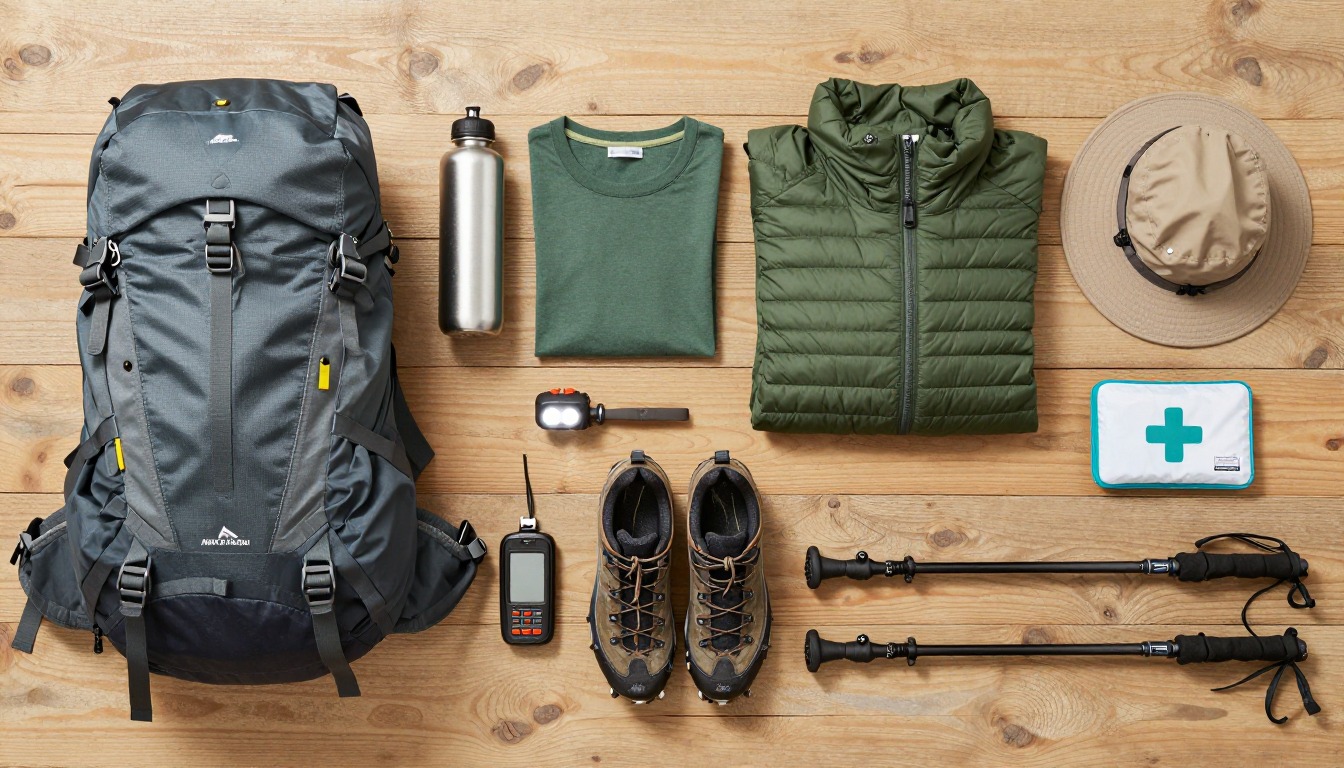
Complete gearsets for this trip
Full curated kits built for exactly this kind of hike — what to bring, why, and links to similar gear.
Lodging details are compiled from official parks, refuge associations and reservation systems and can change without notice. We publish no prices, availability or ratings — always confirm current information on the official site before booking or setting out. Product links are affiliate links: we may earn a commission at no extra cost to you; prices and availability are shown on Amazon. See our affiliate disclosure.