
Affiliate disclosure: this page contains affiliate links. Purchases made through them may earn us a commission at no extra cost to you. See our affiliate disclosure.
In plain English
Toubkal is climbed in two days. On the first day you walk from the village of Imlil up to a mountain refuge, which is a basic lodge built for climbers, and sleep there. On the second day you get up before dawn, walk to the summit and come back down. Mules carry the heavy bags up from the village, as the page explains, so your bed is decided before you start walking.
A refuge is closer to a hostel than a hotel. Rooms are usually shared, and what comes with the bed depends on the place. Not every hut system works the same way. In the United States, for example, the Appalachian Mountain Club's full-service huts include dinner and breakfast in the price of a stay.2 Ask your guide or agency what a night at the refuge includes so you know whether to carry food and a sleeping bag.
The trickiest part is the altitude. Going from a village to over 4,000 meters in two days is fast. The CDC says fitness does not protect you from altitude illness, and that headache is the main early sign.1 The safest habit is to tell your guide as soon as you feel off, and to accept a slower pace or a turnaround if needed.
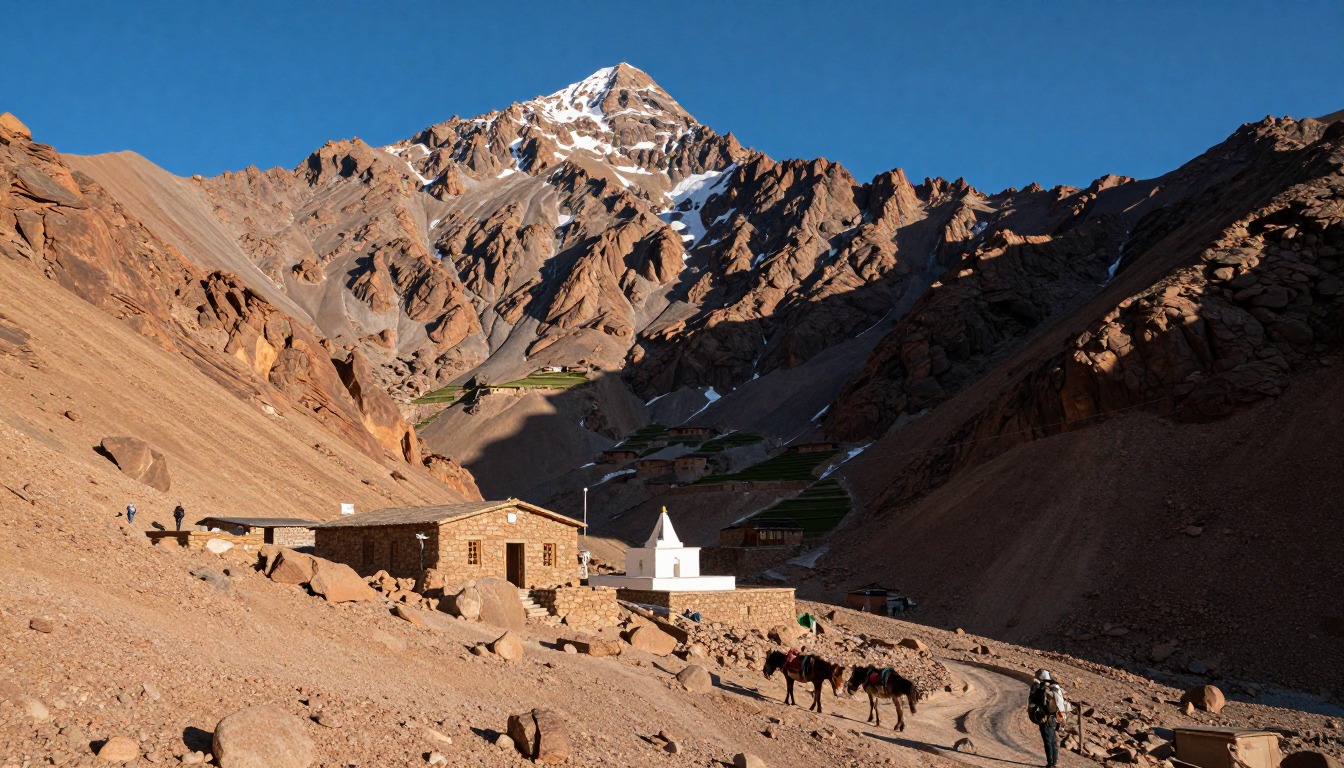
At 4,167 meters, Mount Toubkal in Morocco's High Atlas is North Africa's highest peak, and most people climb it as a two-day trek from the village of Imlil. The plan is simple but fixed: hike up to a mountain refuge below the summit, sleep there, then push for the top before dawn. Where you stay is basically built into the itinerary rather than something you have to figure out.
Why hike here
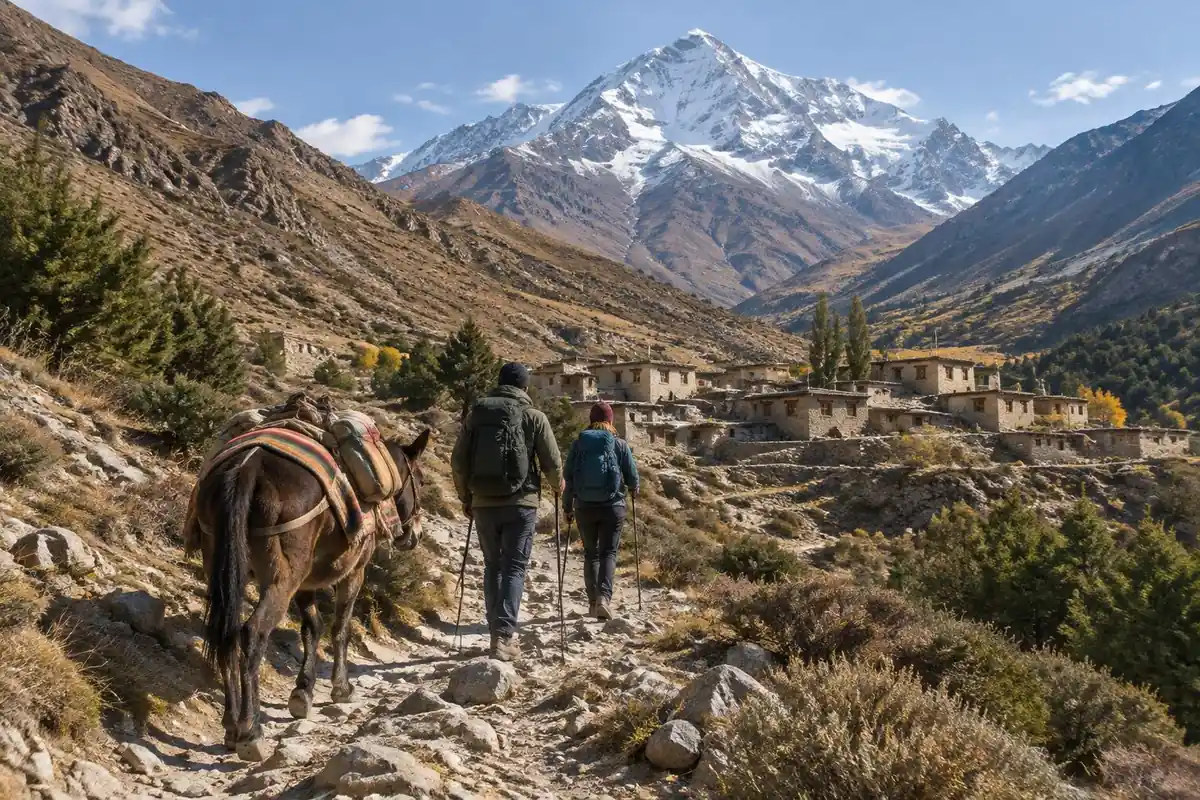
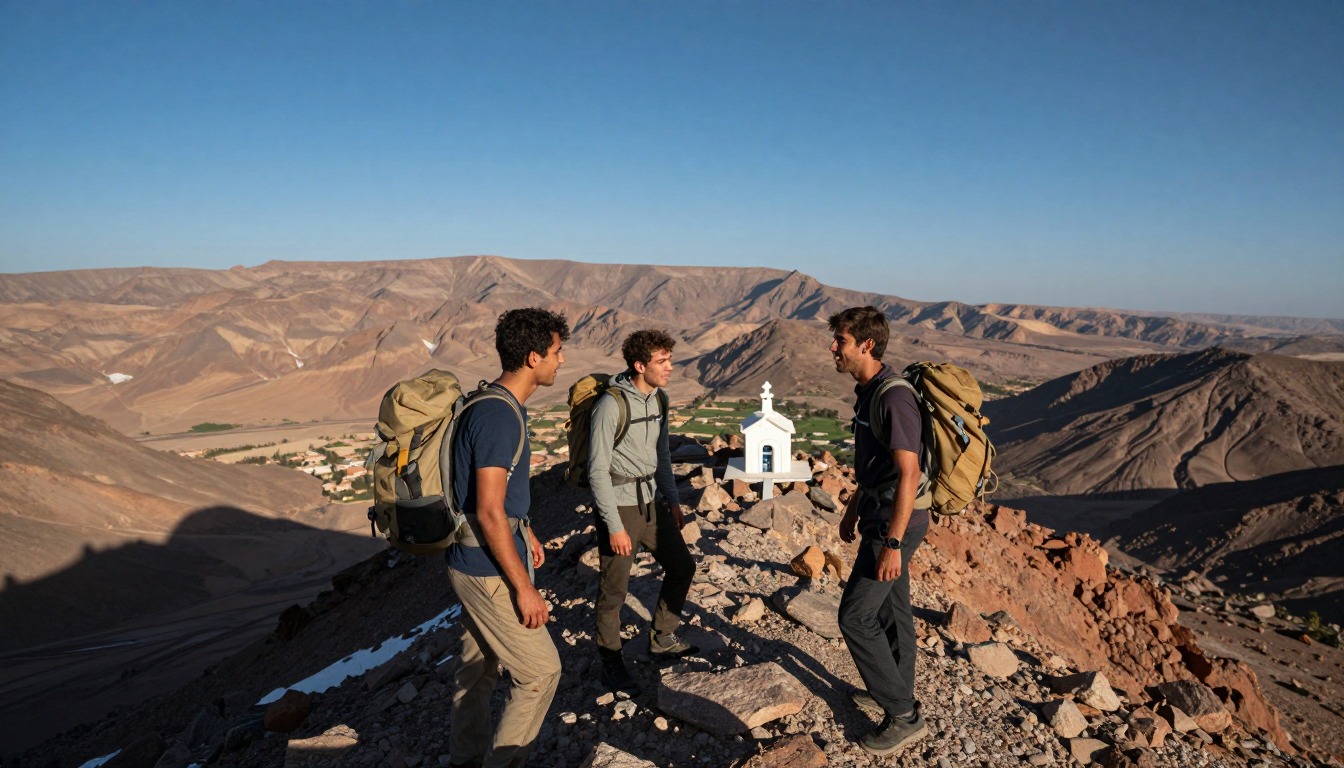
Toubkal gives you the rare experience of standing on the roof of North Africa without technical climbing skill in summer — just fitness, a guide, and a willingness to start walking in the dark. The approach from Imlil climbs steadily through Berber villages and terraced fields before the terrain turns to bare rock and scree above the refuge. Mules carry the heavy gear up from Imlil, which is as much a staging ground for the mountain as it is a village — guides and muleteers work out of it, and it's where the trek really starts to feel real. Then there's the contrast: two days earlier you were in the heat and noise of Marrakech, and now you're watching the sun come up over the Atlas from above 4,000 meters, breathing hard in the thin, cold air.
Getting there
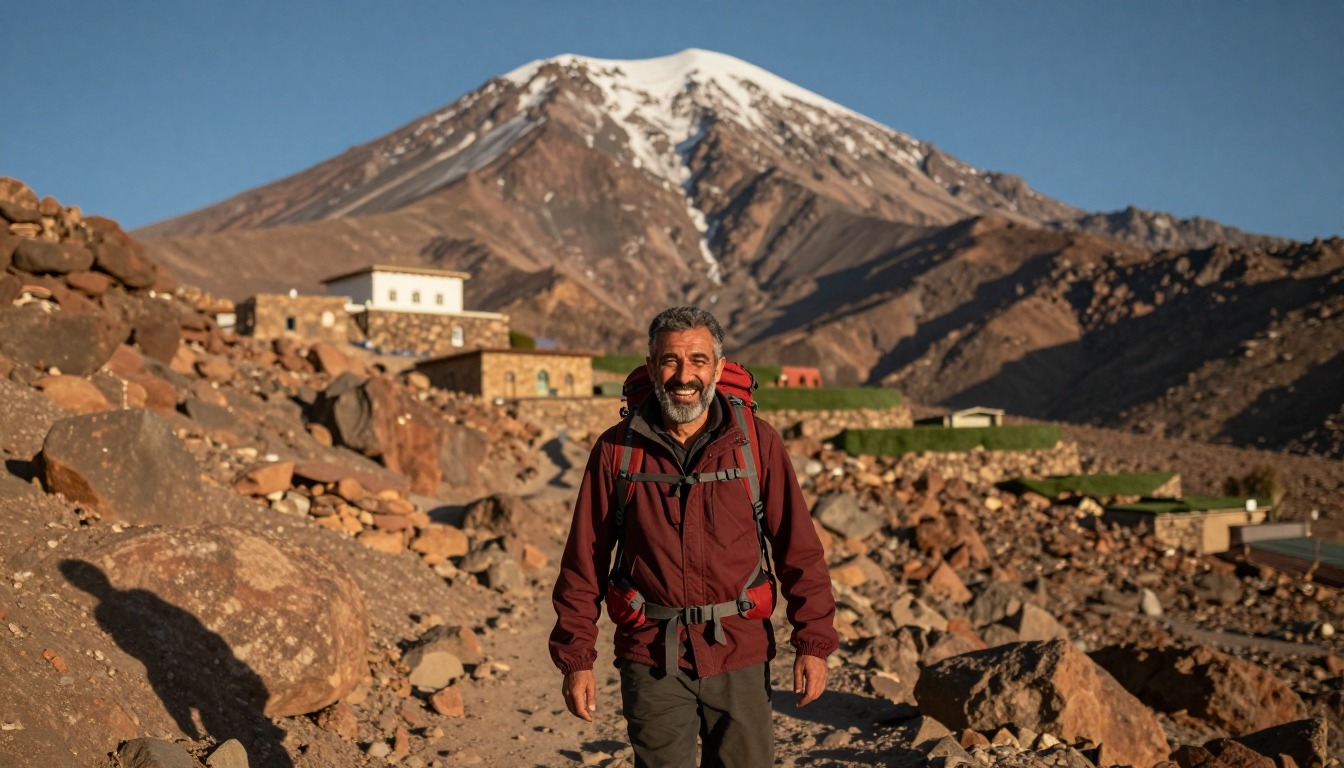
Marrakech is the gateway: it has the region's main international airport, with regular flights from Europe and connections beyond. From there, it's roughly a 90-minute drive south into the foothills to reach Imlil, the trailhead village where the actual trek to Toubkal begins. Most hikers arrange a taxi, private transfer, or a lift through a local guide agency that handles the drive as part of the trip. Past Imlil, everything continues on foot or by mule — there's no further road toward the mountain.
Where to stay
The realistic options, closest-to-the-trail first. Book through the official links — we don't list prices or availability because they change all the time.
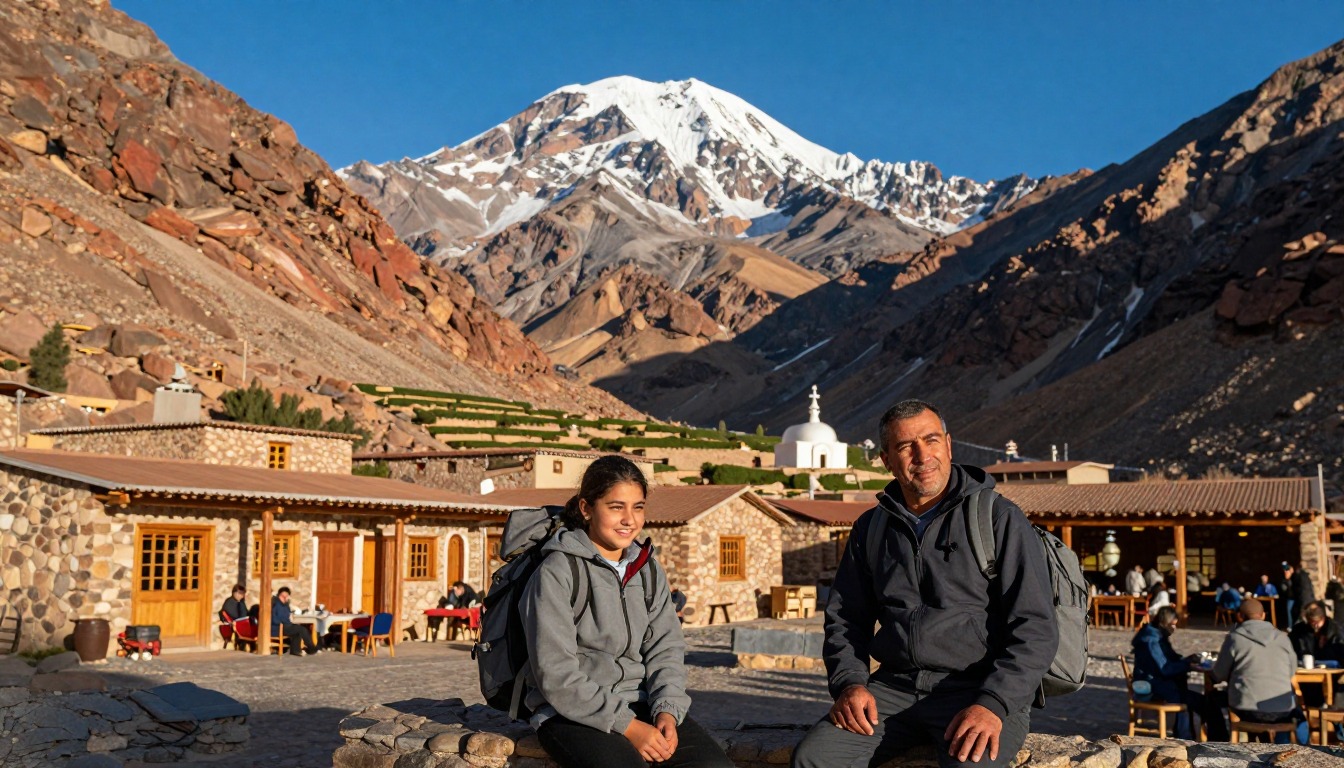
For example: Mountain refuges below the summit where climbers overnight before the dawn ascent
Most climbers — the standard trip splits the climb with a refuge night.
Refuges are basic and fill in peak season; a local guide is widely used for the ascent.
Refuge lodging (via guide/operator)For example: Gîtes and guesthouses in Imlil, the trailhead village
Trekkers the night before and after, and to arrange guides and mules.
Imlil is the hub for hiring a guide and organizing the climb; Marrakech is ~1.5 hours away.
Village lodging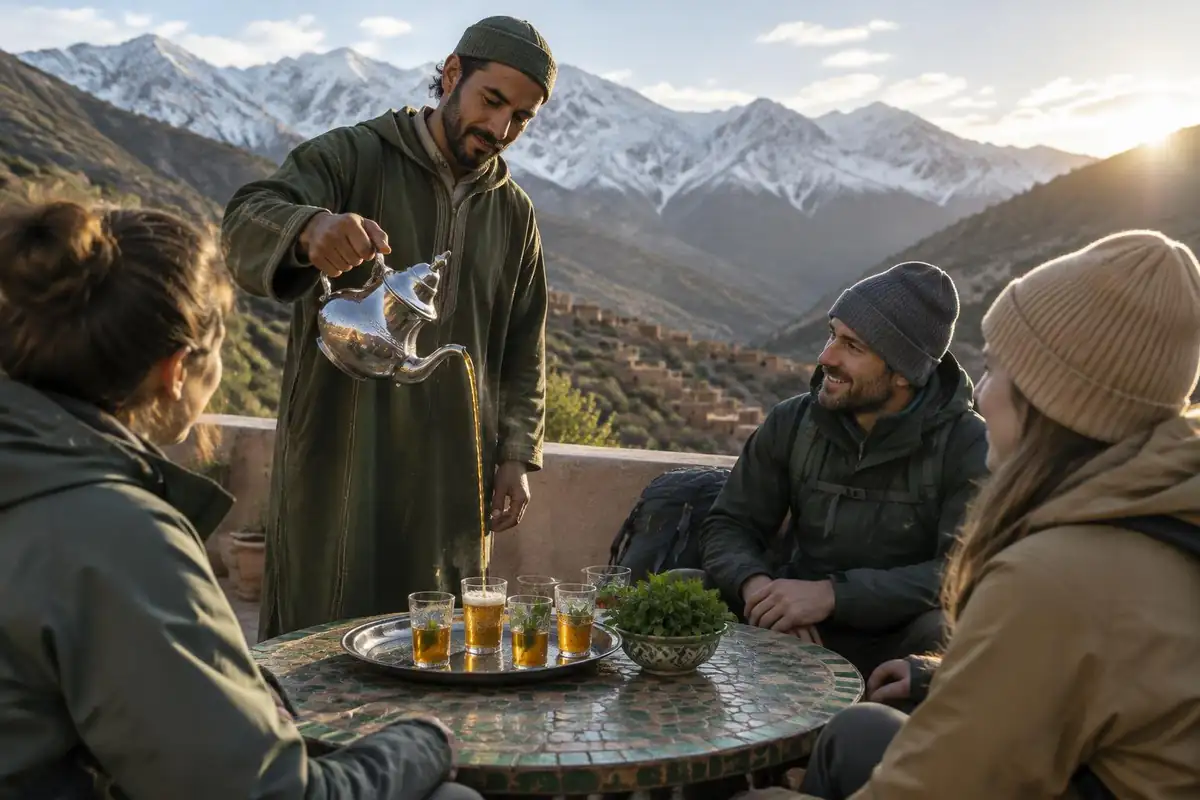
Permits & rules
Local guides are widely used for Toubkal and rules can change, so check current requirements before you go. The trek is non-technical in summer but high and cold at the top; acclimatize, start the summit day early, and check conditions.
Gear you'll want for this trip
Matched to the terrain and conditions here. Real products — check current price on Amazon.


A refuge night: what to check before you pack
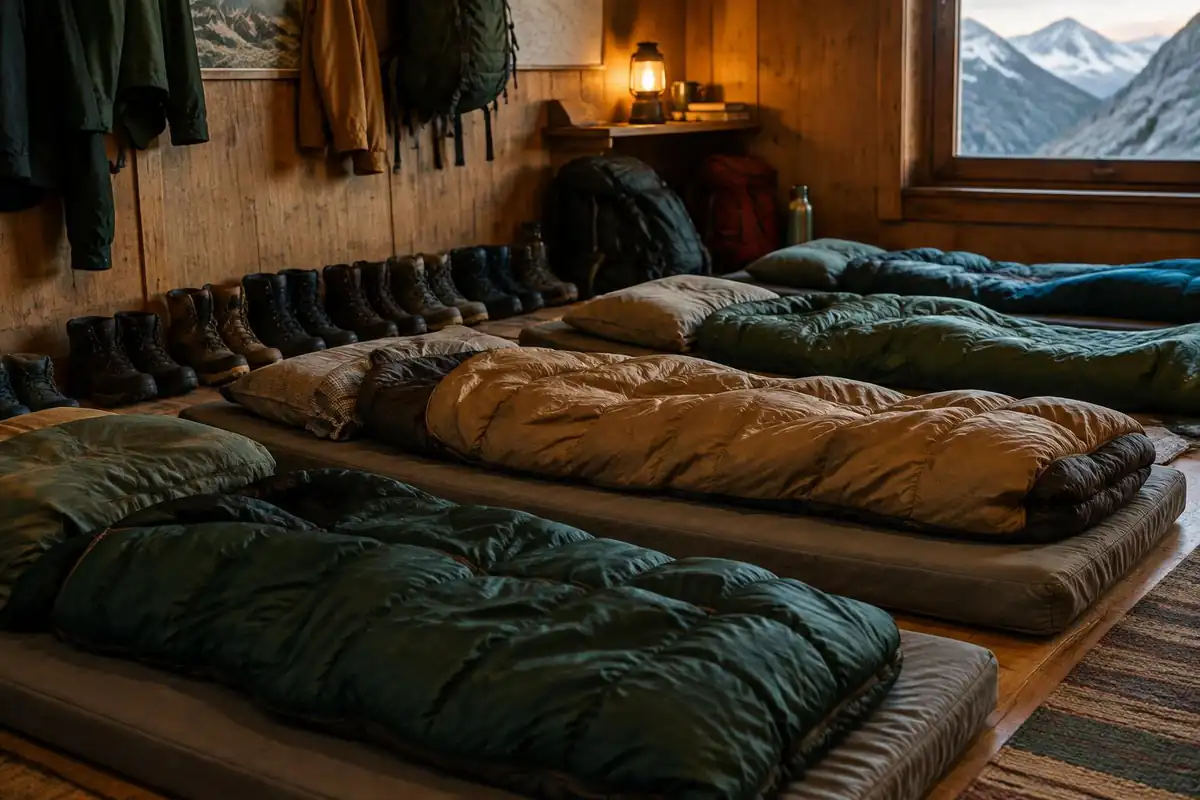
The page describes Toubkal refuges as basic and prone to filling in peak season, with guides typically arranging the booking as part of the trip. A refuge is a mountain hut, and hut systems differ. The Appalachian Mountain Club runs backcountry huts in New Hampshire that it says are reachable only on foot, and its full-service stays include dinner and breakfast.2 That is one model. Others provide beds and a kitchen but leave you to bring food and sleeping gear. Which one applies to a Toubkal refuge is a question for your guide or agency, and the answer decides whether your pack holds a sleeping bag, spare food and a water bottle, or only a light change of clothes.
If a sleeping bag is required, Therm-a-Rest notes that the EN standard was replaced by an updated ISO standard in April 2017 and that ratings come from testing with a heated manikin inside the bag on a foam mat.5 NEMO adds that the extreme rating is not a target rating and marks serious risk of death from hypothermia within hours, so choose by comfort and limit figures.6
Altitude on a two-day itinerary
Toubkal's summit is 4,167 meters, about 13,700 feet. The CDC Yellow Book says any unacclimatized person sleeping at 8,000 feet or higher is at risk of altitude illness, that above about 9,850 feet sleeping altitude should rise no more than about 1,600 feet a day, and that headache is the main symptom, typically starting 2 to 12 hours after arrival at altitude.1 A two-day itinerary with a refuge night leaves little room for the extra acclimatization days the CDC describes, so ask your guide how high the refuge sits compared with where you started, and how the pace and any turnaround decision are handled.
The CDC also says acute mountain sickness improves rapidly with descent of 1,000 feet or more, and that you should never go higher to sleep while having symptoms, however mild.1 The refuge night is the natural decision point: if you feel unwell there, the summit push is the thing to skip, not the descent. Confirm current guide, permit and access requirements with the local mountain authorities and your agency, since rules can change.
The dawn push: cold, sun and storms
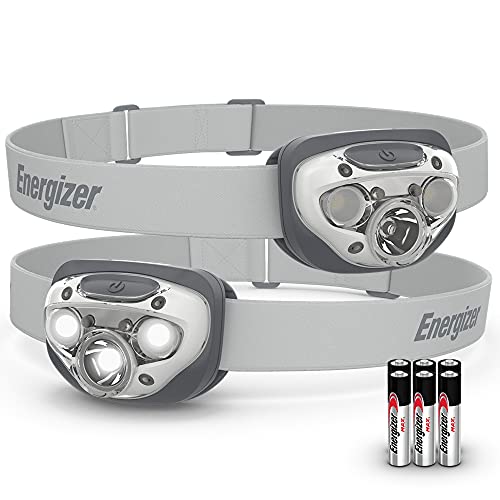
A dawn start means a headlamp. The National Park Service names headlamps as the recommended light source because they are hands-free, useful when you are also handling poles and gloves on scree.3 The CDC says hypothermia can develop above 40°F if rain, sweat or cold water leaves you chilled, so a warm layer and a windproof shell belong in the summit pack even if the refuge felt mild.7
As the sun comes up, exposure changes. The EPA says UV intensity rises about 6% per kilometer of elevation above sea level, so the summit day needs a hat, sunglasses and sunscreen.4 The National Weather Service says mountain thunderstorms often build in the early afternoon and advises being off the mountain by noon, which fits an early start and a firm turnaround time.8 The page notes that winter turns Toubkal into a proper mountaineering climb needing different skills and gear, so the summer advice here does not carry over to snow.
Common questions
Do I need a guide to climb Mount Toubkal?
Most visitors hire a licensed local mountain guide, typically in Imlil along with any mules for gear; check the current local rules before you go. Most people book a guide (and often the two-day refuge itinerary) in advance through a trekking agency, though some arrange it on arrival in Imlil itself.
Where do you sleep on the way up Toubkal?
Most people do it as a two-day trek: a night in a gîte or guesthouse in Imlil before setting out, then a night at a basic mountain refuge below the summit, followed by a dawn push to the top. Refuges fill up in peak season, so guides typically arrange the booking as part of the trip.
When's the best time to climb, and how hard is it?
Spring through fall is the main season, when the route is non-technical enough for a reasonably fit hiker with a guide — though the summit is high, cold, and exposed at any time of year, so acclimatizing and starting the final push early matters. Winter turns Toubkal into a proper mountaineering climb, needing different skills and gear.
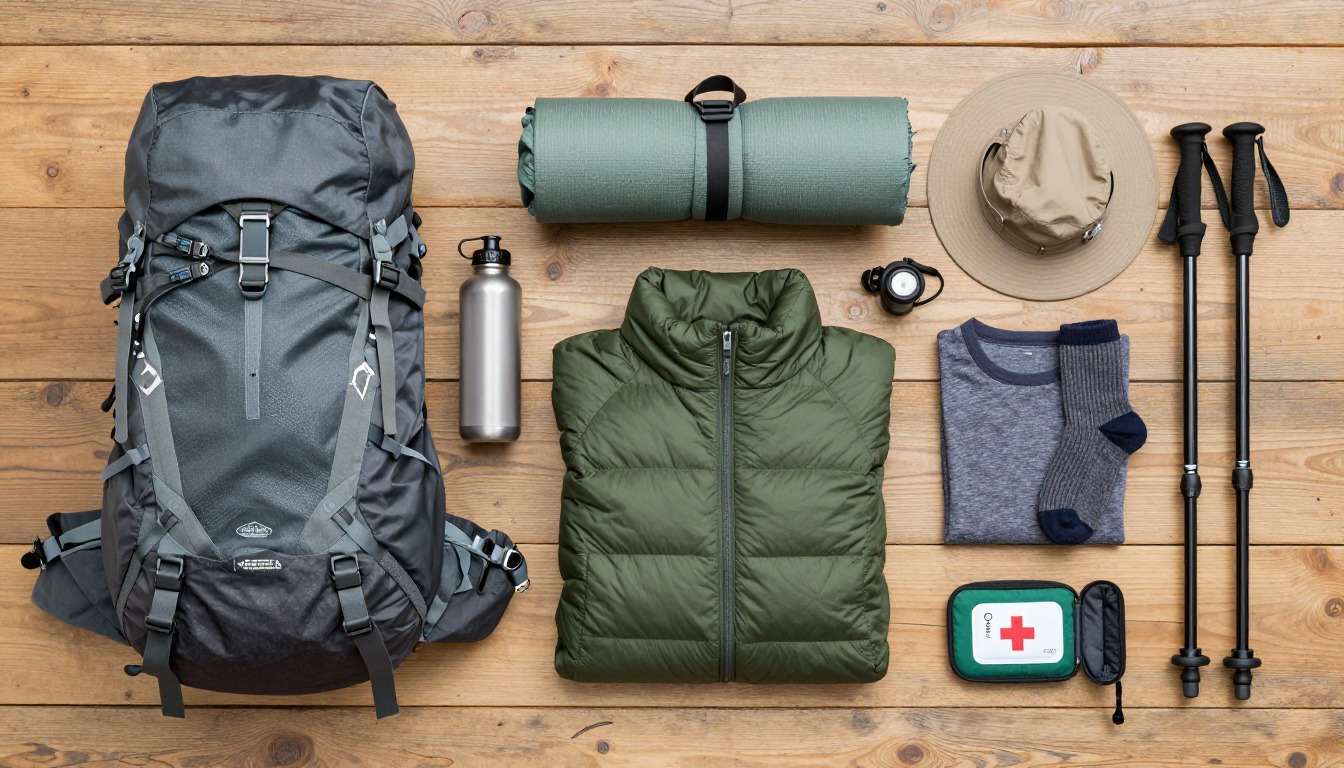
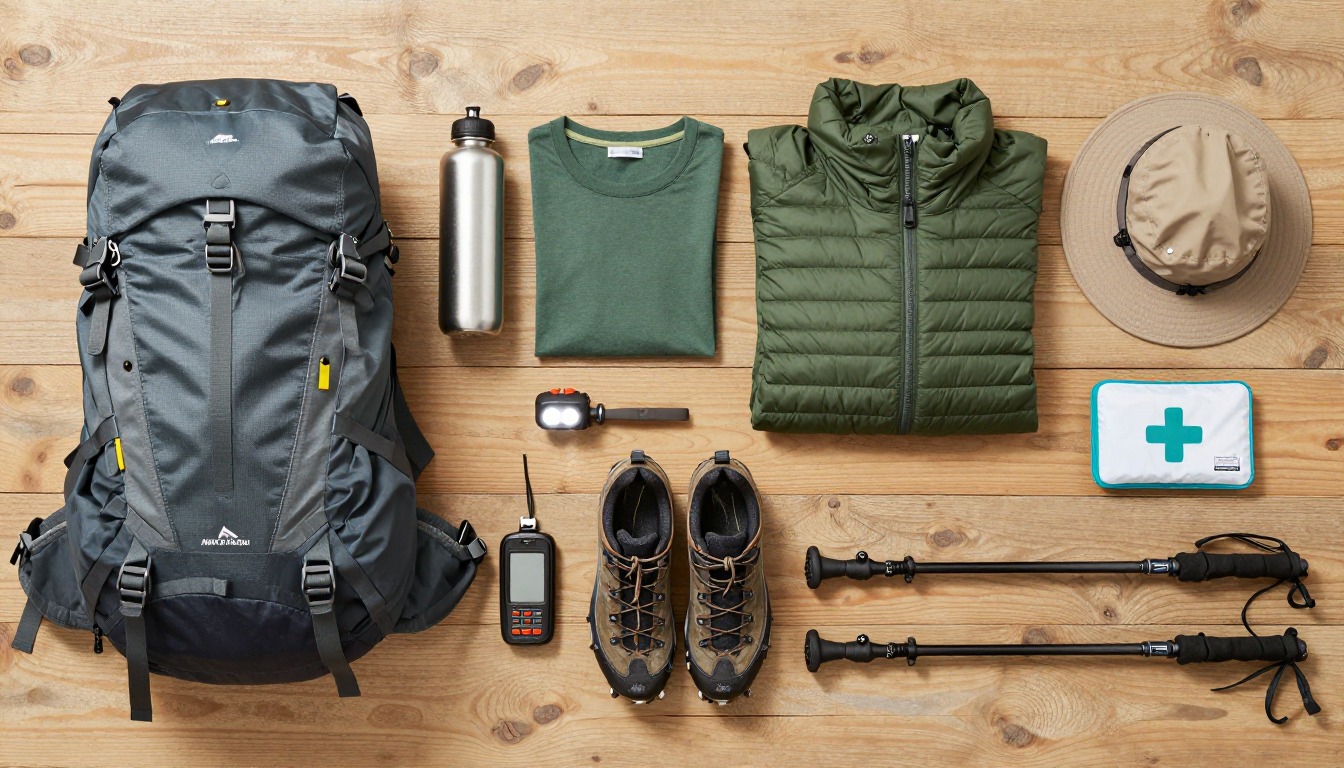
Complete gearsets for this trip
Full curated kits built for exactly this kind of hike — what to bring, why, and links to similar gear.
Lodging details are compiled from official parks, refuge associations and reservation systems and can change without notice. We publish no prices, availability or ratings — always confirm current information on the official site before booking or setting out. Product links and the accommodation map are affiliate links: we may earn a commission at no extra cost to you; product prices and availability are shown on Amazon, and accommodation prices on the booking site. See our affiliate disclosure.