
Affiliate disclosure: this page contains affiliate links. Purchases made through them may earn us a commission at no extra cost to you. See our affiliate disclosure.
In plain English
Climbing Fuji is a two-day plan built around one idea: see the sunrise from the top. You start in the afternoon, walk up to a mountain hut, rest for a few hours, get up in the dark and finish the climb in time for dawn. The hut is not a hotel. It is a shared place to lie down and warm up for a few hours before the final push.
Many people try to skip the hut and climb straight through the night. The people who run the mountain discourage this. Their official site says overnight dash climbs for the sunrise can cause altitude sickness and hypothermia, and they have set a night closure at the gate to reduce the crowding and the risk.2 The rule is that only people with a hut reservation can go up during the closed hours.
It is cold at the top even in summer. The official site says temperatures on the summit can fall close to 0 degrees Celsius before sunrise, and that the longer you wait for the sunrise, the higher the risk of hypothermia.1 So think of the hut as your rest stop and your warm-up, and pack for a cold, dark morning.
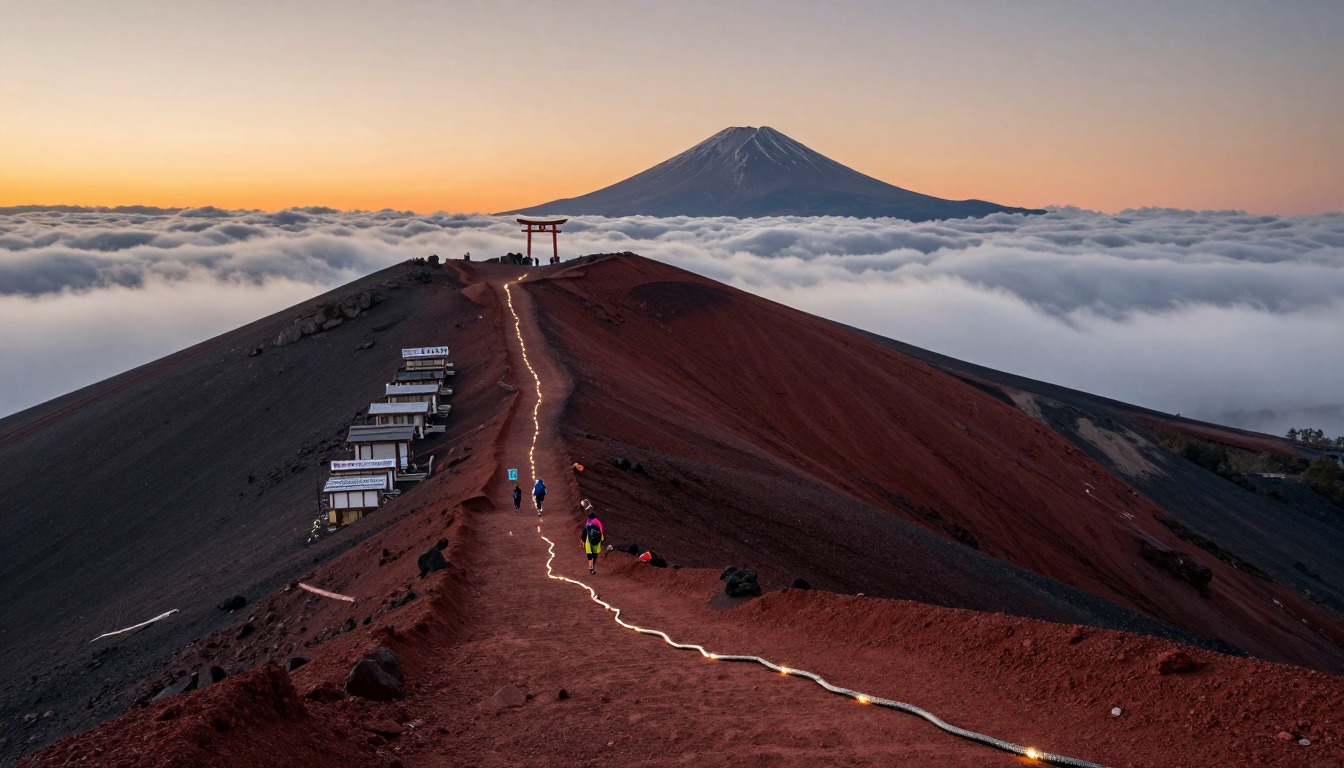
The Yoshida Trail is the most popular route to Mount Fuji's 3,776-meter summit, climbing from the Fuji Subaru Line 5th Station through a series of mountain stations to the top. It's only open during the official climbing season, roughly early July through early September, when the mountain huts along the way are staffed and running. The 2026 season ended on September 10; huts and first-aid stations are closed outside the season and climbing then is dangerous, so check the current dates before planning. Where you sleep is simple: a shared hut bunk partway up, timed around a pre-dawn summit push.
Why hike here
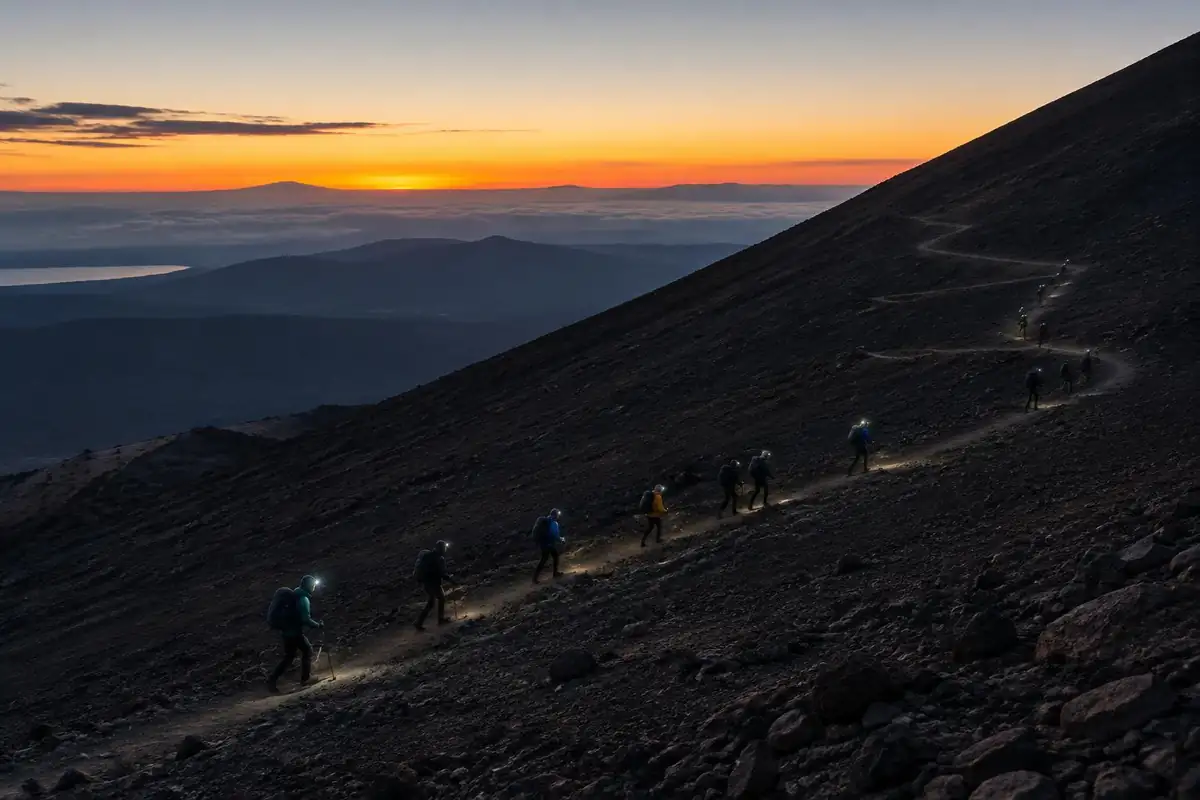
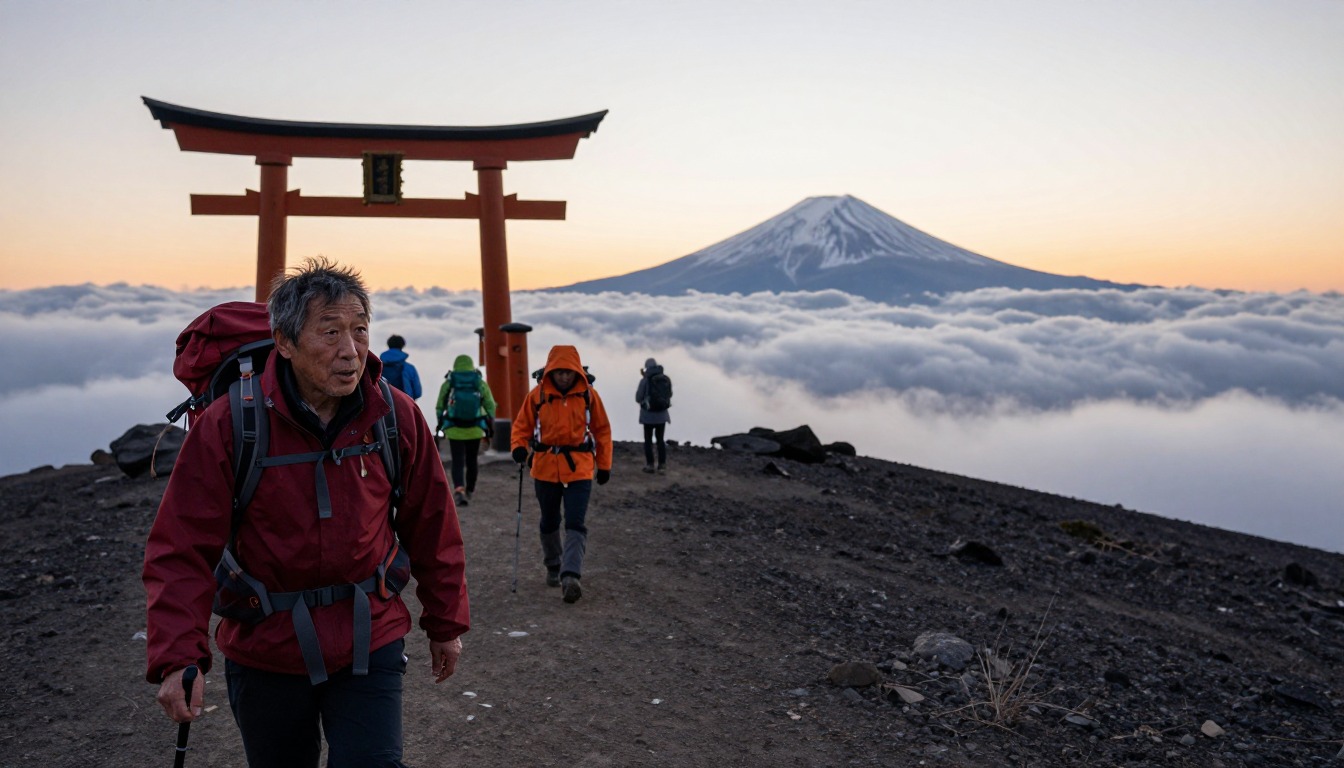
Fuji's appeal isn't the scenery so much as scale and ritual. The Yoshida Trail climbs in stages, past torii gates and stone shrines, through switchbacks that thin the crowd as the air thins with it. Huts cluster around the 7th and 8th stations, and most hikers use one as a base for a few hours' rest before setting out again in the dark. The goal is goraiko, sunrise seen from above the cloud line, and the trail is built around that rhythm: climb, rest, wake before dawn, push the last stretch by headlamp. It's less a wilderness escape than a shared pilgrimage — strangers moving together up switchbacks in the dark toward the same sunrise.
Getting there
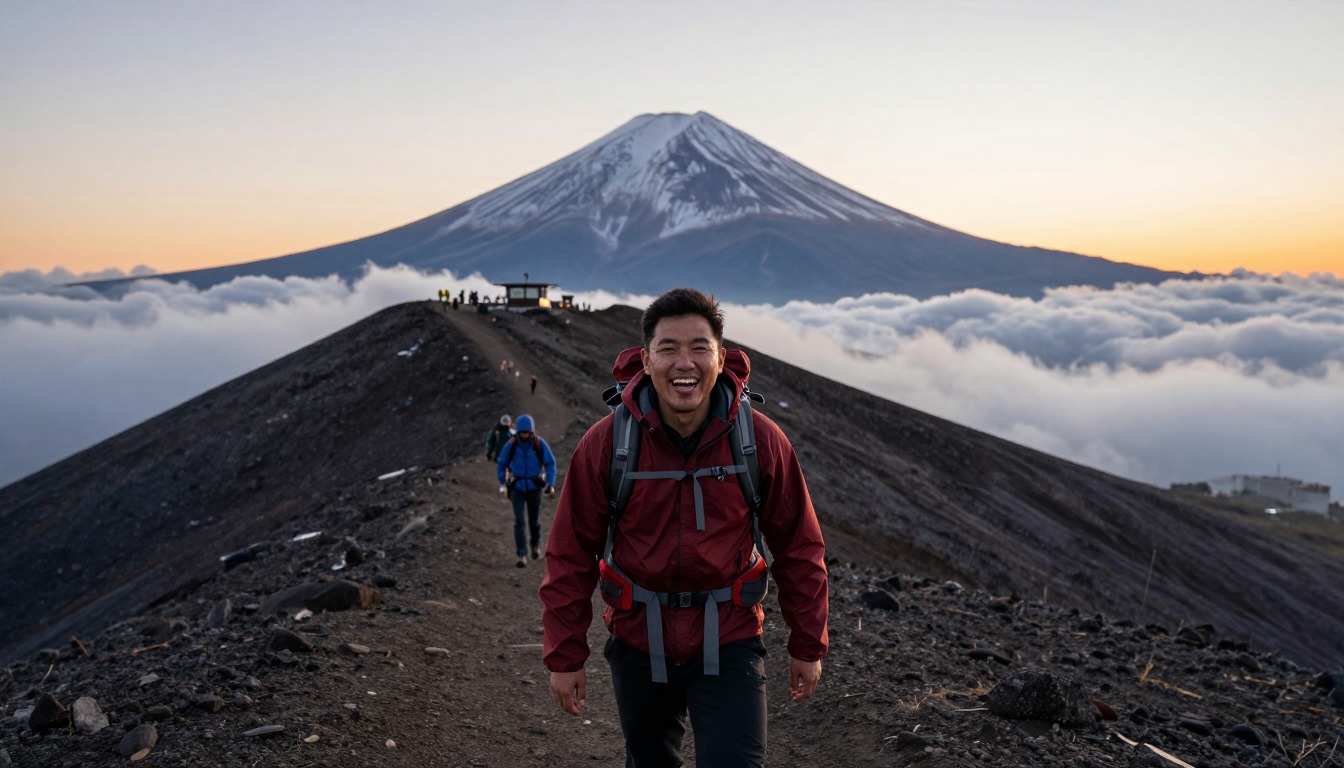
Most hikers base themselves in Fujiyoshida or around Lake Kawaguchiko, both within a couple of hours of central Tokyo by train or direct bus, and stay there the night before and after the climb. From either town, seasonal buses run up to the Fuji Subaru Line 5th Station, the Yoshida Trail's starting point, cutting out the lower forested slopes entirely. Direct buses to the 5th Station also run from Tokyo during the climbing season, so a straight shot from the city is possible without an overnight stop first.
Where to stay
The realistic options, closest-to-the-trail first. Book through the official links — we don't list prices or availability because they change all the time.
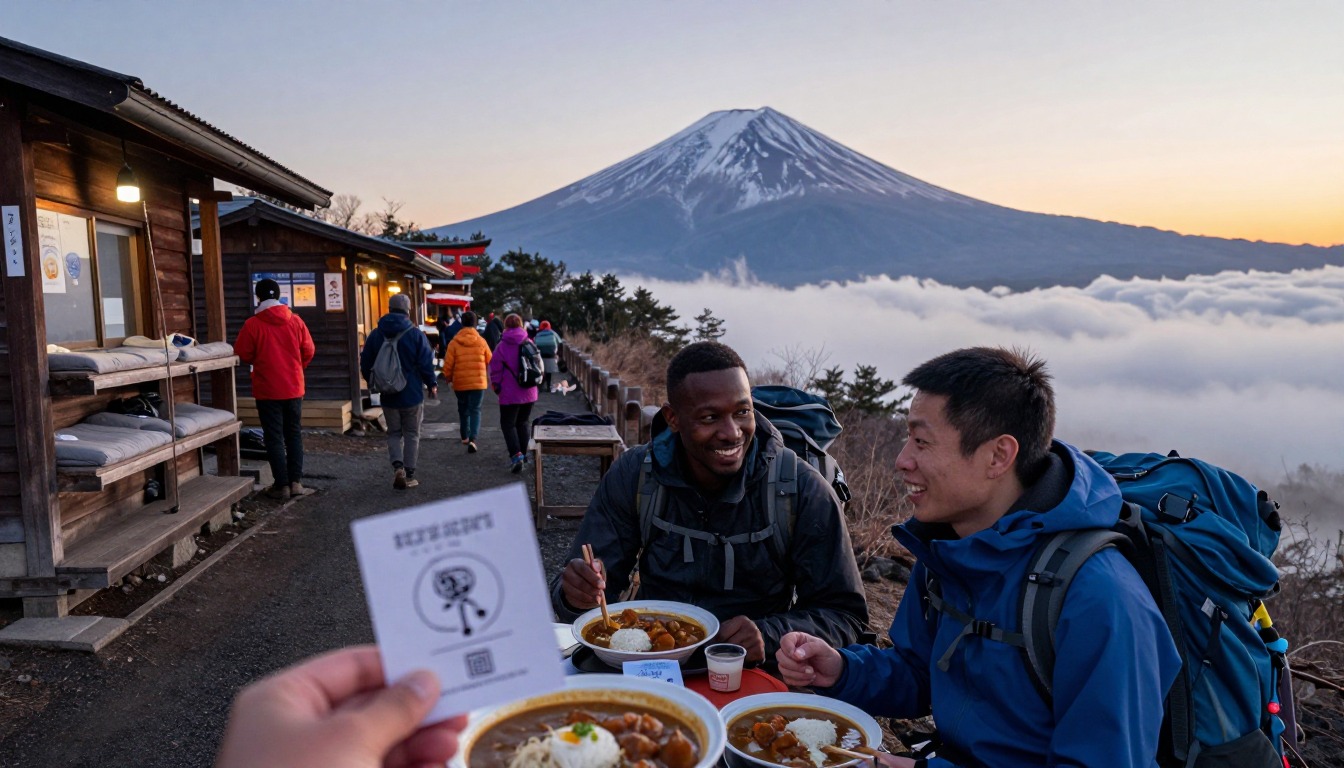
For example: Mountain huts around the 7th–8th stations where climbers rest before a pre-dawn summit
Most climbers — an overnight hut stay makes the sunrise summit manageable.
Huts are basic, shared and busy; reserve ahead, and note trail access rules on this route.
Book huts ahead (official climb site)For example: Hotels and inns around the lakes and the 5th Station base
Climbers arriving the day before or skipping the hut.
Buses run from here to the Fuji Subaru Line 5th Station trailhead.
Nearby-town lodging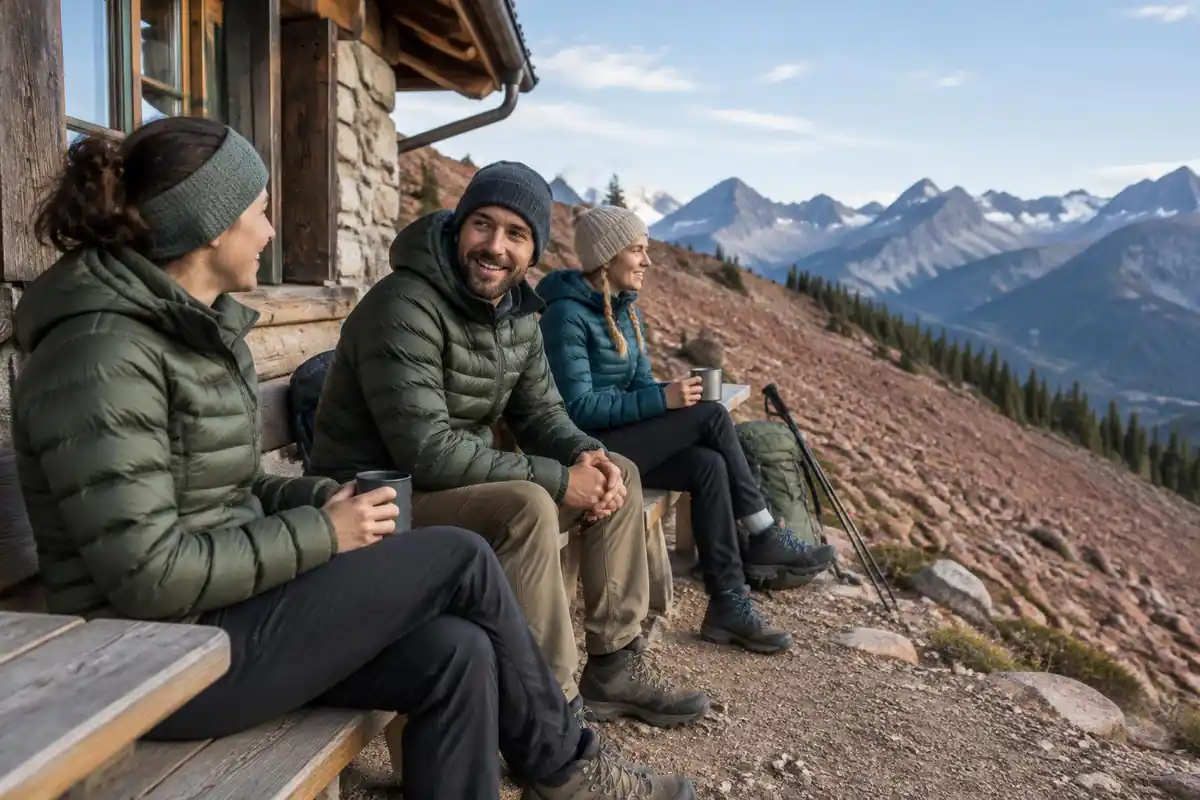
Permits & rules
Climb only in the official season, when huts and facilities are open. As of September 2026 the season has ended and the trails above the 5th station and the huts are closed; climbing outside the season is dangerous. In season, climbers without a hut reservation are not allowed on the trail between roughly 2 PM and 3 AM. the Yoshida Trail now has a trail-access reservation/fee system and daily limits, so check current rules. Altitude and cold are real even on this busy route.
Gear you'll want for this trip
Matched to the terrain and conditions here. Real products — check current price on Amazon.

Three separate things: the hut, the gate and the fee
The page says huts fill fast and that the trail has an access system with daily limits. The official climbing site clarifies how the pieces fit. It says a hiking fee is required to climb, that reservations and registration are made through a web system, and that this is not a reservation for a mountain hut.1 The FAQ adds that hut accommodation reservations and road-access reservations are separate processes, and that a hut reservation lets you climb without a separate access reservation.2
The gate rules are specific. Mountain entry is not permitted from 2 PM to 3 AM the following day, excluding people staying in huts, and the FAQ says that if the number of climbers reaches 4,000 in a day, people without reservations cannot pass from the 5th station toward the summit, although spots are reserved for same-day registration.1,2 Hut guests may pass after 2 PM, but are asked to go through before then for safety, and should show the hut reservation confirmation email, printed or saved offline.2 Reservation changes are limited: the FAQ says the date can be changed up to the day before the climb, cancellations are possible until the day after payment, and fees apply after that.2 Check the current rules before you go, as the managing authorities update them.
Why the night closure exists
The FAQ says the gate closes at night because many climbers went up in the dark to see the sunrise from the summit, causing excessive congestion near the top and many overnight dash climbs. It defines those as climbing overnight without staying in a hut, solely to see the sunrise, and says this can cause altitude sickness and hypothermia.2 The rule is a crowd-control and safety measure, and it applies its restriction during the hours when it says countermeasures are most effective.2
That explains the shape of the trip and why the page recommends a hut night. Your body also benefits from the pause: the CDC says any unacclimatized person sleeping at 8,000 feet or higher is at risk of altitude illness, and Fuji's summit is 3,776 meters, about 12,400 feet.3 A few hours of rest partway up is not full acclimatization, but it is better than rushing from the 5th station to the top without stopping. The same FAQ says you can pass the gate on the way down at any time, so the closure applies to ascending only.2
A pack sized for a hut night
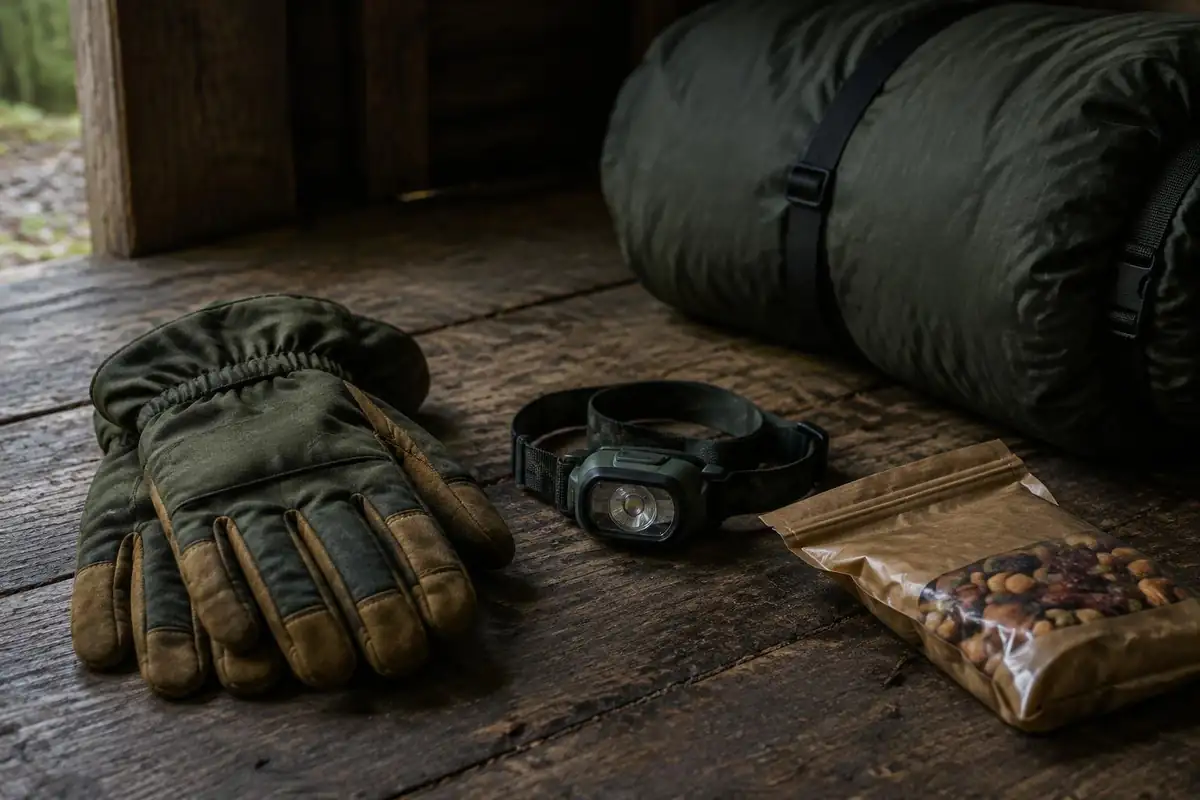
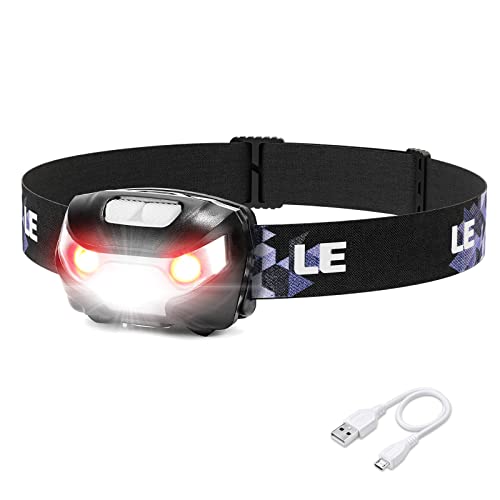
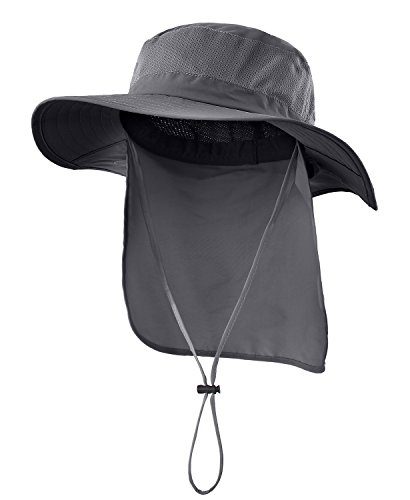
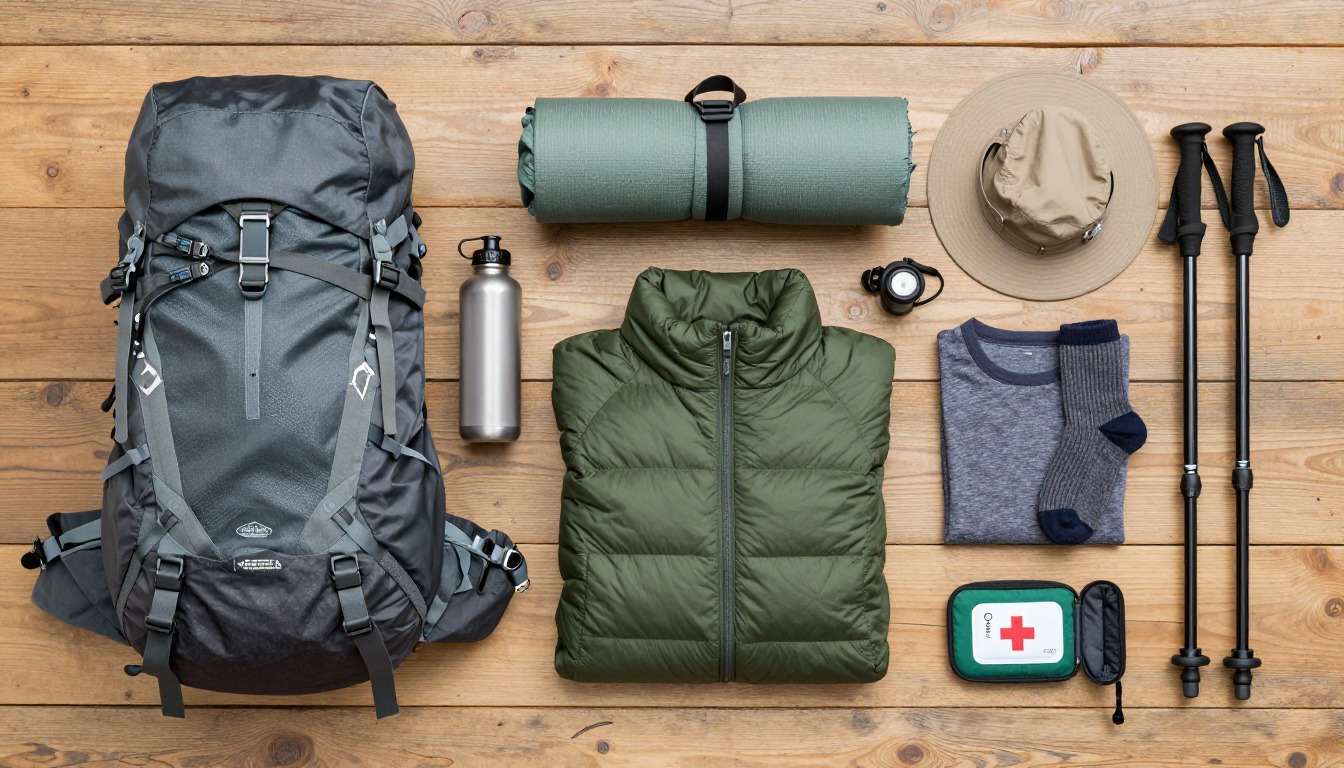
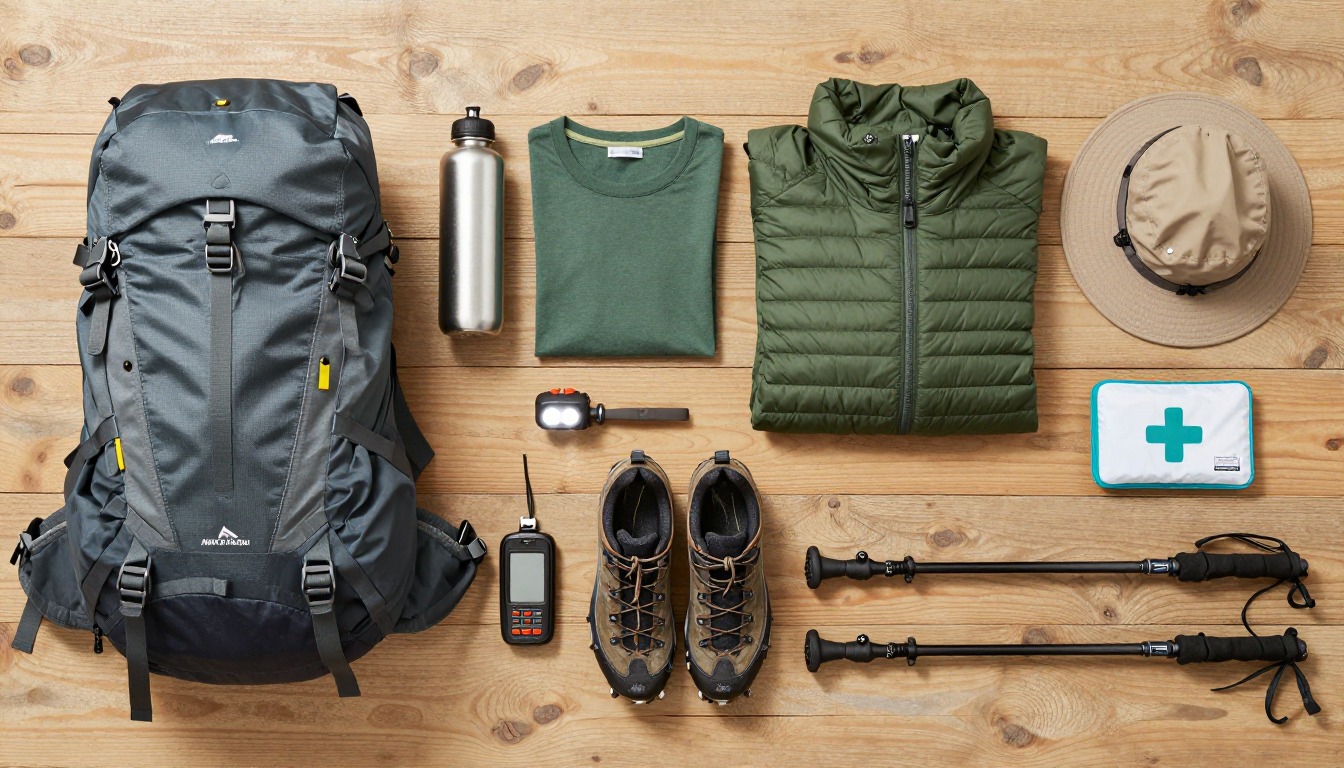
The official site's essential equipment list reads like a hut-night pack: stiff-soled hiking boots, separate rain jacket and pants, winter clothing including fleece, down jacket and gloves, a headlamp with a spare battery, a backpack of about 30 liters that leaves your hands free, 1 to 2 liters of water and high-calorie snacks, garbage bags to carry trash out, cash and 100-yen coins for huts and toilets, hat, sunglasses, sunscreen, maps, poles and a first-aid kit.1 It recommends earplugs and an eye mask for sleeping in huts, and says to buy more water at huts instead of carrying too much, and that there is no ATM at the 5th station.1,2 Pack the heavier items closer to your back, and keep rain gear and cold-weather clothing at the top of the pack.1
The reason for the warm layers is the lapse rate the site describes: about 0.6 degrees Celsius colder for every 100 meters of elevation, with wind chill making it feel colder, and thunderstorms and sudden weather changes not uncommon in summer.1 The EPA also says UV intensity increases about 6% per kilometer of elevation, so the sunscreen and sunglasses matter.4 The official site says the 2026 climbing season ended on September 10, huts and first-aid stations close outside the season, and climbing outside it is dangerous, so check the current season dates before planning.1
Common questions
Do I need to book a mountain hut in advance?
Yes — huts along the Yoshida Trail fill up fast during the short climbing season, especially on weekends, so reserve well ahead rather than assuming a bunk will be free. Booking also lets a hut plan meals and space, and many require reservations rather than accepting walk-ins during peak dates. Mountain entry is also not permitted from 2 PM to 3 AM the next day except for people staying at a hut, so a hut night is what lets you climb through the night.
When is the Yoshida Trail actually open?
The official season runs roughly early July to early September, when huts, staff, and safety services are in place. Outside that window the trail is considered off-season and much riskier, since huts close and weather turns colder and less predictable. Check current official dates before planning, as they can shift slightly year to year.
Do I need a permit or reservation just to hike the trail?
The Yoshida Trail now uses a trail-access reservation and fee system with a daily limit on climbers, separate from any hut booking. Check the current rules before you go, since requirements and limits are updated by the managing authorities. Booking early also helps guarantee a hut bed for your date.
Complete gearsets for this trip
Full curated kits built for exactly this kind of hike — what to bring, why, and links to similar gear.
Lodging details are compiled from official parks, refuge associations and reservation systems and can change without notice. We publish no prices, availability or ratings — always confirm current information on the official site before booking or setting out. Product links and the accommodation map are affiliate links: we may earn a commission at no extra cost to you; product prices and availability are shown on Amazon, and accommodation prices on the booking site. See our affiliate disclosure.