
Affiliate disclosure: this page contains affiliate links. Purchases made through them may earn us a commission at no extra cost to you. See our affiliate disclosure.
In plain English
The Pico do Arieiro to Pico Ruivo walk is a day trip along a high ridge. There is no overnight mountain lodging on the route that you would book as part of the walk, so most people sleep in Funchal or another town and travel up in the morning.
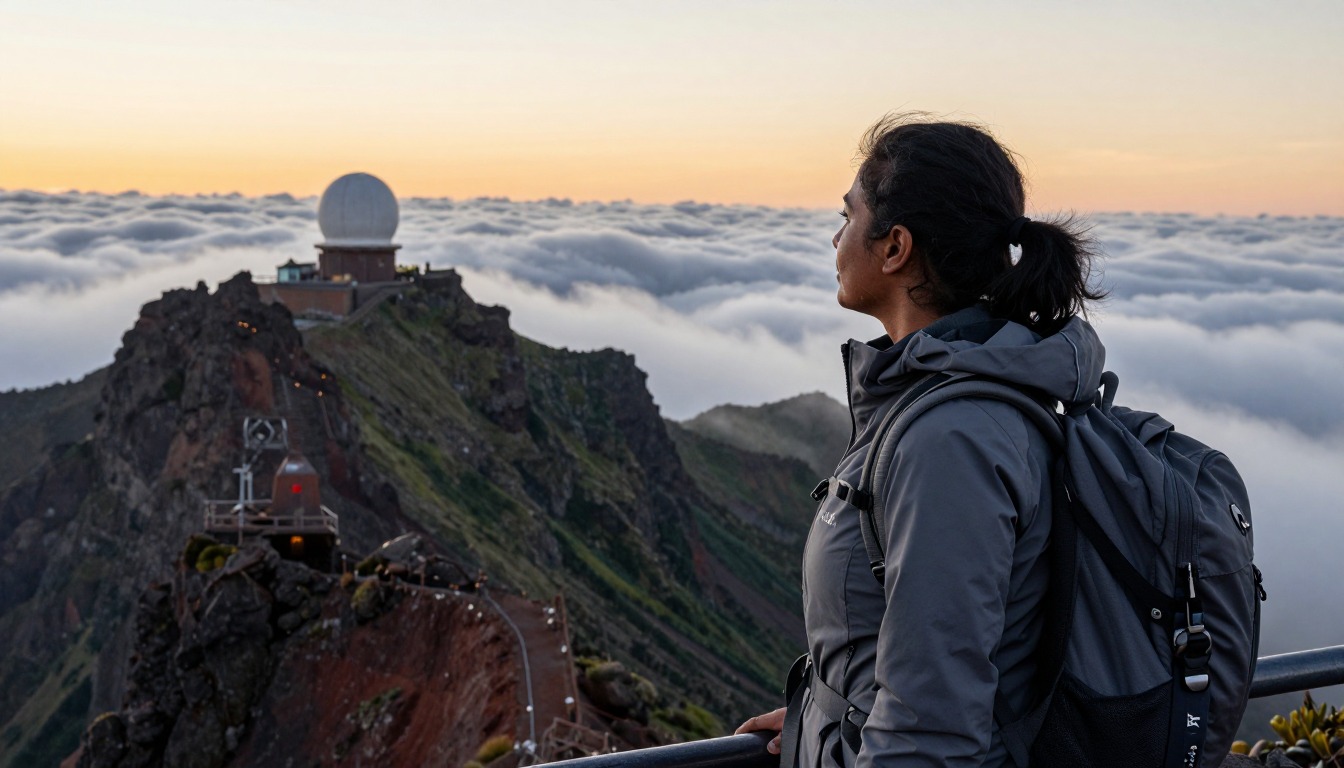
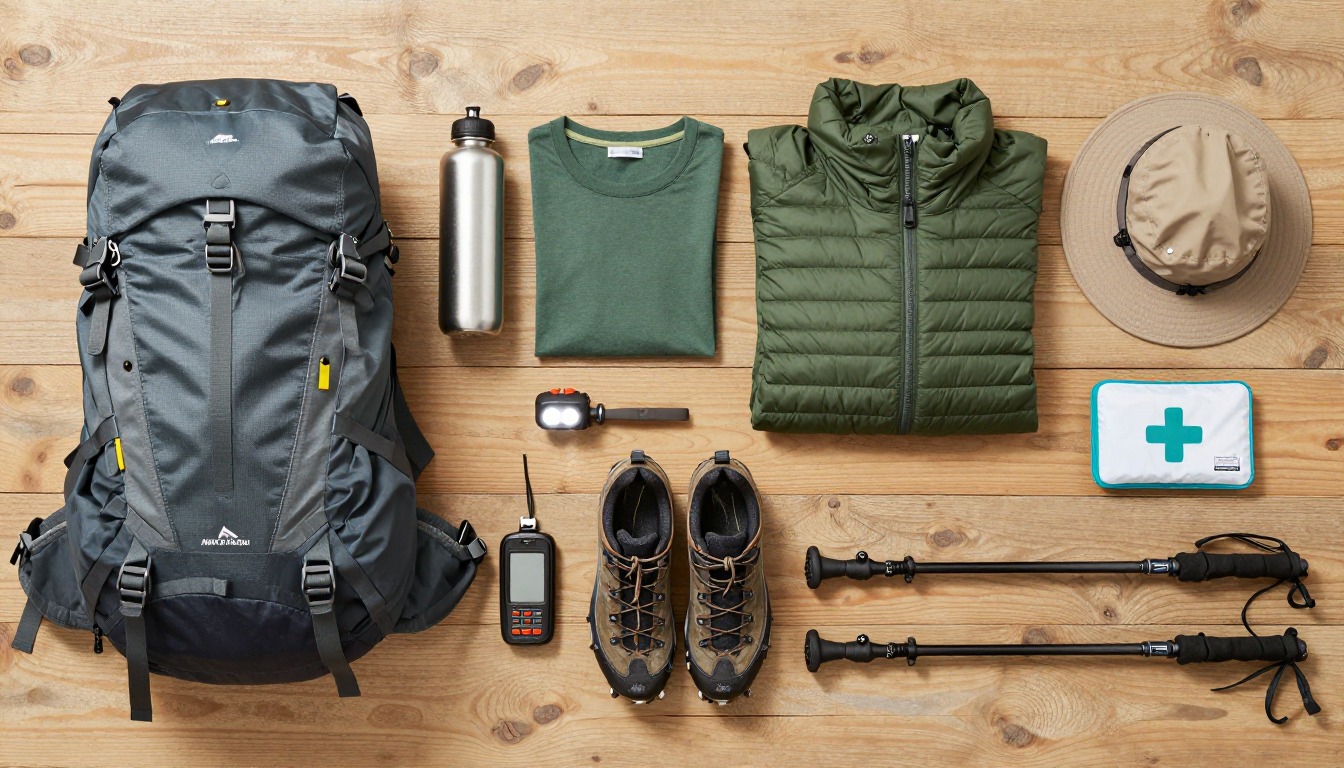
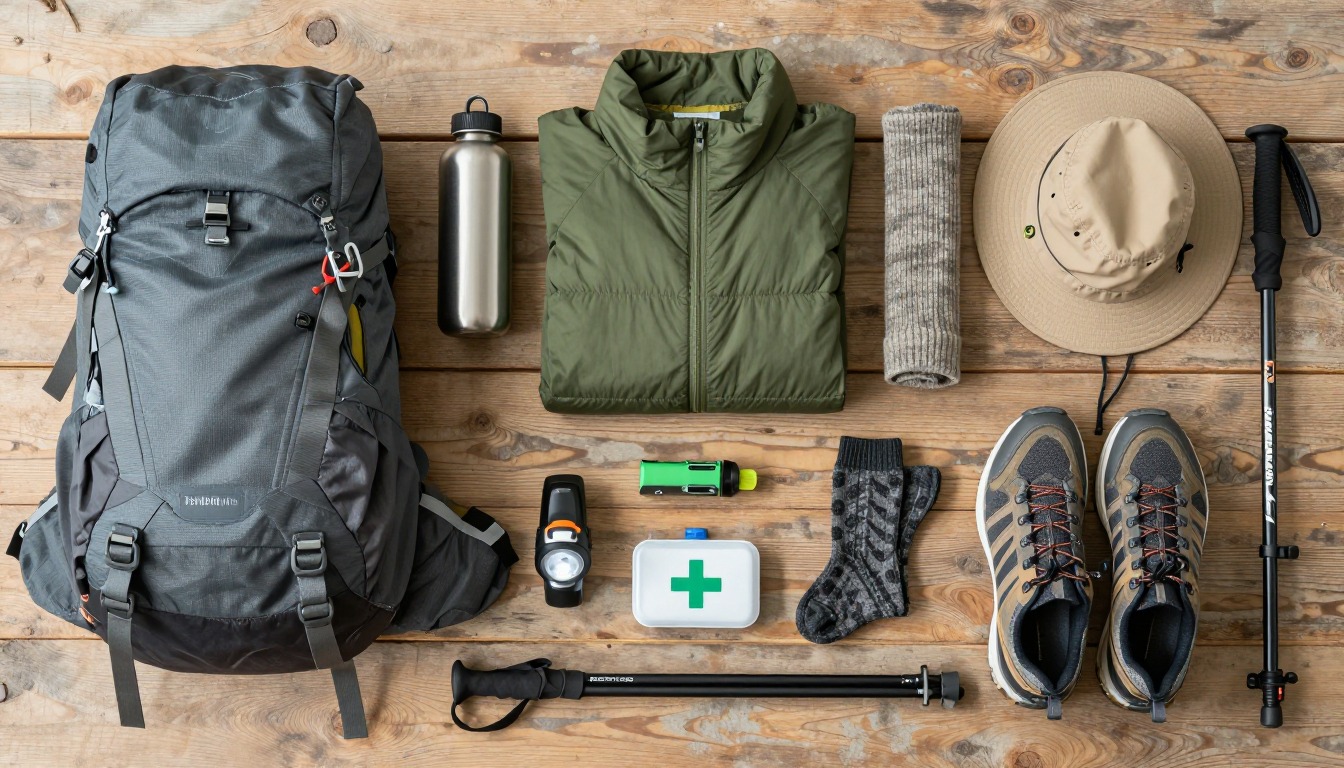
The ridge is high enough that it is colder and cloudier than the coast. You can be in sunshine at the beach and in wind and mist an hour later at the trailhead. That is why the pack for this walk is a day pack with warm and waterproof layers, a headlamp for the tunnels, water and food.
The other thing to know is that the path can be closed. The island's authorities keep a live map of which walking routes are open, so check it the night before and again on the morning.
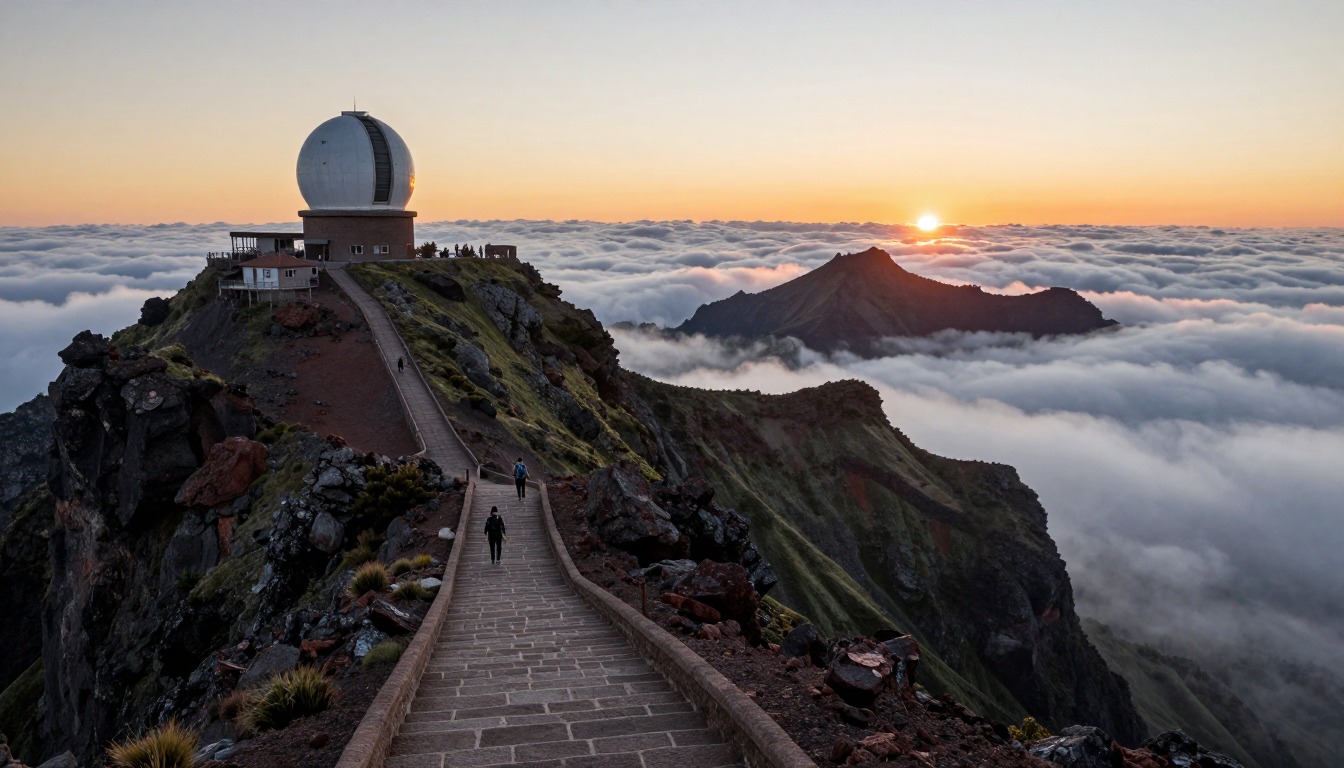
The PR1 is Madeira's signature ridge walk, a demanding day hike that links Pico do Arieiro and Pico Ruivo, the island's two highest peaks, along a spine of staircases, tunnels, and exposed drops. Because it's walked in a single day rather than overnight, sleeping arrangements are simple: hikers base themselves in Funchal or elsewhere on the island and travel up to the trailhead, rather than carrying gear for a night on the mountain.
Why hike here
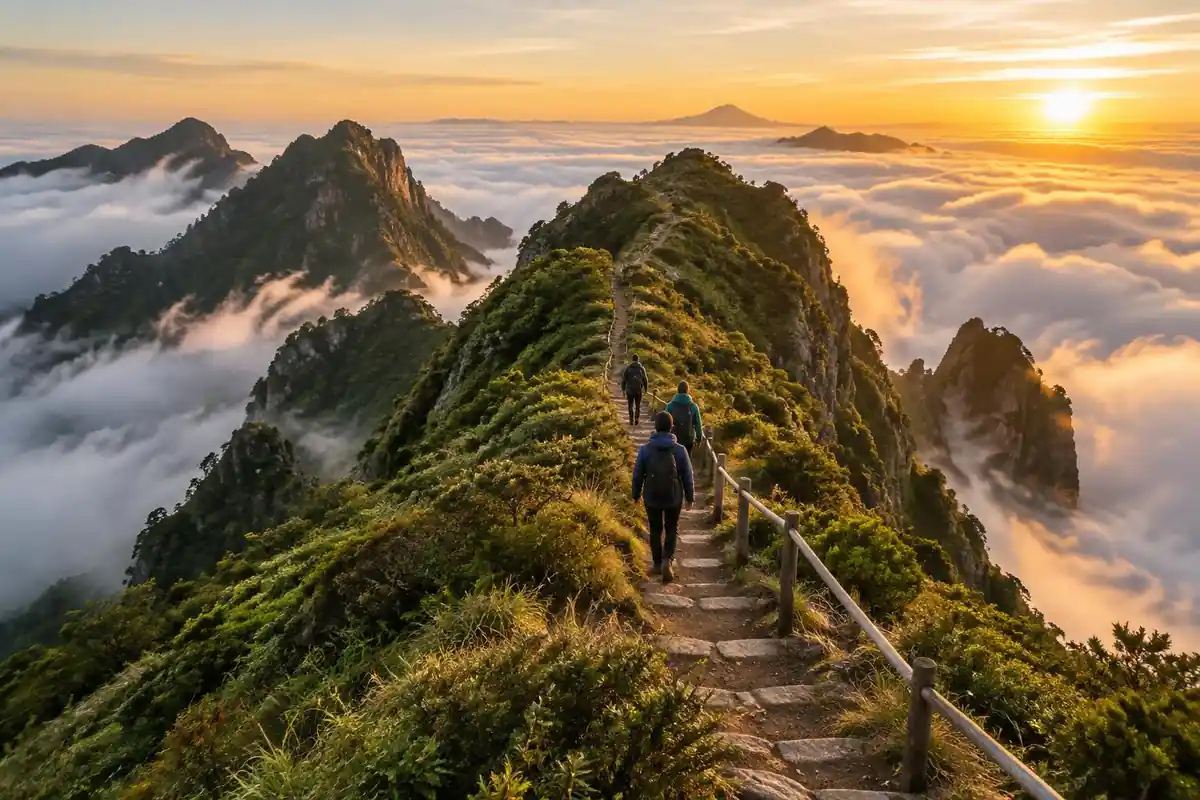
What makes this hike stand out is the contrast packed into just a few miles: one minute you're threading a hand-cut tunnel through solid rock with a headlamp on, the next you're back in daylight on a staircase clinging to a ridge that drops away sharply on both sides. Start early and there's a real chance of walking above a sea of cloud, with only the two summits and a scatter of other peaks breaking the surface below you. The scale of it is what stays with people — Madeira looks like a gentle green island from the coast, but up here it's all rock, wind, and sudden drop-offs, closer to a mountain range than a holiday island. Weather changes fast on the ridge, so the same trail can feel completely different an hour later.
Getting there
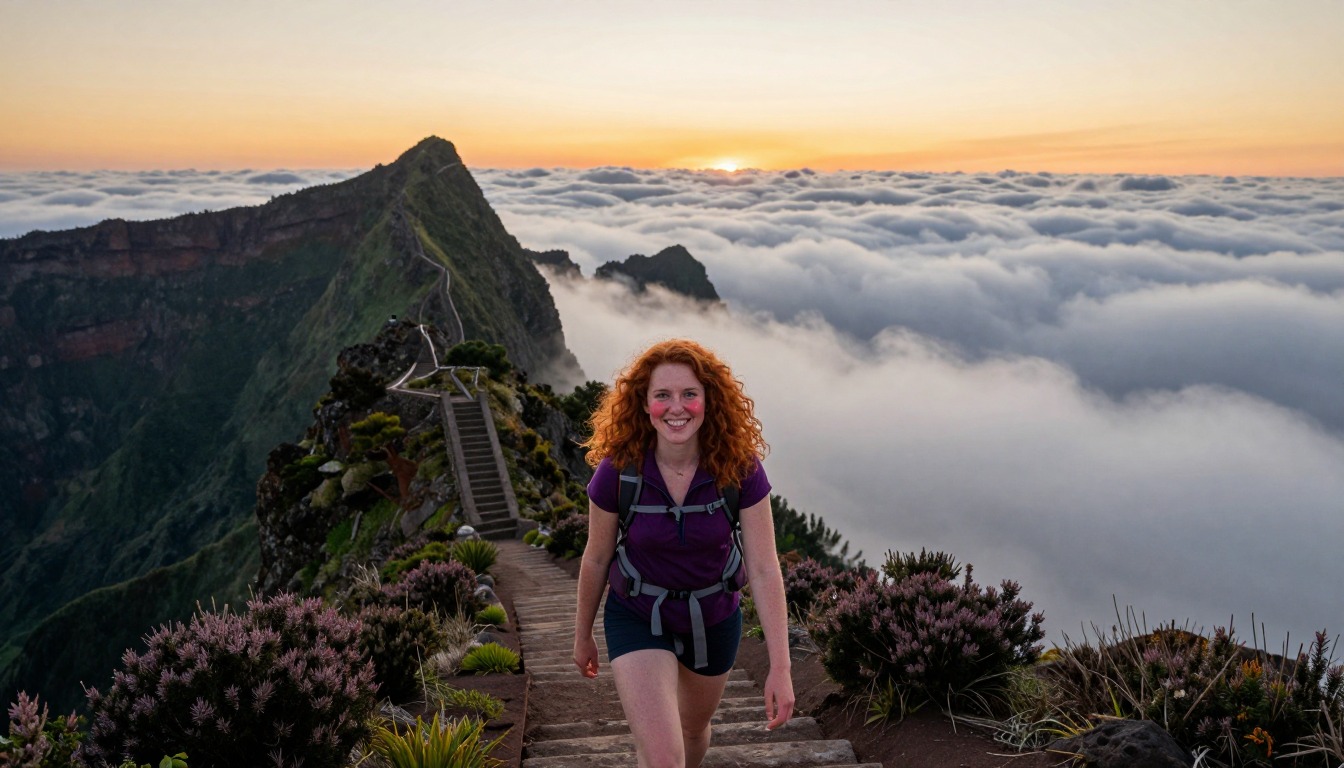
Madeira is reached by flying into Funchal, the island's capital and the usual base for hikers tackling the PR1. From Funchal, the trailhead at Pico do Arieiro is reached by rental car, taxi, or organized tour, along a road that climbs steadily into the central mountains. Most hikers arrange transport in advance since the trailhead sits well above the coast; Visit Madeira's Areeiro page lists a bus operator and a shuttle, so check public options too, but a taxi or tour pickup timed for an early start makes it easier to catch the ridge before the clouds build later in the day.
Where to stay
The realistic options, closest-to-the-trail first. Book through the official links — we don't list prices or availability because they change all the time.
For example: Hotels, guesthouses and rentals in Funchal and around the island
Most visitors — an easy base with transport up to the peaks.
Drive or take a tour/taxi up to the Pico do Arieiro trailhead early.
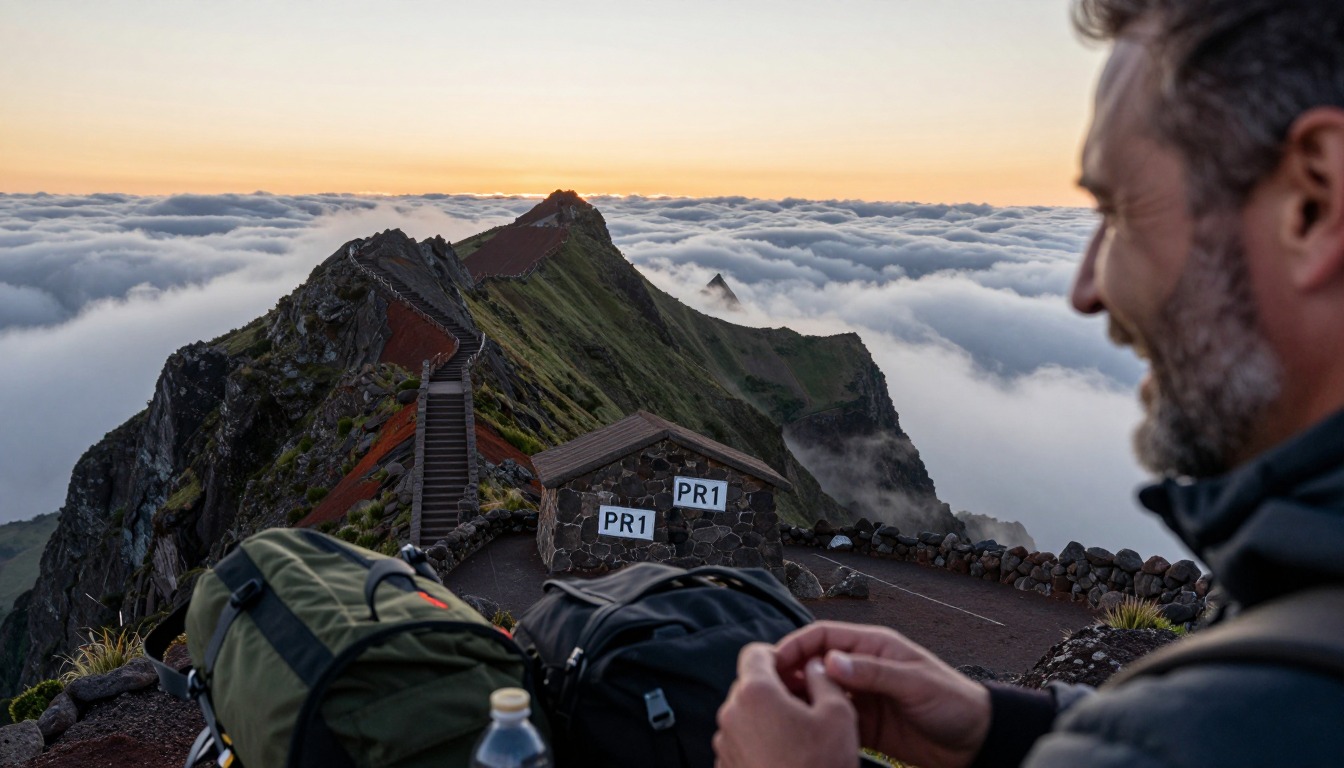
Island lodgingFor example: A mountain rest house near Pico Ruivo used as a day shelter and refreshment stop
Hikers on the ridge who need shelter or a break — not usually overnight lodging.
A place to shelter from the fast-changing ridge weather.
Mountain shelter (day use)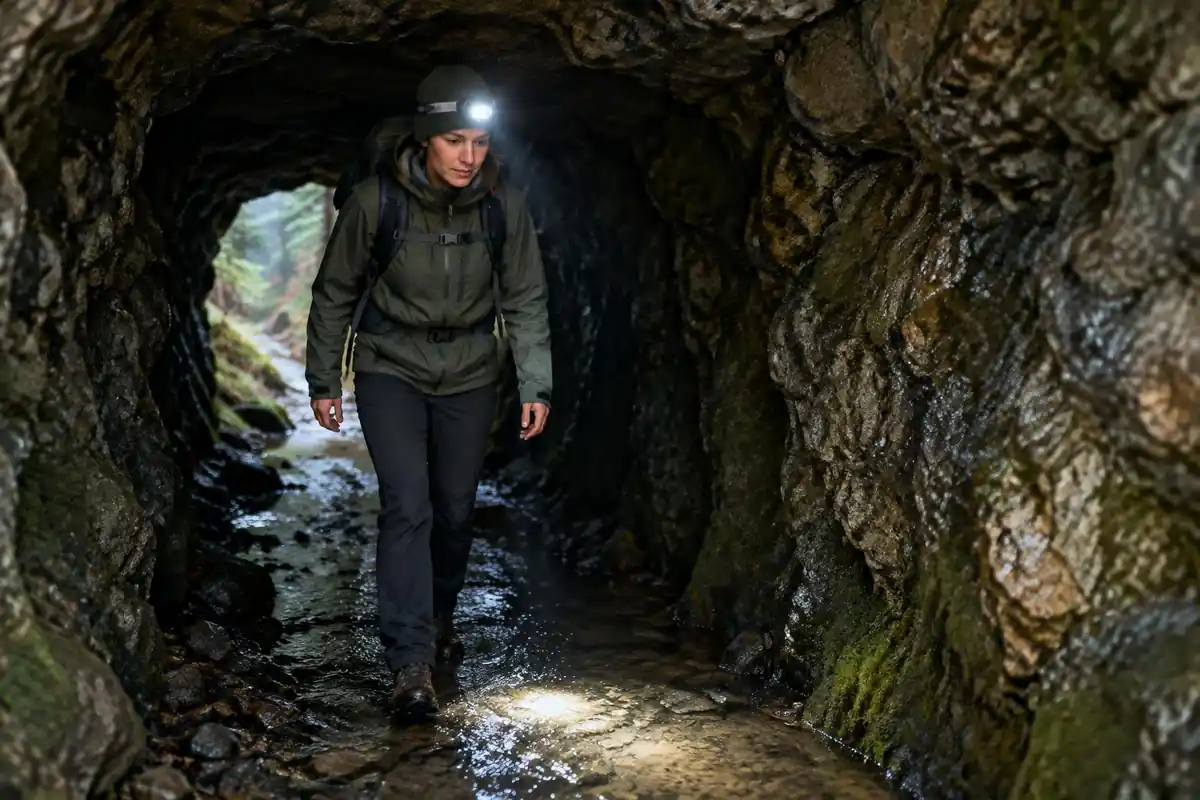
Permits & rules
No permit is needed, but the PR1 ridge between Pico do Arieiro and Pico Ruivo is exposed, with stairs, tunnels (bring a headlamp) and steep drops, and it closes in bad weather. The high ridge is far colder and cloudier than the coast — start early for clear views above the clouds.
Gear you'll want for this trip
Matched to the terrain and conditions here. Real products — check current price on Amazon.


Sleeping low, walking high
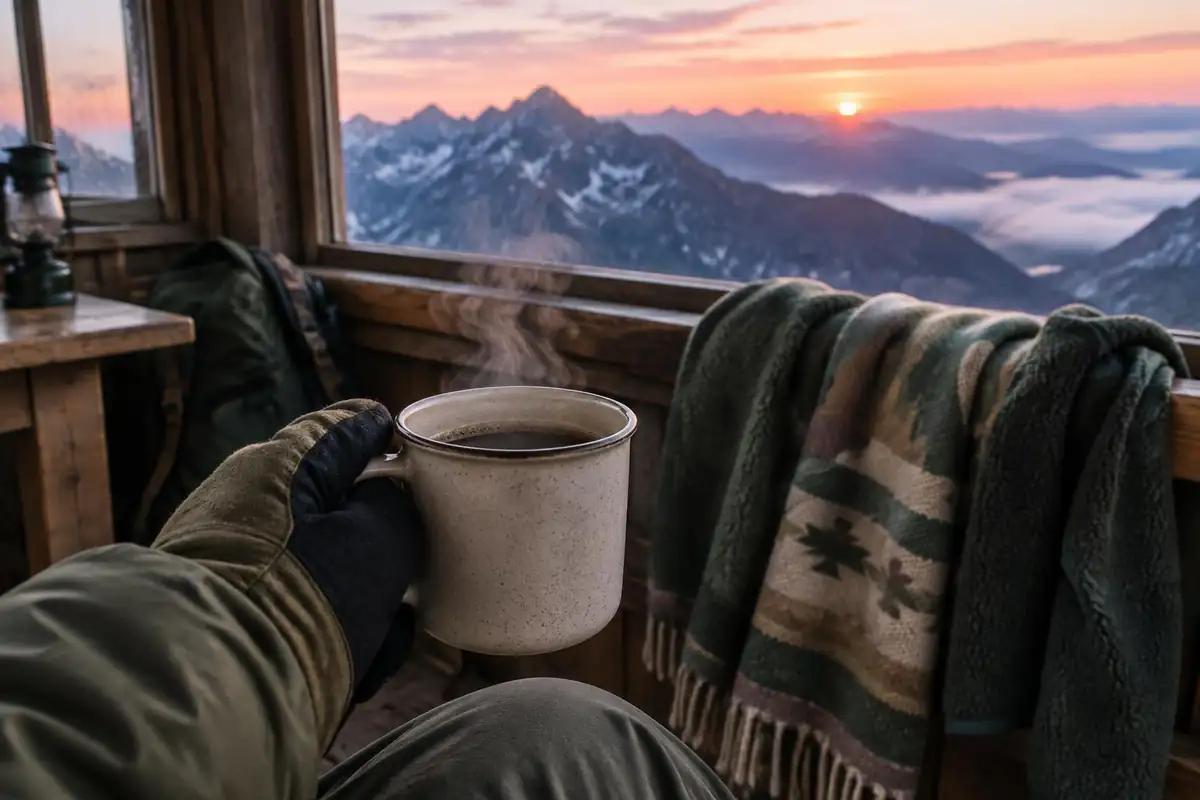
The existing page says a mountain rest house near Pico Ruivo works as a day shelter rather than overnight lodging, which leaves the coast or Funchal as the practical base. Visit Madeira describes Pico do Areeiro as an elevation of 1,818 meters, the third-highest point on the island, one of the most visited places thanks to its good access and facilities, and known for a sunrise spectacle, weather permitting.2 The same page describes the PR1 as starting from Areeiro toward Pico das Torres at 1,851 meters and finishing at Pico Ruivo at 1,862 meters.2
The page for Pico Ruivo describes it as the archipelago's highest point, at 1,862 meters, and says it can be reached on foot from Areeiro along the PR 1.1 or by the Vereda do Pico Ruivo (PR 1.2), a walk of about 45 minutes.3 If the full ridge is closed, that shorter approach may be an option, but check its status first.
The Areeiro page lists a bus operator contact and a shuttle entry, so check for public options as well as taxi and rental car, even though some guides say public transport is limited.2 Confirm timetables and bookings locally.
Route status and the turn-back rule
Visit Madeira explains that hiking along the levadas and trails is a rewarding activity and that the routes are officially classified by the Regional Government of Madeira. It links a map showing the current state of the classified routes as open, with some restrictions or inaccessible, and a full list of trails classified by the Institute of Forests and Nature Conservation, whose contact details it provides.1 The existing page says the PR1 closes in bad weather, and the status map is where to check that before you drive up.
The walker code on the same page lists rules and safety advice: avoid noise or actions against nature, do not take plants or animals, do not throw away rubbish, do not light fires, get up-to-date instructions on the route before starting, let someone know where you are going and when you expect to return, confirm the time the walk takes so you finish before nightfall, take extra food and water, wear suitable clothes and shoes, take a mobile phone if possible, and in heavy rain or strong wind not go on and turn back on the same route.1 Treat it as a checklist for your lodging host as well as for you.
A cold ridge and a day pack
The Washington Trails Association gives 25 to 30 liters as a good size for a full-day hike.4 That is enough for water, food, a rain shell, a warm layer, a headlamp and a phone battery bank. The existing page says the ridge is far colder and cloudier than the coast, and the CDC says hypothermia can develop above 40 degrees Fahrenheit if a person is chilled by rain, sweat or cold water and that the person affected may not realize it is happening.5
The National Park Service's layering guidance is a wicking base layer, an insulating middle layer and a wind- and water-blocking outer layer, with wool or synthetic preferred over cotton.6 Pack them even if the coast is hot.
Common questions
Do I need to book lodging in advance for this hike?
Yes, especially in peak season. Since the PR1 is a day hike rather than a hut-to-hut route, you're not booking mountain accommodation — you're booking a base in Funchal or elsewhere on the island, and popular areas fill up in the busier spring-through-fall months, so reserving ahead is worth it.
Is there anywhere to stay overnight near the trailhead itself?
Not really. Lodging for this hike is based in Funchal and other towns around the island, with hikers traveling up to Pico do Arieiro for the day. A mountain rest house near Pico Ruivo offers shelter and refreshments along the way, but it functions as a day stop rather than overnight accommodation.
When is the best time to hike between Pico do Arieiro and Pico Ruivo?
Spring through fall is the general window, since the ridge is noticeably colder and cloudier than Madeira's coast and can close in bad weather. Starting early gives you the best odds of clear views and a chance at walking above the clouds, so check the forecast the night before and be ready to adjust.
Complete gearsets for this trip
Full curated kits built for exactly this kind of hike — what to bring, why, and links to similar gear.
Lodging details are compiled from official parks, refuge associations and reservation systems and can change without notice. We publish no prices, availability or ratings — always confirm current information on the official site before booking or setting out. Product links and the accommodation map are affiliate links: we may earn a commission at no extra cost to you; product prices and availability are shown on Amazon, and accommodation prices on the booking site. See our affiliate disclosure.