
Affiliate disclosure: this page contains affiliate links. Purchases made through them may earn us a commission at no extra cost to you. See our affiliate disclosure.
In plain English
The Laugavegur is a trail with a simple lodging plan: a chain of mountain huts, each about a day's walk from the next, with tent areas beside them. The Icelandic Touring Association says it owns and runs the huts on this trail, so it is the organization to deal with for beds and rules.1
A hut is a shared, basic shelter. You get a bunk in a room with other hikers and a place out of the wind, and you carry your own sleeping bag and usually your own food. The tent option is there if the huts are full or you prefer to camp, but the highlands are exposed, so the tent has to be good in wind.
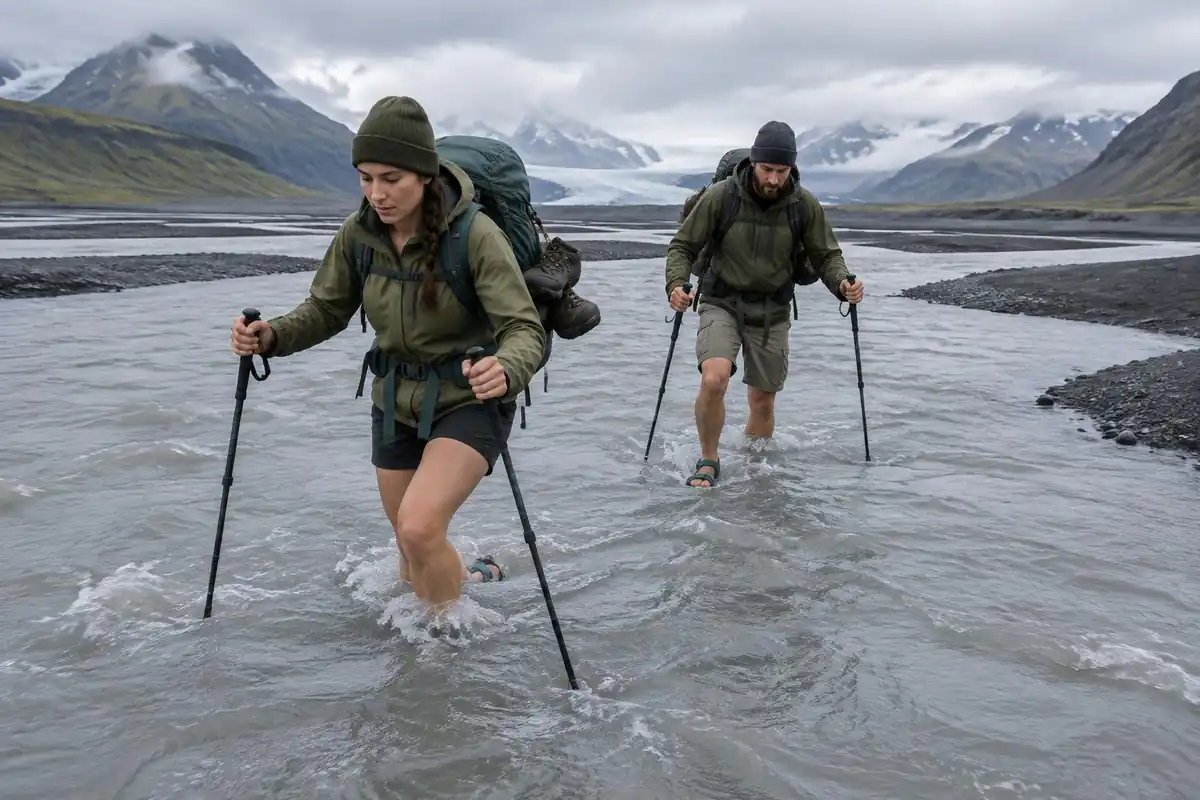
The part of the trail people talk about most is the river crossings. Glacial rivers are very cold, and feet that stay wet lose heat much faster than dry ones.2 So the most useful thing you can carry to a hut is a dry pair of socks that never gets wet, kept for the evening.
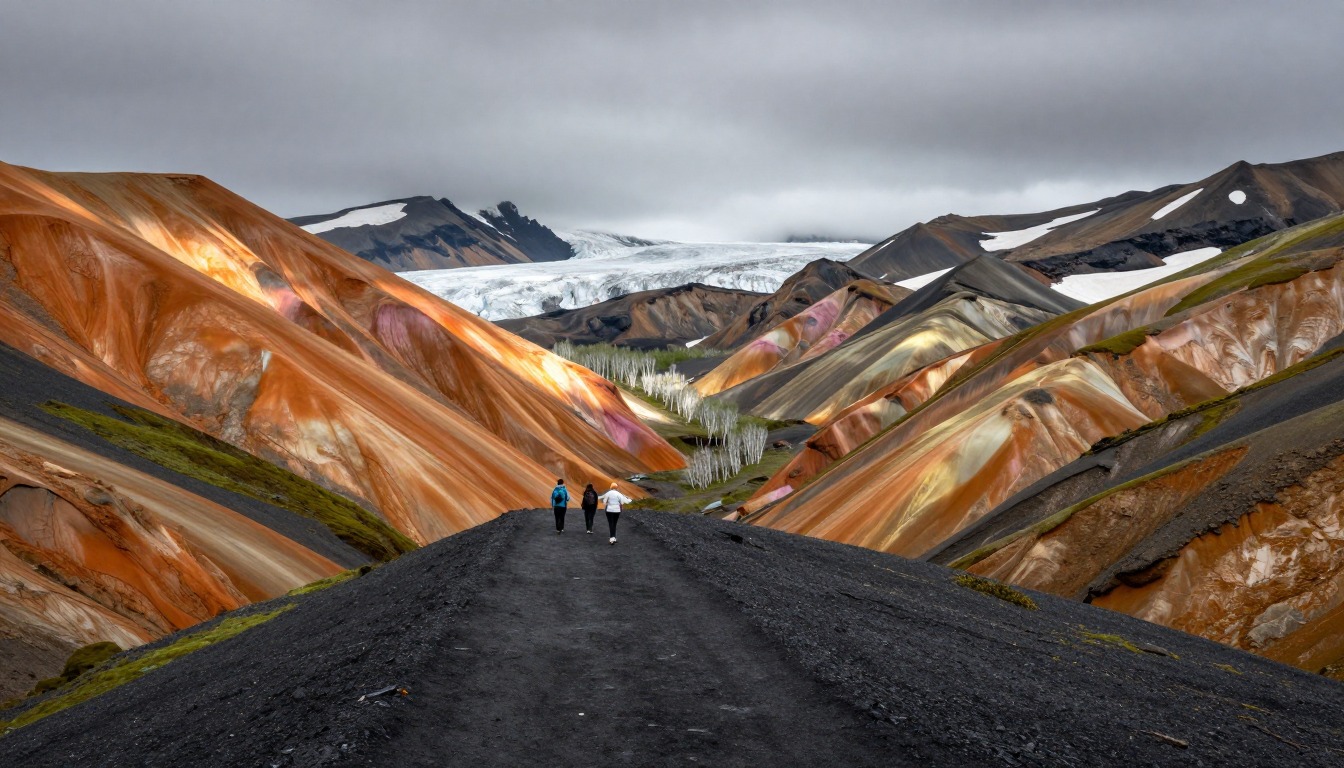
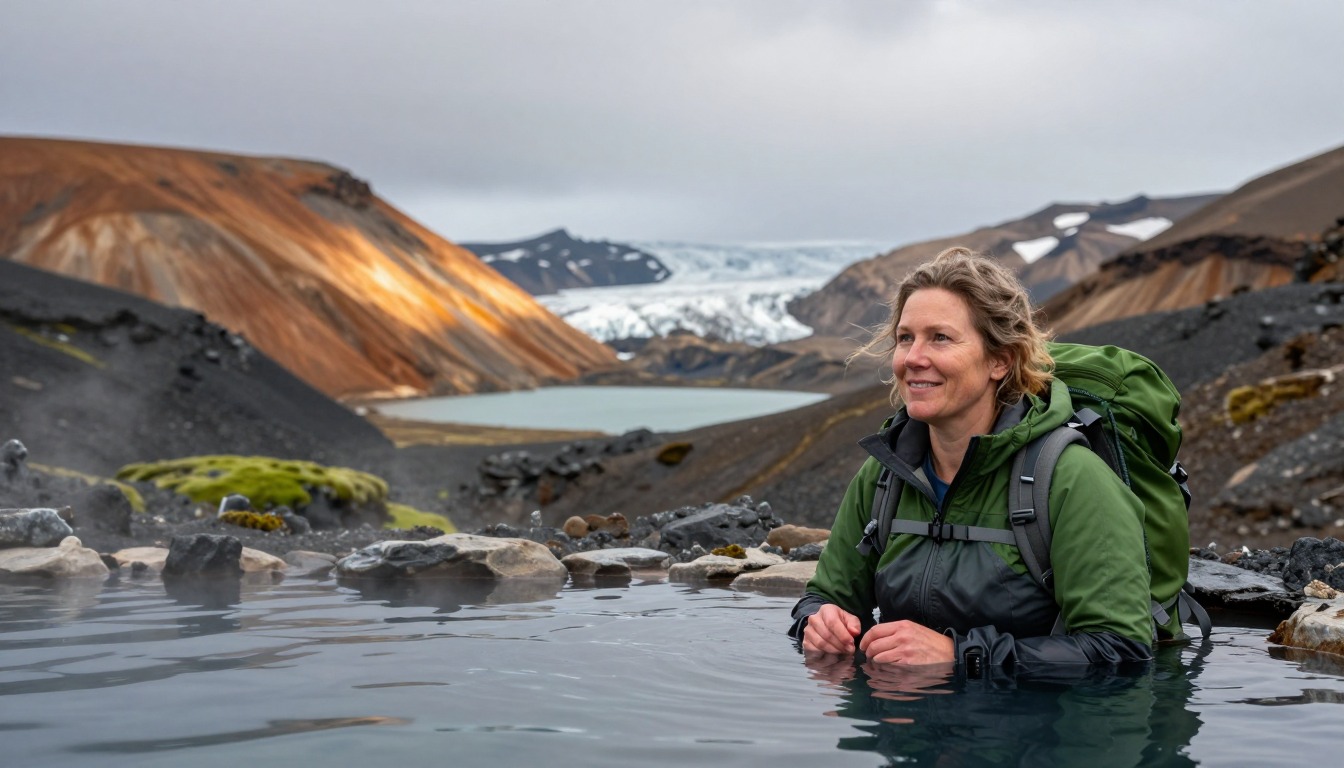
The Laugavegur is a roughly 55-kilometer multi-day trek across Iceland's highlands, running from the geothermal hot springs of Landmannalaugar to the green valley of Þórsmörk through rhyolite peaks, black-sand desert, and glacial river crossings. Because it sits inside the Fjallabak Nature Reserve, lodging is built around a chain of mountain huts operated by Ferðafélag Íslands, the Icelandic Touring Association — where you sleep each night is essentially decided by which stage you're walking, not by browsing options once you arrive.
Why hike here
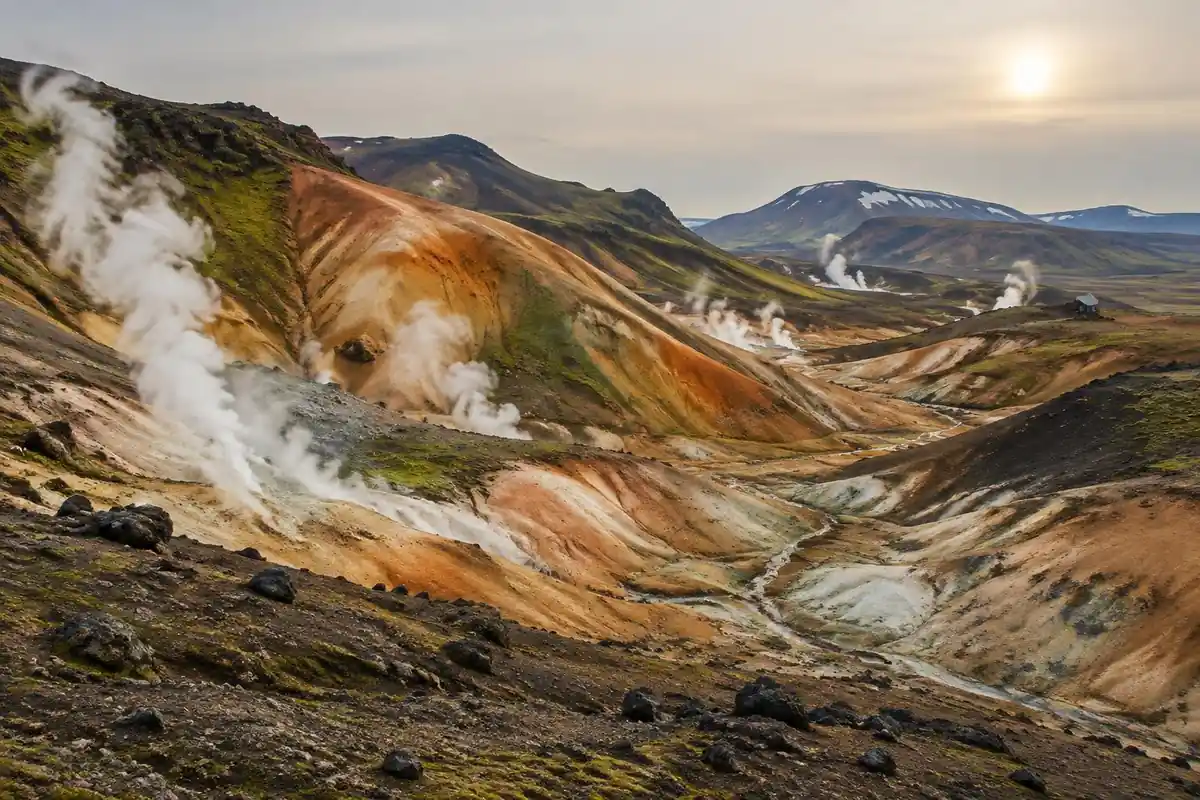
This is a trail that changes color under your boots almost hourly. It starts at Landmannalaugar, where hikers soak in natural hot springs before the packs even go on, then climbs into a landscape of rhyolite mountains streaked in ochre, pink, and green mineral bands — the kind of terrain that looks more like a painting than a hillside. Beyond that come stretches of black volcanic desert, steam rising from geothermal vents, and glacial rivers you ford in bare feet, cold enough to make you gasp. The final stretch drops into Þórsmörk, a green valley of birch scrub wedged between glaciers, and the contrast after days of stark highland gray is enough to stop most hikers mid-step. Few multi-day routes anywhere pack this much visible geology into so few kilometers.
Getting there
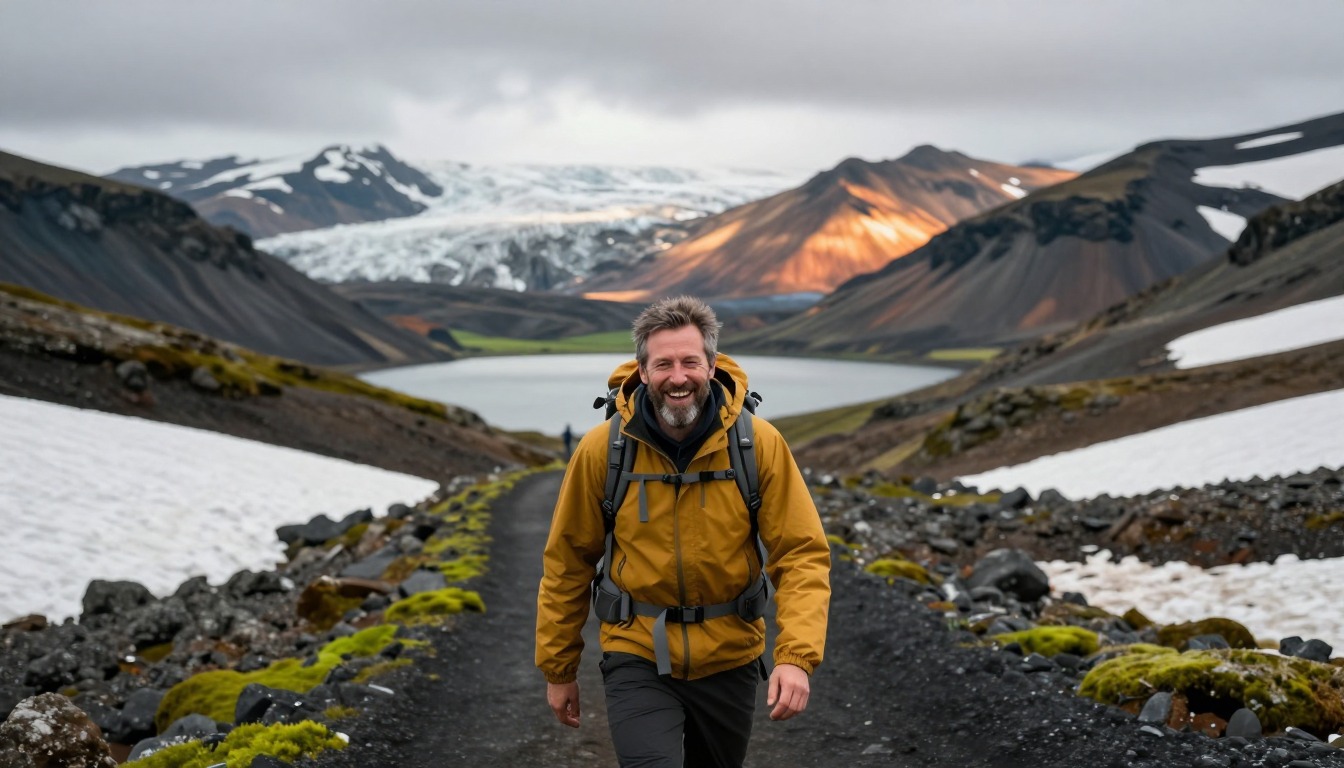
Getting to the trailhead means flying into Keflavík International Airport and basing yourself in Reykjavík for a night, since the journey into the highlands only runs from the capital area. From there, a seasonal highland bus — running only in summer and subject to weather and river conditions — covers the rough road into Landmannalaugar, where the trail begins. At the other end, the same kind of highland bus service picks up hikers from Þórsmörk. Because these buses don't run year-round and can be delayed or cancelled by weather, it's worth checking schedules and building in a buffer day on both ends.
Where to stay
The realistic options, closest-to-the-trail first. Book through the official links — we don't list prices or availability because they change all the time.
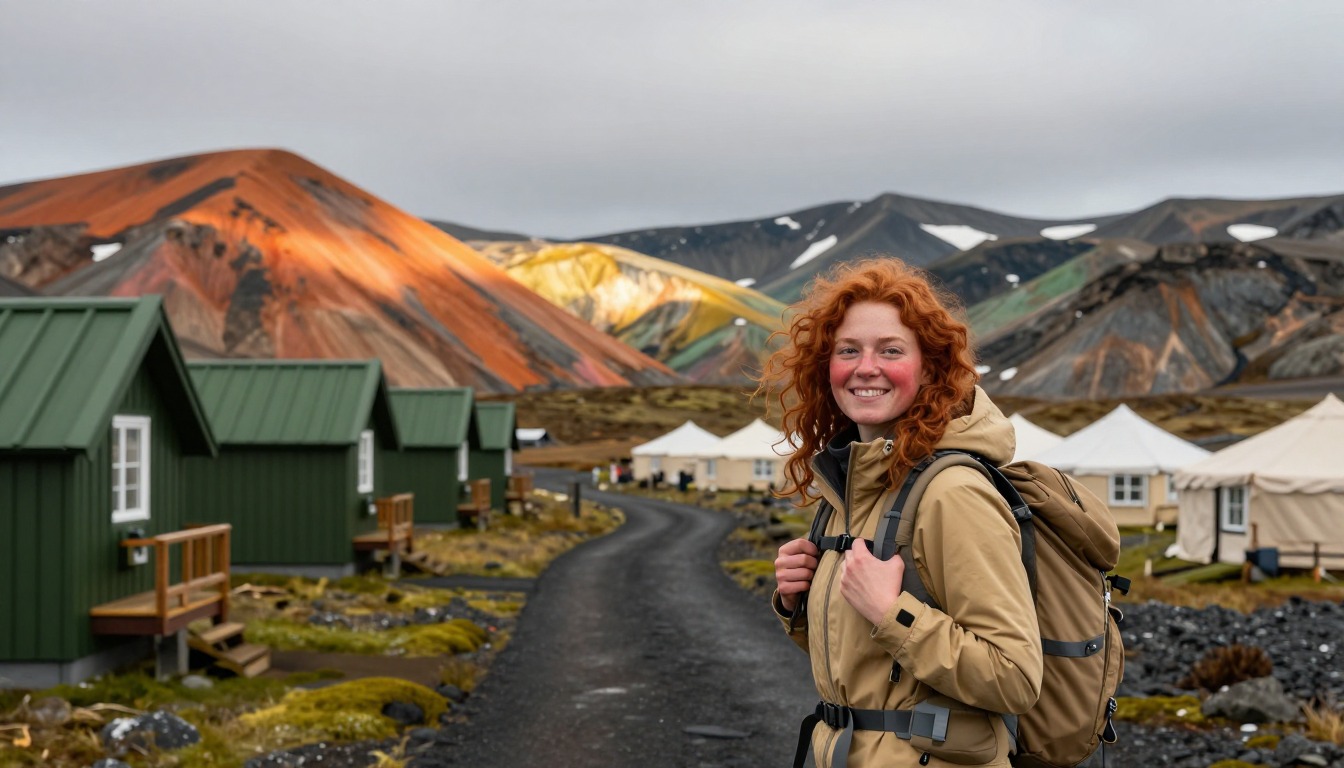
For example: Landmannalaugar, Hrafntinnusker, Álftavatn, Emstrur (Botnar) and Þórsmörk
Trekkers who want a bunk and shelter from Highland weather.
Huts are small and sell out early for the short summer season.
Ferðafélag Íslands (Icelandic Touring Association)For example: Tent areas beside each hut, with access to toilets and water
Campers carrying a storm-worthy tent; wild camping here is restricted.
Iceland's wind is fierce — bring a tent and stakes rated for exposed ground.
Pay/register at the hut or via the association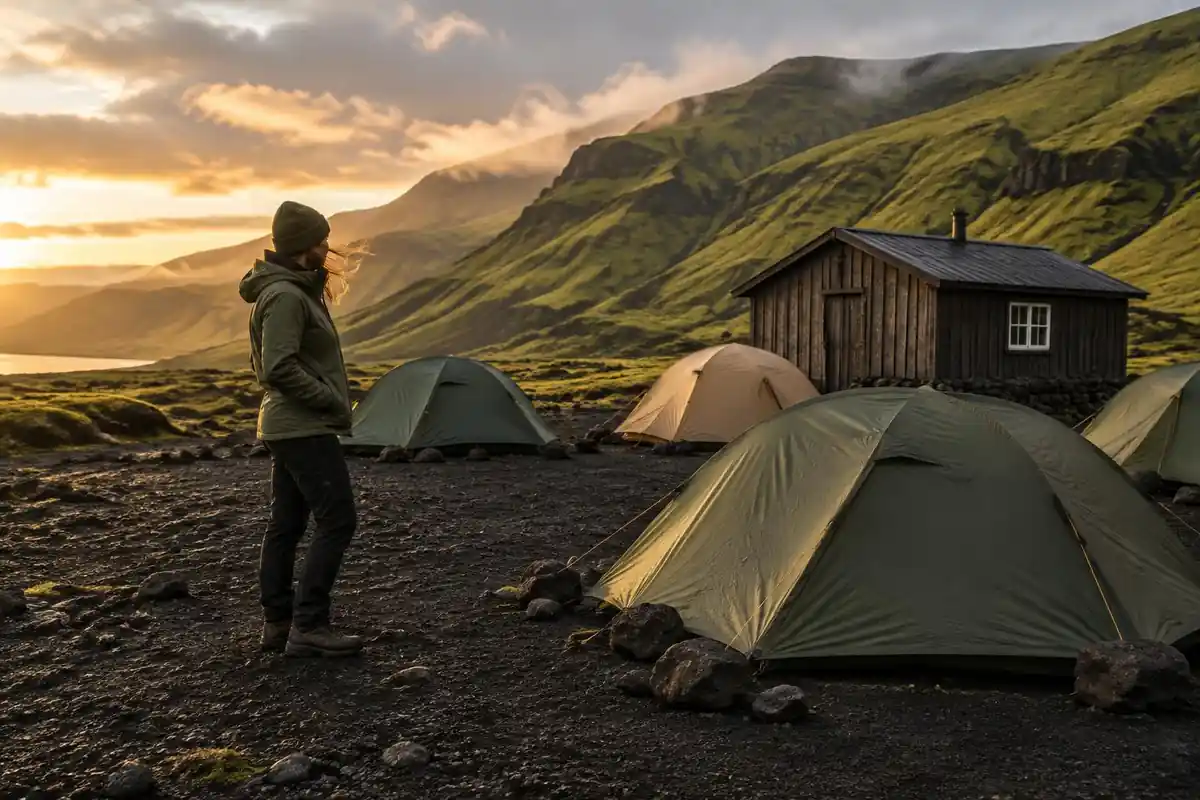
Permits & rules
No trekking permit is required, but hut beds and campsites should be booked through the Icelandic Touring Association. River crossings and rapid weather changes are the real hazards.
Gear you'll want for this trip
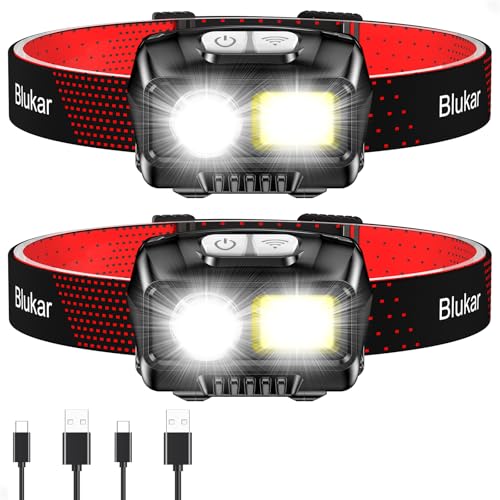
Matched to the terrain and conditions here. Real products — check current price on Amazon.


One operator, several stops
The Icelandic Touring Association's page for the trail states that it owns and runs mountain huts on the Laugavegur, and its navigation groups the practical questions in one place: terms and prices, hut rules, camping, a Laugavegur huts FAQ, online booking, and a link to a national safety-travel service.1 The page lists huts and camping grounds such as Álftavatn and Emstrur with an accommodation figure shown next to each, 72 and 60, though the page does not define the unit, so treat them as capacity indications and not promises.1
Its safety section says to prepare for a country where the weather changes constantly, check road conditions and the weather forecast, bring the right equipment, and always leave your travel plan behind.1 That last point echoes general guidance from the National Park Service to leave a trip plan with a trusted person who is not on the trip.4 On a trail where your beds are pre-arranged, the plan doubles as a check that you actually reached them.
Tents, wind and the second-choice bed
The existing page says a tent area sits beside each hut and that camping is the fallback when huts are full. That fits the association's own site, which has a dedicated camping section, though its front page does not spell out the rules or whether you must pay and register at the hut or online, so confirm that when you book.1 What the sources do support is the equipment side. MSR explains that a freestanding tent is held up by its poles alone, while a semi-freestanding tent needs both poles and staked-out points or guy lines, and that non-freestanding tarp shelters need staked guy lines.3
In open highland ground, staking matters more than in a sheltered forest, because a tent that relies on stakes is only as secure as the ground holding them. Testing your setup and stake choice before the trip is more useful than buying a heavier tent. The existing page's advice to bring stakes rated for exposed ground is consistent with this, though it is not a sourced figure.
Wet feet and what you carry into the hut
NIOSH notes that trench foot can occur at temperatures as high as 60 degrees Fahrenheit if the feet stay wet, and that wet feet lose heat 25 times faster than dry feet.2 It also warns that immersion hypothermia develops faster than standard hypothermia and can occur in any water below 70 degrees Fahrenheit, and recommends wool and synthetic clothing over cotton for cold-water situations.2 On a trail with glacial fords, that is not an abstract risk.
The lodging link is practical. A hut or tent is where you recover, so keep a set of dry socks and a warm layer sealed away from the wet gear, and dry your feet before you sleep. The CDC adds that hypothermia can develop above 40 degrees Fahrenheit if you get chilled from rain, sweat or cold water.5 Guides often give late June to early September as the hut season, but the association's front page does not confirm dates, so check hut opening dates when you book.
Common questions
Do I need to book huts in advance?
Yes — book as early as you can. The huts along the route are small and this is a short summer season, so space fills fast; check the association's site for the current hut opening dates. If you can't get a hut booking for a given night, plan to camp in the designated tent area beside it instead, since wild camping elsewhere is restricted.
Can I camp instead of staying in the huts?
Yes, each hut has a designated tent area right beside it, and pitching there is generally the option if hut beds are full or you prefer camping. Wild camping outside these areas is restricted, so plan to use them rather than pitching wherever you like. Bring storm-rated stakes — the highlands get fierce, sustained wind, and a flimsy setup won't hold.
When is the best time to hike the Laugavegur?
The trail is generally walkable in the summer months, roughly late June to early September, and the huts and highland buses follow the same short season, so confirm opening dates with the hut operator. Outside that window, river crossings and weather become far more serious undertakings. If you're planning a first trip, aim for the middle of that season rather than the edges.
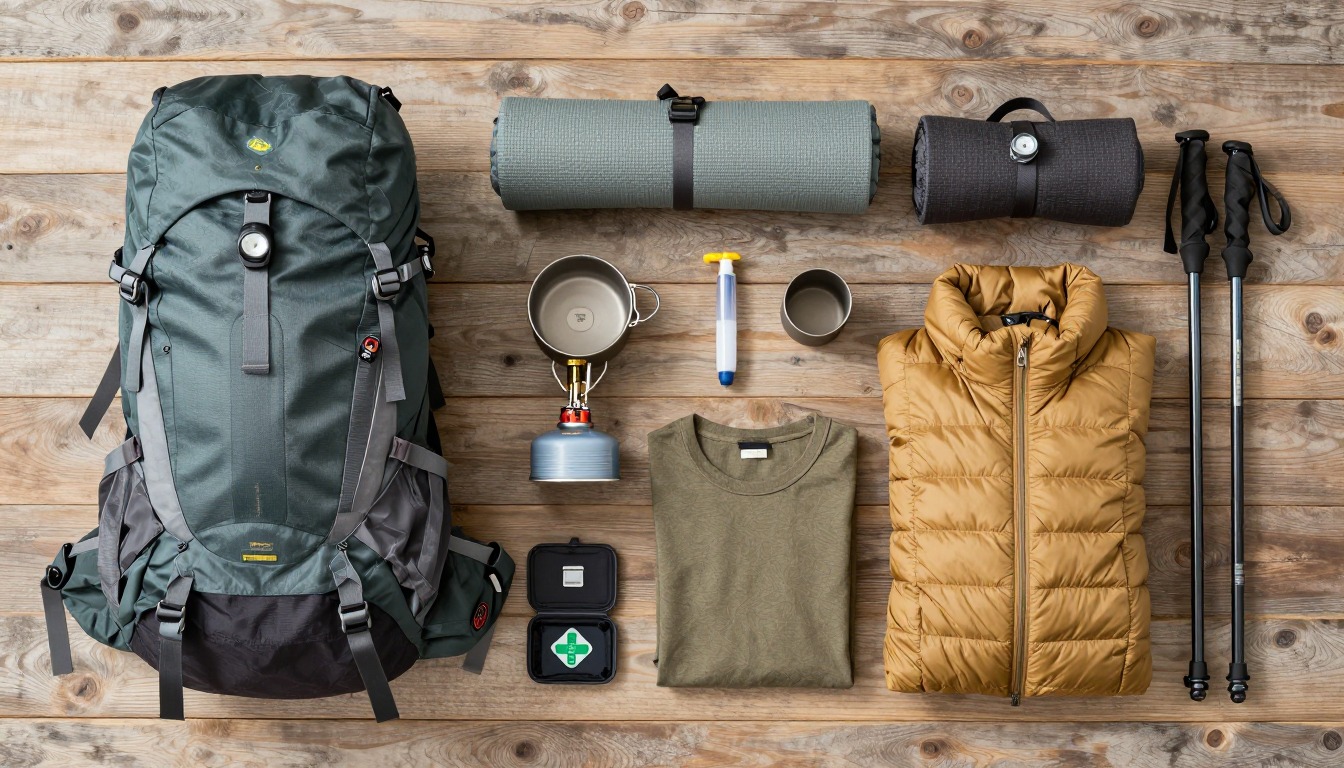
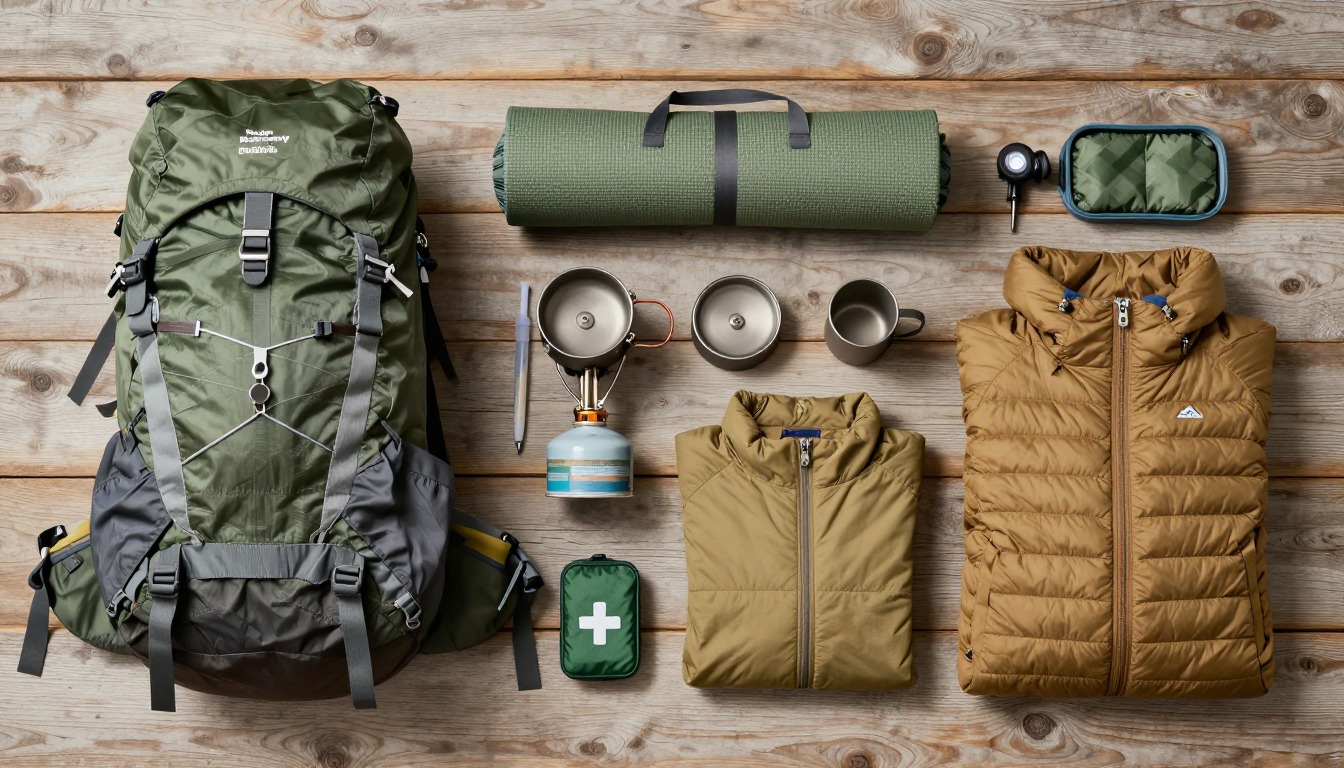
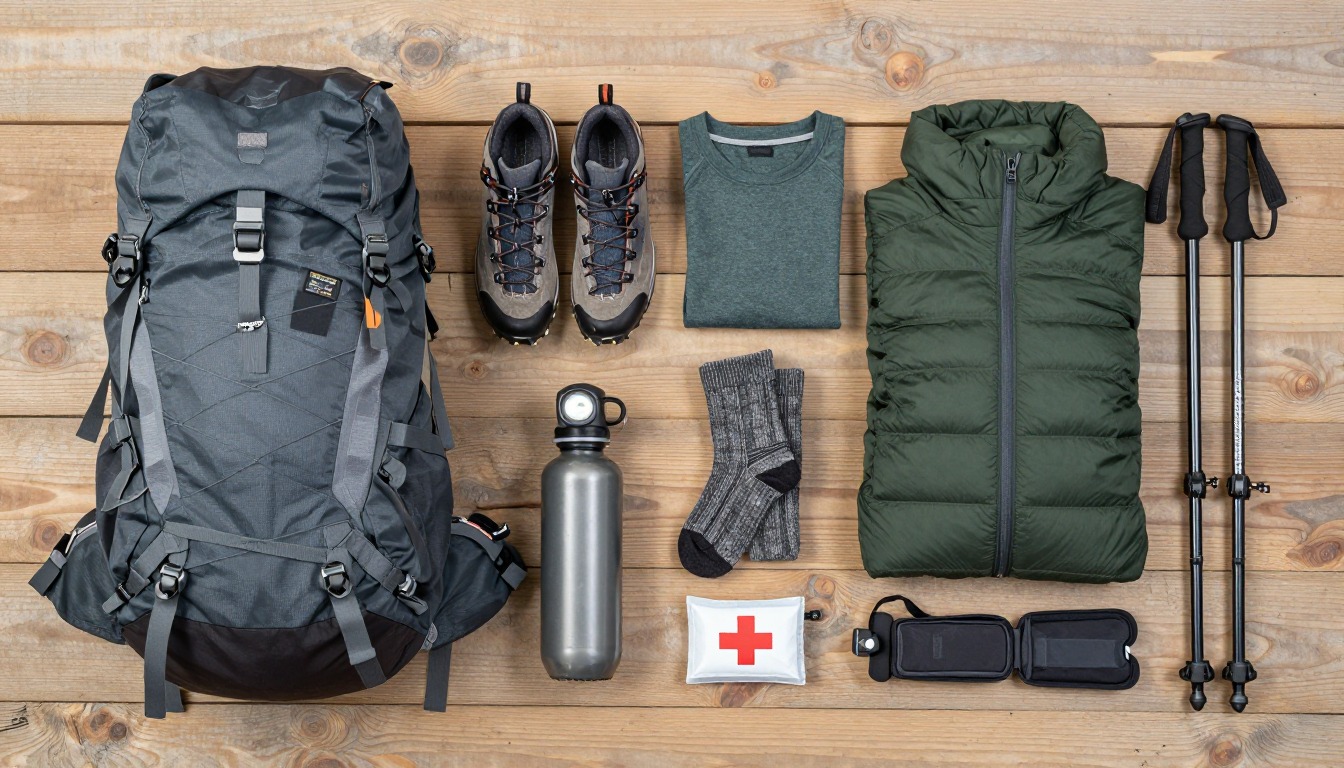
Complete gearsets for this trip
Full curated kits built for exactly this kind of hike — what to bring, why, and links to similar gear.
Lodging details are compiled from official parks, refuge associations and reservation systems and can change without notice. We publish no prices, availability or ratings — always confirm current information on the official site before booking or setting out. Product links and the accommodation map are affiliate links: we may earn a commission at no extra cost to you; product prices and availability are shown on Amazon, and accommodation prices on the booking site. See our affiliate disclosure.