
Affiliate disclosure: this page contains affiliate links. Purchases made through them may earn us a commission at no extra cost to you. See our affiliate disclosure.
In plain English
The Lake District has no mountain huts. You sleep in valleys, in villages, campsites, hostels or hotels, and walk up from there each day. The choice is about which valley puts you closest to the mountain you want, and whether you want a tent or a roof.
Camping in a tent on the hills is trickier than it sounds. The national park authority says it is technically not allowed without the landowner's permission. It says some campers are tolerated if they follow a list of habits, such as staying one night, keeping the group small and lighting no fires, but the landowner can still ask you to leave.
Weather is the other thing to plan for. The authority says it gets colder by about one degree for every 150 metres you climb, so it can feel mild in a valley and cold on a ridge. That is why you pack the same warm layers whether you sleep in a bed or a tent.
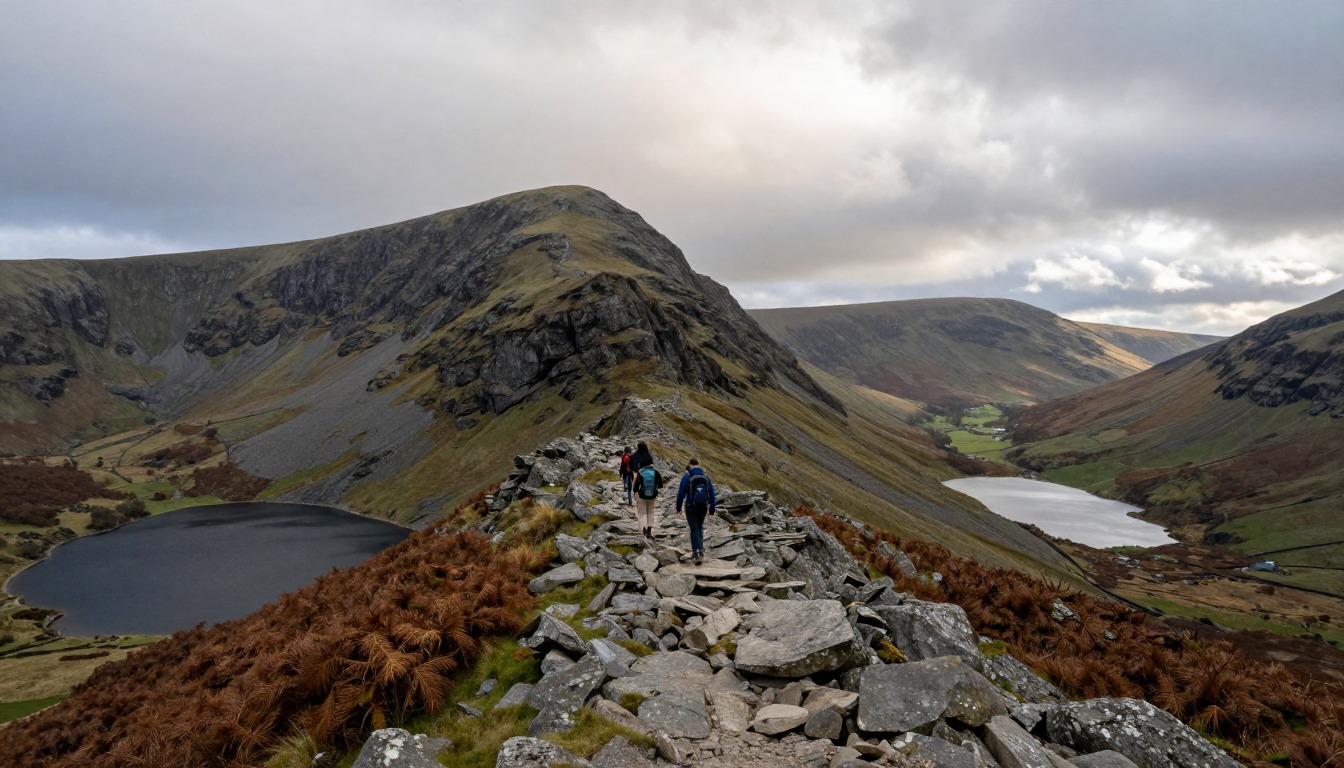
The Lake District pairs two of England's most iconic hikes — the exposed scramble along Striding Edge to the summit of Helvellyn, and the long climb to Scafell Pike, the country's highest point — inside one national park in Cumbria. Neither route is hut-based, so where you sleep comes down to picking a valley base: small villages near each trailhead, or one of the bigger lake towns with a wider spread of options.
Why hike here
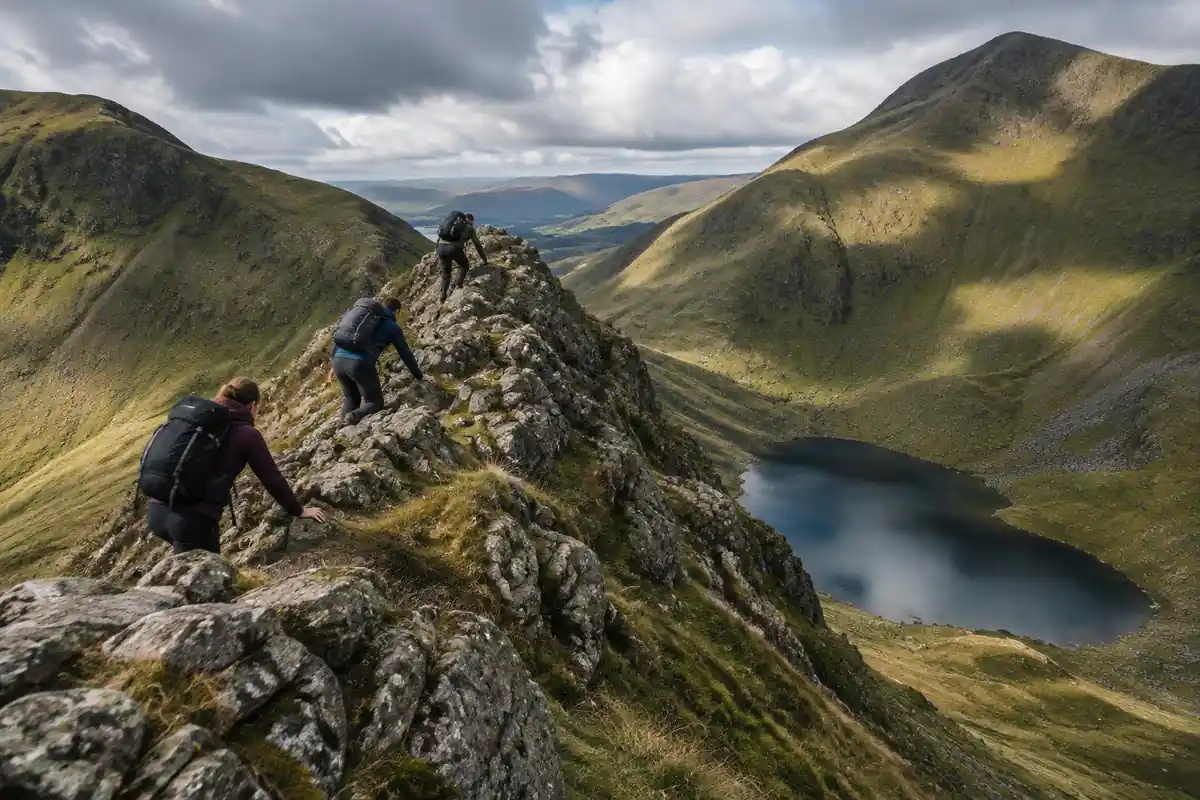
What makes this pairing special is the contrast between the two summits. Striding Edge is a narrow, exposed rock arête that forces you to use your hands as you pick a line along the crest, with the ground falling away on both sides before the path delivers you onto Helvellyn's broad top — a scramble that has genuinely caught out walkers who underestimated it, so it rewards respect rather than bravado. Scafell Pike is a different kind of test: a long, rough, boulder-strewn ascent to England's highest ground, where cloud can close in fast and turn a straightforward path into a navigation puzzle. Together they give you the sharp thrill of an arête and the slow grind of a mountain summit, both inside the same compact stretch of fells.
Getting there
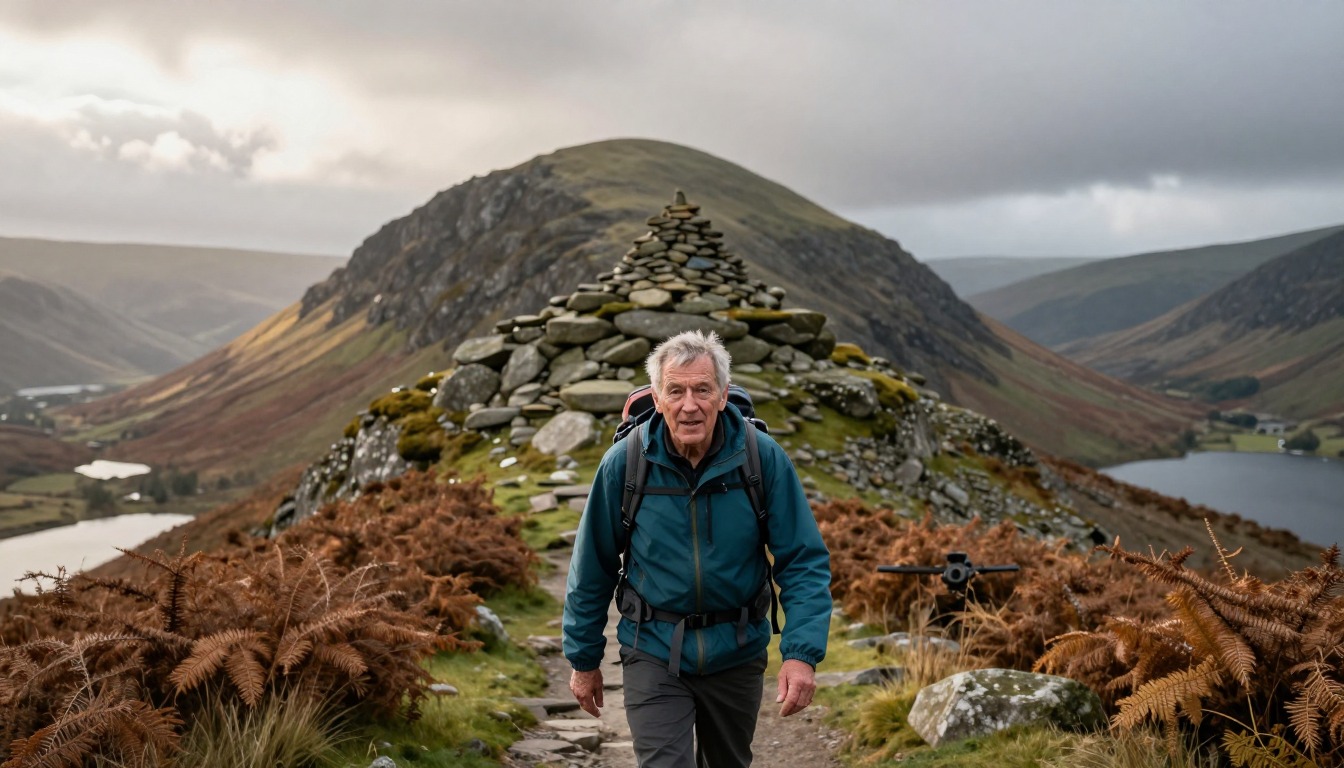
Getting to the Lake District usually means flying into a major UK airport, then taking a train toward Cumbria, with Penrith or Windermere serving as the main rail gateways into the National Park. From either station, the final leg is by local bus, taxi, or a pre-arranged transfer into the valleys — Glenridding and Patterdale for the Helvellyn side, or Wasdale and Seathwaite for Scafell Pike, both reached by narrow, winding roads. Many hikers base themselves in Keswick or Ambleside instead and travel out to the trailhead on the day, since both towns have good onward transport links.
Where to stay
The realistic options, closest-to-the-trail first. Book through the official links — we don't list prices or availability because they change all the time.
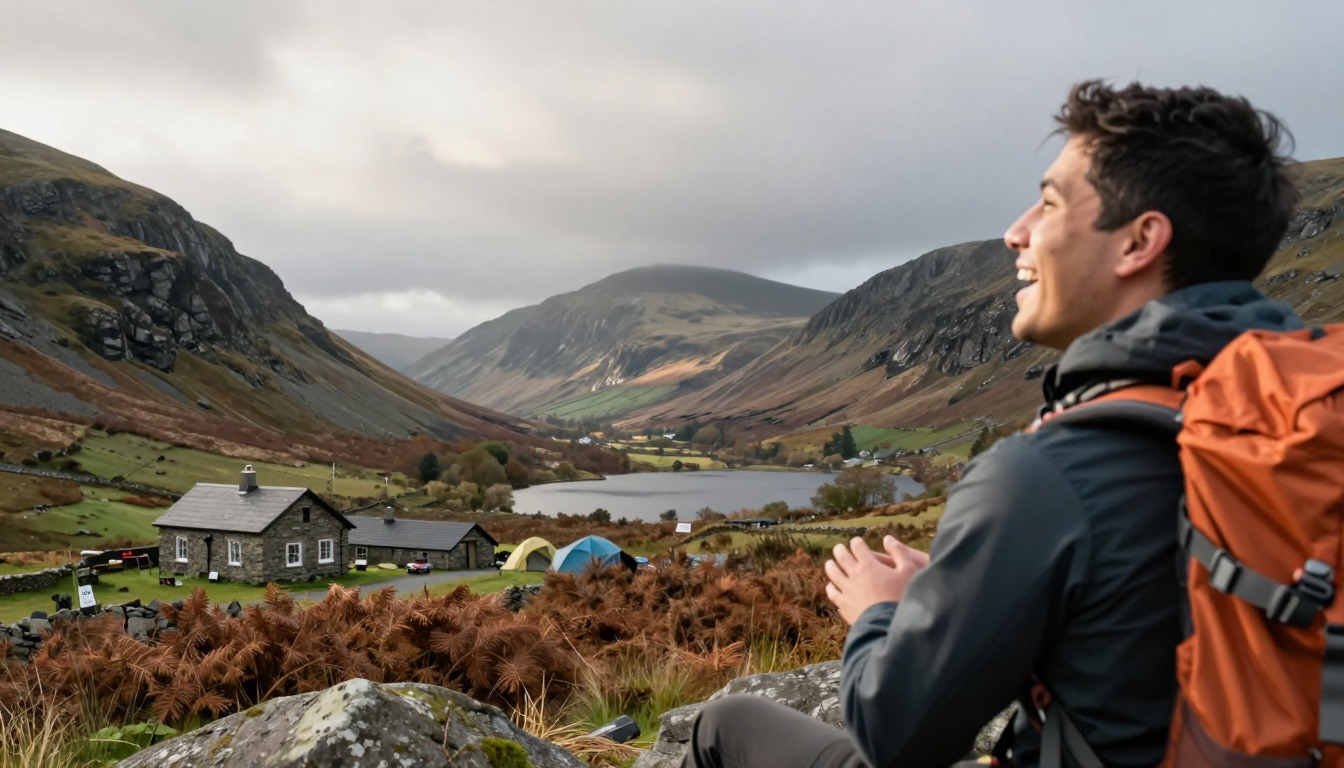
For example: Inns, B&Bs, YHA hostels and campsites near the Helvellyn and Scafell Pike trailheads
Hikers basing close to a specific peak’s start.
Glenridding/Patterdale for Helvellyn; Wasdale or Seathwaite for Scafell Pike.
Village lodgingFor example: A wide range of hotels, rentals and hostels in the central Lakes towns
Anyone wanting more choice and a lively base.
Central for reaching several fells; buses serve some valleys.
Nearby-town lodging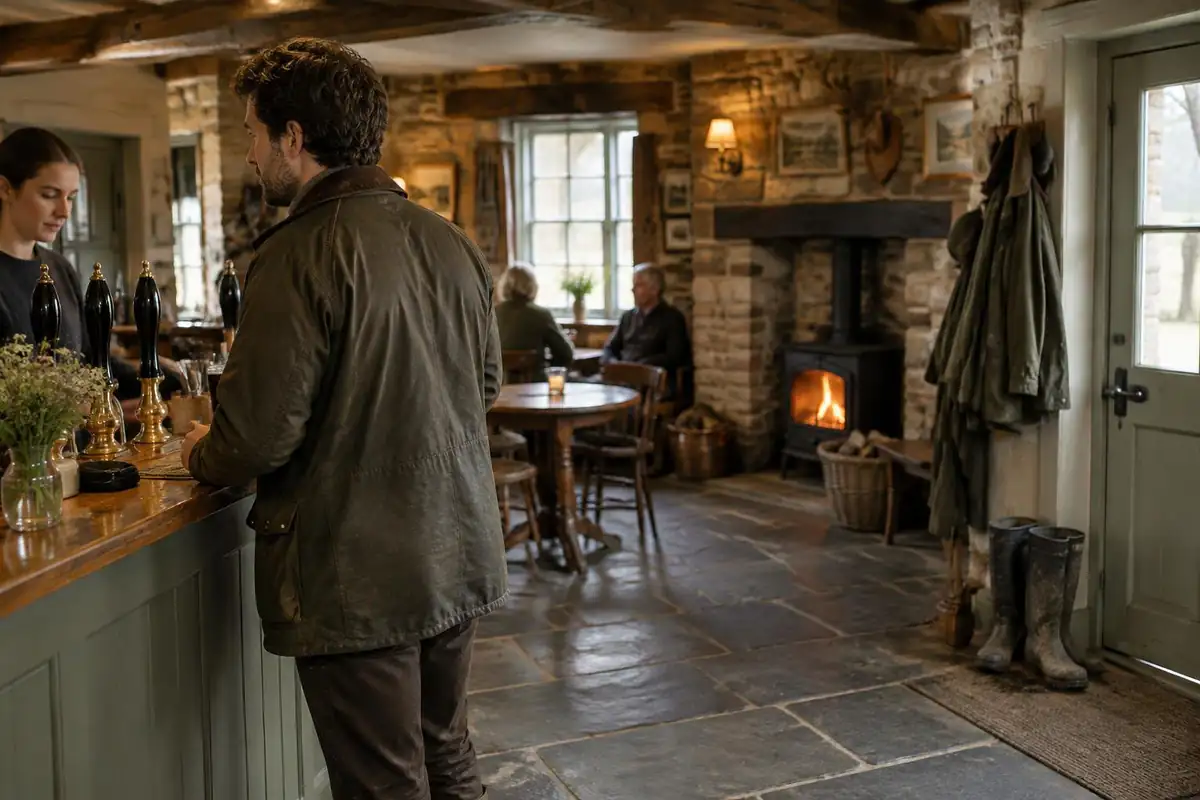
Permits & rules
No permit is needed. Striding Edge is a genuine exposed scramble that has caught out many walkers — attempt it only in good conditions with a head for heights, and pick a clear day for Scafell Pike’s rough, cloud-prone summit.
Gear you'll want for this trip
Matched to the terrain and conditions here. Real products — check current price on Amazon.


Valley bases and the official menu of beds
The authority's where-to-stay page lists campsites, caravan sites, campervans and where to park, wild camping, glamping and camping pods, and hostels and bunkhouses, and points to Visit Lake District for hotels, cottages and B&Bs.3 There is no hut system, so the choice is a valley base. The authority notes that mobile coverage can be patchy, that supermarkets are in Windermere and Keswick with smaller shops in Ambleside and Grasmere, and that many stores keep shorter hours on Sundays, often 10 a.m. to 4 p.m.2 So stock food before you settle into a small village base, and do not rely on a phone for maps.
The National Park Service advises leaving a trip plan with a trusted person who is not on the trip and not relying on a cell phone for emergencies.4 A valley base with a host or campsite warden is a natural place to do that. Confirm current bookings, car parking and access with the authority before you travel.
Wild camping: tolerated, not a right
The authority says landowners have the legal right to order you to break camp and move on, that camping in car parks or on roadside verges is never allowed, and that wild camping is normally tolerated only if you camp above the highest fell wall and well away from towns, villages and lake shores, leave no litter, light no fires, stay one night, keep groups to one or two tents, use inconspicuous tents, and do toilet duties at least 30 m from water, burying waste with a trowel.1 It also says sanitary products must be carried out because burying does not work.1 The US National Park Service gives 200 feet, about 60 meters, as its distance from water for camping and toilets; that is US guidance, and the Lake District figure is the local rule of thumb.5
That shapes your kit. MSR notes a freestanding tent is held up by its poles alone, while semi-freestanding tents and tarps need stakes and guy lines, which is a consideration on rocky, windswept ground above the fell wall.6 NEMO says a sleeping bag's extreme rating is not a target, and Therm-a-Rest says an insulated pad prevents ground chill.7,8 The authority also says there are fairly wild campsites with real toilets and fresh water, which can be a better fit for a first overnight.1
Fell weather and what to carry
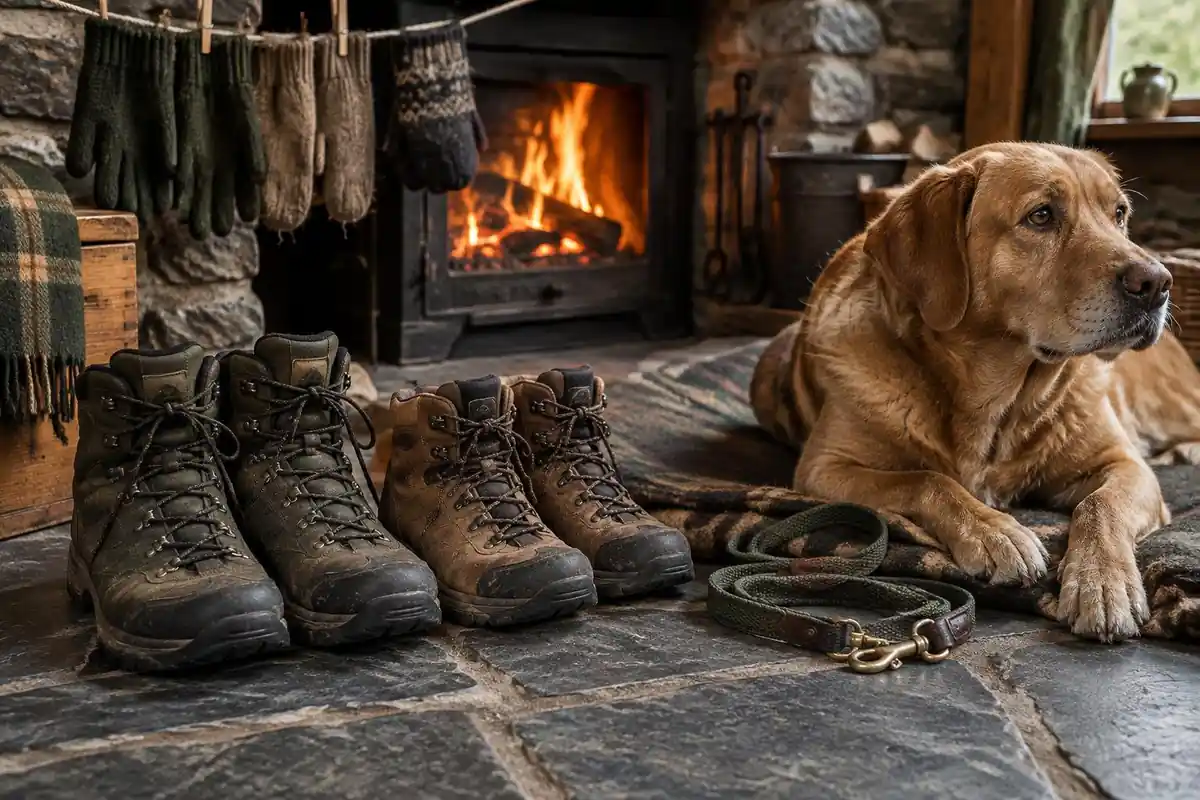
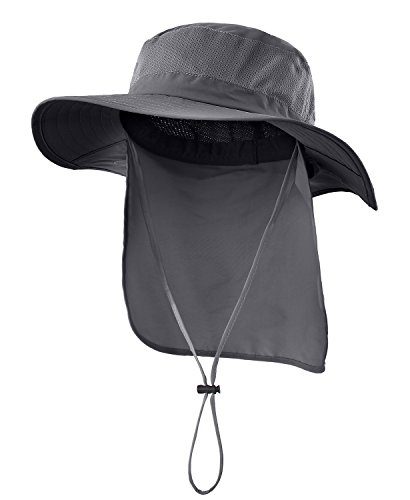
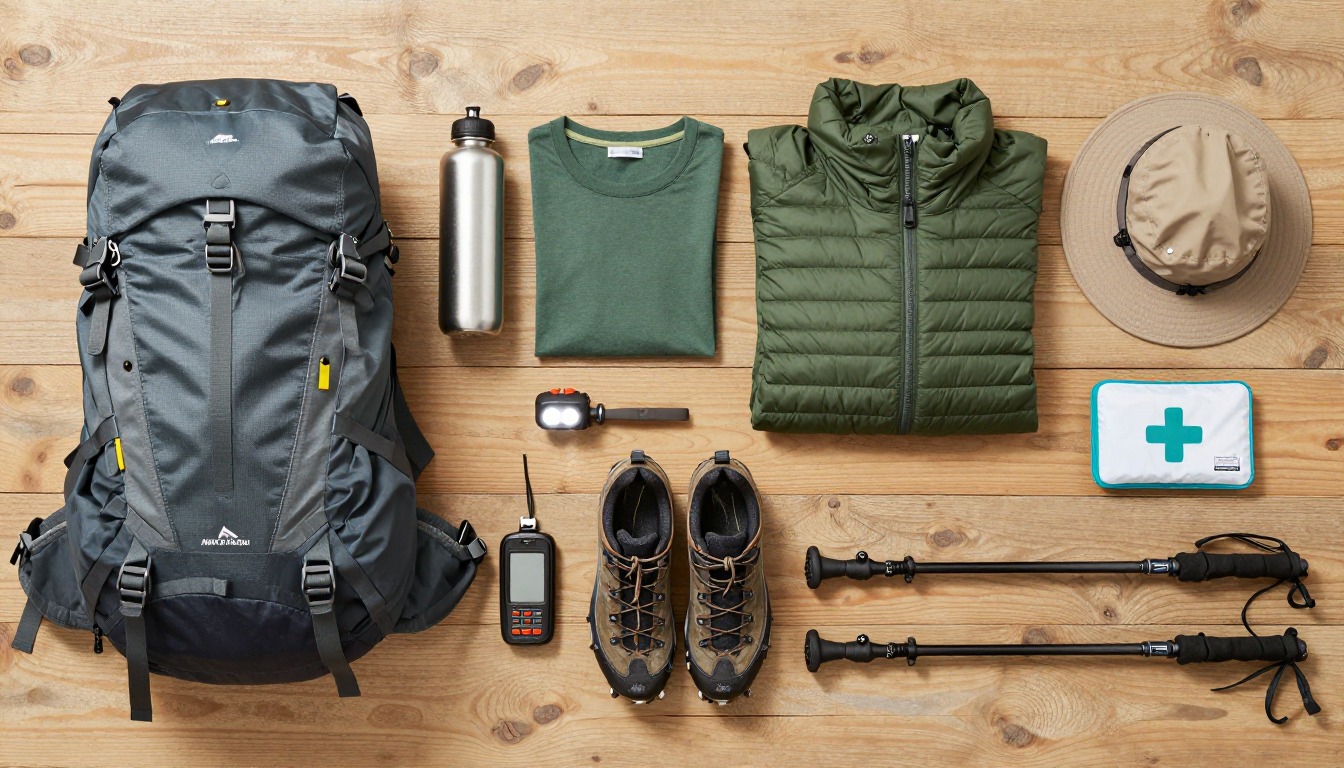
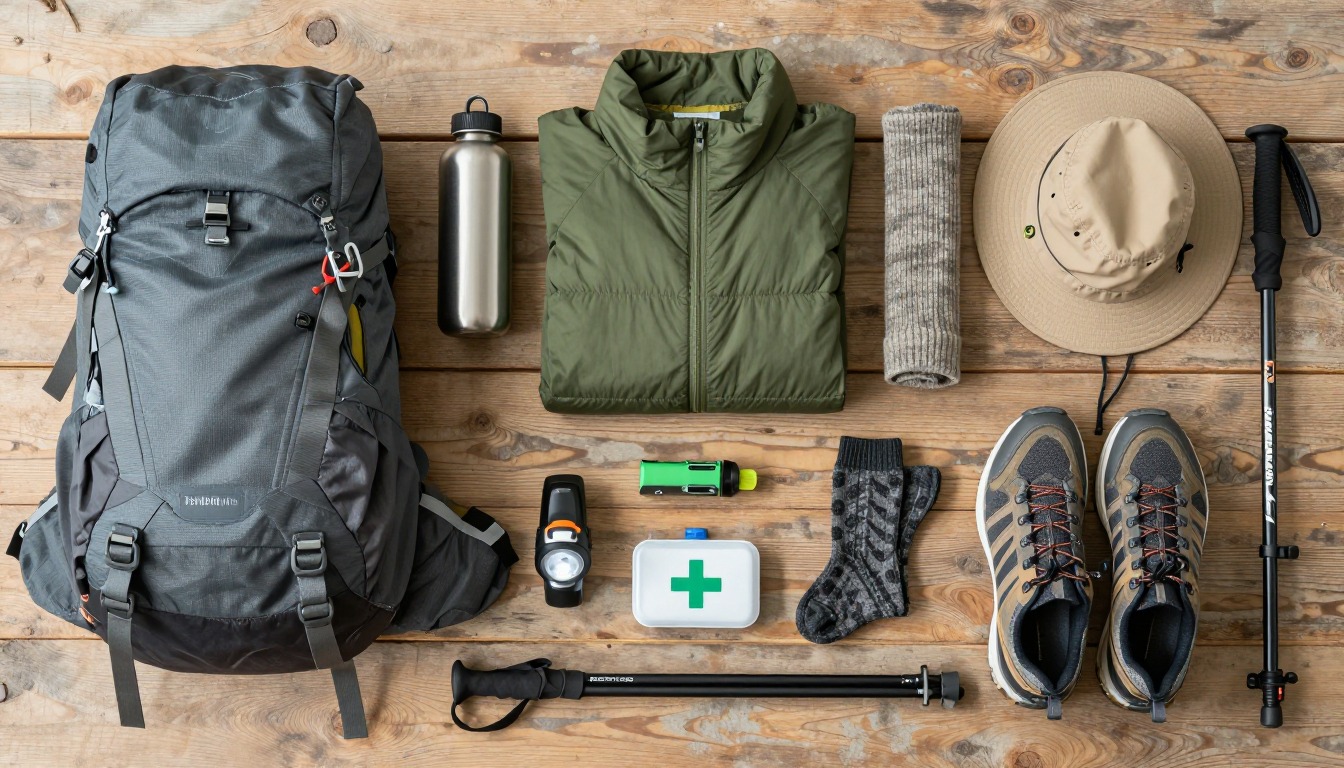
The authority says layers are best whatever the time of year, that a wind- and waterproof jacket and over-trousers make walks more comfortable, that walkers should carry an extra top layer, spare socks, a warm hat and gloves, and that fell paths are often muddy and cross peat bog, so waterproof walking boots are best.2 It also points to the Weatherline forecast, which shows different temperatures for different points on the fells, and says you can still get sunburnt on a clear winter day.2
The Centers for Disease Control and Prevention says hypothermia can develop above 40°F when chilled by rain or sweat.9 The National Weather Service says there is no safe place outdoors in a thunderstorm.10 Striding Edge is a scramble where you use your hands, and the page says cloud can hide the route on Scafell Pike, so carry a map and compass and be ready to turn back. A day pack of 25 to 30 liters is the size Washington Trails Association gives for a full-day hike.11
Common questions
Do I need a permit to hike Striding Edge or Scafell Pike?
No, neither route requires a permit. Both are well-established paths within the Lake District National Park, free to walk any time conditions allow. There's no booking system to navigate — the real preparation is checking the weather and your own scrambling experience for Striding Edge, and packing a map and compass for Scafell Pike, where cloud can obscure the route.
Where should I stay for Helvellyn and Striding Edge versus Scafell Pike?
For Helvellyn, most hikers base themselves in Glenridding or Patterdale, both close to the Striding Edge trailhead with inns, B&Bs, and hostels or bunkhouses. For Scafell Pike, Wasdale and Seathwaite sit nearest the main routes up. If you'd rather stay somewhere bigger with more choice, Keswick and Ambleside both have a wide range of hotels and hostels and good onward transport.
When is the best time to hike Striding Edge and Scafell Pike?
The milder months are generally more settled and the ground underfoot is less likely to be icy. In winter, both routes turn into proper winter mountaineering outings requiring different skills and equipment. Even in season, weather on these fells changes quickly, so check the forecast the morning you set out and be ready to turn back.
Complete gearsets for this trip
Full curated kits built for exactly this kind of hike — what to bring, why, and links to similar gear.
Lodging details are compiled from official parks, refuge associations and reservation systems and can change without notice. We publish no prices, availability or ratings — always confirm current information on the official site before booking or setting out. Product links and the accommodation map are affiliate links: we may earn a commission at no extra cost to you; product prices and availability are shown on Amazon, and accommodation prices on the booking site. See our affiliate disclosure.