
Affiliate disclosure: this page contains affiliate links. Purchases made through them may earn us a commission at no extra cost to you. See our affiliate disclosure.
In plain English
Kjeragbolten is a boulder stuck in a gap high above a fjord, and the walk to it is a hard day out with steep sections where you hold a chain. There is nowhere to sleep at the boulder itself. So you choose to sleep at the start of the walk, down by the water, or in a bigger town farther away.
It is like deciding whether to sleep at the airport or in the city before an early flight. Sleeping at the start gets you moving earlier with less travel. Sleeping farther away gives you more choice of rooms but adds a long morning journey before you even put on your boots.
The page says the road and boat that lead there only run in the warm months. Timetables change, so the safest plan is to check them with the operators yourself. Whichever bed you pick, pack a small bag with warm and waterproof clothing, food, water and a light.
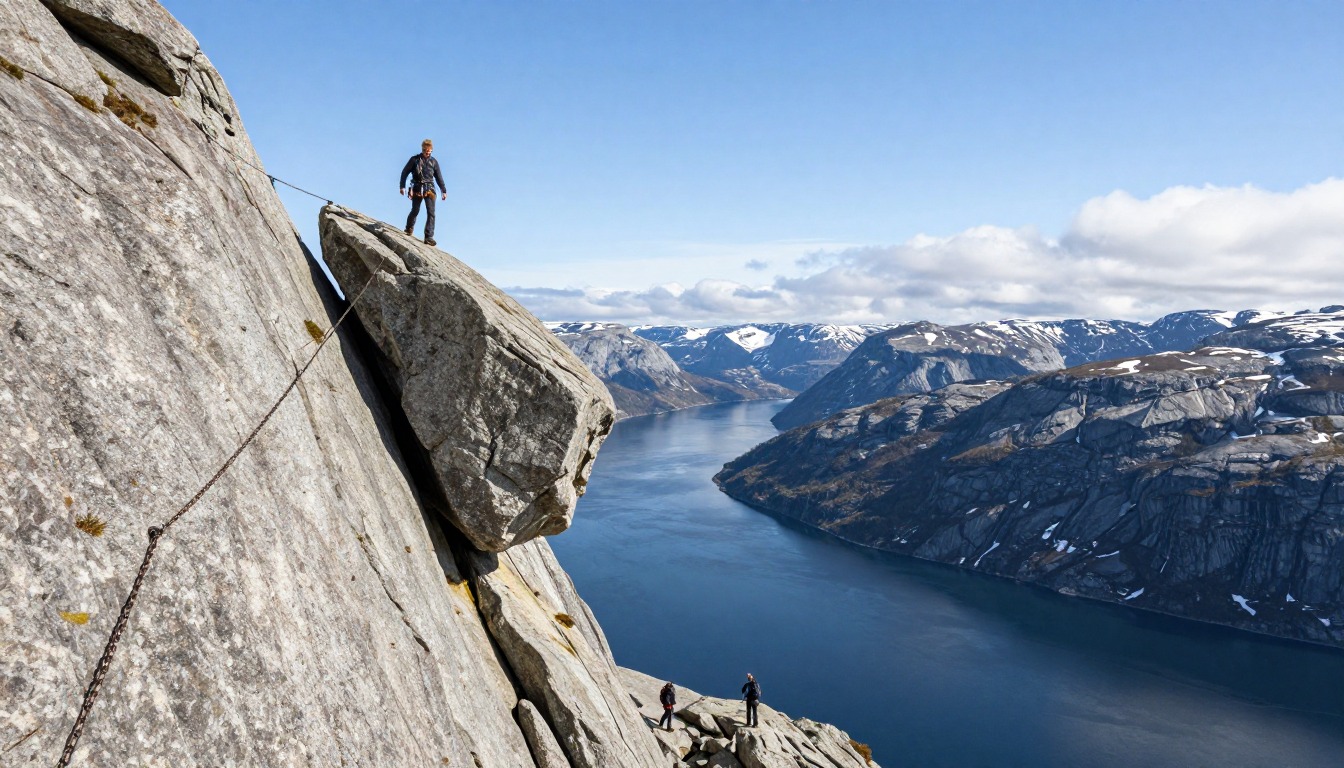
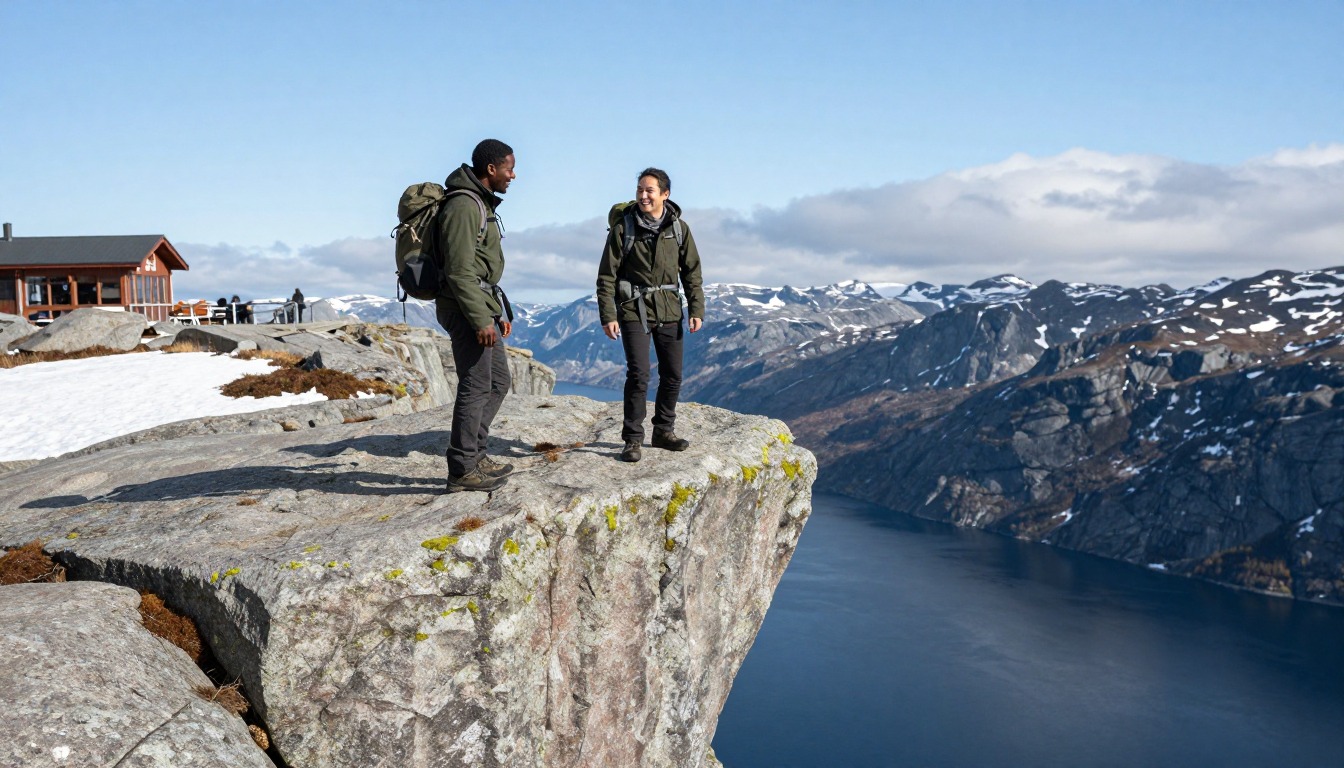
Kjeragbolten is a round boulder wedged into a mountain chasm high above Lysefjord in southwestern Norway, its exposed position over a sheer drop making it one of the country's most photographed hiking destinations. Reaching it means a strenuous day hike from the Øygardstøl trailhead, with steep, chain-assisted climbs over bare rock. There's no lodging at the boulder itself, so where you sleep — near the trailhead, down in Lysebotn, or back in the Stavanger region — is really a question of how you want to time the hike.
Why hike here
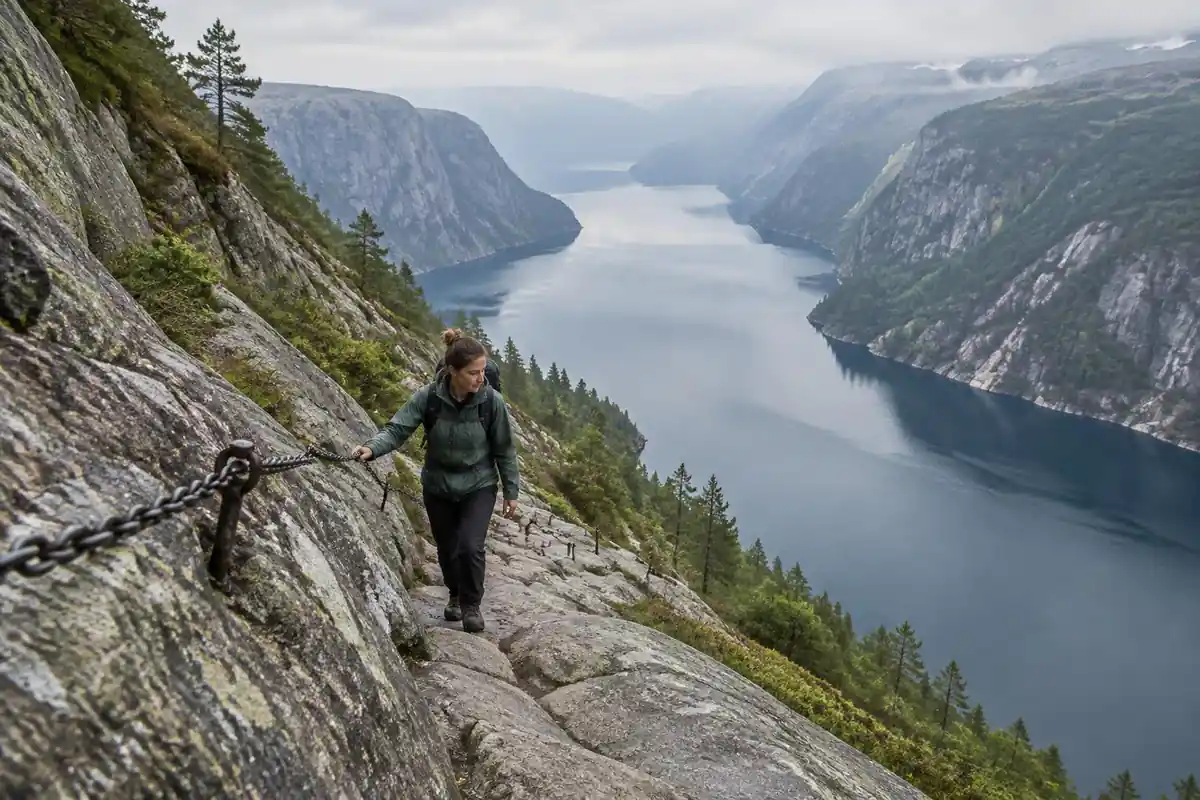
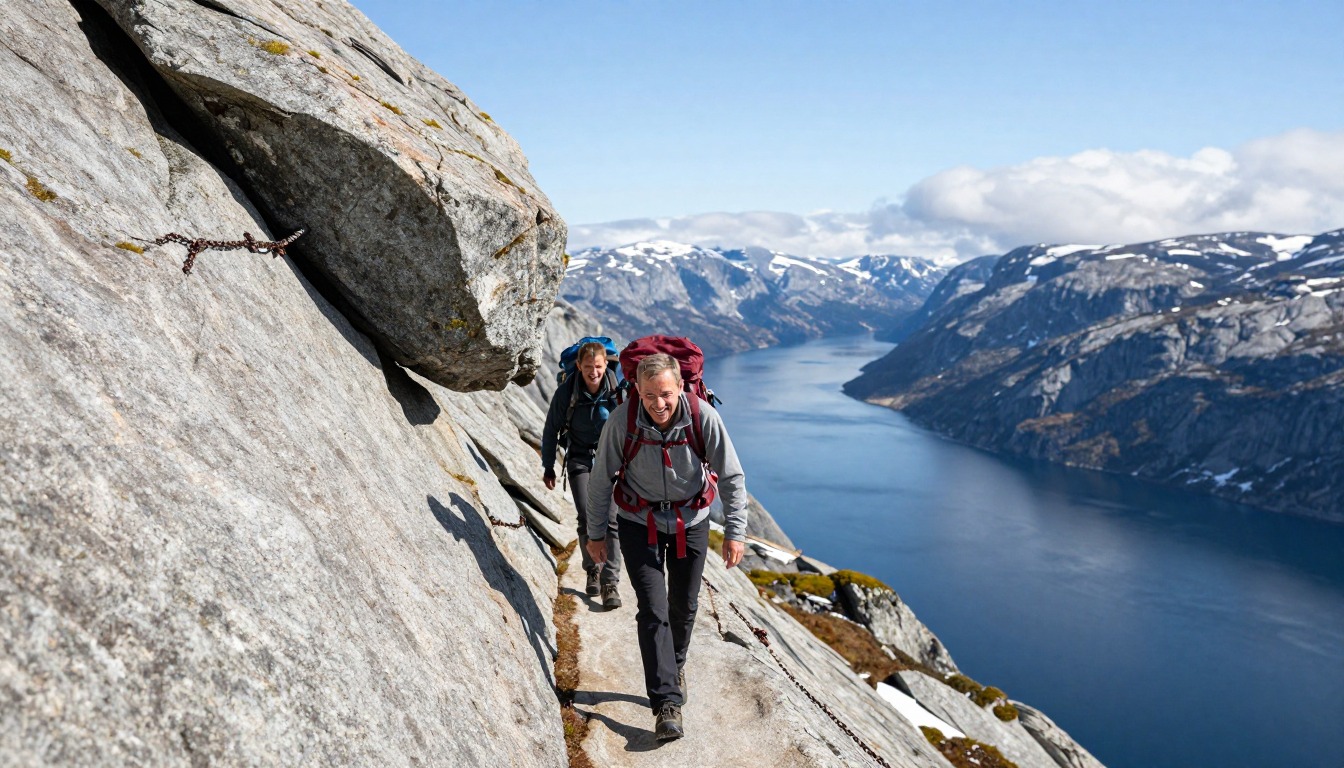
The appeal here isn't subtle: you cross bare rock slabs, drop into a couple of steep valleys, and then stand at the edge of a chasm with a sheer drop to the fjord far below, before deciding whether to step onto the boulder itself. The chain sections force you to use your hands as much as your feet, which makes the summit ridge feel earned rather than handed to you. Lysefjord itself is the real payoff on a clear day — a narrow blue corridor between rock walls, with the road and ferry down in Lysebotn looking impossibly small from above. It's a hike people plan years ahead of a Norway trip specifically for that view and that boulder, not for the trail in between.
Getting there
Most hikers reach Kjeragbolten via the Stavanger region, flying into the nearest international airport and then making a road and ferry connection south toward Lysefjord. The classic approach uses the seasonal Lysefjord ferry to Lysebotn, followed by the switchback road up to the Øygardstøl trailhead; a direct road route also runs from the Stavanger side when the mountain road is open. Because both the ferry schedule and the road depend on the season, it's worth confirming timings before you travel rather than assuming year-round access — this is largely a summer hike.
Where to stay
The realistic options, closest-to-the-trail first. Book through the official links — we don't list prices or availability because they change all the time.
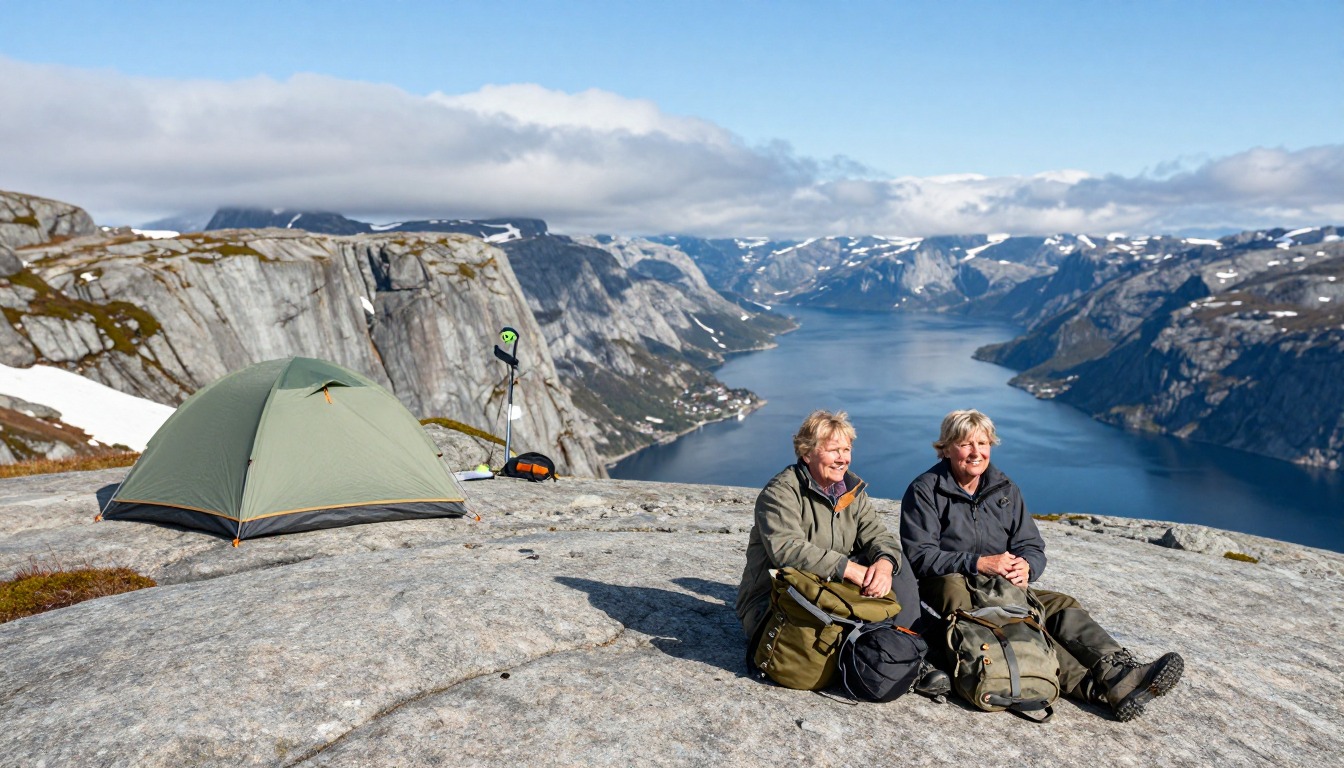
For example: A mountain lodge and café at the Øygardstøl trailhead
Hikers wanting a base right at the start of the climb.
The mountain road to the trailhead is seasonal — check it is open.
Trailhead lodging (official info)For example: Cabins and rooms in Lysebotn, plus hotels in the Stavanger region
Hikers arriving by ferry up the Lysefjord or by road.
The Lysefjord ferry and the switchback road are both seasonal.
Nearby-area lodging
Permits & rules
No permit is needed. Reaching the boulder involves steep, chain-assisted climbs over bare rock; only step onto Kjeragbolten if you are sure-footed and the rock is dry — the drop beneath it is enormous.
Gear you'll want for this trip
Matched to the terrain and conditions here. Real products — check current price on Amazon.


Three places to sleep, three kinds of morning
The page lists a lodge and café at the Øygardstøl trailhead, cabins and rooms in Lysebotn, and hotels in the Stavanger region. Opening dates, the seasonal mountain road and the ferry all change with the season, so confirm them with the lodge, the ferry operator and the road authority.
The choice still follows the same logic. A bed at the trailhead gives you the most time on the trail and the easiest response to changing weather. A bed in Lysebotn or Stavanger adds transport before and after the hike. The National Park Service advises setting a turnaround time and sticking to it, and planning for uphill sections to take at least double the downhill time.1 If your base adds a long transfer, build that into the day rather than shaving time off the walk.
Chains, wet rock and the weather call
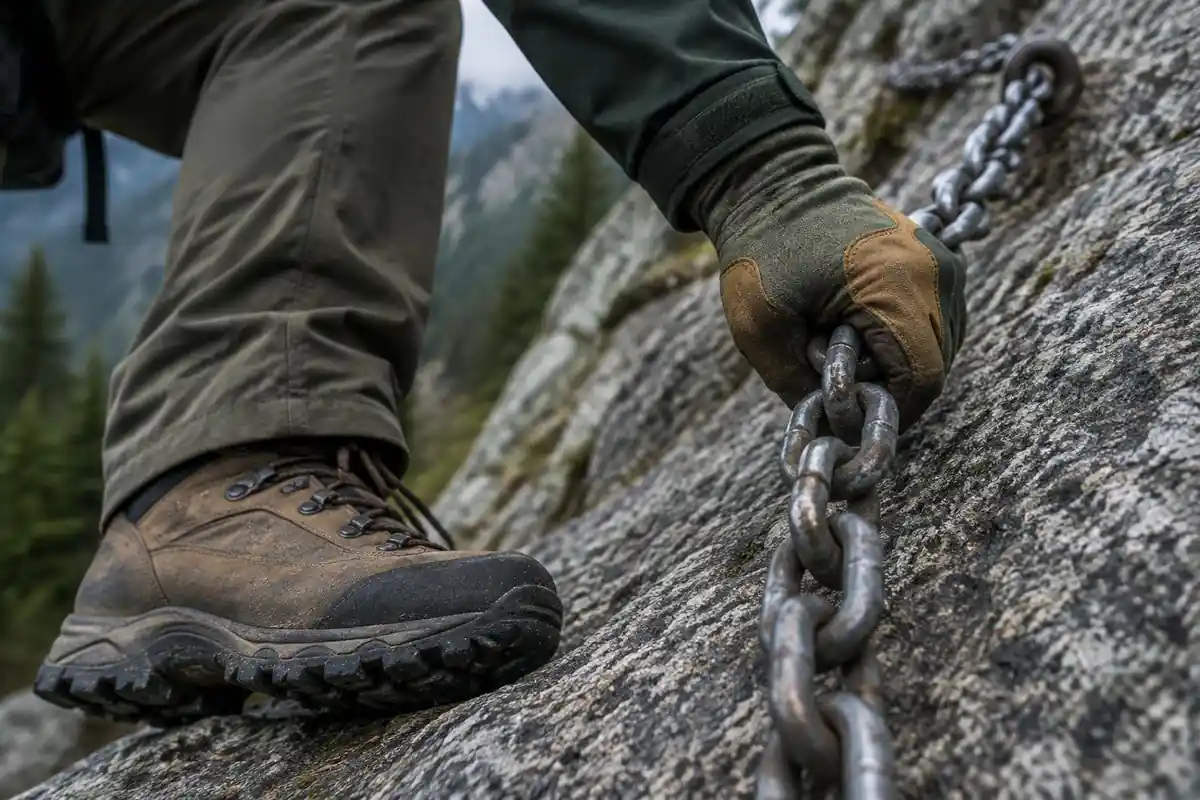
The page describes steep, chain-assisted climbs over bare rock and says the rock must be dry before you step onto the boulder. Rock that is wet or icy removes the grip you rely on, and gloves and boots matter more than they would on an ordinary trail. The American Academy of Orthopaedic Surgeons says a shoe should leave about half an inch between your longest toe and the tip, and that feet can swell up to 8% during the day, a reminder to check boot fit before a long descent.5
Weather can end the day early. The National Weather Service says there is no safe place outdoors during a thunderstorm and that if you can hear thunder you are likely within striking distance.2 A lodge at the trailhead makes turning around a low-cost decision; a long transfer makes people push on. That is a real safety argument for sleeping close.
What to carry when you sleep somewhere else
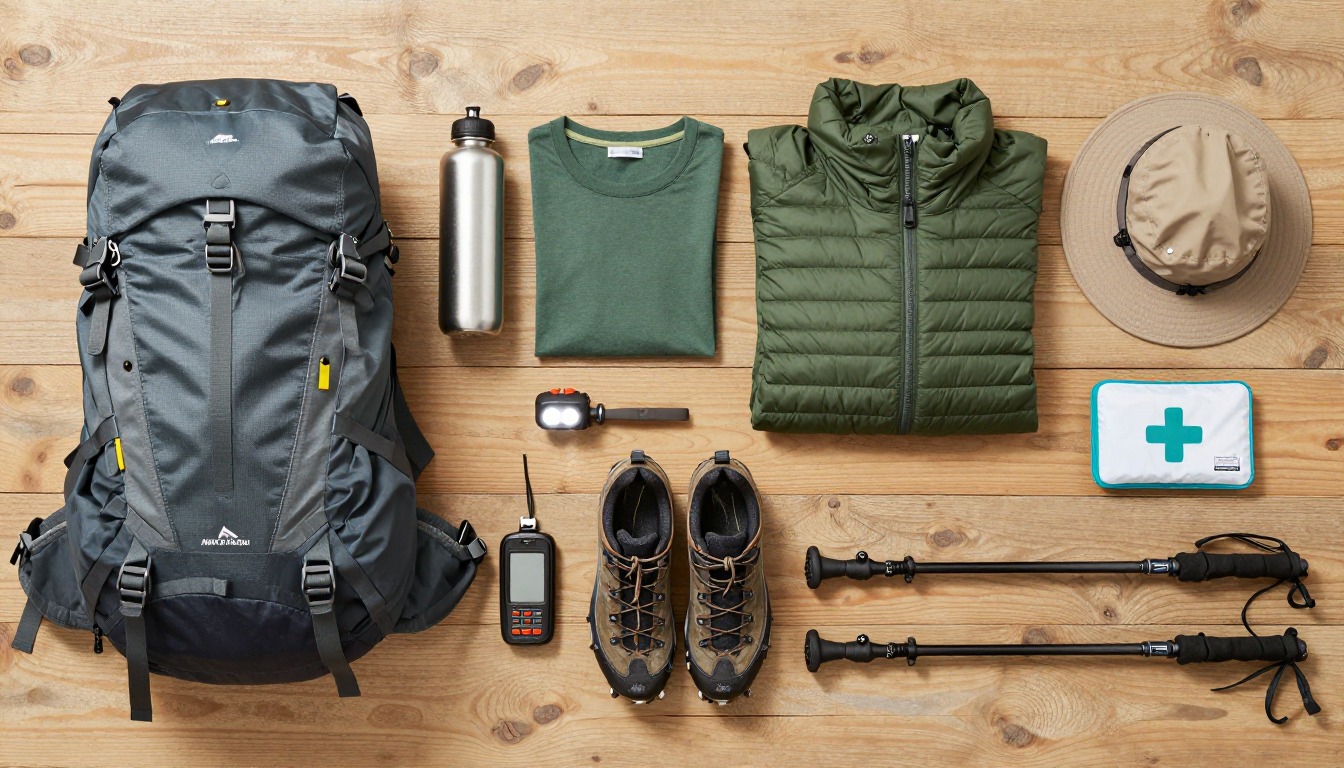
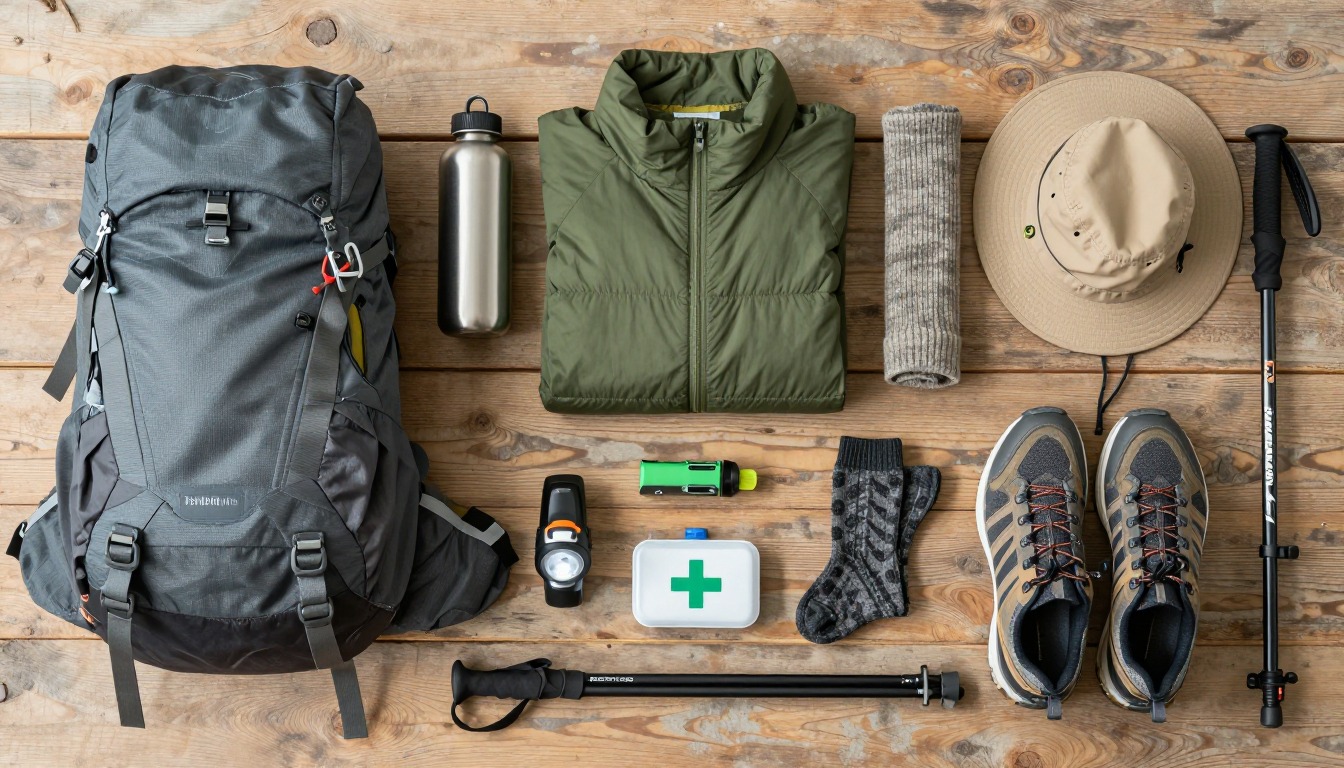
Because this is a day hike from a bed, a pack sized for a full day fits: Washington Trails Association puts that at 25 to 30 liters.3 The National Park Service lists a headlamp as the recommended light because it is hands-free, and advises drinking water often and before you feel thirsty.6
The Centers for Disease Control and Prevention notes that hypothermia can develop above 40°F when you are chilled by rain or sweat, and its Yellow Book says that in cool conditions staying dry by layering, and changing damp clothing quickly, is the priority.4,7 Leave a trip plan with your lodging and confirm current access and closures with the local land manager before you go.
Common questions
Do I need to be an experienced hiker to do Kjeragbolten?
You should be a reasonably fit, sure-footed hiker comfortable with steep, exposed terrain and chain-assisted scrambling over bare rock. It's a full day out with real elevation change, not a casual walk. If you're unsure about your comfort with heights or scrambling, it's worth researching the route in detail and going with an experienced companion.
Is it safe to step onto the boulder itself?
Only step onto Kjeragbolten if you're sure-footed and the rock is completely dry — wet or icy rock removes the grip you're relying on, and the drop beneath it is unforgiving. Plenty of hikers reach the boulder and choose to admire it from the ledge instead, which is a perfectly reasonable call. Check conditions and your own nerve before deciding.
Where should I stay before and after the hike?
Base options cluster in a few spots: a lodge and café right at the Øygardstøl trailhead for an early start, cabins and rooms down in Lysebotn if you're arriving by the fjord ferry, or hotels in the wider Stavanger region if you'd rather commute in for the day. Book ahead in peak summer months if you want to stay close to the trailhead.
Complete gearsets for this trip
Full curated kits built for exactly this kind of hike — what to bring, why, and links to similar gear.
Lodging details are compiled from official parks, refuge associations and reservation systems and can change without notice. We publish no prices, availability or ratings — always confirm current information on the official site before booking or setting out. Product links and the accommodation map are affiliate links: we may earn a commission at no extra cost to you; product prices and availability are shown on Amazon, and accommodation prices on the booking site. See our affiliate disclosure.