
Affiliate disclosure: this page contains affiliate links. Purchases made through them may earn us a commission at no extra cost to you. See our affiliate disclosure.
In plain English
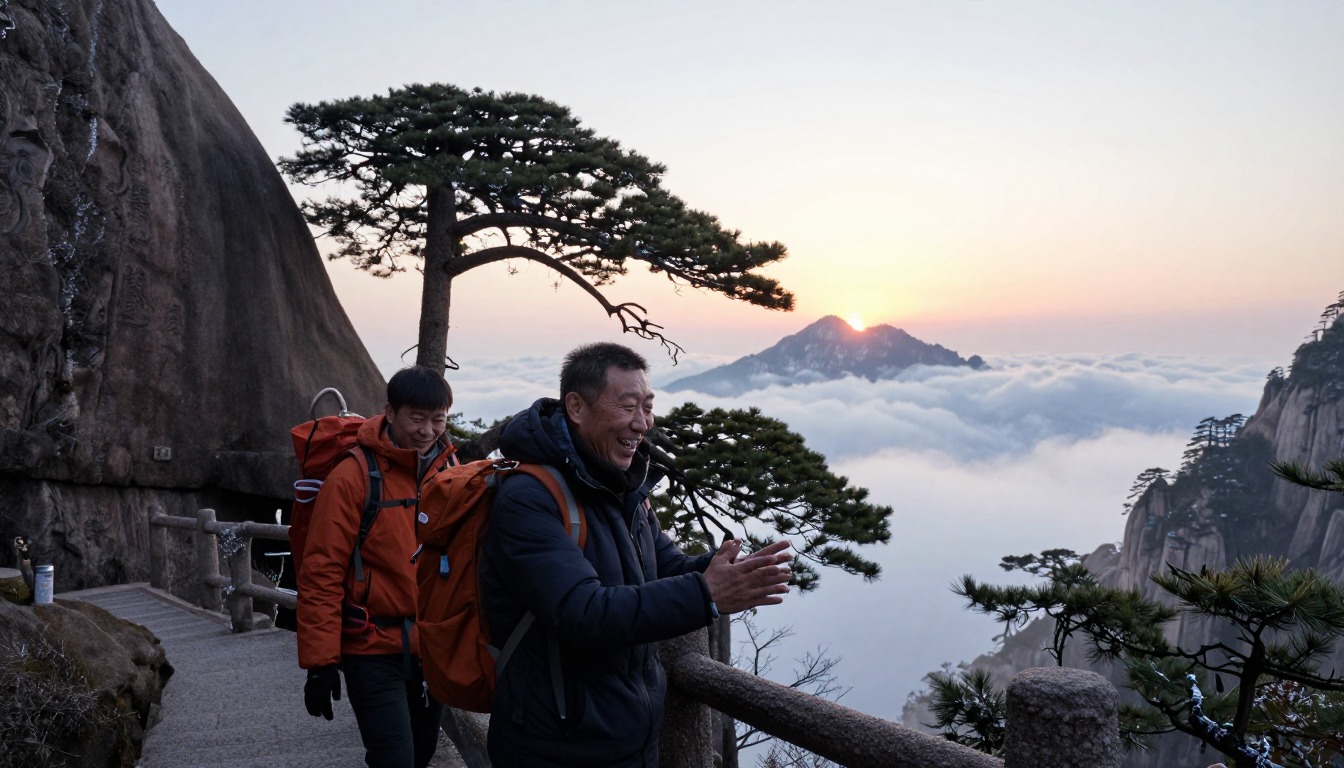
Huangshan is a mountain covered in stone staircases. You do not need climbing skills, but the climb is long and steep, a bit like walking up the stairs of a very tall building for hours. Because of that, many visitors do not try to do it all in one day. They climb up, sleep near the top, and wake early to watch the sun rise over a sea of clouds. That is when a layer of cloud fills the valleys and the peaks stand out above it.
So the big question is where to sleep. You can book a hotel on the mountain, which puts you close to the sunrise viewpoints but has a limited number of rooms. Or you can sleep in the base town of Tangkou or in Huangshan City and treat each day as its own trip, using cable cars to skip some of the stairs. Neither choice needs a tent or a stove. It does mean carrying a small bag with a change of clothes, plus warm layers, because a mountaintop wrapped in cloud feels cold even when the town below is mild.
Tickets are separate too: one for the scenic area, and more for the cable cars. Rooms, tickets and cable-car hours all change by season, so check them with the scenic area management and your hotel well before you fly.
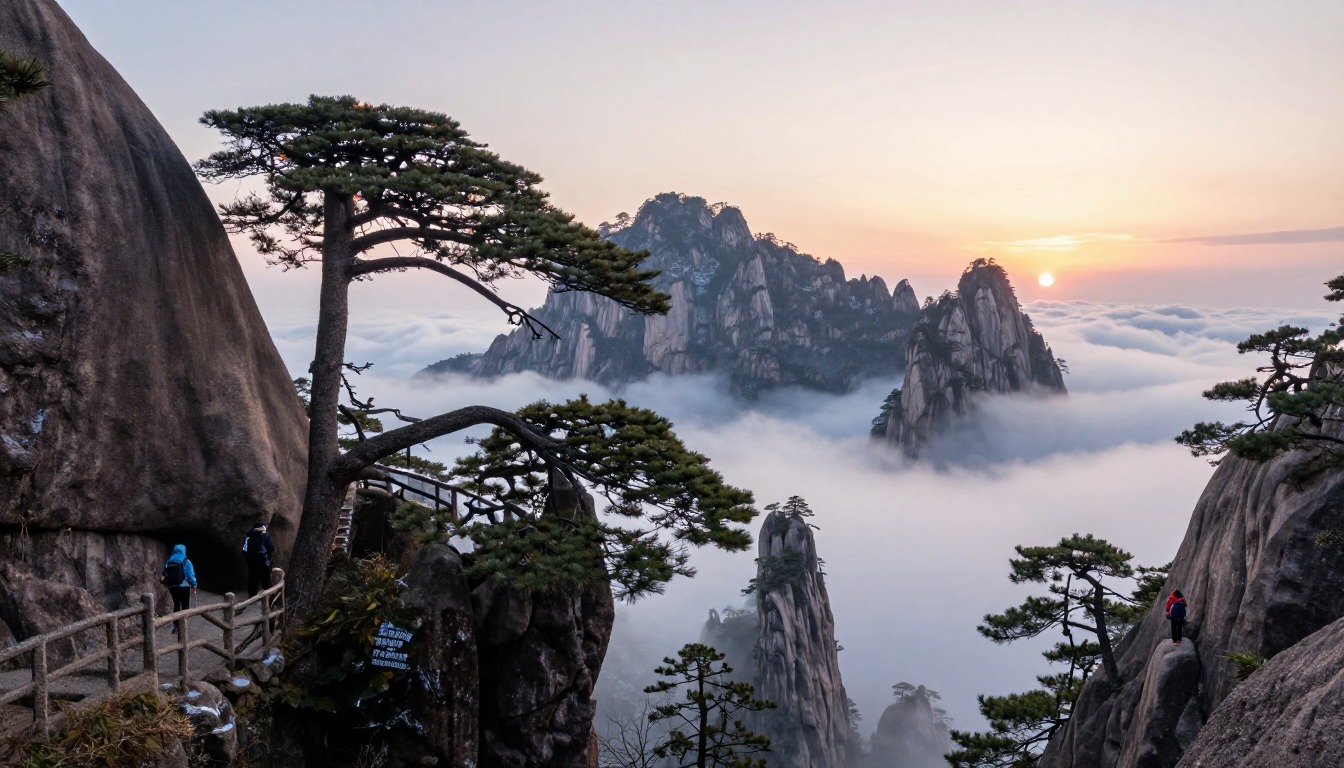
Huangshan — the Yellow Mountain — is a UNESCO-listed range in China's Anhui province, famous for granite peaks, wind-twisted pines and the sea of clouds that pools between summits at dawn. It's a paved stone-staircase hike rather than a technical scramble, but a long, strenuous one, and most visitors don't try it in a single day: they climb up, sleep on the mountain itself, and time their summit views around sunrise. Where you stay, up top or down in the valley, shapes the whole trip.
Why hike here
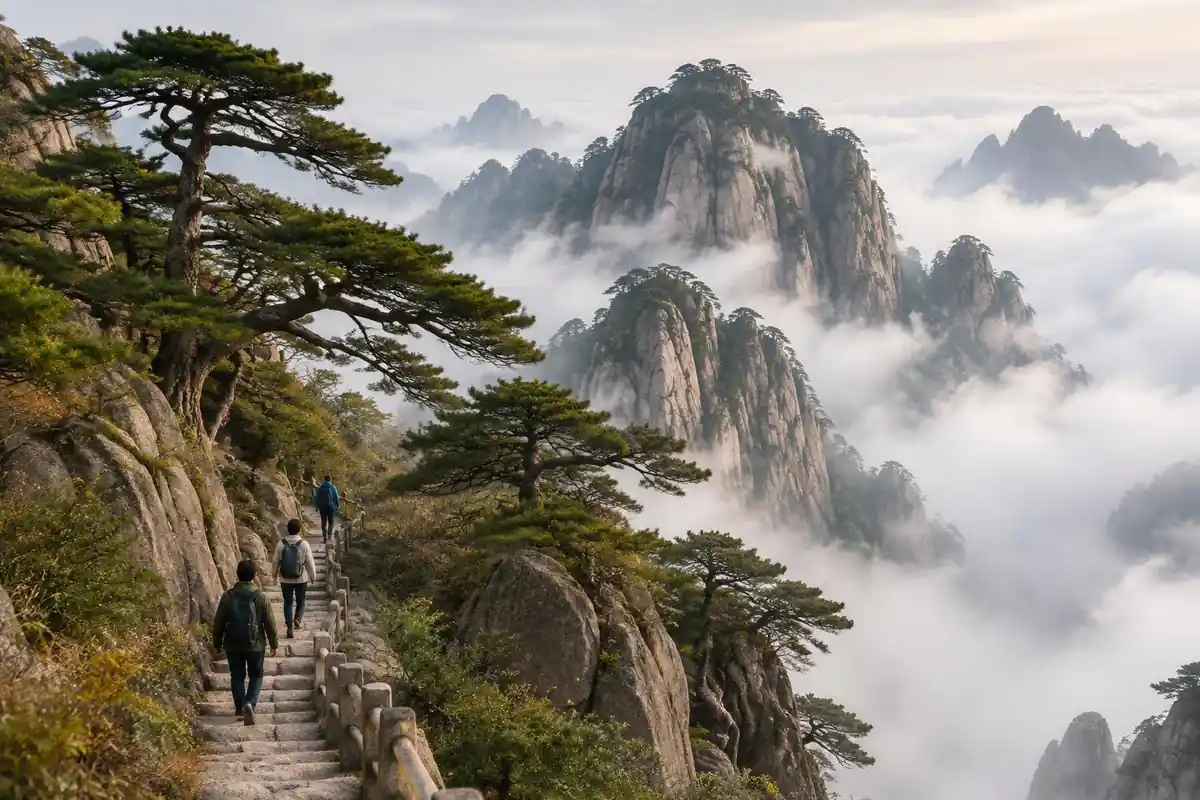
The appeal of Huangshan is the reveal that comes with elevation: stone stairways switchbacking up bare granite faces, wind-twisted pines gripping ledges where almost nothing else grows, and then, if the timing and weather cooperate, a sea of clouds filling the valleys while the peaks stand clear above it. Painters and photographers have been drawn to this exact scene for centuries, and it's still why most people make the climb, not just to reach a summit marker but to watch the cloud layer shift and the light change from a mountain-top vantage rather than a roadside overlook. Cable cars let you shortcut sections of the stone staircases, so you can choose how much climbing you actually want and still be in position for sunrise.
Getting there
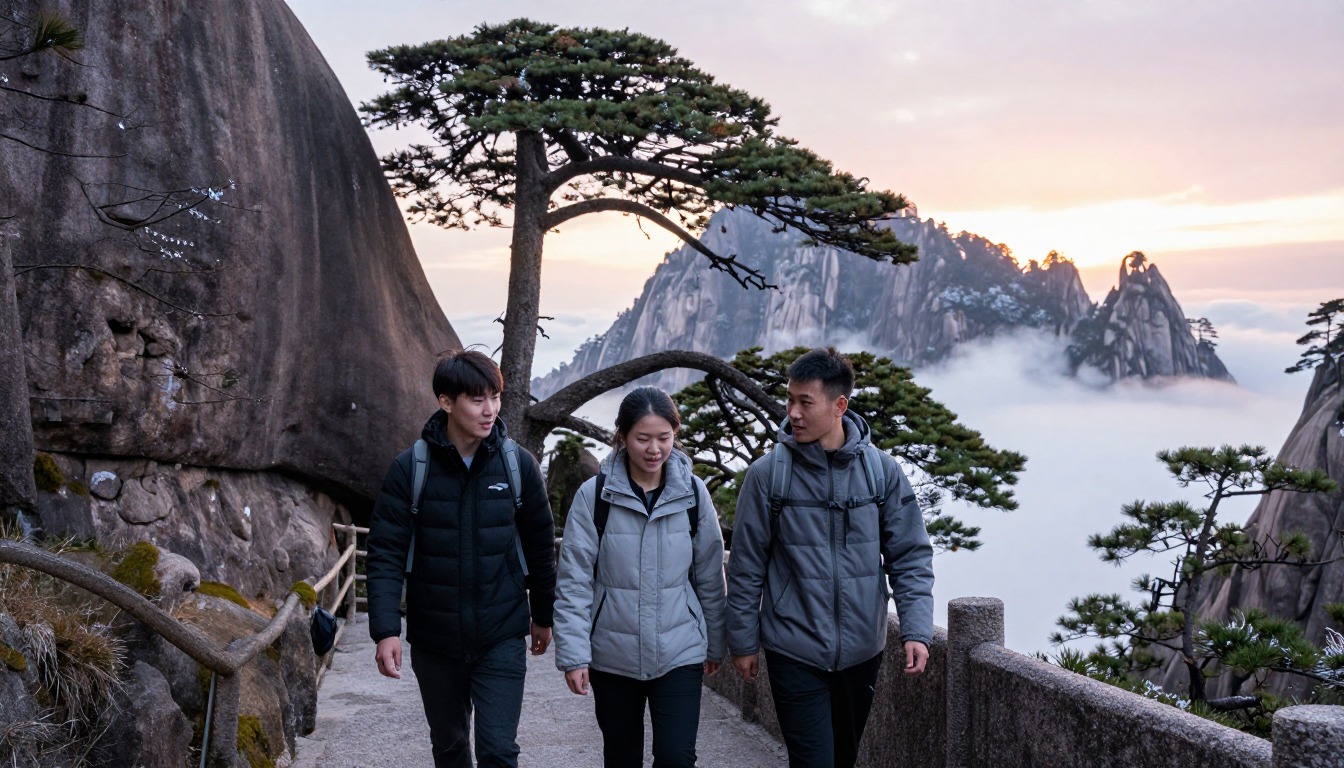
Most travelers reach Huangshan by flying into a major Chinese hub and connecting to Huangshan City, which has its own airport and rail links, or by high-speed train from cities such as Shanghai or Hangzhou. From Huangshan City, a road transfer covers the last leg to Tangkou, the base town at the foot of the mountain, where the scenic-area entrance and the cable-car stations are located. From Tangkou, hikers either walk the stone staircases up or ride a cable car partway, sorting out scenic-area and cable-car tickets before setting out (check the scenic area's current ticket rules).
Where to stay
The realistic options, closest-to-the-trail first. Book through the official links — we don't list prices or availability because they change all the time.
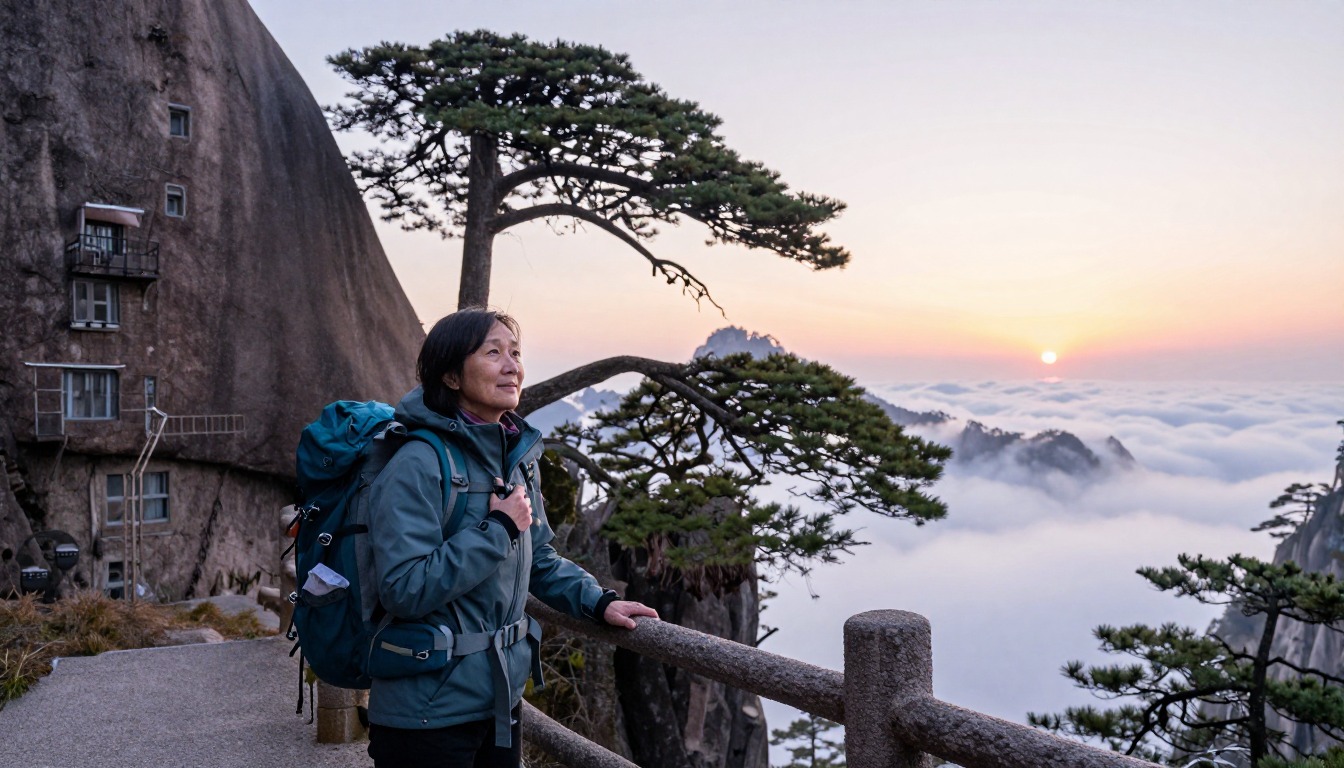
For example: Hotels on the mountain itself, where visitors stay to catch the famous sunrise and sea of clouds
Hikers who want dawn on the peaks without the pre-dawn climb.
On-mountain rooms are limited and in high demand; reserve well ahead.
Book summit hotels far aheadFor example: Hotels in the base town of Tangkou and in Huangshan City
Day trippers and those riding the cable cars up and down.
Base here if you day-hike; cable cars cut the long stair climbs.
Nearby-town lodging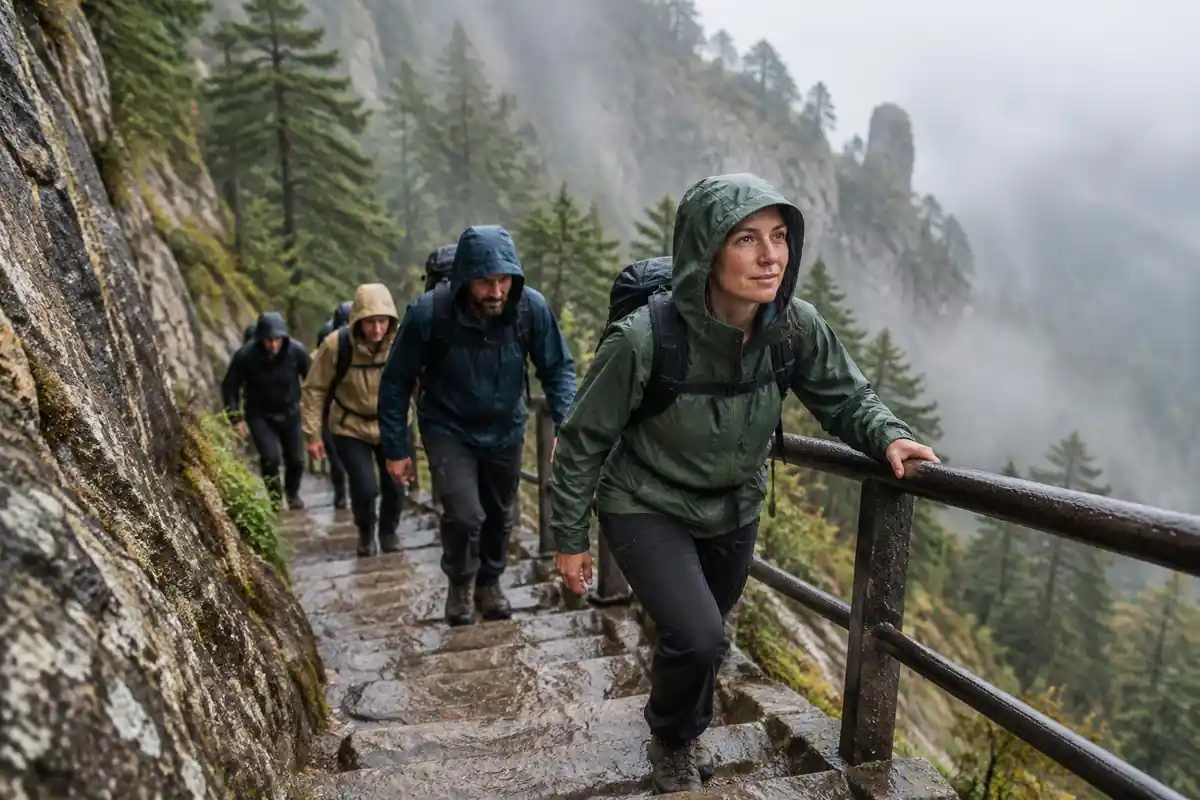
Permits & rules
A scenic-area ticket (and separate cable-car fares) is required; check current ticketing and cable-car arrangements before you go. The trails are paved stone staircases — steep and strenuous but not technical — and the peaks are cold and often cloudy; an overnight in a mountaintop hotel is how most people catch the sunrise.
Gear you'll want for this trip
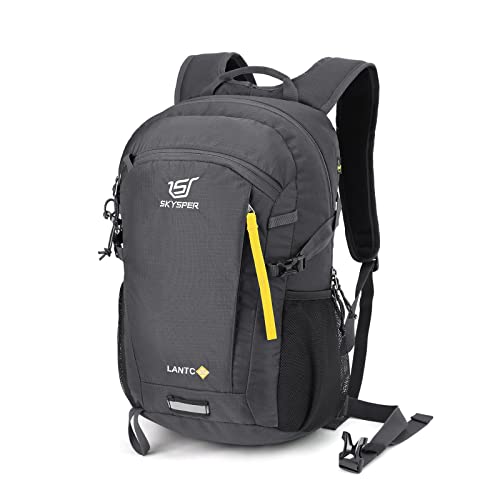
Matched to the terrain and conditions here. Real products — check current price on Amazon.


Why the sleeping choice is really a schedule choice
Going up takes longer than coming down, and the difference is bigger than most first-timers expect. The US National Park Service advises planning for uphill sections to take at least double the downhill time, and setting a turnaround time you stick to.1 On a mountain built from thousands of stone steps, that rule explains why a night on top is so popular: it removes the long pre-dawn climb from your sunrise plan.
If you stay in the valley instead, sunrise means either starting in the dark or riding a cable car whose operating hours you must check first. In the dark, a headlamp is the sensible light source, because it leaves both hands free for handrails and steps, as the National Park Service notes.2 The trade-off is simple. A summit room costs you flexibility, because rooms are scarce and booked far ahead. A valley room gives you choice but costs you an early alarm and a steeper morning.
What cold cloud and strong light do to a pack list
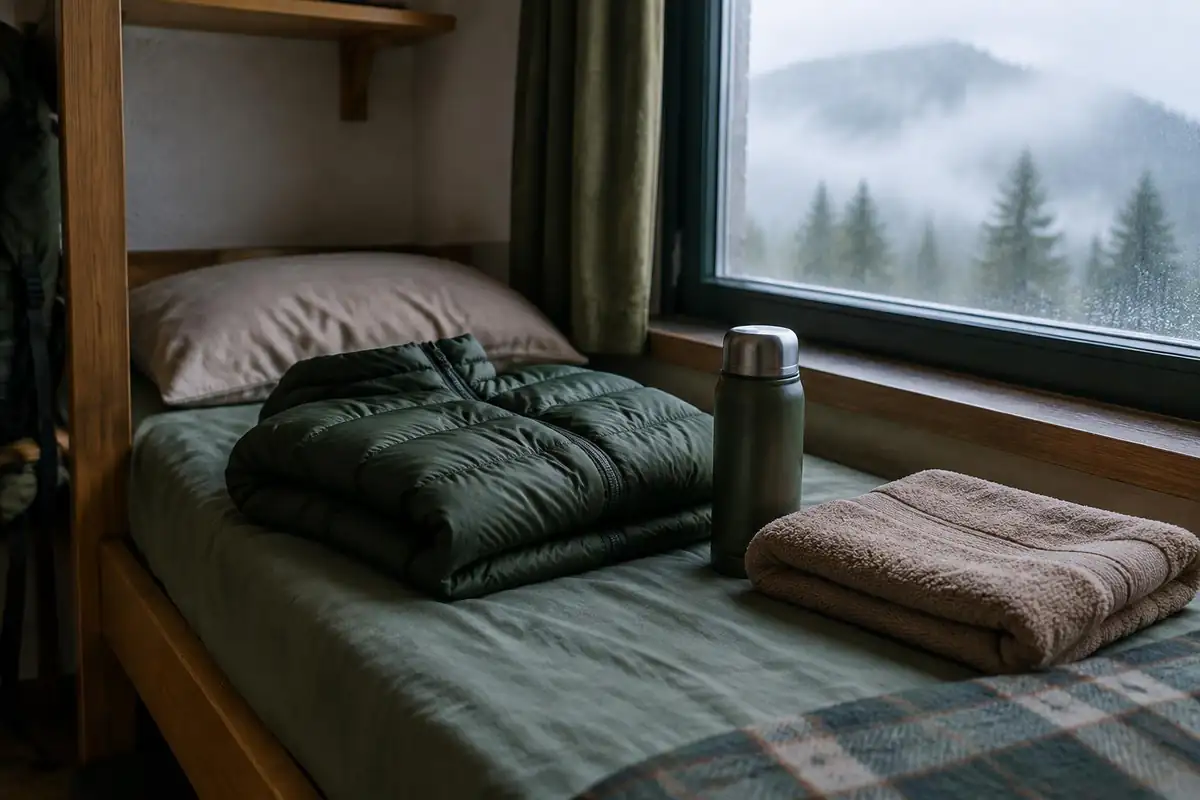
The famous cloud sea is also a reminder that you are in cloud, and damp air pulls heat from your body. The CDC says hypothermia can develop even in cool temperatures above 40 degrees Fahrenheit if a person gets chilled from rain, sweat or cold water.3 A hot, sweaty climb followed by a still wait at a viewpoint is exactly that setup. A dry layer kept in your bag for the summit, and a spare shirt at the hotel, cost little and solve most of the problem.
Light is the opposite worry. The EPA says UV intensity rises about 6% for every kilometer of elevation, and that overcast skies still let through roughly 31% of UV.4 Cloud can feel like cover, but a hat and sunscreen still belong in a Huangshan pack. Exposed peaks add one more rule: the National Weather Service says there is no safe place outdoors during a thunderstorm, and that if you can hear thunder you are likely within striking distance.5 Plan to be off the ridges, not on them, when storms build.
What to confirm before you book
This page deliberately lists no prices or room counts, because they shift with season and holiday crowds. Ticket rules, cable-car timetables and any closures are set by the scenic area management and by each hotel, so confirm them with the scenic area's management and your booked property before you travel. Book summit rooms first and build the rest of the trip around them.
Whichever base you pick, leave a simple plan with someone who is not on the trip: your route, your hotel and when you expect to be back. The National Park Service recommends this for every trip because it speeds up a search if something goes wrong.1
Common questions
Do I need to buy separate tickets for Huangshan?
Scenic-area entrance and cable-car rides are usually arranged separately, but ticket rules and operating hours are set by the scenic area's management and change, so confirm current arrangements before you go. Combining a cable car one way with hiking the other is a common approach.
Should I stay overnight on the mountain or down in town?
Staying at one of the hotels on the mountain itself is how most visitors catch the famous sunrise and sea of clouds without a pre-dawn stair climb. Rooms up top are limited, so check availability and reserve well ahead. Day trippers instead base themselves in Tangkou or Huangshan City and go up and down in a single day.
Is the hike to the summit area difficult?
The trails are paved stone staircases rather than technical terrain, so no climbing experience is needed, but steady stair climbing at elevation is strenuous. Cable cars can cut out the longest ascents or descents if you want to save your legs. Spring through fall is the most comfortable season, though the peaks stay cold and often cloudy even then.
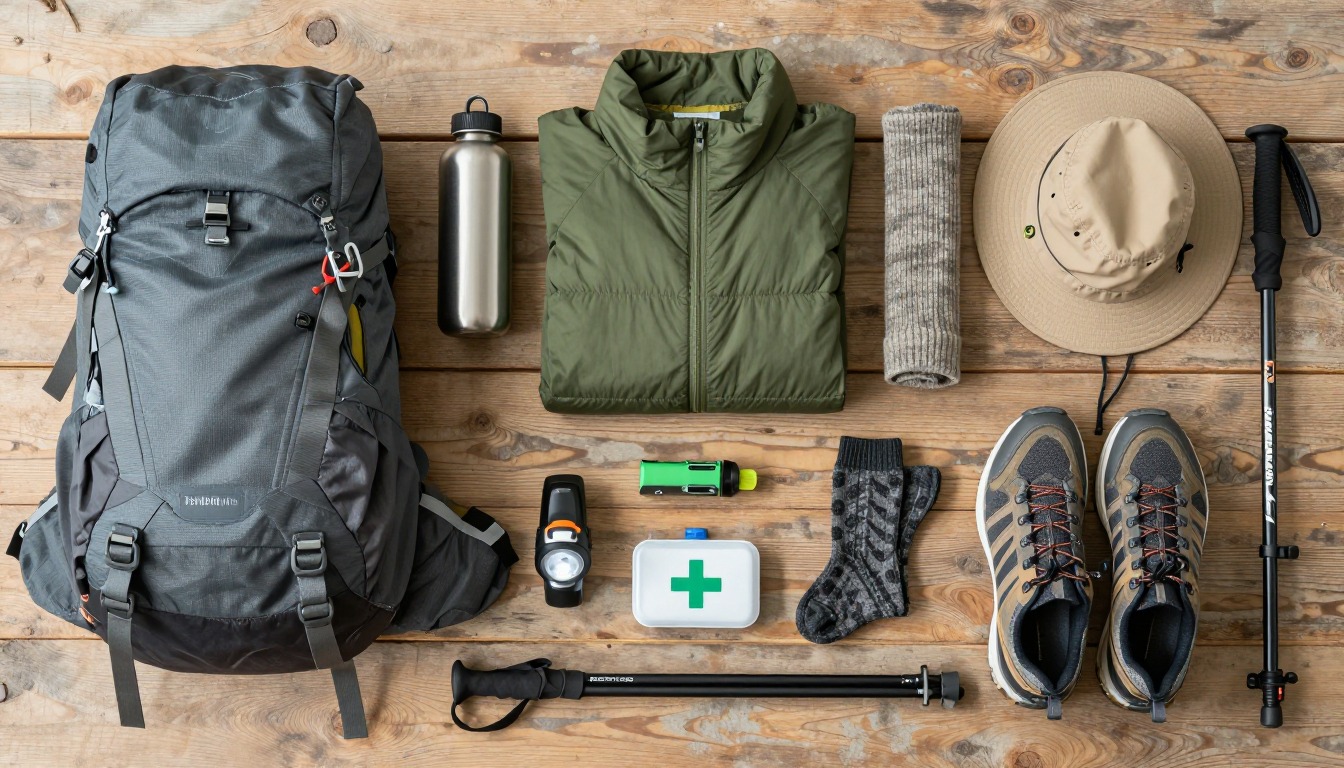
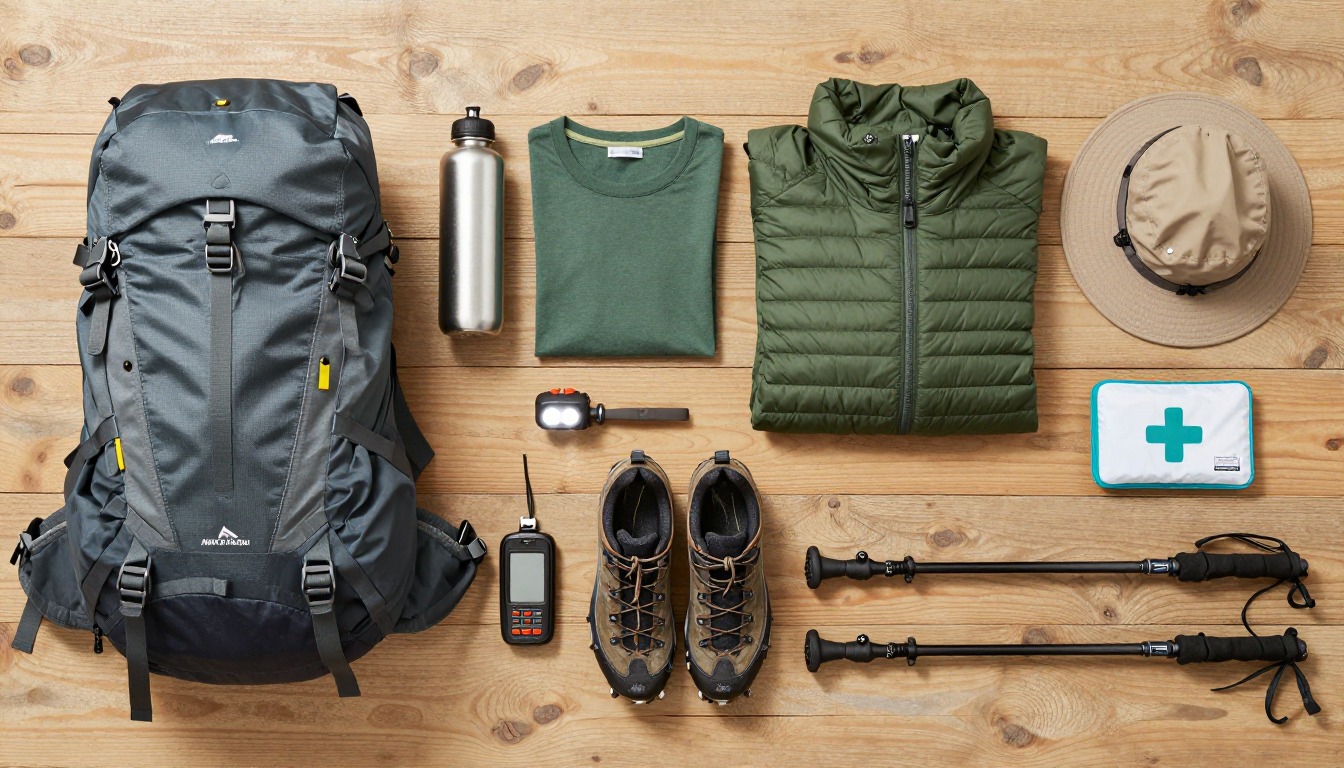
Complete gearsets for this trip
Full curated kits built for exactly this kind of hike — what to bring, why, and links to similar gear.
Lodging details are compiled from official parks, refuge associations and reservation systems and can change without notice. We publish no prices, availability or ratings — always confirm current information on the official site before booking or setting out. Product links and the accommodation map are affiliate links: we may earn a commission at no extra cost to you; product prices and availability are shown on Amazon, and accommodation prices on the booking site. See our affiliate disclosure.