
Affiliate disclosure: this page contains affiliate links. Purchases made through them may earn us a commission at no extra cost to you. See our affiliate disclosure.
In plain English
The Harding Icefield Trail is a long day hike, not an overnight trek. You walk up from the forest, out onto open slopes, and back down to the same trailhead in one go. That means you do not need somewhere to sleep partway along the trail. What you need is a good night's sleep before and a place to shower and eat afterward.
There are two basic choices. You can stay in a nearby town and drive to the trailhead in the morning. Or you can sleep at a small camp close to the start, which saves driving and lets you begin earlier. Camping near the trailhead is a bit like sleeping in the garage before a big race: not fancy, but you are right there when the alarm goes off.
Either way, the trail is in bear country. That affects how you store food at a campsite and what you carry on the trail. Confirm current conditions, closures and camping rules with the National Park Service before you go, because trail and road conditions change with the season.
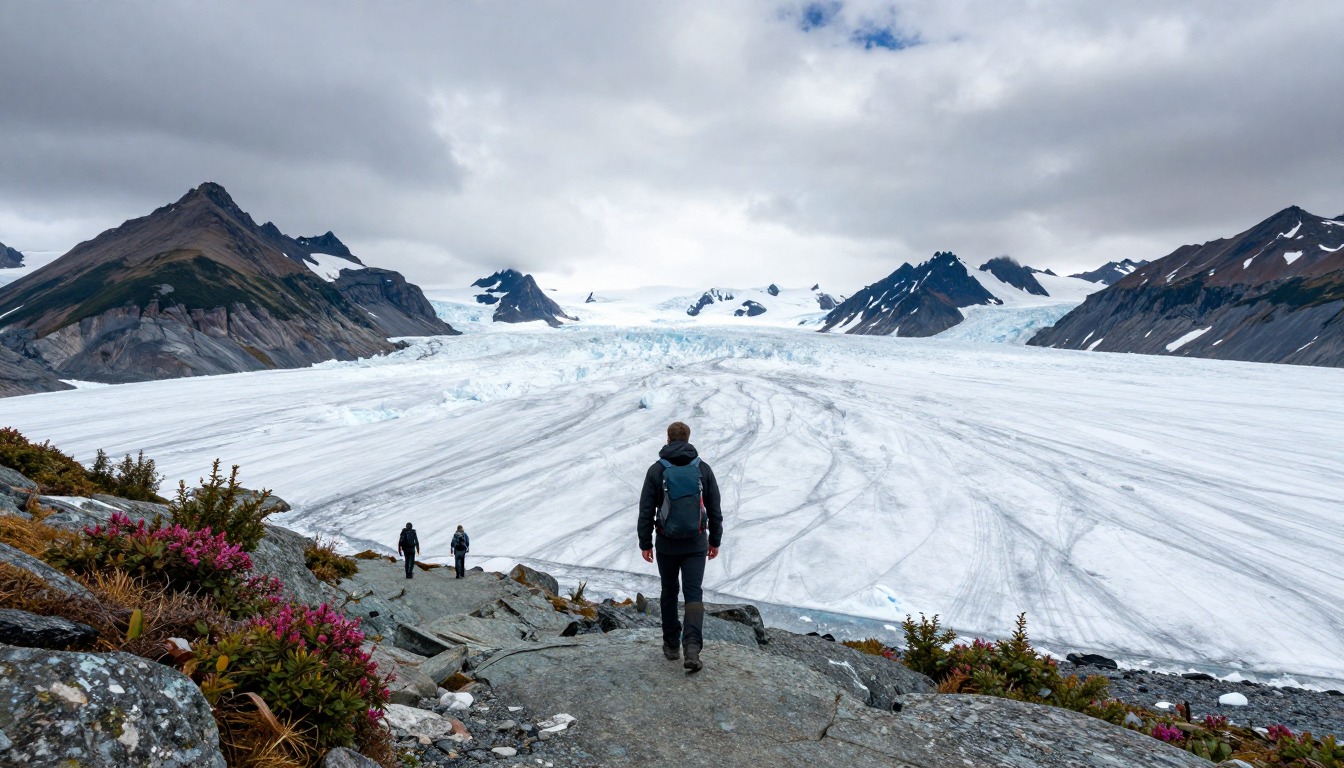
The Harding Icefield Trail climbs out of Kenai Fjords National Park's Exit Glacier area, switchbacking through rainforest and open meadows until the trees give way to a view over the vast ice field beyond. It's a demanding one-day round trip rather than a multi-night trek, so lodging decisions are less about huts along the route and more about where you sleep before and after: a small walk-in campground right by the trailhead, or the harbor town of Seward a short drive away.
Why hike here
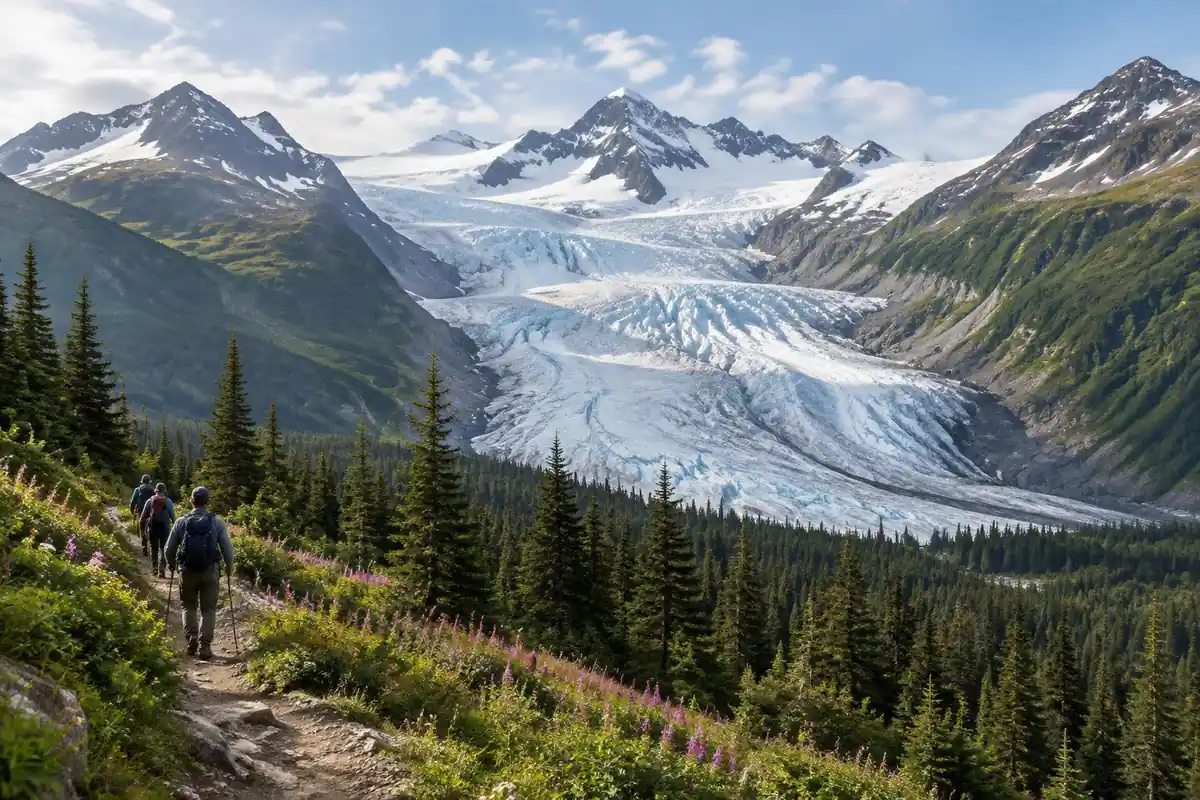
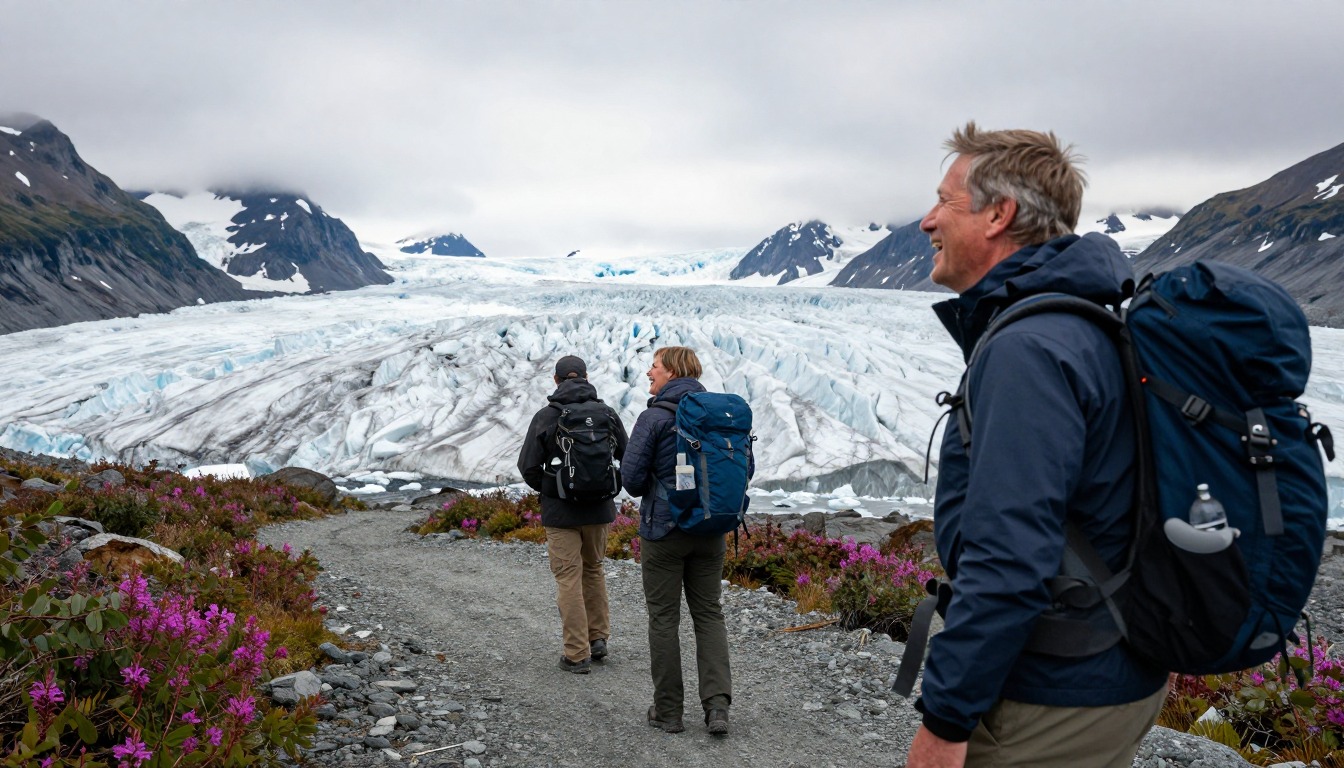
This is a hike that changes character three times before you're done. You start under a rainforest canopy near Exit Glacier, climb into open subalpine meadows, and finish above the tree line on rock and snow with the glacier itself visible below. The payoff at the top is scale: the Harding Icefield spreads out as a near-unbroken sheet of white and blue crevasses, with only the occasional rock peak breaking the surface. It's active bear country the whole way up, so you're hiking with bear spray and making noise on blind corners, which keeps you alert to the terrain rather than just moving through it. Coming back down, Exit Glacier reappears below you, and you get to watch it grow larger with every switchback.
Getting there
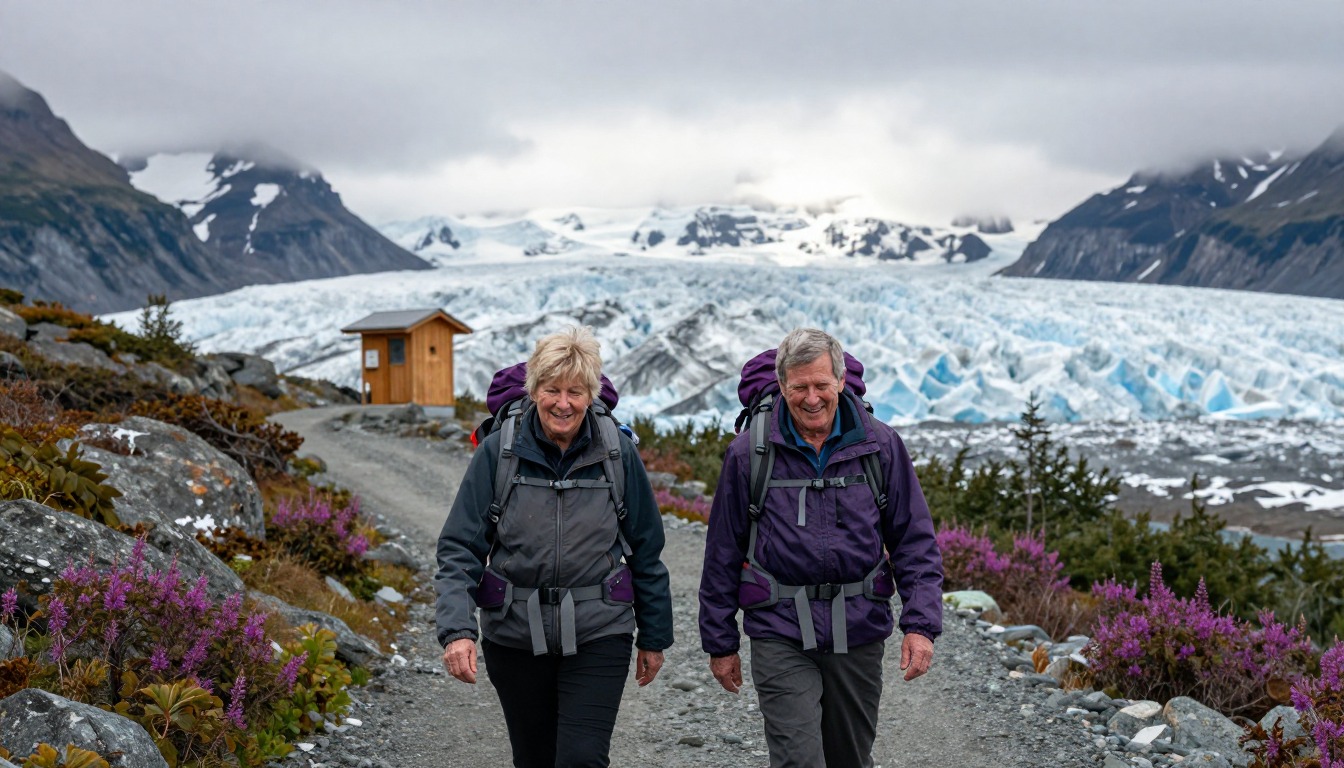
Seward is the practical base, reached by driving the Seward Highway from Anchorage or taking the train that runs the same route in summer. From Seward, it's a short drive out to the Kenai Fjords National Park entrance and the Exit Glacier area, where the trail begins. There's no public transit corridor beyond that, so a rental car, or a shuttle arranged in Seward, is the most reliable way to reach the trailhead — worth sorting out ahead of time if you want an early start on such a long day.
Where to stay
The realistic options, closest-to-the-trail first. Book through the official links — we don't list prices or availability because they change all the time.
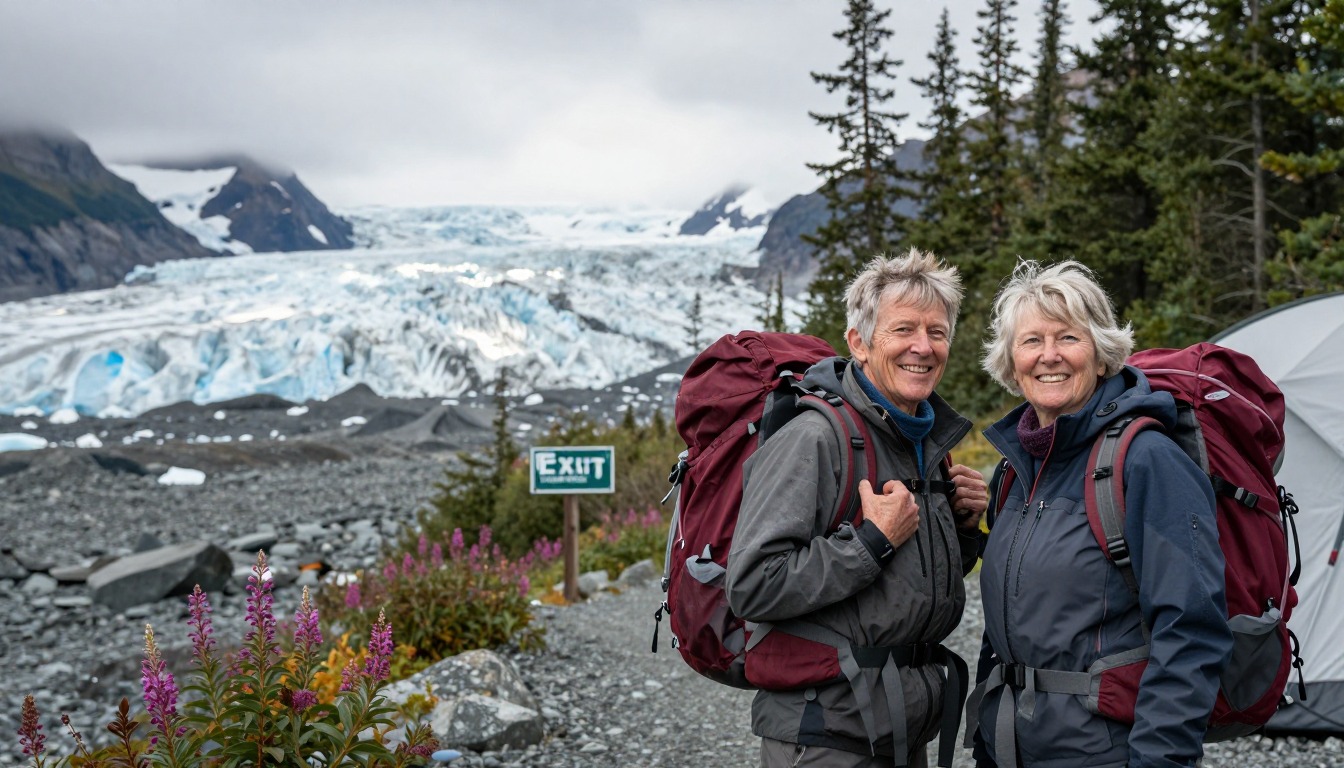
For example: A small walk-in tent campground near the trailhead
Hikers who want to camp at the base of the trail.
A simple, first-come tent area near Exit Glacier.
Kenai Fjords NP (official info)For example: Hotels, cabins and rentals in the harbor town of Seward
Most visitors — Seward is the base for the park.
A short drive to the Exit Glacier trailhead.
Nearby-town lodging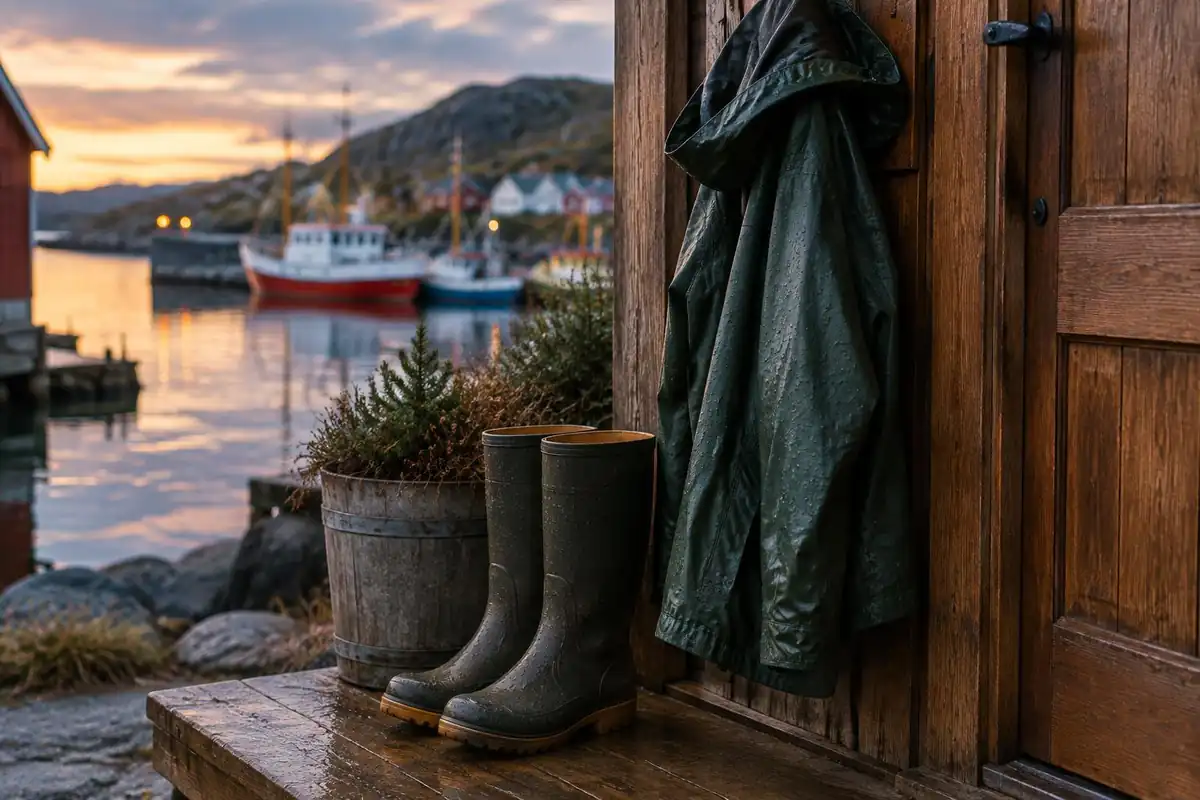
Permits & rules
No permit is needed for the day hike. The trail climbs from rainforest to the edge of a vast icefield through active bear country — carry bear spray, and turn back if the upper trail is still under snow.
Gear you'll want for this trip
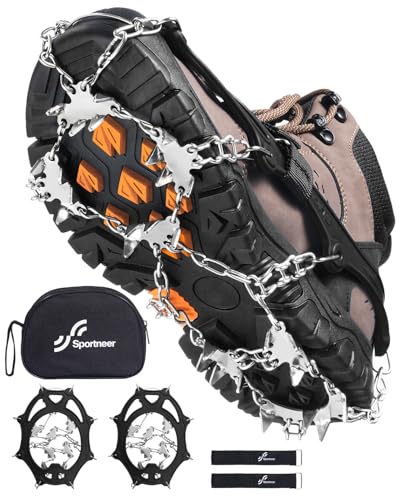
Matched to the terrain and conditions here. Real products — check current price on Amazon.


Why the trailhead matters more than the bed
Kenai Fjords National Park says all of its trails in the Exit Glacier area start from the same trailhead, and the park's home page links to alerts, closures and Exit Glacier Road status.1 For a long day hike, that single access point is the real logistics hub. Wherever you sleep, the drive to that one spot and any road or trail closures determine your start time, not the lodging itself.
This is why the choice between a camp near the trailhead and a room in Seward mostly comes down to sleep and timing. NPS advises planning uphill sections to take at least double the downhill time and setting a turnaround time you stick to.3 A long climb, followed by a descent that is slower than it looks on paper because of tired legs, rewards an early start, and that is the practical advantage of sleeping close.
Bear country and the campground food rule
If you camp near the trailhead, food storage becomes part of your lodging plan. NPS says bears treat any scented item, including toiletries, sunscreen, trash and fuel, as food, and that food storage rules vary by park, so check before you go.2 That means your cooler, stove kit and toiletry bag all need a plan, not just your meals. Confirm what Kenai Fjords requires at its campground with the park rather than assuming.
On the trail itself, NPS says bear spray is proven highly successful at stopping aggressive bear behavior, and advises using it when a charging bear is within about 60 feet, noting that wind, snow, rain and cold reduce spray distance.4 The U.S. Fish & Wildlife Service adds that most human-bear conflicts involve unsecured garbage and food, and recommends staying at least 100 yards from bears.5
What a day-hike lodging plan means for your pack
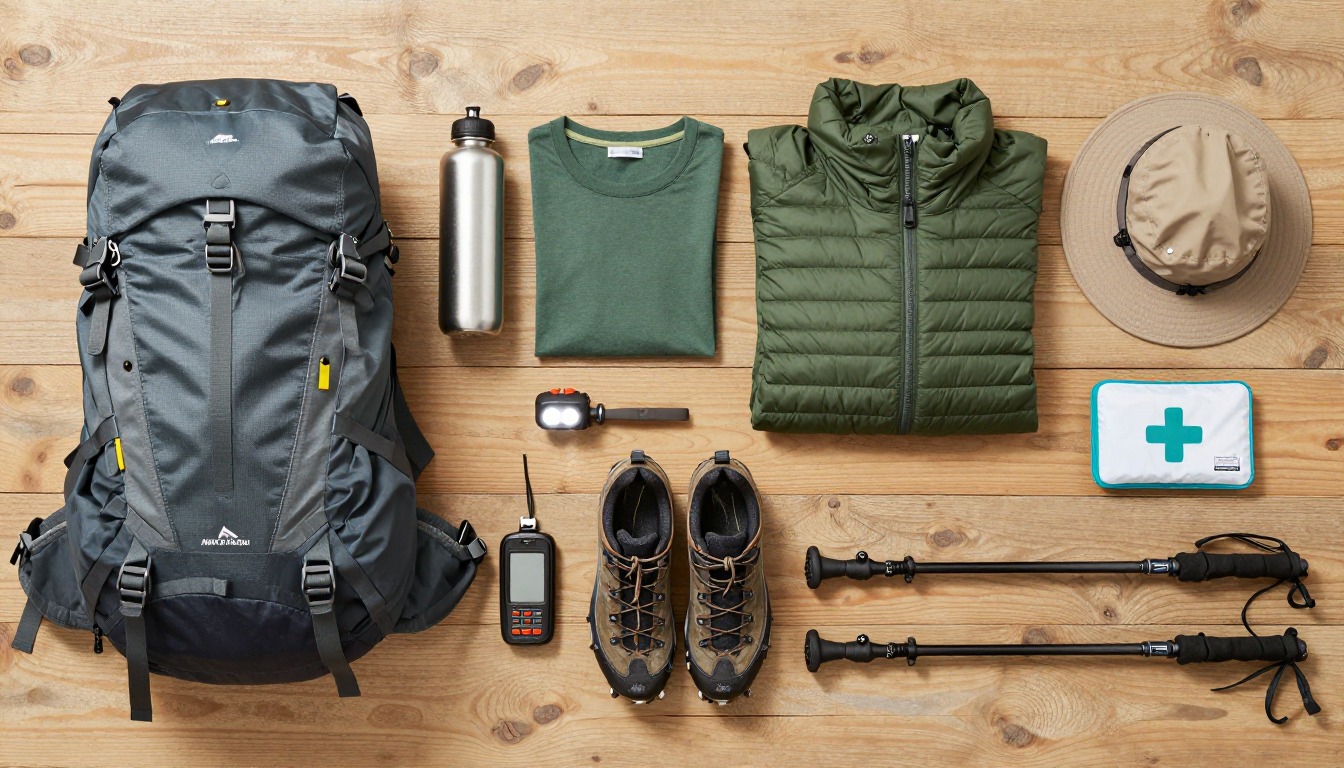
Because you return to your bed every night, you do not need an overnight pack. Washington Trails Association says a 25 to 30 liter pack is good for a full-day hike.6 That is enough for layers, food, water, bear spray in a quick-access spot and the extra warm clothing that a windy icefield edge calls for.
The trade-off of a town base is a longer drive at both ends of a long day, while camping near the start trades comfort for time. Both are reasonable; pick the one that gets you to the trailhead rested.
Common questions
Where do people stay to hike the Harding Icefield Trail?
Most hikers base themselves in Seward, a short drive from the trailhead, where hotels, cabins, and vacation rentals cover a range of options. Right at the trailhead, there's also a small walk-in tent campground near Exit Glacier for anyone who wants to be on-site before an early start, though it doesn't offer hotel-style rooms or facilities; confirm its current availability and rules with Kenai Fjords National Park.
When's the best time of year to hike the Harding Icefield Trail?
Late June through September is the realistic window, once the upper trail has melted out enough to hike safely. Even within that stretch, snow can linger on the upper switchbacks longer than you'd expect, so check current trail conditions before you go and be ready to turn back if the route above tree line still looks snow-covered.
Do I need to worry about bears on this hike?
Yes — this is active bear country for the entire route, from the rainforest at the bottom to the open slopes near the icefield. Carry bear spray, know how to use it, and make noise on switchbacks and blind corners so you don't surprise an animal at close range. It's a standard precaution on this trail, not a sign of unusual risk.
Complete gearsets for this trip
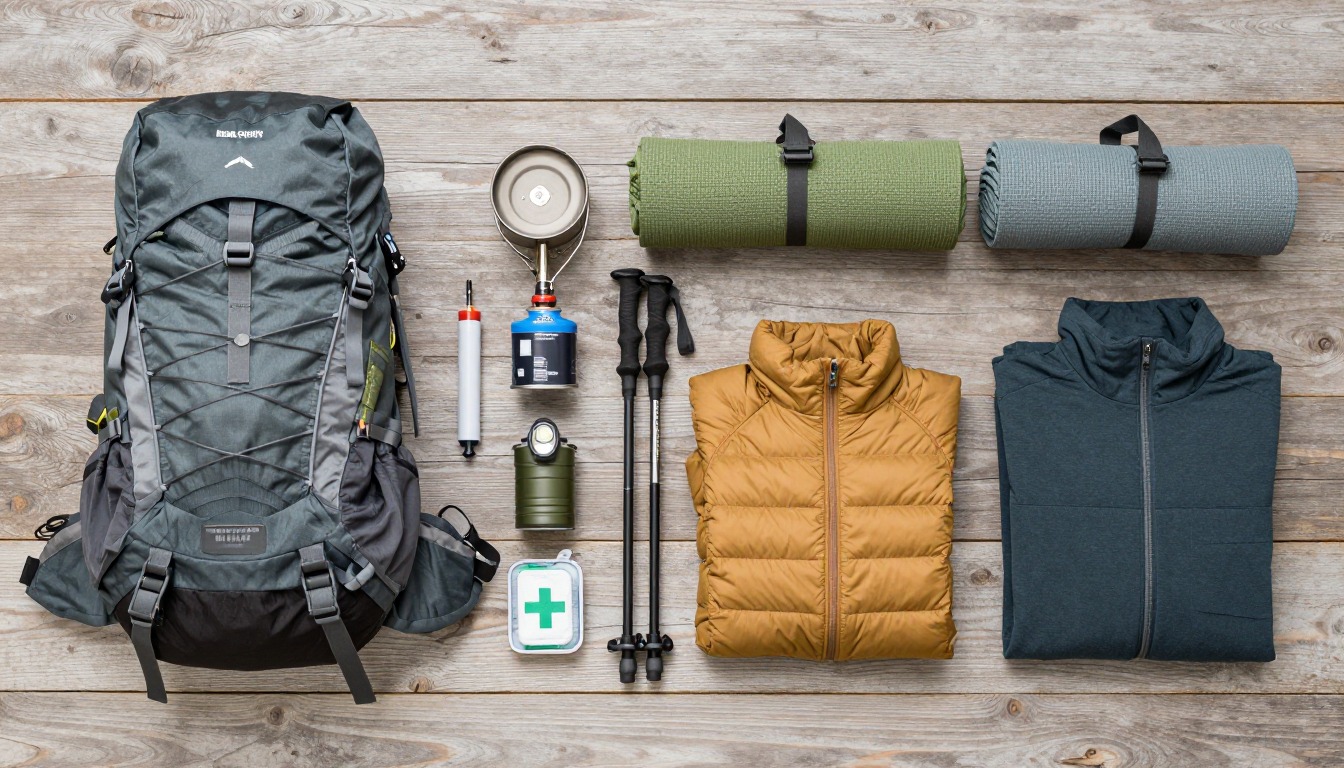
Full curated kits built for exactly this kind of hike — what to bring, why, and links to similar gear.
Lodging details are compiled from official parks, refuge associations and reservation systems and can change without notice. We publish no prices, availability or ratings — always confirm current information on the official site before booking or setting out. Product links and the accommodation map are affiliate links: we may earn a commission at no extra cost to you; product prices and availability are shown on Amazon, and accommodation prices on the booking site. See our affiliate disclosure.