
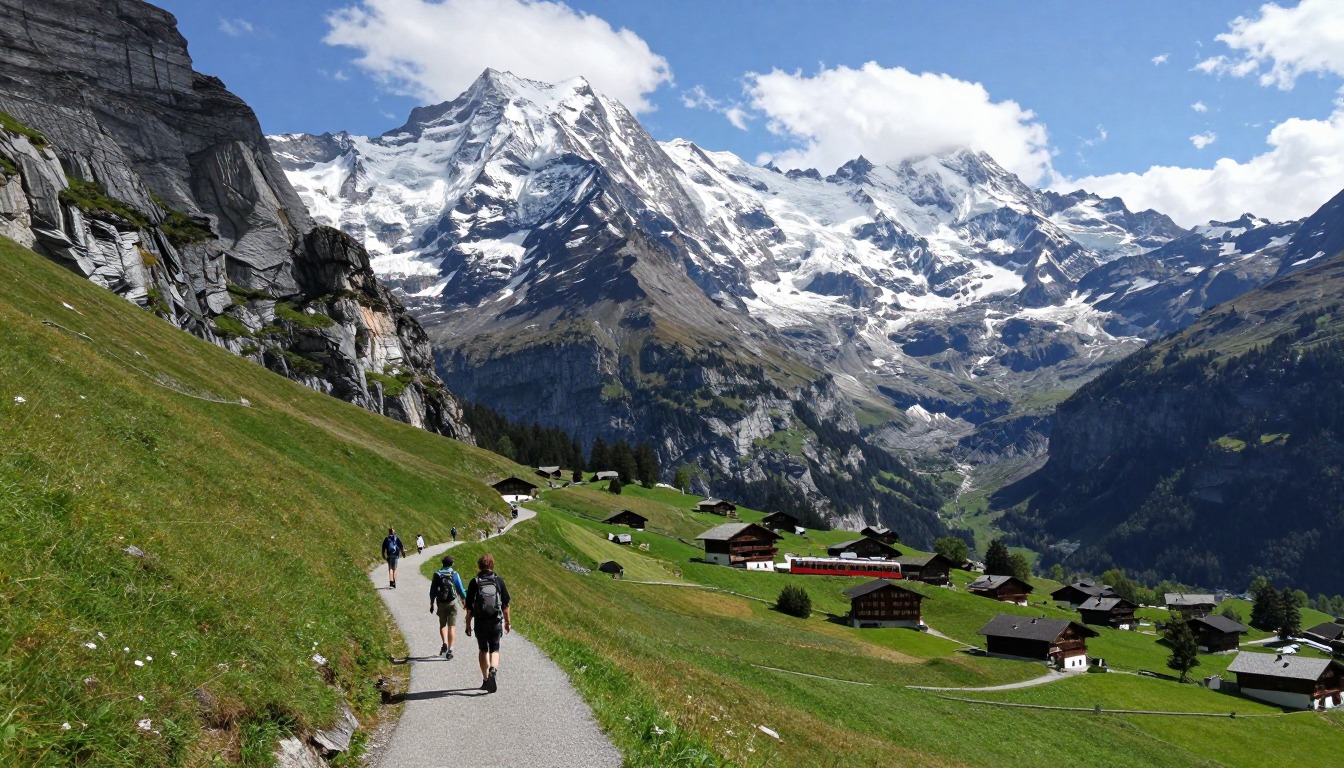
Illustrative artwork — an impression of Eiger Trail — Grindelwald, not a literal photograph.
The Eiger Trail is a day hike that runs directly beneath the towering north face of the Eiger in Switzerland's Bernese Oberland, reached and returned by the region's mountain railways and cable cars rather than a multi-day trek. Because it's a single day out and back to civilization, the "where do I sleep?" question is really about choosing a base — most hikers stay down in the village of Grindelwald, though a few small mountain inns near the railway and cable-car stations let you sleep higher up instead.
Why hike here
What makes the Eiger Trail unforgettable is the sheer scale of what's above you the whole way — the Eiger's north face, a wall of dark rock and ice that has drawn climbers and onlookers for generations, with you walking along its base rather than up it. The trail threads through alpine meadows and past scree slopes cooling in the shadow of the face, cowbells drifting up from pastures below and the odd train bell in the distance, a reminder this is working alpine terrain, not a photograph. Because it's common to ride the railway or cable car up and hike downhill toward Grindelwald, the day has a natural arc: the face looms starkest near the top, then the peaks soften and the valley opens up as you descend, rooftops slowly coming into view below.
Getting there
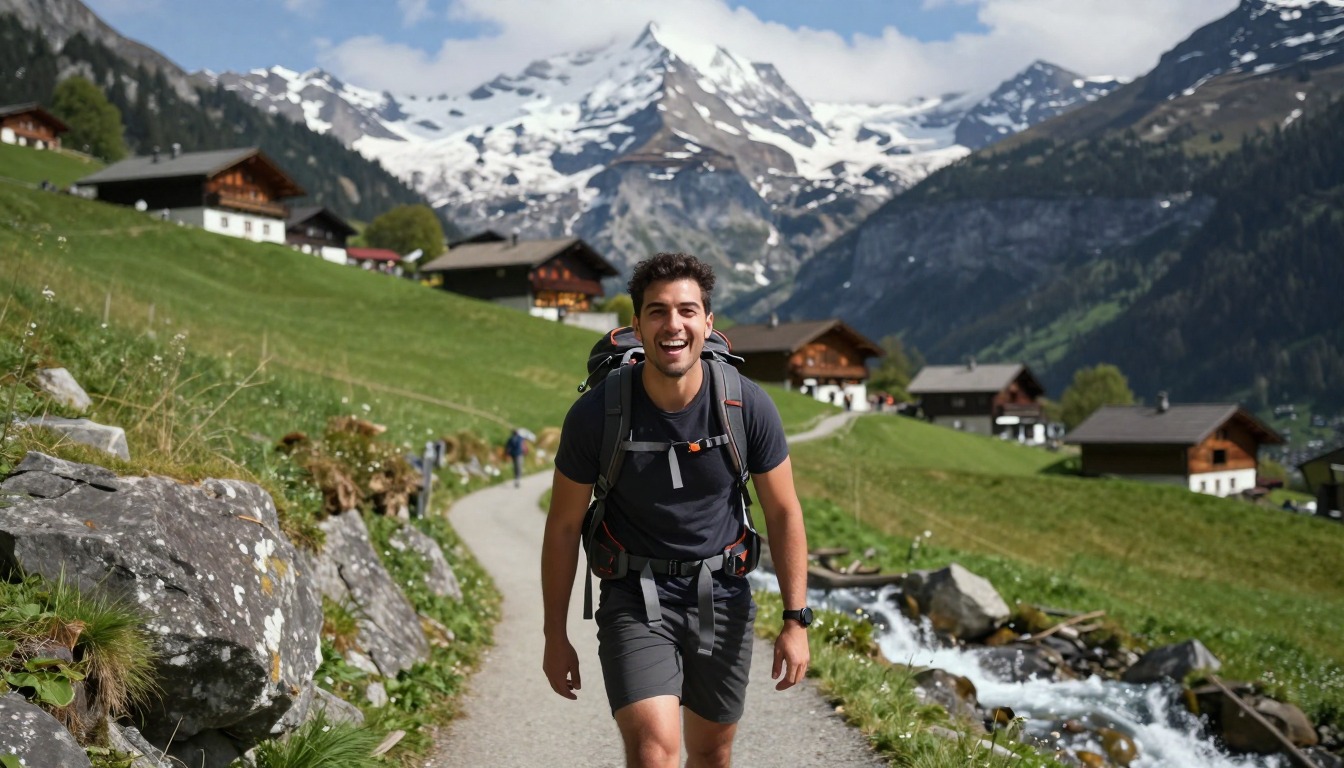
The usual route in is to fly into Zurich or Geneva, then take the train to Interlaken, the regional gateway to the Bernese Oberland and the Jungfrau Region. From Interlaken, a further rail connection carries you into the valley to Grindelwald, and from there the mountain railways and cable cars that access the Eiger Trail's start and end points. It's a fully rail-based approach — no rental car is needed for this trip — so build your travel day around train timetables rather than driving distances.
Where to stay
The realistic options, closest-to-the-trail first. Book through the official links — we don't list prices or availability because they change all the time.
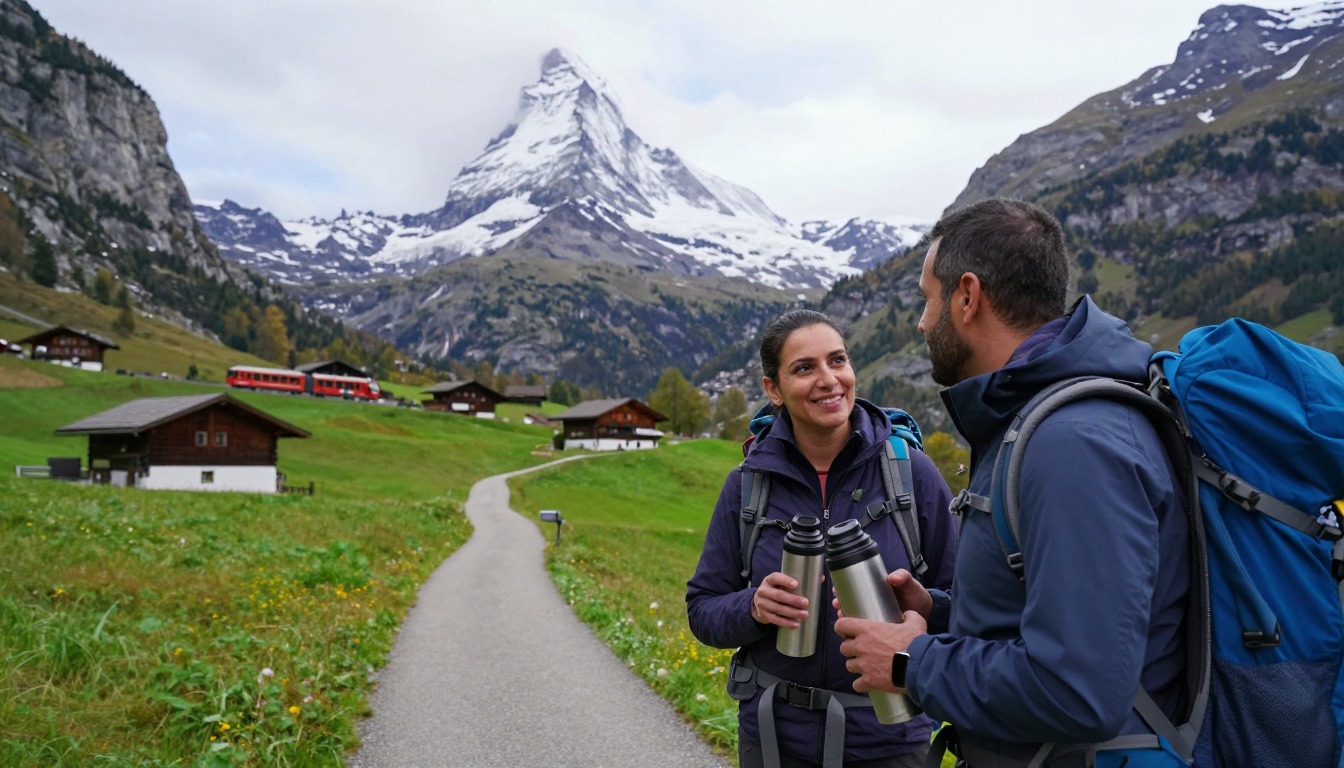 Illustrative — evokes the setting, not a specific property.
 For example: Hotels, guesthouses and chalets in the village of Grindelwald
Hikers wanting a comfortable base with trains and cable cars to the trail.
The Jungfrau region is reached by mountain railways from the village.
Grindelwald tourismFor example: Small mountain hotels and restaurants at railway/cable-car stations near the trail
Hikers wanting to stay higher, closer to the Eiger.
Access by the Jungfrau railways; book ahead in summer.
Regional lodging (official info)Permits & rules
No permit is required. The trail runs directly under the Eiger’s north face; weather turns fast in the high Alps, so carry layers and check the mountain forecast.
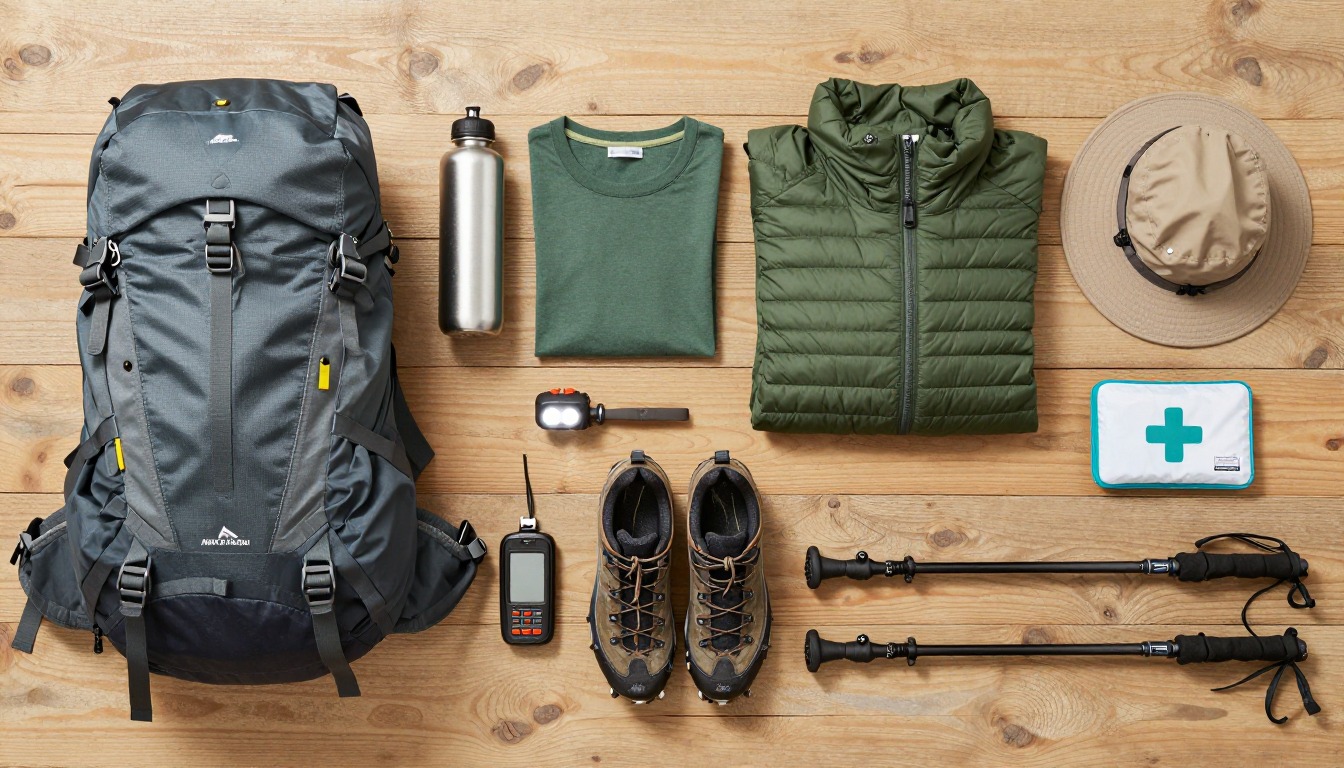
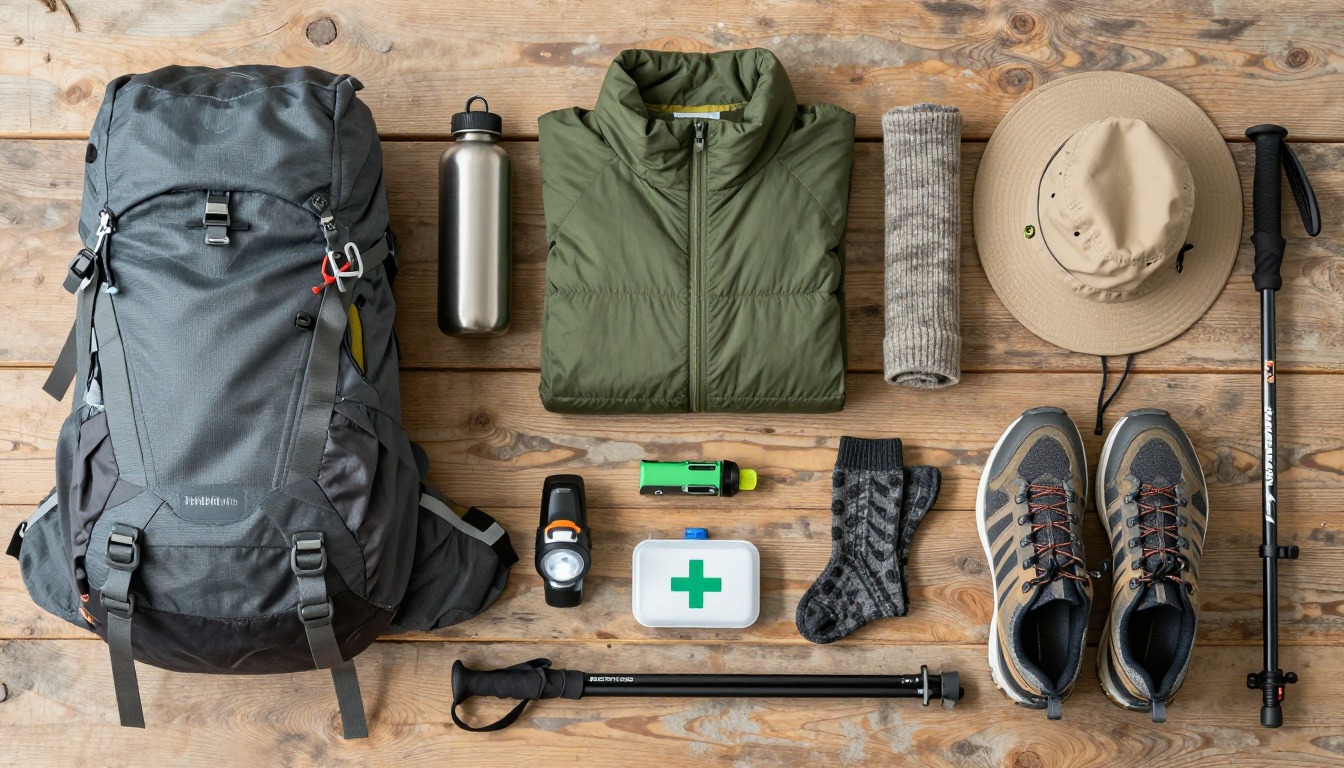
Gear you'll want for this trip
Matched to the terrain and conditions here. Real products — check current price on Amazon.


Common questions
Do I need a permit to hike the Eiger Trail?
No, the Eiger Trail doesn't require a permit. It's a well-established, waymarked day hike accessed by the region's public mountain railways and cable cars, so there's no booking system to navigate before you go — just check the season and the weather forecast before setting out, since conditions can change fast at altitude.
Where should I stay before or after hiking the Eiger Trail?
Most hikers base themselves in the village of Grindelwald, which has hotels, guesthouses, and chalets within easy reach of the railway and cable-car stations that serve the trail. If you'd rather stay higher up, a few small mountain inns and restaurants near stations along the route offer an alternative for a night before or after your hike.
When is the best time to hike the Eiger Trail?
The trail is generally best hiked between June and October, when high-alpine weather is more settled and snow is less likely to be an issue underfoot. Conditions above the treeline can still change quickly within that window, so carry extra layers and check the forecast on the morning you set out.
Complete gearsets for this trip
Full curated kits built for exactly this kind of hike — what to bring, why, and links to similar gear.
Lodging details are compiled from official parks, refuge associations and reservation systems and can change without notice. We publish no prices, availability or ratings — always confirm current information on the official site before booking or setting out. Product links are affiliate links: we may earn a commission at no extra cost to you; prices and availability are shown on Amazon. See our affiliate disclosure.