
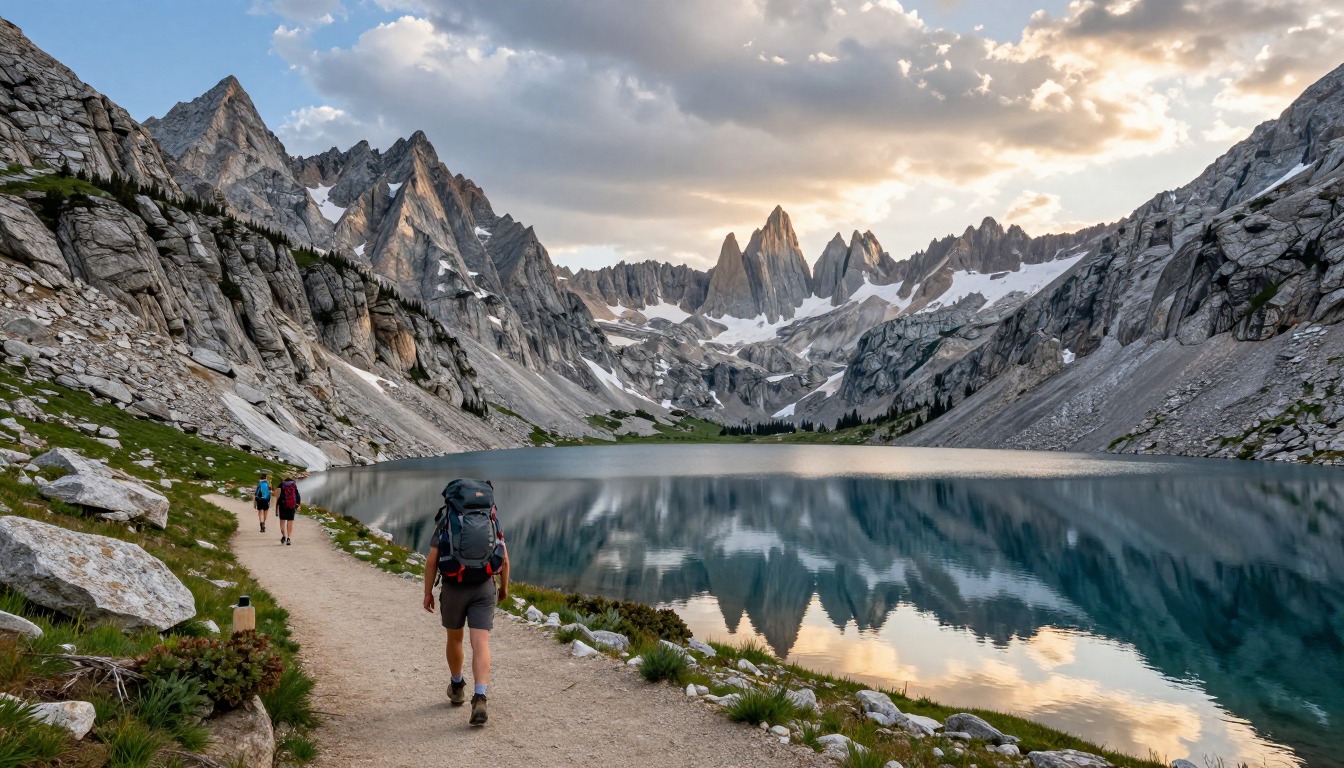
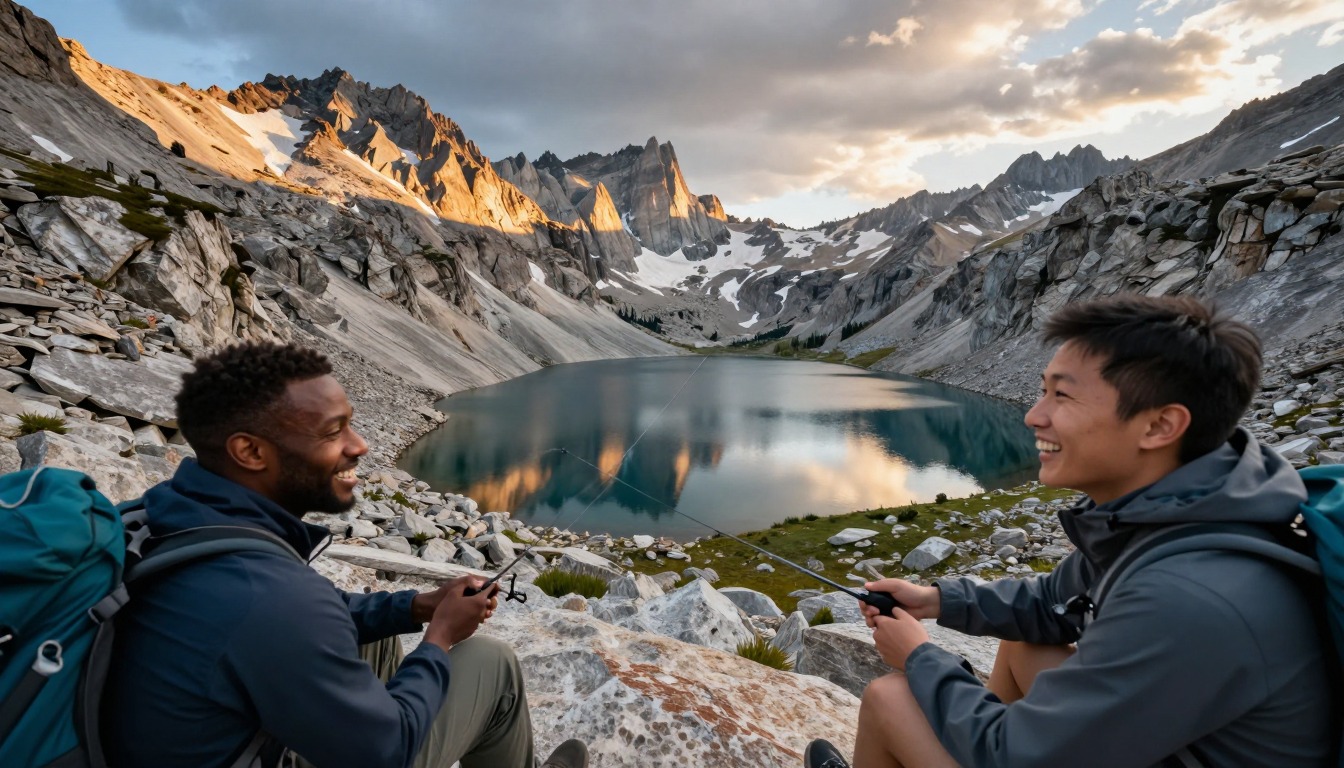
Illustrative artwork — an impression of CDT — Wind River Range, not a literal photograph.
The Continental Divide Trail through Wyoming's Wind River Range is one of the trail's most remote and rugged high-alpine stretches, crossing the Bridger-Teton and Shoshone National Forests among granite peaks, glaciers, and basins strung with lakes. There are no lodges out here — every night on this section means wilderness camping, so the real planning question isn't which hotel to book but how self-sufficient you can be between resupplies.
Why hike here
What draws hikers into the Winds is the sheer concentration of alpine scenery packed into one stretch of the Divide — sharp granite spires rising straight out of basins full of lakes, a scattering of small glaciers clinging to north faces, and passes that put you above treeline for miles at a stretch. Many hikers detour off the main CDT line to take in the Cirque of the Towers, a horseshoe of jagged peaks that's become one of the range's signature sights, then rejoin the trail further along. Days here alternate between exposed granite benches and basins thick with wildflowers and tarns, and because the range sees far fewer people than the trail's more famous sections, the solitude is part of the draw as much as the rock itself.
Getting there
The two towns hikers use to reach this stretch of the Winds are Pinedale and Lander, both in Wyoming, with hotels, motels, and outfitters that serve as resupply points before and after the high country. Most people fly into a regional airport with connections from a larger hub, then finish the trip by road, since the trailheads themselves sit well outside either town down forest roads maintained by the Bridger-Teton and Shoshone National Forests. Because access points are spread out and services thin, it's worth arranging your shuttle or vehicle logistics between Pinedale, Lander, and your chosen trailhead before you set out.
Where to stay
The realistic options, closest-to-the-trail first. Book through the official links — we don't list prices or availability because they change all the time.
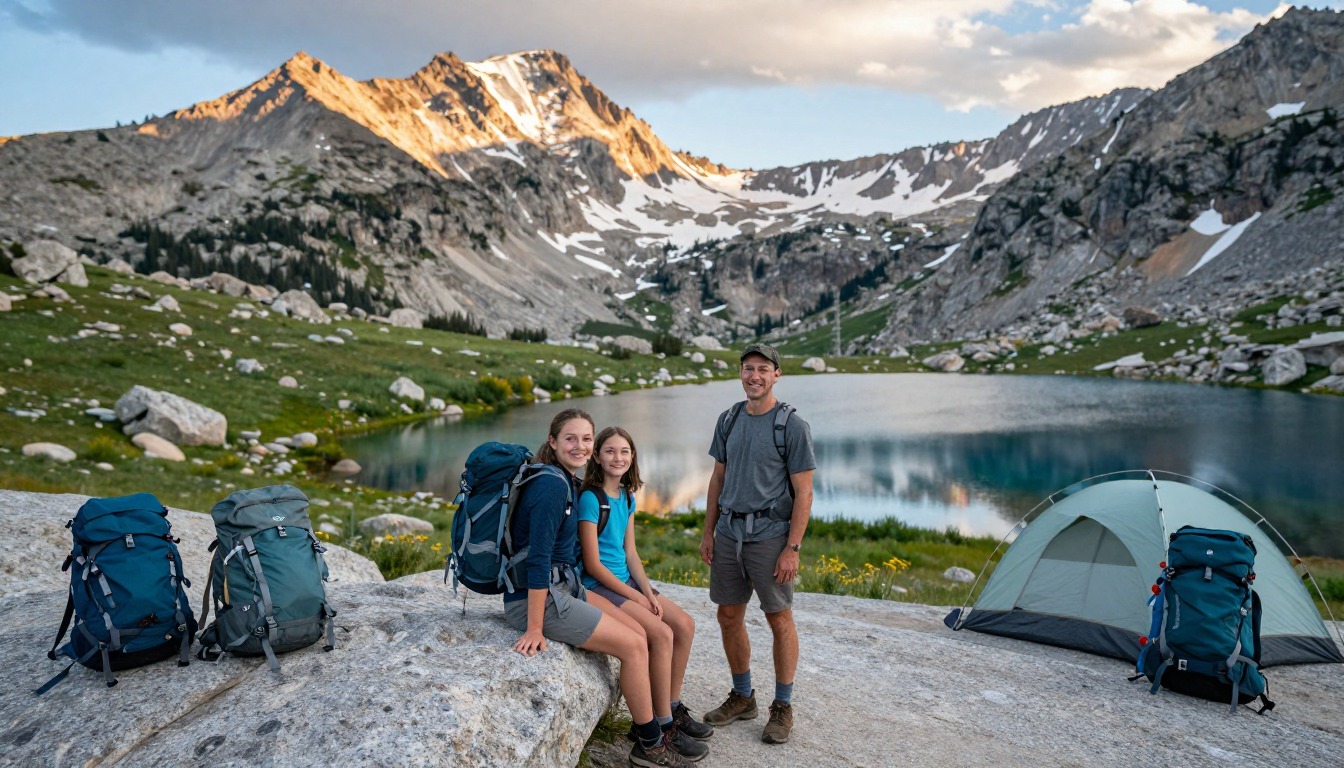 Illustrative — evokes the setting, not a specific property.
 For example: Established backcountry sites among the granite peaks, lakes and basins
Thru-hikers and backpackers — the Winds are pure wilderness camping.
No permit is generally required for these wildernesses, but follow food-storage and camping rules in bear country.
Wilderness camping (Forest Service rules)For example: Hotels and motels in the gateway towns used for resupply
Hikers coming off-trail to resupply and rest.
Pinedale and Lander are the classic Wind River resupply and access towns.
Nearby-town lodgingPermits & rules
These wildernesses generally require no permit, but you must be fully self-sufficient and follow bear-country food storage. The Winds are remote and high — many hikers take the rugged Cirque of the Towers high-route variant — so carry proper gear, watch the afternoon storms, and know your bailout options.
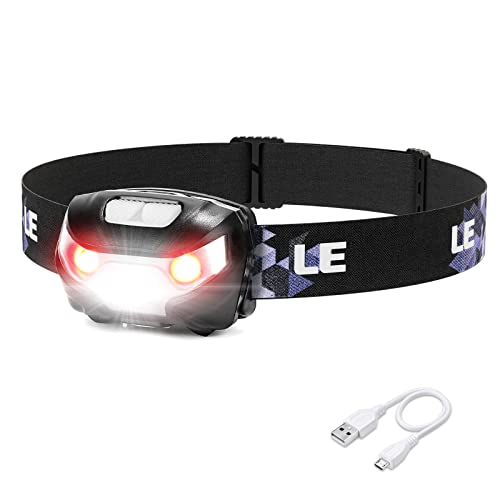
Gear you'll want for this trip
Matched to the terrain and conditions here. Real products — check current price on Amazon.


Common questions
Do I need a permit to camp in the Wind River Range?
No permit is generally required for backcountry camping in the Bridger-Teton or Shoshone National Forest sections of the Wind River Range, but you're expected to be fully self-sufficient, including proper bear-country food storage. That means carrying all the gear, food-storage equipment, and navigation skills you need, since help and services are far away once you're in the high country.
When is the best time to hike the Wind River Range?
Most hikers plan for July through September, when snow has cleared from the high passes and the weather is most settled. Even then, afternoon thunderstorms are common in the alpine zone, so it's worth starting early each day and knowing your bailout routes off exposed ridges and passes before a storm rolls in.
Are there any lodges or huts along this stretch of trail?
No — this section is wilderness camping only, with established backcountry campsites scattered among the peaks and lakes rather than any staffed huts or lodges. The nearest hotels and motels are in the gateway towns of Pinedale and Lander, both reached by leaving the trail rather than along the route itself.
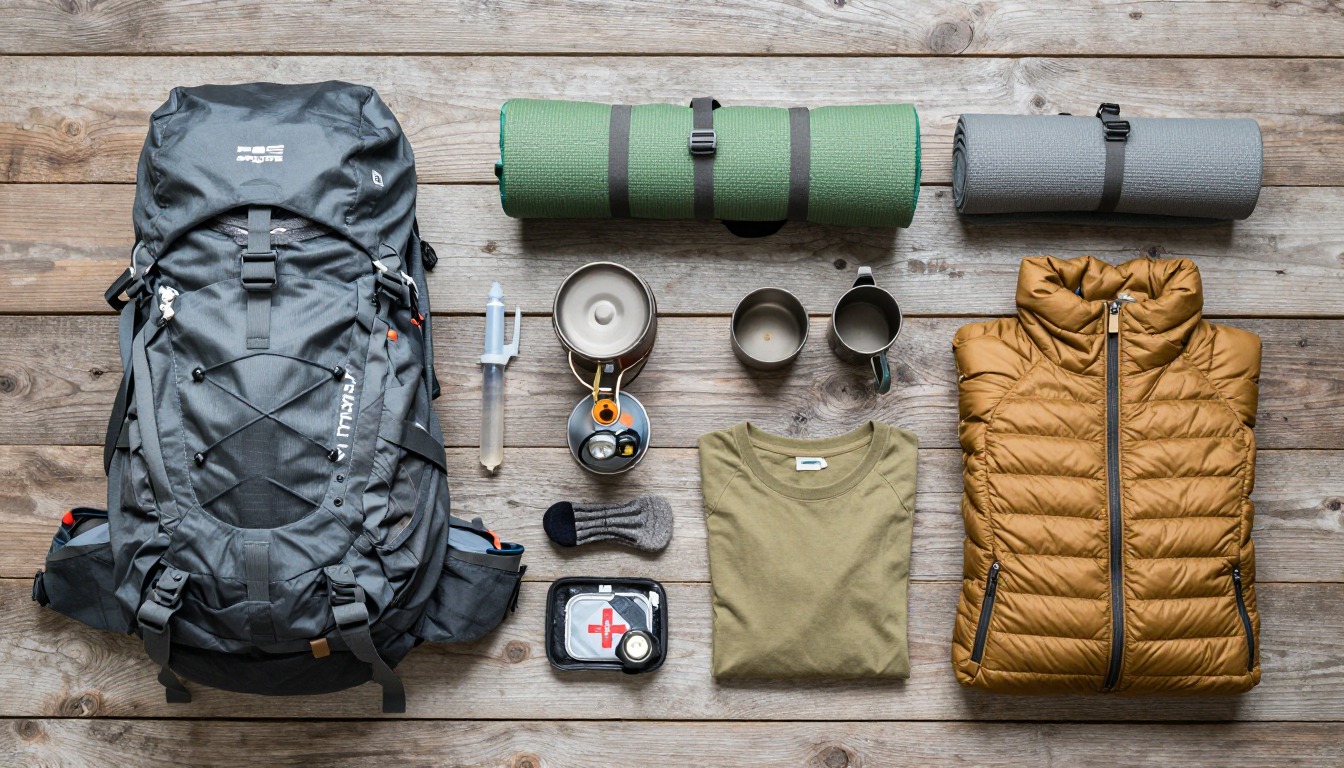
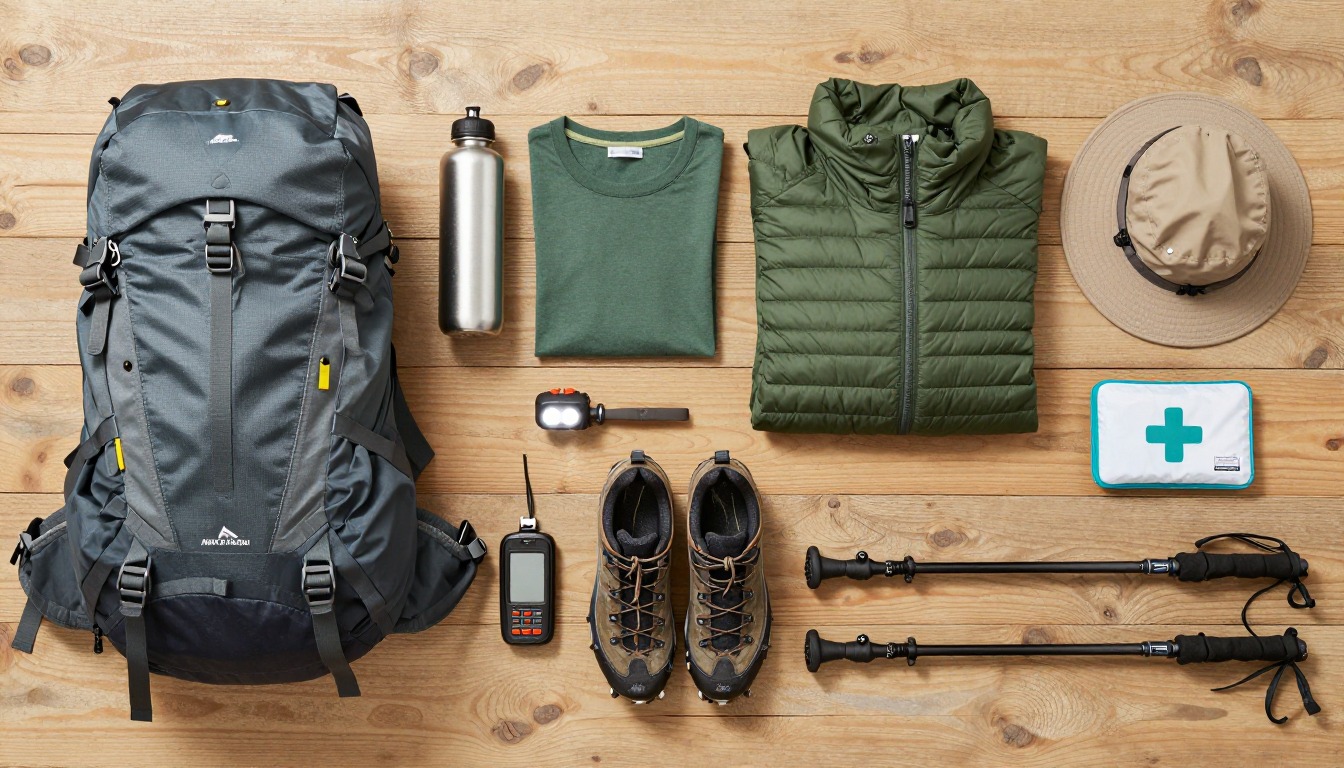
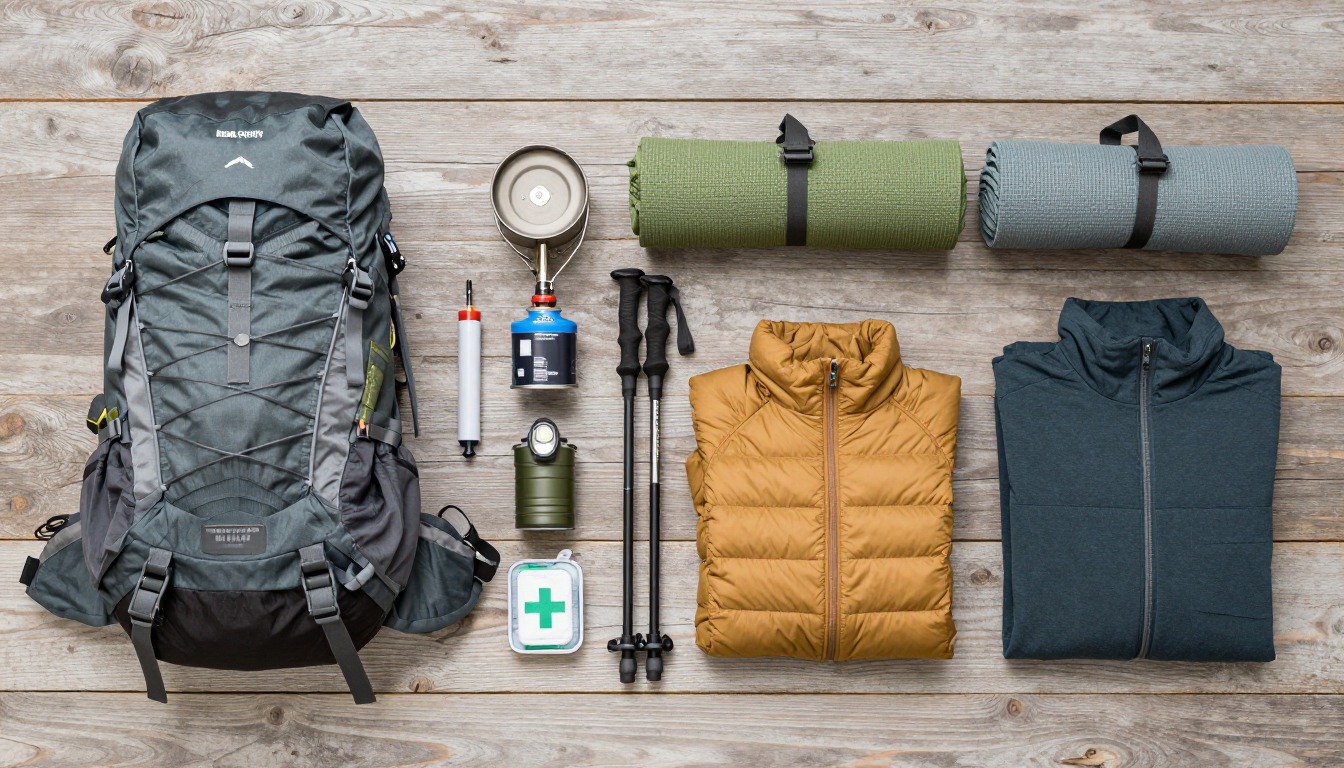
Complete gearsets for this trip
Full curated kits built for exactly this kind of hike — what to bring, why, and links to similar gear.
Lodging details are compiled from official parks, refuge associations and reservation systems and can change without notice. We publish no prices, availability or ratings — always confirm current information on the official site before booking or setting out. Product links are affiliate links: we may earn a commission at no extra cost to you; prices and availability are shown on Amazon. See our affiliate disclosure.