
Affiliate disclosure: this page contains affiliate links. Purchases made through them may earn us a commission at no extra cost to you. See our affiliate disclosure.
In plain English
The first day of the Camino Francés is the hardest, and where you sleep the night before and the night after shapes the whole day. Most walkers sleep in the French start town, collect a pilgrim credential there, and then climb over the Pyrenees to the historic hostel at Roncesvalles in Spain.
The credential is a small folding card that gets ink stamps from the places you sleep and visit. It is what lets you use the simple pilgrim hostels, which are bunkrooms built for walkers rather than hotels. Some hostels along this stage are first-come and some take reservations, so the safest plan in busy months is to book the first two nights and then walk with more flexibility.
There are two ways over the mountains: a high route with big views and a lower valley route used when weather is bad. Deciding between them is a safety choice, not a comfort choice, and the people at the start-town pilgrim office are the ones to ask on the morning you set out.
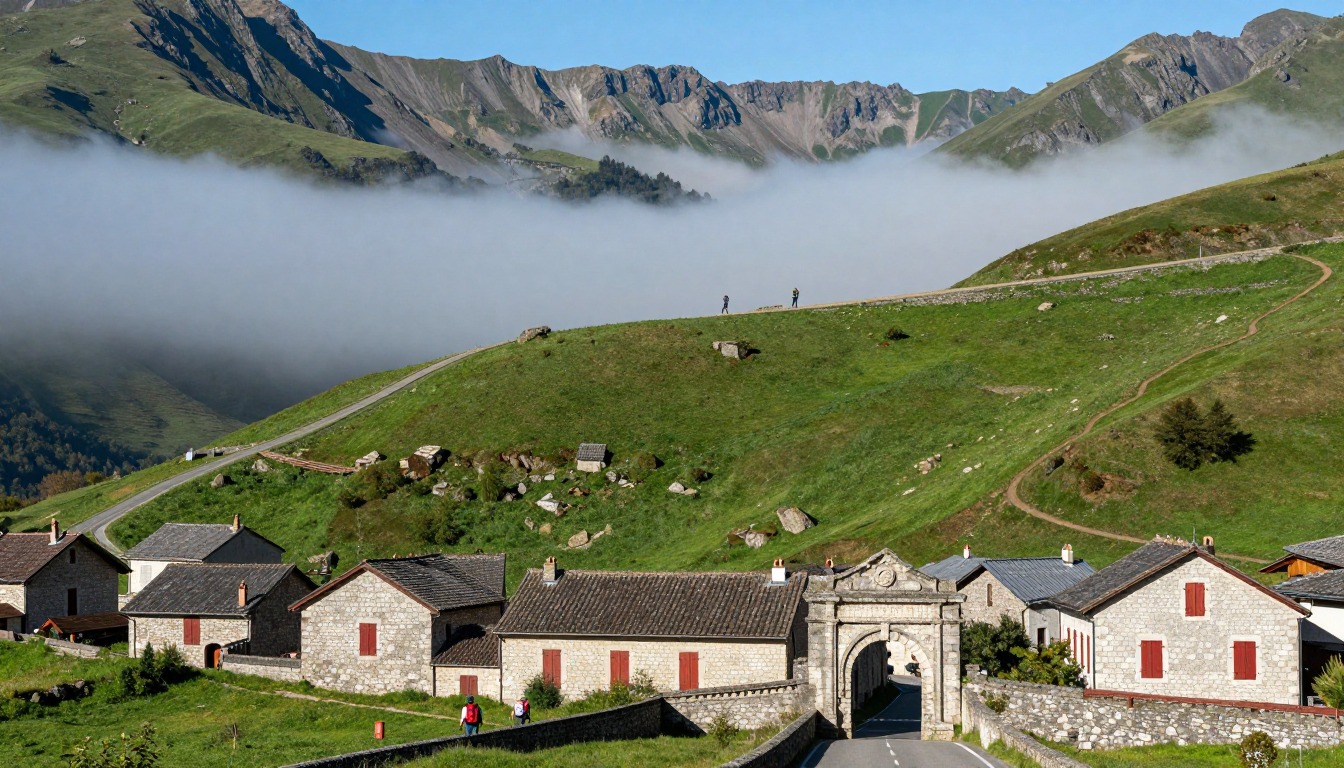
The Camino Francés begins with its hardest test: the Napoleon Route, a steep climb over the Pyrenees from Saint-Jean-Pied-de-Port in France to Roncesvalles in Spain. It's a single long day with no towns in between, so where you sleep is decided before you leave — a pilgrim hostel or gîte in Saint-Jean-Pied-de-Port the night before, then the large hostel at Roncesvalles waiting on the other side.
Why hike here
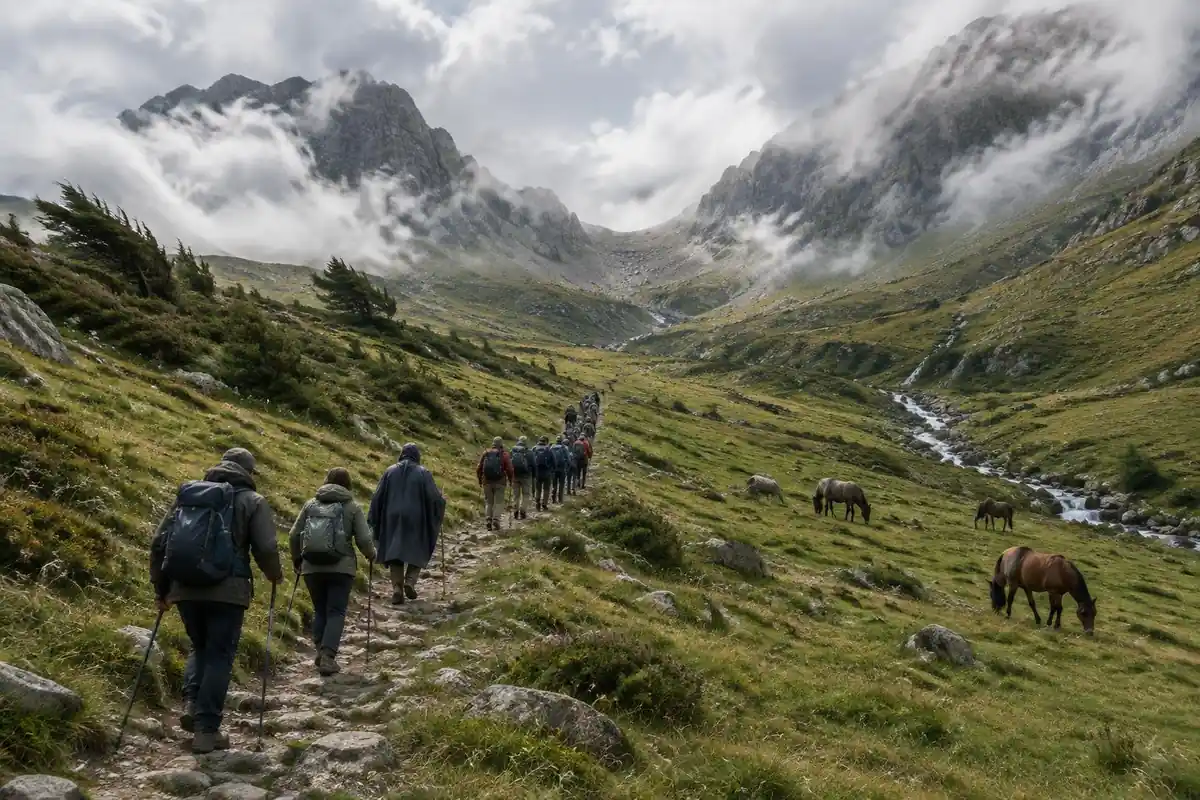
This stage earns its reputation before you're an hour in: a relentless climb out of Saint-Jean-Pied-de-Port through farmland and beech forest, then higher into open, treeless Pyrenean country where the wind picks up and the weather can turn in minutes. On a clear day the views stretch for miles in every direction — ridgelines rolling away in both directions, with a long, exposed track and no real shelter until you're well past the high point. Then the descent drops you back into beech woods on the Spanish side, and the trail spits you out at Roncesvalles, a cluster of stone buildings that has sheltered pilgrims for centuries. It's the kind of day that makes the whole idea of the Camino feel real — you've crossed a mountain range and an international border on foot, with weeks of walking still ahead before Santiago.
Getting there
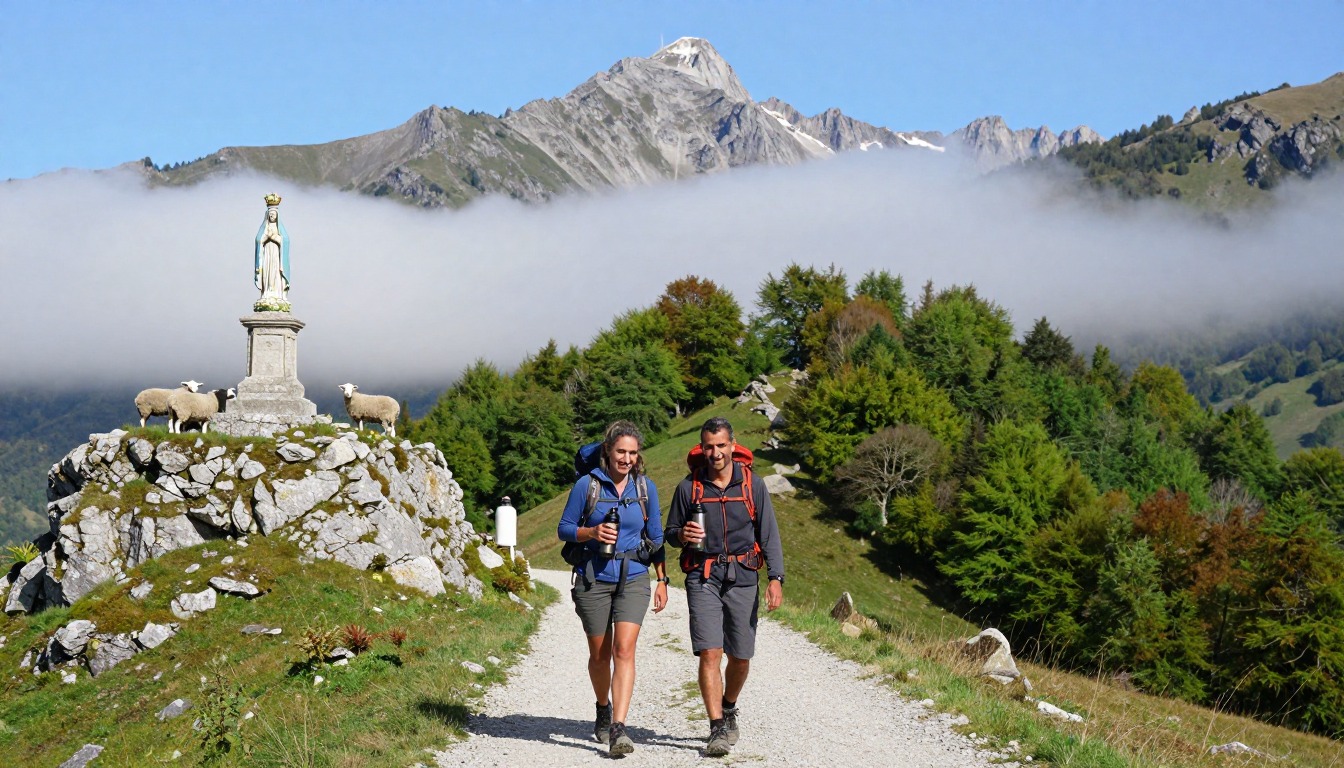
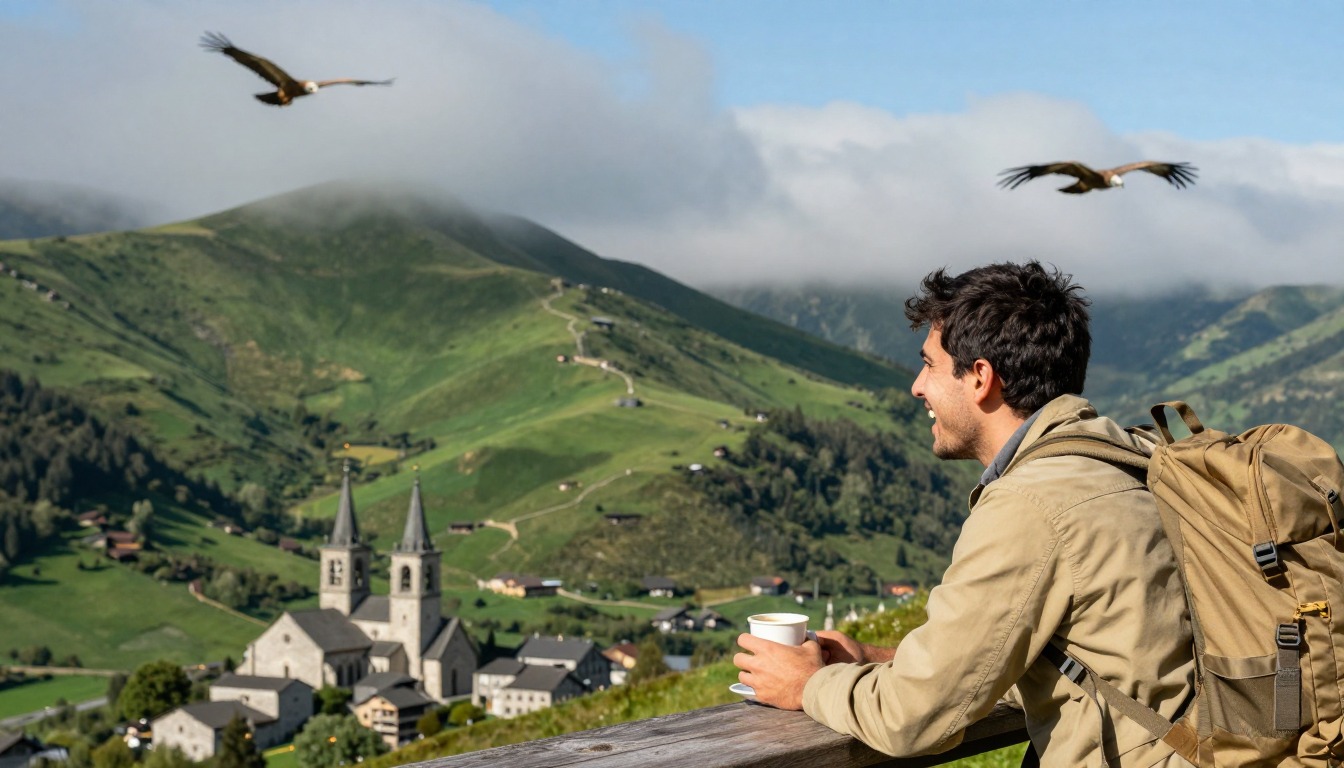
Most hikers fly into a regional airport in southwest France or northern Spain — Biarritz is the closest French option — then make their way overland to Saint-Jean-Pied-de-Port by train and bus, often connecting through Bayonne. Once there, stop at the Pilgrims' Office to pick up your pilgrim credential before you set out; it's also where you'll get current advice on trail conditions and whether the high Napoleon Route or the lower Valcarlos valley route is open. From Roncesvalles, onward travel into the rest of Spain runs through Pamplona.
Where to stay
The realistic options, closest-to-the-trail first. Book through the official links — we don't list prices or availability because they change all the time.
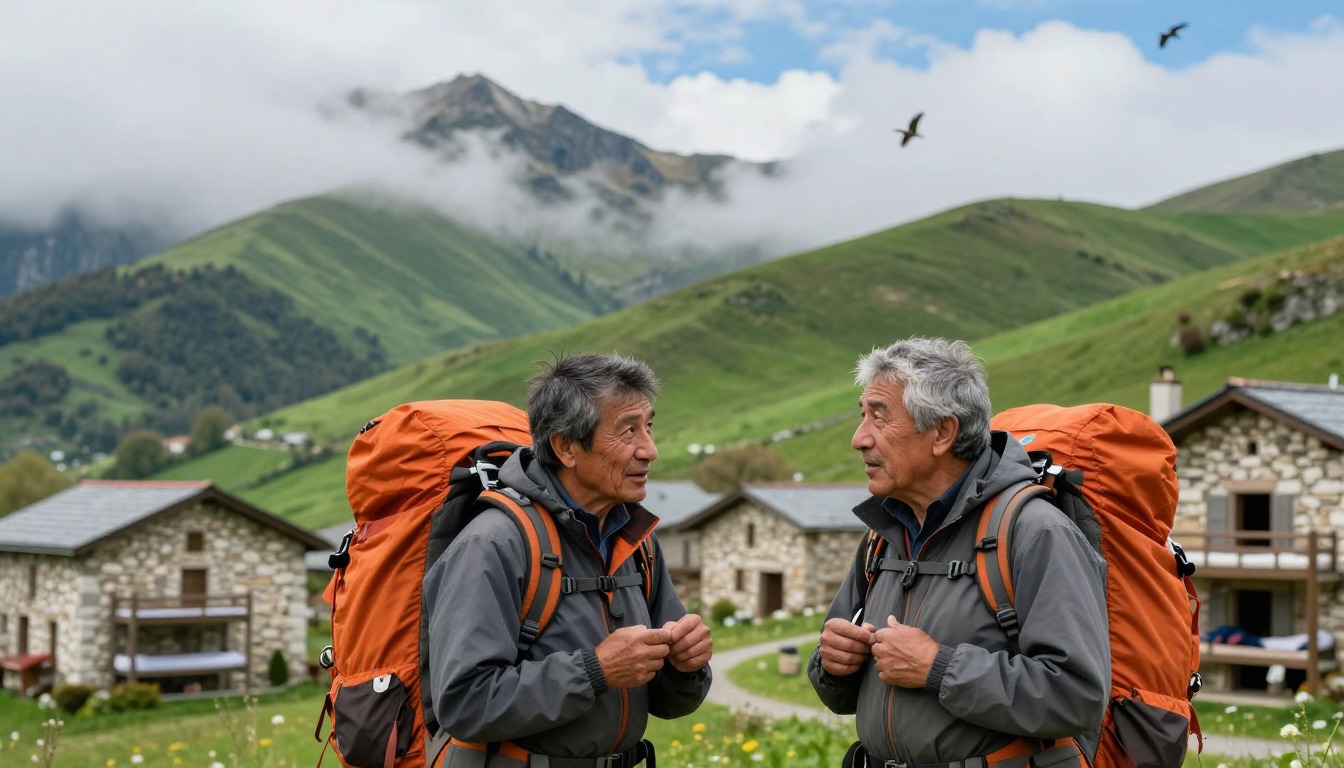
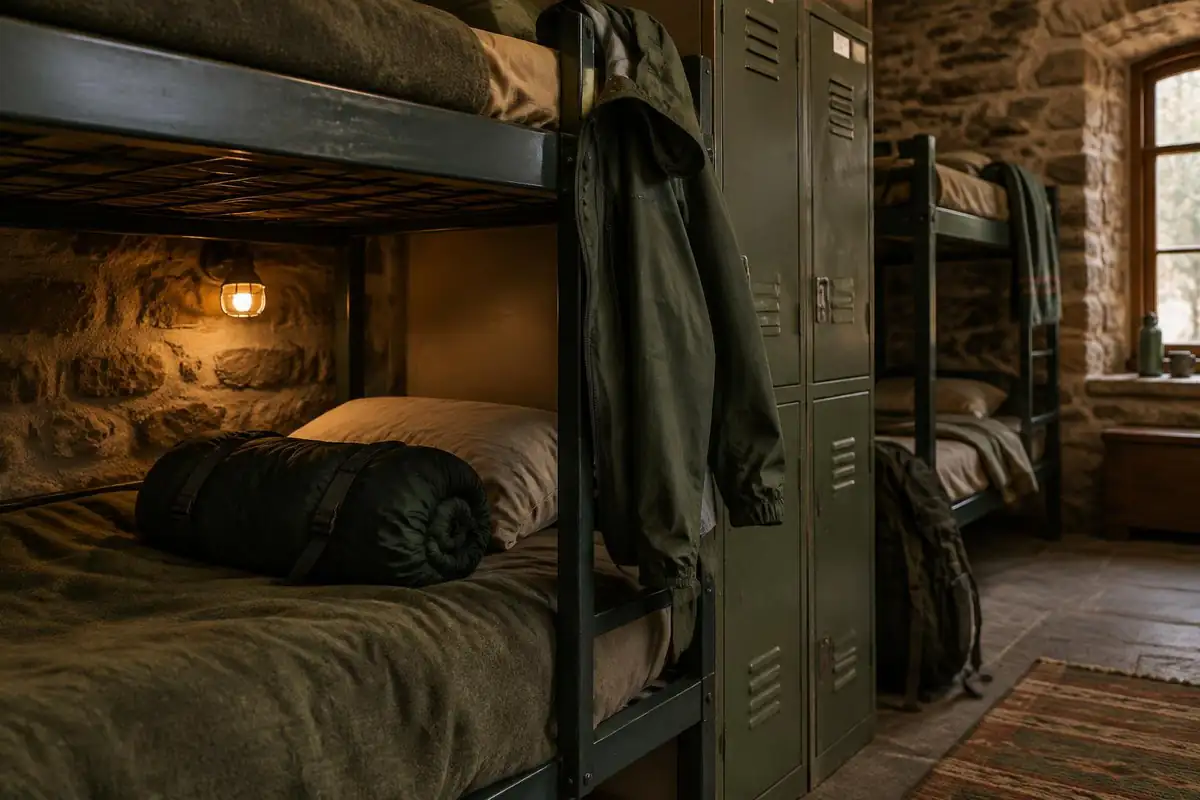
For example: Pilgrim albergues and gîtes in St-Jean-Pied-de-Port (France) and the great hostel at Roncesvalles (Spain)
Pilgrims starting the Camino Francés at its classic beginning.
Get your credential in St-Jean; the Roncesvalles hostel is the usual first night in Spain.
Pilgrim hostels (mostly first-come)For example: Small hotels and gîtes along the alternative valley route used in bad weather
Pilgrims when the high Napoleon route is closed.
If the high pass is closed, ask locally about the lower valley alternative.
Village lodging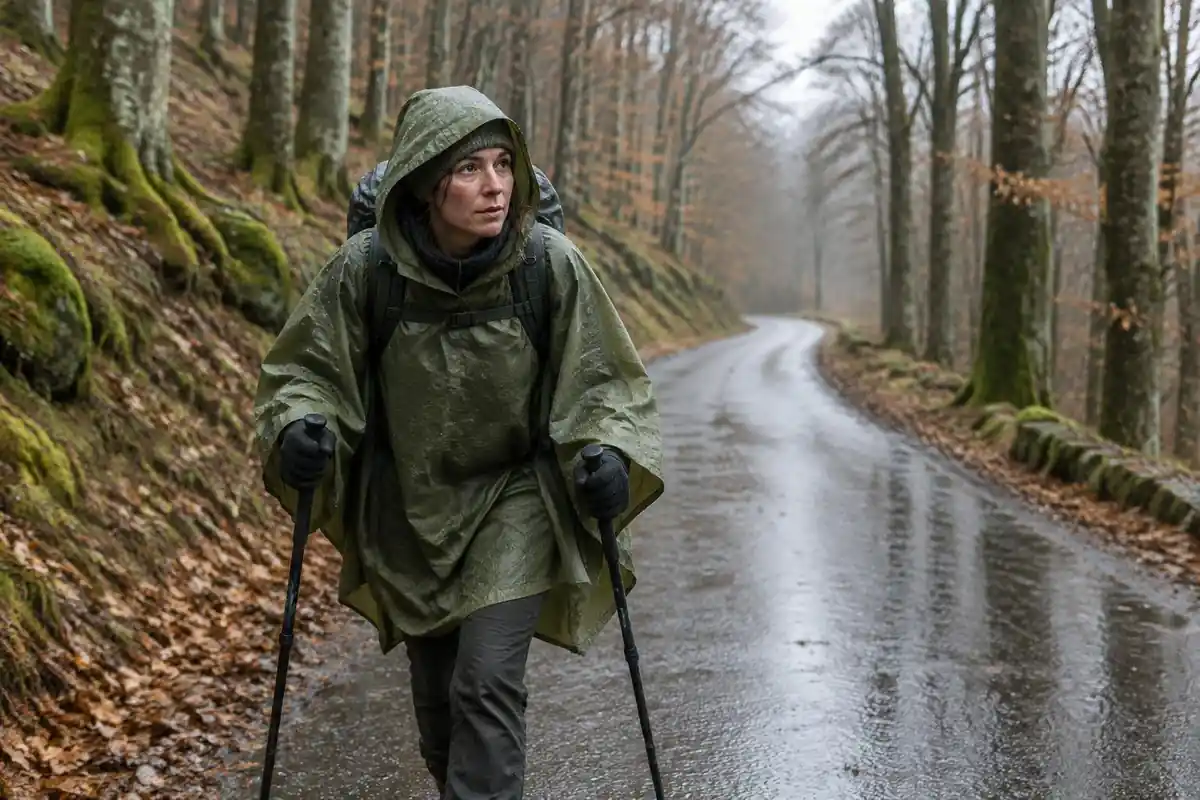
Permits & rules
No permit is needed, but the high Napoleon Route over the Pyrenees is exposed and can be closed in winter or bad weather — check current status in St-Jean-Pied-de-Port and ask locally about the lower valley alternative. This first stage is deceptively hard, with a long, steep climb and fast-changing mountain weather.
Gear you'll want for this trip
Matched to the terrain and conditions here. Real products — check current price on Amazon.


Your first night doubles as your credential stop
The Pilgrim's Reception Office in Santiago, run by the Cathedral, says the official credential can be requested in person at its own office or from other institutions the Cathedral has authorized, such as parish churches, associations of Friends of the Way of St. James, and pilgrim hostels.1 It also describes a digital credential as a phone app, and says the stamps are normally collected where pilgrims sleep, such as hostels, though parish churches, monasteries, hotels and town halls can also provide them.1
For a walker starting in the Pyrenees, that means the start-town hostel or pilgrim office is where you begin collecting stamps. It is also why the existing page recommends stopping there before the climb. The office states that the credential identifies the pilgrim and does not generate any rights, so having one does not by itself guarantee a bed; each hostel sets its own booking and priority rules.1
The office also says the Compostela requires completing at least the last 100 kilometers on foot or horseback, and it can only be issued for routes it recognizes.1 Starting in the Pyrenees is therefore well beyond the minimum. It is a choice about time, scenery and challenge, and the credential still records those early stamps.
What is and is not confirmed about the winter closure and the valley route
The existing page says the high route closes in winter and bad weather and that the lower valley route is the alternative. Those are local route-status statements. The Santiago office's material covers the credential and the Compostela rather than daily conditions on this stage, so treat the closure dates and reroute as something to confirm at the start-town pilgrim office on the day, not as a fixed calendar.
The safety reasoning behind checking is well supported. The Centers for Disease Control and Prevention says hypothermia can develop even in cool temperatures above 40 degrees Fahrenheit if a person is chilled by rain, sweat or cold water, that hikers are among the higher-risk groups, and that the person affected may not realize it is happening.2 The National Park Service adds that hypothermia warning signs include confusion, shivering, difficulty speaking and stiff muscles, and advises always leaving a trip plan with an emergency contact.3
In practice, tell your lodging host which route you intend to take and when you expect to arrive at the next bed, and be ready to switch to the lower route if you are told the pass is unsafe.
Two nights, two different packs
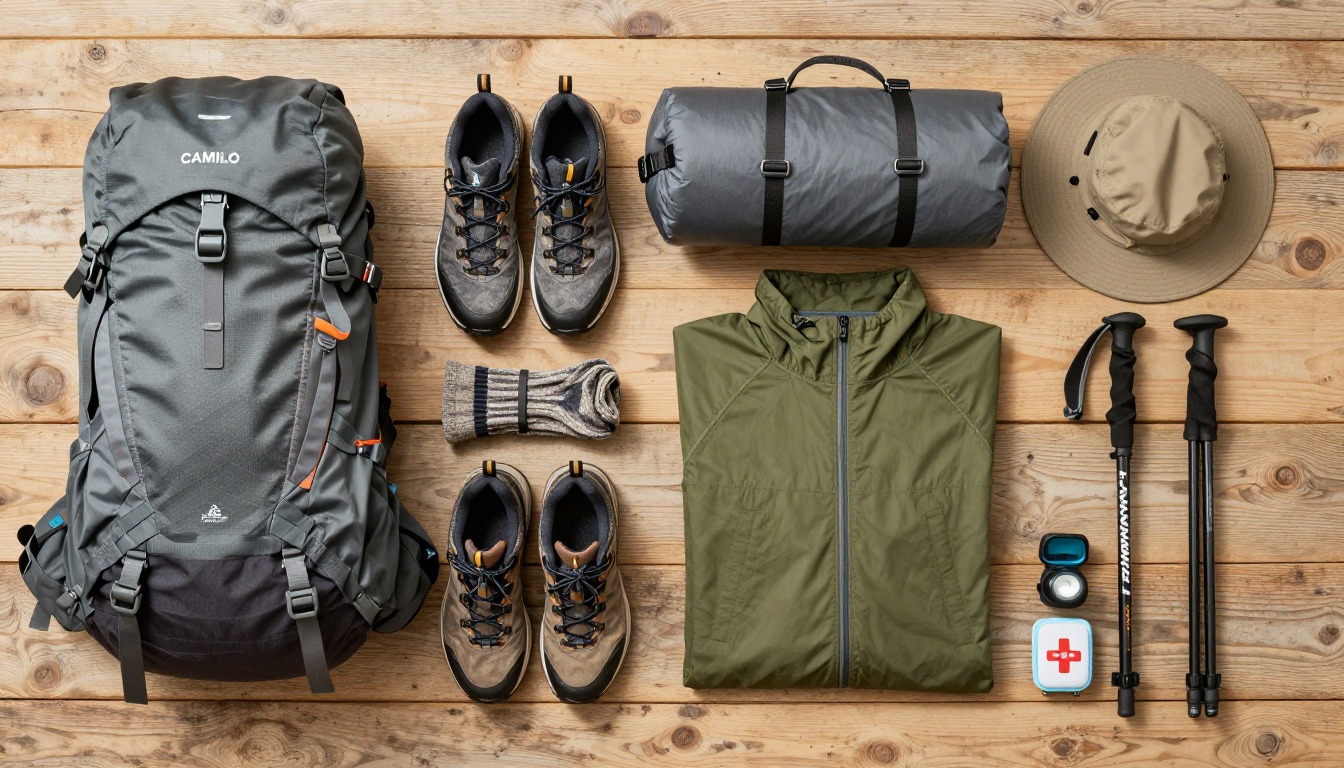
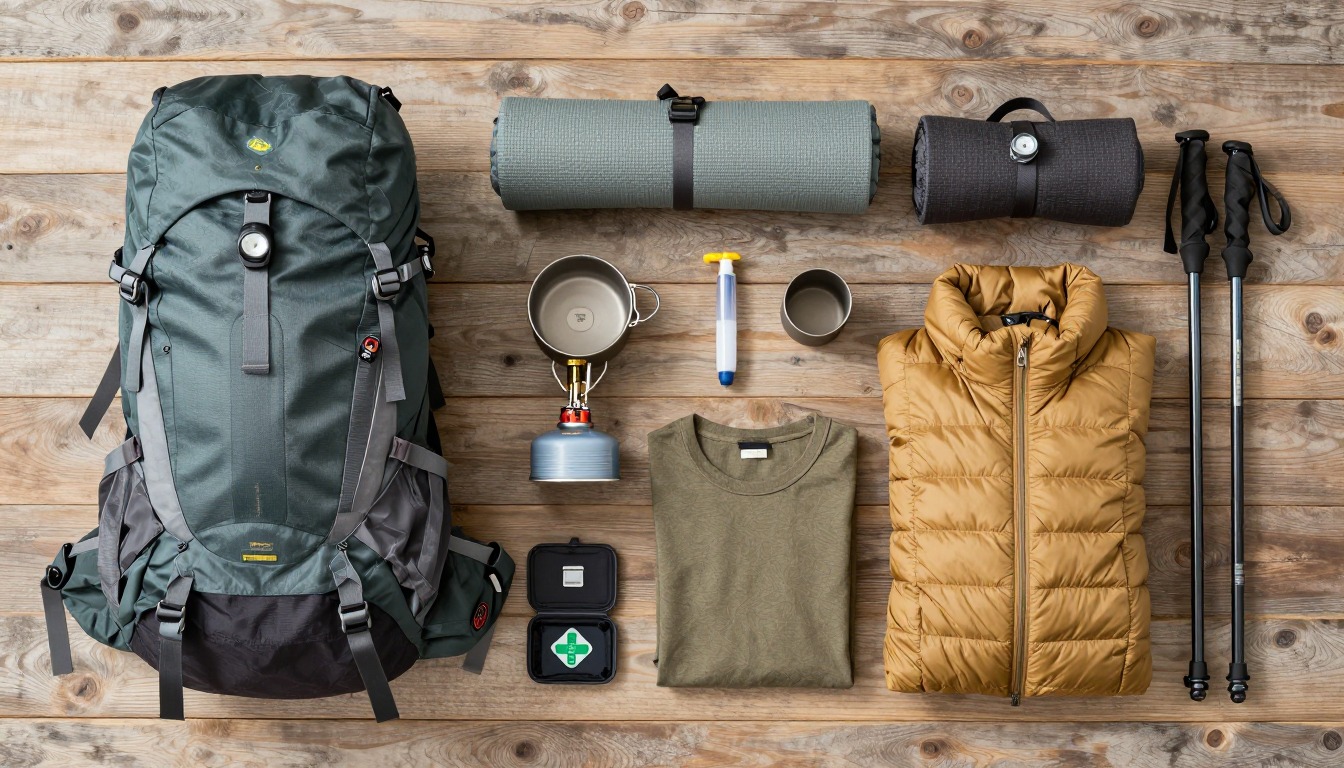
Because this stage is a long climb followed by a hostel night, everything you carry goes up the mountain in one push. The Appalachian Trail Conservancy calls the pack, shelter and sleeping bag the big three, so skipping a tent by using hostels removes one of the heaviest items.4
The Washington Trails Association describes 45 to 50 liters as sized for a standard one- or two-night trip.5 On a hostel-based walk you can usually go smaller, but confirm what each hostel provides for bedding. The National Park Service's layering guidance is a wicking base layer, an insulating middle layer and a wind- and water-blocking outer layer, with wool or synthetic preferred over cotton because wet cotton will not keep you warm.6
Groups traveling with a support car or by bicycle are asked by the Pilgrim's Office to seek shelter other than the pilgrim hostels, which is worth knowing if you are traveling with a support vehicle.1
Common questions
Do I need to book a place to stay on this stage in advance?
In peak season, yes — book your first night in Saint-Jean-Pied-de-Port and, if you can, your bed at Roncesvalles ahead of time, since the historic pilgrim hostel there fills fast. Outside the busiest months, many pilgrim hostels and gîtes along this stage still operate first-come, so arriving reasonably early in the day helps.
What happens if the Napoleon Route is closed?
The high mountain route closes in winter and during bad weather, and pilgrims are rerouted onto the lower Valcarlos valley path instead, which runs through villages with their own small hotels and gîtes. Check conditions at the Pilgrims' Office in Saint-Jean-Pied-de-Port before you start, and always be ready to switch routes if the weather turns.
Where do most pilgrims get their credential and spend the first night?
Most people pick up their pilgrim credential at the Pilgrims' Office in Saint-Jean-Pied-de-Port before setting out, then sleep there in a local albergue or gîte the night before the climb. After crossing the pass, the large historic hostel at Roncesvalles is the traditional first stop in Spain.
Complete gearsets for this trip
Full curated kits built for exactly this kind of hike — what to bring, why, and links to similar gear.
Lodging details are compiled from official parks, refuge associations and reservation systems and can change without notice. We publish no prices, availability or ratings — always confirm current information on the official site before booking or setting out. Product links and the accommodation map are affiliate links: we may earn a commission at no extra cost to you; product prices and availability are shown on Amazon, and accommodation prices on the booking site. See our affiliate disclosure.