
Affiliate disclosure: this page contains affiliate links. Purchases made through them may earn us a commission at no extra cost to you. See our affiliate disclosure.
In plain English
Navajo Loop and Queen's Garden are a day hike, so the sleeping question is really about the night before. You want to be near the rim so you can start early, when the light is best and the trail is quiet.
The park has two campgrounds near the main viewpoint. You book them online, and the timing is different for each. One takes reservations far ahead, and the other opens only a couple of weeks before. If you show up without a booking on a summer weekend, you may find everything full by lunchtime.
The other thing to plan around is height. The rim is high enough that mornings are cold and some visitors feel headaches or breathlessness in the first day. A warmer sleeping bag and an easy first day are the simple fixes, and if you feel unwell, coming down in elevation is what helps.
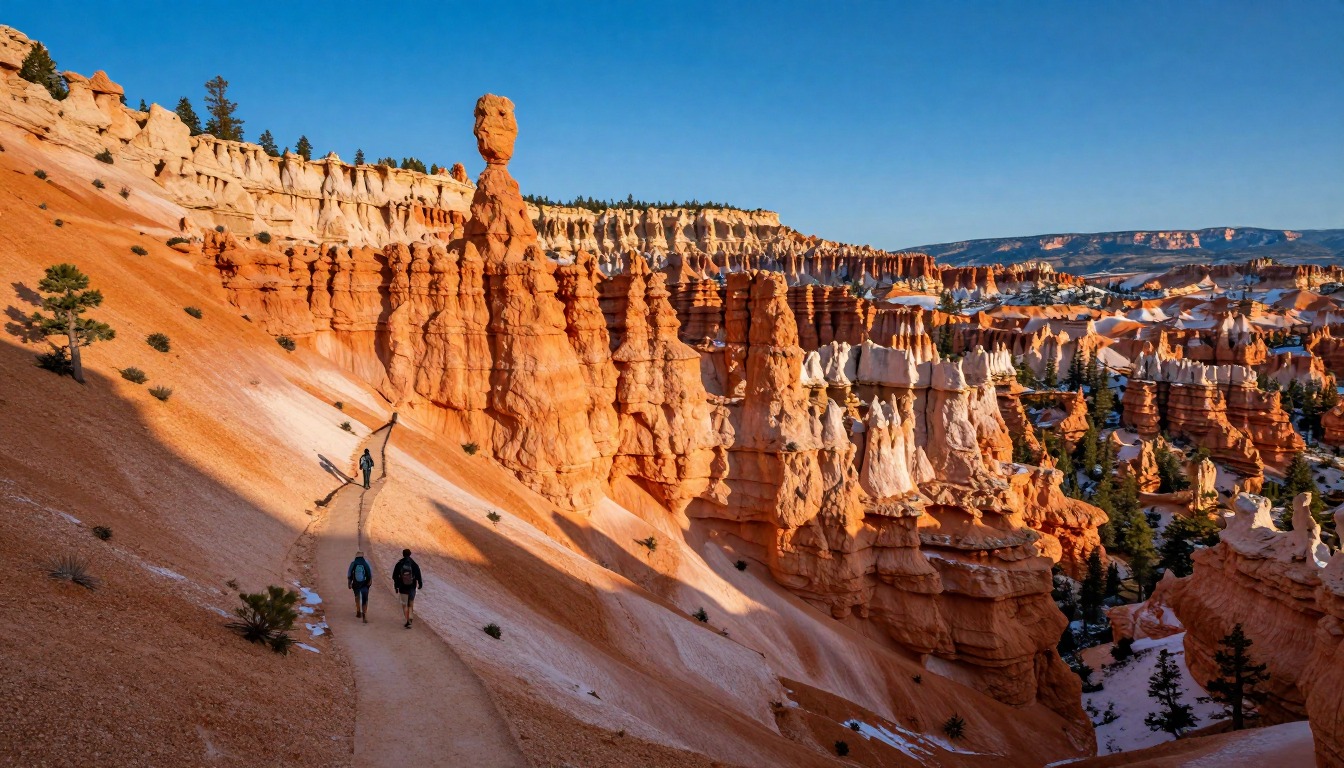
The Navajo Loop and Queen's Garden trails combine into Bryce Canyon National Park's signature day hike, dropping off the rim through Wall Street's narrow switchbacks and threading among the amphitheater's orange hoodoos. It's a day hike, not an overnight trek, so the real lodging question is where to base yourself the night before — right at the rim, in the park's campgrounds, or in the gateway town just outside — so you can start early, before the crowds and the heat.
Why hike here
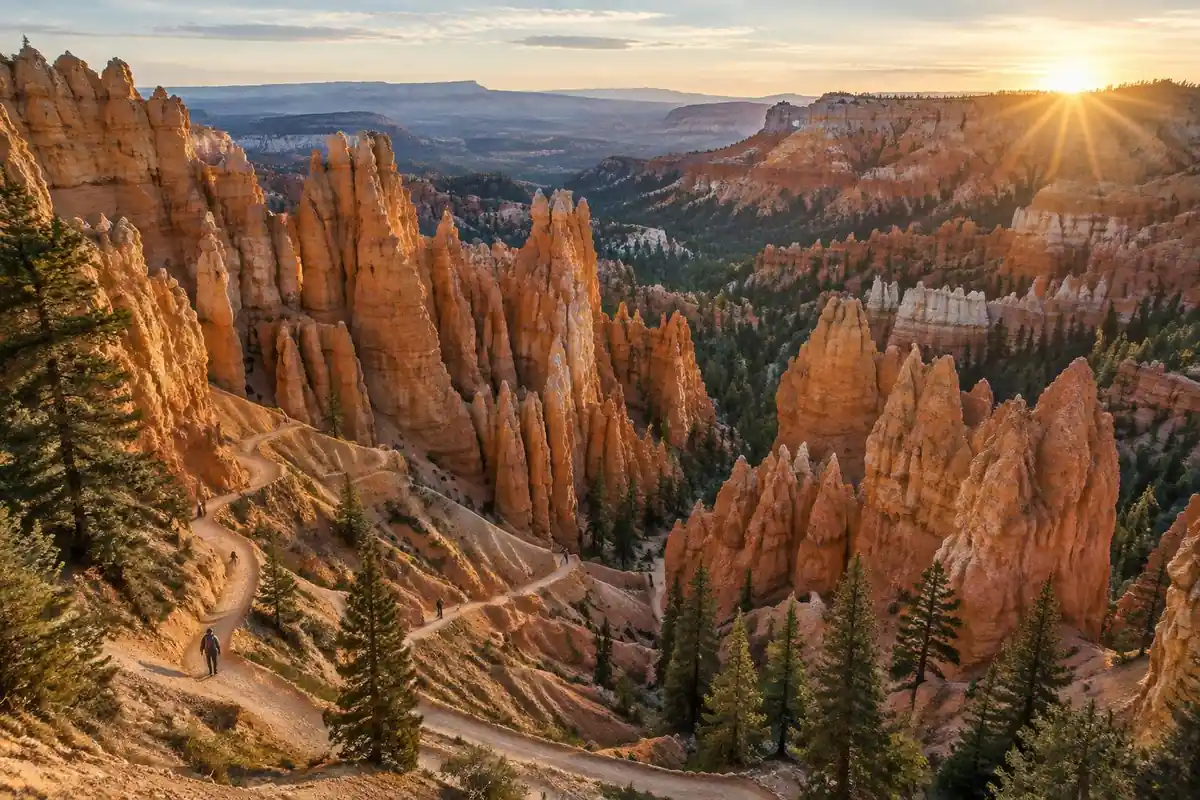
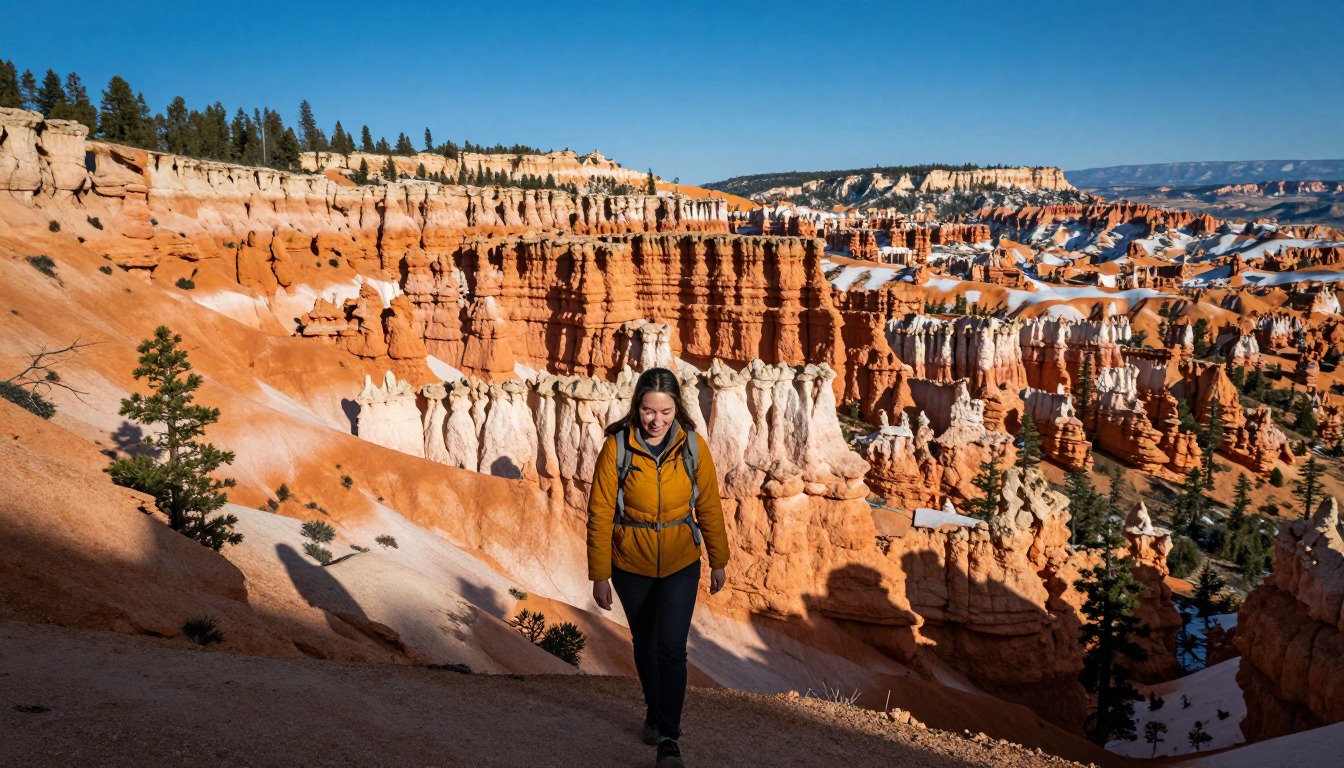
The appeal is in the contrast: you start on a forested rim near 8,000–9,000 feet, then drop through Wall Street, a narrow switchback corridor cut between towering rock walls, into an amphitheater crowded with hoodoos — thin, orange-and-white spires eroded out of the cliffside. Navajo Loop and Queen's Garden show different sides of the same formations, so combining them means seeing the hoodoos from the tight slot canyon and from the more open, garden-like basin. Because the whole route sits near 8,000 feet, temperature and light shift fast — mornings stay cold enough for a jacket even in summer, and the rock's color changes with the sun through the day. It's short by distance but delivers more scenery per mile than almost anywhere else in the park.
Getting there
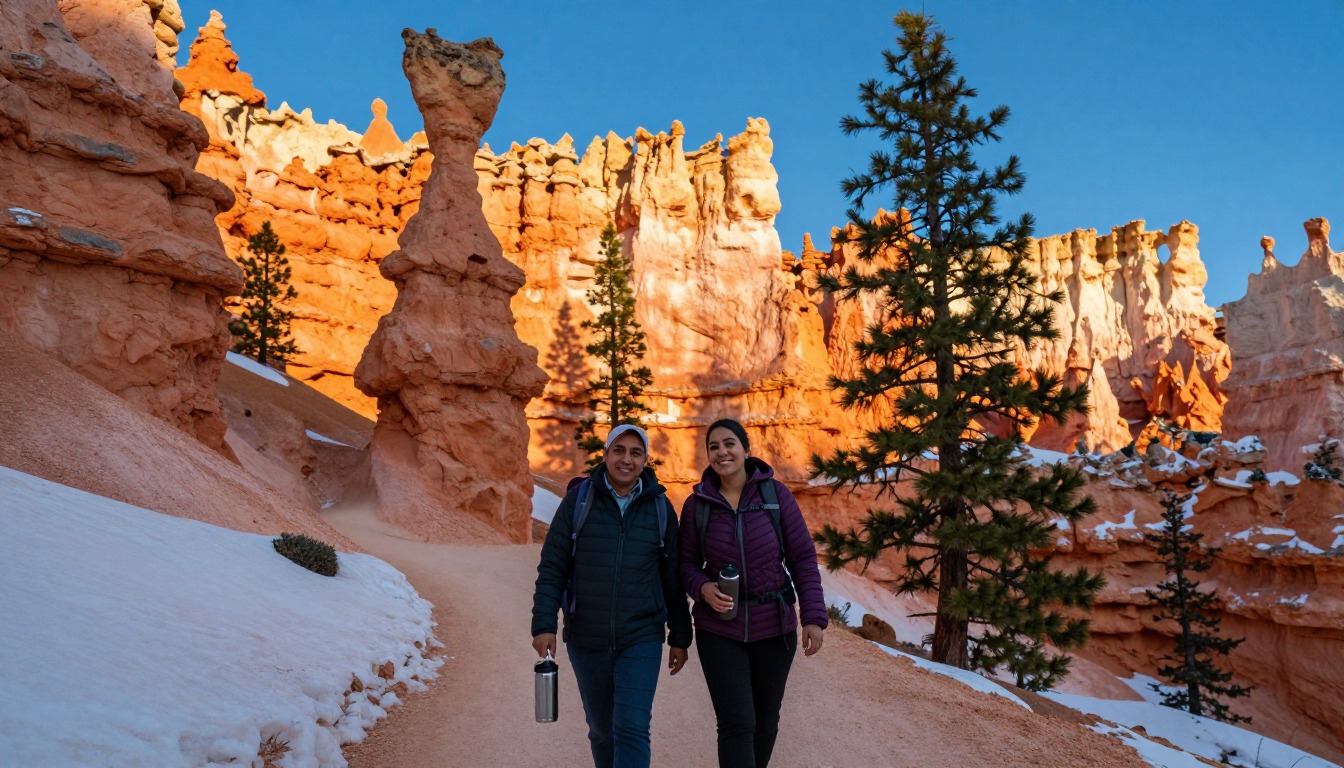
Most visitors fly into Las Vegas or Salt Lake City, the two major airports within driving range, then rent a car for the trip to the park — there's no practical way to reach Bryce Canyon without one. From the highway, Bryce Canyon City sits just outside the park entrance, and a seasonal shuttle runs from the main visitor areas to the amphitheater viewpoints where the Navajo Loop and Queen's Garden trailheads begin, so you don't need to drive within the park once you've arrived. Give yourself extra time on the final approach roads, since they wind through high desert terrain.
Where to stay
The realistic options, closest-to-the-trail first. Book through the official links — we don't list prices or availability because they change all the time.
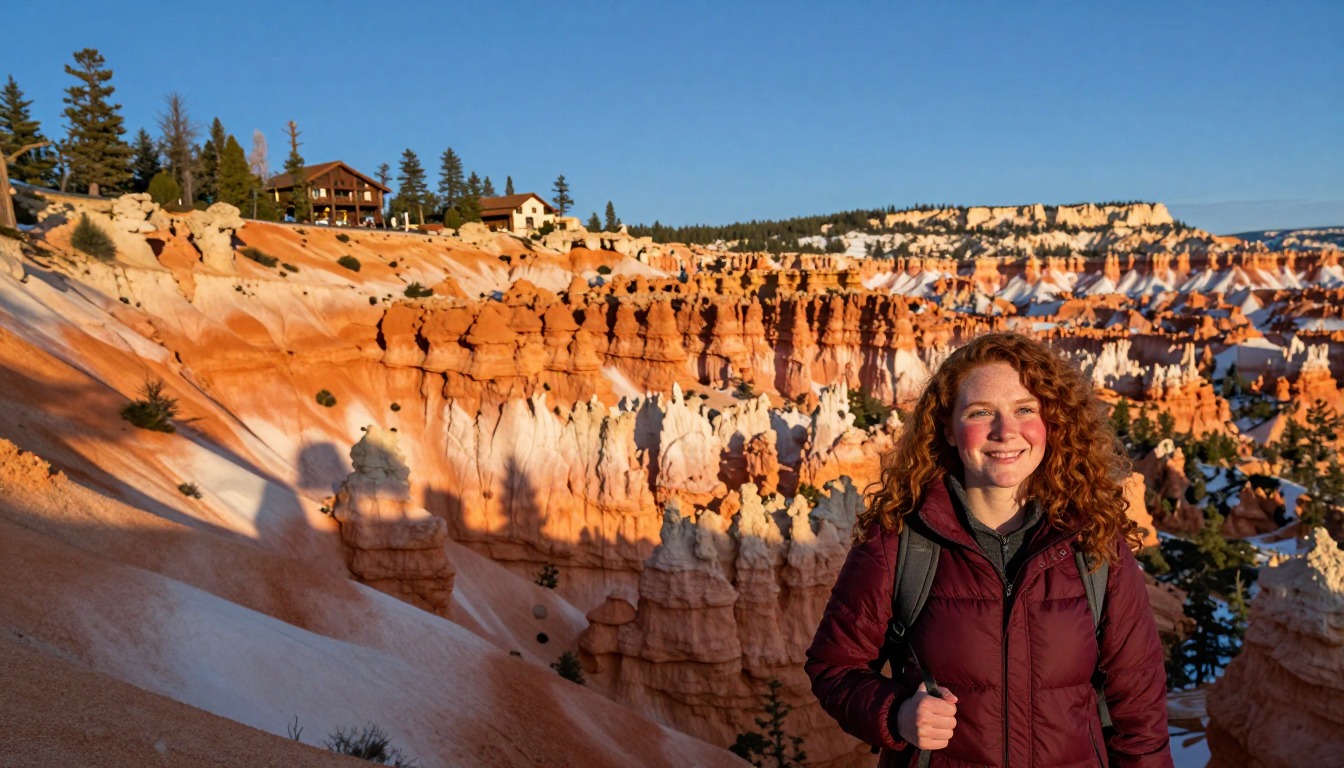
For example: The historic lodge and cabins near the rim, on the shuttle route
Hikers who want to be steps from the amphitheater at sunrise.
The only lodging inside the park; books far ahead for summer.
Park lodging (official site)For example: Two rim-area campgrounds, reservation-only in 2026 (check Recreation.gov)
Campers who want an easy walk to the trailheads.
High elevation means cold nights even in summer.
Recreation.govFor example: Hotels and rentals just outside the park entrance
Anyone who missed in-park options.
A short shuttle or drive to the rim.
Nearby-town lodging (official park info)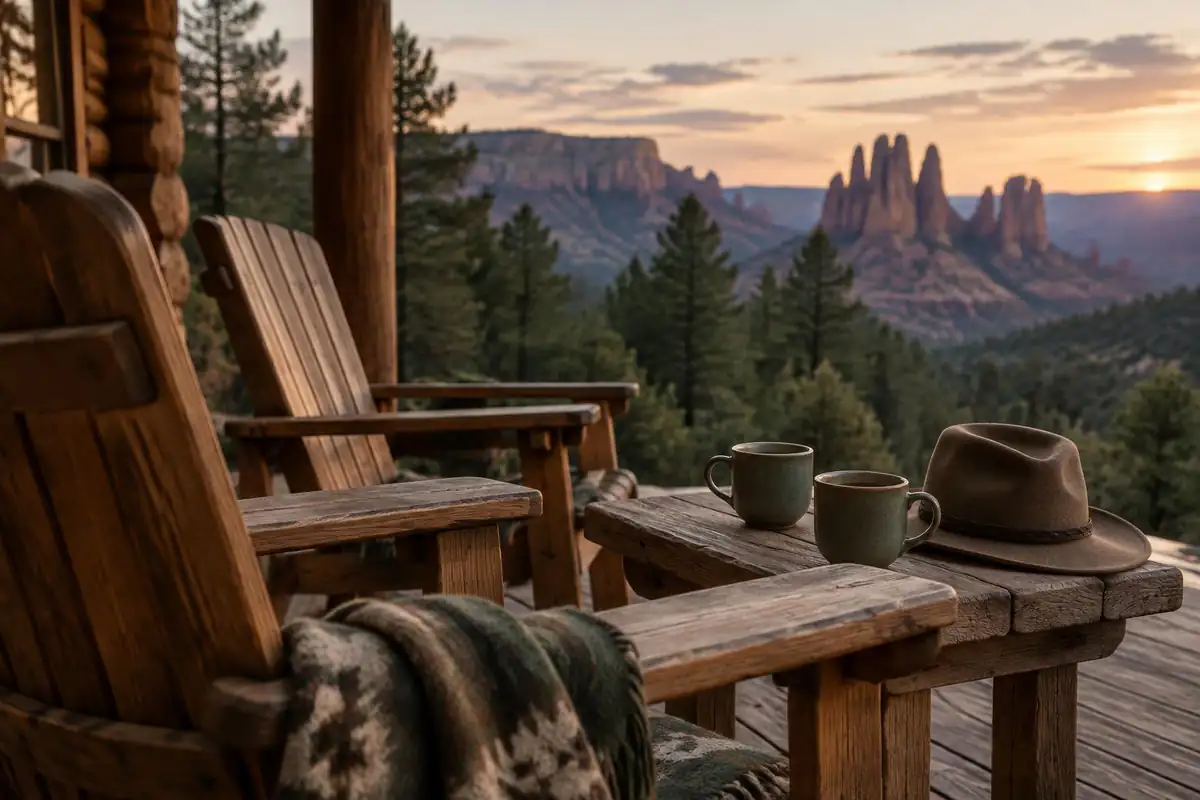
Permits & rules
No permit is needed for the day-hike loop. A seasonal park shuttle serves the amphitheater; overnight backcountry trips need a permit.
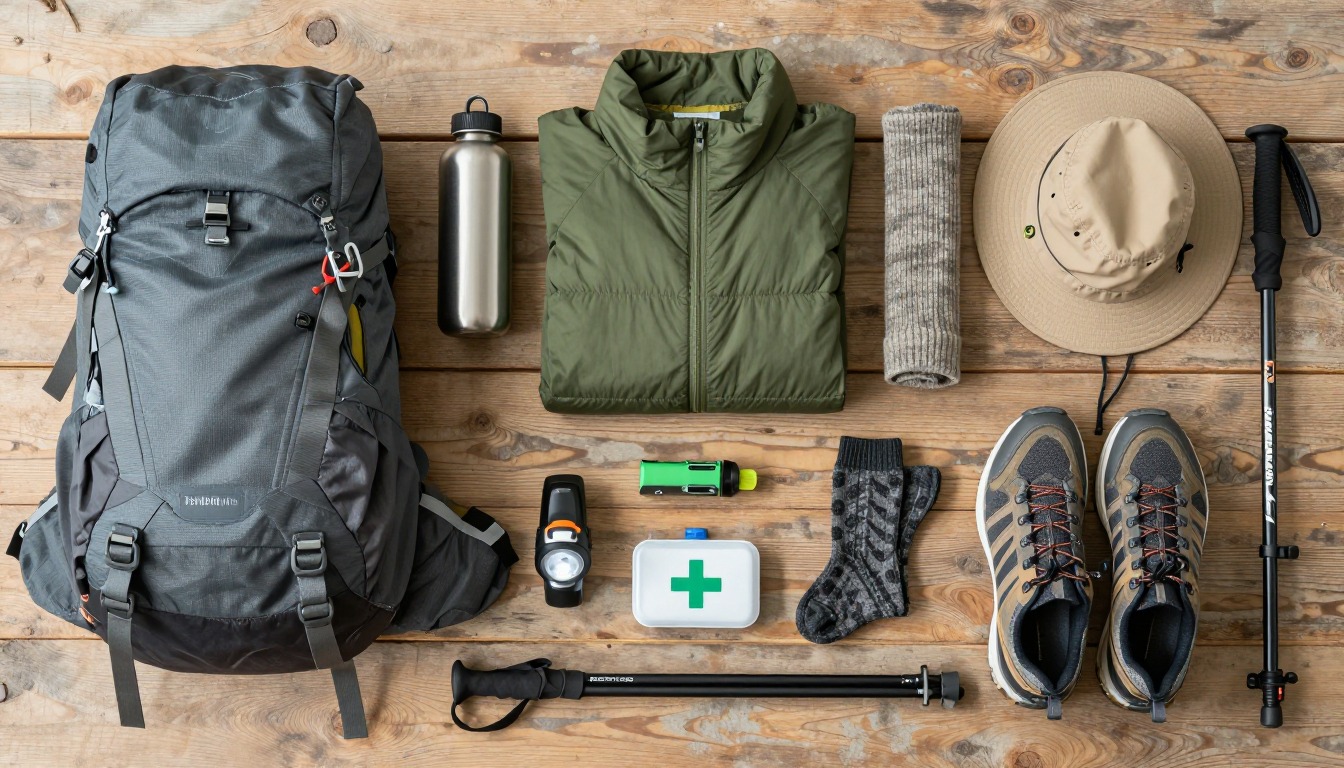
Gear you'll want for this trip
Matched to the terrain and conditions here. Real products — check current price on Amazon.


Two campgrounds, two booking windows
The park says both campgrounds are close to the visitor center, Bryce Canyon Lodge and the main amphitheater, that sites can be reserved 24 hours a day on Recreation.gov, and that check-out is by 11:30 a.m.1 For 2026 the North Campground was listed with reservations up to six months in advance across all seasons, while Sunset Campground was listed with reservations up to 14 days in advance in both its non-peak and peak seasons. North Campground is open year-round, and Sunset is closed in winter, depending on weather.1 The Sunset group site can hold up to 30 people and has its own dates.1
One older claim deserves a caution: that the two campgrounds are part reservable and part first-come. The park's 2026 listings show the loops as reservation only on Recreation.gov, so treat any first-come plan as something to confirm with the park before you drive out. Accessible sites are handled by request to the campground supervisor, and if they are free they can also be taken through the campground host.1
If the campgrounds are full
The park says front-country campgrounds can fill by noon on weekends between May and October. If you arrive too late, its own list of options is a private campground or lodging in the gateway communities, or dispersed camping, where you are responsible for the Forest Service rules that apply there.1 Camping along a roadside or at a pull-off inside the park is not allowed and can bring a citation.1 The lodge and concession lodging use their own booking, so check which are open for your dates with the park before you count on a room.
During shuttle season, from mid-April to mid-October, the park encourages campers to leave vehicles at their campsite and ride the free shuttle to the iconic areas. Vehicles over 23 feet are restricted from parking in the Bryce Amphitheater during shuttle hours.1 That is a useful detail for a hiker who plans to do Wall Street early, because a campground near the rim lets you skip the parking hunt.
Cold, thin air and what it means for sleeping gear
The rim sits near 8,000 feet, and the park notes that winter comes early and stays late at that height.3 CDC says any unacclimatized person sleeping at 8,000 feet or higher is at risk of altitude illness, that fitness does not protect against it, and that acute mountain sickness usually starts with a headache within 2 to 12 hours of arrival.2 CDC also says never to go higher to sleep while having symptoms, even mild ones.2
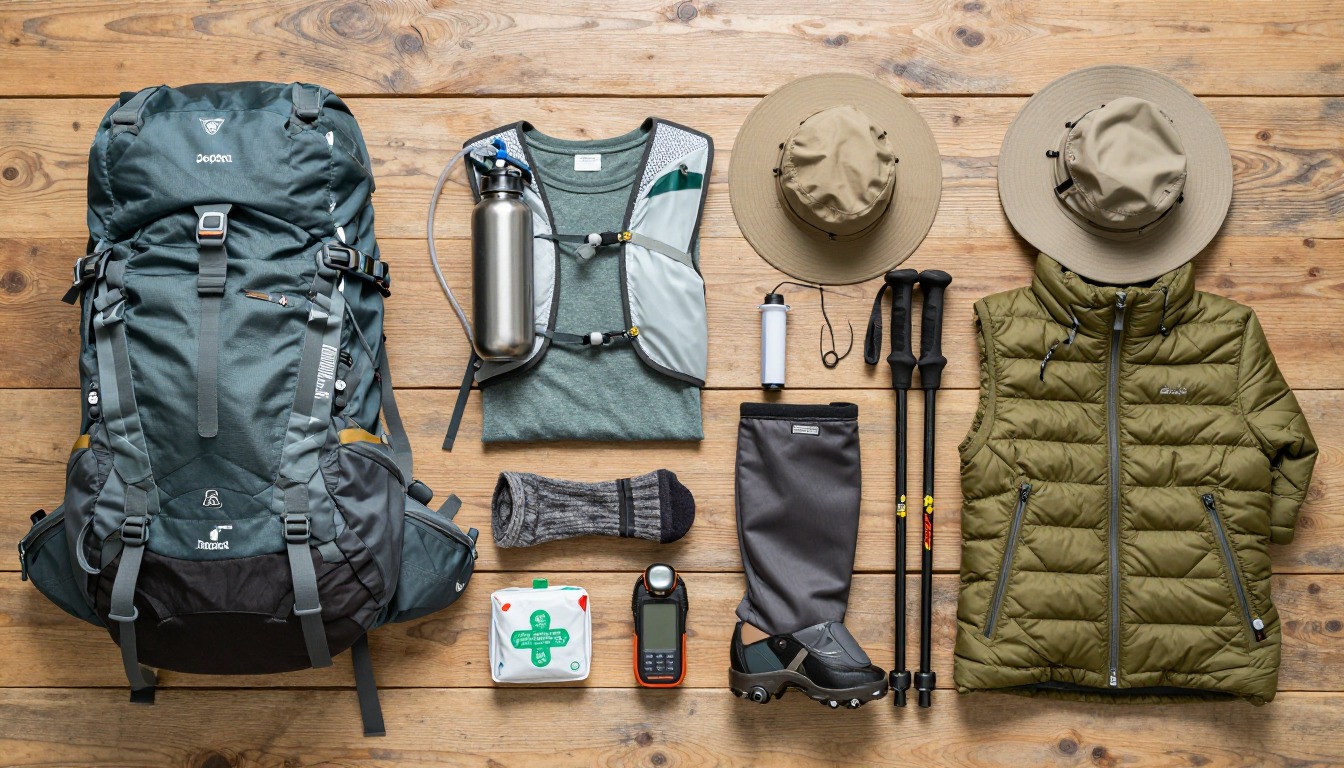
Cold nights raise a second risk. CDC says hypothermia can develop above 40°F when someone is chilled by rain, sweat or cold water, which is easy to do after a sweaty climb out of the canyon at dusk.4 For a tent night, Big Agnes suggests a sleeping pad of R-value 4 to 4.8 for spring through fall, because shoulder seasons still bring cold nights, and treats R-value 2 or lower as a summer or very warm weather choice.5 A day pack of 25 to 30 liters holds the layers you will want at the rim.6
Common questions
Do I need a permit to hike the Navajo Loop and Queen's Garden?
No. Navajo Loop and Queen's Garden are day-use trails within the main amphitheater, and no permit is required to hike them. A backcountry permit is only needed if you plan to camp overnight below the rim on one of the park's longer backcountry routes, which is a separate undertaking from this loop hike.
Where should I stay the night before hiking?
Your main options are The Lodge at Bryce Canyon, the only lodging inside the park and close to the rim; North or Sunset Campground, both inside the park and booked through Recreation.gov (the park listed both as reservation only for 2026, so confirm before counting on a first-come site); or a hotel in Bryce Canyon City, just outside the entrance.
What should I know about the weather and elevation?
The rim sits near 8,000 to 9,000 feet, so nights are cold even in summer — pack layers regardless of when you visit. May through October is generally the best window for hiking, when trail conditions are most reliable; outside that range, check current conditions before you go, since snow and ice can affect the route.
Complete gearsets for this trip
Full curated kits built for exactly this kind of hike — what to bring, why, and links to similar gear.
Lodging details are compiled from official parks, refuge associations and reservation systems and can change without notice. We publish no prices, availability or ratings — always confirm current information on the official site before booking or setting out. Product links and the accommodation map are affiliate links: we may earn a commission at no extra cost to you; product prices and availability are shown on Amazon, and accommodation prices on the booking site. See our affiliate disclosure.