




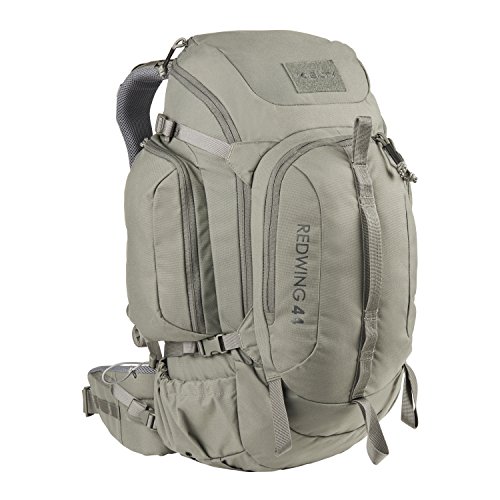

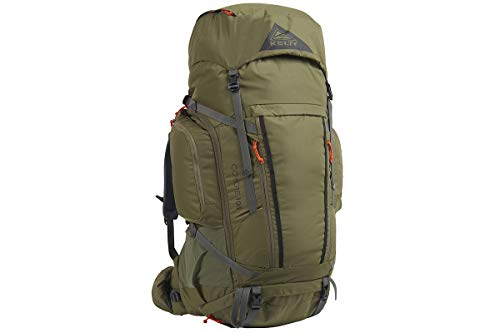

The Kelty Coyote is a value-priced internal-frame backpacking pack built for multi-day and extended trips, using an adjustable torso suspension and mid-weight fabric rather than the ultralight materials found on premium competitors. It fits into Kelty's line as one of the brand's primary large-capacity backpacking packs, positioned below premium options like Osprey Aether or Gregory Baltoro on price while covering the same core job: carrying several days of food, shelter and gear comfortably.
What is the Kelty Coyote built for?
The Kelty Coyote is built for multi-day backpacking, thru-hiking resupply stretches, and extended trips where a hiker needs to carry several days of food and a full sleep system rather than a single overnight's gear. Its frame and hipbelt are sized for heavier loads than a daypack or lightweight overnight pack, following the same load-bearing basics — internal frame, structured hipbelt, adjustable shoulder harness — used across the backpacking-pack category regardless of brand.
The Coyote line has historically spanned roughly 60 to 105 liters across different versions, a range aimed squarely at extended and cold-weather trips where bulky insulated gear takes up more space than three-season kit. That puts it at the larger end of the hiking-backpack capacity spectrum, above what most weekend or overnight hikers need.
How does the Kelty Coyote fit?
The Kelty Coyote uses an adjustable torso suspension, typically a hook-and-loop or ladder-lock panel that lets the shoulder harness slide up or down to match a hiker's measured torso length rather than relying on fixed small/medium/large sizing. That adjustability is one of the pack's practical advantages over some cheaper competitors, since one pack can be dialed in for a range of torso lengths instead of requiring a specific size purchase.
Fit still depends on getting the torso measurement right first — from the C7 vertebra to the iliac crest — before adjusting the suspension. A hiker who skips that step and just picks a size based on height risks the same fit problems on a Coyote as on any other pack, since torso length and overall height don't reliably correlate.
What features come with the Coyote line?
Like most internal-frame backpacking packs in its class, the Coyote is built around a top-loading main compartment, a floating lid pocket, external compression straps to stabilize a partially packed load, and a hydration-reservoir sleeve. Packs in this size range also typically include a bottom sleeping-bag compartment accessible without opening the main body, useful for reaching a sleep system without unpacking everything stored above it.
| Feature | What it does |
|---|---|
| Adjustable torso suspension | Fits a range of torso lengths in one pack |
| Top-loading main compartment | Large single-cavity storage for bulk gear |
| Floating lid pocket | Quick-access storage, slides to accommodate an overstuffed main pack |
| External compression straps | Stabilizes load when the pack isn't fully packed |
| Hydration sleeve | Holds a reservoir with a hose port for on-the-move drinking |
Is the Kelty Coyote worth it?
The Kelty Coyote is worth it for a hiker who needs genuine multi-day or extended-trip capacity and wants an adjustable, name-brand suspension without paying premium-brand prices. Compared to ultralight competitors, it will run heavier empty due to its mid-weight fabric, but that fabric also tends to hold up well to repeated trailside abrasion, which matters on rugged, off-trail, or bushwhacking-heavy routes.
A hiker whose trips rarely exceed an overnight is better served by a smaller pack, since the Coyote's largest versions carry far more volume than a weekend trip needs. For extended trips, thru-hike resupply stretches, or cold-weather trips requiring bulky gear, the Coyote's size range and adjustable fit make it a reasonable value alternative to premium 65-liter-plus packs from brands like Osprey or Gregory.