
Best Time to Hike Half Dome & Yosemite Valley
The best time to hike Half Dome & Yosemite Valley is roughly late May to mid-October, whenever the cables are up. That window also lines up with the driest, longest-daylight months in the modelled data. Check the National Park Service for this year's exact cable dates.
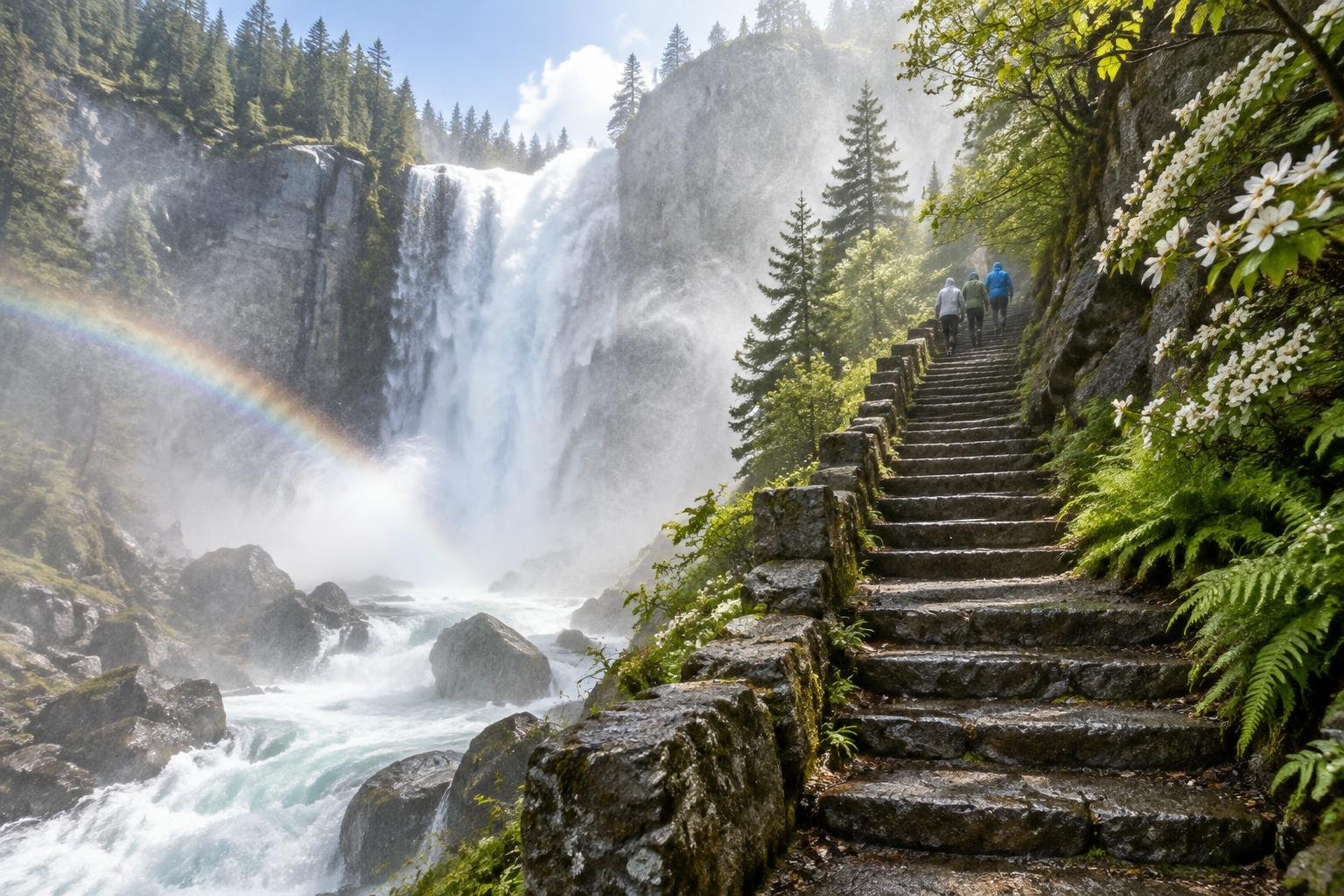
Month-by-month climate for Half Dome & Yosemite Valley
| Month | Relative warmth | Rain | Daylight |
|---|---|---|---|
| Jan | Coldest | 130 mm | 9.7 h |
| Feb | Coldest | 100 mm | 10.6 h |
| Mar | Coldest | 119 mm | 11.7 h |
| Apr | Cool | 53 mm | 13 h |
| May | Mild | 26 mm | 14 h |
| Jun | Warm | 9 mm | 14.6 h |
| Jul | Warmest | 7 mm | 14.4 h |
| Aug | Warmest | 6 mm | 13.5 h |
| Sep | Warm | 8 mm | 12.2 h |
| Oct | Mild | 36 mm | 11 h |
| Nov | Cool | 61 mm | 9.9 h |
| Dec | Coldest | 128 mm | 9.4 h |
Modelled regional averages for 2010–2023 (rainfall) and calculated daylight hours; they describe the wider area, not a reading taken on the trail. “Relative warmth” compares each month with the warmest and coldest months of this place’s own year. It is not a temperature, and the high parts of a route are colder than the region around them.
The modelled averages show a sharply seasonal pattern. Winter is the wettest stretch, with January at 130 mm and December at 128 mm, and these are also the coldest months of the year here. Rainfall drops to around 26 mm in May and then to single digits from June through September: 9 mm in June, 7 mm in July, 6 mm in August, and 8 mm in September. July and August are the warmest months, with June and September also warm. Daylight swings from about 9.4 hours in December to 14.6 hours in June, so summer gives you far more usable time on a long, strenuous route.
Half Dome & Yosemite Valley season by season
Late spring · April to May
April is cool in this place's own year and still fairly wet at about 53 mm, while May eases to a milder feel with around 26 mm of rain and 14 hours of daylight. The season guidance points to late May as the earliest realistic start, and it hinges on the cables being up. Dates change from year to year, so confirm with the National Park Service before you plan around them. Expect conditions to be more variable early in this window than later, and treat any single forecast with caution.
Summer · June to August
This is the core of the season. Rainfall is lowest, at only 6 to 9 mm a month on average, and July and August are the warmest months of the year here. Daylight is at its longest, peaking near 14.6 hours in June, which helps on a strenuous day hike or an overnight backpack. The tradeoff is that the cables require a permit whenever they are up, and permits are distributed by lottery. Plan your dates around the permit process, and check the park for the current rules.
Early autumn · September to mid-October
September stays warm with very little rain, about 8 mm on average, while daylight shortens to roughly 12.2 hours. By October the feel turns mild, rainfall rises to about 36 mm, and daylight falls to around 11 hours. The official season guidance runs to mid-October, but only whenever the cables are still up, so the end of the window can shift. Shorter days mean less margin on a long route, so build in extra time and confirm current dates with the National Park Service.
Late autumn and winter · Mid-October to April
From November onward the modelled data turns cooler and wetter. November averages about 61 mm of rain, and December through March are the coldest months of the year here, with 100 to 130 mm of rain a month. Daylight bottoms out near 9.4 hours in December. This stretch falls outside the season guidance, which centers on the cables being up. Conditions change, so confirm with the National Park Service what is open and what the current guidance says before planning anything.
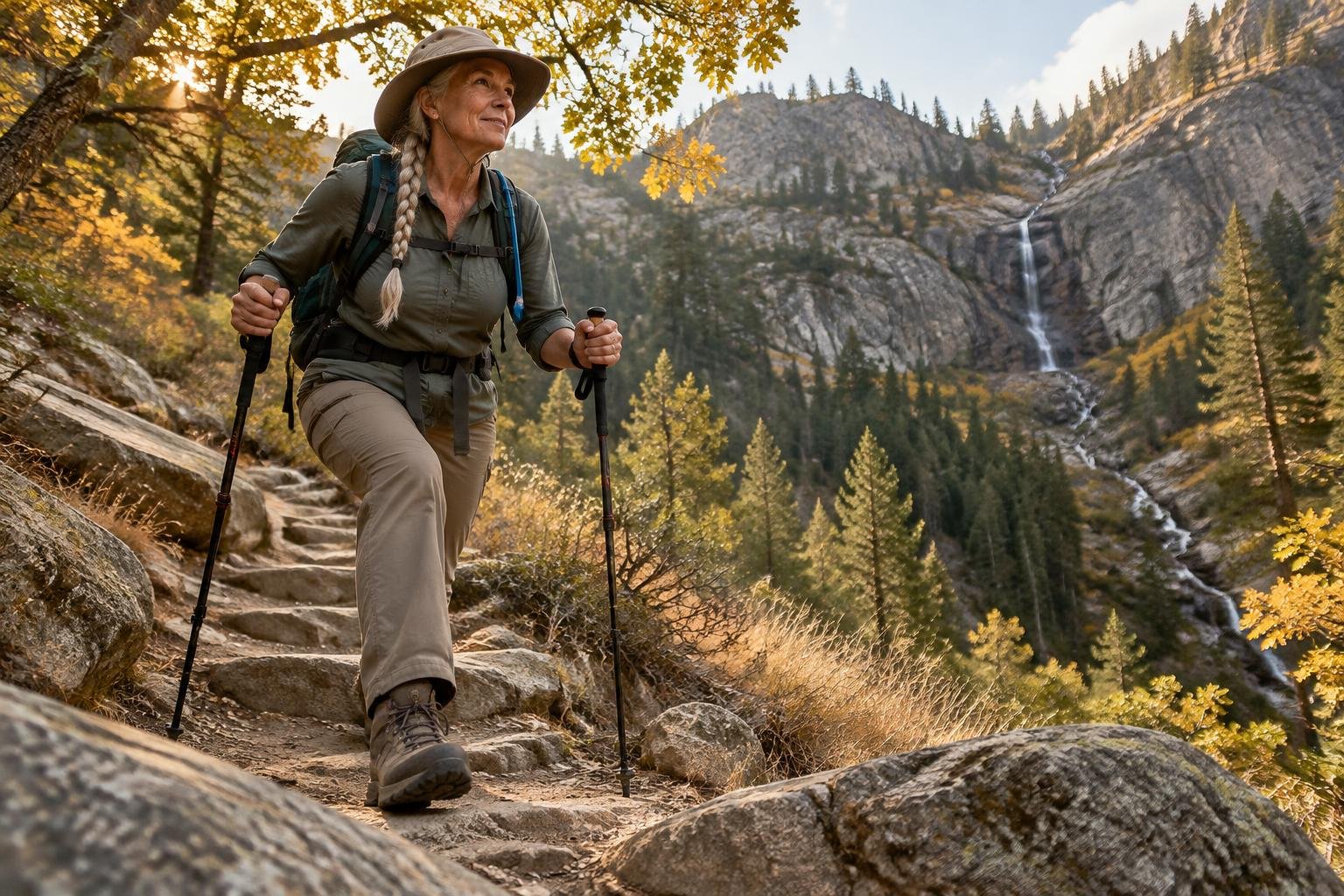
Official season guidance
U.S. National Park Service: Roughly late May to mid-October, whenever the cables are up (check NPS for this year’s dates)
The Half Dome cables require a permit whenever they are up: permits to hike to the top are distributed by lottery, and wilderness permits are required for all overnight hikes, so check the park for the current process and dates.
Check current dates on nps.gov/yoseWhat to pack for the season
Packing follows the season you choose. Early and late in the window, bring layers and reliable rain cover, since rainfall rises at both ends. In midsummer, prioritize sun protection and plenty of water for a long, strenuous day. Because daylight shortens toward October, carry a headlamp even on a day hike, and keep your pack flexible for a changing forecast.
For layering, rain cover and weather planning, see hiking in rain, heat and cold.
Timing mistakes to avoid
The biggest mistake is planning around a month instead of the cables. The season guidance depends on whenever they are up, and that varies by year, so check the National Park Service for this year's dates. Another is treating the permit as an afterthought: the cables need a permit whenever they are up, awarded by lottery, and overnight hikes need wilderness permits. Finally, don't underestimate the shorter days near the end of the window; the modelled data shows daylight falling to about 11 hours in October.
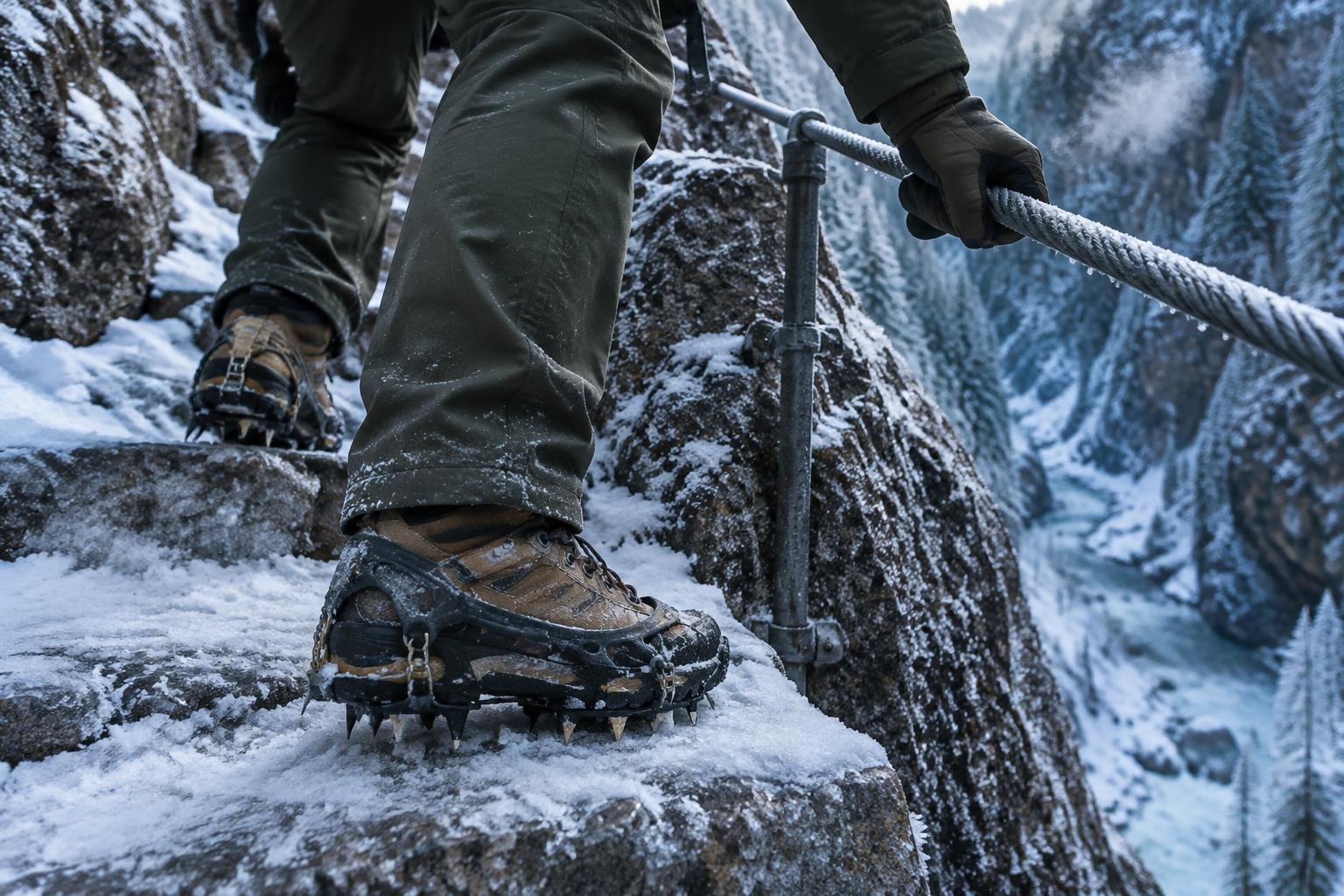
Common questions
When is the best month to hike Half Dome?
The modelled data favors July and August as the warmest months, and June through September is the driest stretch, with only 6 to 9 mm of rain a month on average. The official season guidance runs roughly late May to mid-October, whenever the cables are up, so confirm exact dates with the National Park Service.
Can I hike Half Dome in winter?
Winter falls outside the season guidance, which centers on late May to mid-October and on the cables being up. The modelled data shows December through March as the coldest months, with 100 to 130 mm of rain monthly and under 10 hours of daylight. Check with the National Park Service for current conditions and guidance.
Do I need a permit to hike Half Dome?
Yes. The cables require a permit whenever they are up, and permits to hike to the top are distributed by lottery. Wilderness permits are also required for all overnight hikes. The process and dates change, so check with the park for the current details before you plan your trip.
How much daylight will I have for the hike?
It depends on the month. Daylight is calculated at about 14.6 hours in June and 14.4 in July, easing to roughly 12.2 hours in September and 11 hours in October. Shorter days leave less margin on a strenuous route, so plan your start time accordingly and carry a headlamp.
Sources
- U.S. National Park Service — nps.gov/yose: official season and permit guidance.
- NASA POWER (Prediction Of Worldwide Energy Resources): monthly temperature and rainfall averages, 2010–2023, from MERRA-2 reanalysis. Daylight hours are calculated from latitude.
Conditions, closures and permit rules change without notice — confirm current information with the managing authority before you go. See our editorial policy and affiliate disclosure.