
Affiliate disclosure: this page contains affiliate links. Purchases made through them may earn us a commission at no extra cost to you. See our affiliate disclosure.
In plain English
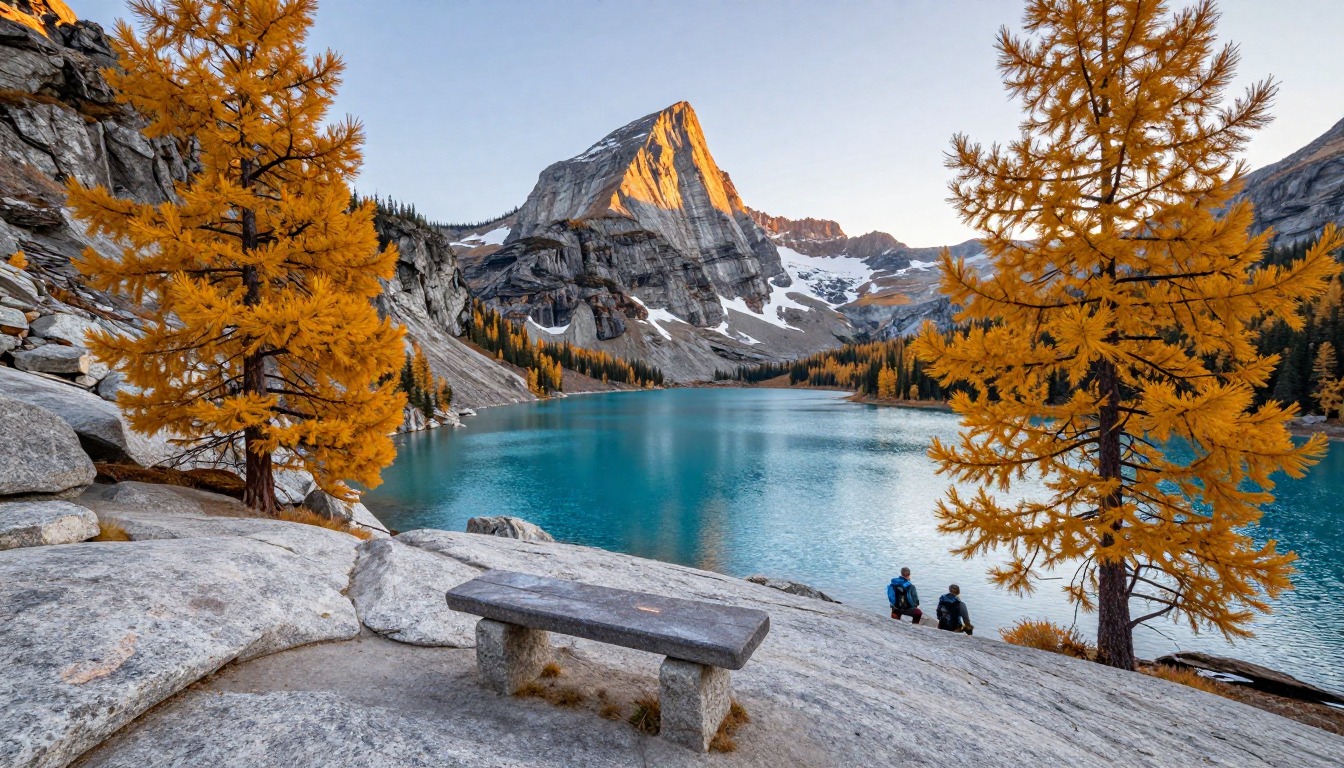
The Enchantments are a basin of granite, small lakes and larch trees high in the Cascade mountains of Washington. Most people walk it as one very long day from one trailhead to another, which means leaving a car at each end.
The middle of the hike is a steep climb up a slope of loose boulders and gravel called scree. It is like climbing a very steep pile of rubble, slow and tiring, and you often use your hands. After that you walk across bare rock, following piles of stones that mark the way.
Sleeping overnight in the core area needs a permit won in a lottery, a random draw. Even on a day hike, check the forest's rules before you go, since rangers check permits there.1 Carry lots of water, food and layers, and start very early.
What the hike is like
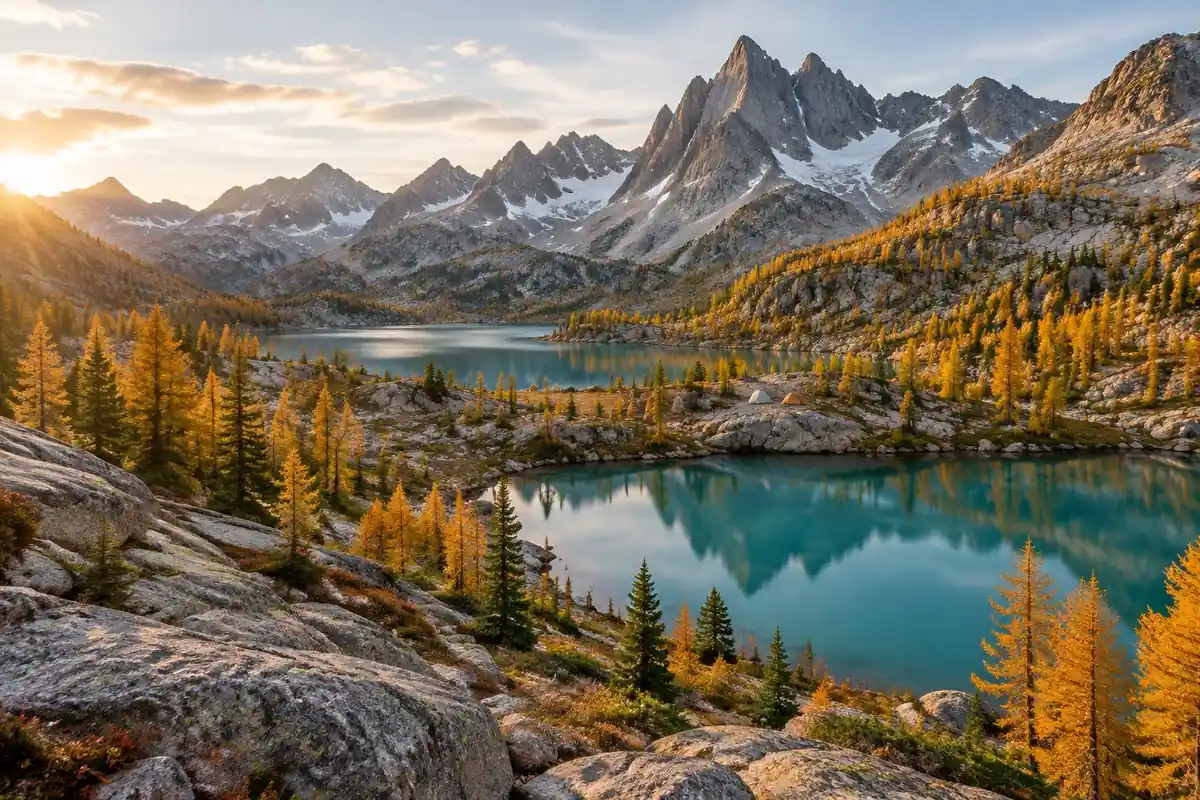
The traverse has three distinct acts and a notorious hinge between them. From the Stuart Lake end, a moderate forest trail climbs steadily to Colchuck Lake, an easy warm-up on good tread. Then comes the hinge: a brutally steep climb up the boulder field and scree at the head of the lake, gaining the basin in a short horizontal distance with loose rock, route-finding among cairns, and no switchbacks to soften it. Above, the character changes completely. The core basin is bare granite slab, walked rather than trailed, with cairns and worn rock marking the line between tarns, larches and mountain goat trails. The Snow Lakes end is the long tail: an extended, exposed descent on dry, switchbacking trail above a canyon, which feels endless with tired legs and offers little shade.
How to plan the itinerary
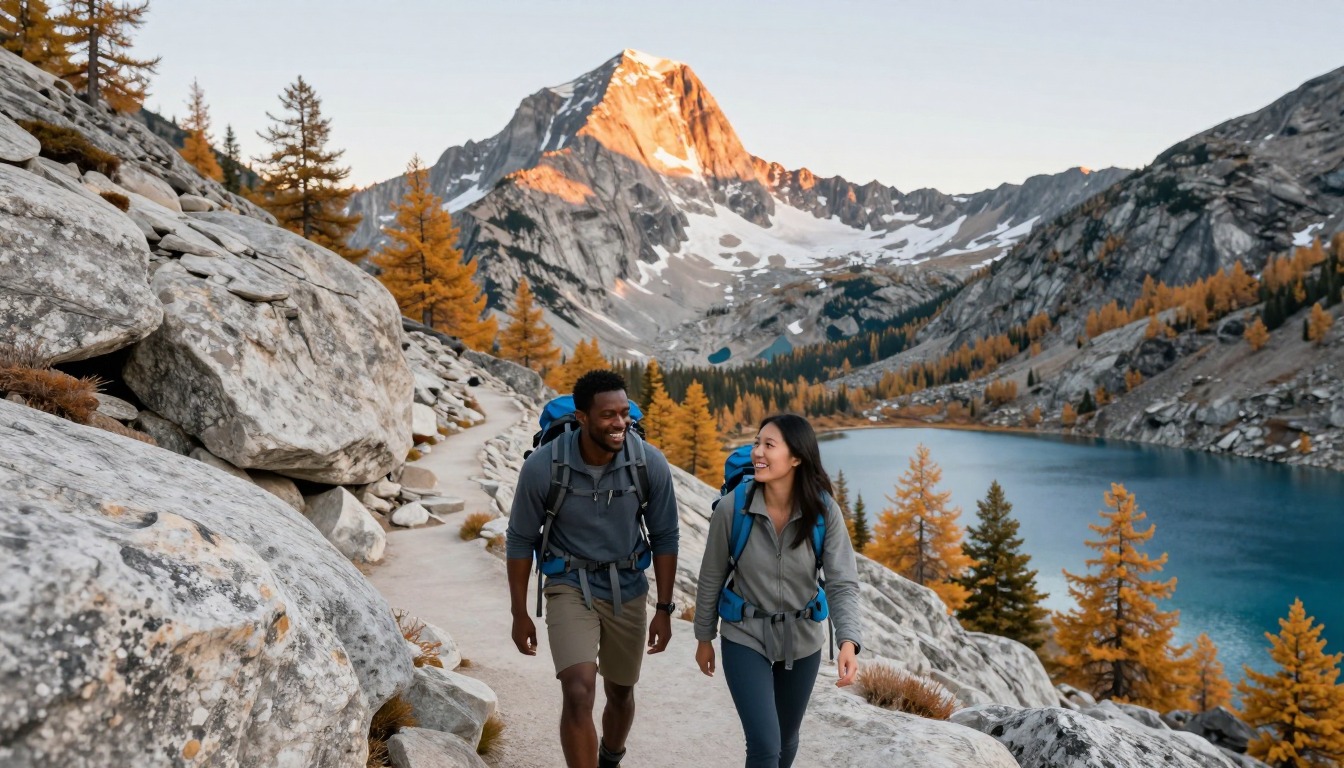
Day hikers walk the whole thing point to point in one very long push, which means a car shuttle between the two trailheads arranged before you start and, for most people, a start well before dawn. The strong majority go in the direction that takes the steep boulder pass uphill rather than down, on the reasoning that loose rock is far worse to descend. Overnight permit holders spread the same ground over two to four nights, camping in their assigned zone, and the extra time is what makes the basin worth the lottery: you get evening and morning light up there instead of hurrying through. Plenty of hikers who never win a core permit simply do the out-and-back to Colchuck Lake as a day trip instead, which needs no overnight lottery permit (a free day-use permit is still required in the Enchantments area) and still gets the granite.
Plan this trip in 5 steps
-
Pick the right pack
Match a pack to your trip, fit and priorities.
-
Plan food & water
Calories, food weight and water for your days on trail.
-
Estimate your time
Pre-filled with this trail’s distance and climb — adjust for your pace.
Trail-specific tips
The steep pass above Colchuck Lake is where people get hurt and where schedules fall apart, so treat it as the crux and budget generously for it. Loose rock above means helmets are not a silly idea in a group. Above the trees there is very little shelter and the weather turns fast, and the basin's slab walking is confusing in fog, so know the line before you commit. Water sources are plentiful in the basin and scarce on the long dry descent at the far end. For navigation and heat-management basics, see /trail-smarts/.
Permits & rules
A permit is required for both day and overnight use: day users get a free, self-issued wilderness permit at a trailhead, and overnight use from May 15 to October 31 requires a permit obtained in advance through Recreation.gov (lottery, with leftover permits released later). The full through-hike is a very long, strenuous day. A car shuttle between the two trailheads is needed.
Gear suited to this hike
Matched to the terrain and conditions here. Real products — check current price on Amazon.


Permits, rangers and fire notices
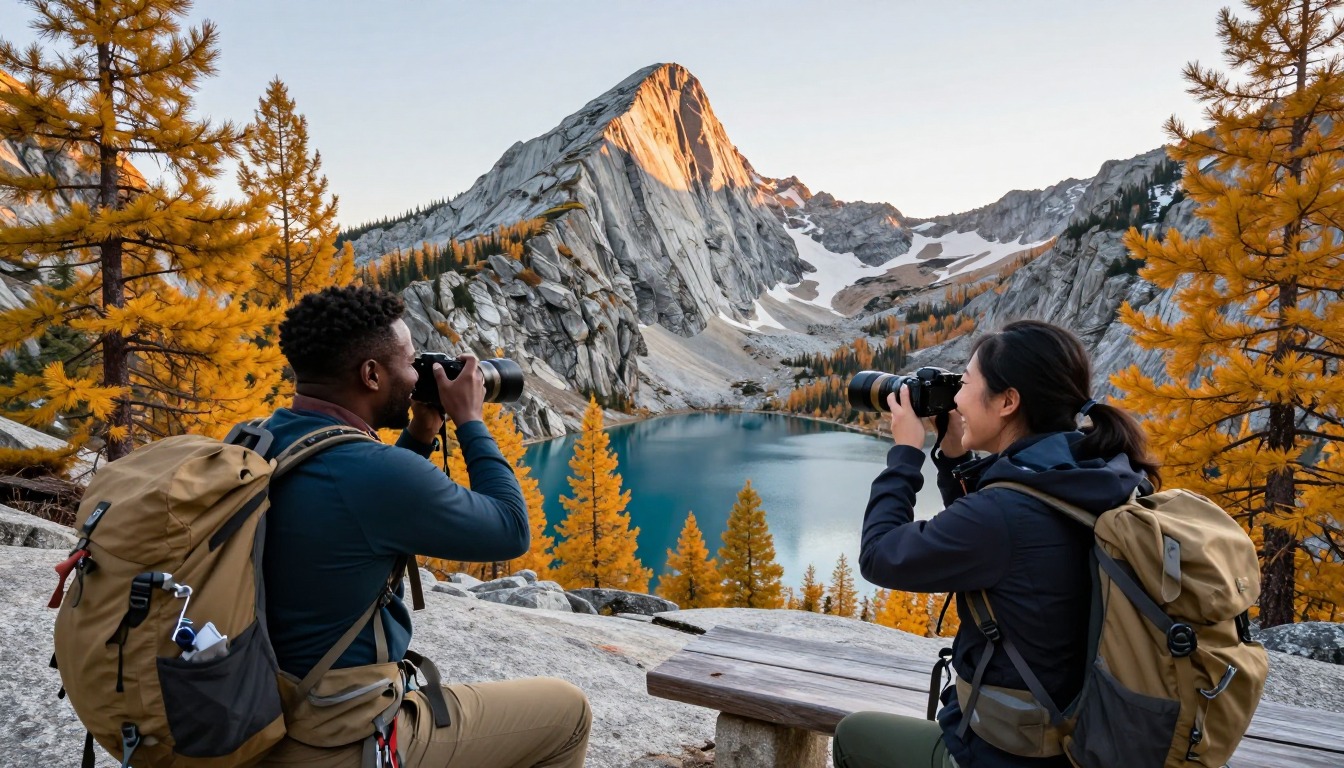
The Okanogan-Wenatchee National Forest covers about 3.8 million acres along the east slopes of the Cascades, and its home page shows a wilderness ranger checking a permit in the Enchantments area of the Alpine Lakes Wilderness.1 A day hike does not need the overnight lottery permit, but the Forest Service requires a separate free day-use permit for the Enchantments area, self-issued at the trailhead, so read the forest's current Enchantment rules before you start rather than assuming a day trip needs no paperwork.
The same home page lists fire danger ratings by area, notices about public use restrictions and campfire bans, and fire closure orders on nearby ranger districts.1 These change through the season. The NPS Leave No Trace guidance is to check bans, restrictions and the fire danger rating before any fire.5 For a day hike the bigger effect may be smoke. The EPA says the AQI forecast and AirNow's Fire and Smoke Map are the most helpful tools, and that walking instead of jogging and less time outdoors reduce smoke you breathe in.4
Time and effort: why the boulder pass dominates the day
Naismith's rule of one hour per three miles plus one hour per 2,000 feet puts the page's 18 miles and 4,500 feet at about 8.25 hours of moving time.2 That understates this route, because the ascent is concentrated. The University of Utah's GPS study found a slow walker takes about 33 minutes on a flat mile and about 97 minutes on a 30-degree slope.2 Loose scree slows that further. The Shenandoah formula scores the traverse about 402, double the 200 threshold for its Very Strenuous band.6
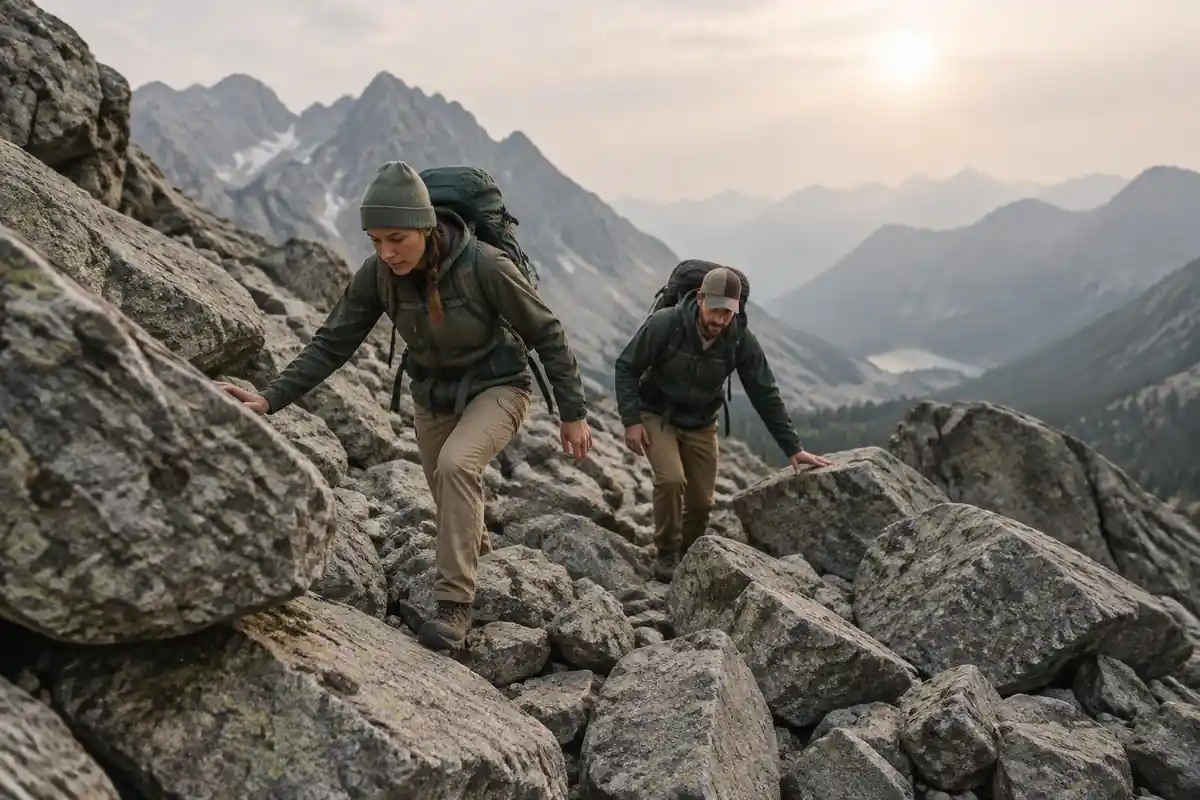
Starting in the dark and setting a turnaround time for the top of the pass keeps the decision honest; the NPS advises setting a turnaround time and sticking to it.7
Packing for scree, bare granite and a hot descent
For the single push, WTA's 25–30 L full-day size holds layers, food and water; overnight permit holders spending two to four nights move to 45–50 L or 50–70 L packs.3 On the scree, a pack that rides close and high keeps your weight over your feet, and the Genitrini review recommends a high load with a hip belt and short, non-flexible shoulder straps.8 Stow poles before hand-on-rock moves.
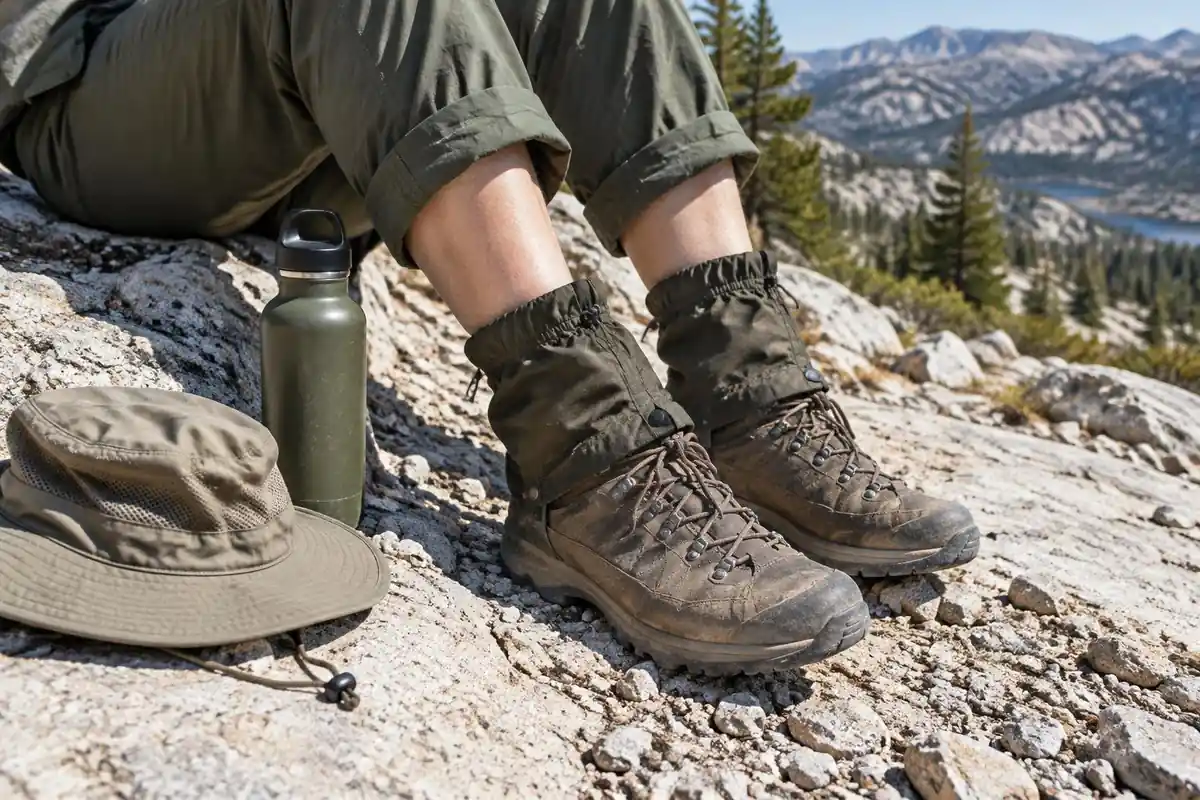
The Snow Lakes descent is long, dry and exposed. The CDC Yellow Book says sweat rates can reach 1 liter per hour, but also warns that forcing water when not thirsty raises the risk of hyponatremia, low blood sodium.9 Grand Canyon's guidance is to eat salty snacks to balance water intake in heat.10 Treat water from the lakes; the CDC says even clear mountain water can carry germs.11 The basin's goats are wildlife: observe from a distance and never feed animals.12
Common questions
Can I hike the Enchantments in a day without the overnight permit?
Yes, in the sense that you do not need the overnight lottery permit, which is why so many people attempt it in a single push. You do still need a free day-use permit for the Enchantments area, self-issued at the trailhead; check the Okanogan-Wenatchee National Forest for current rules. It is a very long, strenuous day with a steep loose-rock climb in the middle, and it finishes at a different trailhead than it starts, so the shuttle arrangement matters as much as the fitness.
Which direction should I walk the traverse?
Almost everyone goes so that the steep boulder pass is climbed rather than descended. Going up loose scree is tiring; coming down it is slow and considerably more dangerous, particularly late in the day with fatigue setting in. The trade-off is that you finish with a long, dry, exposed descent, which is the lesser problem.
When do the larches turn gold?
The larch color typically arrives in the fall, usually around late September into October, and the exact timing shifts year to year with the weather. That short window is the busiest and most competitive time to be up there. Since you cannot book the color, most hikers plan the trip and accept whatever stage they get.
Do I need special gear for the boulder pass?
No technical equipment in normal late-season conditions, but you want confident footing, gloves for hand-on-rock scrambling, and poles you can stow. Early in the season, lingering snow on that slope changes the picture entirely and can call for traction and an ice axe with the skills to use them. Check current conditions before you go.
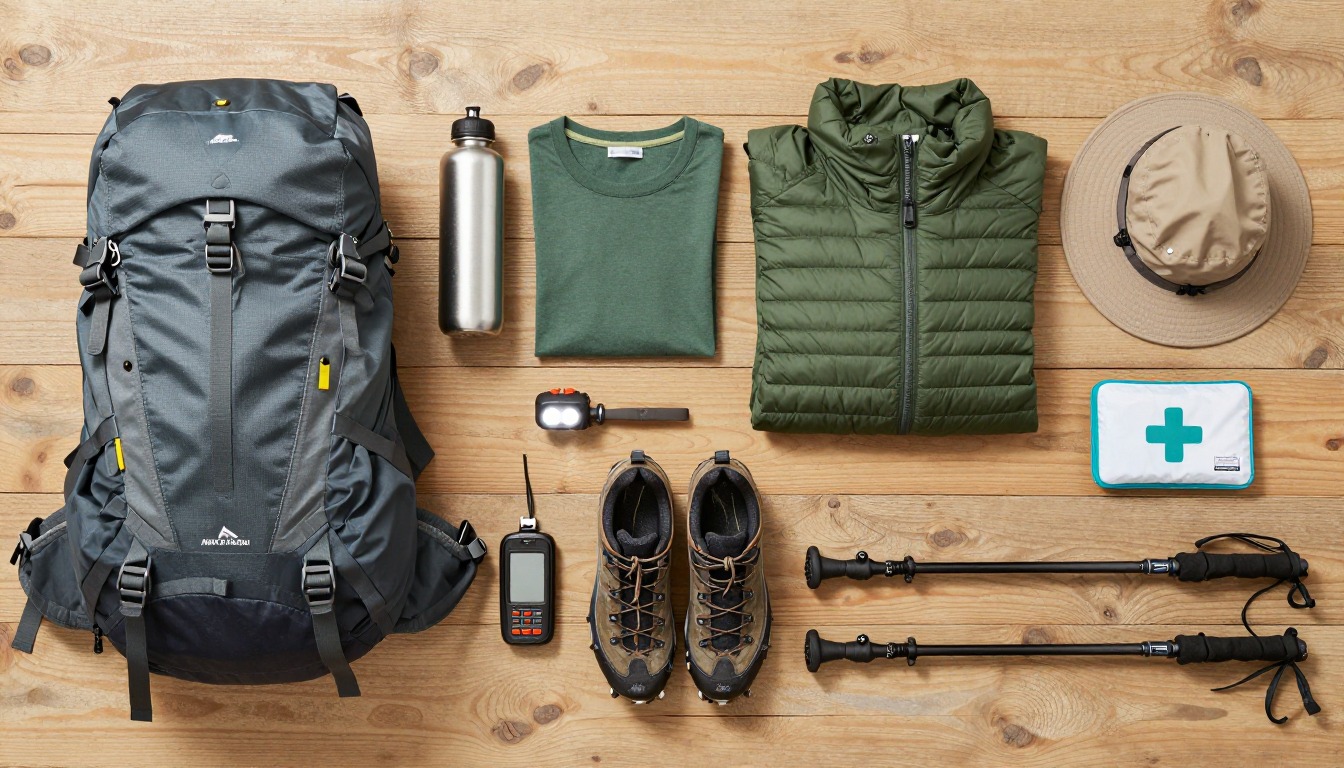
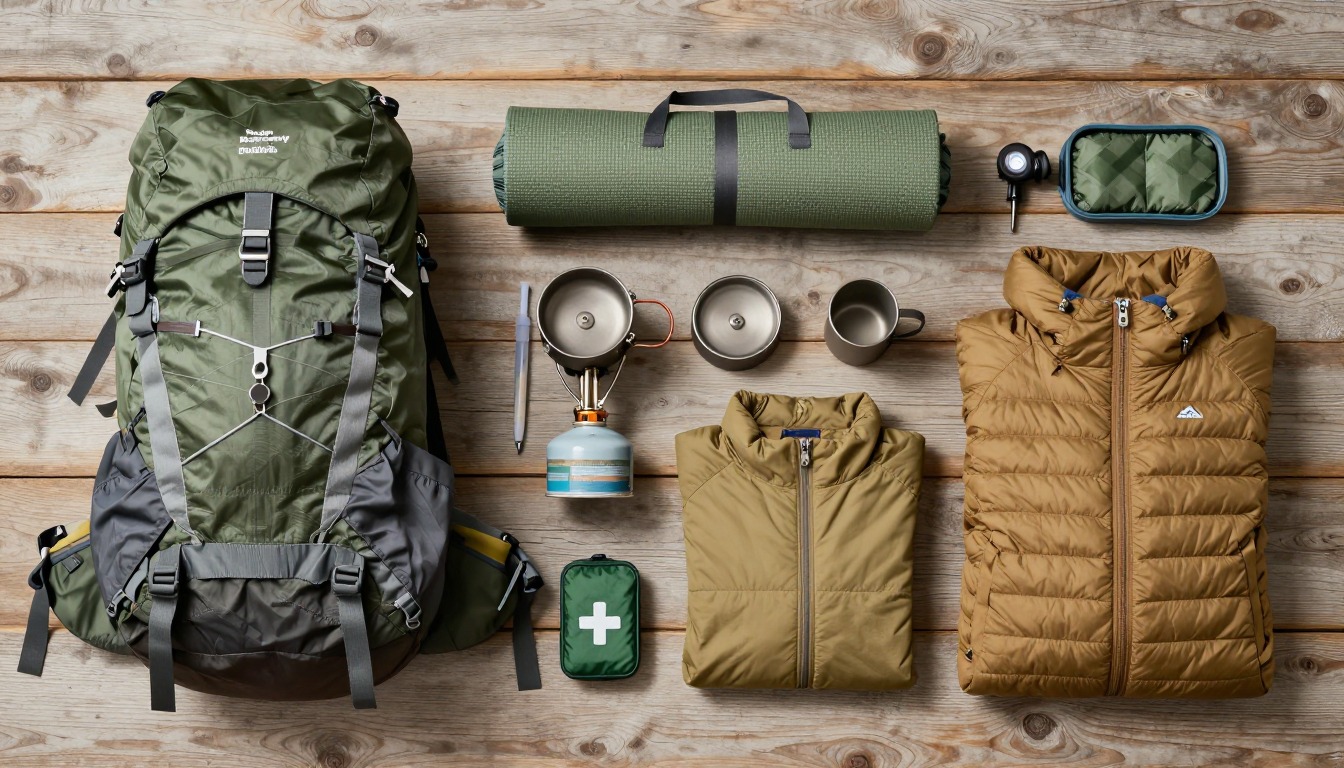
Complete gearsets for this trip
Full curated kits built for exactly this kind of hike.
Trail conditions, permits and access rules change without notice — always confirm current information on the official source above before you go. Some facts on this page are still pending owner verification and are marked accordingly. Product links and the accommodation map are affiliate links: we may earn a commission at no extra cost to you; product prices and availability are shown on Amazon, and accommodation prices on the booking site. See our affiliate disclosure.