
Affiliate disclosure: this page contains affiliate links. Purchases made through them may earn us a commission at no extra cost to you. See our affiliate disclosure.
In plain English
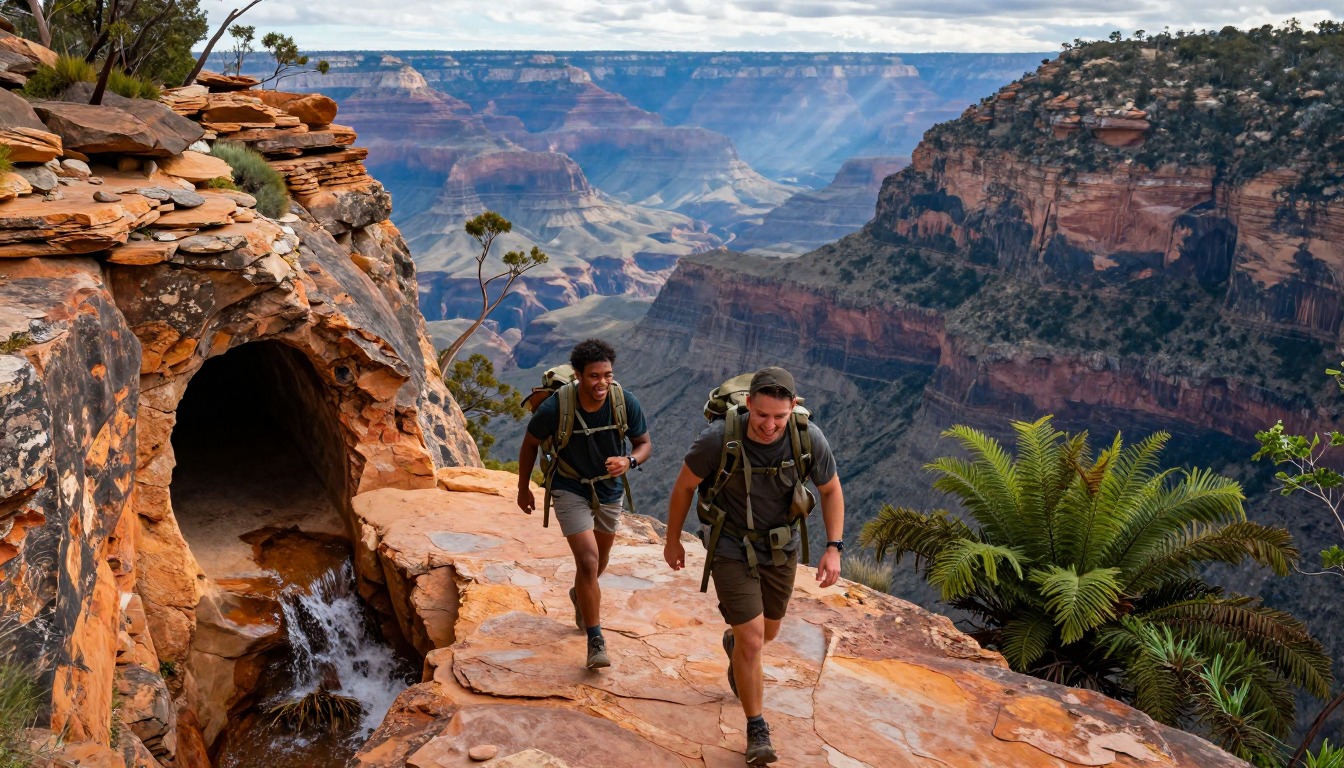
The Grand Canyon Track is a short loop in the Blue Mountains near Sydney. It goes down stone steps into a damp, green canyon, follows a creek with waterfalls and ferns, then climbs back up to the rim. It takes a few hours, not a full day.
The steps and rocks stay wet even in dry weather, so the main issue is slipping. A calm pace, good shoes and paying attention to your feet matter more than fitness. The climb out at the end is steady rather than extreme.
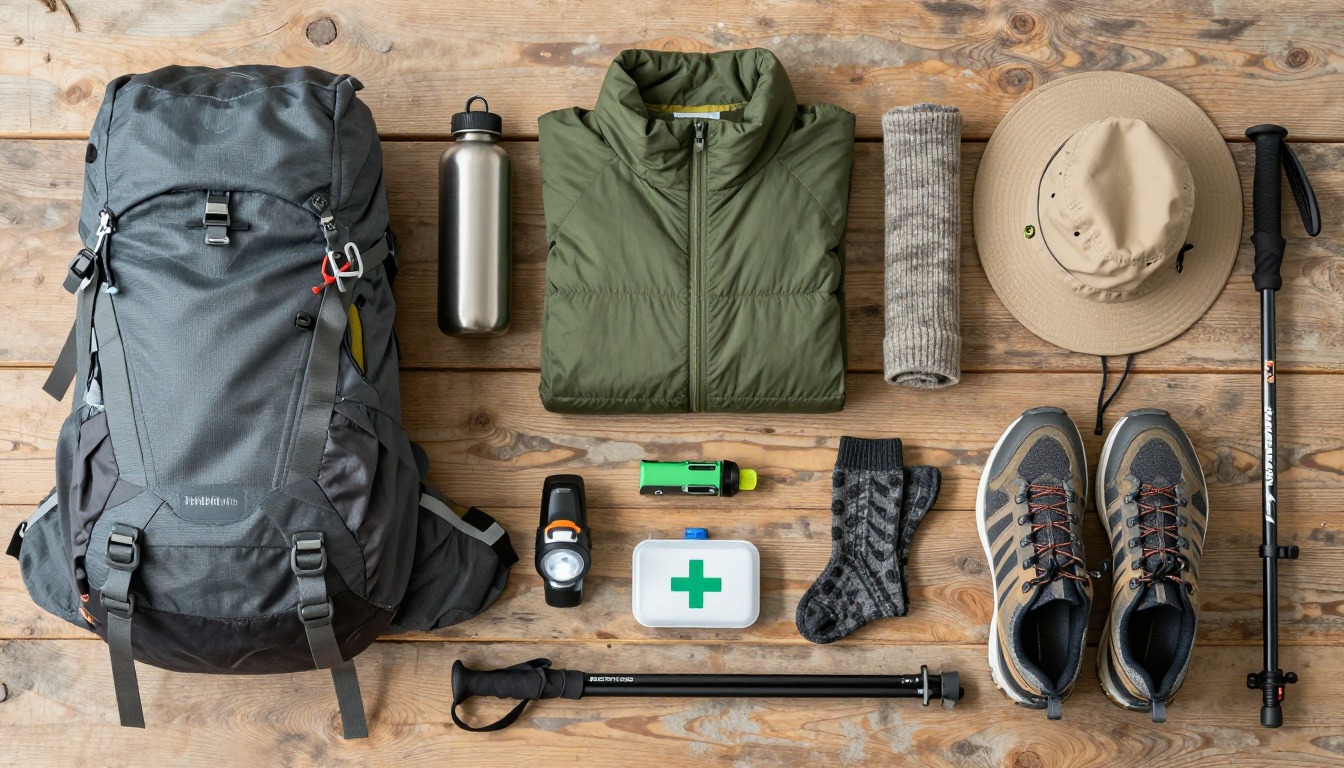
You do not need a big pack. A small daypack with water, a snack, a light warm layer and a rain jacket is plenty. It is not a technical canyoning route, so you do not need ropes or specialized gear.
What the hike is like
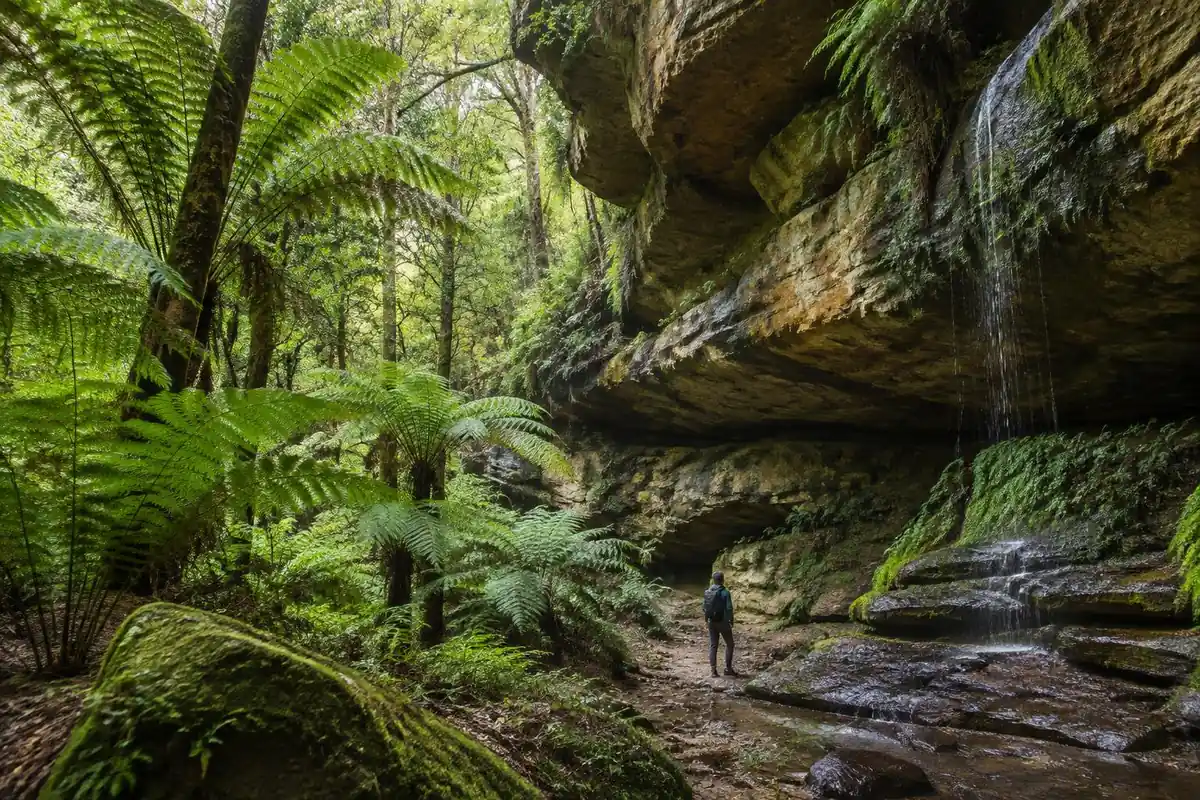
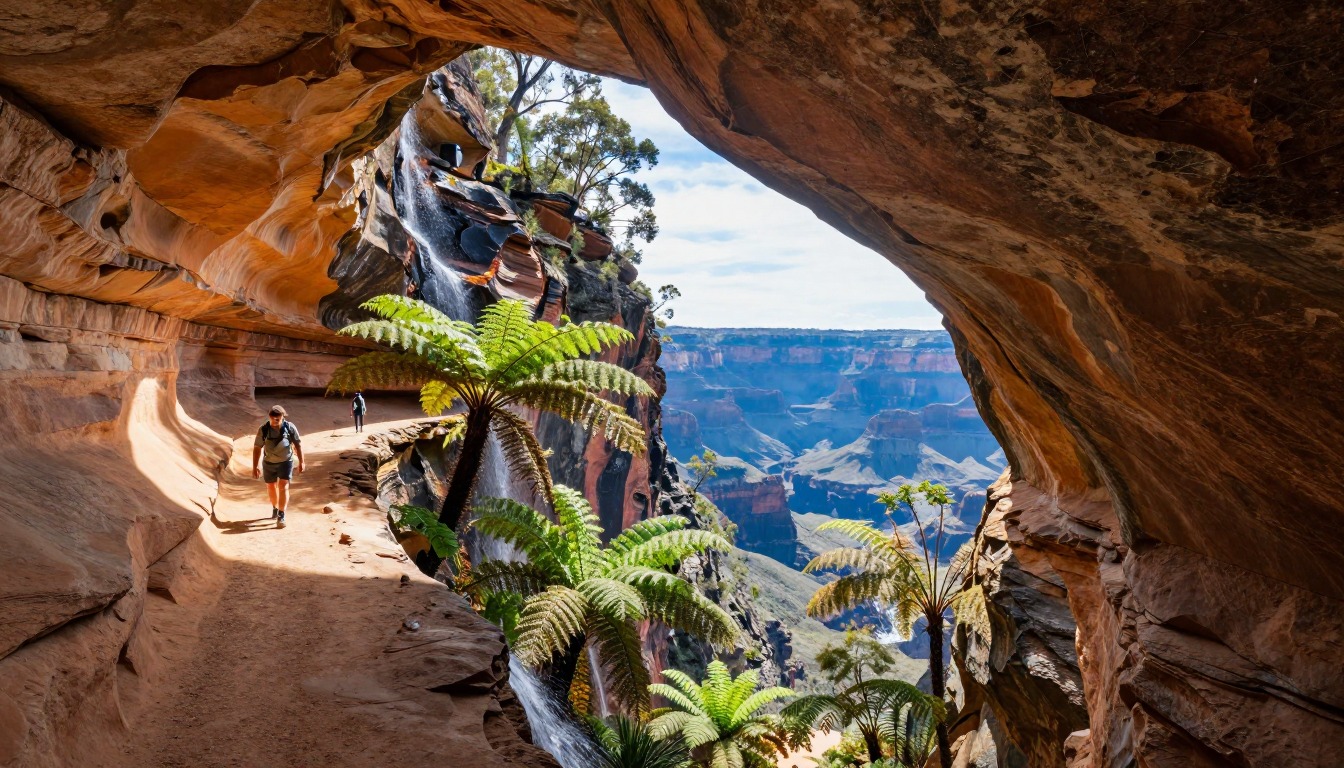
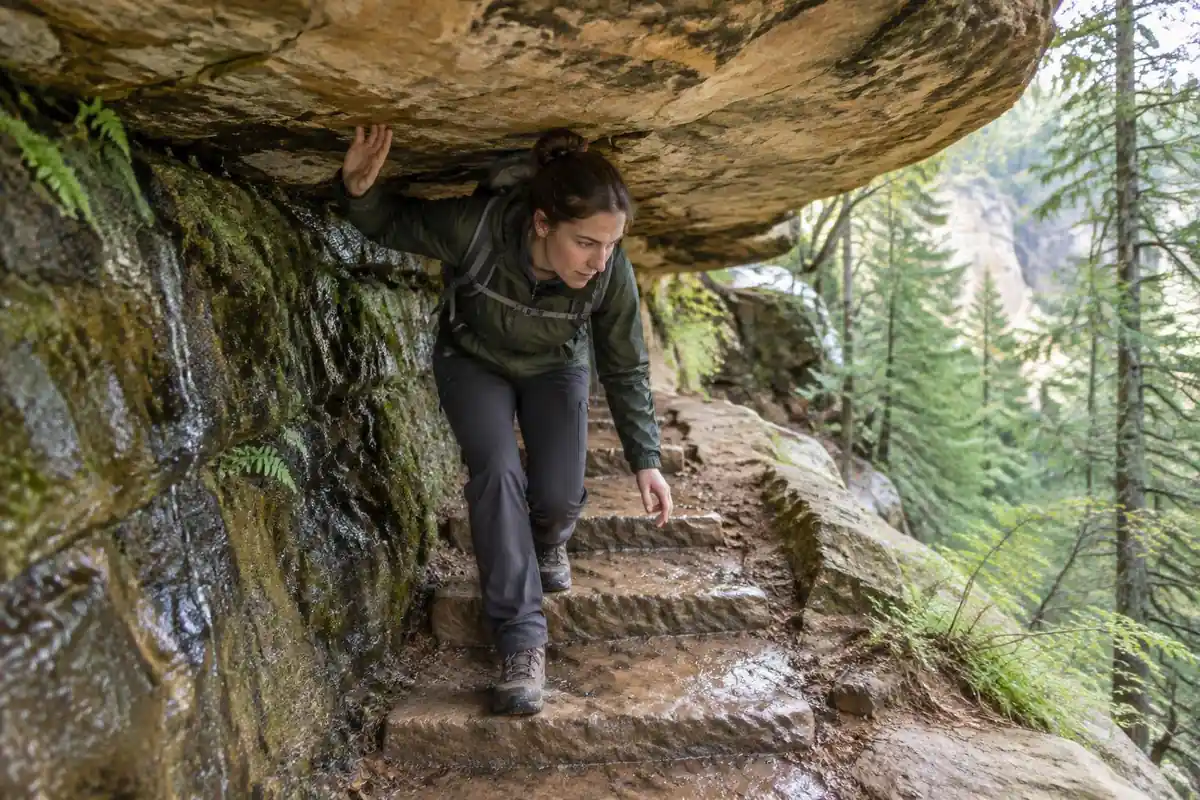
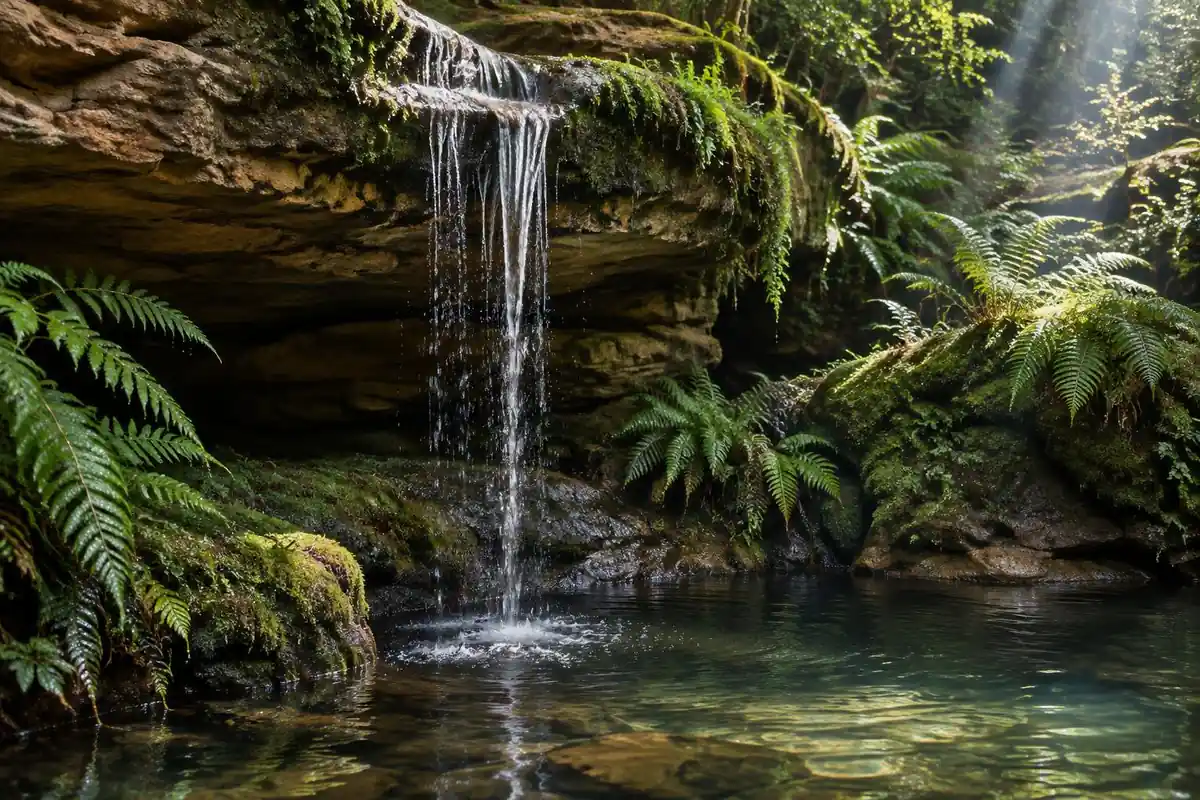
This loop front-loads the drama. From the tableland near Neates Glen the track drops immediately into the canyon on stone steps cut and stacked into the sandstone, tight switchbacks working down between walls that close in as you descend. The floor is the good part: a damp, green corridor where the route follows a creek, crosses it repeatedly on stepping stones and small bridges, threads timber walkways bolted along rock faces, and passes close alongside falling water where the air turns cold and the light goes filtered and green. Ferns hang off every ledge and the sandstone stays wet, so the footing is slick even in dry weather. The climb out to the rim near Evans Lookout is the reverse in character: steady, sunlit, back into dry eucalypt scrub.
How to plan the itinerary
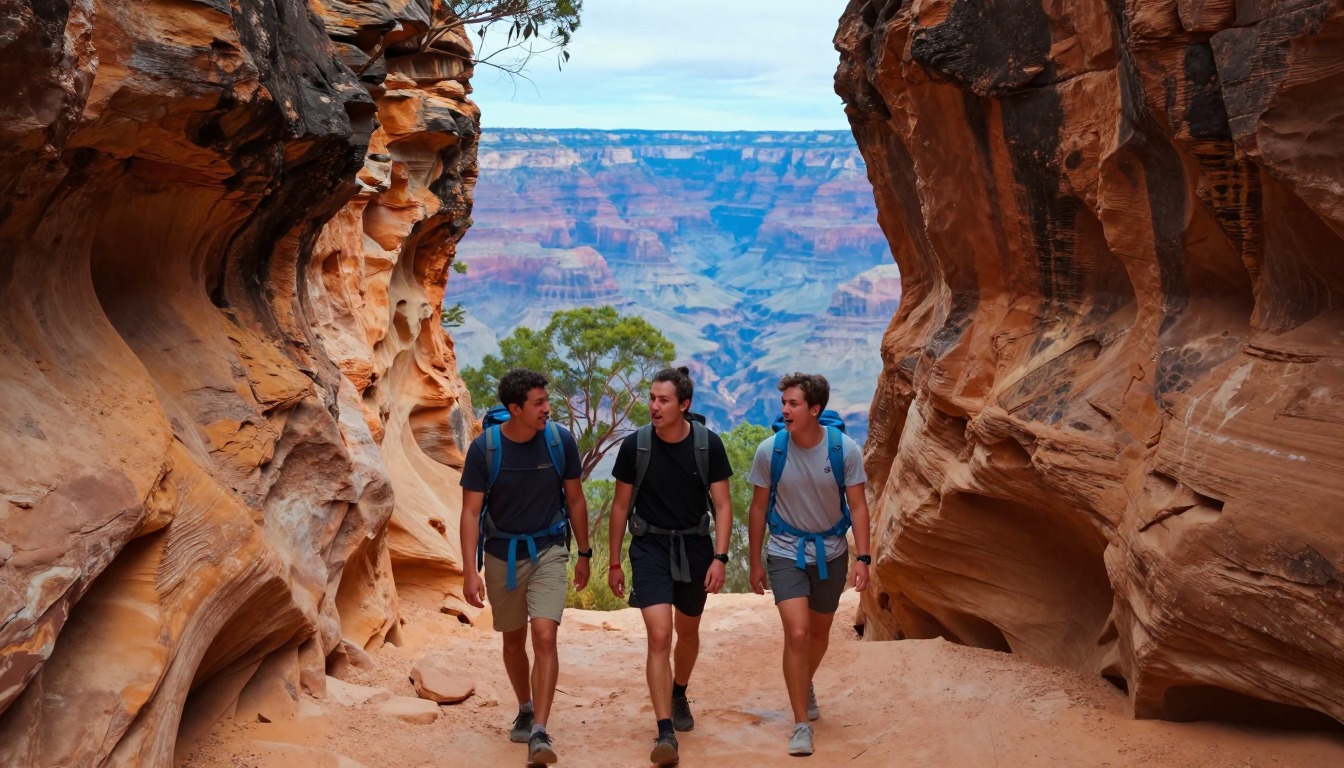
It is a half-day loop for most walkers, and the usual pattern is to descend into the canyon first and climb out to the rim afterward, which puts the steady ascent at the end rather than the beginning. Because the loop's two ends sit at different points on the tableland, walkers either link them along the clifftop track, arrange a short local transfer, or leave a vehicle at one end — worth deciding before you set off rather than at the bottom of the canyon. Plenty of people pair it with a second short walk elsewhere in the Blue Mountains and make a full day of it. Starting earlier gives a quieter canyon and better light on the walls, which are the main reason to be down there.
Plan this trip in 5 steps
-
Pick the right pack
Match a pack to your trip, fit and priorities.
-
Book a place to stay
Campgrounds, huts and lodges near Blue Mountains — Grand Canyon Track.
-
Plan food & water
Calories, food weight and water for your days on trail.
Trail-specific tips
Wear shoes with real grip and accept that the canyon floor is wet. Mossy sandstone steps and damp timber walkways are the single most common cause of a spilled walker here, and the worst of it happens in the shaded lower section where people are looking up rather than down. Leeches turn up after rain, so check your ankles. Carry a light layer: the gorge runs noticeably colder than the rim even on a warm day. Allow extra time for the climb out, which is steeper going up than it felt coming down. General footing and weather advice sits on /trail-smarts/.
Permits & rules
No permit is needed for the loop. The track drops into a cool, damp fern canyon with steps and a short passage behind a waterfall — it can be slippery, so wear proper shoes and allow time for the climb back out.
Gear suited to this hike
Matched to the terrain and conditions here. Real products — check current price on Amazon.


Alerts and closures come first
NPWS lists the track as a 6.3 km loop, suggested time 3 to 4 hours, Grade 3. It says the creek can flood after heavy rain and warns never to walk in a canyon before, during or after heavy rain.1 It describes a shaded descent along Greaves Creek past waterfalls and creek crossings, on a route walkers have used since 1907, and says the Blackheath area can close at times because of poor weather or fire danger.1
NPWS separately describes the canyon itself as a technical route for fit, experienced canyoners that involves swimming, scrambling and a 20 m abseil; that is not the walking track.1 Look up current alerts for the Grand Canyon track before you leave, because a closed section turns the loop into a different trip.
Wet stone, steps and traction
Wet sandstone is the defining surface. Grip depends on shoe tread and pace. Dermatologists recommend shoes that fit neither too tight nor too loose and nylon or moisture-wicking socks, because cotton soaks up moisture and causes chafing.4 Creek crossings can soak feet, so spare socks in the car are worth having.
Stone staircases are a downhill problem for the knees. In a study on a 25 degree ramp, poles reduced knee compressive and shear forces by 12 to 25%,2 though stairs are not identical to a ramp and on level ground poles did not lower knee compression.5 On a short loop with narrow steps and bridges, many walkers prefer to keep hands free, which is a reasonable choice.
Water, weather and trail manners
Streams run through the canyon, but that does not make them safe to drink. CDC says water from a clear mountain stream can still contain germs and is generally not safe to drink untreated.3 For a half-day loop, carry your own water.
Because the canyon is shaded and damp, it feels cooler than the rim. Layering matters: base layers should wick moisture, middle layers insulate and outer layers repel water and block wind, as the National Park Service explains.6 On narrow stairs, the National Park Service etiquette rule that uphill hikers have the right of way keeps traffic moving.7 Pack fabric can leak at seams in sustained rain, so a small waterproof bag for a phone and spare layer is sensible.8
Common questions
Which direction should I walk the loop?
Descending into the canyon first and climbing out to the rim afterward is the common choice, and it means tackling the sustained ascent with a warmed-up body rather than cold legs. Either direction works, but the descending stone staircases are easier to manage going down than the reverse for most walkers.
Is this walk suitable for kids?
Reasonably active children who are steady on stairs generally manage it, but it is not a stroller-friendly stroll. Wet stone steps, stepping-stone creek crossings and a solid climb at the end all need supervision. Judge it against how your child handles slippery, uneven surfaces rather than by total length.
Does the track close after rain?
Sections can be affected by storms, rockfall and maintenance, and the canyon environment makes closures more likely here than on a simple rim walk. Check current alerts with the state park service before you drive out, since a closed canyon leg turns the loop into something other than what you planned.
Do I need a headlamp or canyoning gear?
No. This is a formed walking track with steps, bridges and walkways, not a technical canyoning route — no ropes, no swimming and no abseiling. What it asks for is grippy footwear, a light warm layer and some patience on wet rock. Leave the specialist gear at home.
Complete gearsets for this trip
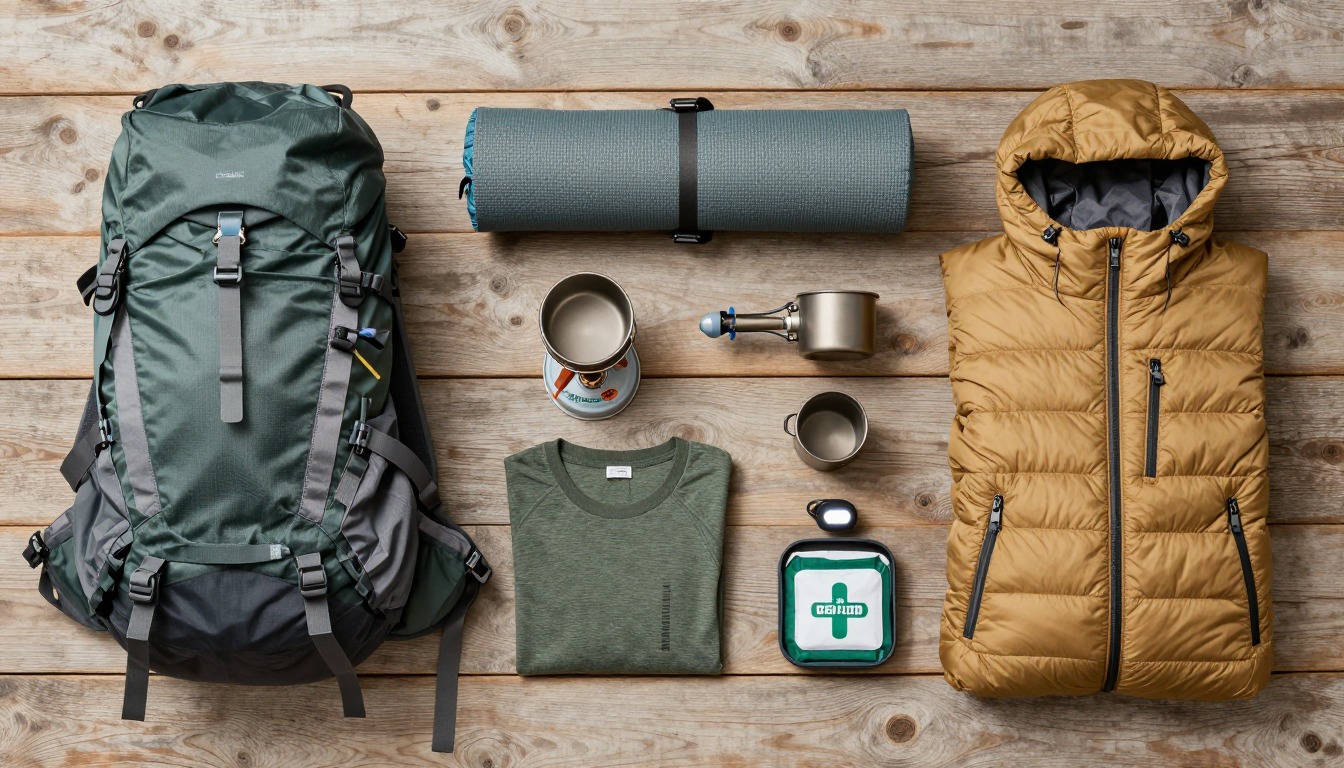
Full curated kits built for exactly this kind of hike.
Trail conditions, permits and access rules change without notice — always confirm current information on the official source above before you go. Some facts on this page are still pending owner verification and are marked accordingly. Product links and the accommodation map are affiliate links: we may earn a commission at no extra cost to you; product prices and availability are shown on Amazon, and accommodation prices on the booking site. See our affiliate disclosure.